Loading video…

 17 Concepts
 5.3K views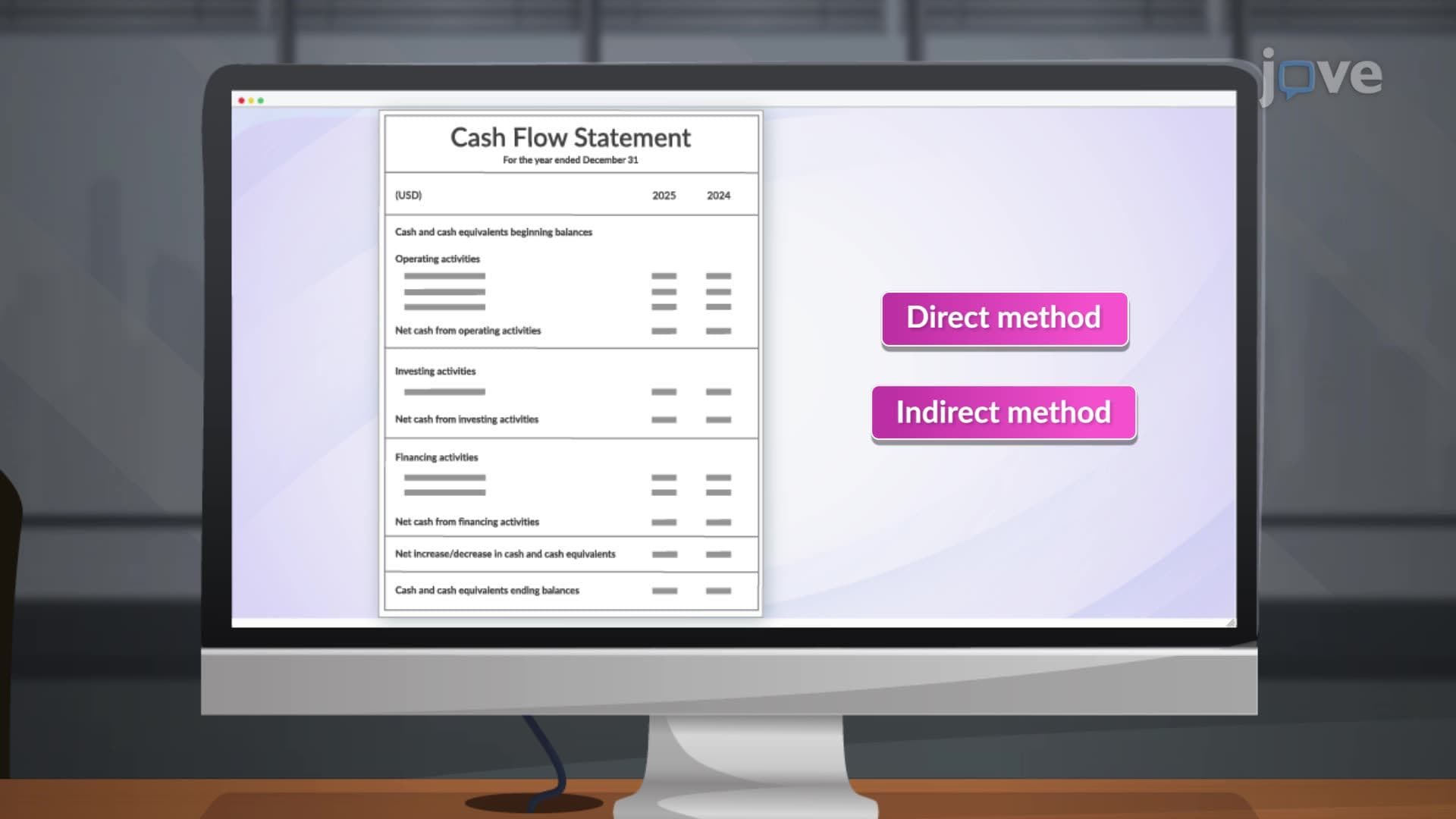

Video Summary: Direct Vs Indirect Method of Cash Flow Preparation Guide
Direct vs. indirect method of cash flow preparation basics become critical when you're defending budget decisions or explaining why a profitable quarter still left the team short on resources. Understanding direct vs. indirect method of cash flow preparation helps managers read financial reports with confidence, not just accept numbers at face value. Watch the full video on JoVE Coach to master this concept with expert-led visuals and step-by-step explanations.
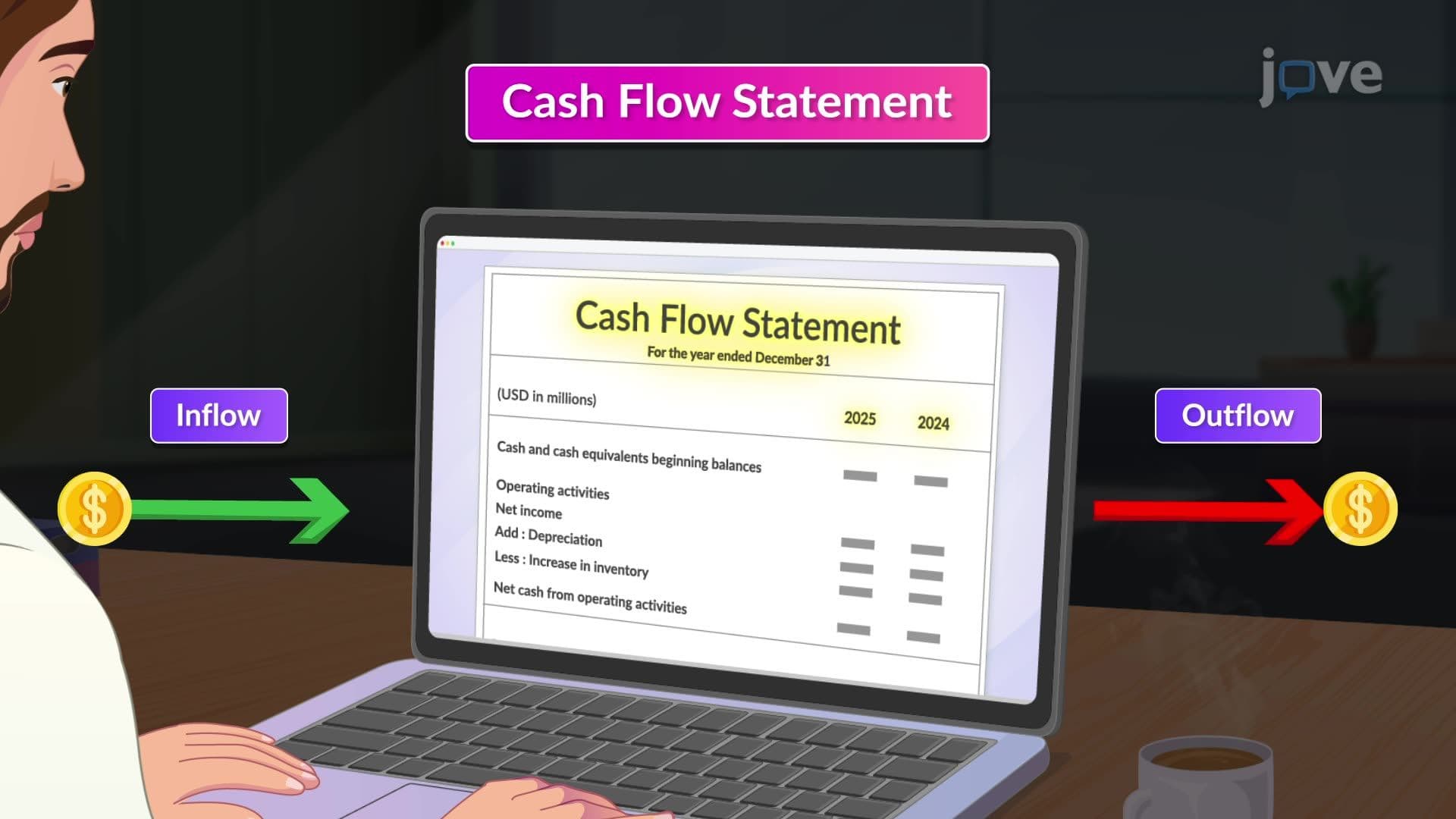
Picture this: you're in a quarterly business review and the CFO presents a cash flow statement. The business posted strong net income, yet cash reserves are tighter than expected. Your peers nod along. You're not entirely sure whether the numbers reflect actual cash movement or accounting adjustments, and you don't want to ask the wrong question in the room. This is exactly where understanding direct vs. indirect method of cash flow preparation becomes a practical leadership advantage, not just a finance team concern.
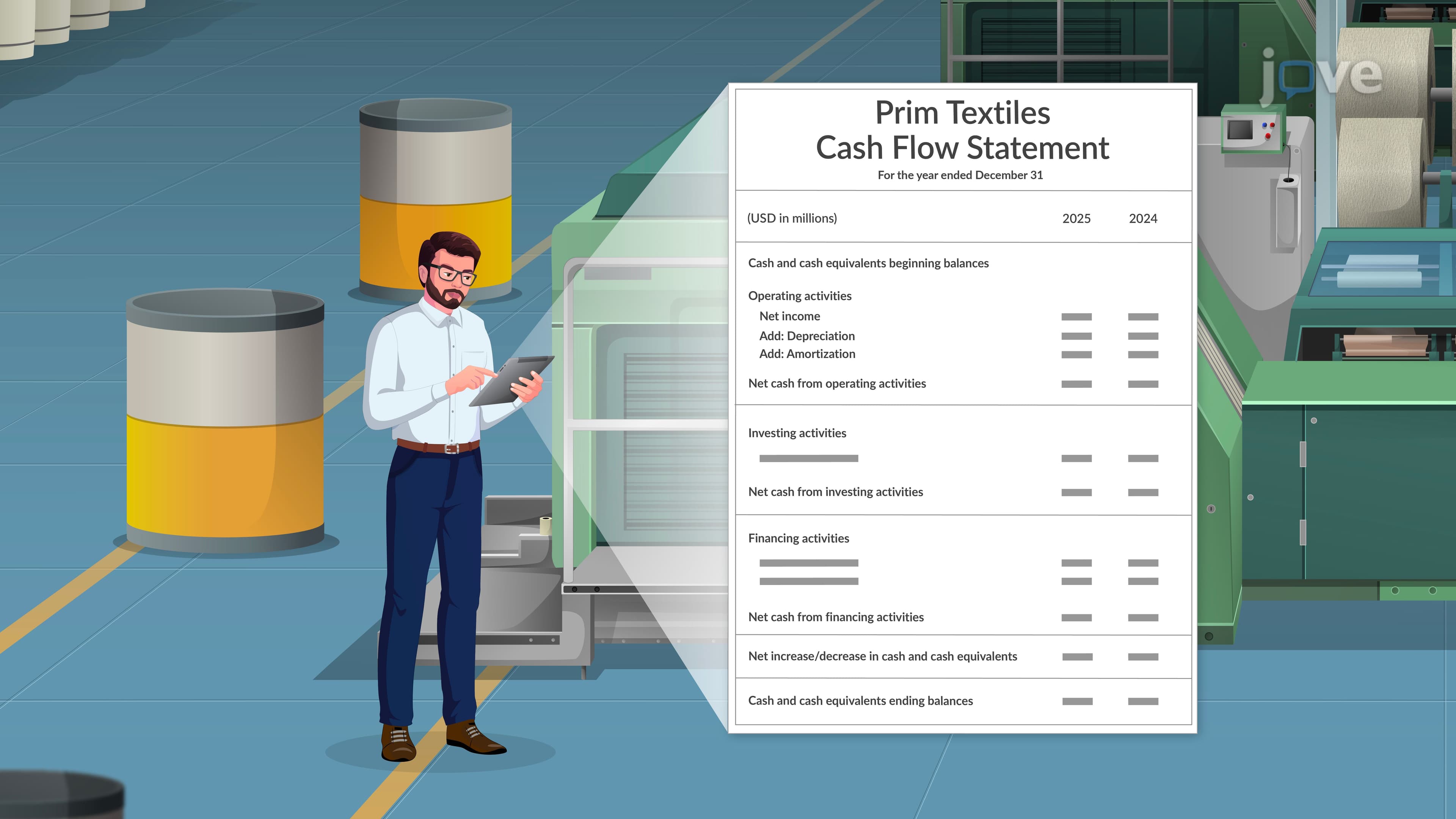
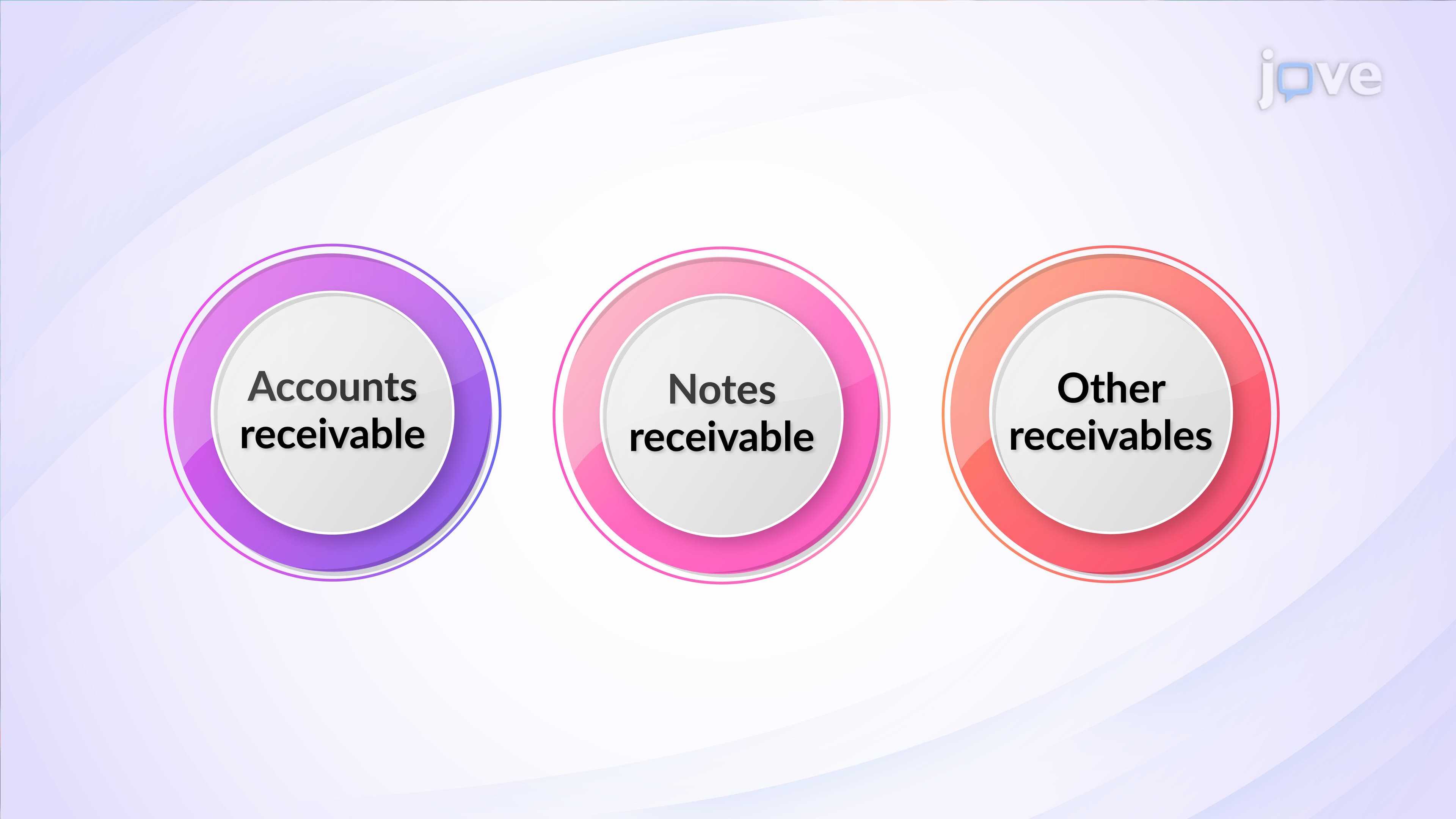
Most managers instinctively focus on profit and loss statements because they're intuitive, revenue comes in, costs go out, profit remains. Cash flow statements operate differently. The indirect method, the approach most organizations use, starts with net income and works backward, adjusting for non-cash items like depreciation and working capital changes such as increases in accounts receivable. This means the final operating cash flow figure isn't a straight count of money received and paid out. It's a reconciled number. Managers who don't understand this distinction often misinterpret healthy cash flow as financial slack, or conversely, flag a cash shortfall that's simply a timing issue in receivables.
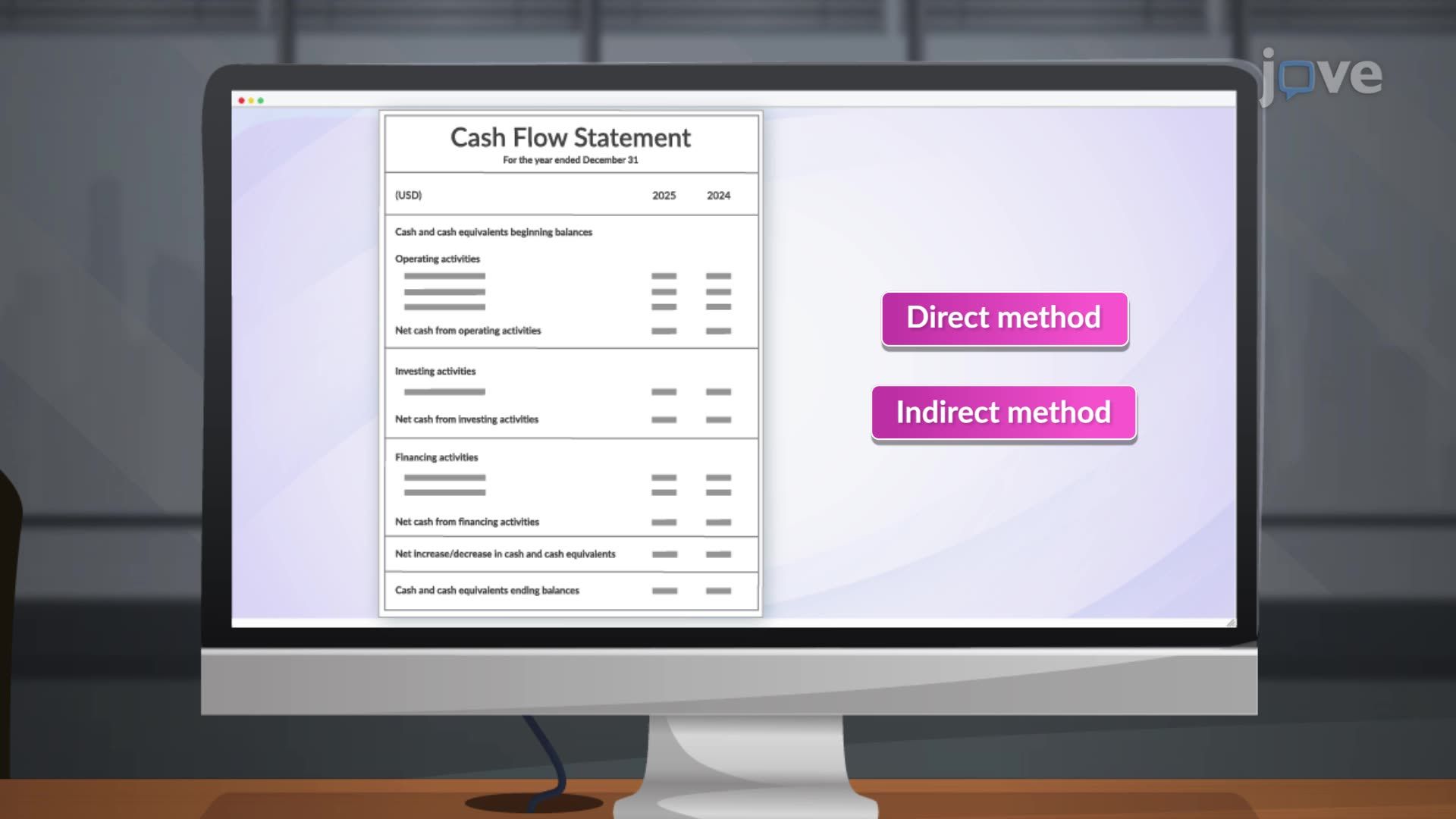
Think of both methods as two routes to the same destination, net cash from operating activities, but with very different visibility along the way.
The direct method lists actual cash inflows and outflows explicitly: cash collected from customers, cash paid to suppliers, cash paid to employees. It reads like a bank statement translated into categories. When you see this format, you have granular visibility into where cash actually moved.
The indirect method starts with net income and applies three types of adjustments: 1. Add back non-cash expenses (e.g., depreciation, an accounting charge, not a cash outflow) 2. Adjust for working capital changes (e.g., if accounts receivable increased, cash collected was less than revenue recorded) 3. Reconcile other accrual-to-cash differences
A useful mental model here is the Accrual-to-Cash Bridge: revenue recorded ≠ cash received; expense recorded ≠ cash paid. Training yourself to think in this bridge framework helps you ask sharper questions, "Is that receivables increase a collection problem or a growth timing issue?"
You don't need to build cash flow statements yourself. Your goal as a manager is to read them intelligently and ask questions that signal financial acumen to your leadership.
Practical steps for your next review:
The most common leadership mistake is treating net income and operating cash flow as interchangeable. They are not. A team or business unit can be profitable on paper while being cash-poor in practice, a reality that directly affects headcount decisions, project funding, and vendor payments. A second mistake is deferring entirely to finance on cash flow interpretation. While you shouldn't prepare these statements, understanding the logic makes you a more credible, cross-functional leader. Financial literacy at the managerial level consistently correlates with faster progression into senior leadership roles.
Related Micro-courses