Loading video…


 17 Concepts
 5.3K views

Video Summary: Preparation of Operating Activities
Preparation of operating activities is a critical skill for managers who need to assess whether their business unit generates enough cash to sustain day-to-day operations, independent of loans or investor funding. When cash flow signals don't align with reported profit, operational decisions break down fast. Understanding how non-cash items and working capital changes affect net cash flow sharpens your financial judgment as a leader. Watch the full video on JoVE Coach to master this concept with expert-led visuals and step-by-step explanations.
Imagine you're heading into a quarterly business review. Your unit's profit numbers look strong, leadership is pleased. But three weeks later, payroll is tight, vendor payments are delayed, and your operations manager flags that the team is stretched. The profit was real. The cash wasn't there when it was needed. This is exactly the gap that the preparation of operating activities in a cash flow statement is designed to expose, and why every manager with budget or operational responsibility needs to understand it deeply.
Profit and cash flow are not the same thing, yet most non-finance managers treat net income as the definitive measure of operational strength. Net income is calculated on an accrual basis, meaning revenue is recorded when earned, not when cash is received. A team that closes deals in Q3 but collects payment in Q4 will show healthy income but strained cash. Understanding this distinction is the foundation of sound operational judgment. Managers who rely solely on P&L summaries to make hiring, procurement, or investment decisions are operating with incomplete information.
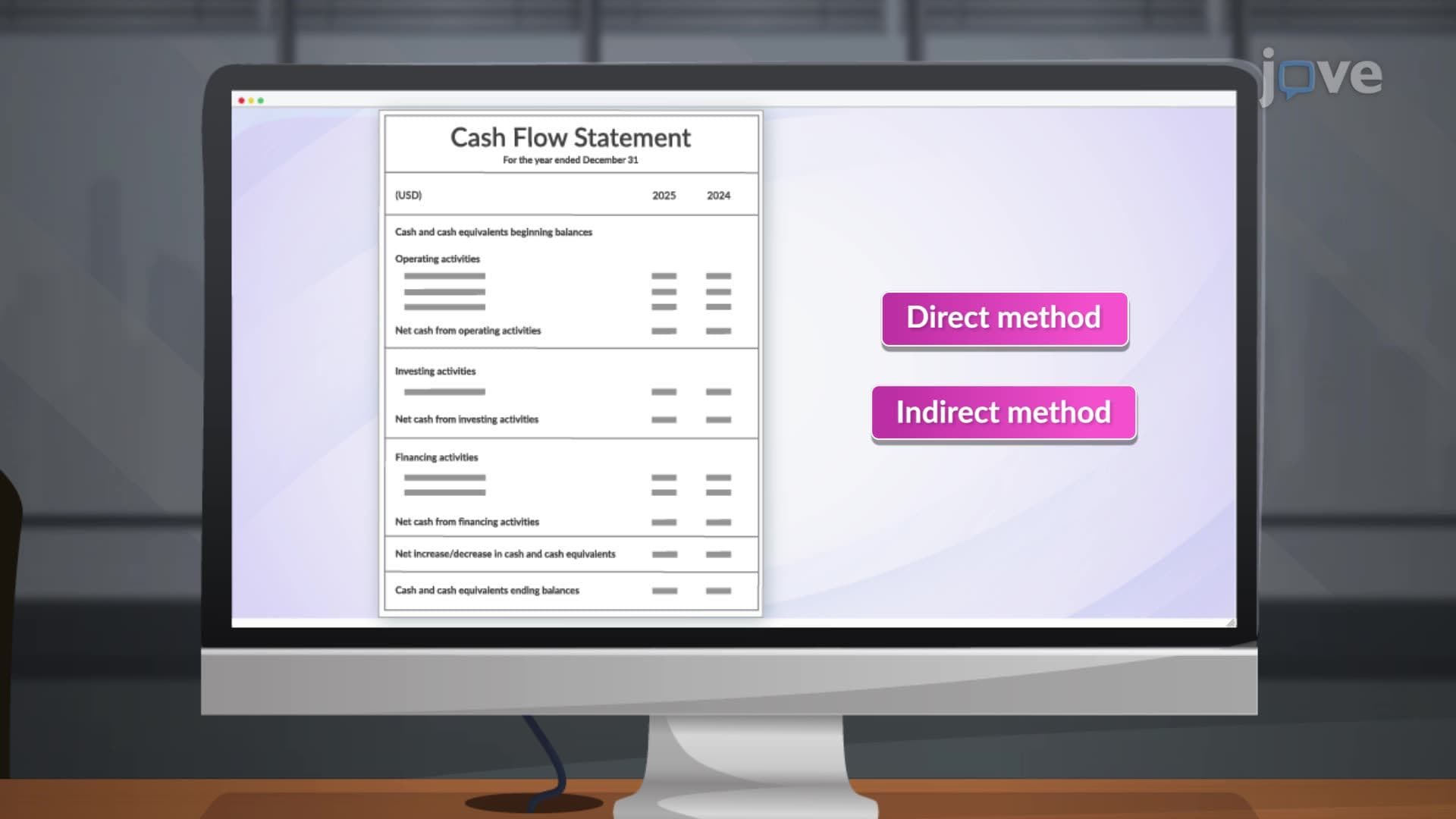
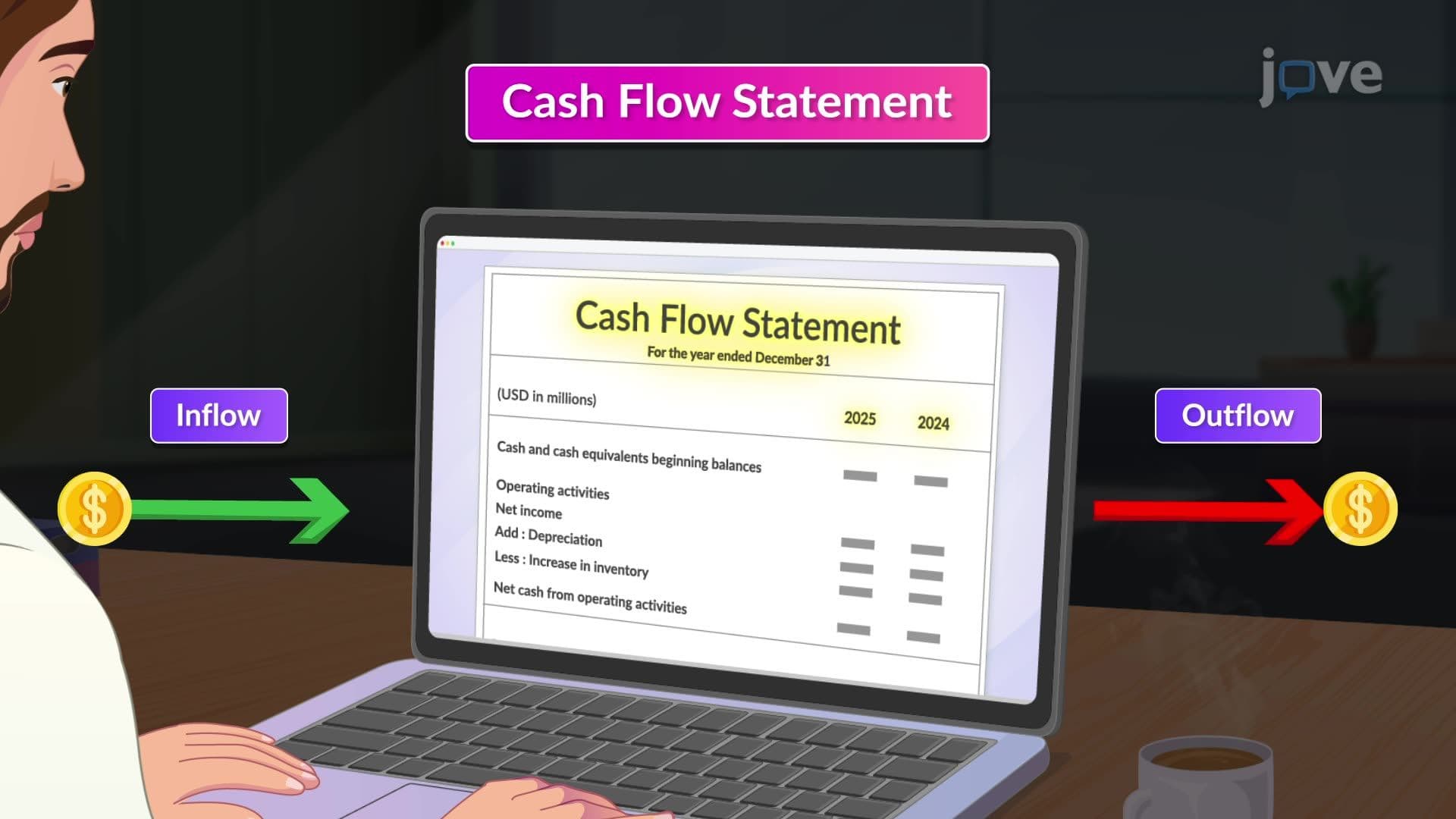
The indirect method, the most widely used approach for preparing operating activities, starts with net income and makes targeted adjustments to arrive at actual cash generated. Think of it as a reconciliation between the income statement and operational reality. The key adjustments fall into two categories:
Non-cash add-backs: Items like depreciation reduce reported income but involve no cash outflow. They must be added back to net income to reflect true cash generation.
Working capital changes: These reflect timing differences between when transactions are recorded and when cash actually moves.
A practical way to apply this: use a simple operating cash flow bridge in your next financial review. Map from net income → add non-cash expenses → adjust for receivables and payables changes → arrive at net cash from operations. This single-page view transforms how your leadership team reads performance.
When presenting operational plans upward or defending budget requests, managers who can frame their arguments around cash flow, not just profit, earn significantly more credibility with finance leaders and executives. Two immediately applicable practices:
1. Cash flow stress-testing: Before committing to new headcount or capital expenditure, model the operating cash impact over 60-90 days. Ask: does this unit generate enough operating cash to fund this decision without external support?
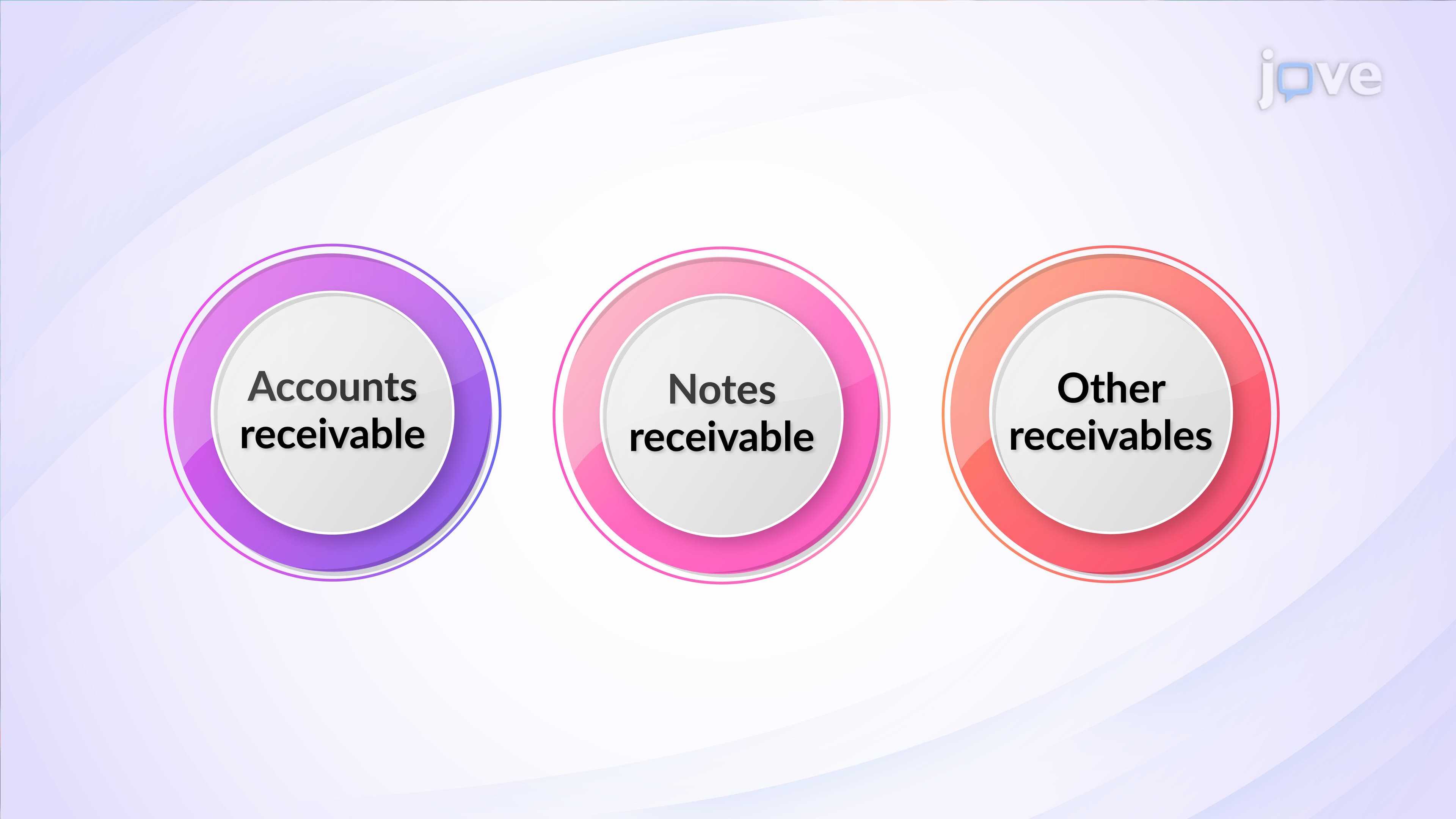
2. Receivables monitoring as a leadership habit: A rising accounts receivable balance is often treated as a sales metric, but for an operational manager, it's a cash risk indicator. Building a monthly rhythm of reviewing receivable aging alongside operating cash flow gives you an early signal before liquidity becomes a crisis.
The preparation of operating activities isn't just an accounting task. It's a leadership diagnostic, a structured way to ask whether your unit is truly self-sustaining.
The most common error is assuming that a profitable quarter equals a cash-healthy quarter. The second is treating cash flow statements as finance's problem, not a management tool. A third mistake is ignoring the *direction* of working capital changes, managers often know what receivables and payables are, but miss how their movement signals operational health or stress. Build the habit of reading operating cash flow alongside net income every reporting cycle. It takes under ten minutes once you know what to look for, and it will change how you lead operational decisions.
Related Micro-courses