Loading subject page…

5,288 views

Video Summary: Relationship with Other Financial Statements Explained
Understanding the relationship with other financial statements is a critical skill managers overlook until a budget review exposes a gap between reported profit and actual cash on hand. Mastering relationship with other financial statements basics helps you read beyond headline numbers and ask sharper questions in financial conversations. Watch the full video on JoVE Coach to master this concept with expert-led visuals and step-by-step explanations.
A senior operations manager sits in a quarterly review, hearing that the business turned a healthy profit, yet the finance team flags a cash shortage that's delaying a critical equipment purchase. How can both be true? This is the moment the relationship with other financial statements becomes a practical leadership tool, not just a finance function concern.
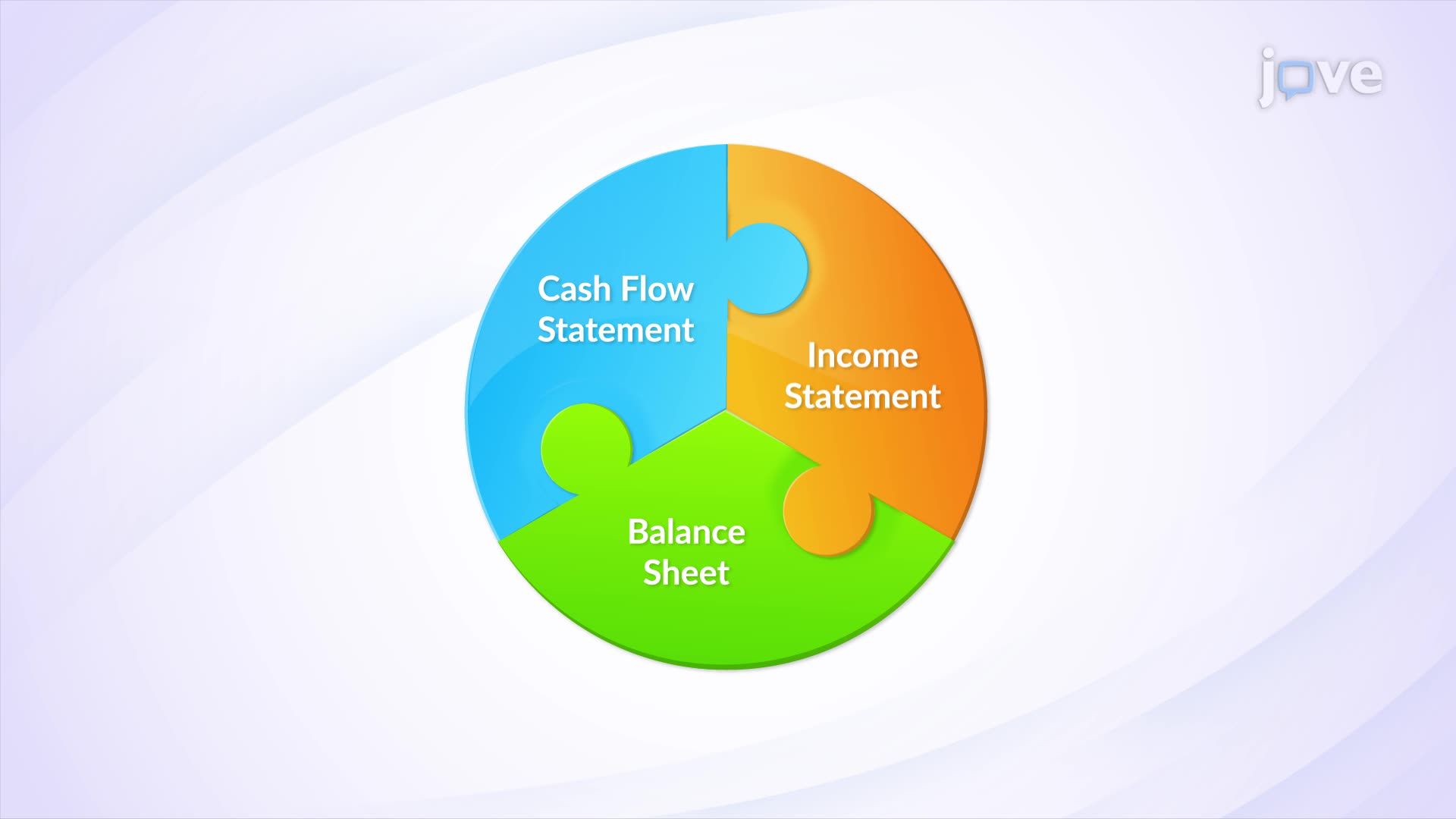
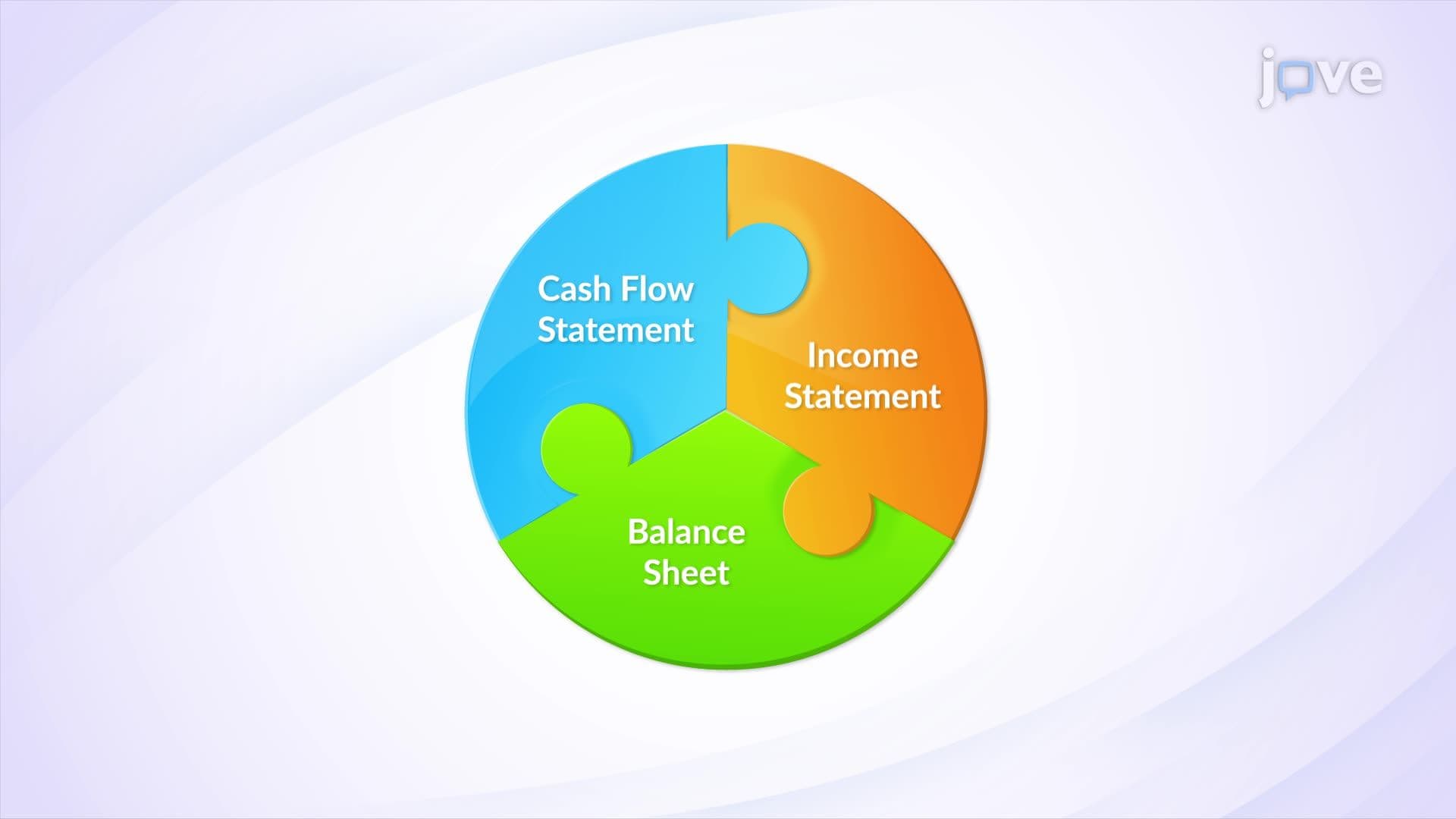
Profit is an accounting figure. Cash is operational reality. When you manage budgets, headcount, or capital requests, you are implicitly working across three interconnected documents: the income statement, the balance sheet, and the cash flow statement. Most managers default to income statement thinking, tracking revenue and cost, without recognizing how non-cash charges like depreciation, or timing differences in customer payments, distort the cash picture.
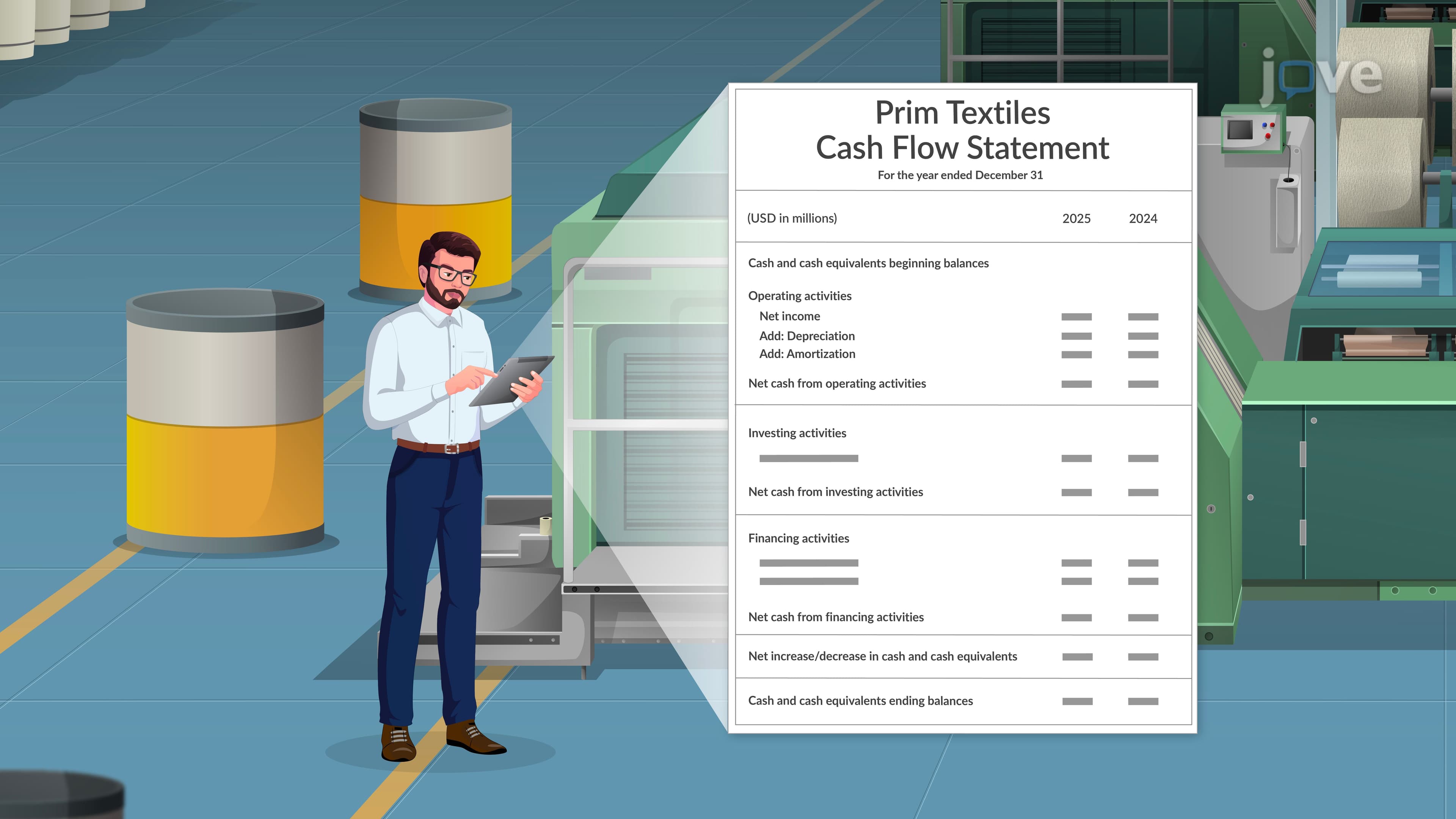
The relationship with other financial statements explained simply is this: net income is the starting point, not the finish line. From there, adjustments for non-cash expenses, working capital changes, and long-term asset movements produce the actual cash position a business can act on.
Think of the three financial statements as a single integrated system using what finance professionals call the indirect method reconciliation:
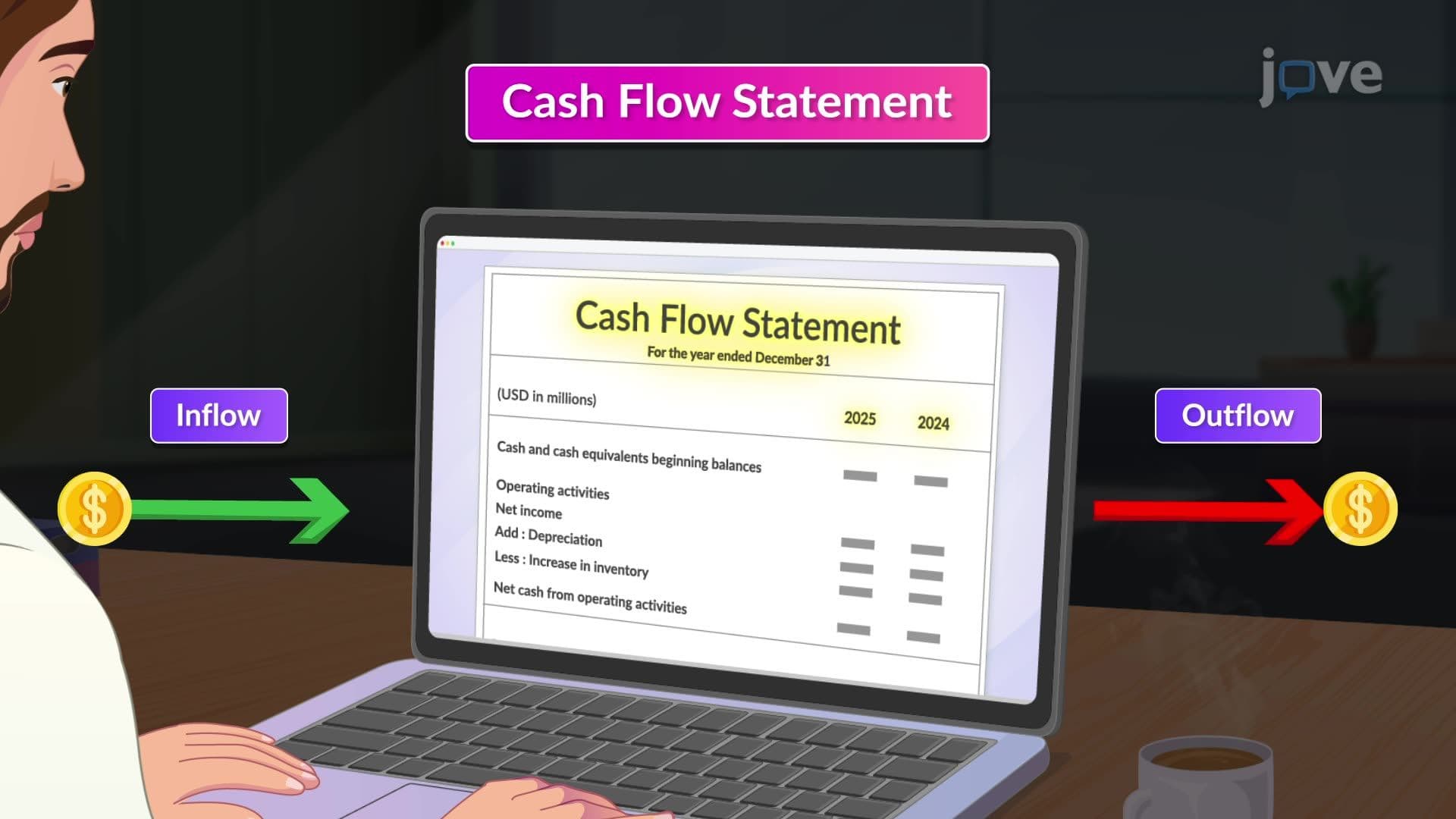
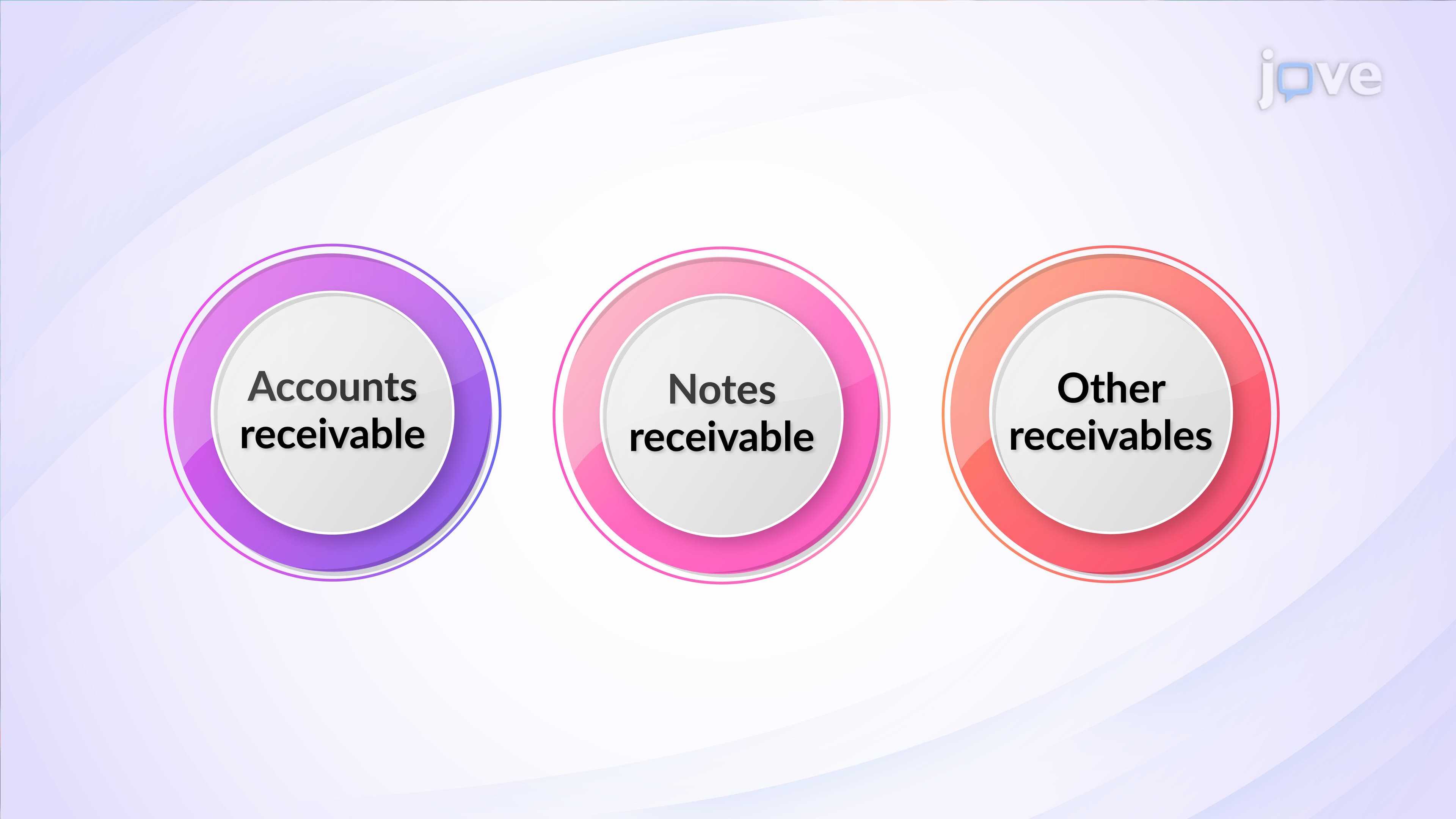
1. Income Statement → Operating Cash Flow: Start with net income. Add back depreciation and other non-cash expenses. Then adjust for working capital changes, if customers owe more money (rising receivables), cash hasn't landed yet, reducing operating cash flow.
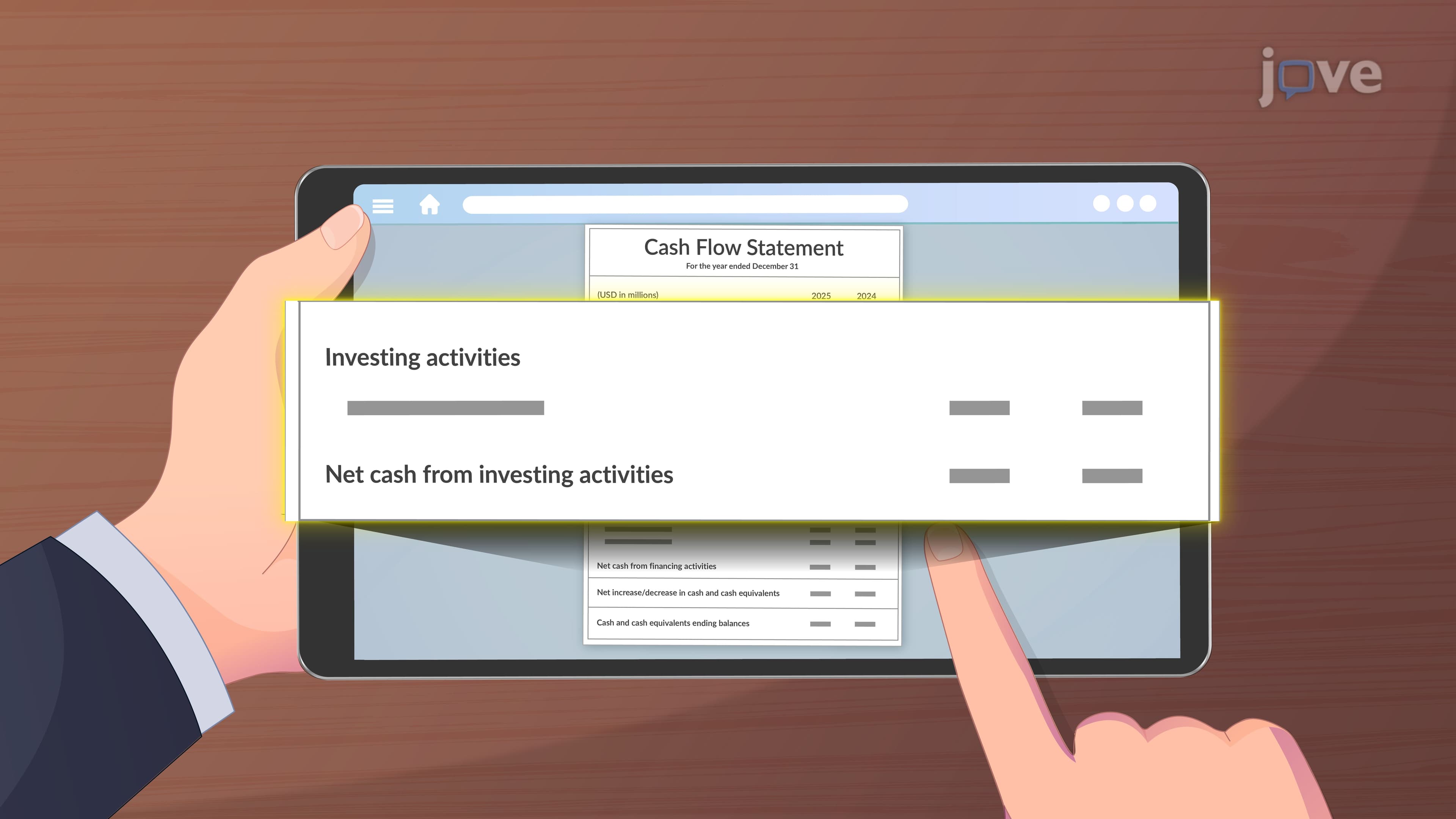
2. Balance Sheet → Cash Flow Validation: Every change in a balance sheet line item, inventory, payables, long-term assets, equity, flows into one of the three cash flow categories: operating, investing, or financing activities. A machinery purchase reduces investing cash flow and simultaneously reduces cash on the balance sheet.
3. Financing Activities → Equity and Debt Movements: Raising new capital or repaying loans shows up in financing cash flow, linking directly to changes in equity and liabilities on the balance sheet.
The closing cash balance on the cash flow statement must reconcile precisely with cash shown on the balance sheet. When it does, you have a coherent, auditable picture of performance.
When your next budget or performance review arrives, resist the habit of evaluating only profit margins. Instead, apply a three-question diagnostic:
This approach mirrors elements of the DuPont Analysis mindset, decomposing financial outcomes into their component drivers rather than accepting summary figures at face value. Applied regularly, it sharpens your ability to ask the questions finance teams respect.
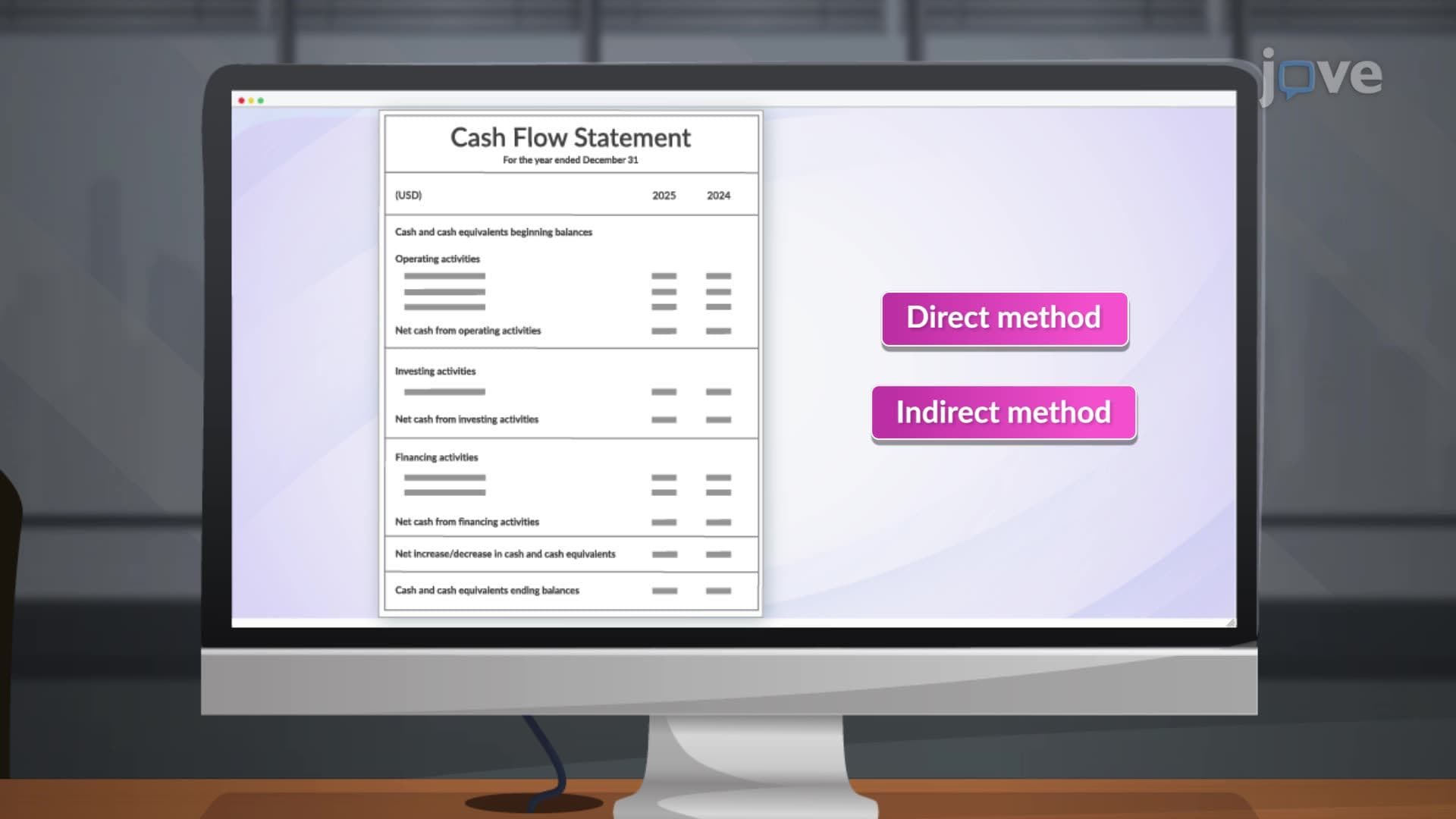
The most frequent error managers make is treating cash flow as a finance team problem. A second mistake is assuming a profitable quarter means resources are available, when in fact cash may be tied up in receivables or long-term asset purchases. Finally, confusing the direct vs. indirect method of cash flow presentation can cause misreading of operating cash flow entirely. The indirect method, which starts with net income and works backward, is the most common format you will encounter in management reporting. Knowing how to trace that logic builds credibility and sharpens decisions.
Related Micro-courses