Loading video…

 17 Concepts
 5.3K views

Video Summary: Non Cash Transactions Explained
Non-cash transactions basics often trip up managers when they're trying to read financial reports or justify capital decisions to senior leadership. Understanding non-cash transactions, financial activities that shift a company's position without moving actual cash, helps you interpret what the numbers aren't directly showing. These disclosures reveal strategic moves buried in footnotes that shape real business decisions. Watch the full video on JoVE Coach to master this concept with expert-led visuals and step-by-step explanations.
Picture this: your organization just announced the acquisition of a major piece of equipment. The finance team confirms no cash left the building. Yet the balance sheet has shifted, equity has changed, and the transaction appears nowhere in the main cash flow statement. As a manager, you're left wondering, where does this show up, and why does it matter to me? This is exactly where understanding non-cash transactions moves from accounting trivia to genuine leadership leverage.
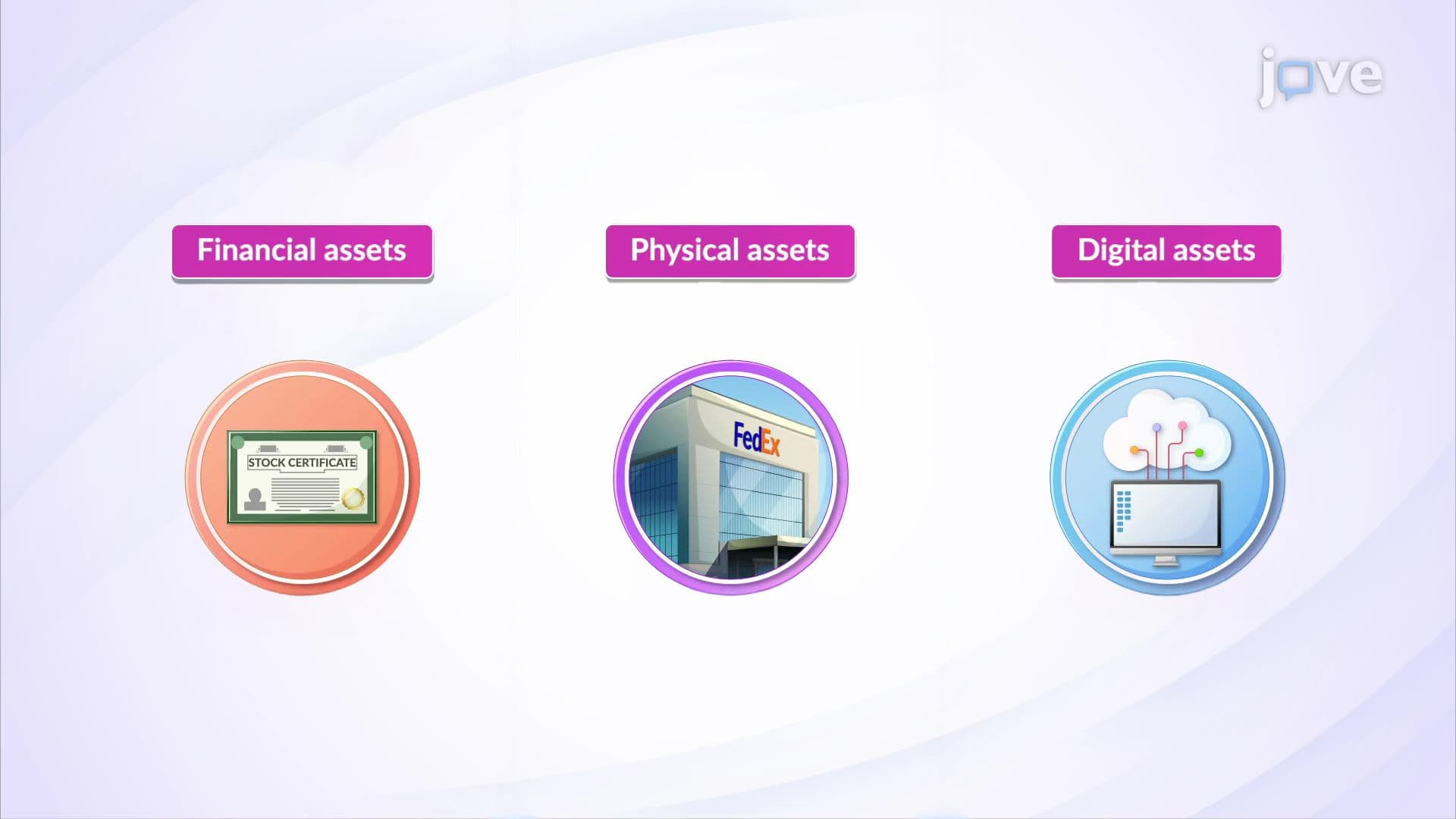
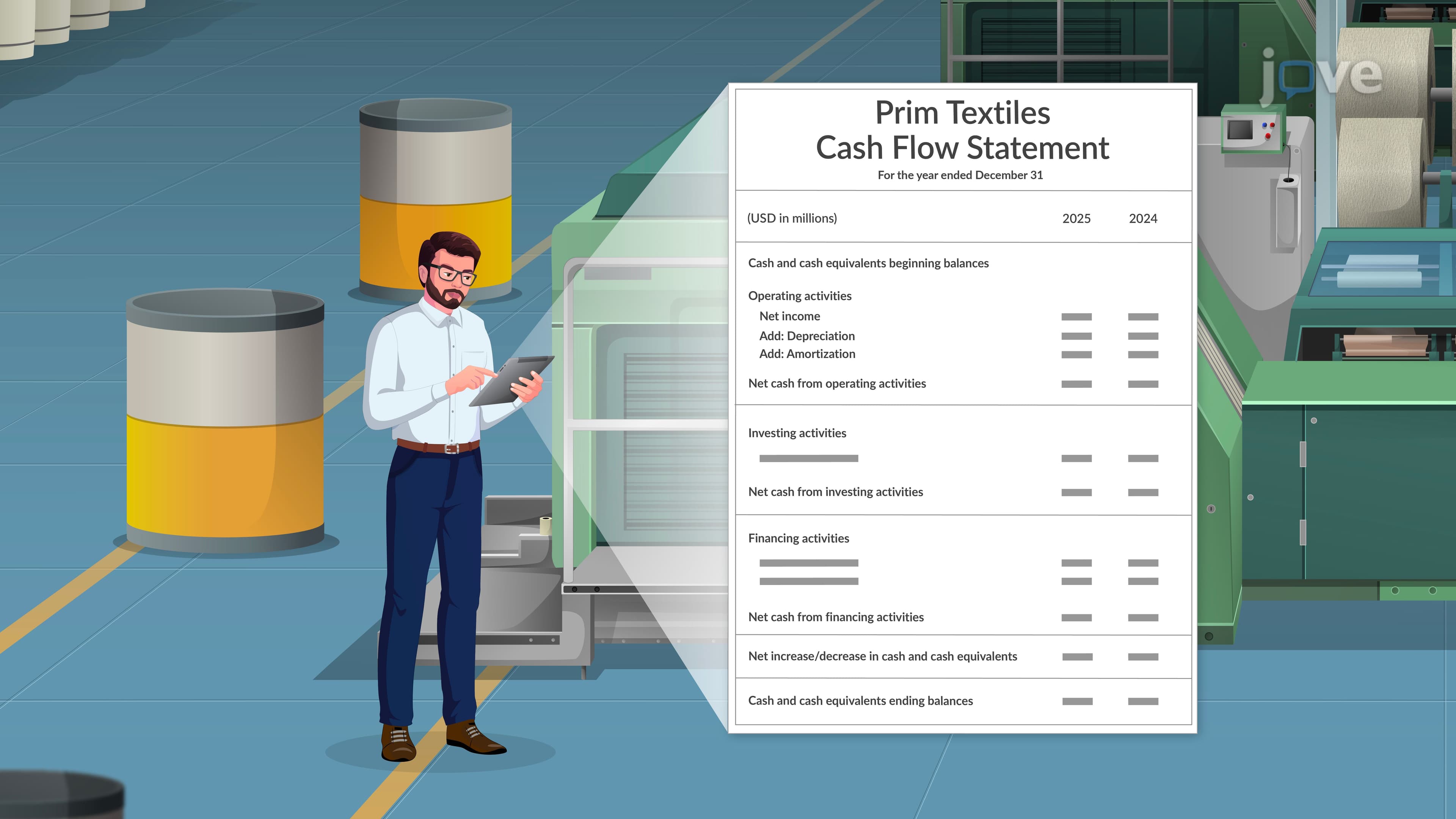
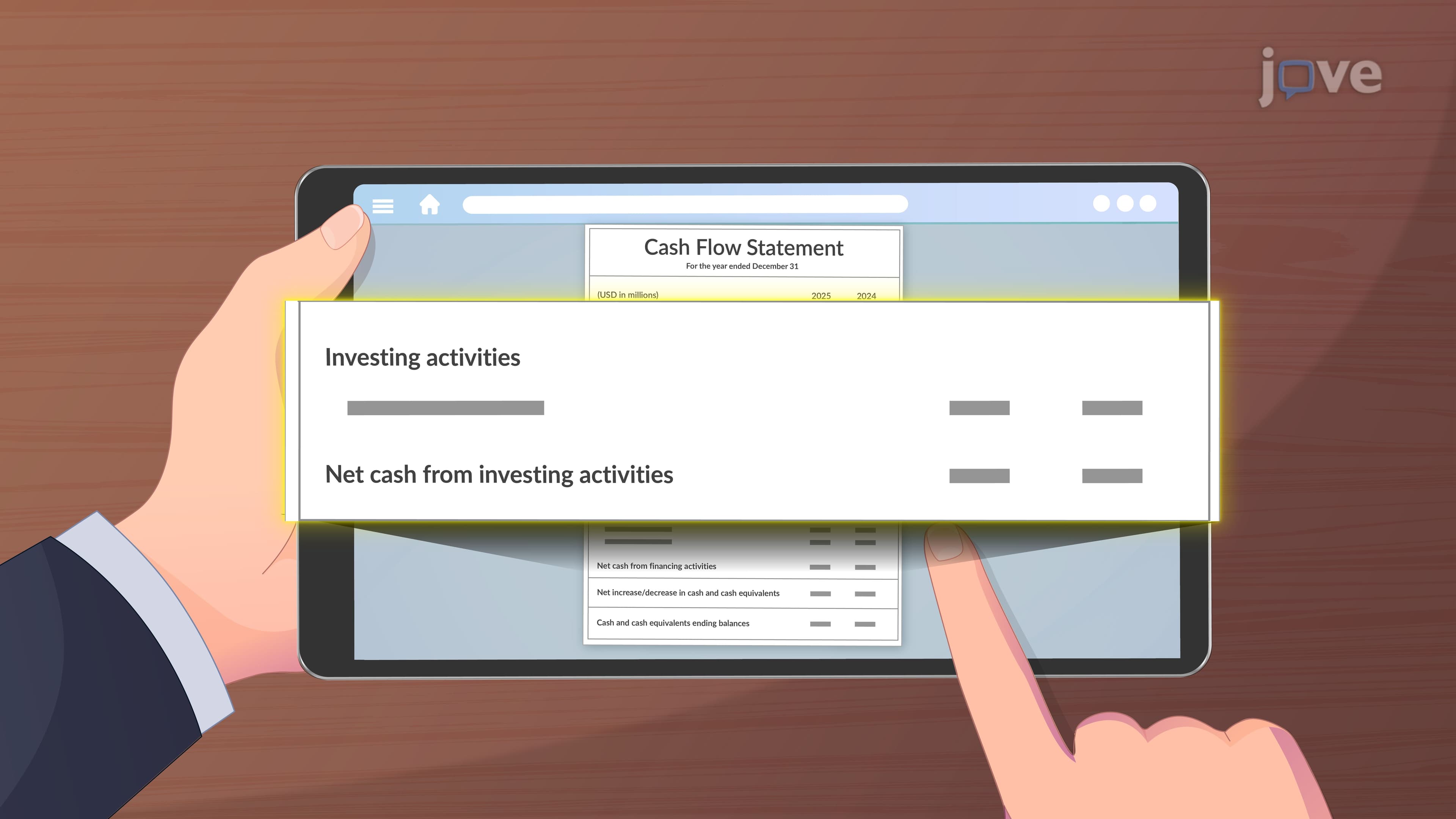
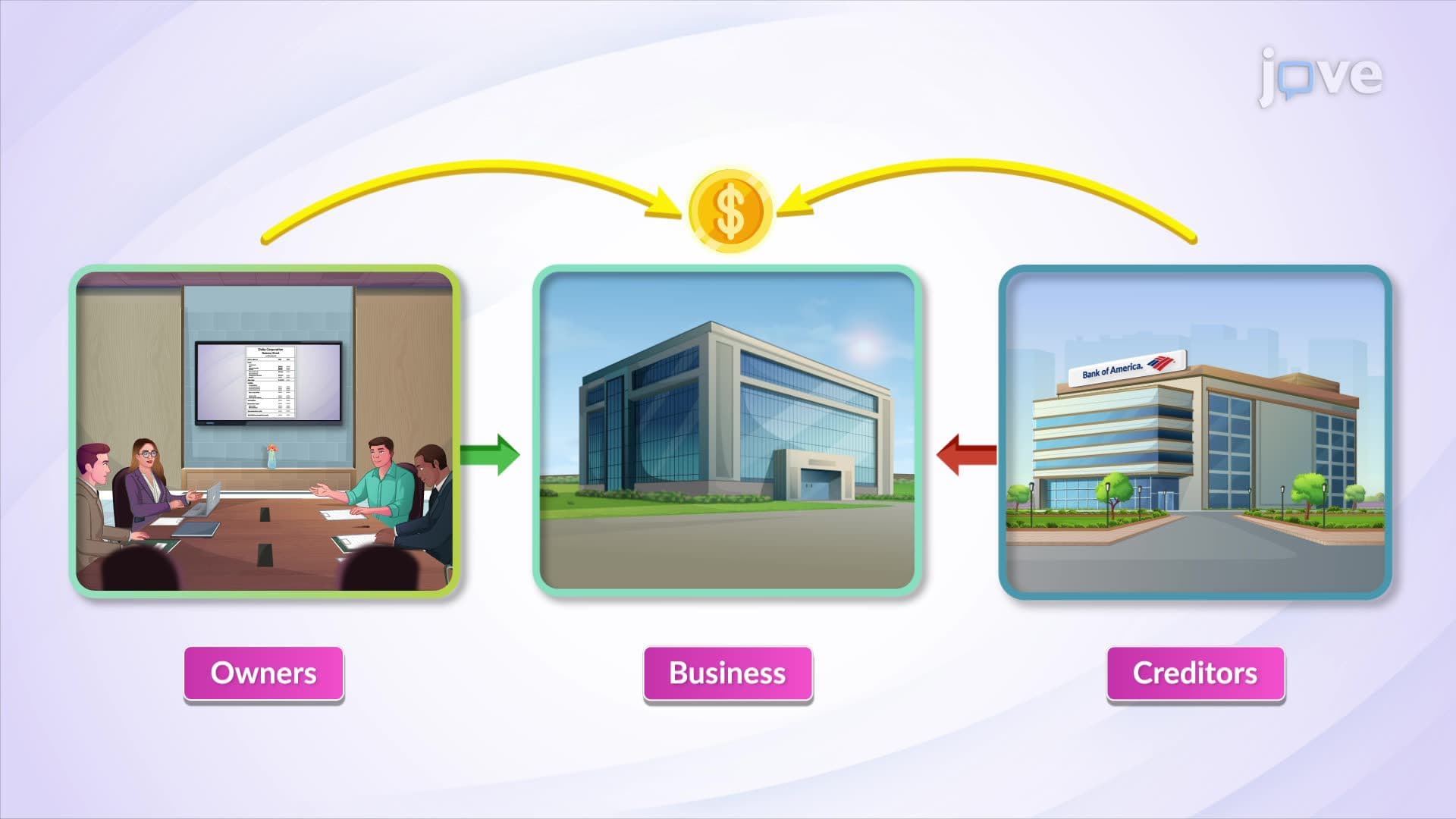
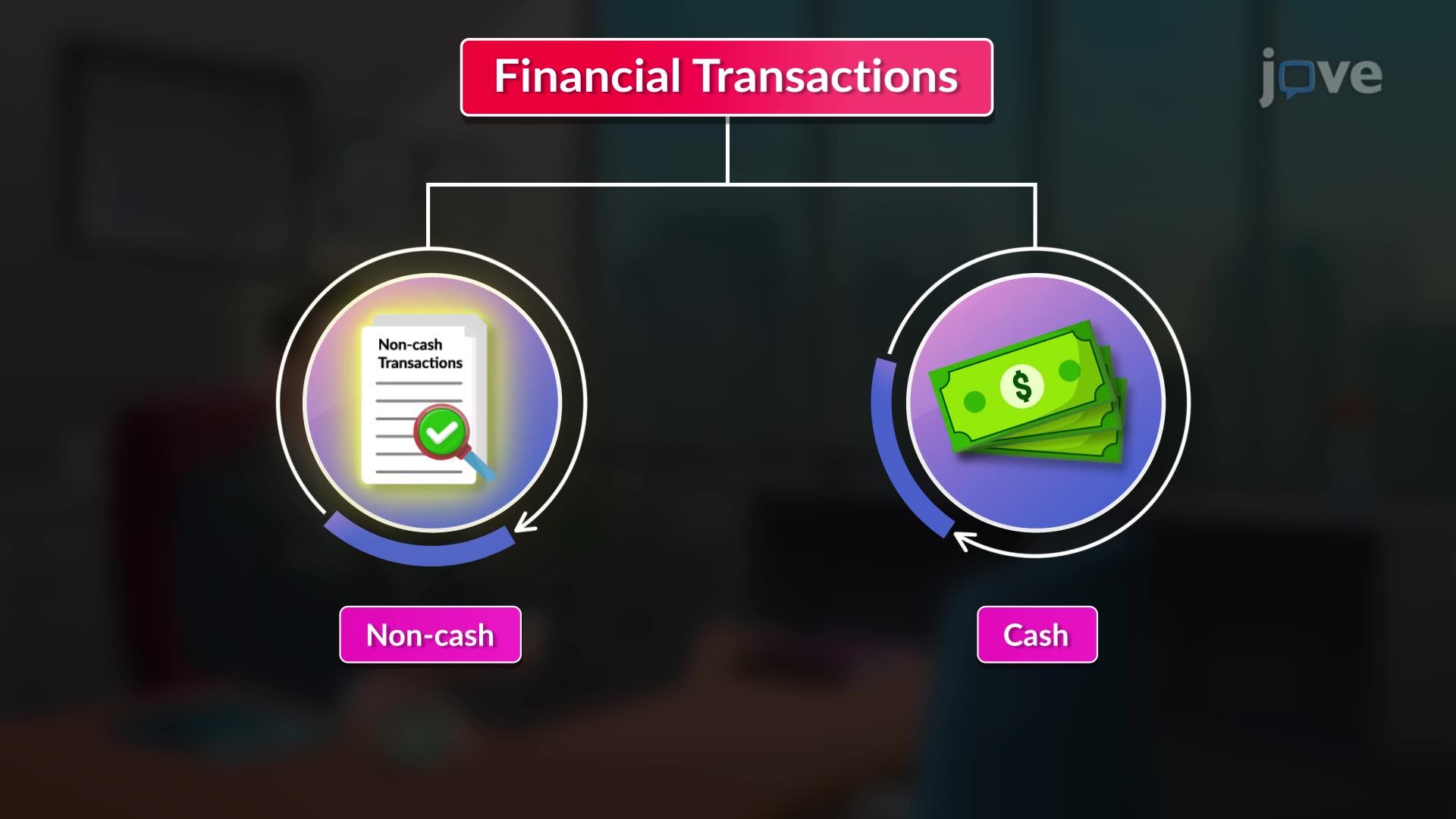
Most managers are trained to follow the cash. Revenue up? Good. Cash flow positive? Even better. But non-cash transactions, asset acquisitions funded through share issuance, debt-to-equity conversions, or direct asset exchanges, create real changes in a company's financial structure without triggering a single cash movement. Because these transactions are excluded from the three primary sections of the cash flow statement (operating, investing, and financing), they're easy to overlook entirely. The risk? You walk into a leadership meeting with an incomplete picture of what your organization actually committed to.
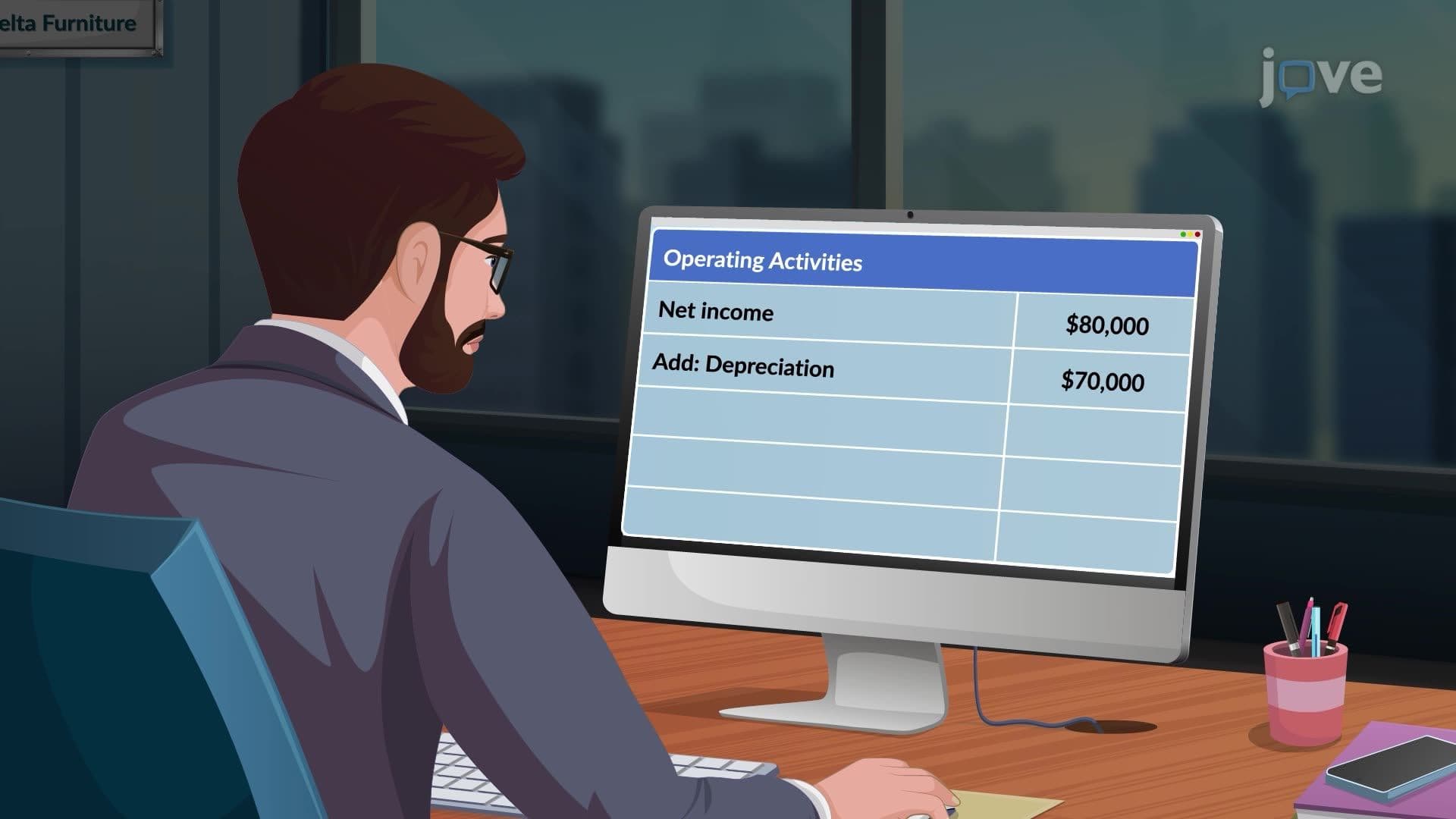
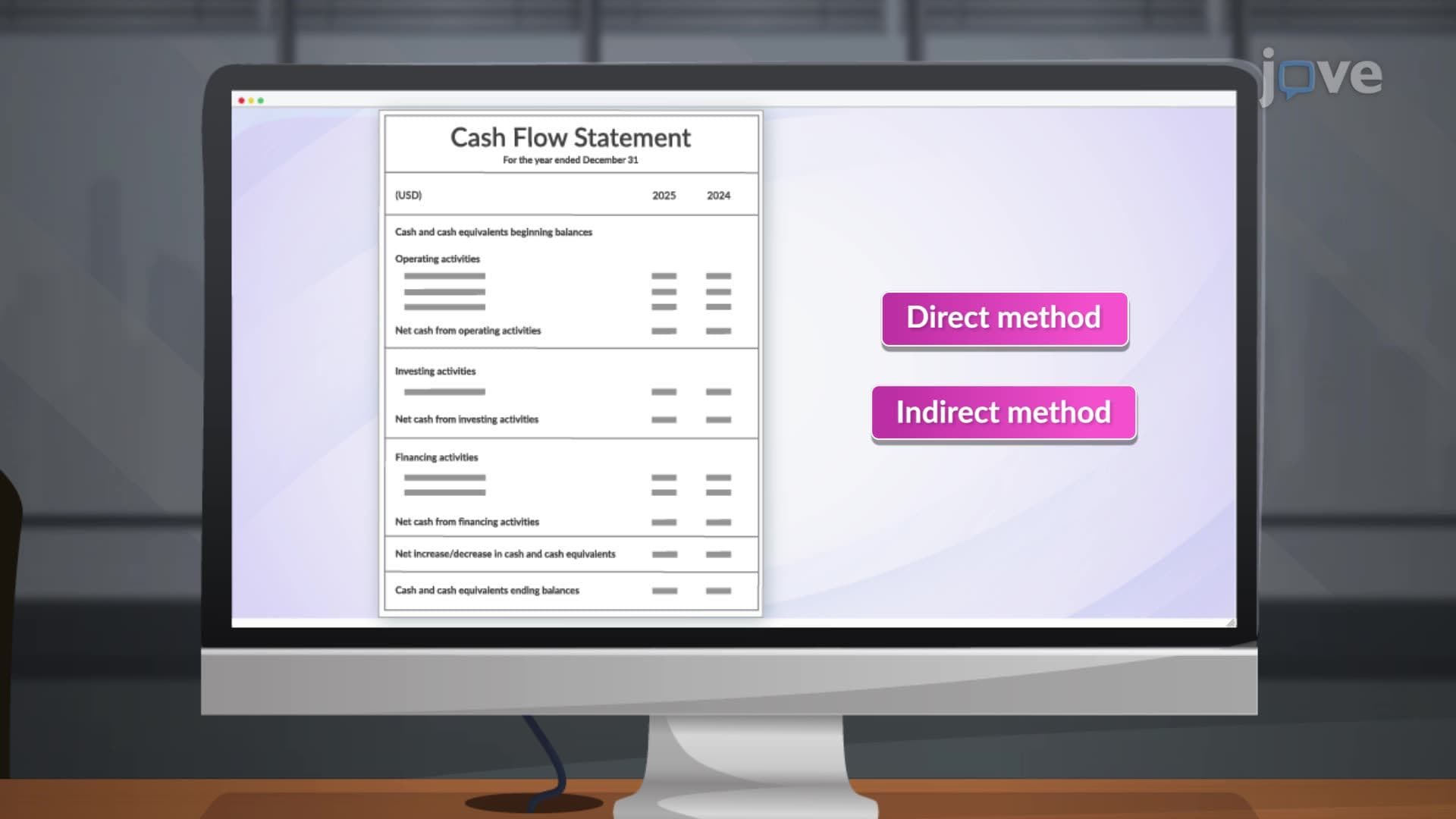
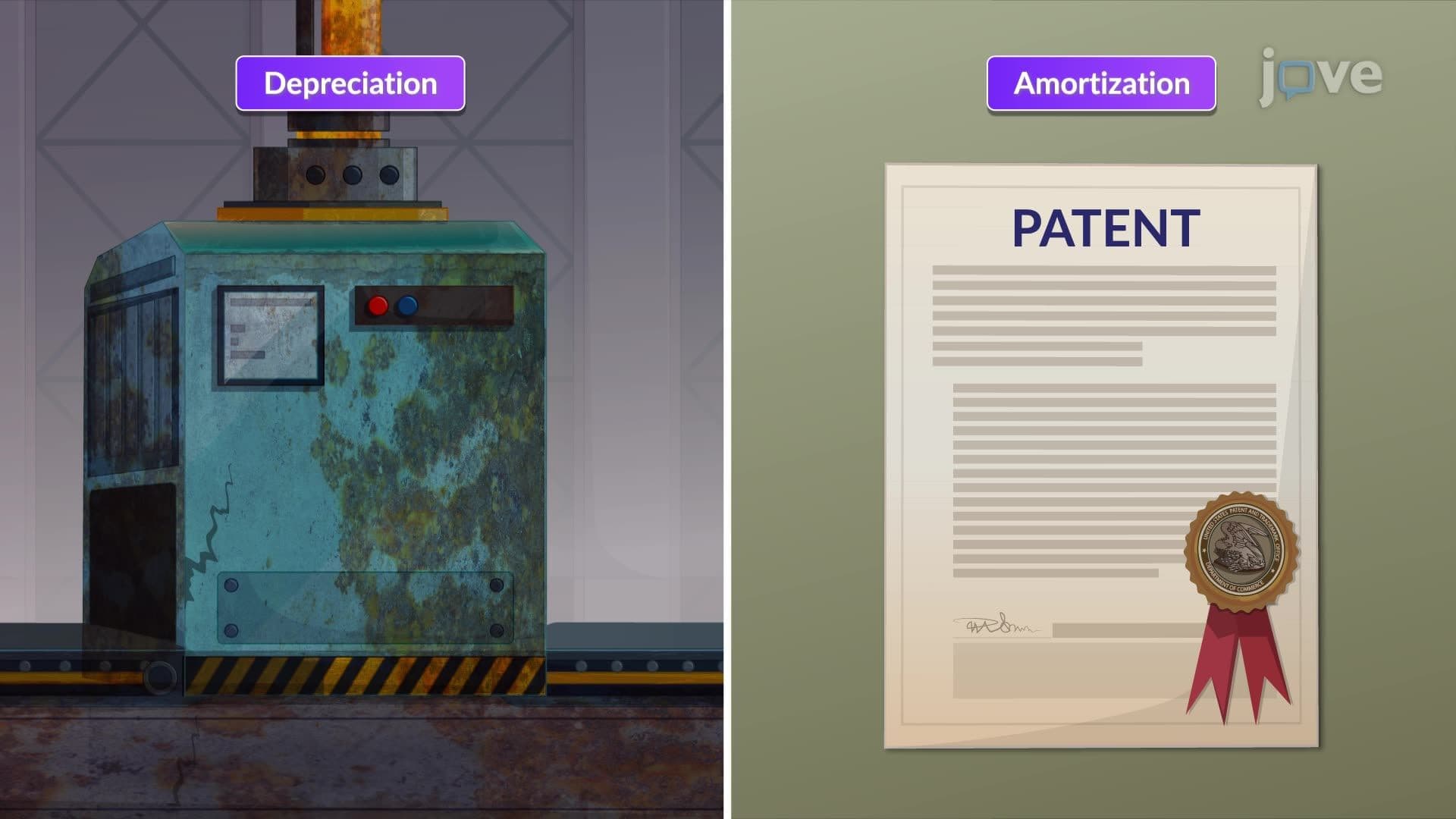
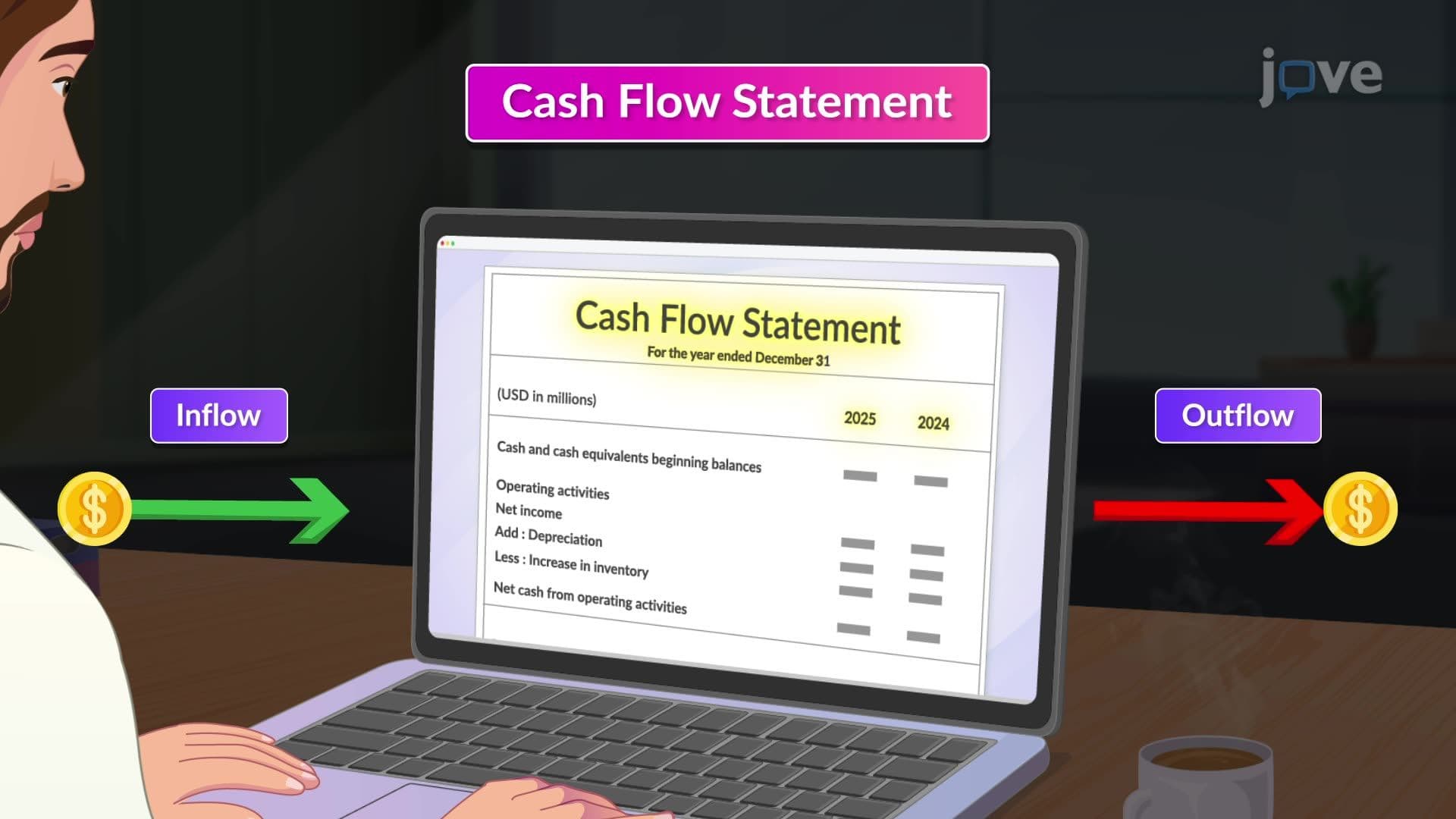
The direct vs. indirect method debate in cash flow reporting adds another layer. Under the indirect method, non-cash items like depreciation and amortization are added back to net income to reconcile to cash from operations. Managers who don't understand this adjustment routinely confuse profitability with liquidity, a mistake that erodes credibility fast when finance asks follow-up questions.
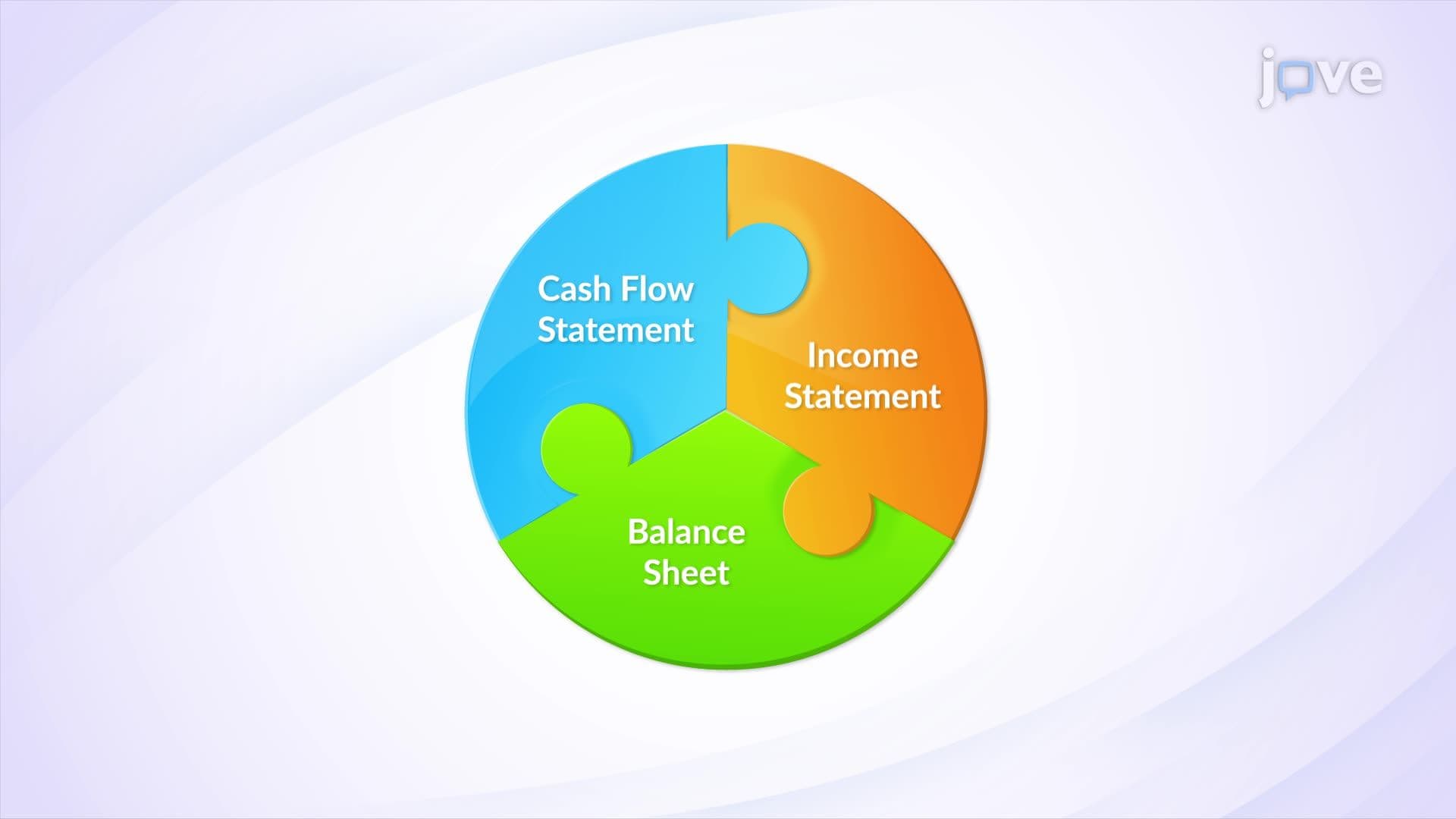
Think of financial transparency as a three-layer model. Layer one is the income statement, it tells you what was earned. Layer two is the cash flow statement, it tells you what actually moved. Layer three is the notes to the financial statements, it tells you what happened that doesn't fit neatly into layers one or two. Non-cash transactions live in layer three.
When reviewing financial reports, apply a simple working capital lens: ask whether changes in assets and liabilities reflect real cash movement or accounting adjustments. Non-cash expenses such as depreciation reduce reported profit but don't drain liquidity. Understanding this distinction is foundational to answering the question every senior leader eventually asks, *why is cash flow more important than profit?*
You don't need to be a CFO to use this knowledge effectively. In your next budget conversation or quarterly business review, use these practical steps:
1. Scan the footnotes first, Look for disclosures labeled "significant non-cash investing and financing activities." These often reveal strategic decisions not visible in headline numbers. 2. Challenge the net income narrative, When presented with profit figures, ask how they convert to operating cash flow. The gap between the two typically contains depreciation, working capital changes, and non-cash adjustments. 3. Apply the MECE principle, Ensure your financial picture is mutually exclusive and collectively exhaustive: operating activities, investing activities, financing activities, *and* the non-cash disclosures. Missing any one layer creates blind spots.
The most frequent error managers make is treating the cash flow statement as the complete financial story. It isn't. Equally damaging is dismissing footnotes as fine print irrelevant to operational leadership. In practice, those disclosures can reveal equity dilution, significant asset commitments, and financing structures that directly affect team headcount, capital budgets, and strategic priorities. The second mistake is conflating non-cash expenses with non-events, depreciation, for example, signals asset aging that will eventually require real cash replacement. Managers who track this proactively are the ones who avoid being blindsided by capital expenditure requests.
Related Micro-courses