Loading concepts…


23 Concepts
21 Concepts
16 Concepts
20 Concepts
17 Concepts
14 Concepts
11 Concepts
7 Concepts
9 Concepts
 7 Concepts
 2.1K Views
 Popular topics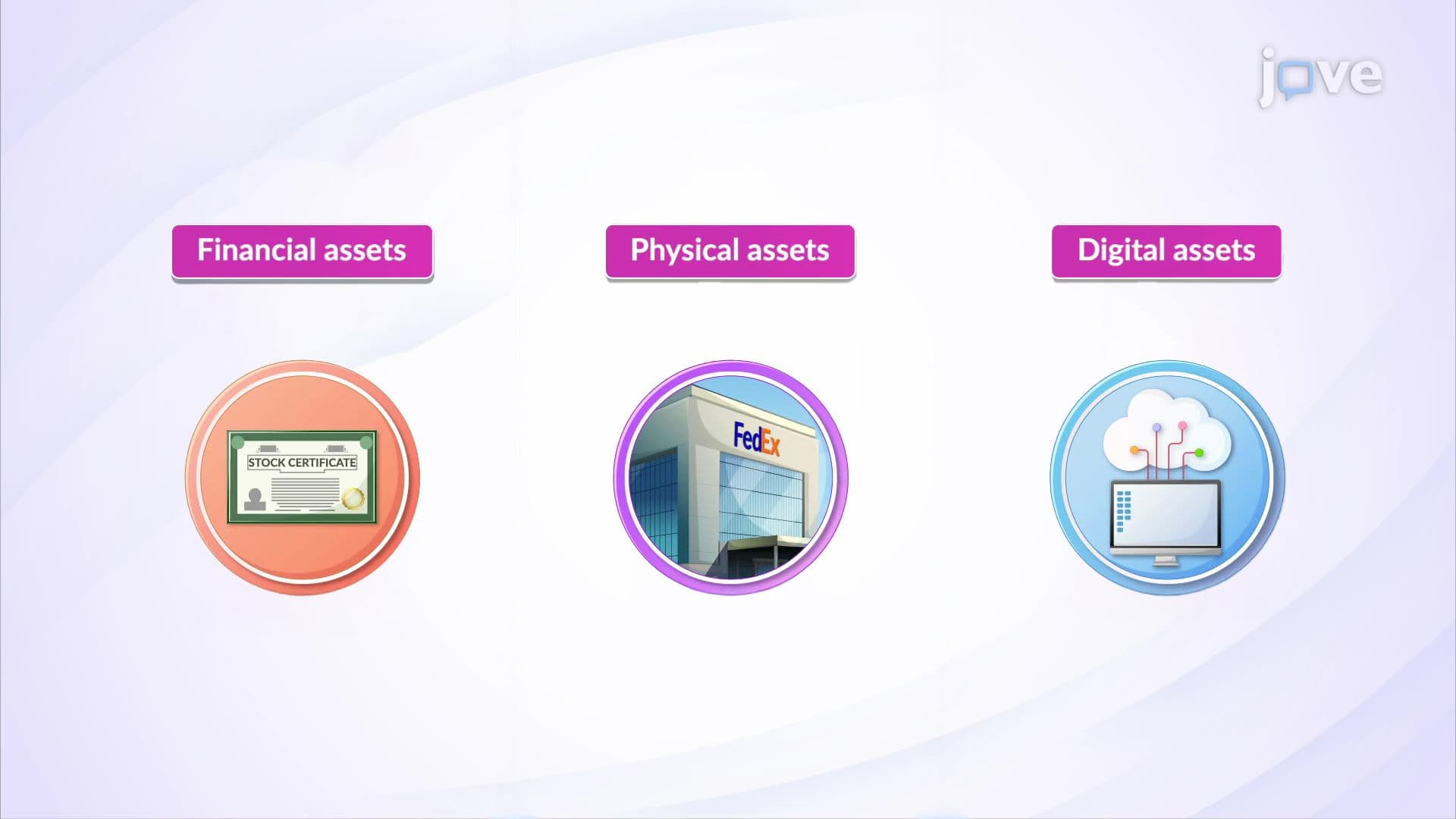


Asset management is a core operational responsibility that managers often underestimate until inefficiencies surface, missed maintenance cycles, misclassified resources, or unexplained budget variances. This micro-course, available on JoVE Coach, builds your working knowledge across the full asset lifecycle, from classification and capitalization to disposal and valuation methods, so you can make sharper financial decisions and align resources with your team's operational goals.
1. Introduction to Asset Management
Asset management is the disciplined practice of overseeing everything a business owns, from physical equipment and financial holdings to digital systems and brand value, to maximize operational efficiency and long-term returns. For a working manager, this means understanding that every resource under your oversight has a lifecycle, a cost, and a strategic purpose. A team lead managing a fleet of field devices, for example, must balance maintenance schedules, performance tracking, and timely replacements to avoid disruptions. Without this oversight, downtime accumulates, costs spike, and strategic goals drift. Asset management gives managers the framework to treat resources not as line items but as levers for performance.
2. Asset Classification and Its Management
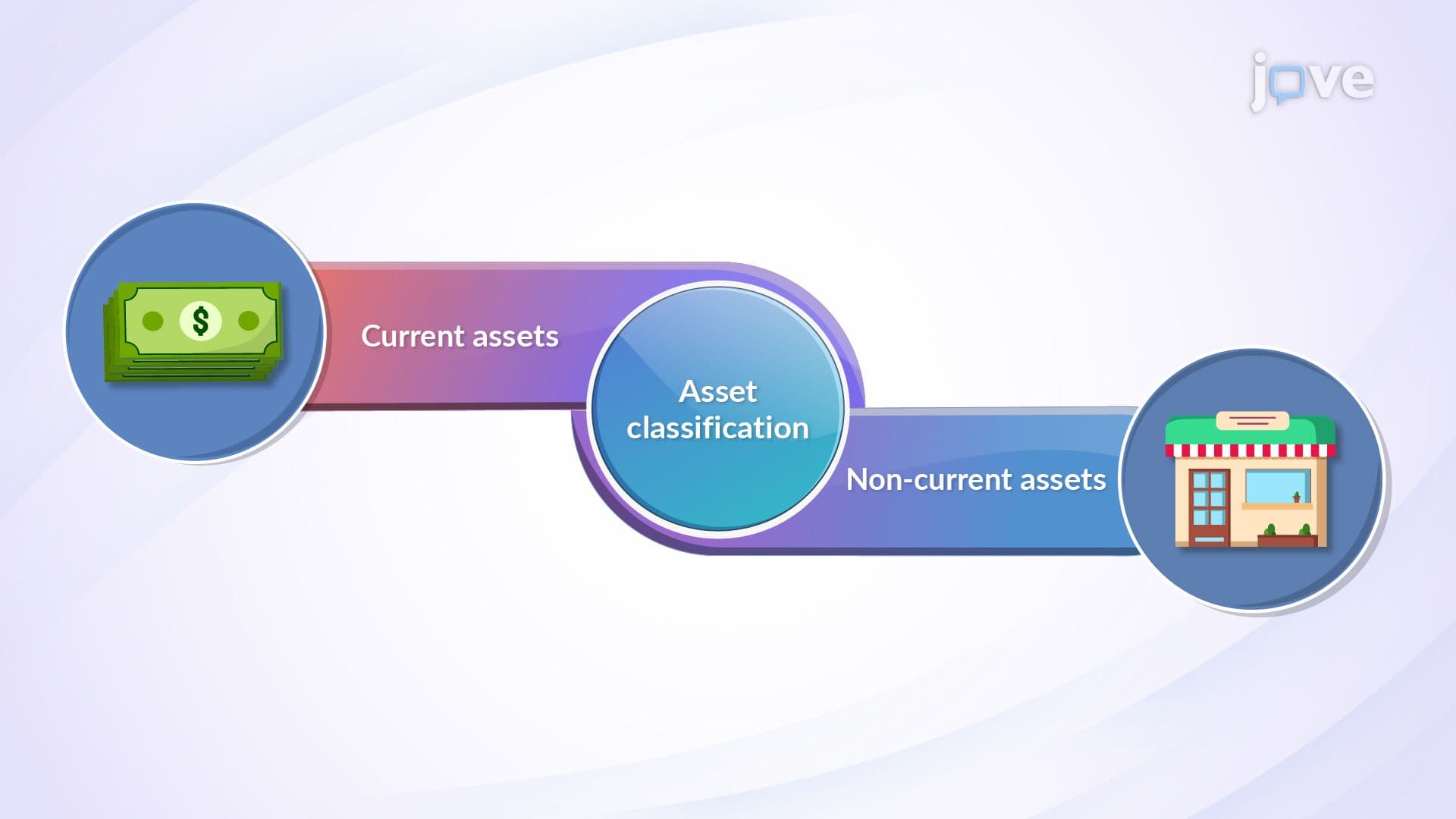
Asset classification organizes resources by liquidity and nature, distinguishing current assets like cash and inventory from non-current assets like equipment and property, and separating tangible assets from intangible ones. For managers, this distinction is operationally meaningful. Knowing whether a resource is short-term or long-term directly shapes procurement decisions, maintenance priorities, and cash flow planning. Consider an operations manager overseeing a service center: classifying consumables separately from machinery helps determine what needs immediate replenishment versus what requires a capital replacement plan. Accurate classification also ensures financial reporting reflects true business health, which matters whenever your team's budget is under leadership scrutiny.
3. Periodic Inventory System
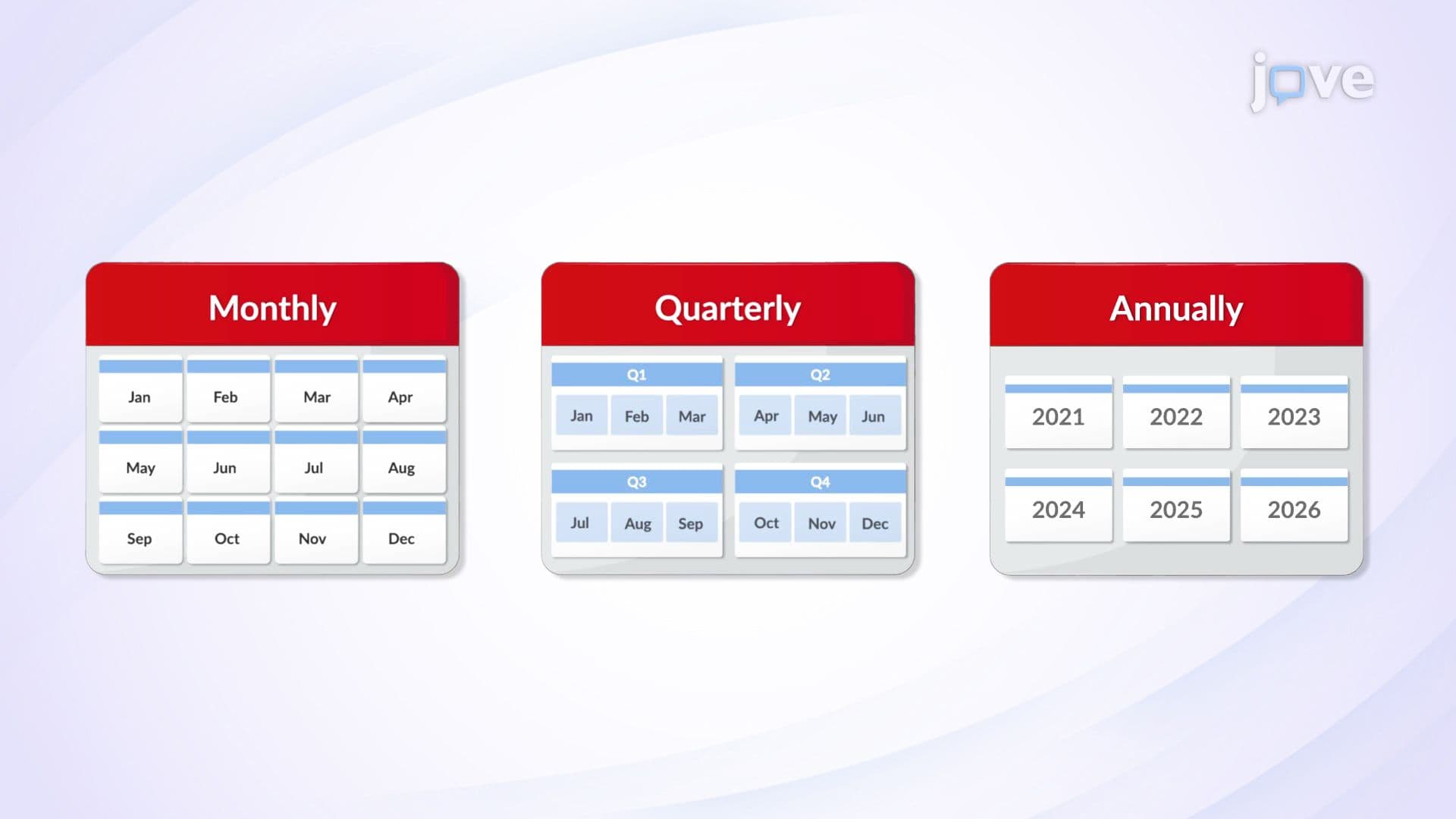
A periodic inventory system records and updates stock levels at fixed intervals, monthly, quarterly, or annually, based on physical counts rather than real-time tracking. It is cost-effective and straightforward to implement, making it a practical starting point for smaller teams or departments managing a limited range of physical assets. However, managers must understand its core limitation: losses from spoilage, theft, or human error remain invisible between counting cycles. A team lead overseeing a supply room, for instance, may not detect shrinkage until the quarterly count. Understanding this trade-off helps managers decide when the system is sufficient and when operational scale demands a more robust, continuous approach.
4. Managing Intangible Assets
Intangible assets, including proprietary processes, software licenses, trademarks, and institutional knowledge, are among the most undervalued resources a manager oversees. Unlike equipment, they have no physical presence, which makes them easy to neglect until a legal dispute, a compliance gap, or a competitive disadvantage surfaces. Effective management of intangibles involves documenting ownership, renewing protections, monitoring usage rights, and extracting measurable value from them. A department head managing a suite of licensed platforms, for example, must track renewal dates, usage compliance, and ROI on assets to justify continued investment. Treating intangibles with the same rigor as physical assets protects both organizational value and competitive positioning.
5. Cost Basis vs. Fair Value Accounting
Two primary methods govern how assets are recorded on financial statements. Cost basis accounting captures an asset at its original purchase price and holds that figure regardless of market movement. Fair value accounting adjusts the recorded value to reflect current market conditions. Both approaches are valid under international accounting standards, but they apply to different asset types and serve different reporting purposes. For a manager reviewing a balance sheet or preparing a capital request, understanding which method applies, and why, prevents misinterpretation of asset values. A senior manager evaluating investment portfolios versus property holdings, for example, will encounter both methods and must interpret each in the correct context.
6. Asset Capitalization
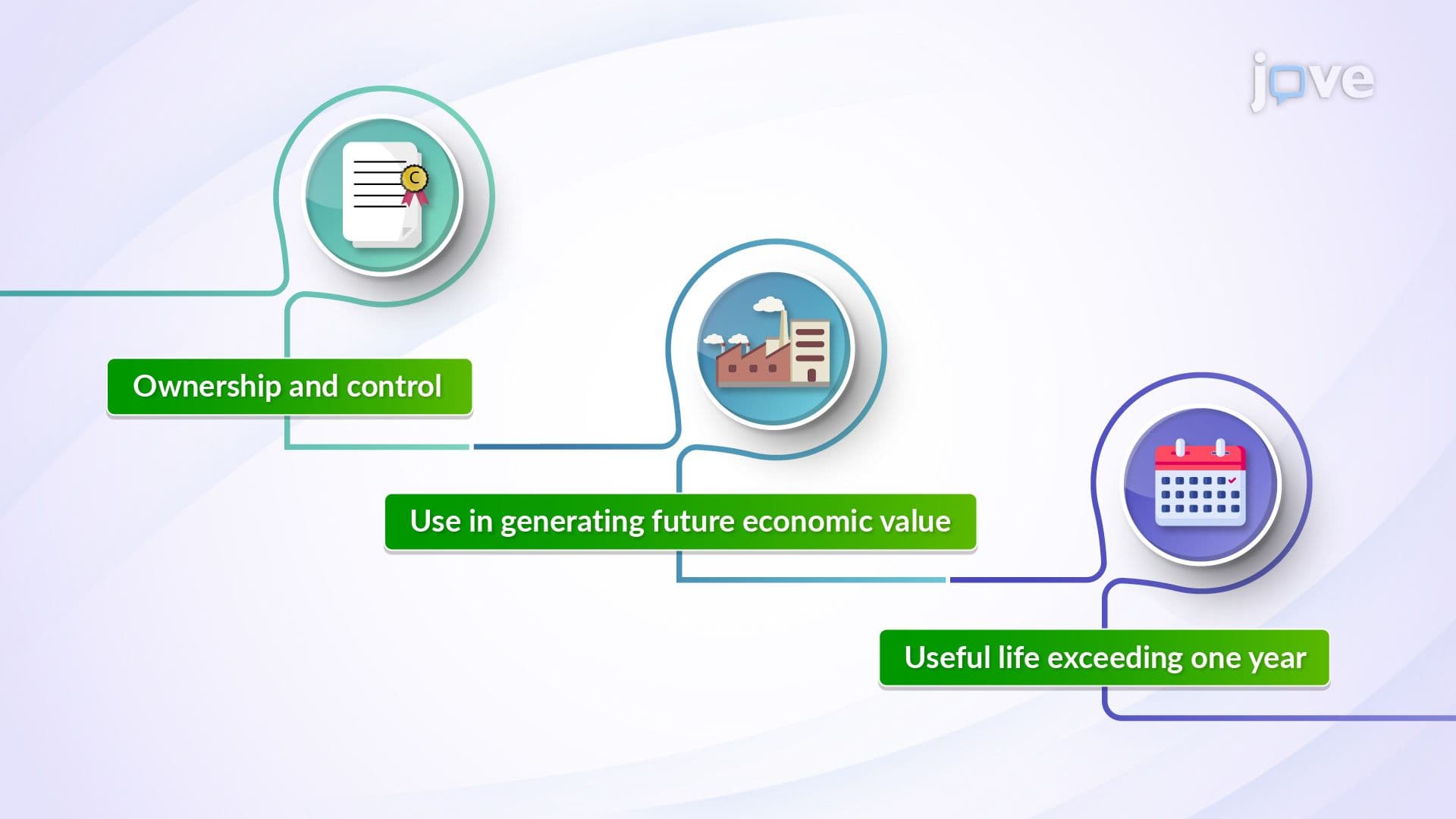
Asset capitalization is the practice of recording a significant purchase as a long-term asset on the balance sheet rather than treating it as an immediate operating expense. This approach is used when the purchase is expected to generate economic value across multiple periods. The cost is then allocated gradually through depreciation, spreading the financial impact over the asset's useful life. For a manager approving equipment purchases or office infrastructure, understanding capitalization thresholds and depreciation methods, such as the straight-line approach, is essential for accurate budget forecasting. Misclassifying a capital purchase as an expense, or vice versa, distorts both the income statement and the balance sheet in ways that affect leadership decisions.
7. Asset Disposal: Sales, Trade-Ins, and Write-Offs
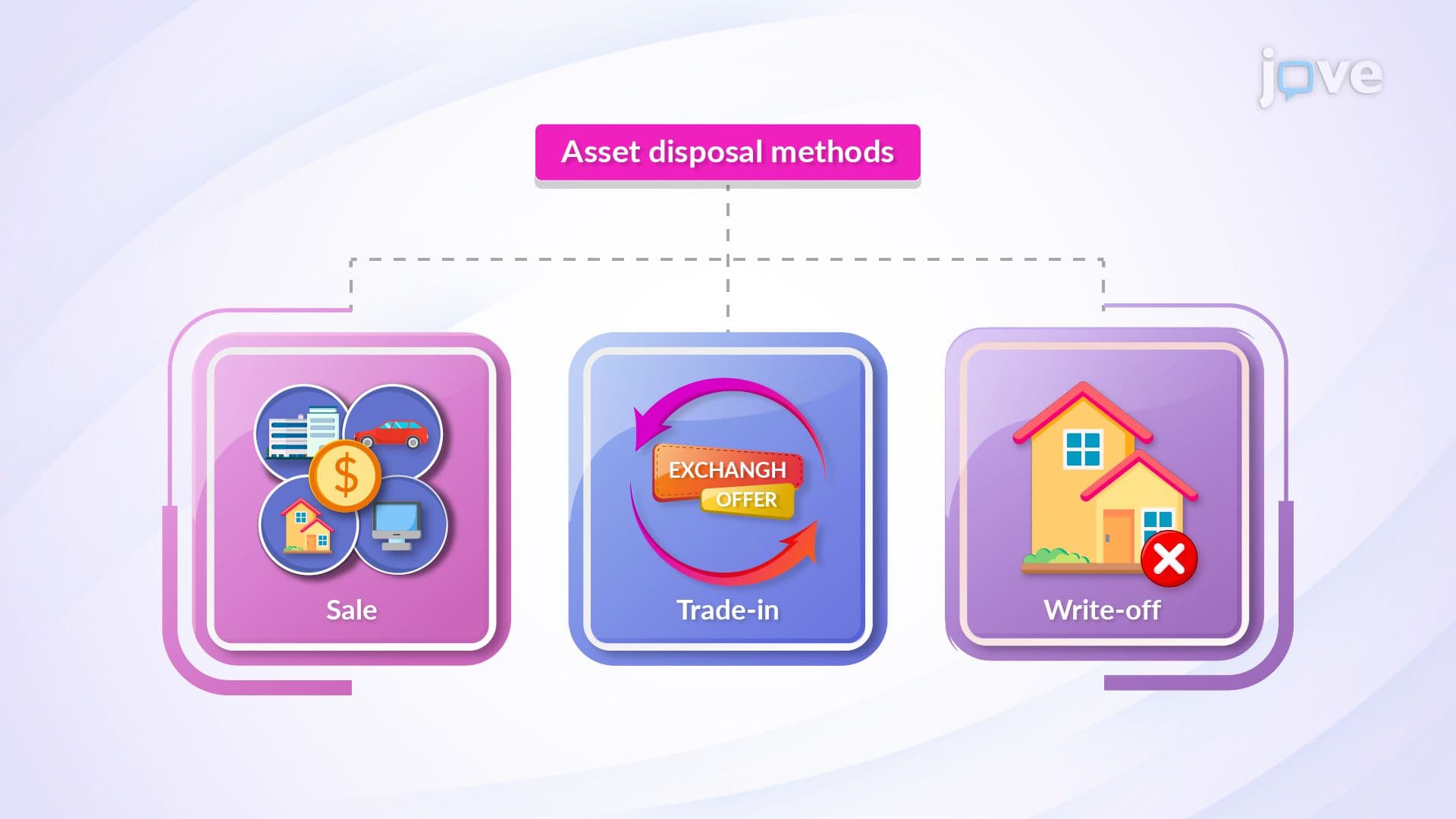
As operational needs evolve, managers must retire assets responsibly through one of three methods: selling them, trading them in toward replacements, or writing them off entirely when they hold no remaining value. Each method has distinct accounting implications. A sale generates a recorded gain or loss based on the difference between the sale price and the asset's book value after depreciation. A trade-in applies the old asset's value as credit toward a new purchase, requiring similar gain-or-loss calculations. A write-off removes the asset from the books entirely, recording its remaining book value as a loss. A facilities manager refreshing an office, for instance, will likely encounter all three scenarios simultaneously, making this practical knowledge, not theory.