Loading video…


 7 Concepts
 2.1K views

Video Summary: Cost Basis Vs Fair Value Accounting Explained
Cost basis vs. fair value accounting basics can expose gaps in how managers interpret financial reports and make resource decisions. Understanding cost basis vs. fair value accounting helps you speak confidently with finance teams, challenge asset valuations, and avoid costly misreads of balance sheet data. Both methods shape how your organization reports financial health. Watch the full video on JoVE Coach to master this concept with expert-led visuals and step-by-step explanations.
Picture this: your organization has just completed a quarterly financial review, and your team's capital equipment, purchased three years ago, is still listed on the balance sheet at its original purchase price. Meanwhile, a colleague in a different business unit is reporting a significantly higher asset value for a similar portfolio because their assets are marked to current market prices. Two managers, two asset types, two very different numbers, and you're expected to explain the discrepancy to a senior leadership team that wants answers fast. This is exactly where understanding cost basis vs. fair value accounting stops being an accounting technicality and starts being a core management competency.
The confusion almost always comes from assuming that "the number on the balance sheet" reflects what something is actually worth today. Cost basis accounting records an asset at what was paid for it, and keeps that figure stable regardless of what happens in the market. Fair value accounting, by contrast, resets the recorded value to reflect current market conditions. Neither approach is wrong; they serve different purposes for different asset types. The disconnect happens when managers switch between contexts, reviewing a property asset one moment and a securities portfolio the next, without recognizing that the valuation rules are fundamentally different.
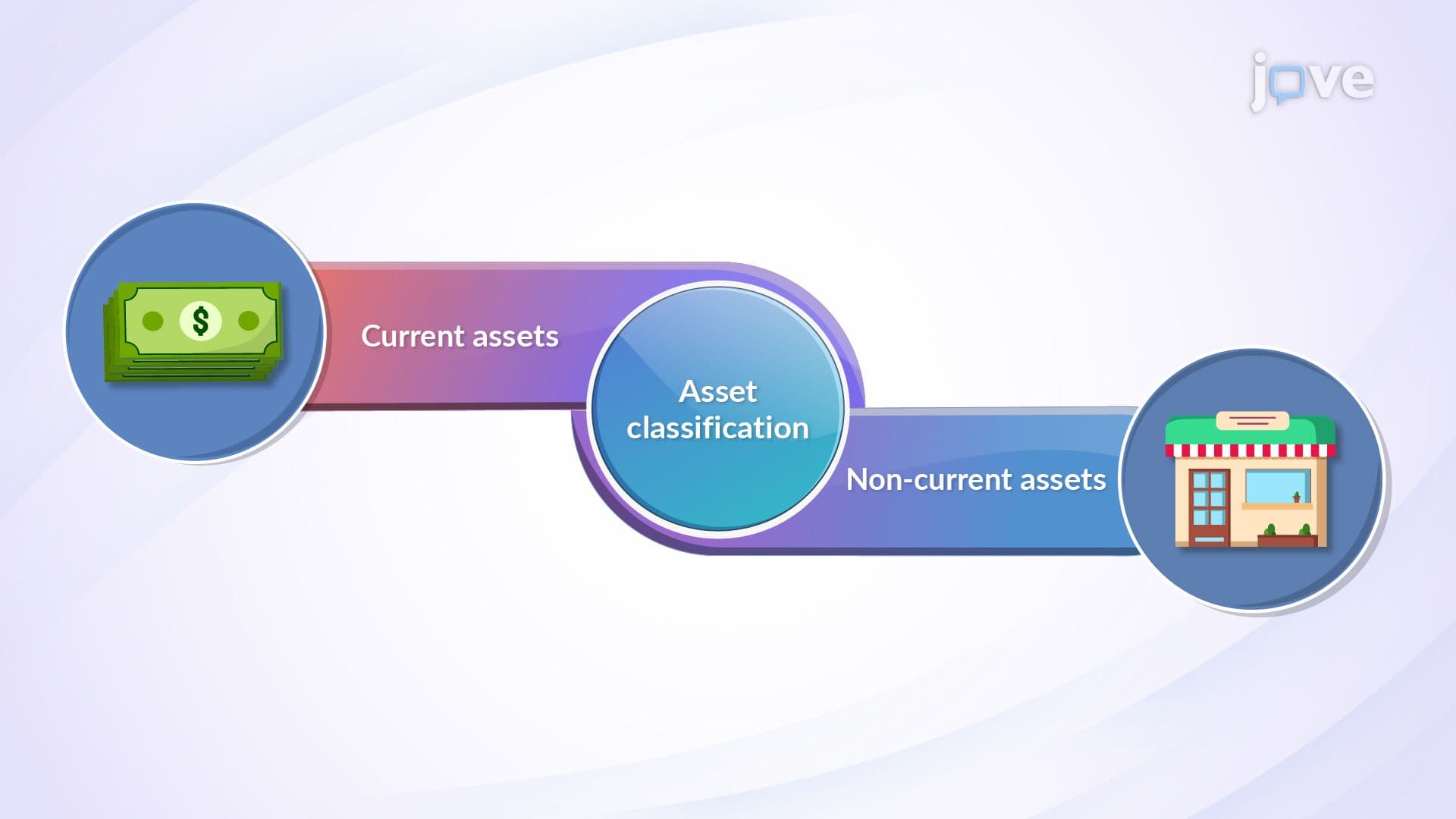
A useful mental model here is the Asset Classification Matrix: think of your organization's assets in two columns, stable operational assets (property, plant, equipment) and market-sensitive financial assets (trading securities, investment properties). The first column defaults to cost basis under both GAAP and IFRS. The second column typically demands fair value. When in doubt, that matrix is your starting point for any financial conversation.
The most practical framework managers can use is a three-step Valuation Alignment Check before any budget submission or asset-related decision:
1. Classify the asset, Is it a fixed asset tied to operations, or a financial instrument exposed to market pricing? 2. Identify the governing standard, Does your organization follow GAAP or IFRS? GAAP requires fair value for trading securities; IFRS extends fair value requirements more broadly to investment properties and financial instruments. 3. Verify consistency, Is the same method being applied across reporting periods? Both standards demand consistency. A sudden switch in method mid-cycle is a red flag that warrants a direct conversation with your finance team.
This framework won't make you an accountant, nor should it. But it will make you a far more credible voice in capital planning, asset lifecycle discussions, and ROI on assets reviews.
The most frequent mistake managers make is treating asset valuation as someone else's problem. When financial statements feed into headcount decisions, equipment purchases, or department budgets, the valuation method used is your problem, because it shapes every number downstream.
A second mistake is conflating depreciation with fair value adjustments. Depreciation is a scheduled, method-driven reduction in asset value over time, think straight-line or declining balance methods applied to fixed assets. A fair value adjustment, by contrast, responds to external market movement and can go up or down. Mixing these two concepts in a leadership conversation signals a gap in financial literacy that erodes trust with finance partners.
Finally, avoid assuming that a higher asset value on the balance sheet means better organizational health. Fair value accounting can inflate reported asset values during strong market cycles, and deflate them sharply during downturns. Strong managers read those fluctuations as signals requiring strategic response, not just accounting entries to acknowledge and move on from.
Related Micro-courses