Loading video…

 7 Concepts
 2.1K views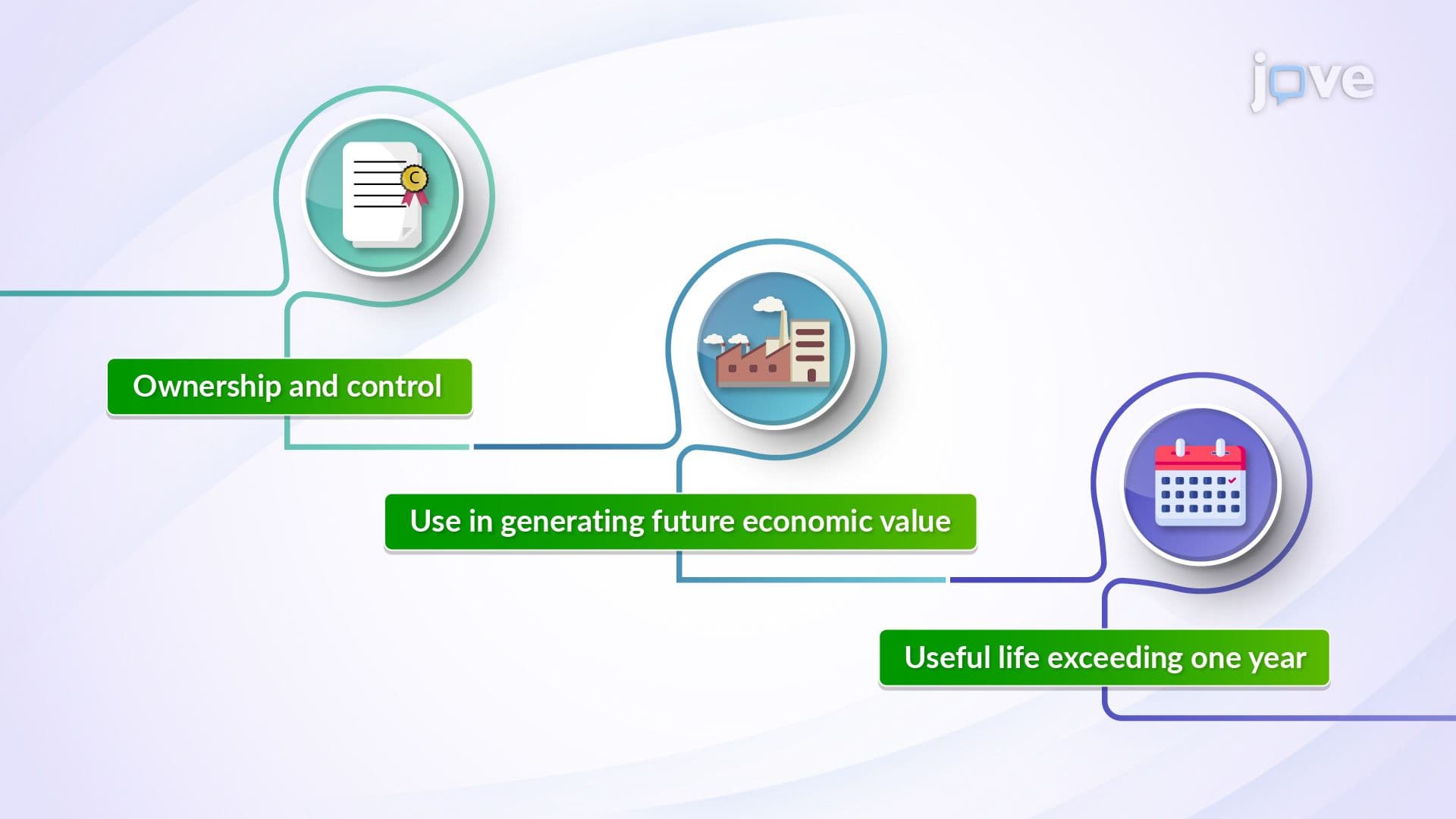

Video Summary: Asset Capitalization Explained
Asset capitalization basics trip up even experienced managers when capital budgets are under scrutiny and every purchase decision carries financial weight. Understanding asset capitalization, recording a long-term purchase on the balance sheet rather than expensing it immediately, directly shapes how your team's spending decisions appear in financial reports. Get this wrong and you misrepresent costs, distort profitability, and lose credibility with finance. Watch the full video on JoVE Coach to master this concept with expert-led visuals and step-by-step explanations.
Picture this: your team just approved a significant equipment purchase, new machinery, a software platform, or specialized infrastructure. The invoice lands on your desk. Does this go straight to the expense line and reduce this quarter's operating budget? Or does it sit on the balance sheet as a long-term asset? If you hesitate before answering, you're not alone. Misclassifying capital expenditures is one of the most common and costly financial errors managers make, and it rarely comes from dishonesty. It comes from not understanding asset capitalization basics at the point of decision.
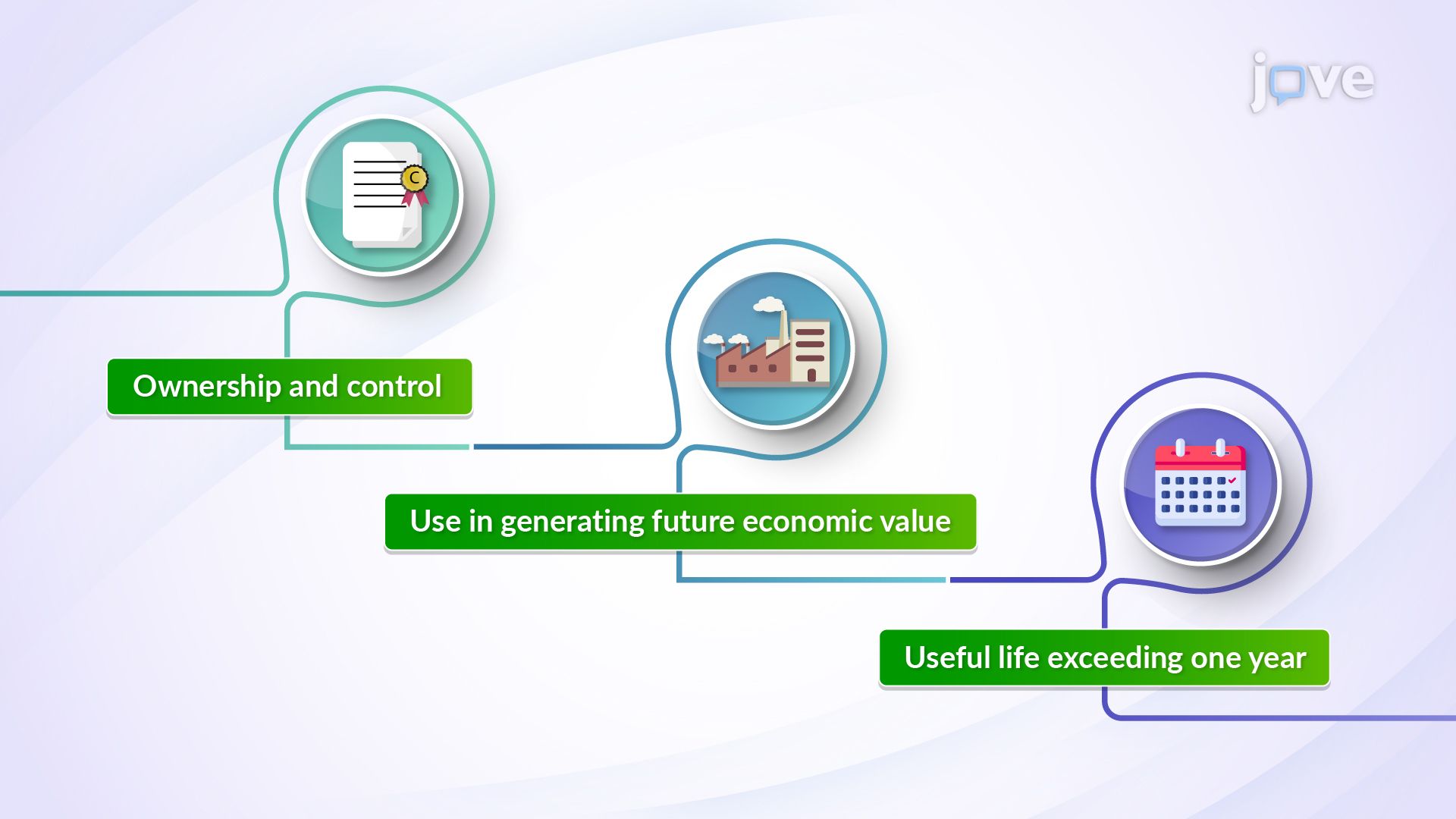
The root problem is that most managers are trained in their functional discipline, operations, engineering, marketing, or sales, not in financial accounting. When a purchase arrives, the instinct is to treat it like any other cost: spend it, record it, move on. But asset capitalization follows a different logic. A cost is only capitalized when the item is owned and controlled by the business, actively used in operations to generate future economic value, and has a useful life extending beyond one accounting year. Miss any one of these three criteria and you've made a classification error that your finance team will eventually catch, and your leadership credibility will take the hit.
Before any significant purchase reaches the approval stage, run it through what practitioners call a Three-Gate Test:
Gate 1, Ownership and Control: Does the business own this asset outright, or is it leased, rented, or licensed? Owned assets that meet other criteria are capitalized. Operating leases and short-term rentals are expensed.
Gate 2, Operational Value: Will this asset directly support revenue generation or core operations over time? A piece of manufacturing equipment qualifies. A one-time consulting engagement does not.
Gate 3, Useful Life Beyond One Year: Does the asset's productive life extend past the current accounting period? If yes, capitalization applies. If it's consumed within twelve months, it's an expense.
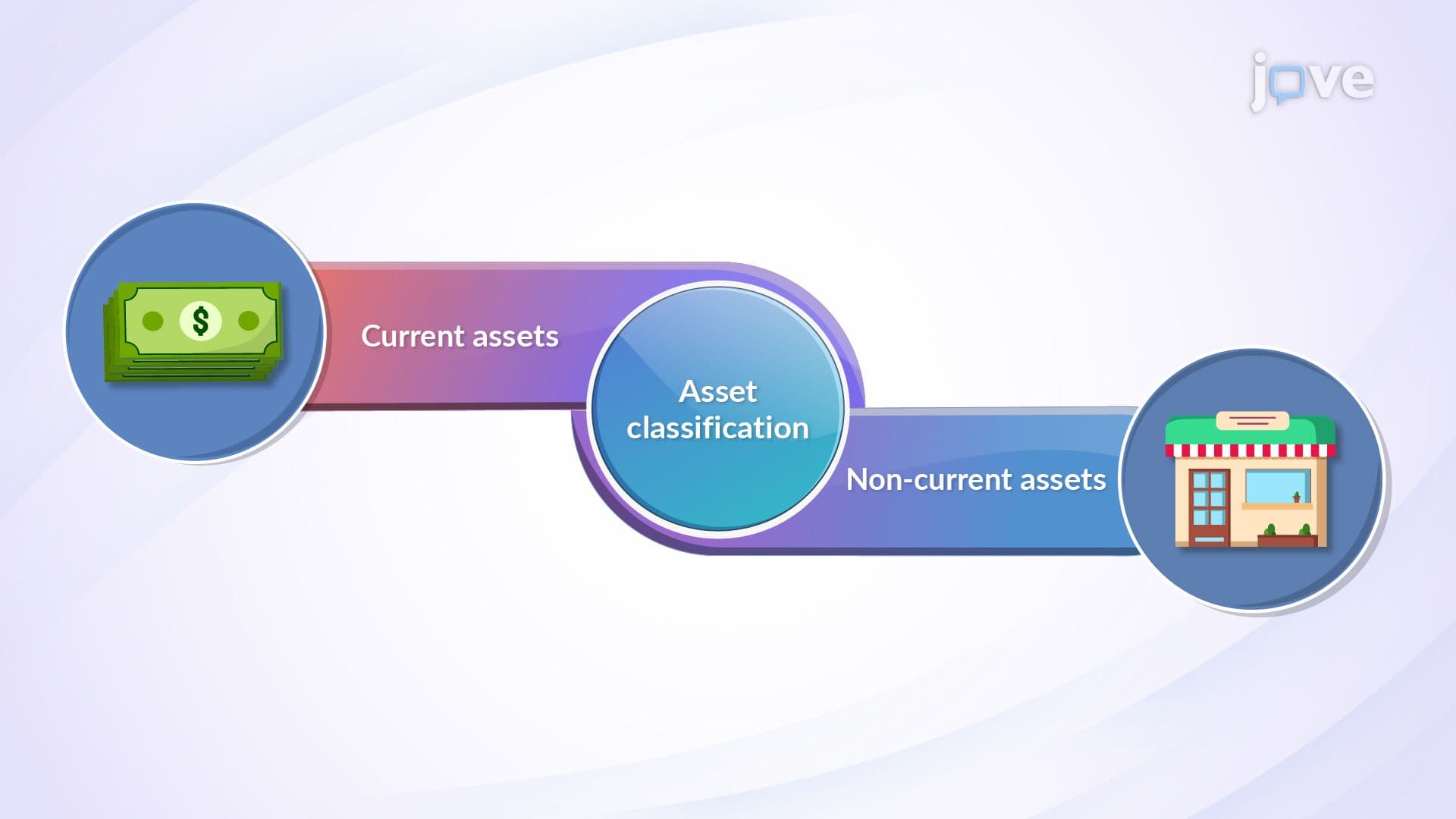
Once an asset clears all three gates, it moves onto the balance sheet as a non-current fixed asset. From that point, depreciation, most commonly using the straight-line method, spreads the cost across the asset's useful life, creating annual expense recognition rather than a single-period hit. This protects quarterly profitability and gives a more accurate picture of operational performance. For teams managing physical infrastructure, this directly affects asset lifecycle planning and maintenance scheduling decisions.
In practice, asset capitalization becomes a leadership skill during budget planning and capital expenditure conversations. When presenting a major purchase to finance or senior leadership, come prepared with the asset's estimated useful life, projected depreciation schedule, and its anticipated ROI, specifically, how it contributes to the asset turnover ratio over time. The asset turnover ratio (Net Revenue ÷ Average Total Assets) is a metric senior stakeholders use to assess whether capital investments are generating proportional returns. Managers who can articulate this connection signal financial maturity that accelerates career progression.
Internally, establish a clear capitalization policy for your team. Define your organization's capitalization threshold, typically a minimum dollar value below which items are expensed regardless, and document it in your asset registry. This creates consistency, reduces audit risk, and ensures your team's asset lifecycle data remains accurate for long-term planning.
The two most damaging errors are over-expensing (writing off capitalizable assets immediately to inflate short-term cost control metrics) and over-capitalizing (pushing routine maintenance or consumable costs onto the balance sheet to avoid hitting expense budgets). Both distort financial statements and can trigger compliance reviews. Establish a peer-review checkpoint within your team before submitting any capital expenditure request above your organization's threshold. A second set of eyes at this stage catches misclassification early, before it becomes an audit finding.
Related Micro-courses