Loading concepts…


23 Concepts
21 Concepts
16 Concepts
20 Concepts
17 Concepts
14 Concepts
11 Concepts
7 Concepts
9 Concepts
 9 Concepts
 2.7K Views
 Popular topics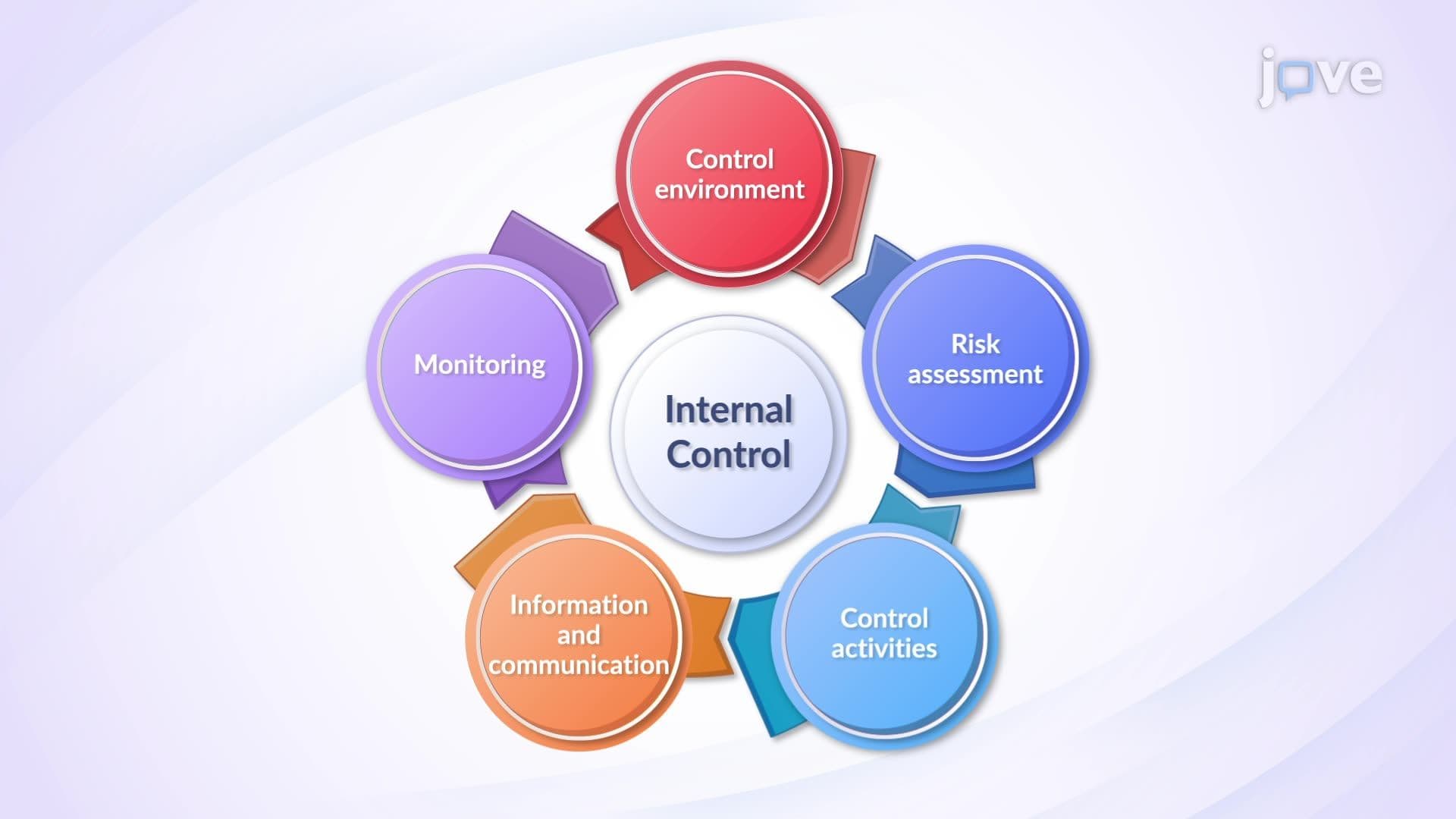

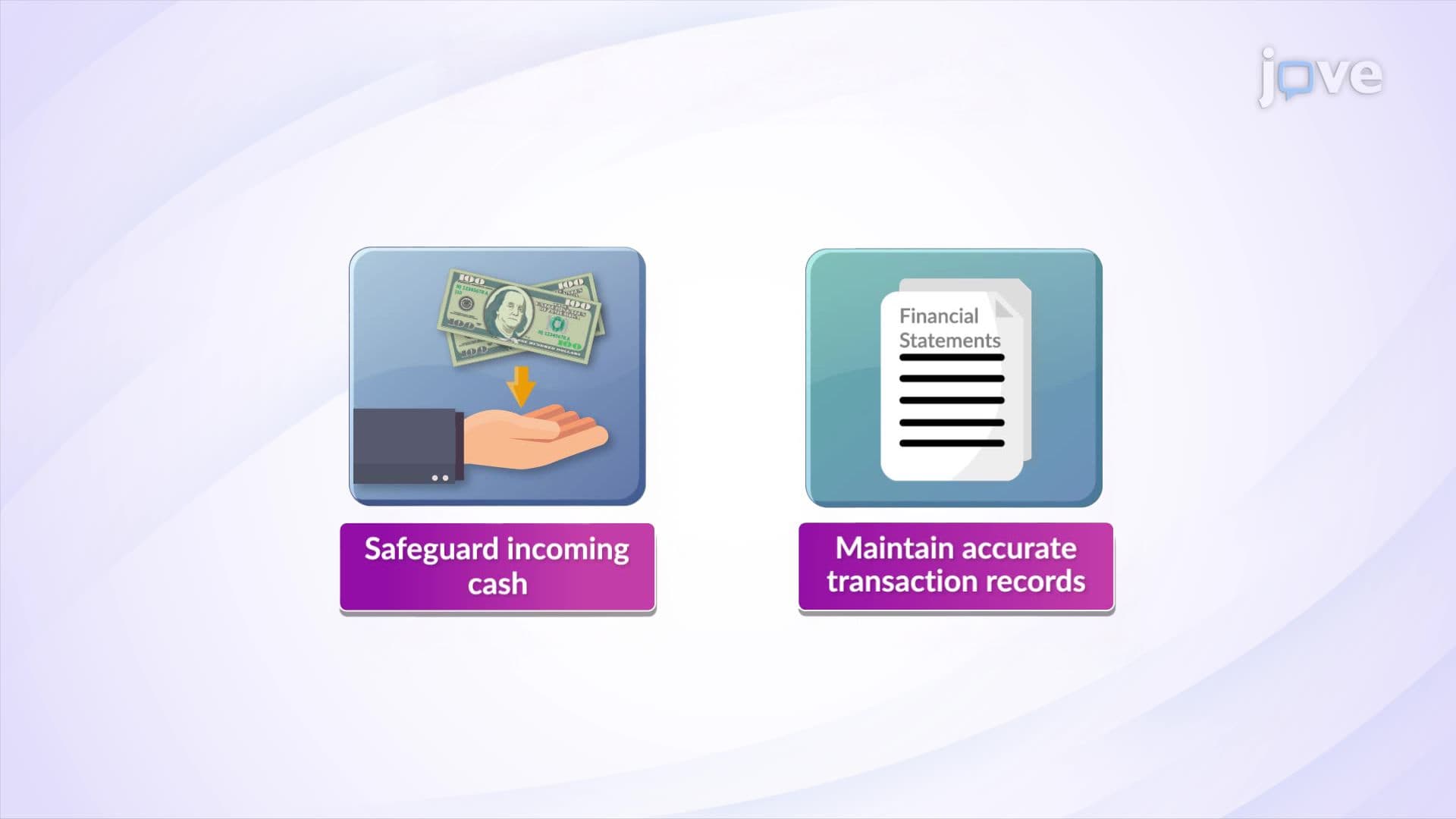


Internal control is one of the most overlooked responsibilities in a manager's daily workflow, until something goes wrong. When cash goes missing, payments are duplicated, or financial records don't reconcile, the cost falls on the team and the organization. This micro-course, available on JoVE Coach, equips managers with the practical frameworks to build reliable financial safeguards before problems surface.
1. Understanding Internal Control
Internal control is a structured system of policies and procedures designed to ensure financial accuracy, prevent fraud, and promote operational efficiency. For a working manager, understanding this system is the difference between reactive damage control and proactive risk management. The COSO framework, covering control environment, risk assessment, control activities, information and communication, and monitoring, gives managers a practical lens to assess their team's financial governance. A department head, for instance, can use this framework to evaluate whether reporting channels are clear, whether risks like unauthorized access are identified early, and whether controls are reviewed regularly rather than left to chance.
2. Principles of Internal Control Activities
Six principles govern effective internal control activities, and each one has direct relevance for day-to-day management. Establishing responsibility means one person owns a specific task, ambiguity invites error. Segregation of duties ensures no single team member controls an entire financial process from start to finish. Documentation procedures create traceable records. Physical controls protect assets from loss or misuse. Independent internal verification adds an objective check on routine activity. Human resource controls, including thorough screening of candidates, reduce risk at the point of hire. A retail operations manager applying all six principles creates a team environment where financial reliability is built into standard operating procedure, not bolted on after a problem occurs.
3. Cash Receipts Controls
Cash receipts controls are the procedures a manager puts in place to ensure that every incoming payment is accurately captured, verified, and deposited without interference or loss. In any environment where cash or payments change hands frequently, the absence of these controls creates immediate fraud exposure. The core mechanism is segregation of duties: the person who collects cash should not be the same person who records it or prepares the deposit. A team lead managing a front-line cash-handling operation should establish end-of-day reconciliation routines, where a supervisor independently counts the cash, compares it to register totals, and flags any discrepancy before deposit. Numbered receipts ensure every transaction is traceable.
4. Cash Disbursements Controls
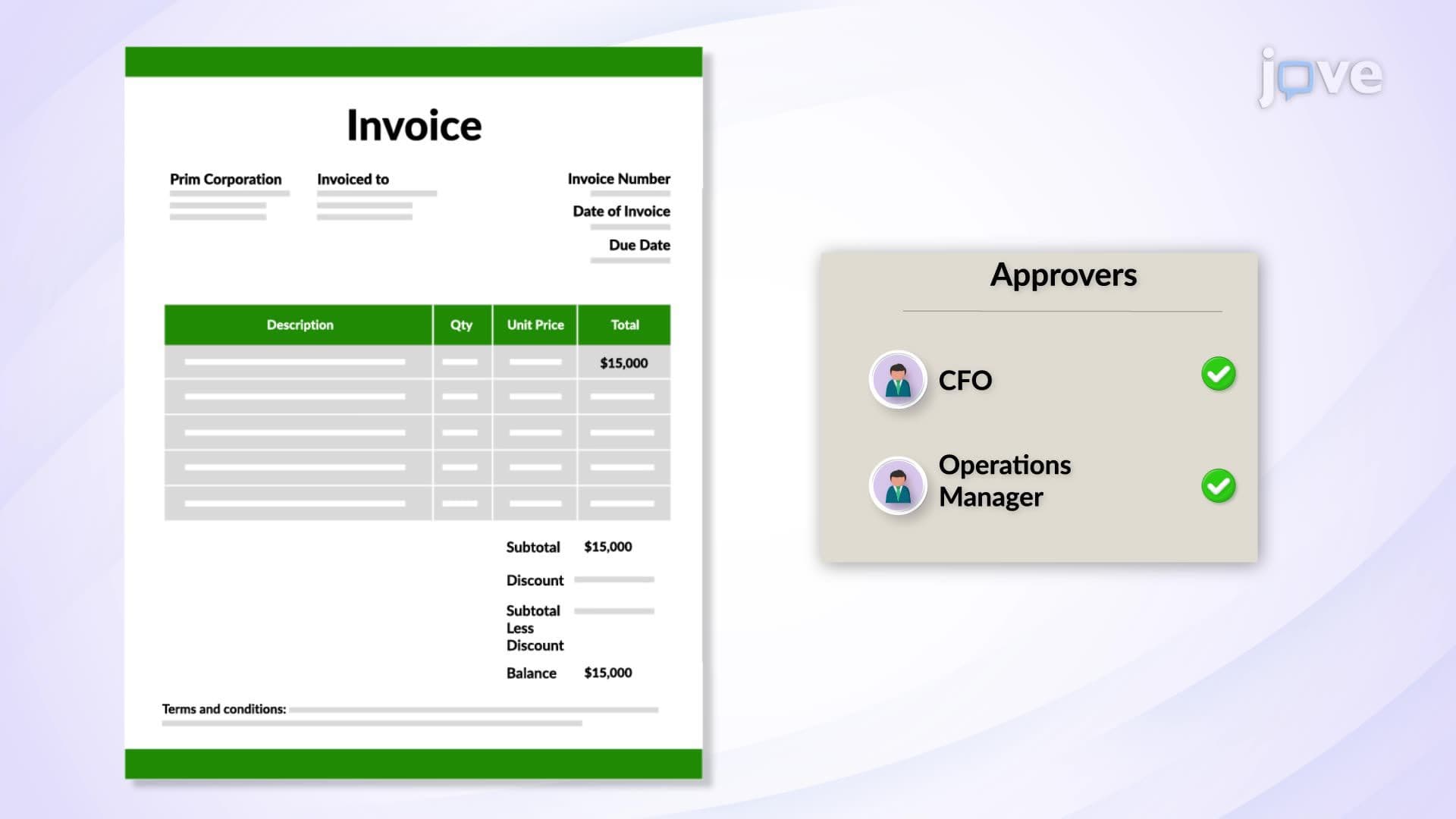
Cash disbursements controls govern how money leaves an organization, ensuring every payment is authorized, verified, and fully documented before funds are released. For managers overseeing procurement or accounts functions, these controls are non-negotiable. A three-way match process, cross-checking the purchase order, delivery confirmation, and supplier invoice, prevents payment for goods never received. Pre-numbered checks create an auditable sequence, making missing or duplicated payments immediately visible. Critically, the person who approves a purchase should never also prepare and authorize the payment. A finance team supervisor who separates these functions across roles protects the organization from both deliberate fraud and accidental overpayment, maintaining clean and accountable records.
5. Petty Cash Fund Management
A petty cash fund addresses the practical reality that small, immediate expenses, office supplies, courier fees, minor repairs, cannot always wait for a formal payment cycle. Managed through an imprest system, the fund is set at a fixed amount and replenished only when supported by verified receipts and vouchers. For a manager, the discipline lies in the controls: designating a single custodian, requiring a voucher for every disbursement, conducting periodic audits, and ensuring reimbursement requests are reviewed by the accounting team before funds are released. Without these steps, petty cash becomes one of the easiest points of financial leakage in an organization, small individually, but significant when aggregated over time.
6. Control Features of a Bank Account
Bank account controls are the preventive and detective mechanisms that limit who can access funds, under what conditions, and with what level of scrutiny. For managers with financial authority, understanding these controls clarifies both their responsibilities and their limits. Dual authorization requirements, where payments above a defined threshold require two senior approvals, distribute accountability and reduce unilateral risk. Tiered spending limits ensure that authorization levels align with organizational roles rather than convenience. Real-time transaction alerts function as a detective control, flagging unusual activity, large transfers or international transactions, for immediate investigation. Access role definitions ensure junior team members have appropriate visibility without transactional authority they are not yet accountable for.
7. Bank Reconciliation: Purpose and Process
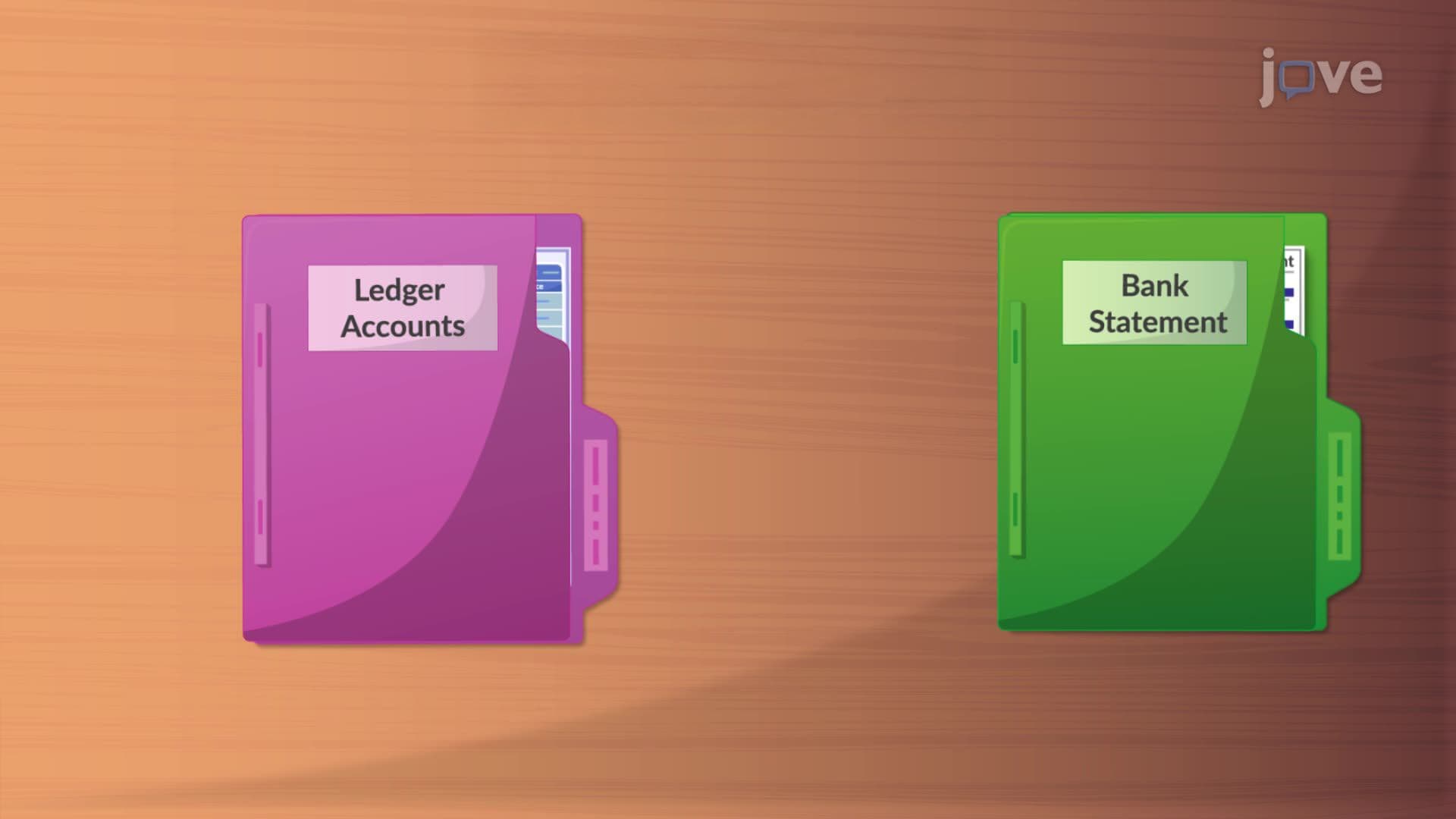
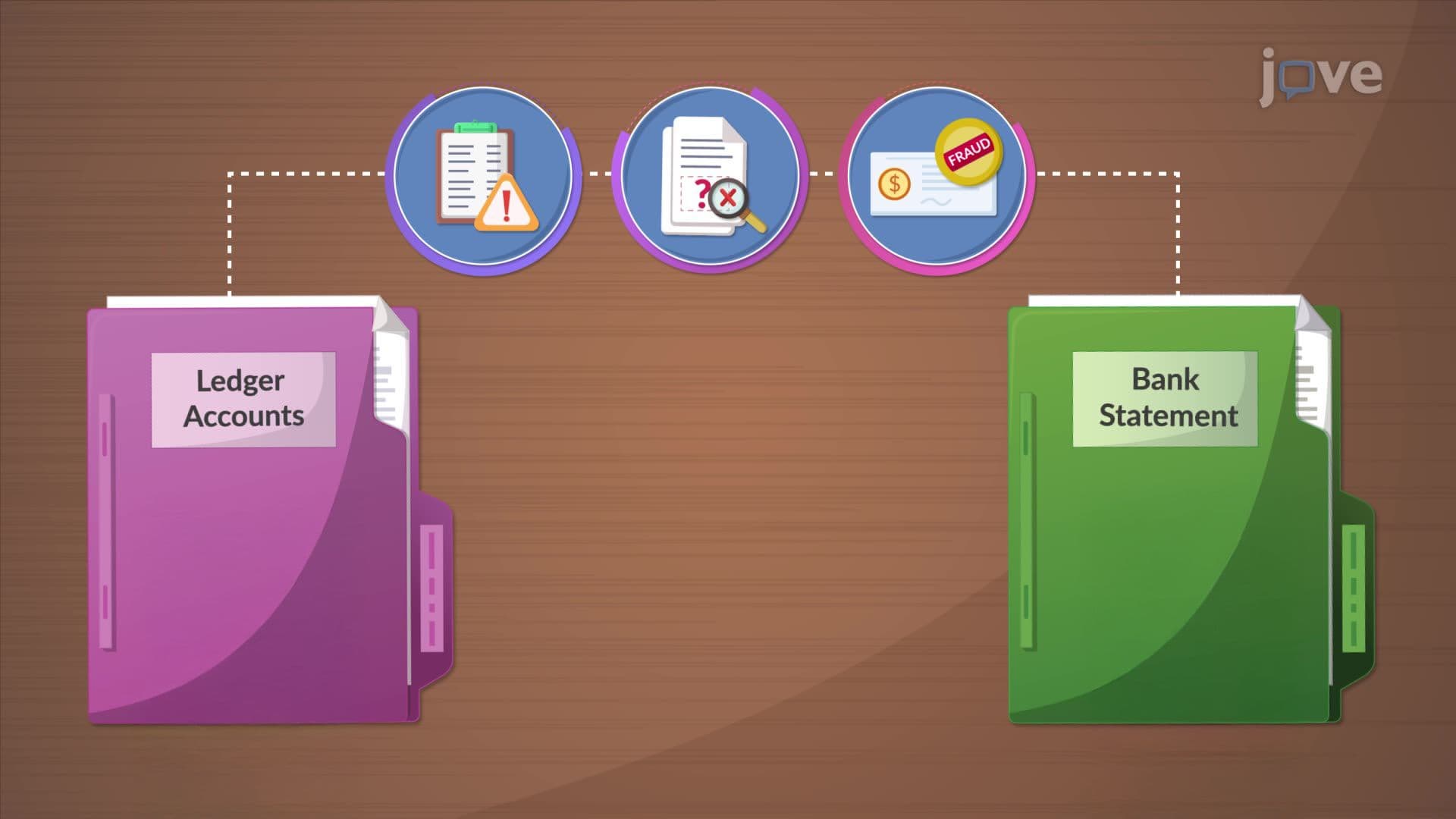
Bank reconciliation is the practice of comparing a company's internal cash records with its bank statement to identify, explain, and resolve any differences. For a manager, this is not a back-office formality, it is a critical financial integrity check that surfaces fraud, prevents overdrafts, and ensures accurate cash reporting. Timing differences, such as outstanding checks or deposits not yet cleared, are common and expected. But unexplained discrepancies signal something more serious. The reconciliation process involves obtaining both records for the same period, comparing them line by line, adjusting for items like bank fees or interest not yet captured internally, and confirming that adjusted balances match. If they don't, investigation is mandatory.
8. Journal Entries from Bank Reconciliation
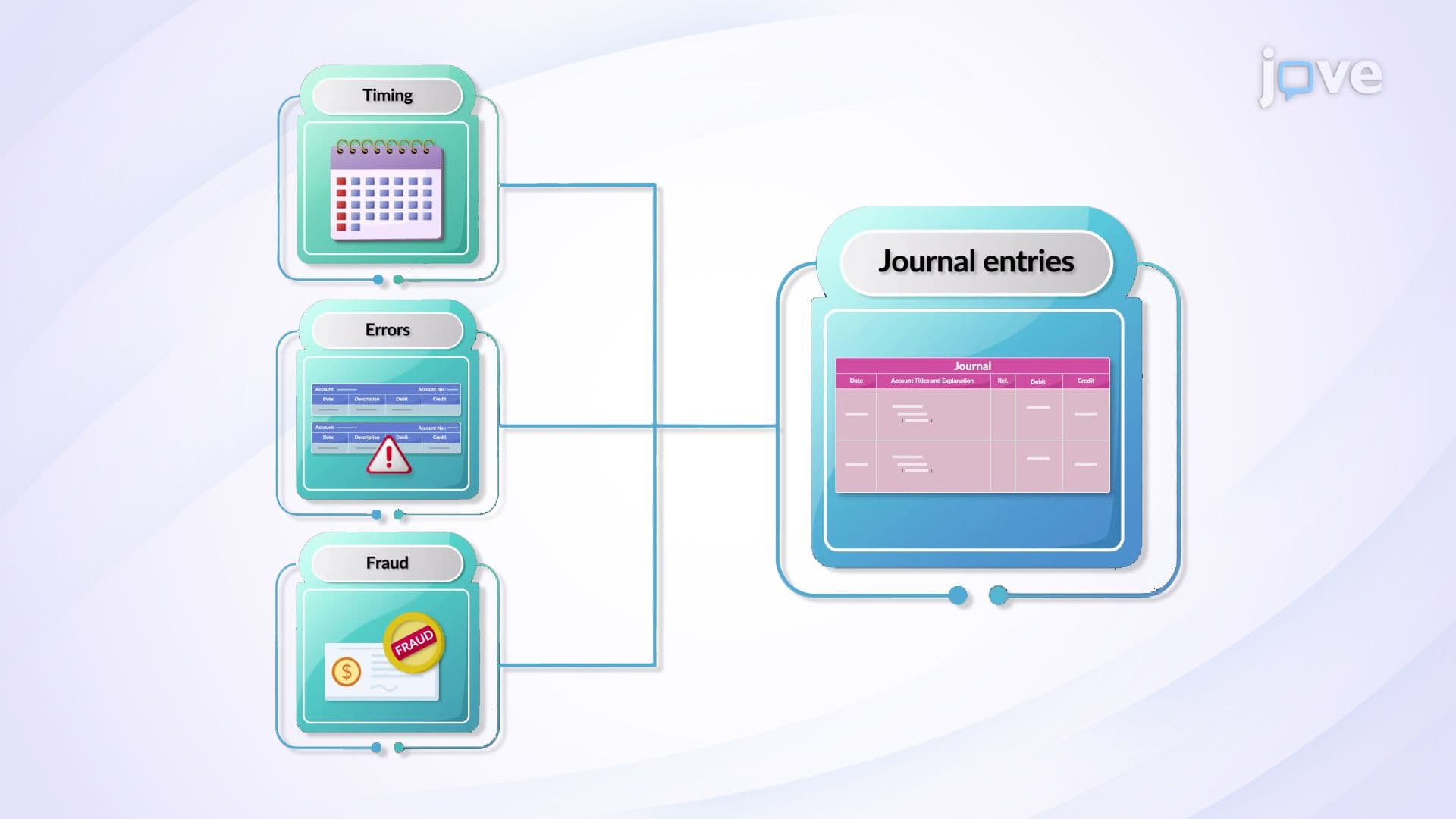
Completing a bank reconciliation is only half the task, the other half is updating the company's books to reflect what was found. When the bank statement reveals charges or credits not yet recorded internally, journal entries are required to bring the accounts into alignment. A bank service fee, for example, must be recognized as an expense and deducted from the cash balance. A customer payment made directly into the company's account must be recorded as an increase in cash and a corresponding reduction in accounts receivable. For a manager overseeing an accounting function, ensuring these entries are made promptly and accurately is essential, unrecorded items compound over time, distorting financial reports and undermining decision-making.