Loading video…

 9 Concepts
 2.7K views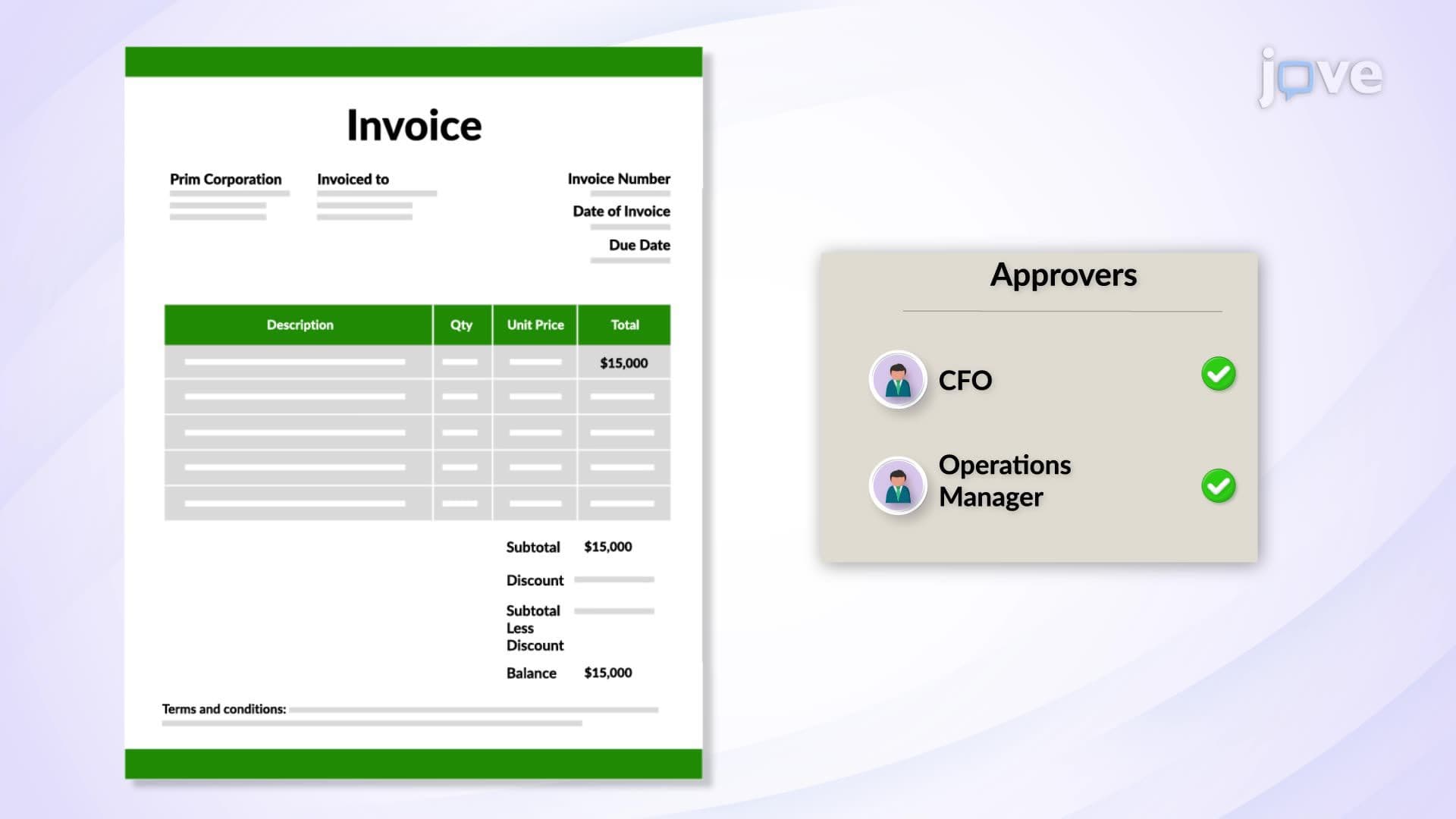

Video Summary: Control Features of a Bank Account Explained
Bank account control features are a critical safeguard every manager overseeing financial operations needs to understand, yet many overlook the risk until a costly error or fraud incident occurs. Knowing how bank account controls work helps you protect team budgets, enforce accountability, and flag suspicious activity before damage is done. Watch the full video on JoVE Coach to master this concept with expert-led visuals and step-by-step explanations.
Picture this: a mid-level operations manager approves a routine vendor payment, only to discover weeks later that a junior team member had transfer-level access they were never meant to have, and that several unauthorized transactions slipped through undetected. This isn't a hypothetical edge case. It's the kind of control failure that happens when organizations scale quickly and financial governance doesn't keep pace. Understanding bank account control features is one of the most practical risk management skills a manager can develop, and it pays dividends far beyond the finance department.
Many managers treat bank account controls as a back-office concern, something owned entirely by finance or treasury. That assumption is expensive. Every manager who handles a departmental budget, approves vendor invoices, or onboards team members with system access has a direct role in enforcing these controls. The risk isn't just fraud from external actors; internal control gaps, a permissions error, an unchecked approval workflow, a missing alert threshold, are far more common and often more damaging. Managers who understand the control landscape can act as the first line of defense, not just another user in the system.
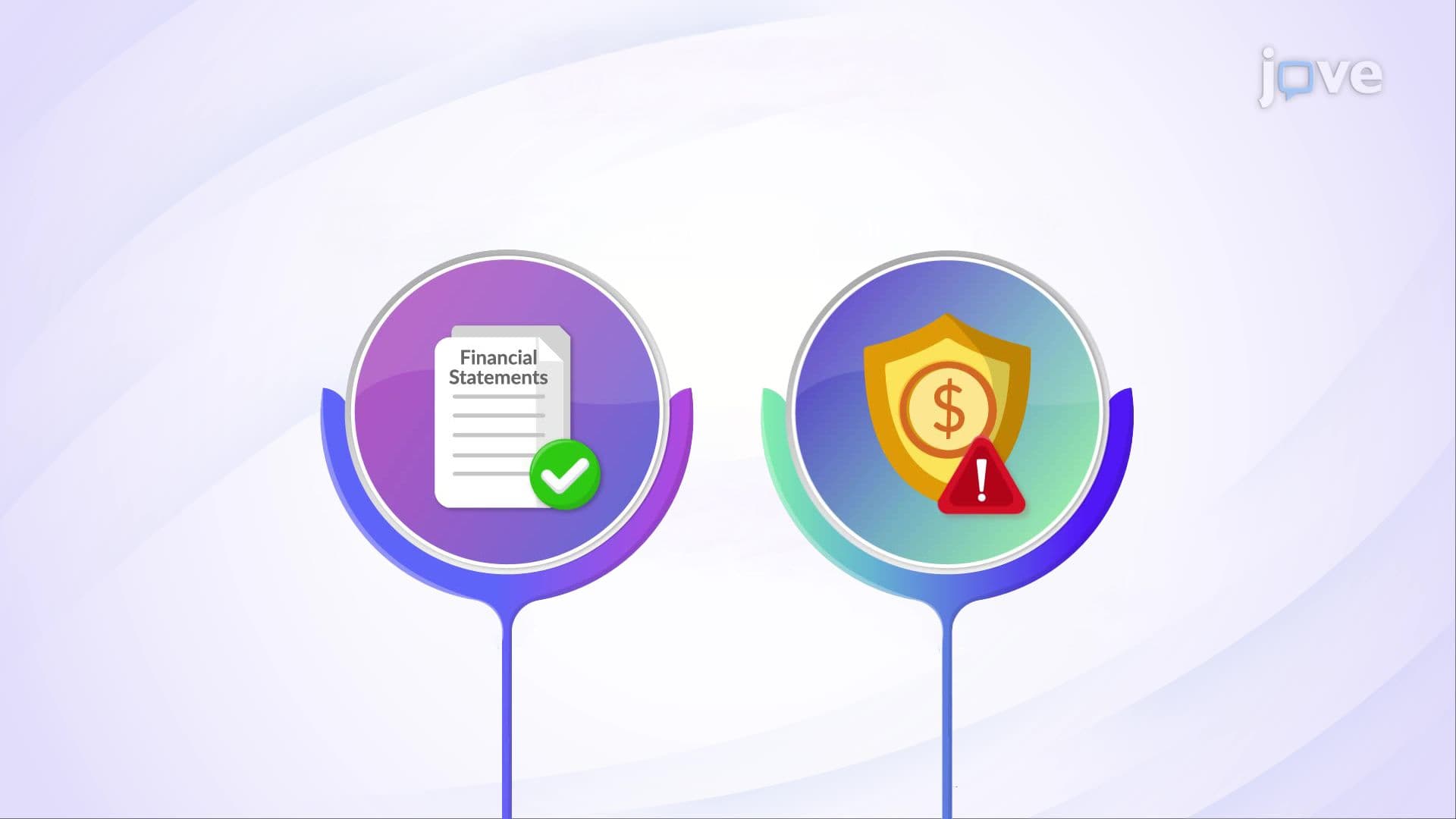
The most effective way to think about bank account controls is through a two-layer model used widely in risk management: preventive controls and detective controls.
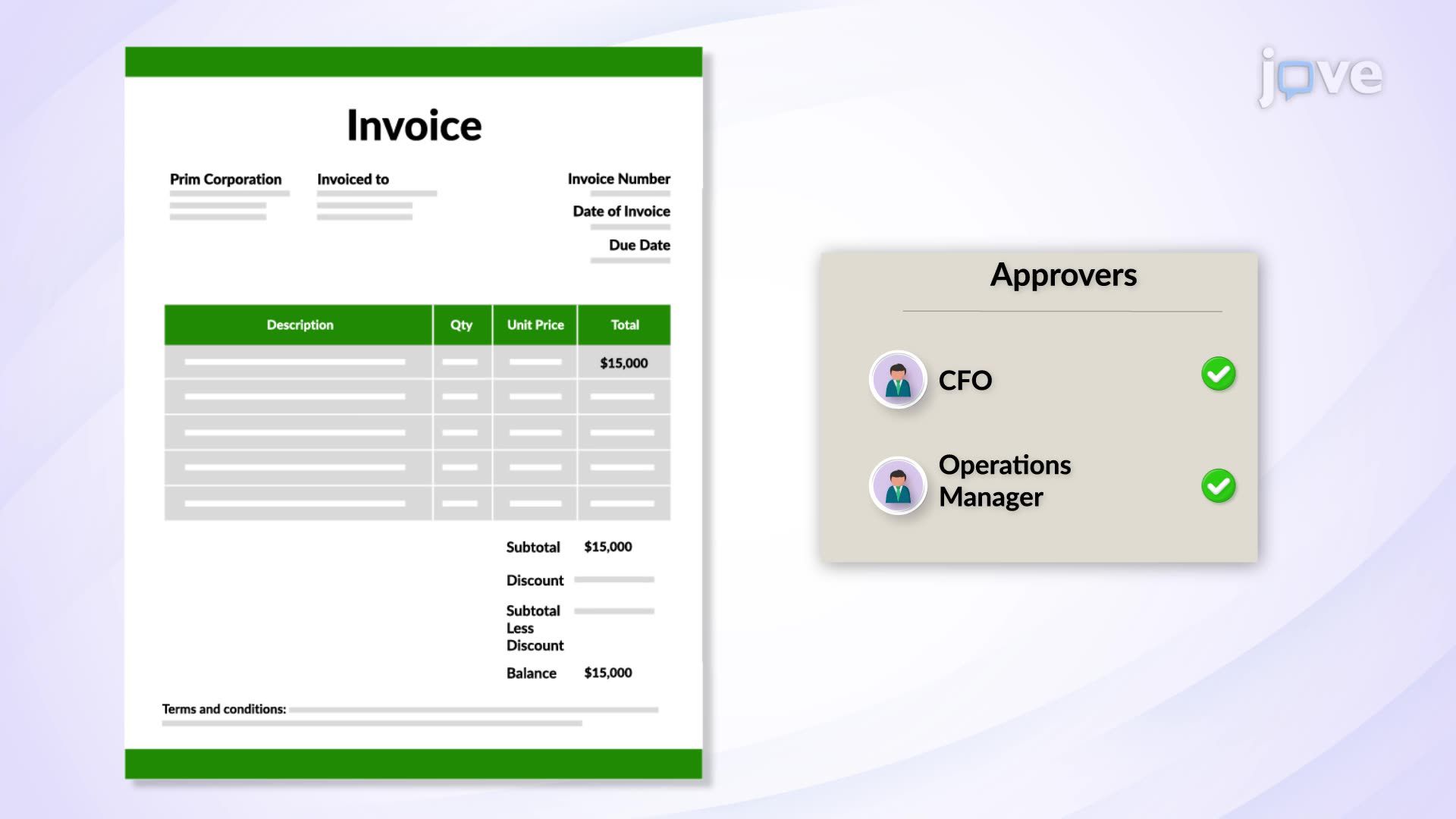
Preventive controls stop problems before they happen. These include role-based access restrictions (limiting who can initiate, approve, or view transactions), dual-authorization requirements for high-value payments, and tiered spending limits that reflect organizational hierarchy. A useful analogy is the RACI framework applied to financial authority, being explicit about who is Responsible, Accountable, Consulted, and Informed for each class of transaction keeps accountability unambiguous and audit-ready.
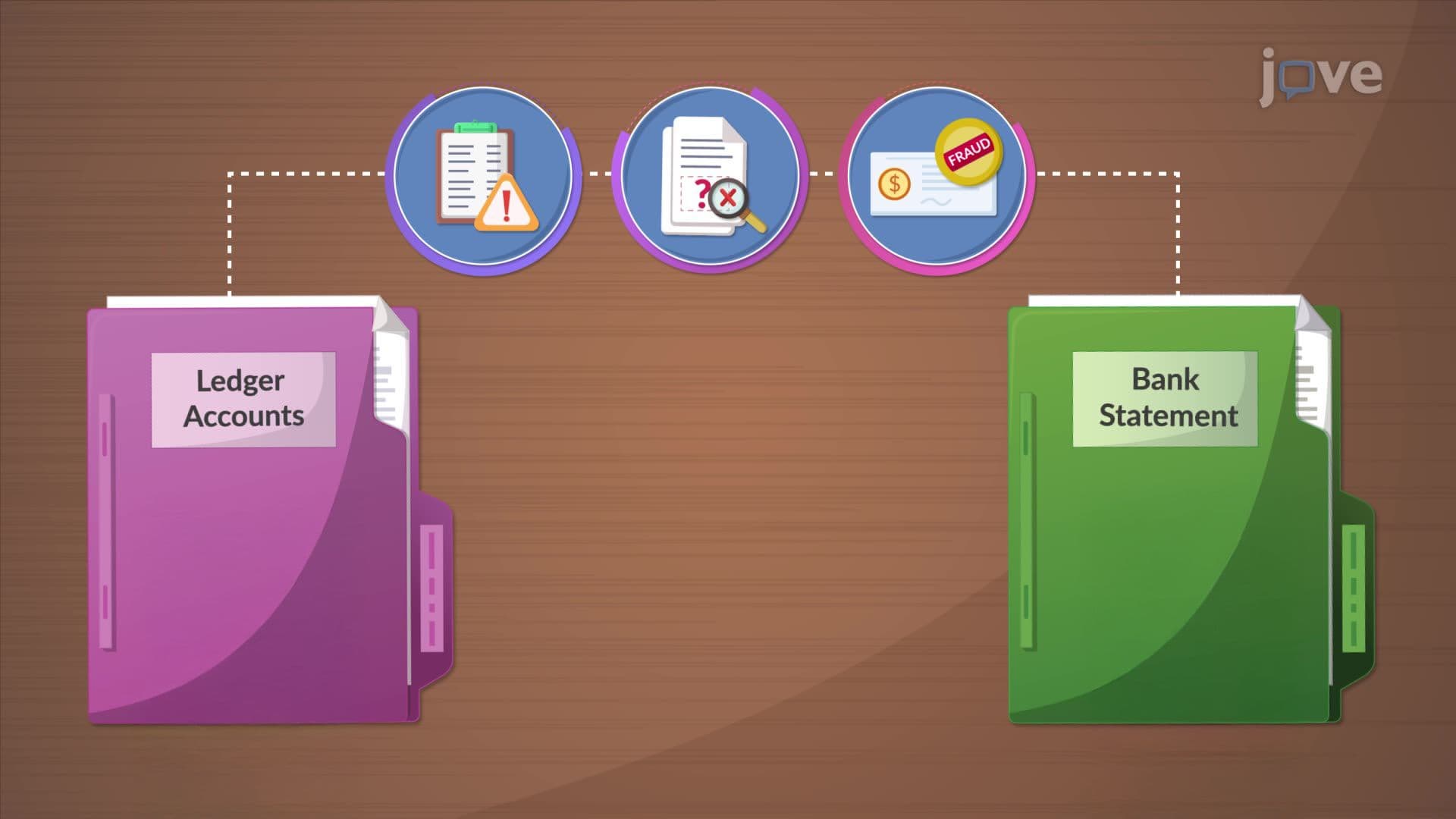
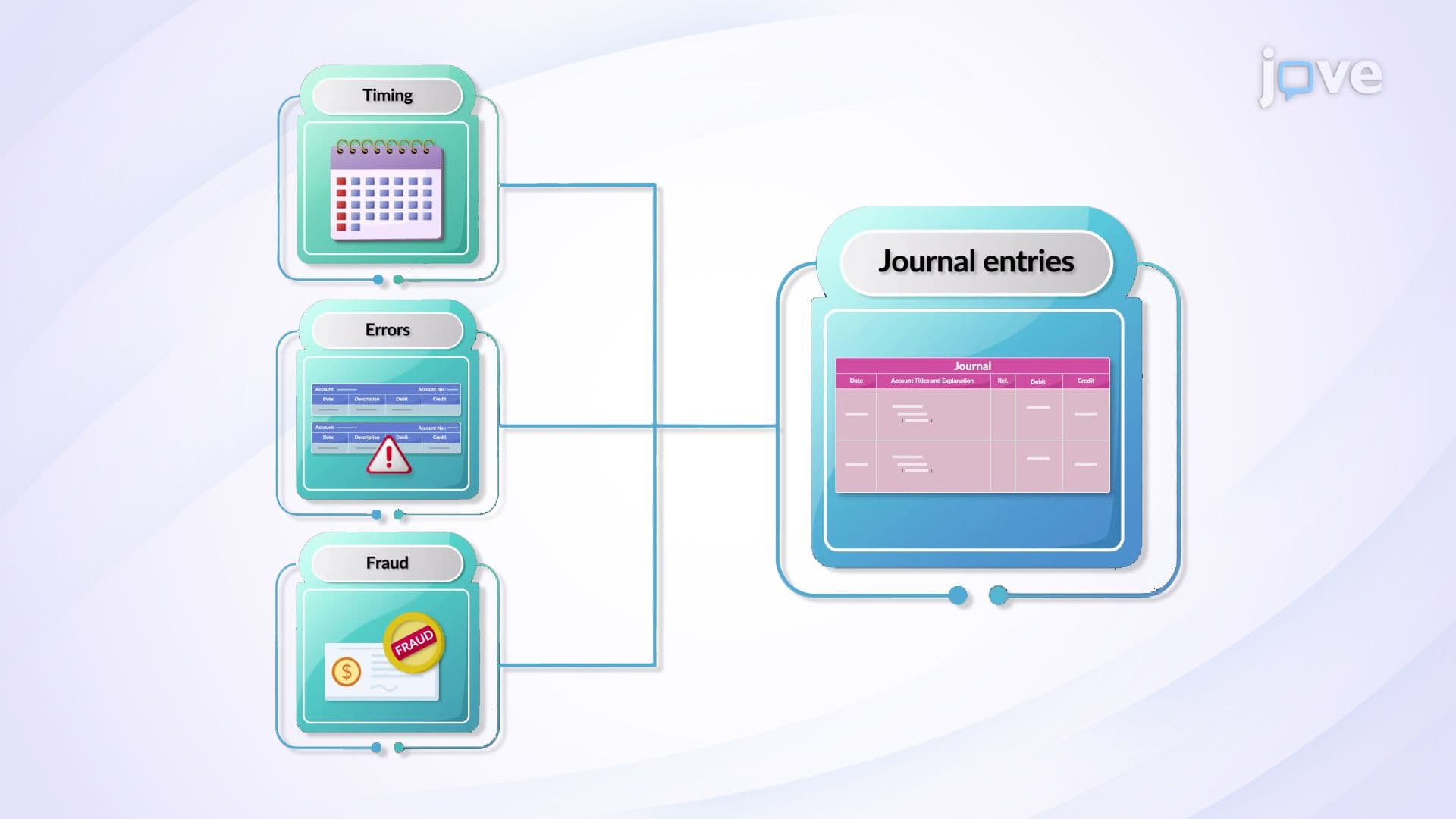
Detective controls catch problems after they occur but fast enough to limit damage. Real-time transaction alerts for large or international transfers are the clearest example, when your finance team receives an instant notification of an unusual outflow, investigation can begin within hours, not weeks. Regular bank reconciliation processes serve the same function: systematic comparison of internal records against bank statements exposes discrepancies that would otherwise go unnoticed until a formal audit.
The most resilient control environments layer both types, using prevention to reduce frequency and detection to reduce severity.
If you manage a team with any financial authority, use your next operational or budget review as an opportunity to pressure-test your controls. Start with three questions:
1. Who currently has access to approve or initiate payments, and does that match their actual role? Access creep is common in growing teams; permissions granted during onboarding often outlast the need. 2. What's the highest-value transaction a single person on your team can authorize alone? If the answer is "unlimited" or "I'm not sure," that's a control gap worth escalating. 3. Does your team receive alerts for unusual transactions, and does anyone own the response process? An alert no one acts on provides no protection.
These aren't questions only a CFO should be asking. They're exactly the kind of operational rigor that distinguishes a manager who owns their function from one who simply supervises it.
The most frequent misstep is treating controls as a one-time setup rather than a living governance process. Team members leave, roles expand, approval workflows get informally bypassed "just this once", and over time, the control environment degrades. Build periodic access reviews into your quarterly rhythm. Treat any instance of a control being bypassed, even with good intent, as a signal to revisit the policy, not ignore it. Financial controls only work when they're consistently enforced and regularly recalibrated to reflect how your team actually operates.
Related Micro-courses