Loading video…


 9 Concepts
 2.7K views

Video Summary: What are Cash Disbursements Controls
Cash disbursements controls are the internal safeguards every finance-facing manager needs to prevent unauthorized payments, errors, and financial exposure. When your team handles outflows without structured controls, small gaps become costly liabilities fast. Understanding cash disbursement internal controls means knowing how approval layers, duty separation, and documentation checks work together to protect your organization. Watch the full video on JoVE Coach to master this concept with expert-led visuals and step-by-step explanations.
Picture this: a mid-level operations manager notices that a vendor payment was processed twice within the same billing cycle. No one flagged it. The person who approved the purchase also prepared the payment. There was no cross-check, no second set of eyes. By the time it surfaced in a quarterly review, the duplicate transfer had already cleared. This is not a rare edge case, it is what happens when cash disbursements controls are absent, incomplete, or not enforced consistently.
Cash disbursements controls are the structured internal procedures that govern how money flows out of an organization. For managers overseeing finance-adjacent teams or operational budgets, understanding these controls is not just an accounting concern, it is a leadership responsibility.
Most managers assume that fraud or payment errors are someone else's problem, a finance team issue, an auditor's catch, a compliance department concern. This assumption is where exposure begins. In reality, the control failures that lead to financial loss almost always trace back to a process gap at the team level: a step skipped under deadline pressure, an approval bypassed because "it was just a small amount," or a duty shared between people who should have been kept separate.
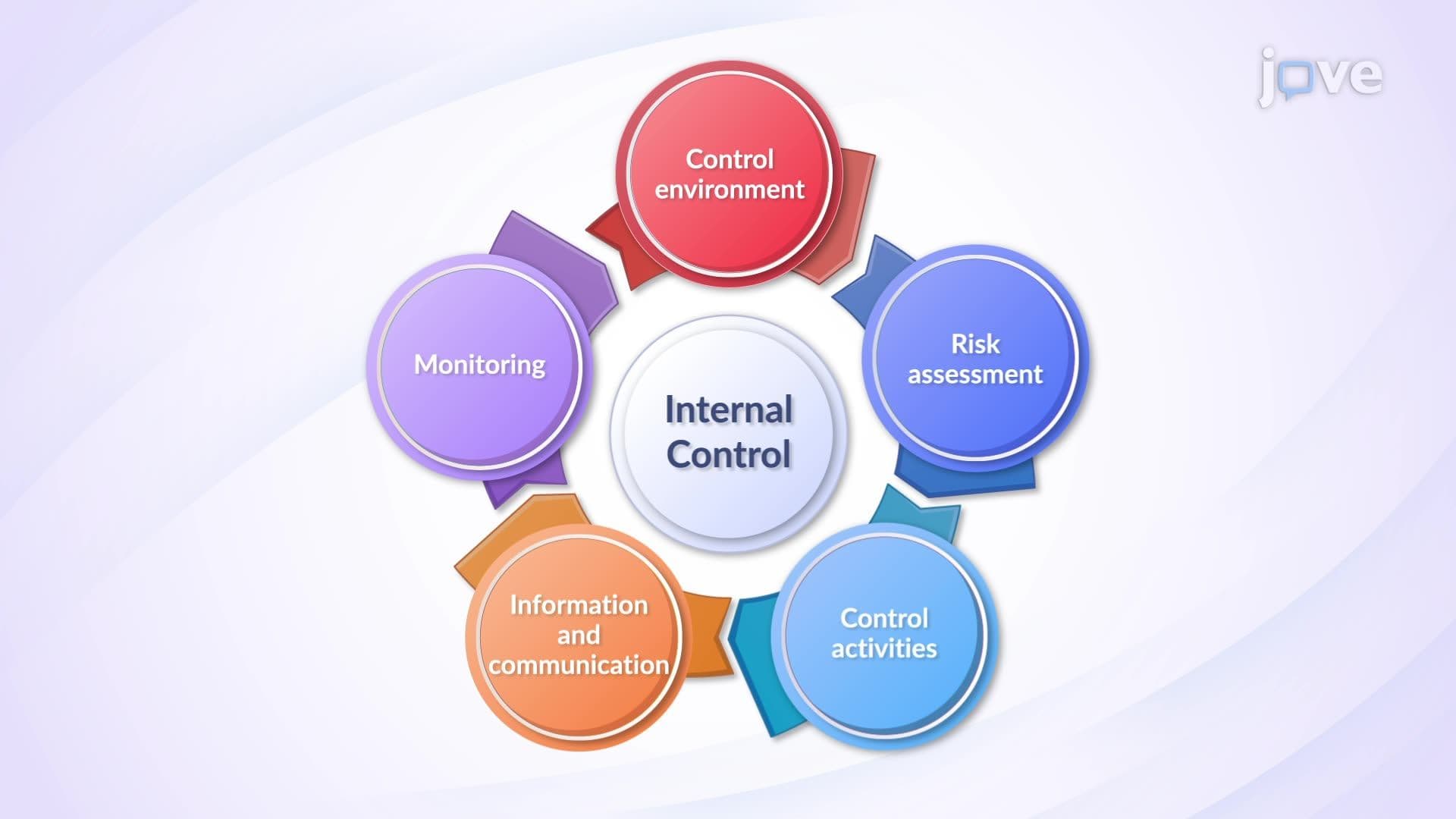
The COSO Internal Control Framework identifies control environment, risk assessment, and control activities as the foundation of sound financial management. For a people manager, the practical translation is straightforward: know who on your team touches money, what they are authorized to do, and whether your current workflow actually separates those responsibilities.
The most effective structural tool for cash payment controls is the RACI model applied to disbursement workflows. Clearly defining who is Responsible for preparing a payment, who is Accountable for approving it, who is Consulted before release, and who is Informed afterward eliminates the ambiguity that creates risk.
In practical terms, this means:
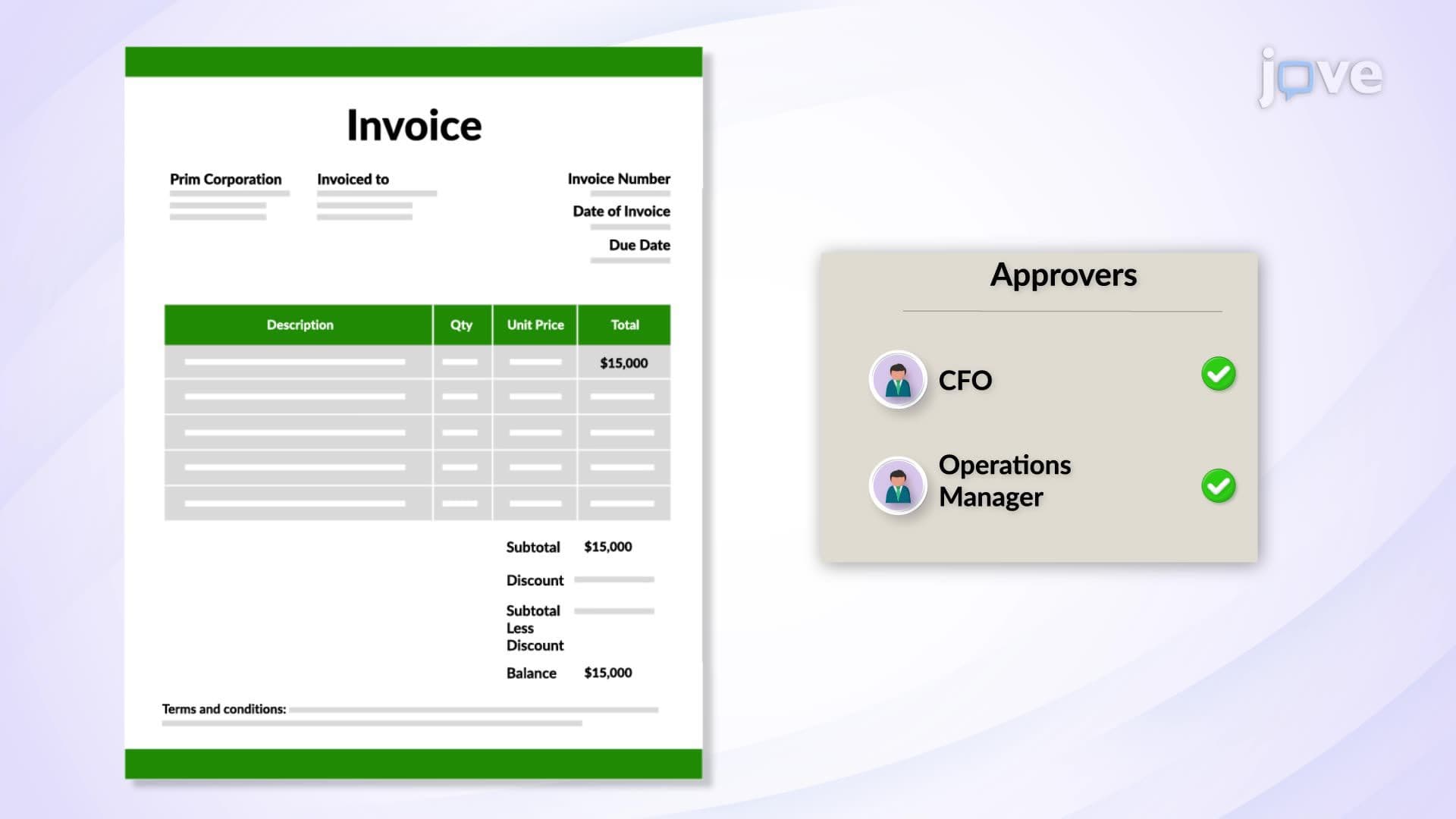
A three-way match process, purchase order, delivery confirmation, and supplier invoice, acts as the documentary backbone of internal controls for cash disbursements. When all three align, payment proceeds. When they do not, the discrepancy triggers a review. This simple gate catches the majority of errors and unauthorized payments before they occur.
Collapsing roles under workload pressure. When teams are short-staffed or deadlines are tight, managers often allow one person to handle multiple stages of a disbursement. This feels efficient in the moment and creates significant risk in practice. Build backup coverage into your workflow rather than bypassing controls when the primary person is unavailable.
Treating pre-numbered payment instruments as administrative detail. Sequential numbering is an audit trail. Missing numbers flag missing payments. Managers who dismiss this as "paperwork" lose visibility into whether every disbursement was authorized and executed correctly.
Assuming verbal approvals are sufficient. Every disbursement decision should be documented. If an authorization cannot be evidenced, it did not happen in any meaningful control sense. Establish a clear expectation with your team: no documentation, no payment.
Failing to periodically review access rights. Personnel change roles, teams restructure, and access permissions drift over time. Conduct a quarterly review of who in your team has authorization over payment systems and reconcile that list against current role responsibilities.
Strong cash disbursements controls do not slow teams down, they protect them from the operational disruptions and trust breakdowns that financial errors create at every level of an organization.
Related Micro-courses