Loading video…


 21 Concepts
 7.4K views

Video Summary: Accounting Process Explained
Many managers overlook the accounting process until a budget conversation exposes a critical blind spot. Understanding accounting process basics helps you read financial reports with confidence, ask sharper questions in leadership meetings, and make decisions grounded in real numbers, not gut instinct. Watch the full video on JoVE Coach to master this concept with expert-led visuals and step-by-step explanations.
Picture this: you're sitting in a quarterly business review and your director pulls up a cash flow statement. Everyone around the table nods. You nod too, but you're not entirely sure what you're looking at or how those numbers got there. This is one of the most common, least-discussed gaps in first-time and mid-level management. The accounting process is the engine behind every financial report your organization produces, and understanding how it works makes you a fundamentally sharper leader.
There's a widespread belief that accounting is solely the domain of the finance function. But the moment you manage a budget line, approve a purchase, or report on team costs, you're participating in the accounting process, whether you realize it or not. Managers who understand how transactions flow from identification to financial statement are significantly better at forecasting, defending their budgets, and spotting anomalies before they escalate. Financial fluency isn't about becoming an accountant. It's about not being caught off guard.
The accounting process follows a logical, repeatable cycle that mirrors how strong managers approach any operational challenge: identify, record, summarize, verify, report, and analyze. Here's how to internalize each stage from a leadership perspective:
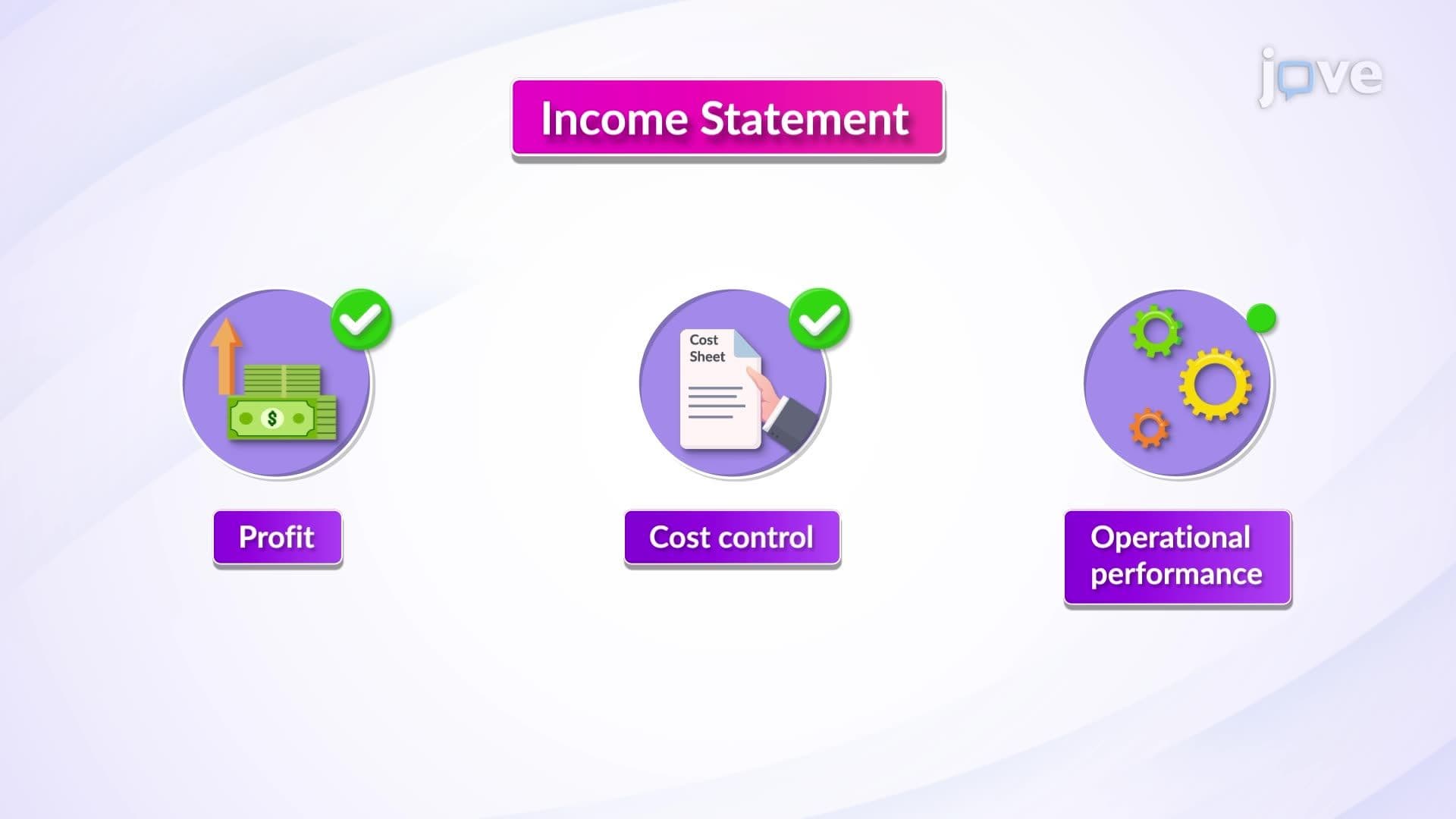
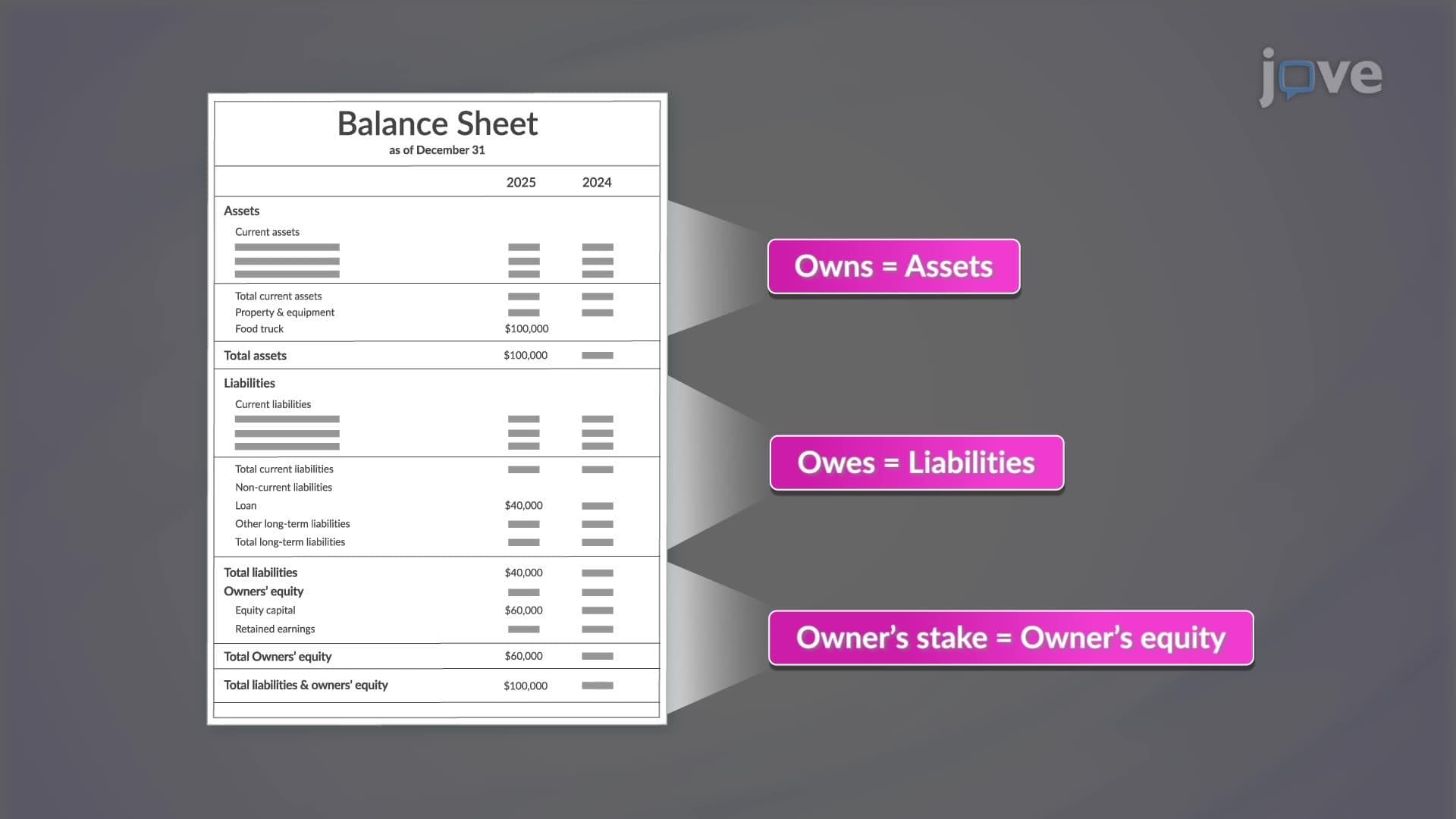
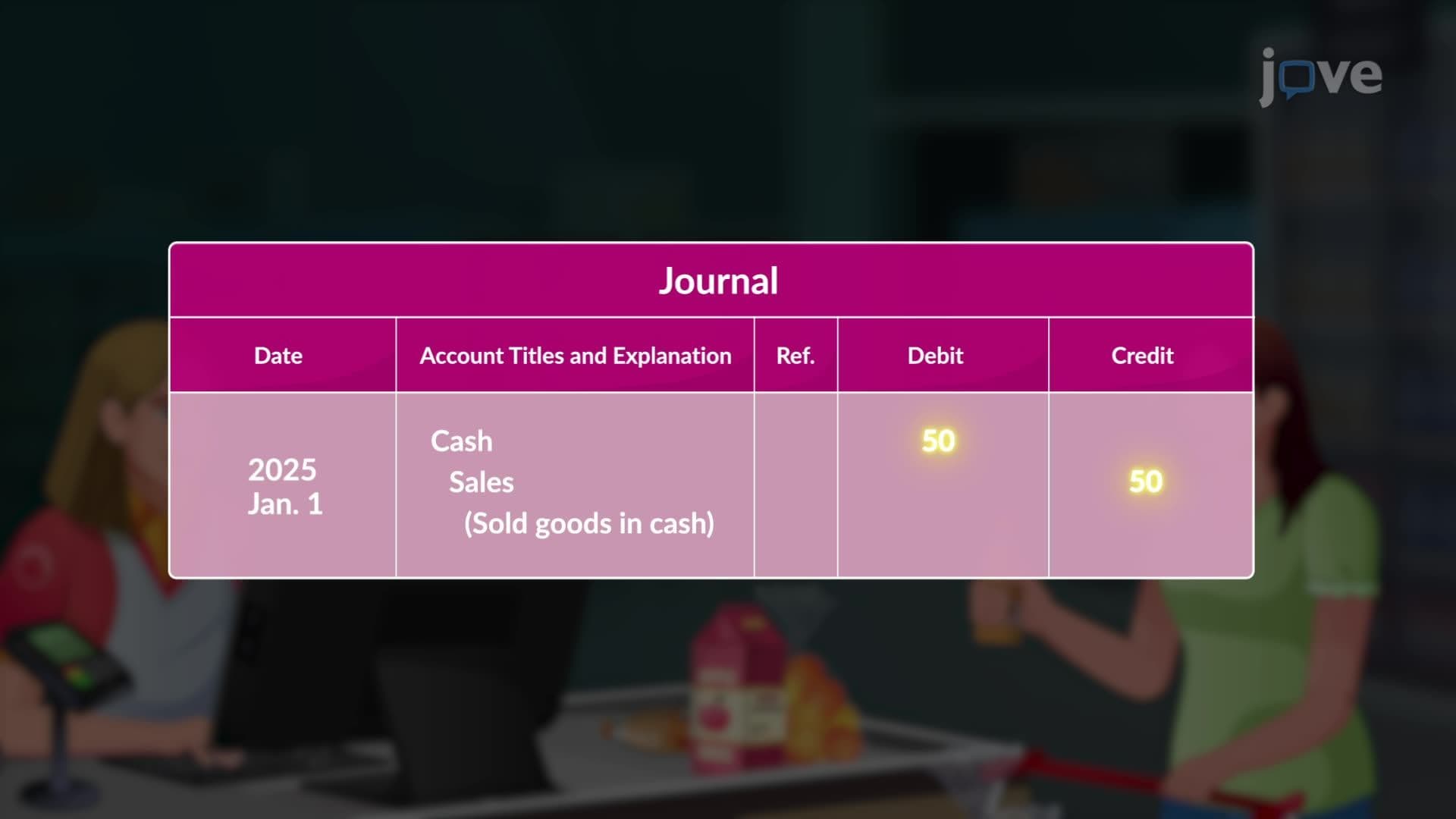
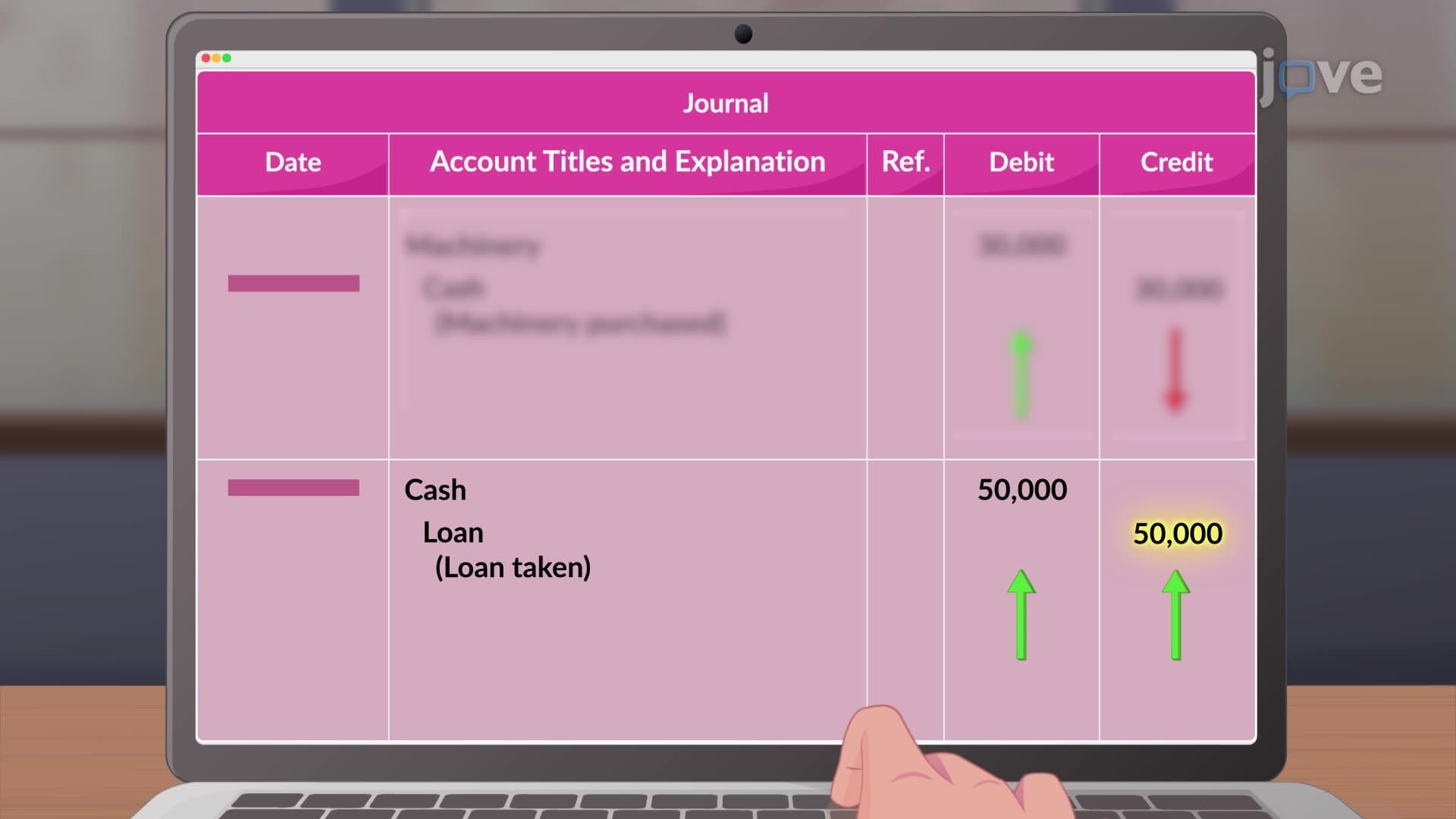
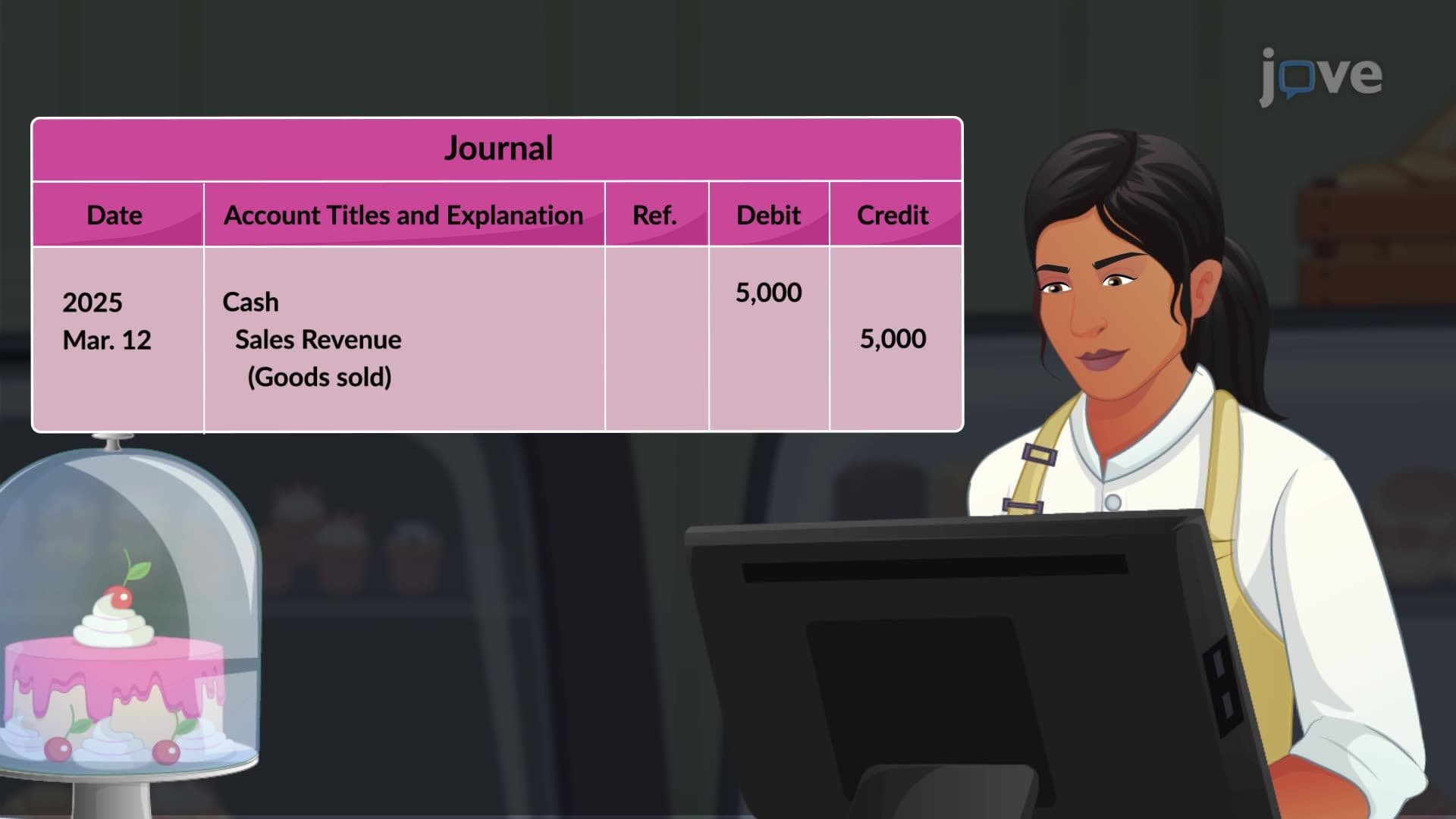
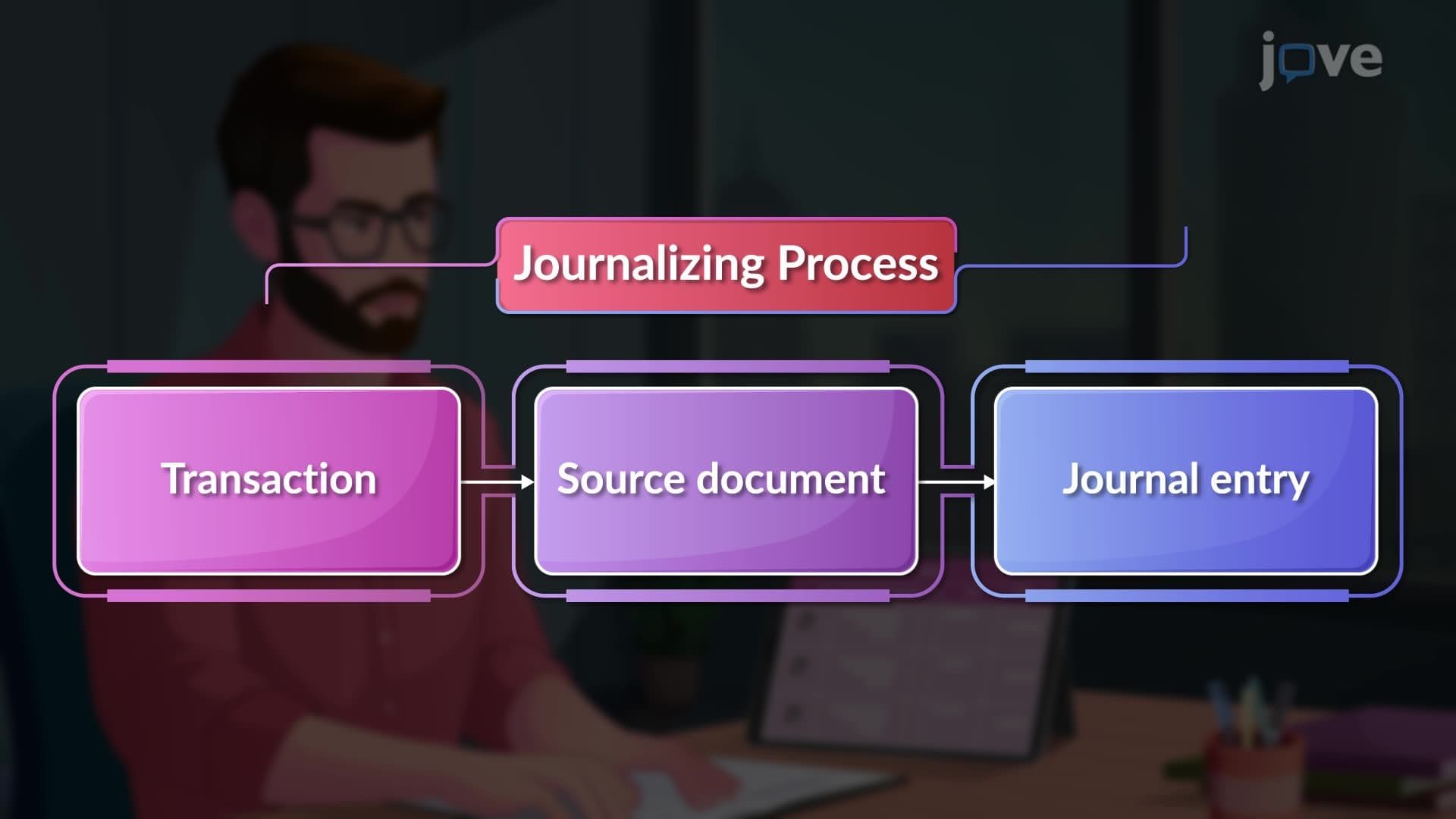
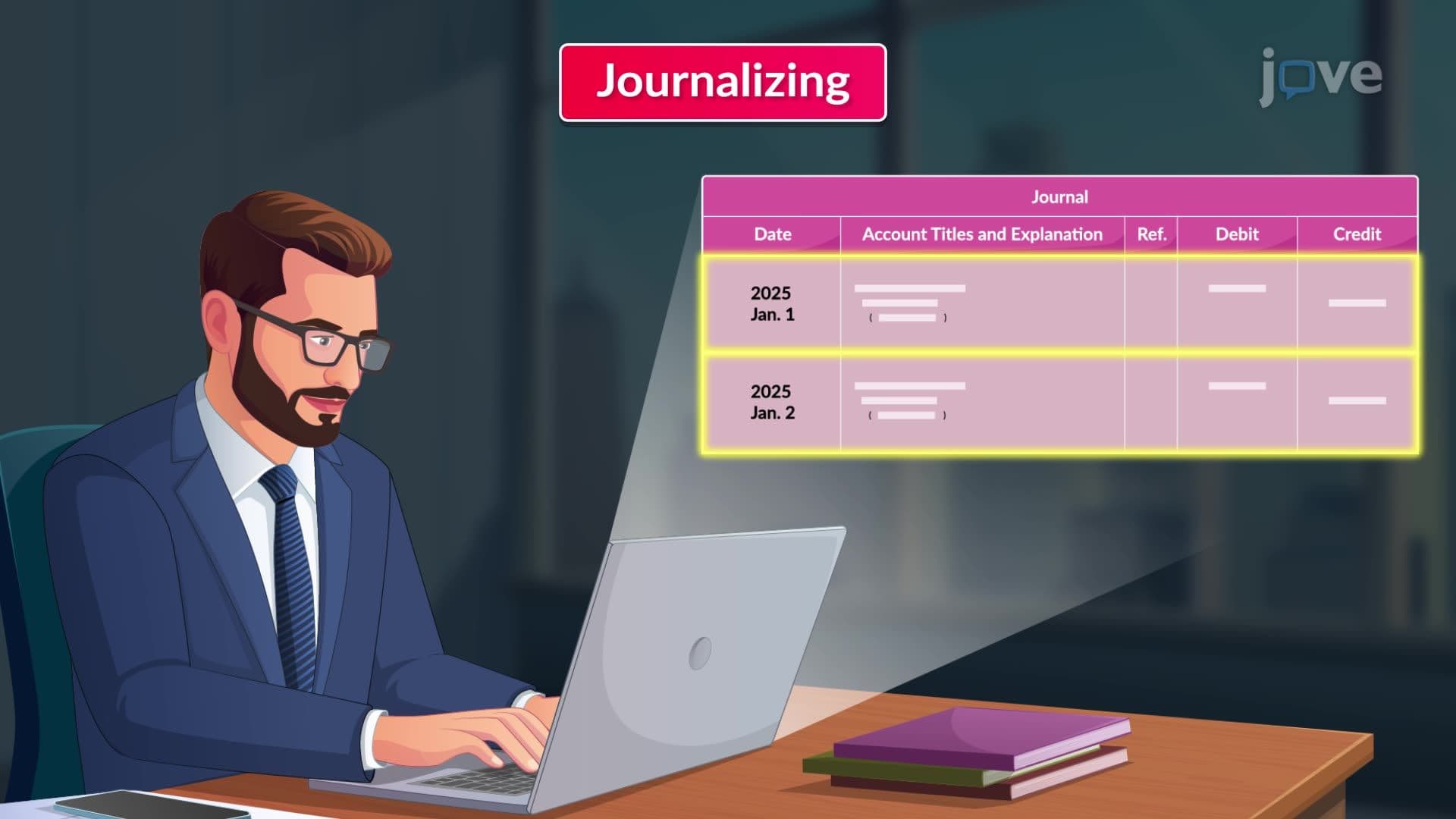
1. Identify the economic event, In your context, this means recognizing when an operational action (a purchase order, a vendor contract, a staffing change) has a financial consequence. 2. Classify and record, Transactions are categorized into accounts, sales, receivables, expenses, through journal entries using double entry accounting principles, where every debit has a corresponding credit. 3. Post to the general ledger, The general ledger is the master record of every account. Think of it as the single source of truth for your team's financial activity. 4. Prepare a trial balance, This step checks for mathematical accuracy before financial statements are produced. Trial balance preparation is the system's built-in quality control mechanism. 5. Make adjusting entries, Costs that are incurred but not yet paid, like accrued salaries or prepaid expenses, must be recognized to give an accurate picture of financial health. 6. Generate and interpret financial statements, The income statement shows profitability, the balance sheet reflects assets and liabilities, and the cash flow statement reveals liquidity. Ratio analysis then turns raw data into actionable insight.
This cycle doesn't just apply to accountants. When you apply this sequential thinking to any reporting process your team owns, the quality and reliability of your outputs improves significantly.
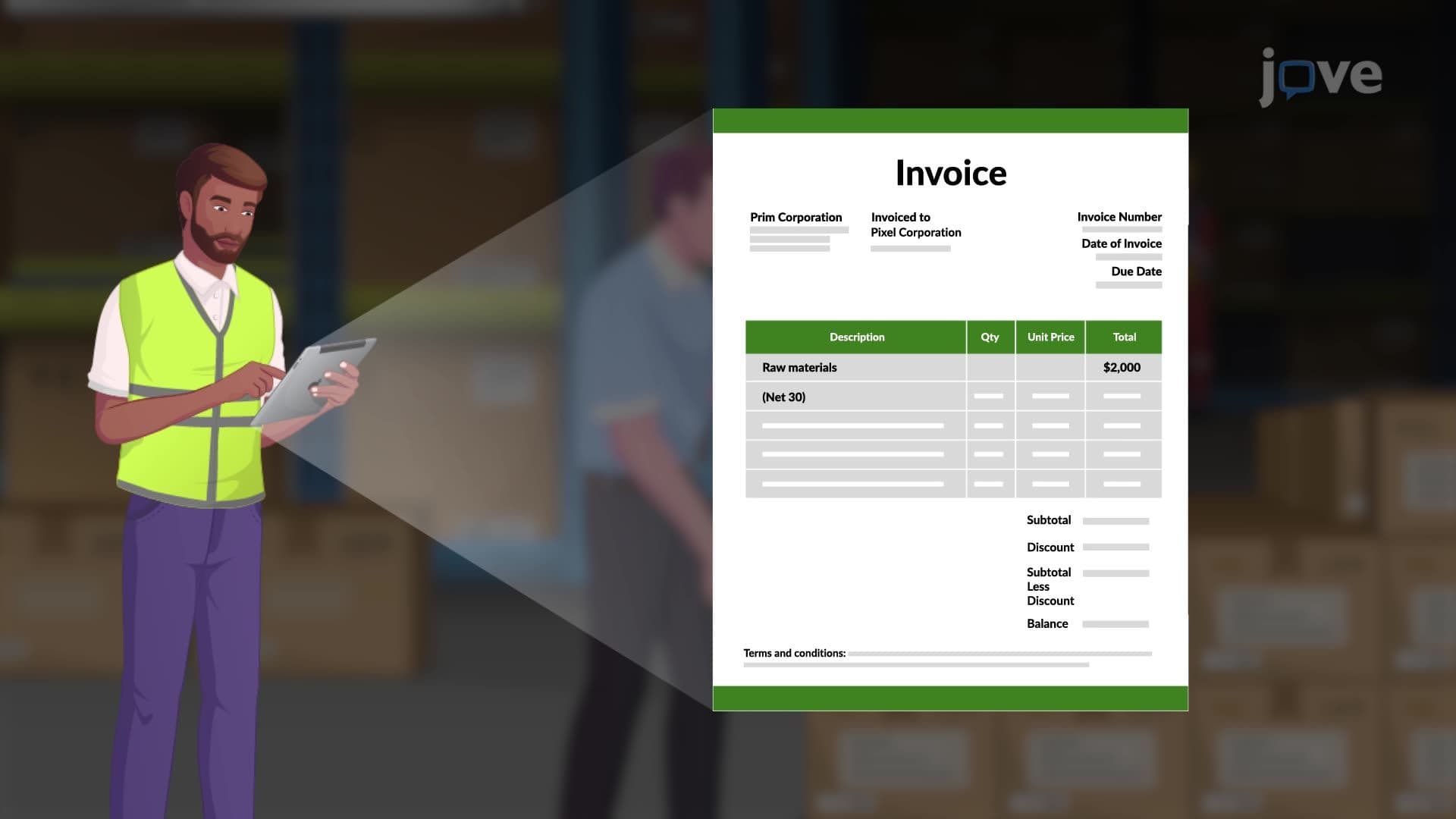
The most practical application for managers is learning to ask better questions of source documents and financial summaries. Before your next budget review, request a basic breakdown of how your cost center's figures were derived. Ask your finance partner what adjustments were made and why. Use the income statement to connect your team's output to revenue impact. Apply the RACI framework to your financial reporting process, clarify who is Responsible, Accountable, Consulted, and Informed for each financial decision your team touches. This alone eliminates a significant amount of budget confusion and late-cycle surprises.
The most damaging mistake managers make is treating financial statements as outputs to acknowledge rather than tools to interrogate. A balance sheet isn't a formality, it's a diagnostic instrument. Similarly, many managers confuse a journal with a ledger: source documents and journal entries capture individual transactions as they happen, while the general ledger consolidates all entries by account over time. Conflating the two leads to poor questions and weak financial conversations. Finally, never skip the analysis stage. Ratios and trend comparisons are where the real leadership intelligence lives, raw numbers without context are just noise.
Related Micro-courses