Loading video…

 21 Concepts
 7.4K views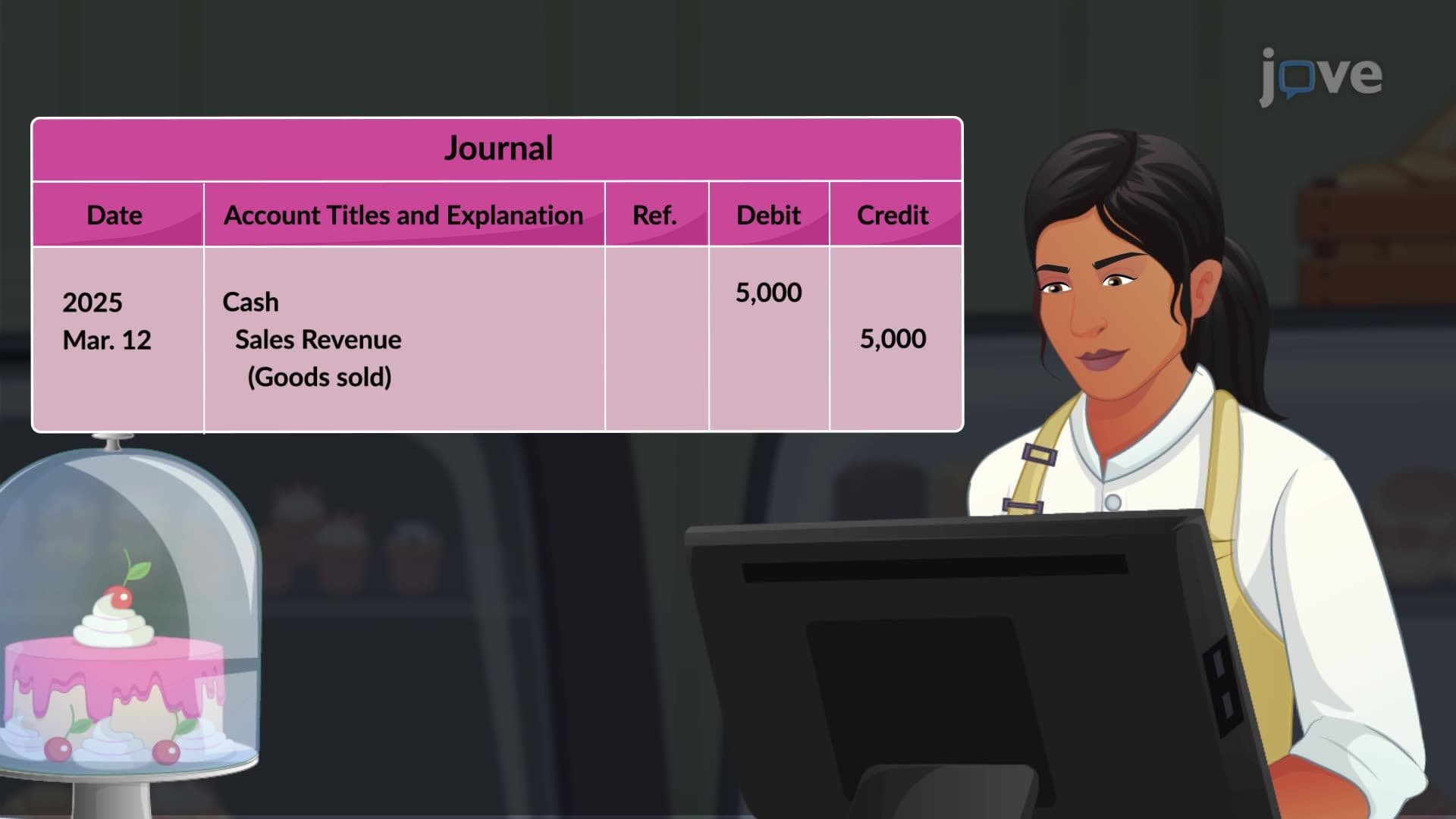

Video Summary: Debit and Credit Effects for Revenues and Expenses Explained
Debit and credit effects for revenues and expenses basics trip up many professionals the moment they step into budget ownership or P&L accountability. Understanding debit and credit effects for revenues and expenses is non-negotiable for any manager making informed financial decisions. Revenue carries a normal credit balance; expenses carry a normal debit balance, and knowing why changes how you read every financial report. Watch the full video on JoVE Coach to master this concept with expert-led visuals and step-by-step explanations.
Picture this: your finance team sends over the monthly department report and flags an unexpected drop in net income. You open the general ledger, see a column of debits and credits, and freeze. You know the numbers matter, but you're not sure which direction a debit *should* move an expense account, or why revenue sits on the credit side at all. This moment of uncertainty costs managers time, credibility, and decision-making speed. Understanding debit and credit effects for revenues and expenses is the foundation that eliminates that freeze.
Most professionals stepping into budget accountability have absorbed a surface-level rule: "debit means increase, credit means decrease." That rule breaks immediately when applied to equity-linked accounts like revenues and expenses, and that's where confusion takes hold.
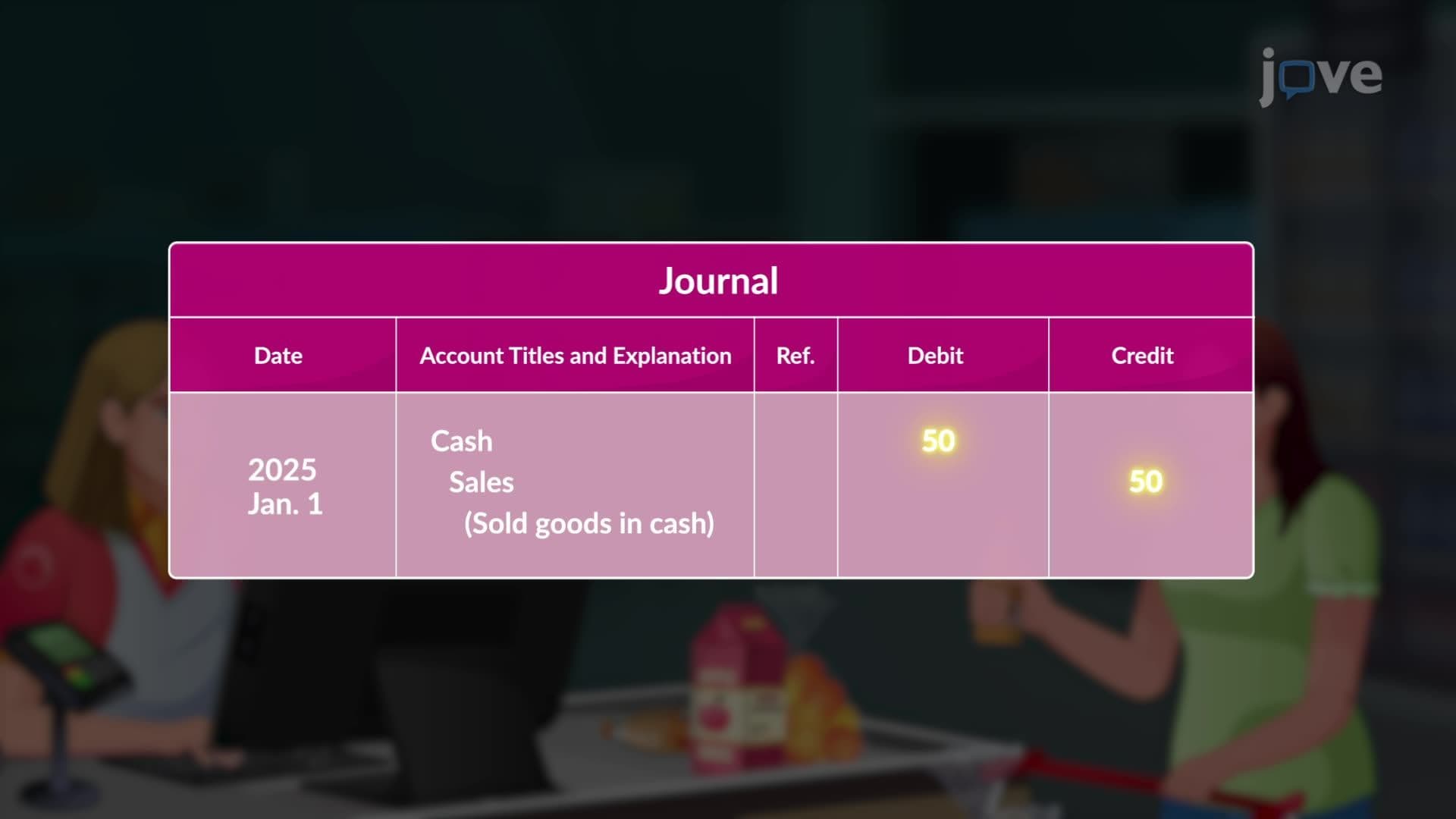
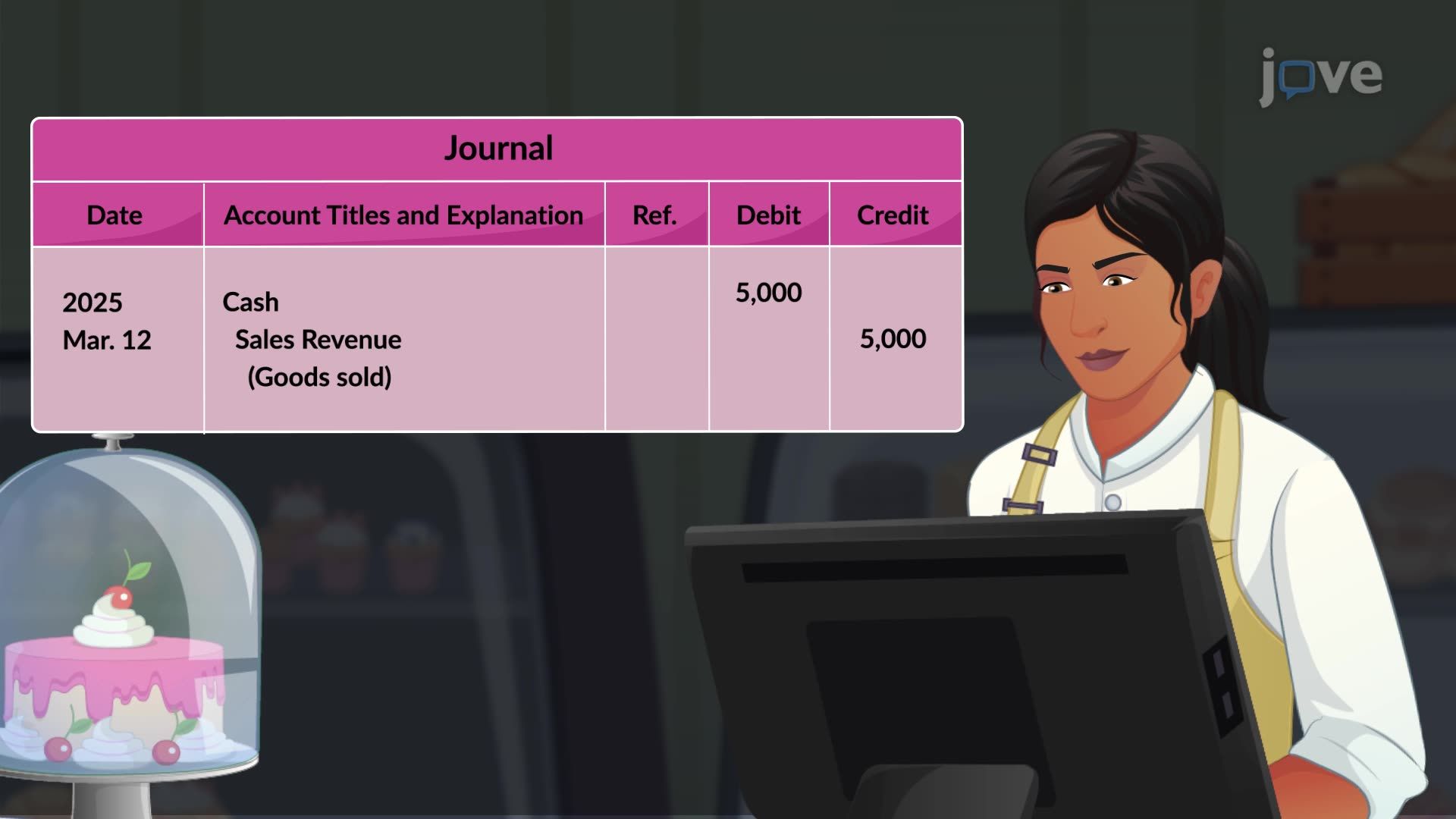
The root issue is that debits and credits aren't inherently positive or negative. Their effect depends entirely on *which type of account* is being touched. Revenues increase equity, so they carry a normal credit balance, crediting a revenue account grows it. Expenses decrease equity, so they carry a normal debit balance, debiting an expense account grows it. Once a manager internalizes this logic, reading a trial balance or reviewing journal entries becomes intuitive rather than intimidating.
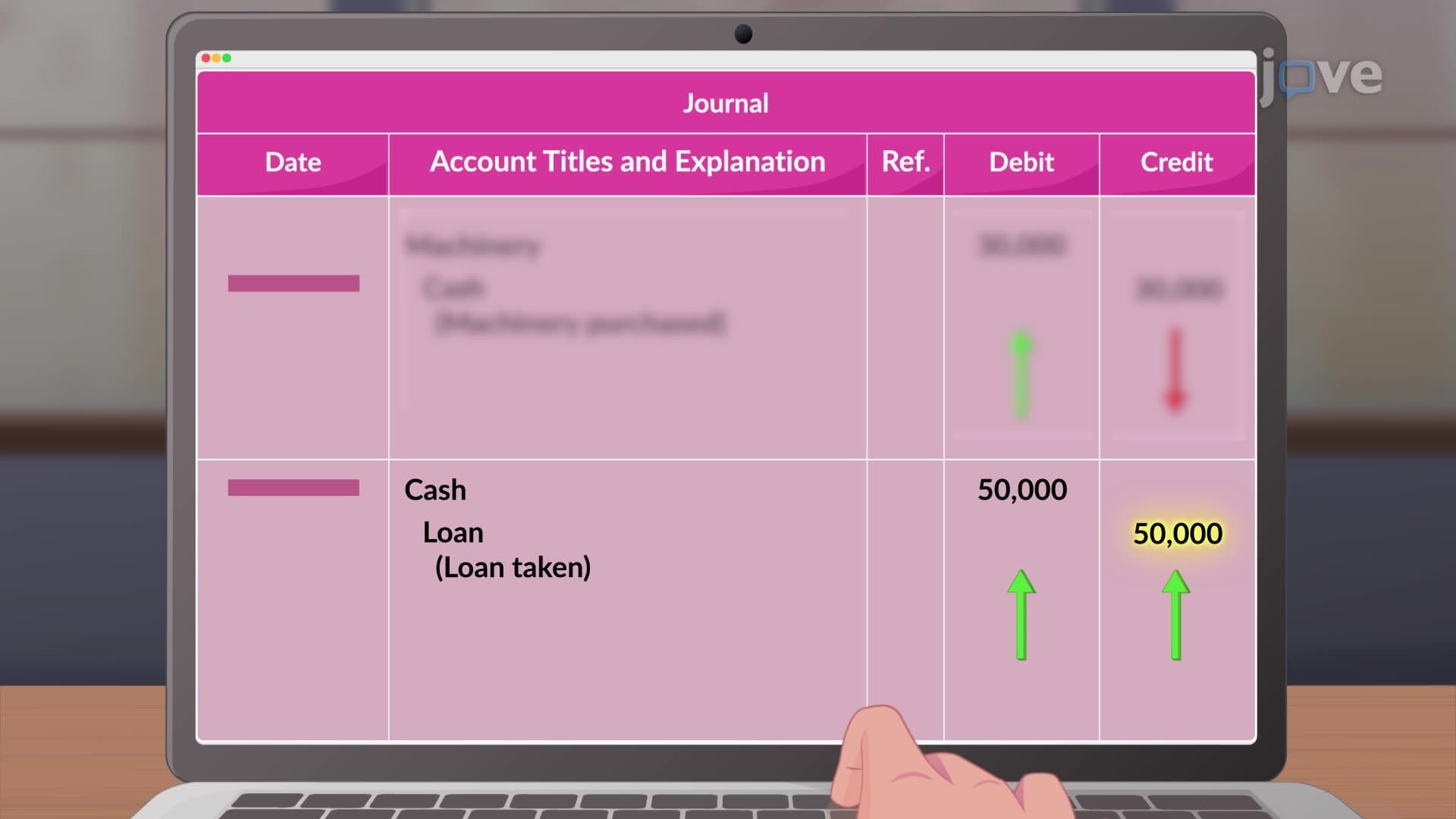
Double entry accounting operates on one unbreakable rule, every transaction affects at least two accounts, and total debits must always equal total credits. Apply this as a two-column mental model whenever you review a financial entry:
1. Identify what was received (asset or expense increased → debit side) 2. Identify what was given up or earned (liability, equity, or revenue increased → credit side)
For example: a manager approves a utilities payment. The Utility Expense account is debited, the expense grows. The Cash account is credited, the asset shrinks. These two movements balance perfectly. When you apply this lens consistently, even complex multi-line entries become traceable.
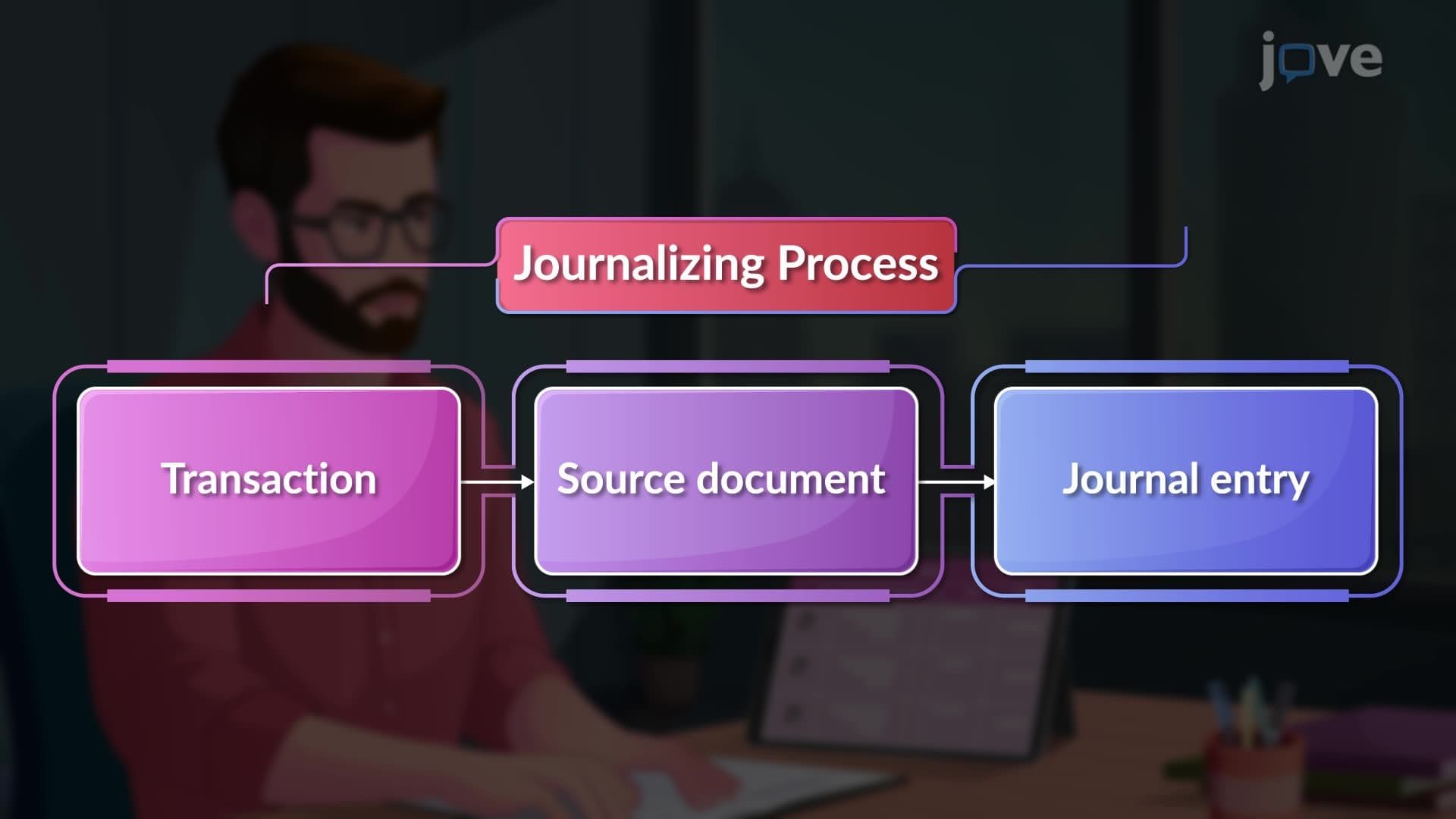
Pair this with the accounting cycle sequence, source documents → journal entries → general ledger posting → trial balance preparation, and you have a repeatable workflow for reviewing your department's financial data at any point in the month.
Use these three practical steps in your next financial review or budget conversation:
Step 1, Audit your expense categories. Before the meeting, pull your general ledger and confirm that all expense accounts show debit balances. A credit balance in an expense account is an immediate red flag, it means either an overpayment was returned or an entry was recorded incorrectly.
Step 2, Verify revenue recognition. Confirm that all revenue accounts carry credit balances. If a revenue account shows a debit balance mid-period, escalate to your finance partner, it likely signals an error in how income was posted.
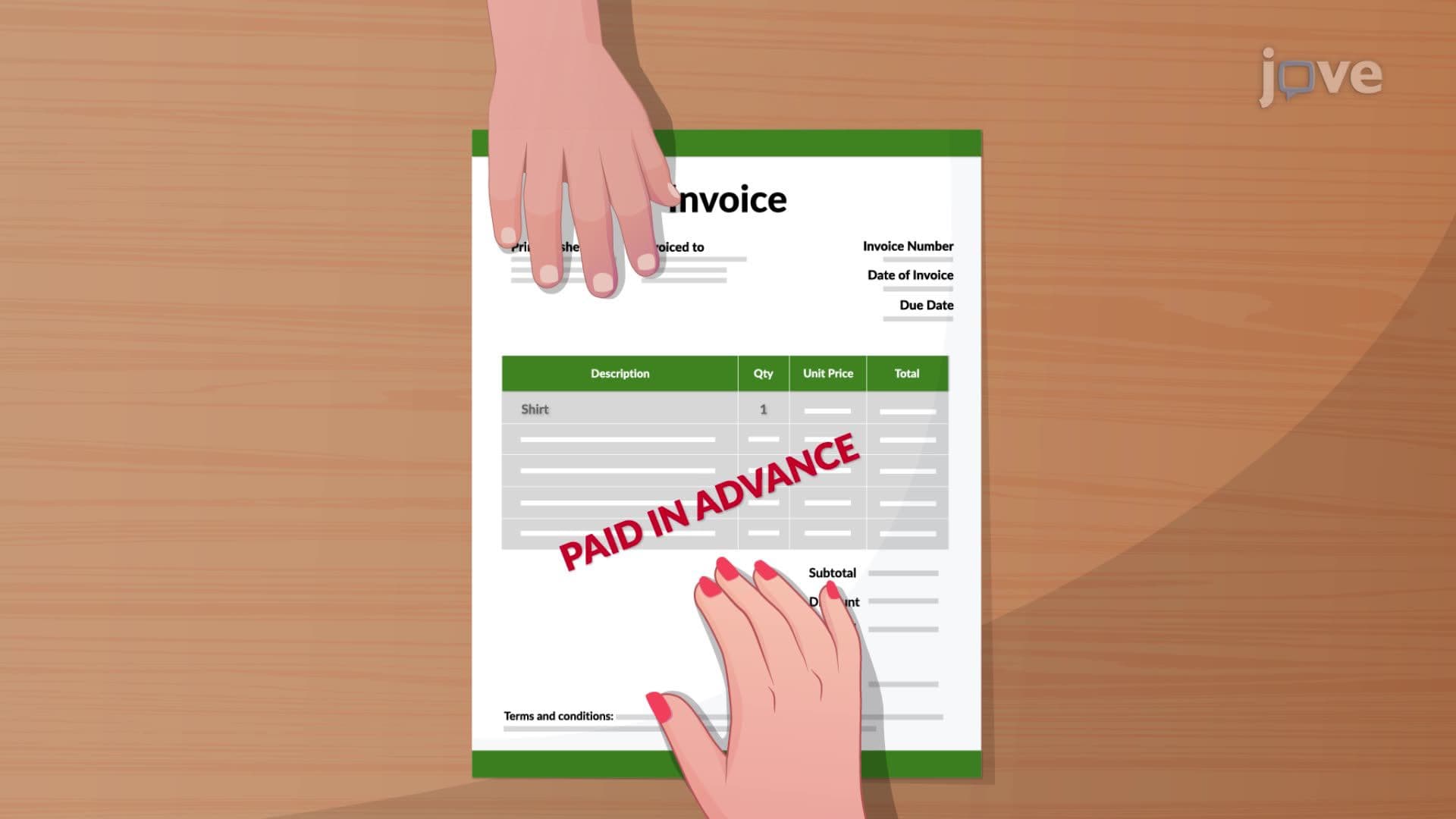
Step 3, Trace backwards from the trial balance. If your trial balance doesn't reconcile, work backwards through journal entries to the original source documents, receipts, invoices, contracts. This is where recording errors hide.
Financial fluency at the manager level isn't about becoming an accountant. It's about having enough command of debit and credit effects for revenues and expenses to ask the right questions, catch the right errors, and make the right calls.
Related Micro-courses