Loading video…


 21 Concepts
 7.4K views

Video Summary: Posting in Ledger Explained
Posting in ledger basics is a foundational financial skill every manager overseeing budgets, approvals, or team expenditures needs to understand. When financial data isn't transferred correctly from journals to ledger accounts, reporting errors compound fast, and you're the one accountable. Posting in Ledger Explained shows how this process keeps financial records accurate, organized, and ready for reporting. Watch the full video on JoVE Coach to master this concept with expert-led visuals and step-by-step explanations.
Picture this: your team has processed a significant operational expense, equipment, a service contract, a facilities payment, and the transaction sits in a journal entry. A week later, your finance partner flags a discrepancy in the monthly report. Nobody can trace where the number went. That's a posting failure. For managers responsible for any slice of a budget, understanding how posting in ledger works isn't academic, it's operational self-protection.
Most managers outside of finance encounter the ledger only when something goes wrong, a budget overage, a reconciliation dispute, or an unexplained variance in a financial dashboard. The disconnect happens because managers often understand *what* a transaction is, but not *where* it goes once it's recorded. Posting is the bridge. It's the process of moving a transaction from the journal, where it's first logged, into the specific ledger account where it lives permanently and updates a running balance. Without understanding this bridge, managers lose the ability to trace financial data confidently.
The common mistake isn't carelessness. It's abstraction. Managers delegate financial recording without understanding the logic behind it, which means they can't catch errors, can't challenge reports intelligently, and can't have peer-level conversations with their finance counterparts.
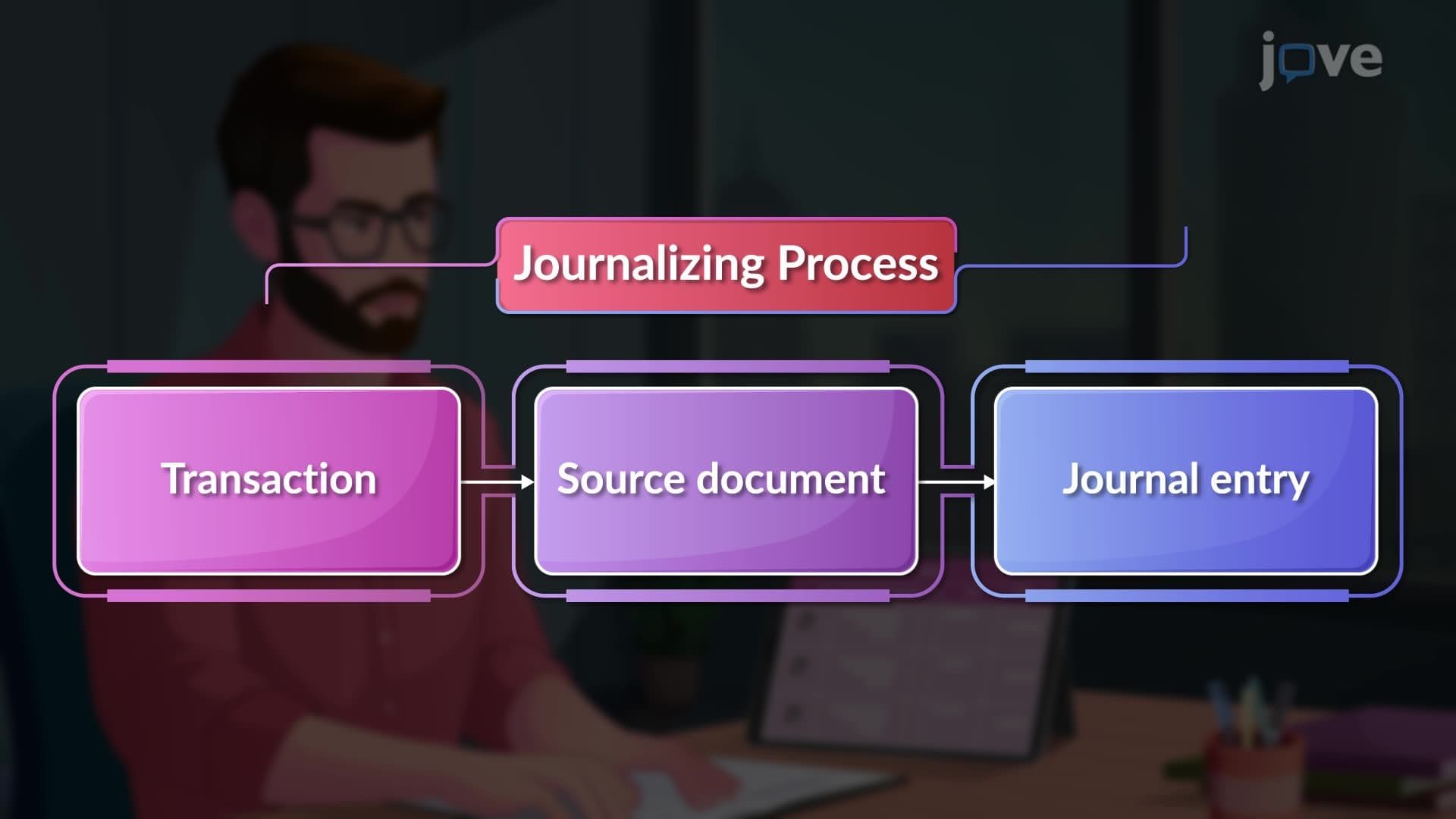
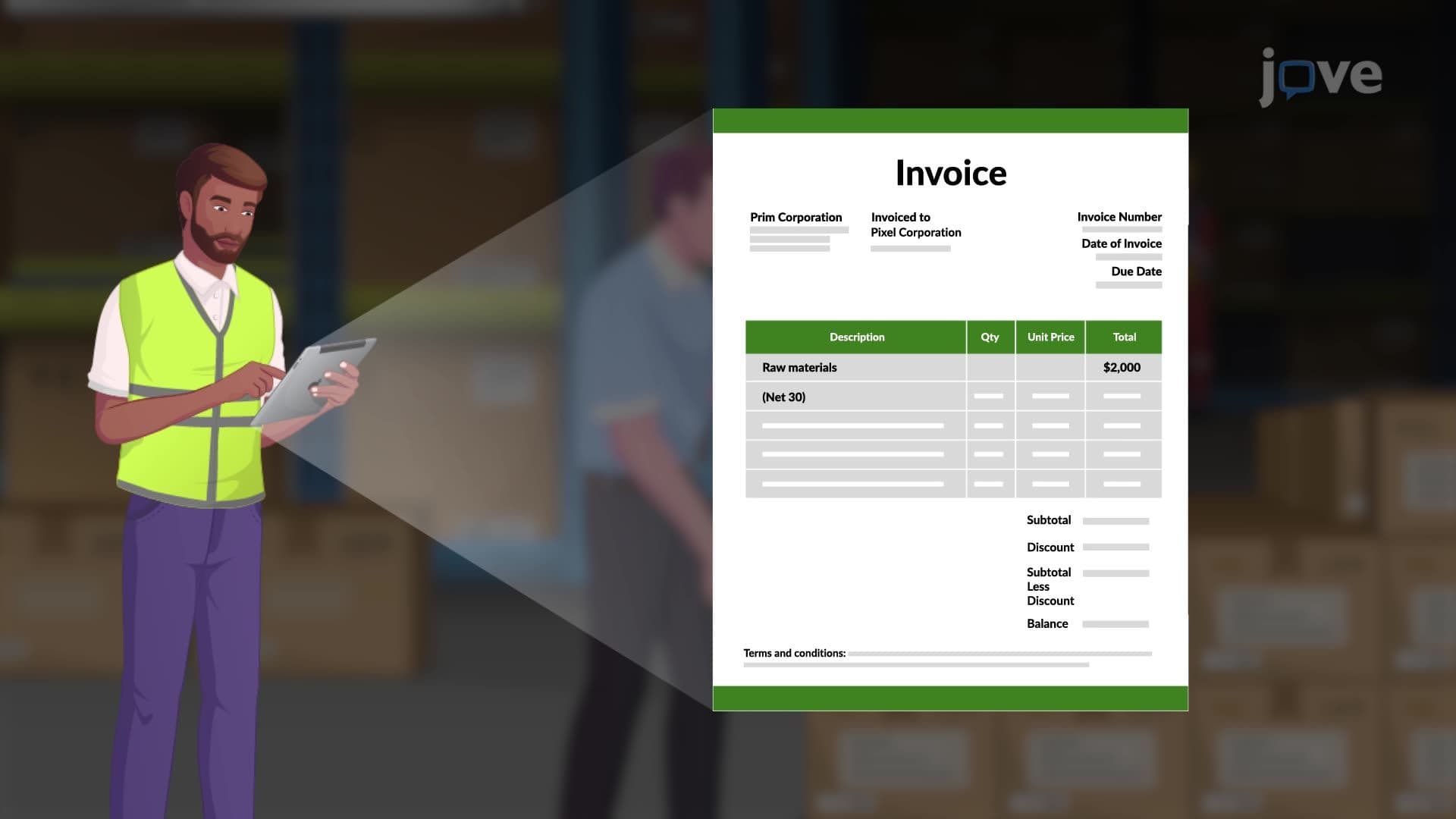
Think of the accounting cycle as a pipeline with defined stages. Source documents (invoices, receipts, contracts) feed into journal entries. Journal entries feed into ledger accounts through posting. Ledger accounts feed into the trial balance. The trial balance feeds into financial statements.
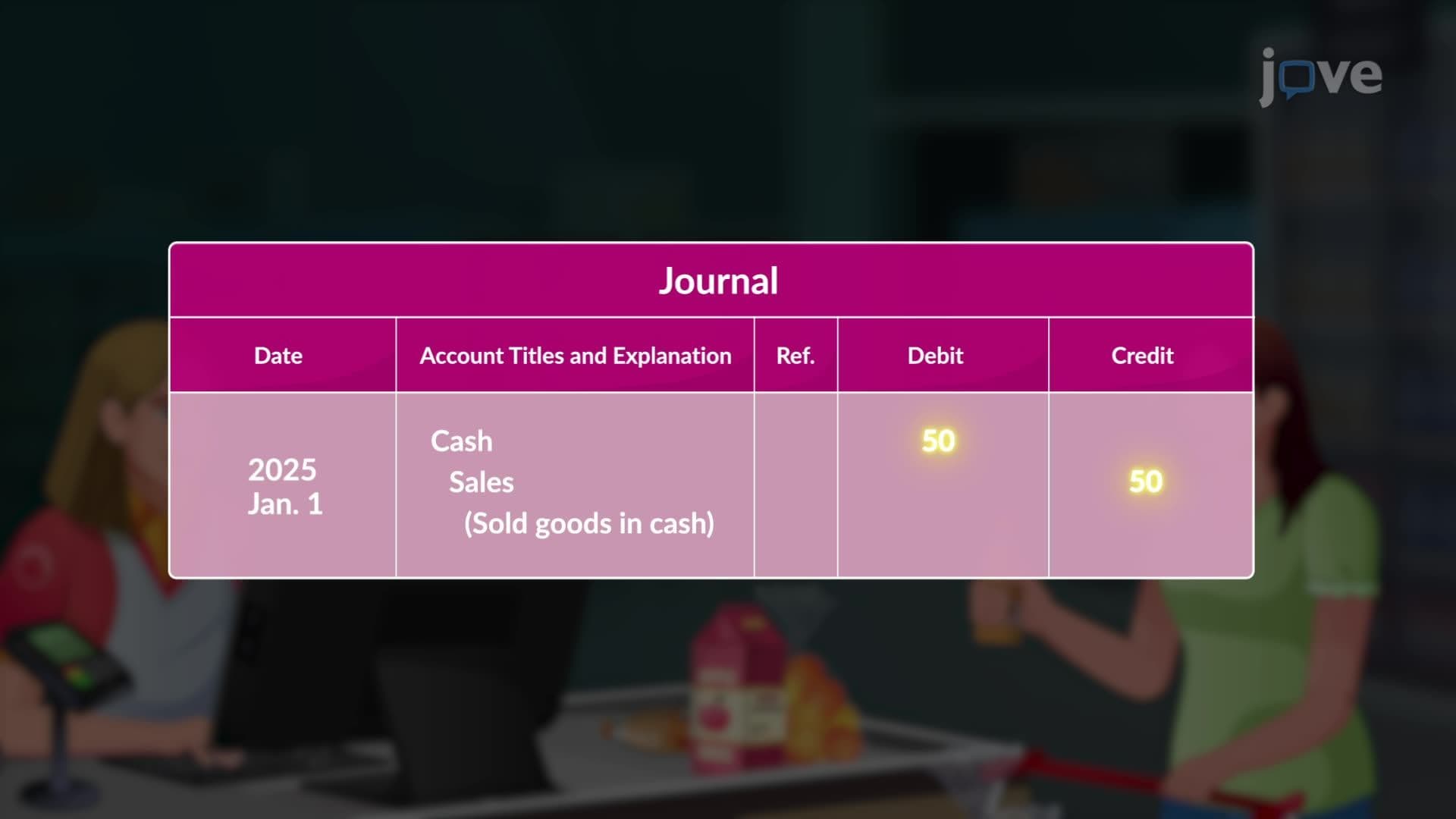
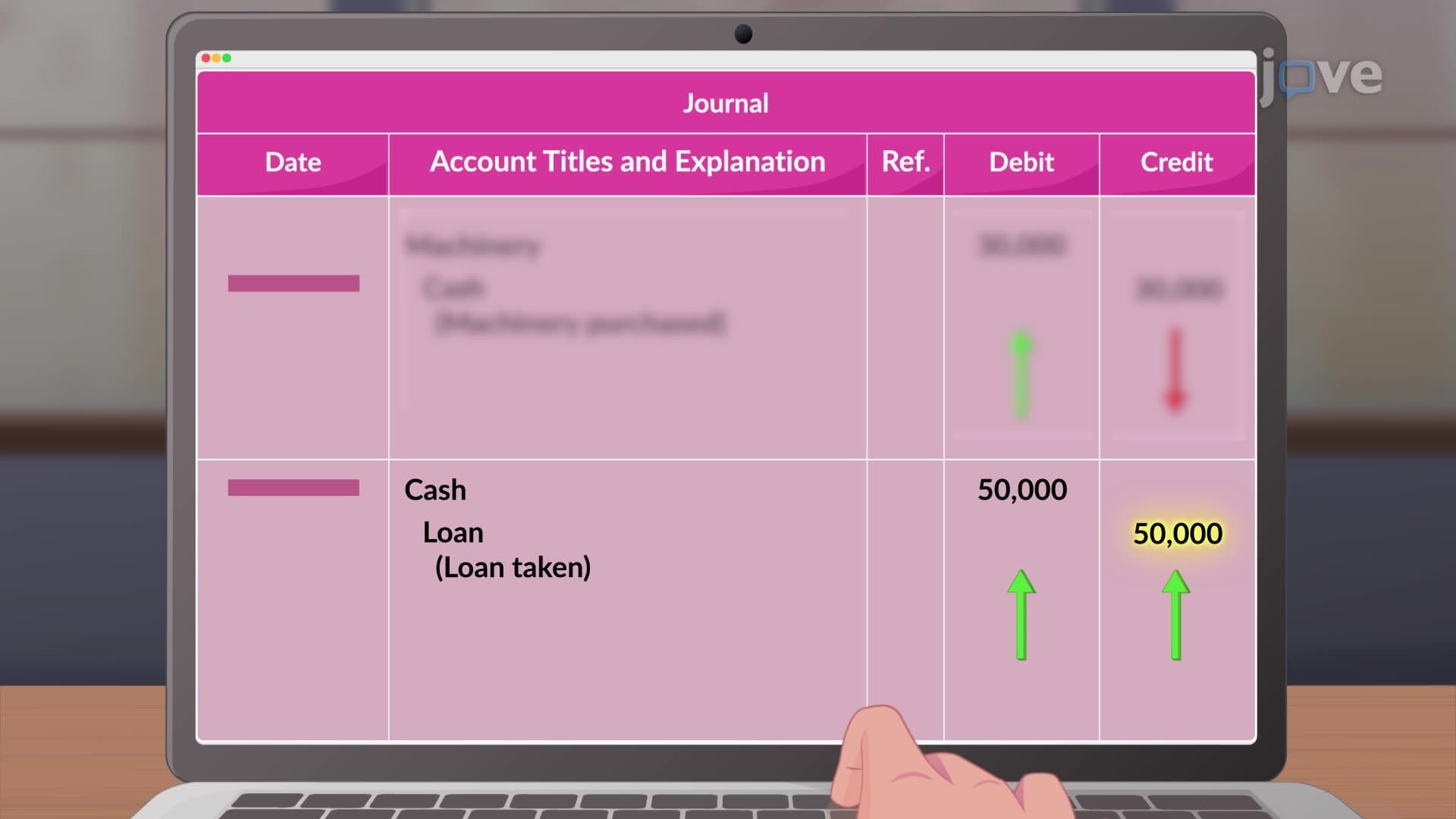
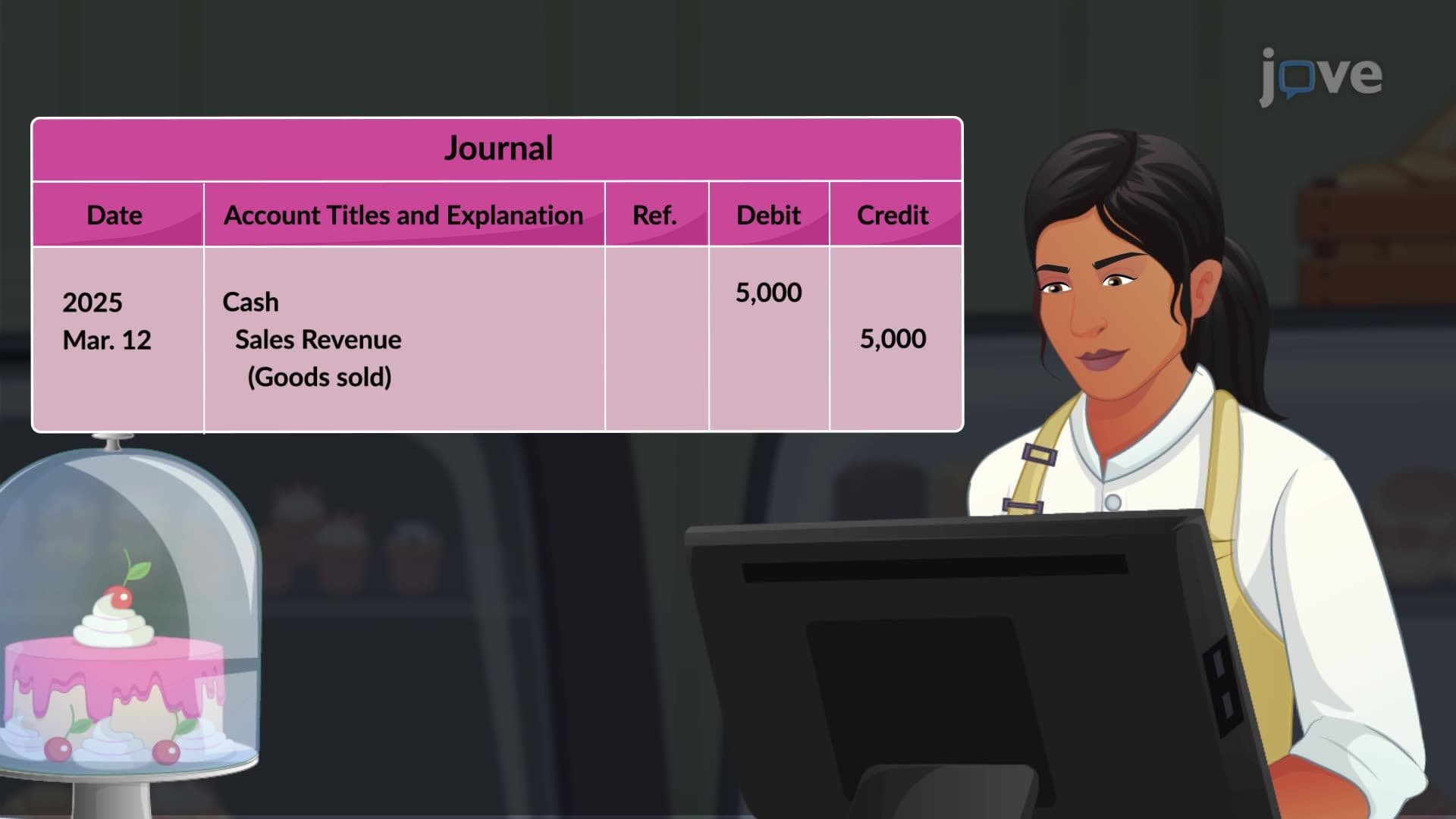
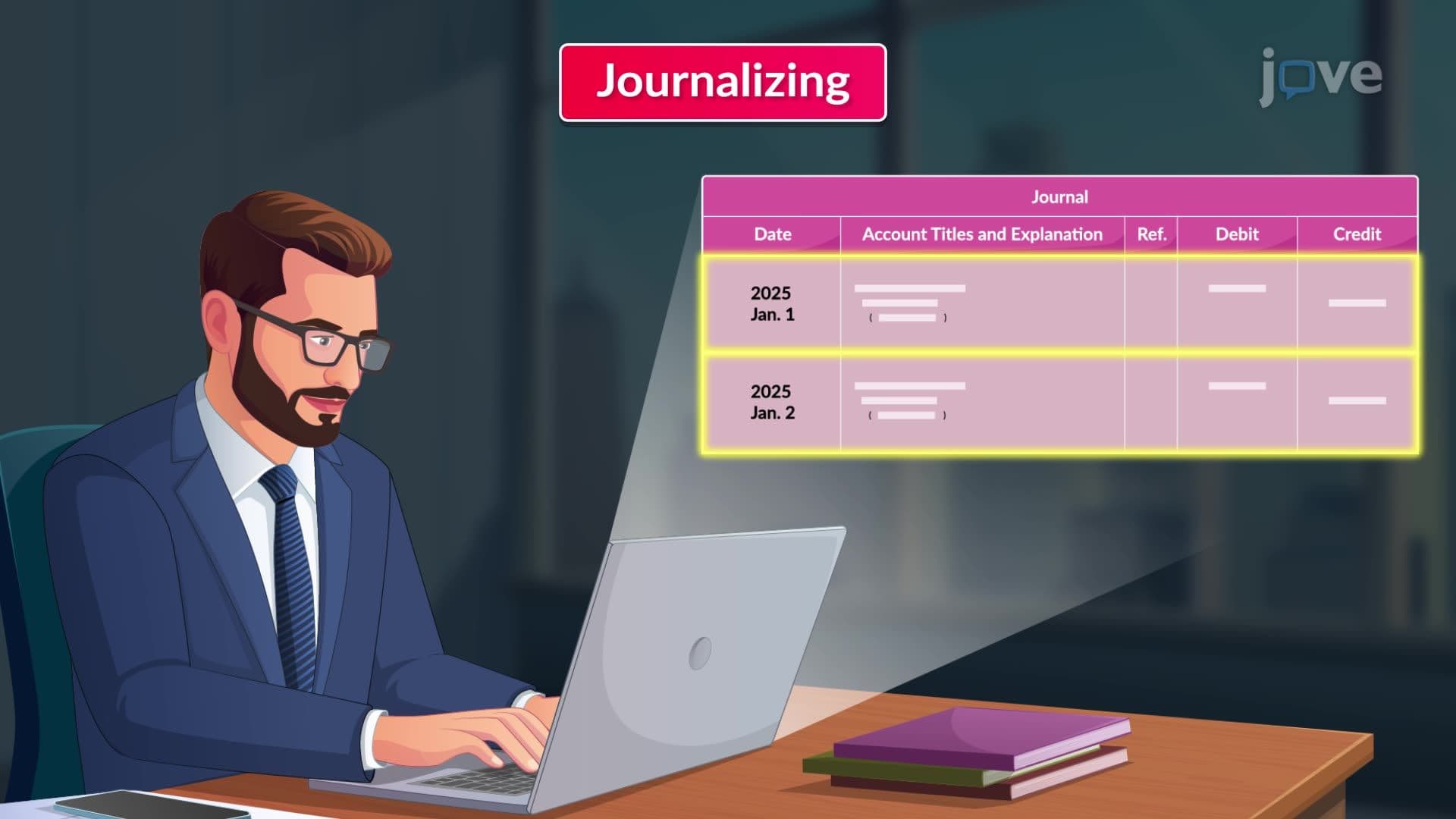
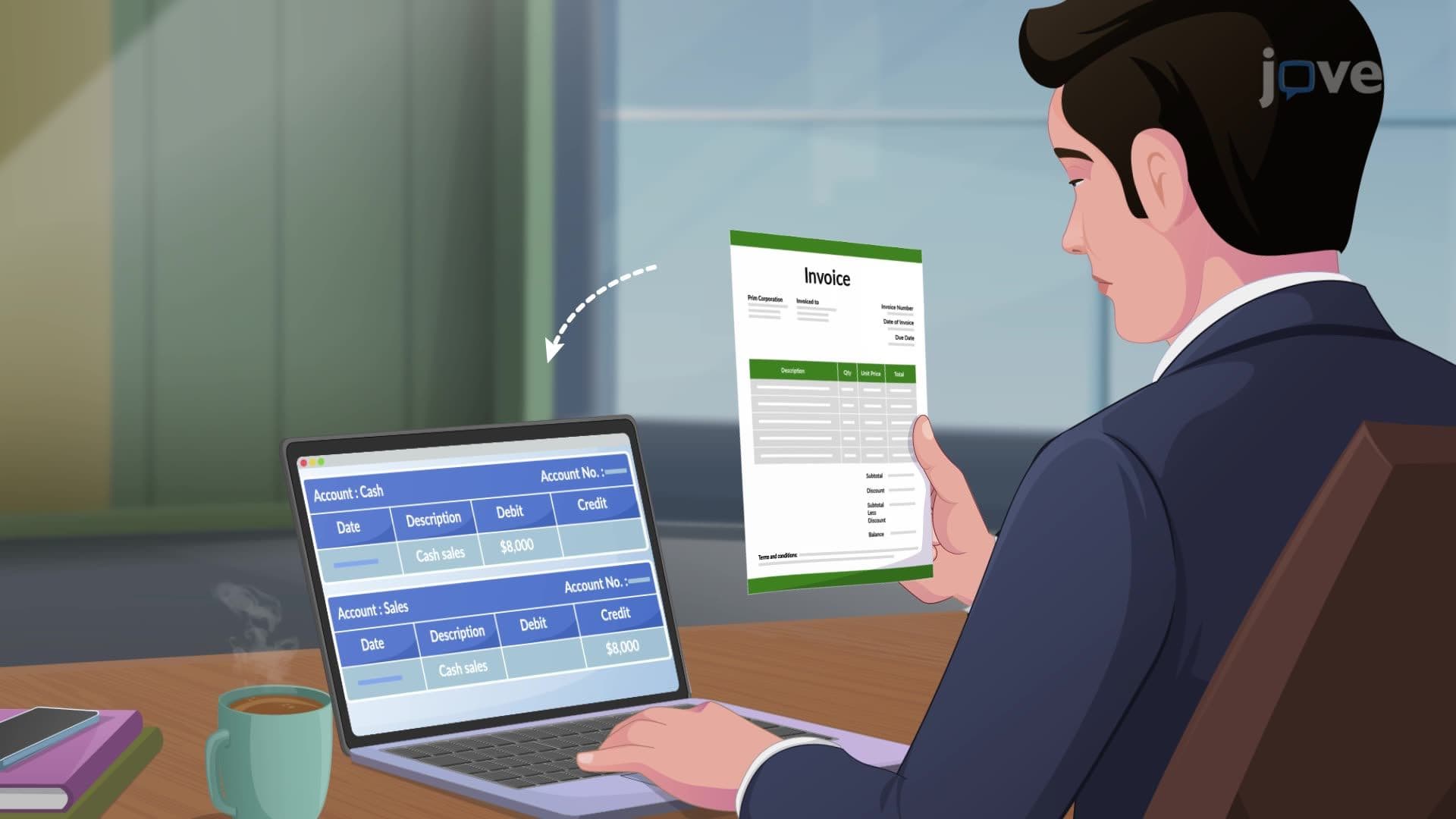
Posting sits at a critical juncture in this pipeline. When a transaction is recorded in the journal with a debit to one account and a credit to another, the principle of double entry accounting, posting transfers both sides of that entry to the correct ledger accounts. Each account then reflects an updated balance.
A useful mental model for managers: treat each ledger account like a dedicated tracker for one financial category. The rent expense account only tracks rent. The cash account only tracks cash movement. Posting is the act of routing each transaction to the right tracker. When every transaction is posted correctly, the general ledger becomes a clean, auditable record of where money came from and where it went.
You don't need to post entries manually to benefit from understanding this process. Here's where it becomes practically useful for managers:
During budget reviews: When a ledger account balance surprises you, ask which journal entries were posted to it during the period. This traces the source of any variance directly.
During onboarding finance team members: If you're bringing someone into a role with bookkeeping responsibilities, use the journal-to-ledger flow as a structured orientation framework. Walk through a sample transaction end-to-end: source document → journal entry → posting → ledger update → trial balance impact.
During cross-functional reporting: When finance presents account-level data, understanding posting lets you ask sharper questions, specifically, whether all transactions for the period have been posted before the report was pulled. Unposted entries are a common source of month-end discrepancies.
Posting to the wrong account: This happens when transaction categories are unclear. Establish clear account definitions with your finance team so that discretionary expenses don't land in the wrong ledger bucket.
Delayed posting: When transactions are posted late, after a reporting cutoff, they distort period-over-period comparisons. Build a posting cadence into your team's workflow, not just a month-end scramble.
Skipping the reconciliation check: After posting, ledger balances should be verified against source documents. Managers who skip this step often discover errors only during trial balance preparation, when fixing them is more disruptive.
Understanding posting in ledger gives you the financial literacy to manage more proactively, not just react when the numbers don't add up.
Related Micro-courses