Loading video…


 21 Concepts
 7.4K views

Video Summary: What Is the Trial Balance
The trial balance basics become critical when a manager overseeing finance operations needs to verify whether the books are telling the truth before a monthly close. What is the trial balance? It's the checkpoint that confirms every debit has a matching credit in the general ledger. Managers who understand this catch costly errors before they escalate. Watch the full video on JoVE Coach to master this concept with expert-led visuals and step-by-step explanations.
Picture this: it's the final week of the month, your finance team is rushing to close the books, and a senior stakeholder flags that the numbers in the management report don't match what was presented last quarter. The scramble that follows, chasing journal entries, cross-referencing ledger accounts, questioning every posted transaction, is exactly what a rigorous trial balance process is designed to prevent. For managers responsible for financial accuracy, the trial balance is not a formality. It is the last line of defence before bad data reaches the boardroom.
Most managers treat the trial balance as a back-office task delegated entirely to the accounting team, without understanding what it validates or where it falls short. This creates a blind spot. When the trial balance is treated as a box-ticking exercise rather than a genuine control mechanism, errors that are technically undetectable by the balance itself, such as a correct amount posted to the wrong account category, can pass through unnoticed and distort downstream reporting. The trial balance confirms arithmetic integrity: it verifies that the sum of all debit balances equals the sum of all credit balances across the general ledger at a specific point in time. But it does not confirm that the right accounts were used, or that all transactions were captured in the first place.
Effective managers build a three-layer review process around the trial balance rather than relying on it alone.
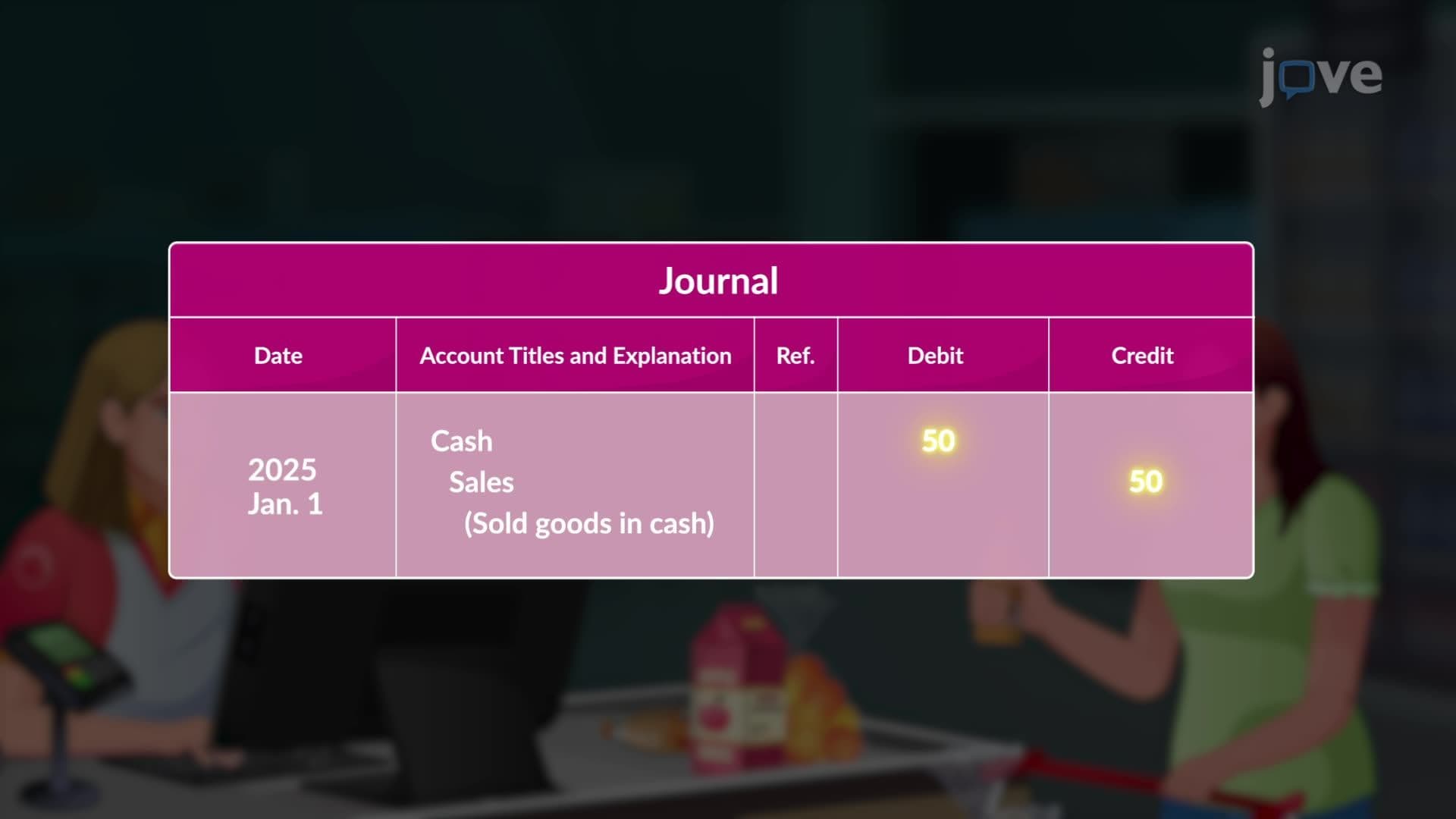
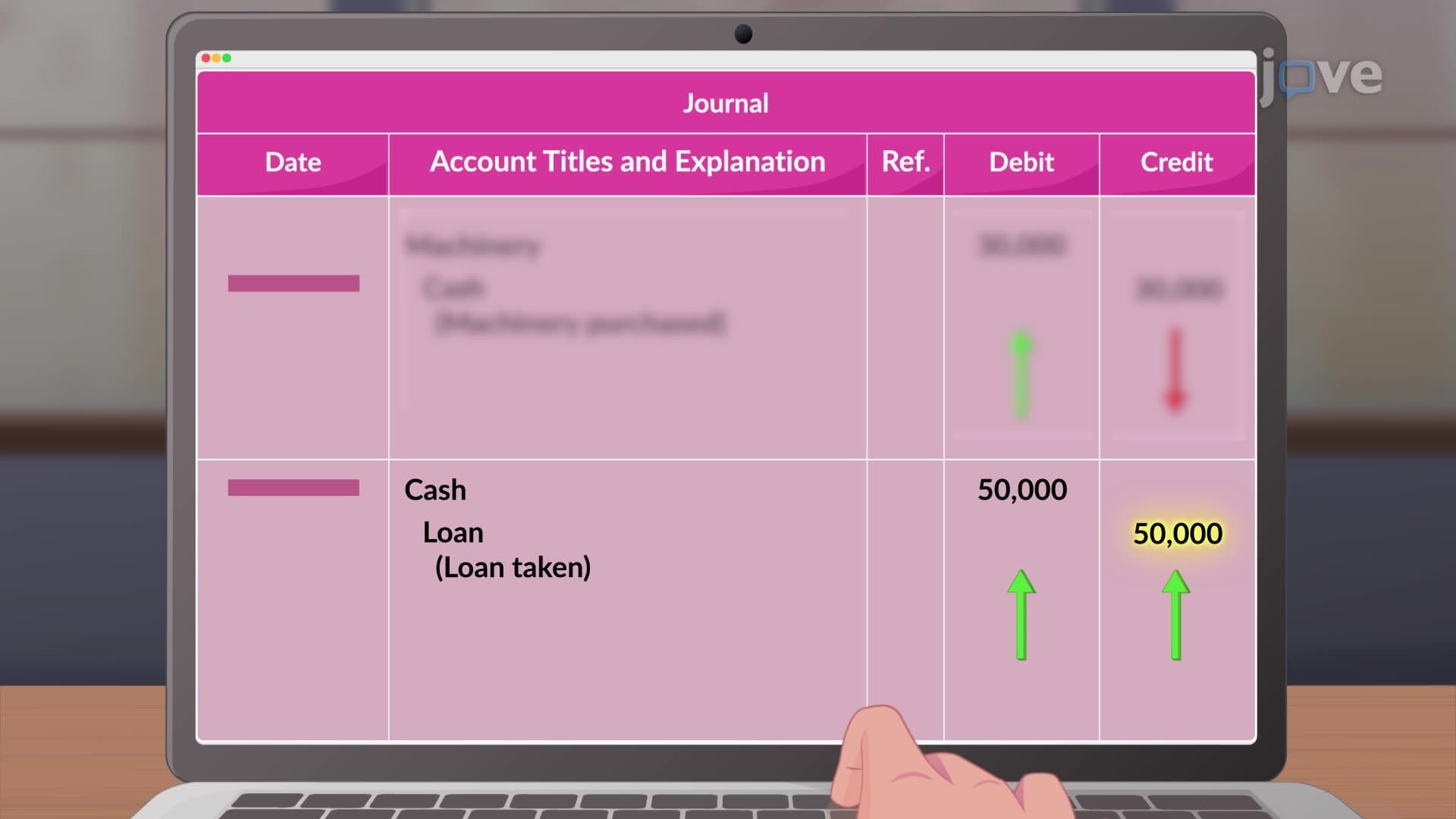
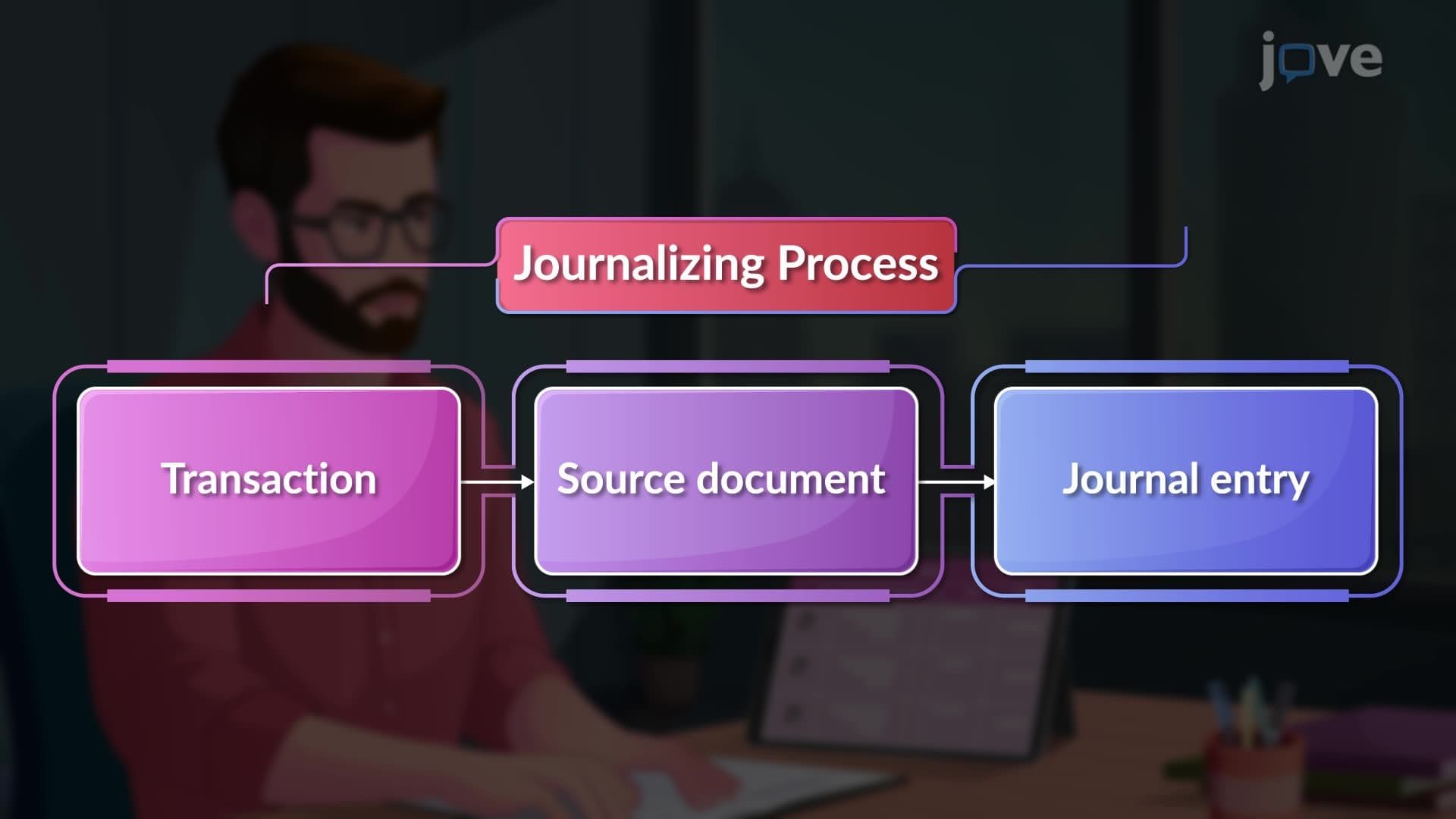
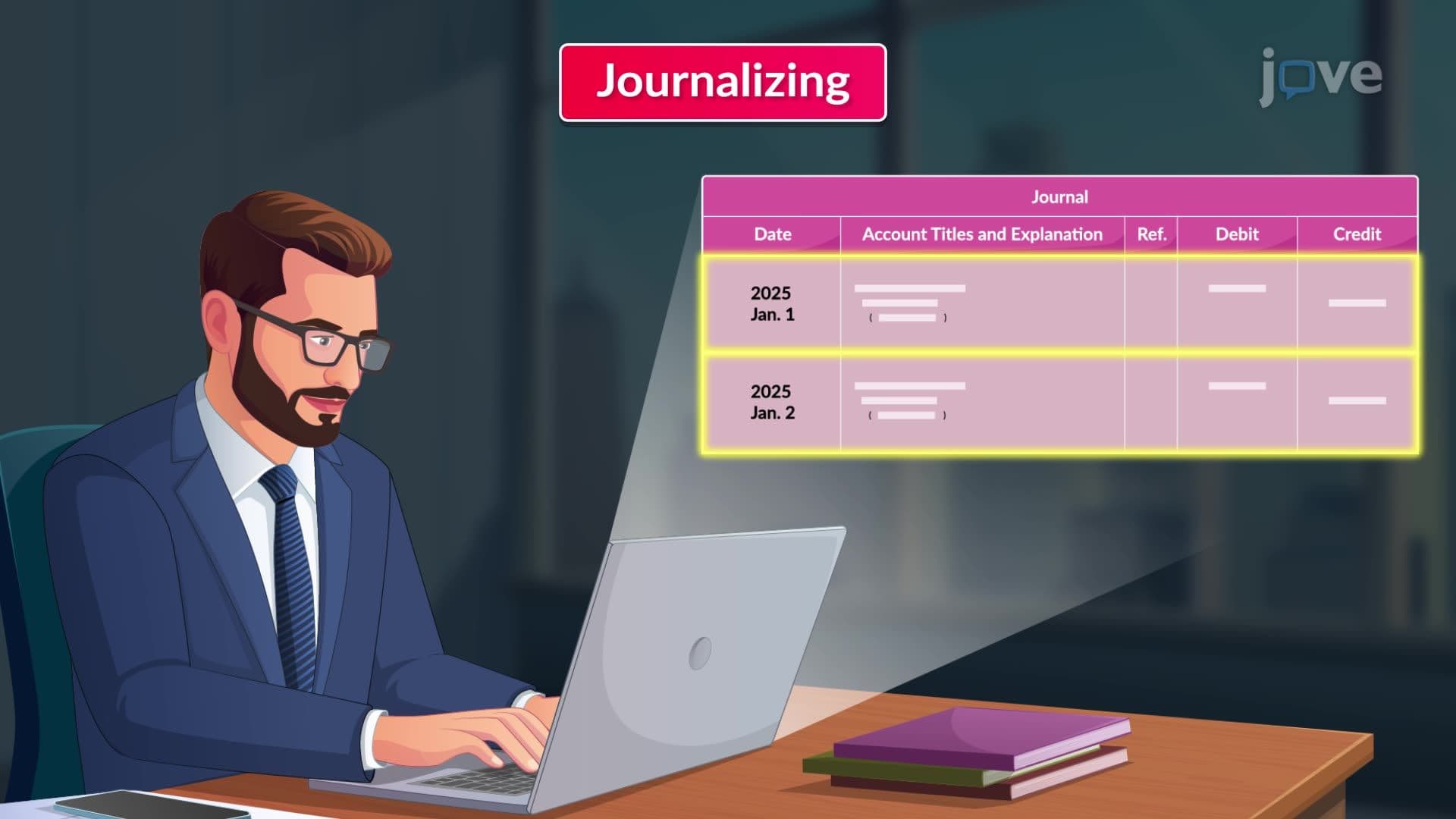
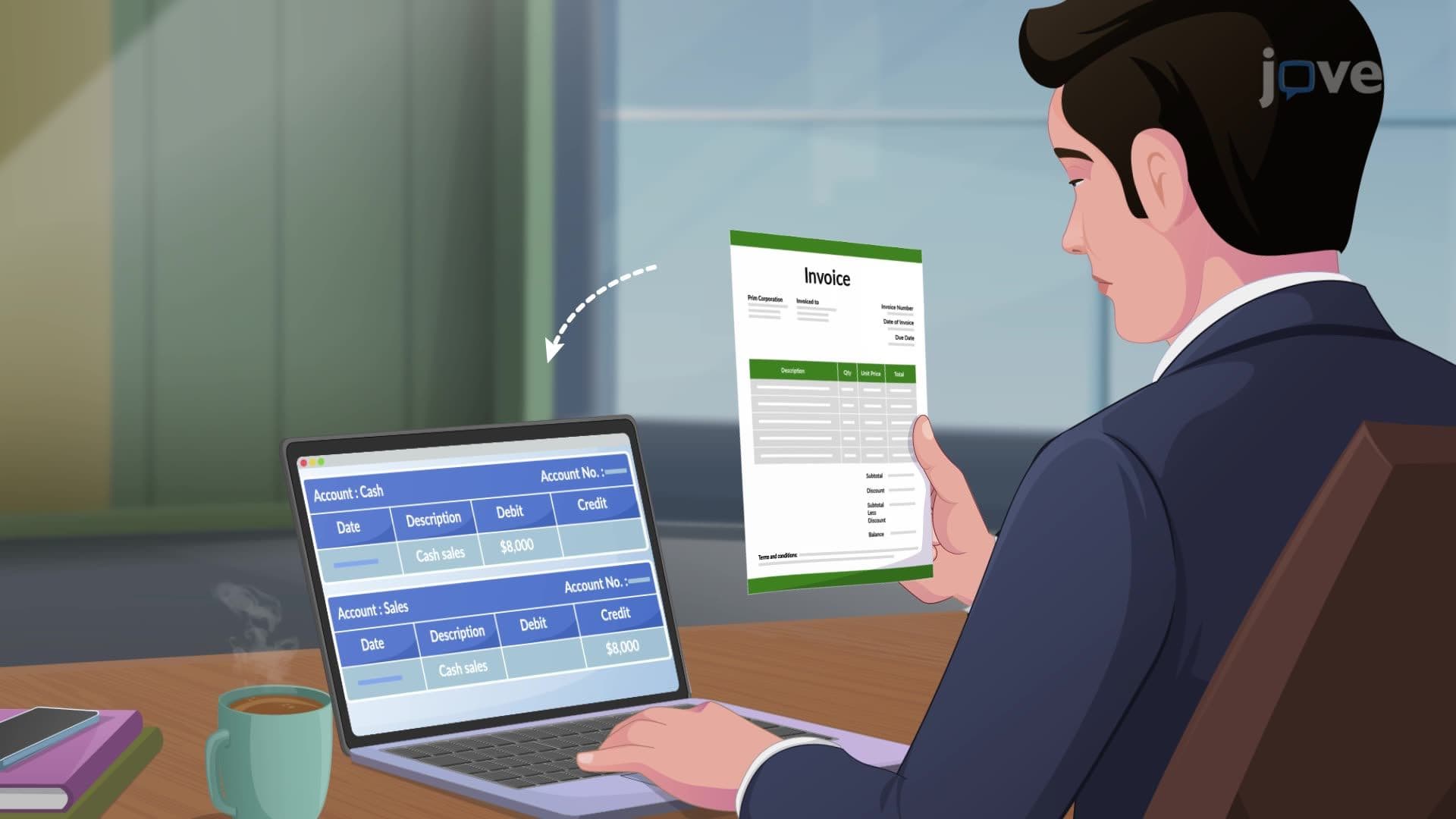
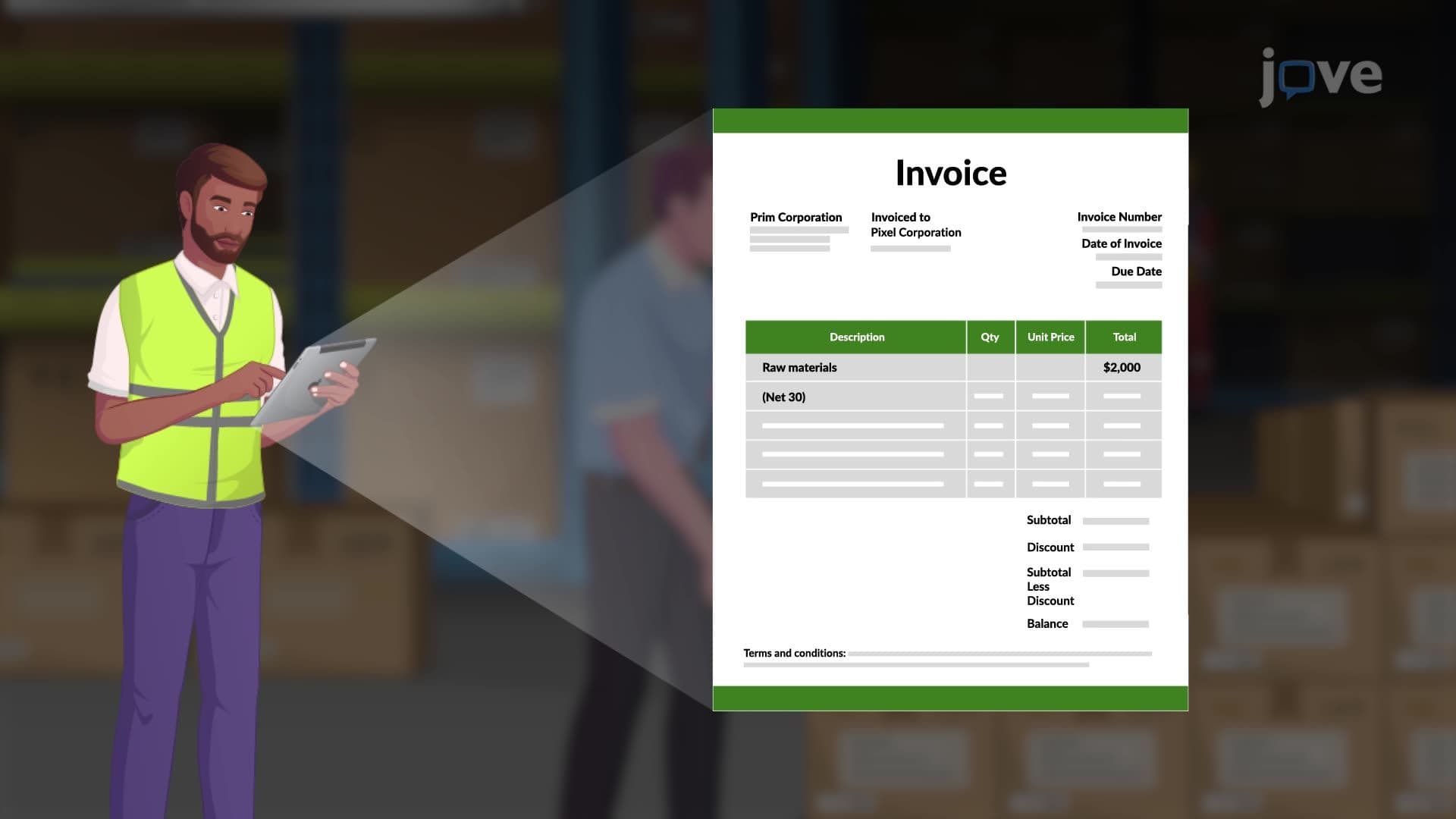
Layer 1, Pre-close discipline: Before the trial balance is even run, ensure your team has posted all source documents, invoices, receipts, payroll records, into the journal. A missed transaction at this stage will not appear as an imbalance in the trial balance; it will simply be absent. This is where the double entry accounting discipline matters most. Every transaction must produce a debit and a credit of equal value.
Layer 2, Trial balance verification: Once prepared, the trial balance lists all general ledger accounts alongside their debit or credit balances. If the two columns do not match, there is a mechanical error, a missing entry, a transposition, or a one-sided posting. This is the trial balance's strongest function, and it should be reviewed by a manager, not just signed off without scrutiny.
Layer 3, Post-balance analytical review: Because the trial balance cannot detect errors where debits and credits balance but are posted to the wrong accounts, build a brief analytical review into your close process. Compare line items to the prior period. Question any account that moved significantly without a documented reason. This is where managerial judgment adds value that no automated check can replicate.
The most frequent error managers make is assuming a balanced trial balance means clean books. It does not. Two equally wrong entries, a debit and a credit of the same amount posted to incorrect accounts, will produce a balanced trial balance and a materially misstated financial report. Additionally, many teams run the trial balance only at month-end, when running interim checks at key milestones within the period would catch errors while they are still easy to trace. Invest in a close calendar, assign ownership of each account reconciliation, and treat any unexplained variance, however small, as a signal that warrants investigation before the period closes.
Related Micro-courses