Loading video…


 21 Concepts
 7.4K views

Video Summary: What are Adjusting Entries
Adjusting entries basics trip up many managers when reviewing financials or approving budgets, numbers look clean until month-end reveals misaligned costs. Understanding adjusting entries means knowing exactly when expenses hit the books versus when cash moves. This clarity helps you defend budget decisions, flag reporting errors early, and build credibility with finance partners. Watch the full video on JoVE Coach to master this concept with expert-led visuals and step-by-step explanations.
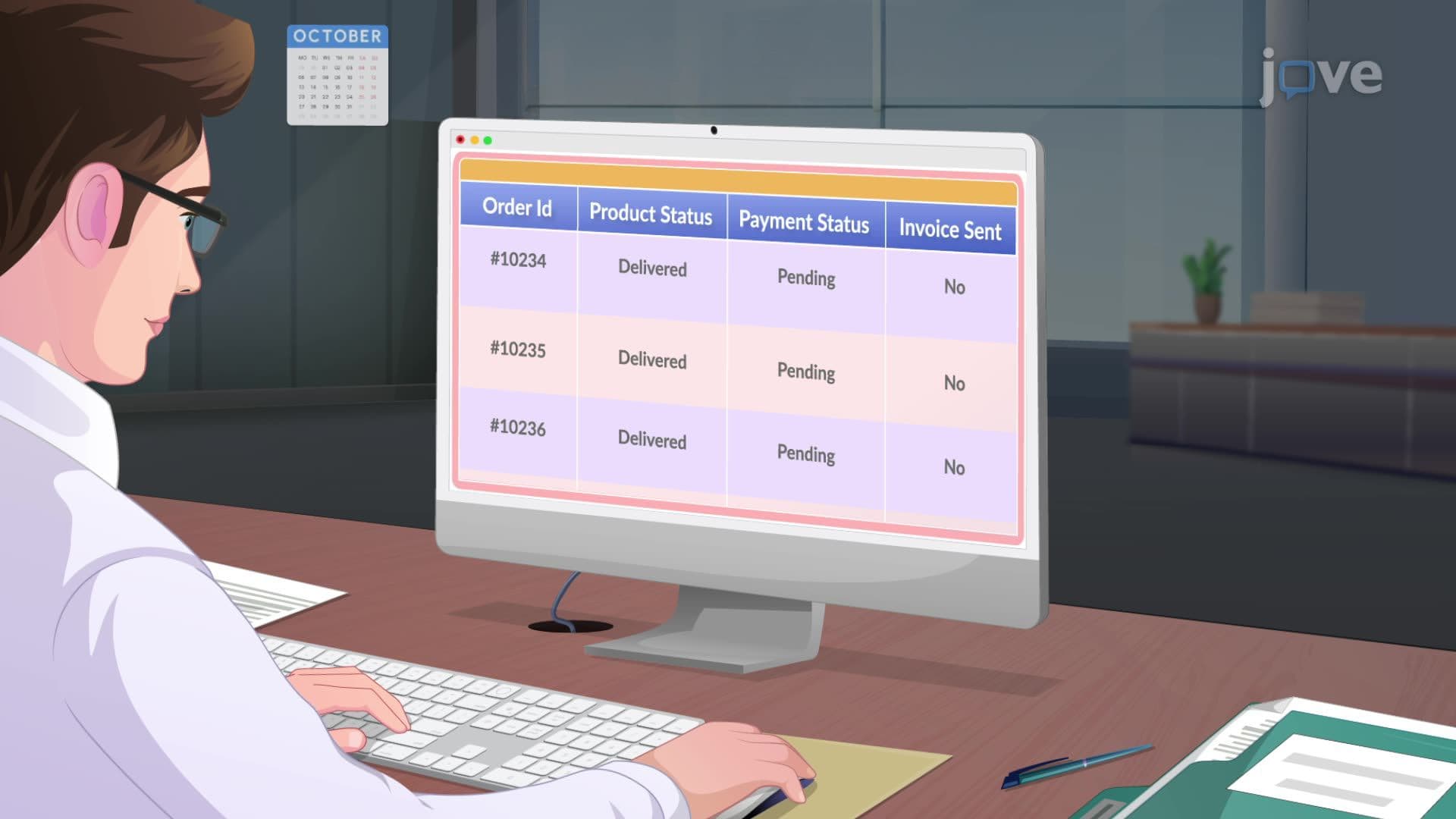
Picture this: your team ran a three-month vendor contract starting in January. The full payment, say, thirty thousand dollars, went out on day one. Come February, your P&L shows zero expense for that month, even though your team consumed a full month of that service. Finance flags a variance. You're on a call explaining why the numbers don't match operational reality. That disconnect is exactly what adjusting entries are designed to prevent.
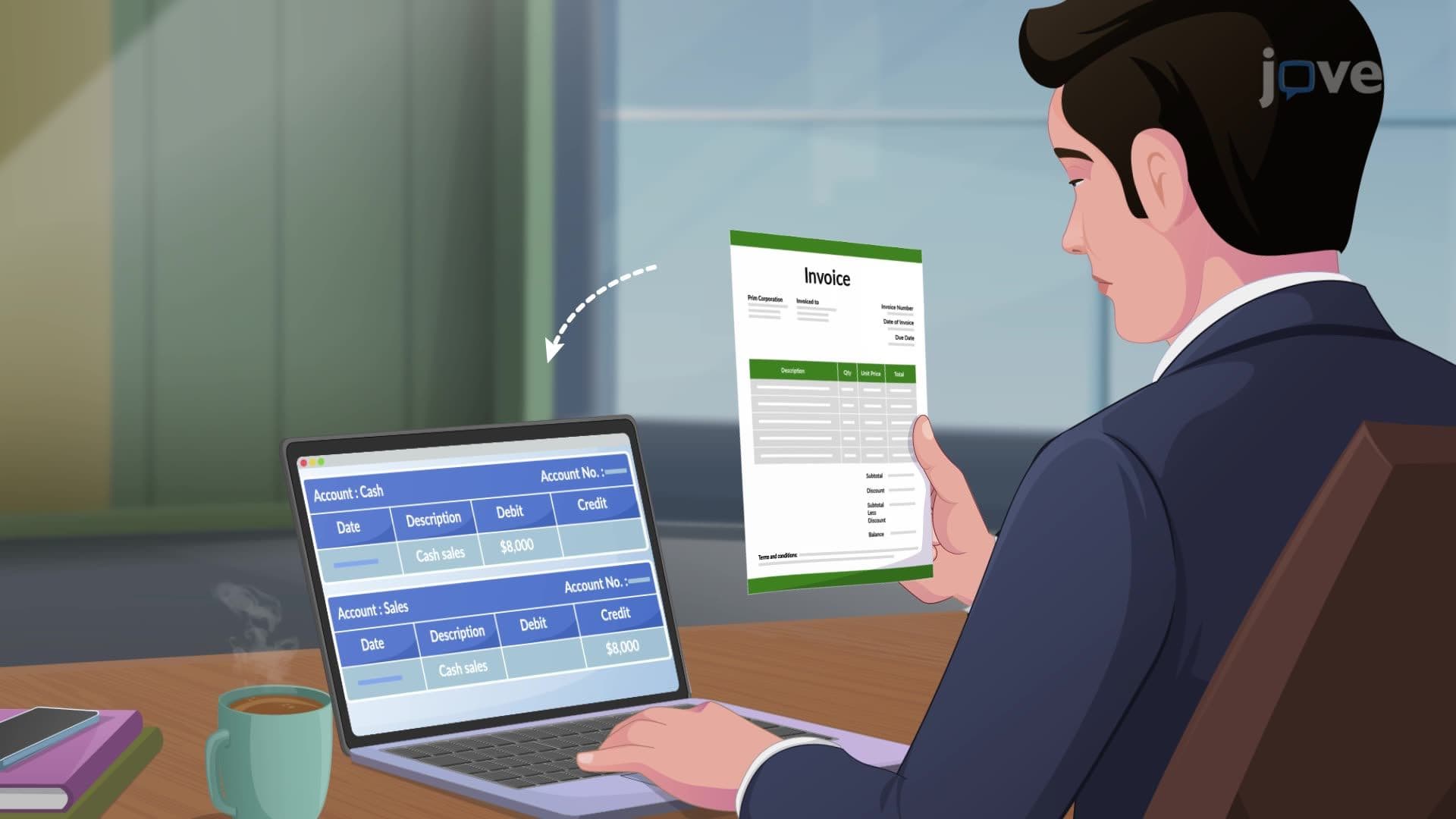
Adjusting entries are journal entries recorded at the end of an accounting period to ensure that revenues and expenses appear in the period they are earned or incurred, not simply when cash changes hands. This is the foundation of accrual accounting, and for managers, it is the difference between financial reports that reflect what actually happened and reports that just show what was paid.
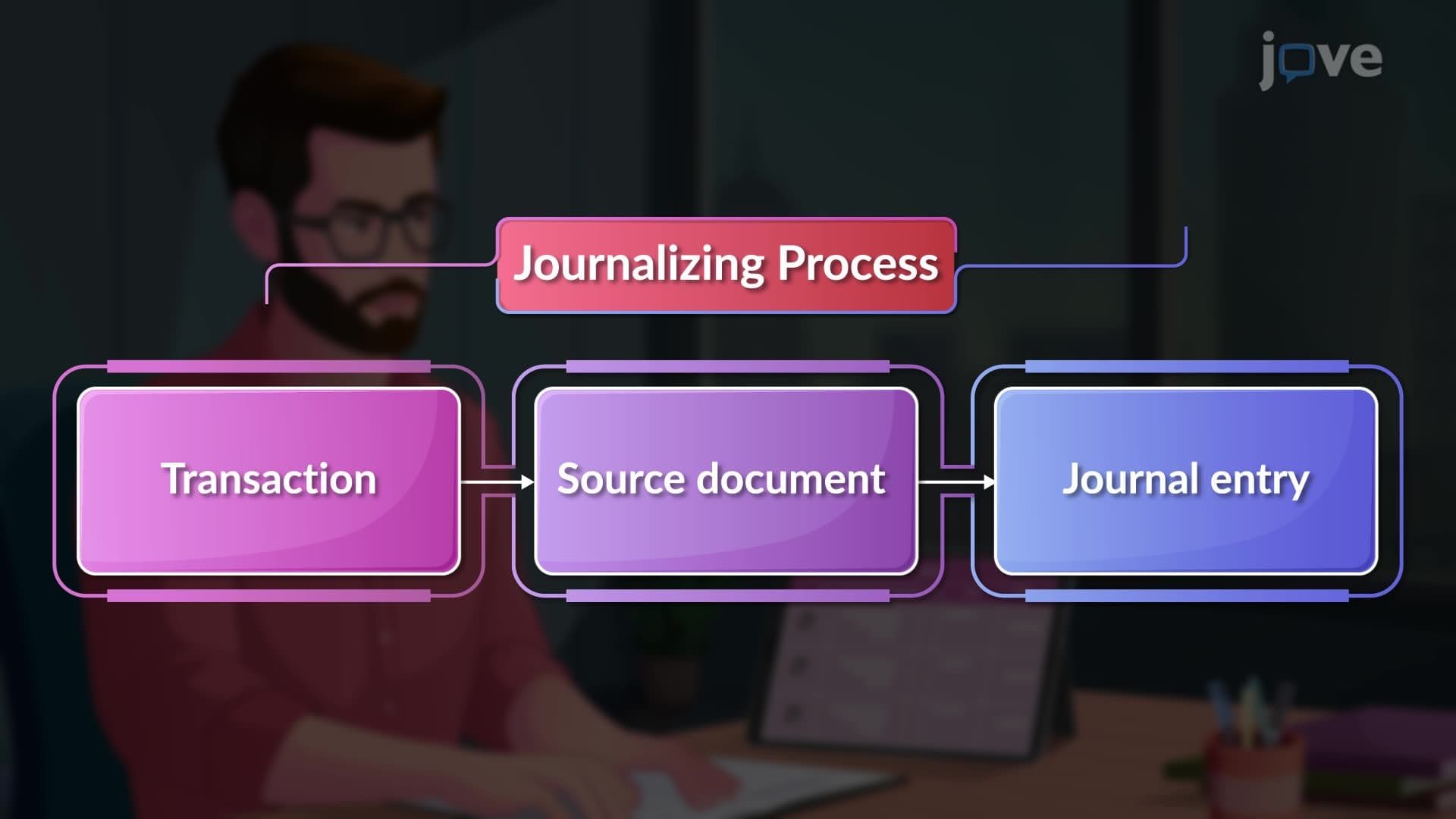
Most managers enter leadership through functional expertise, sales, engineering, operations, marketing, and inherit financial reporting responsibilities without a structured handover. The accounting cycle, including concepts like trial balance preparation, source documents, and the general ledger, feels like finance territory. But when your cost center's numbers are wrong, the explanation lands on your desk, not the accountant's.
The common trap is confusing cash flow with cost recognition. Cash leaving the account feels like the expense is done. Accrual accounting disagrees. Until that service, subscription, or resource is actually consumed in a given period, the books should not show it as that period's expense. Adjusting entries bridge that gap.
A practical approach is to apply a simple three-question check at the end of every reporting period:
1. What did my team consume this period? Services received, work completed, resources used, regardless of payment timing. 2. What has already been recorded? Pull the relevant lines from your cost center's general ledger and look for prepaid balances or unrecorded accruals. 3. What needs to move? Work with your finance business partner to raise or confirm adjusting entries that correct the timing.
This mirrors the logic behind double entry accounting, every transaction has two sides, and both must reflect the correct period. When managers apply this rhythm monthly, quarter-end close becomes predictable rather than reactive.
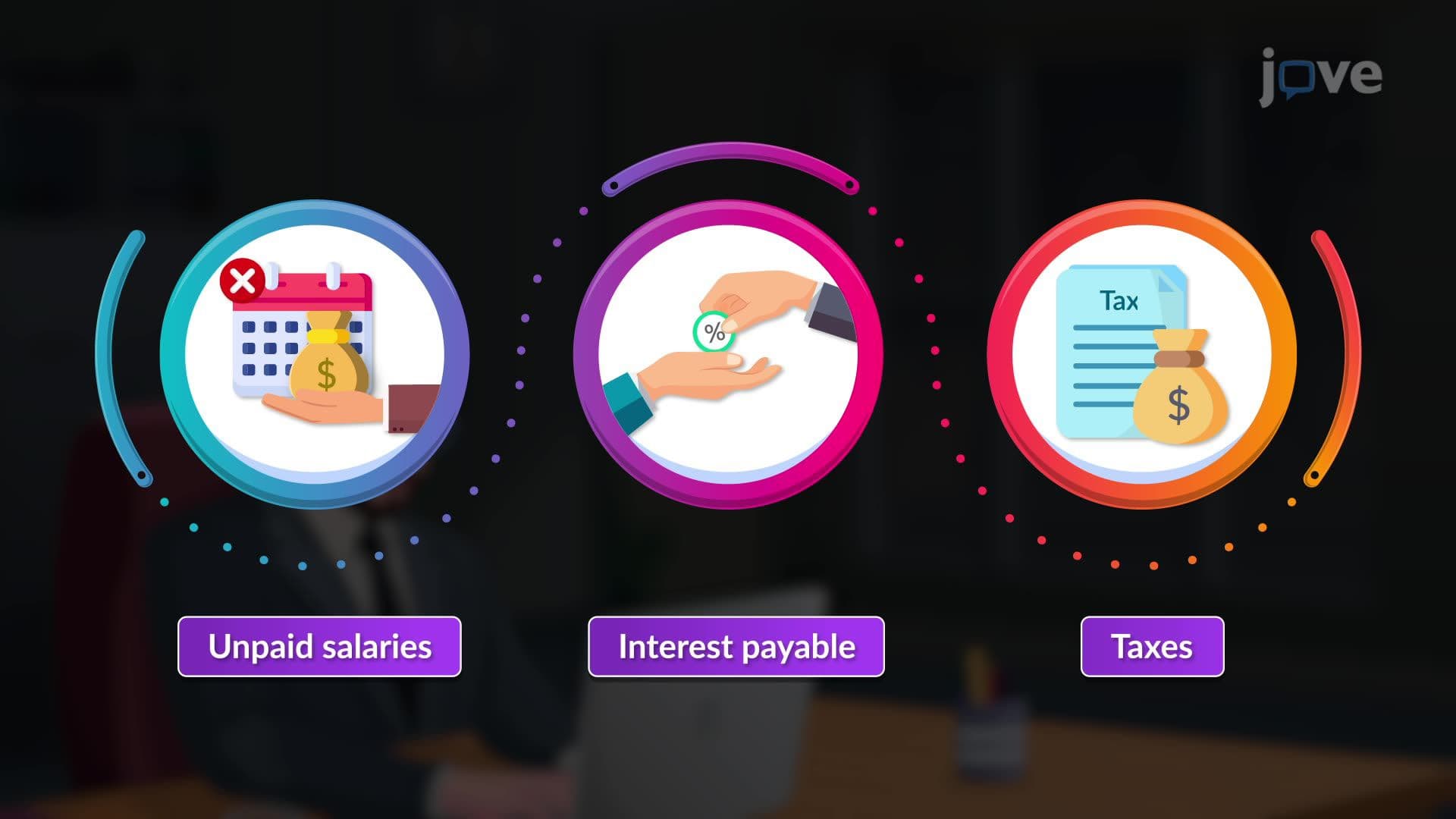
Waiting for finance to catch it. Finance will catch it eventually, but late adjustments erode trust with leadership and make your forecasts unreliable. Build a personal close checklist, prepaid expenses, accrued liabilities, deferred revenues, and review it before the accounting period closes.
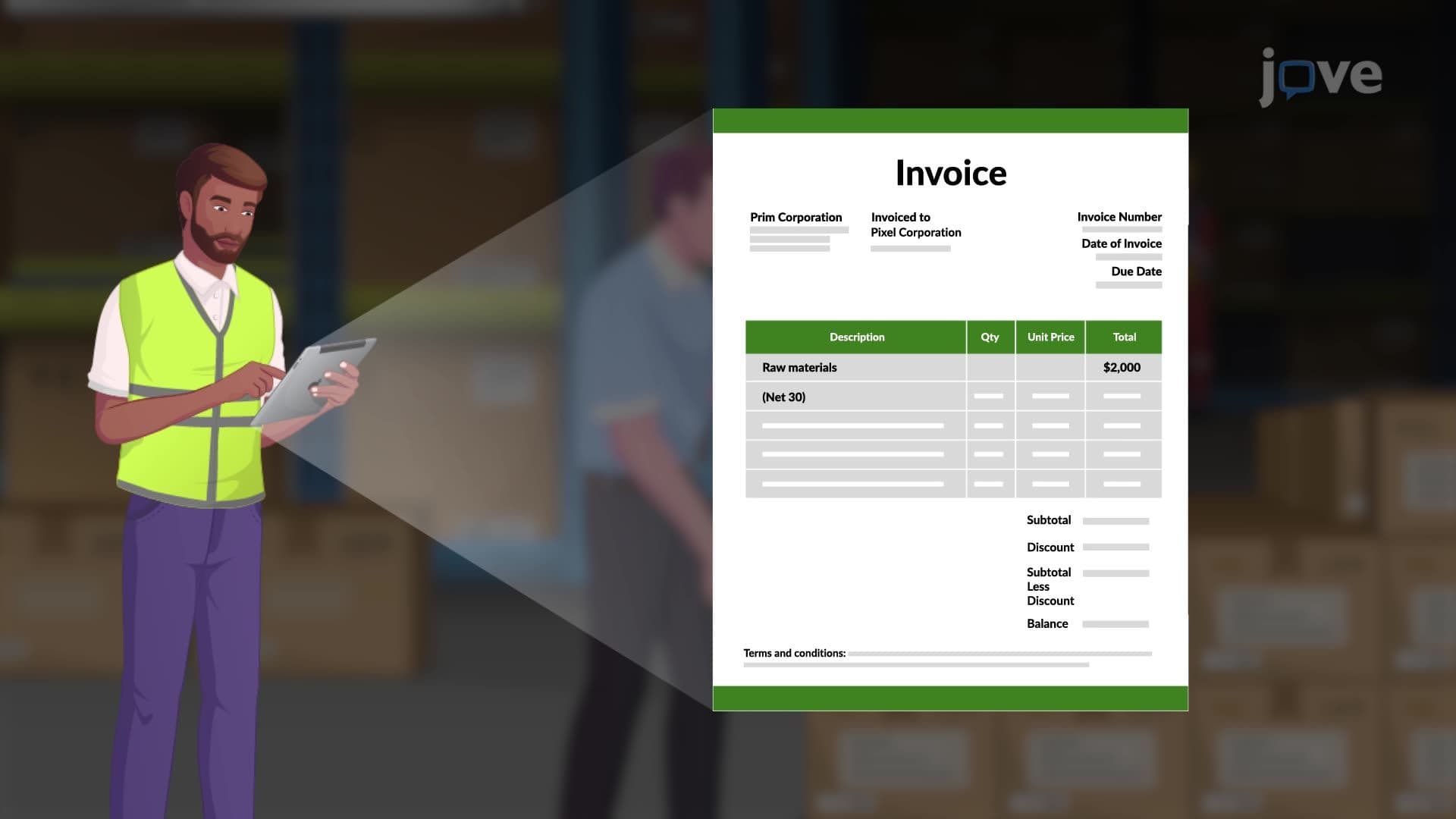
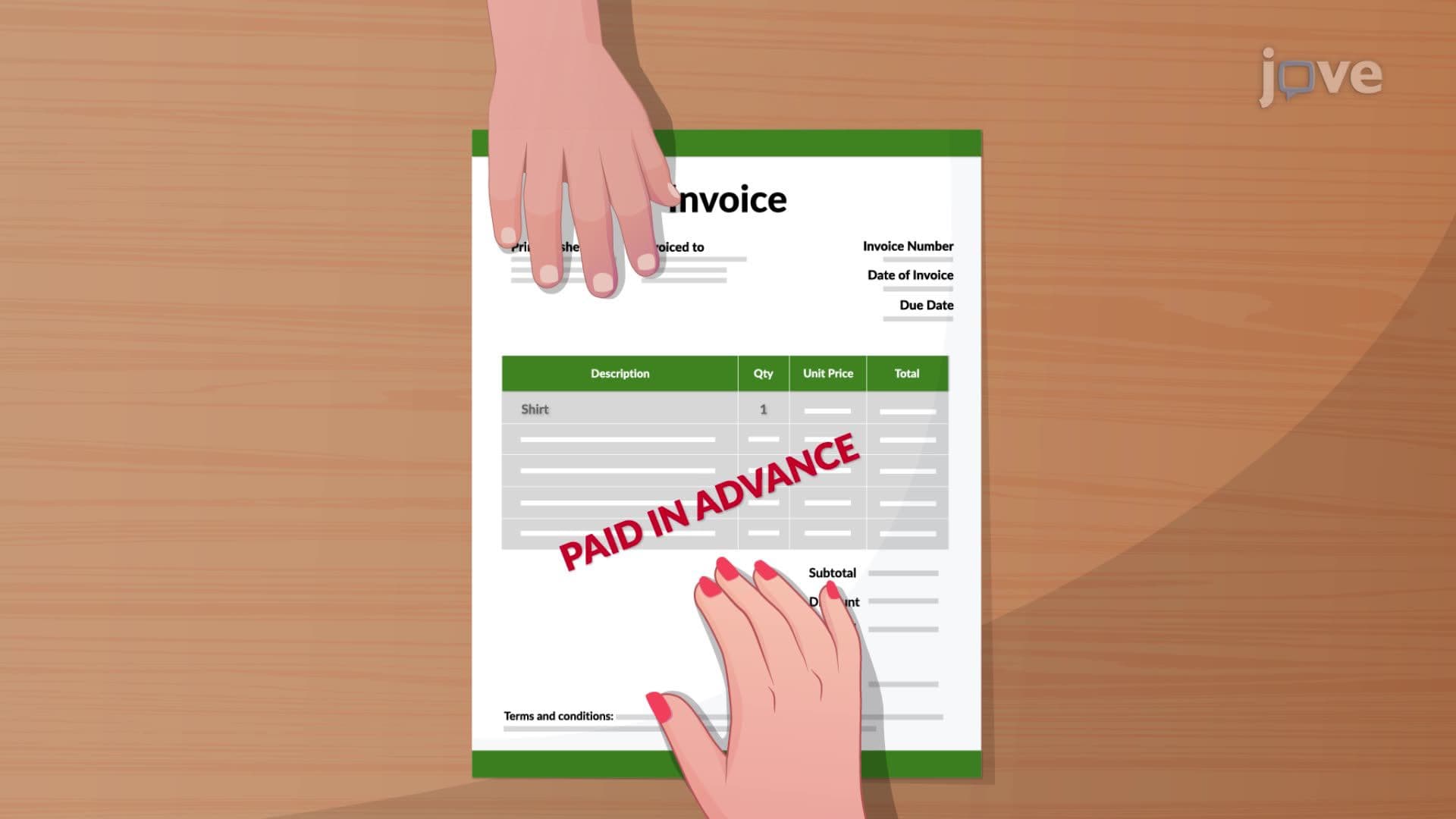
Treating all costs as expenses the moment invoices arrive. An annual software subscription paid in full on January 1st is not twelve months of expense recorded in January. Spreading it correctly across periods through adjusting entries is what makes your monthly actuals meaningful.
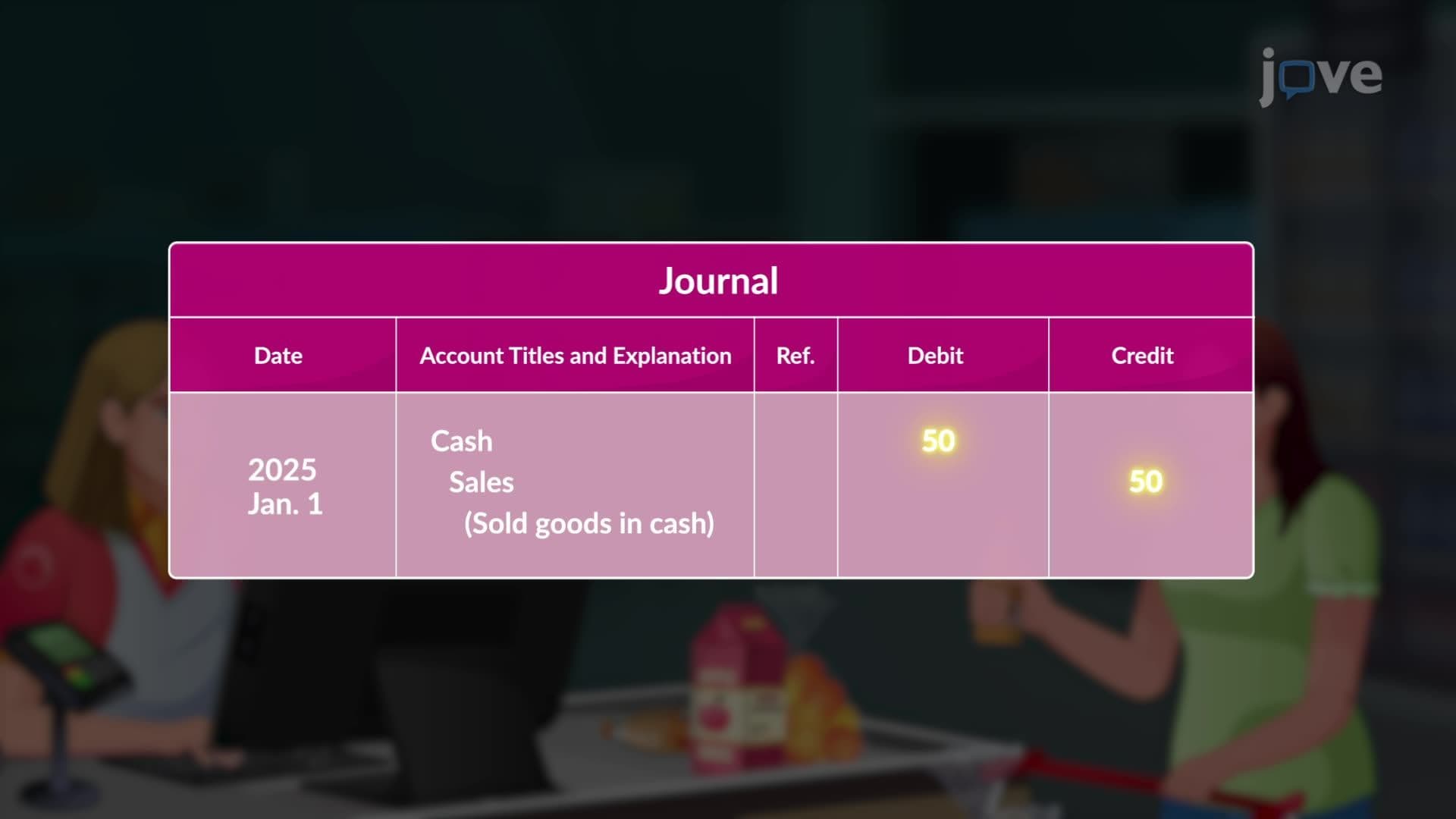
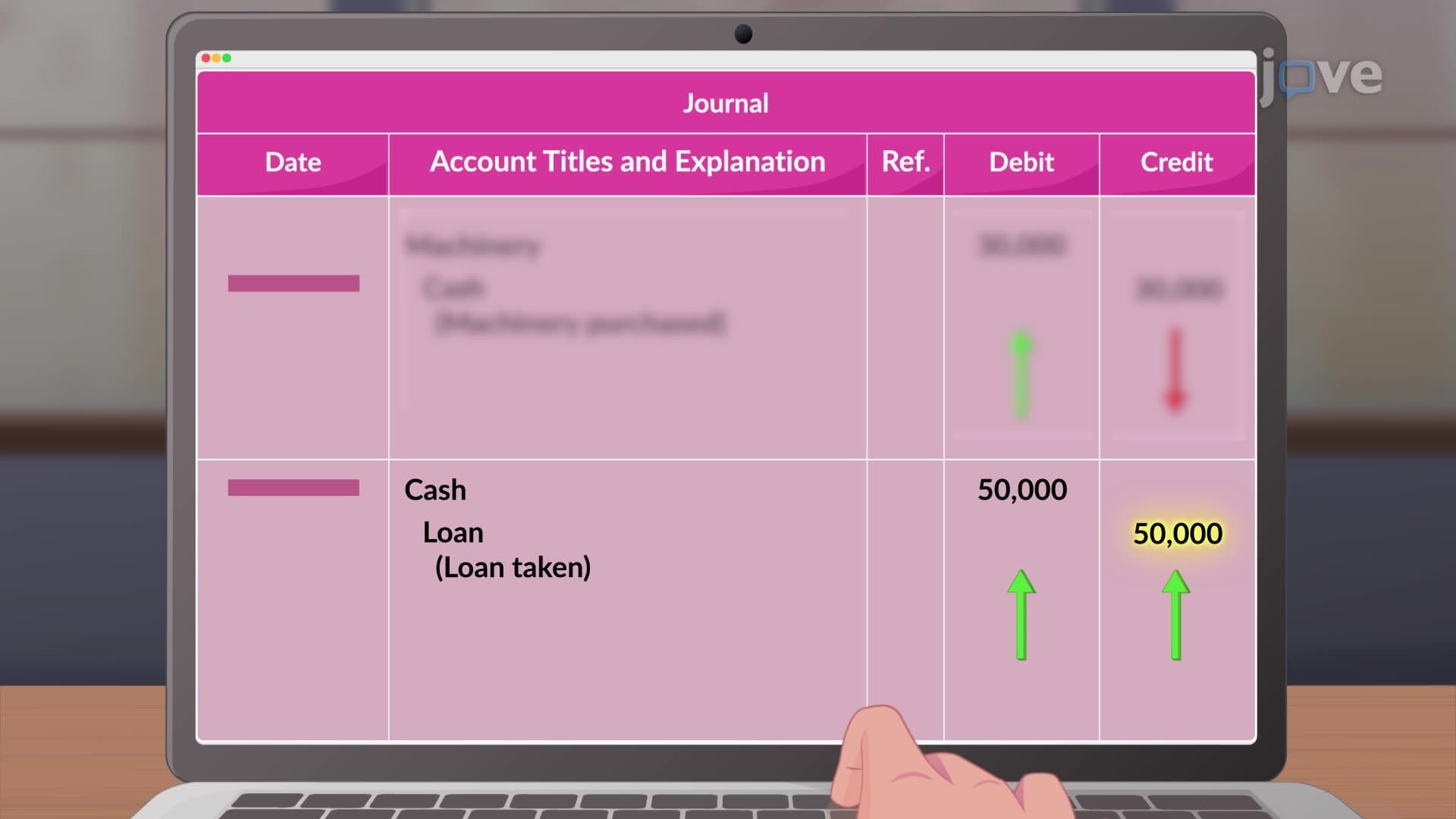
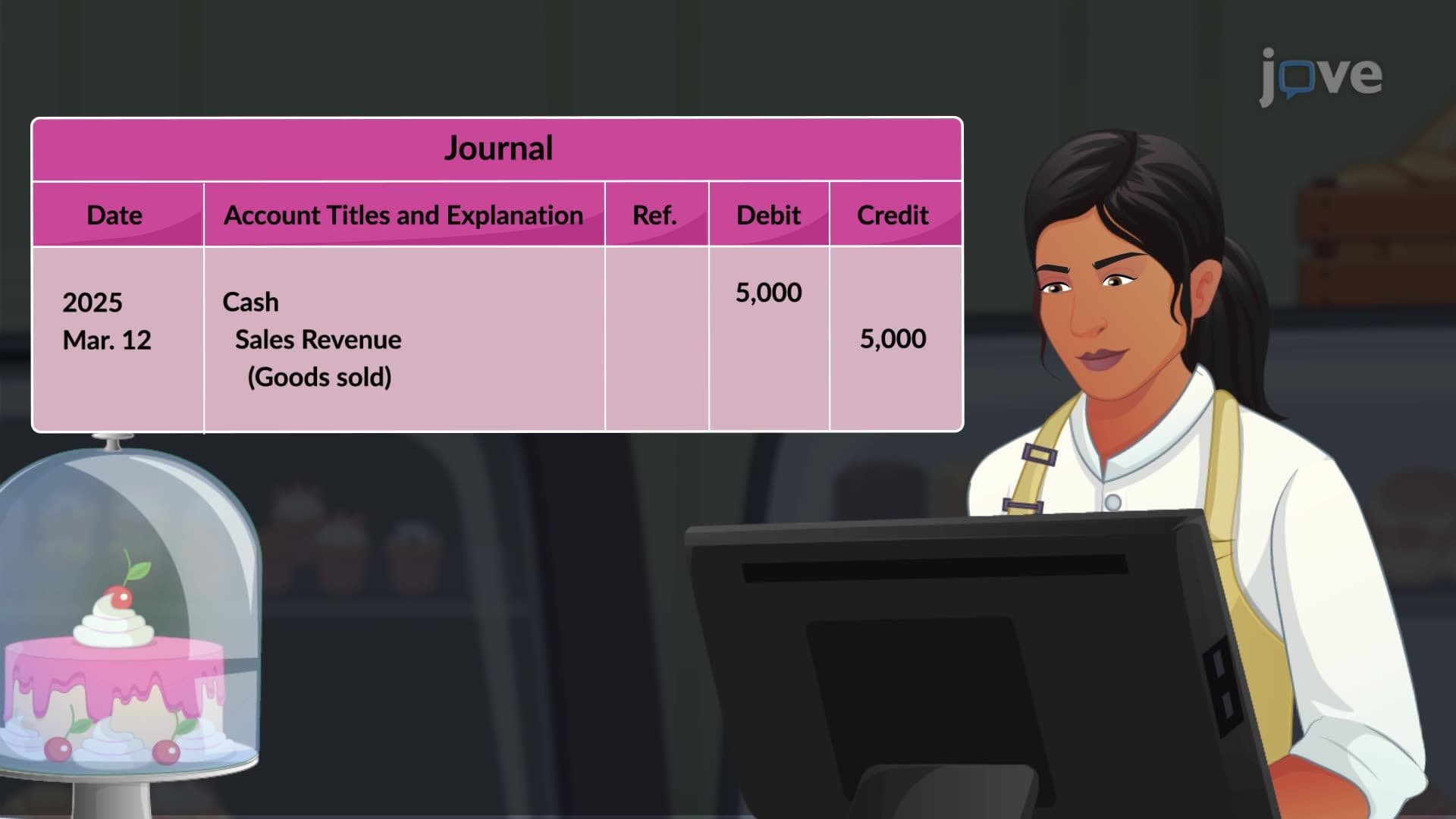
Ignoring debits and credits as "finance detail." You do not need to post entries yourself, but understanding that a debit to rent expense and a credit to prepaid rent is how a consumed asset becomes a recognized cost gives you the confidence to verify entries are correct, and to spot when something is wrong.
Managers who develop this fluency move faster in financial reviews, earn credibility with CFOs and controllers, and rarely get caught off-guard by period-end surprises.
Related Micro-courses