Loading video…

 21 Concepts
 7.4K views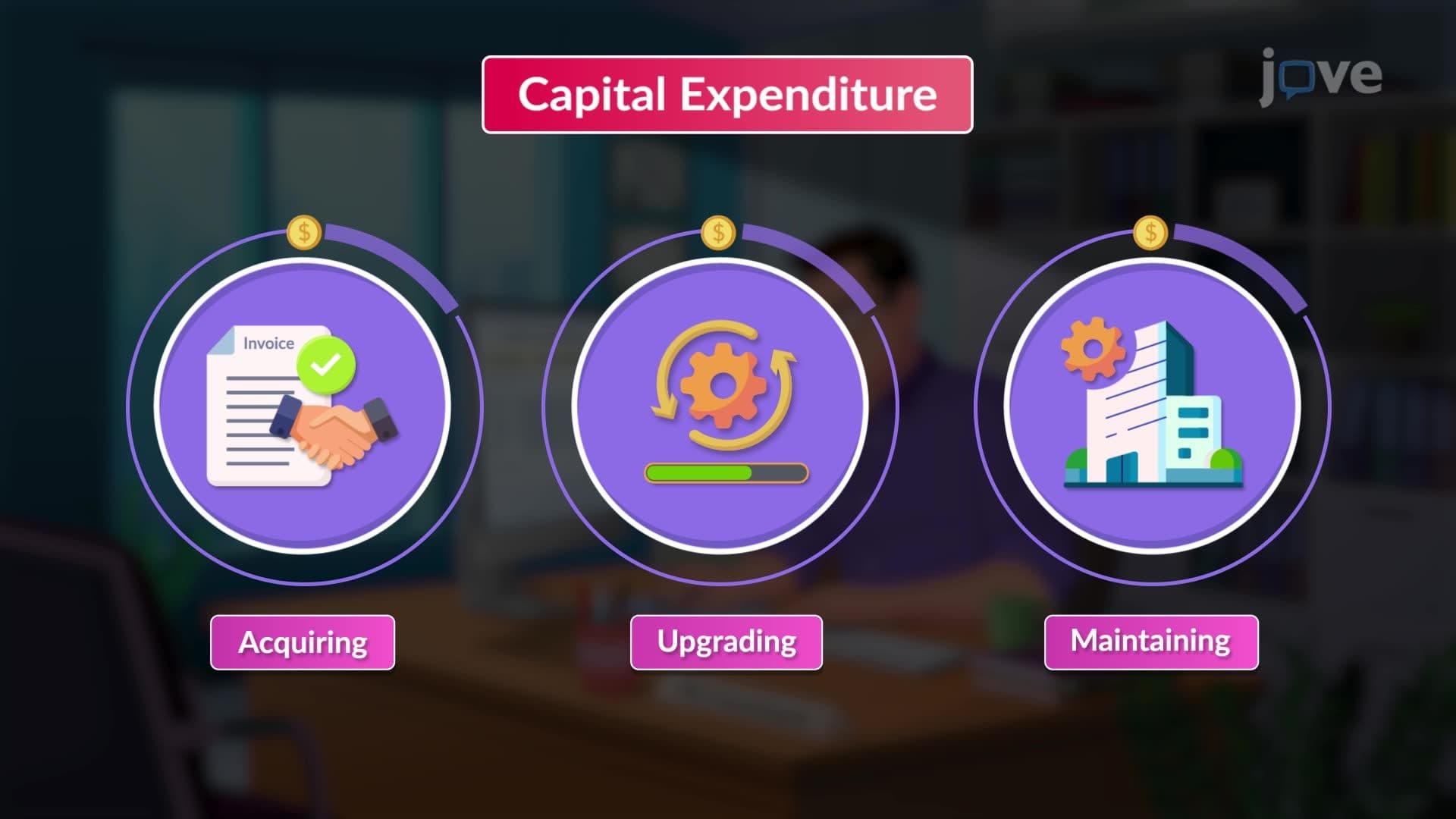

Video Summary: What Is Capital Expenditure
Capital expenditure decisions land on a manager's desk more often than most expect, and getting them wrong can distort budgets, mislead stakeholders, and damage your credibility. Understanding capital expenditure basics helps you distinguish long-term asset investments from everyday operating costs, so you can plan resources accurately, justify spending to leadership, and read financial reports with confidence. Watch the full video on JoVE Coach to master this concept with expert-led visuals and step-by-step explanations.
Picture this: you're a team lead overseeing operations, and your department needs new equipment. You submit the purchase request expecting it to come out of this quarter's operating budget, then finance pushes back, flags it as a capital item, and suddenly you're in a conversation you weren't prepared for. This is one of the most common points where managers without a finance background lose credibility fast. Understanding capital expenditure isn't just accounting theory, it's a core literacy skill for anyone managing resources, headcount, or physical infrastructure.
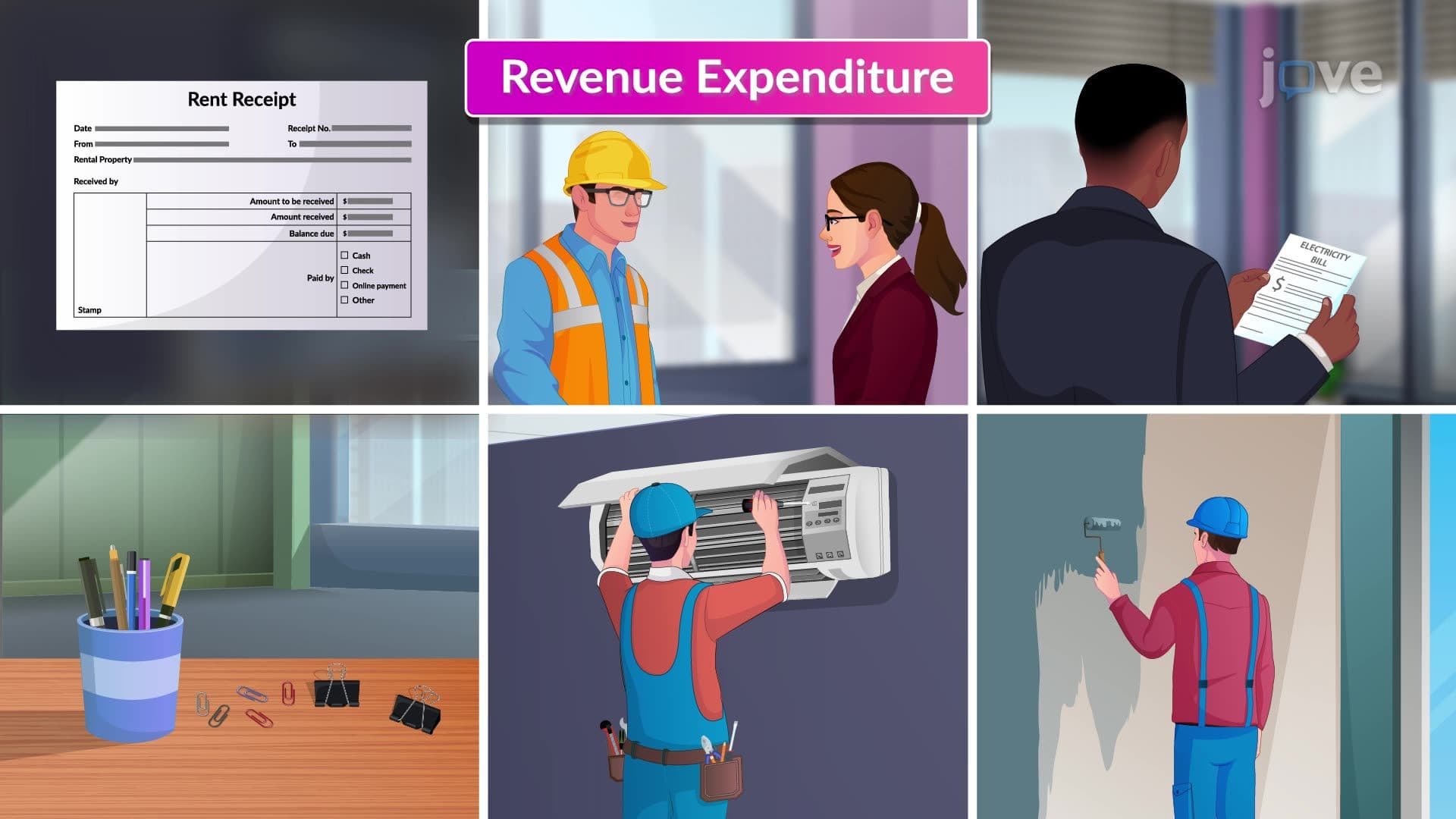
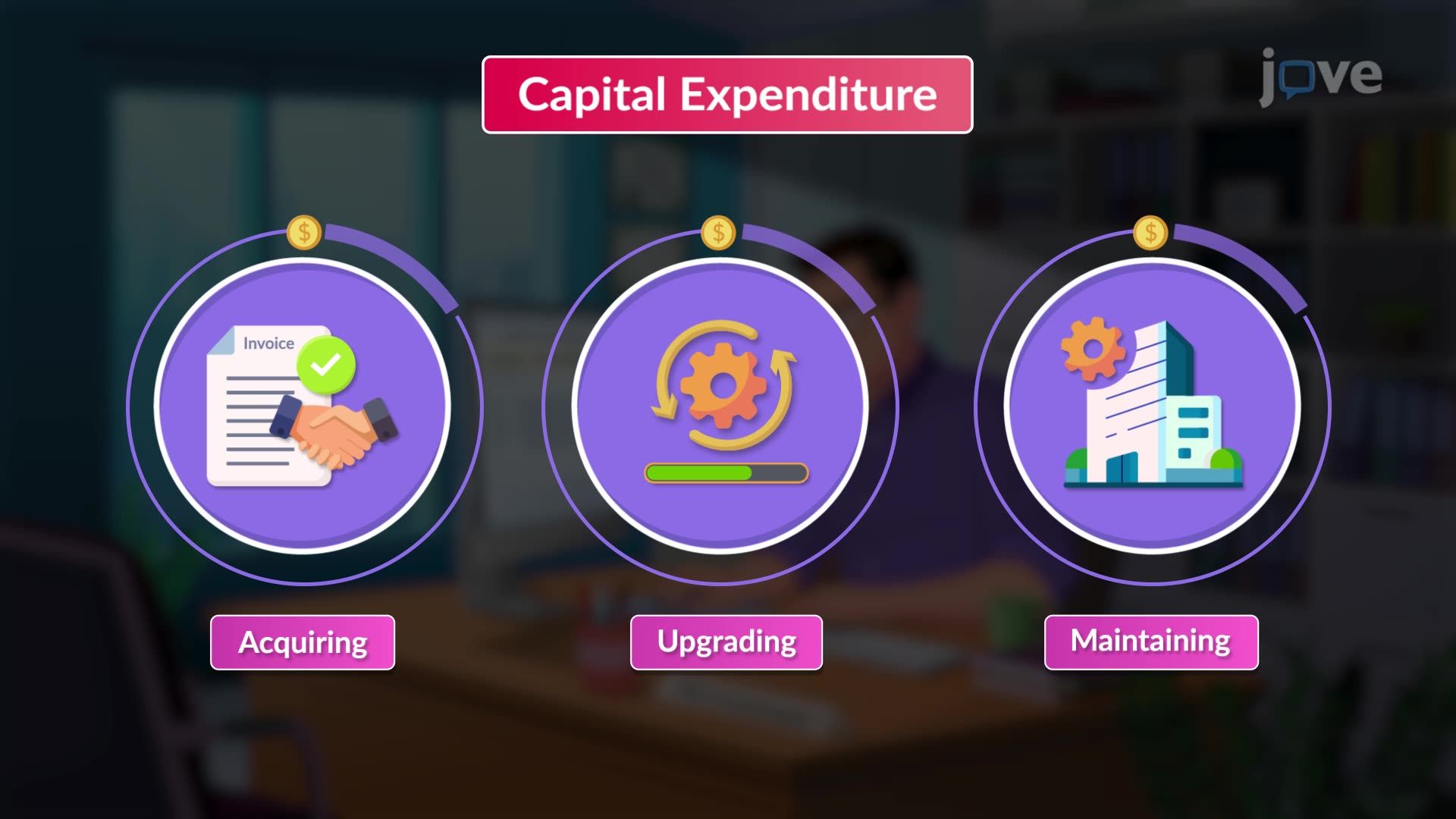
The most frequent mistake managers make is treating any large purchase as simply "a big expense." In reality, capital expenditure (often called CapEx) refers specifically to spending on assets that generate value over multiple years, machinery, technology infrastructure, vehicles, buildings, or significant upgrades to existing assets. Operating expenses (OpEx), by contrast, cover recurring costs: salaries, rent, utilities, software subscriptions. The line between them matters enormously when you're building a budget proposal or defending a spend decision to a CFO or finance committee.
Managers who conflate the two often underprepare for approval cycles, CapEx decisions typically require higher-level sign-off, longer timelines, and stronger justification than routine OpEx.
When evaluating any significant spend, apply a three-question filter before categorizing the expense:
1. Duration, Will this asset be used for more than one financial year? If yes, it likely qualifies as capital expenditure. 2. Revenue contribution, Does this asset directly support revenue generation or operational capacity over time? CapEx investments should have a demonstrable multi-year return. 3. Ownership vs. consumption, Are you acquiring or improving an asset the business will own, or are you paying for a service that gets consumed? Ownership signals CapEx; consumption signals OpEx.
This filter, adapted from standard management accounting practice, gives you a defensible position when finance teams question your budget submissions. It also structures your business case more effectively, finance partners respond better to proposals that already speak their language.
When your team requests new tools, equipment, or technology, don't just forward the purchase request. Instead, apply the depreciation lens: if a piece of equipment costs a significant sum but will serve your team for five years, your business case should articulate annualized value, not just upfront cost. This mirrors how accountants record CapEx, spreading the asset's cost across its useful life through depreciation rather than hitting the income statement all at once.
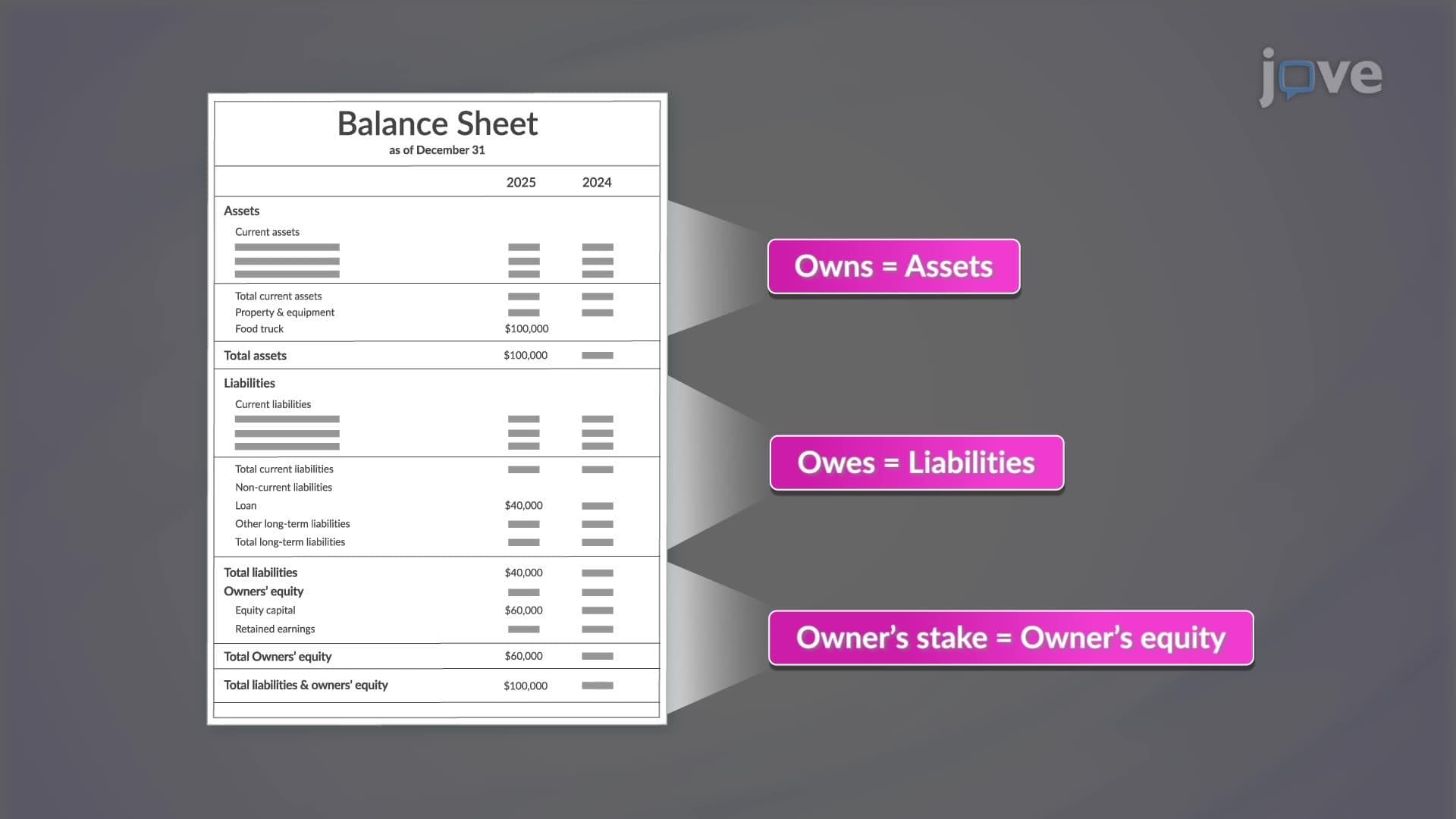
Practically, this means framing your request around total cost of ownership and expected productive lifespan. Senior leaders and finance stakeholders are far more receptive to proposals that demonstrate long-term thinking. It also positions you as a manager who understands how decisions affect the balance sheet, a visible signal of financial acumen that directly supports your growth into more senior roles.
Related Micro-courses