Loading video…

 21 Concepts
 7.4K views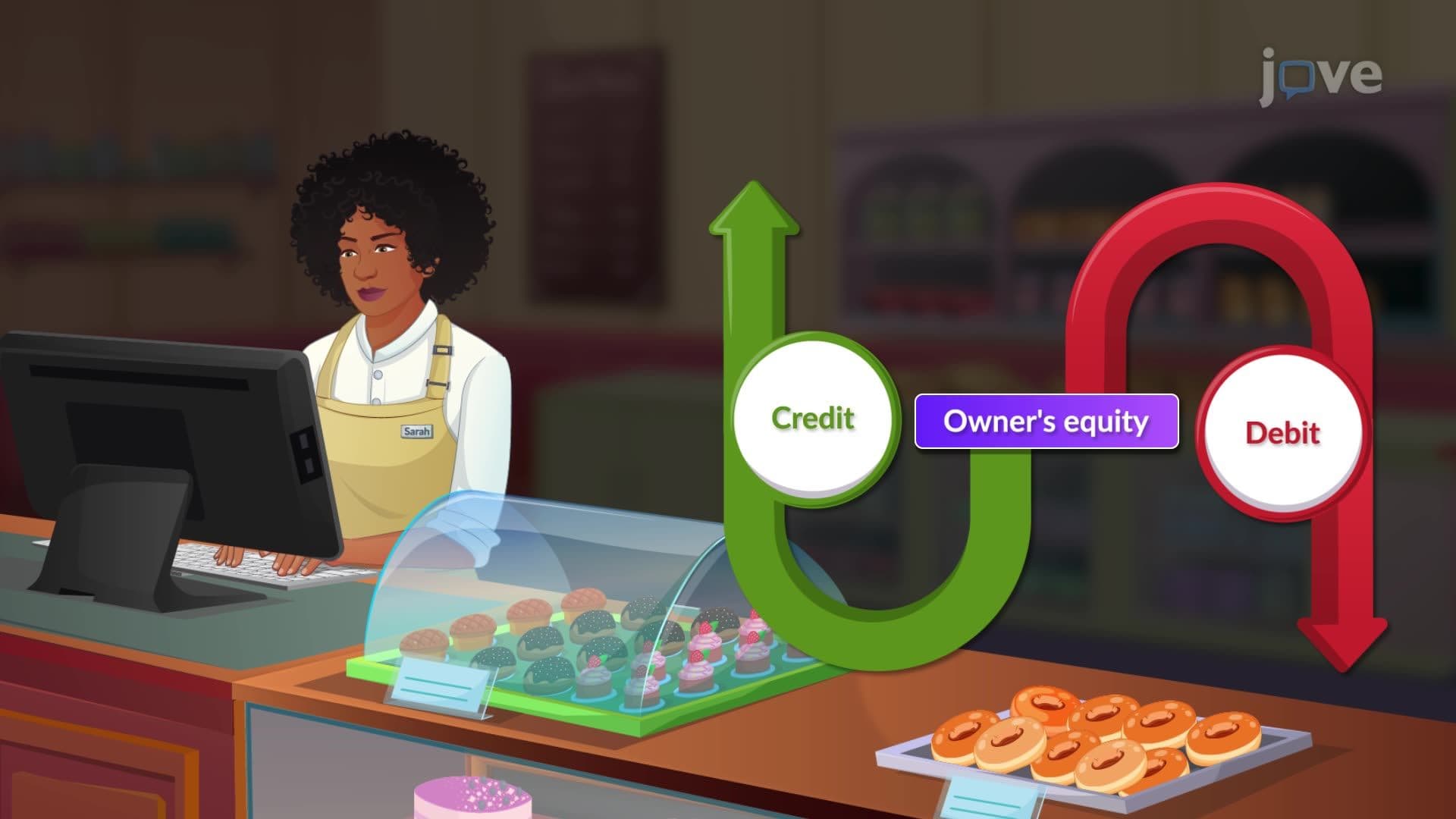

Video Summary: Debit and Credit Effects for Owner S Equity Explained
Debit and credit effects for owner's equity catch many new managers off guard when they first take ownership of a budget or cost center. Mastering debit and credit effects for owner's equity basics helps you read financial statements with confidence, interpret what capital contributions and withdrawals actually mean, and hold informed conversations with your finance team. Watch the full video on JoVE Coach to master this concept with expert-led visuals and step-by-step explanations.
Picture this: you've just been handed responsibility for a small business unit or cost center. Your finance partner hands you a general ledger printout and asks whether the equity position looks right. You scan the columns, debits on the left, credits on the right, and feel a familiar discomfort. You know the numbers matter, but you're not entirely sure what the movement in equity is actually telling you. This is the moment where understanding the debit and credit effects for owner's equity stops being an accounting concept and starts being a management competency.
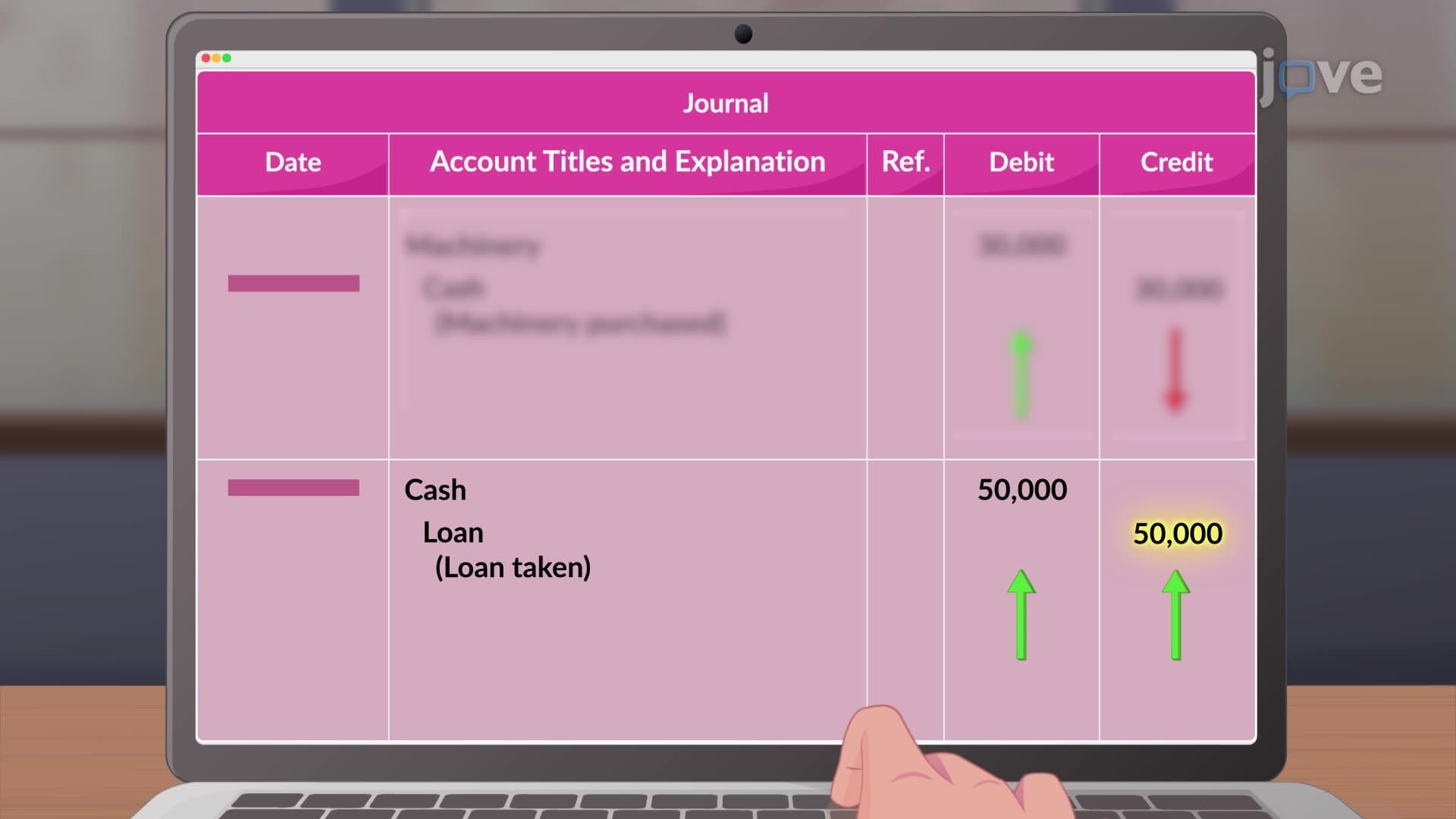
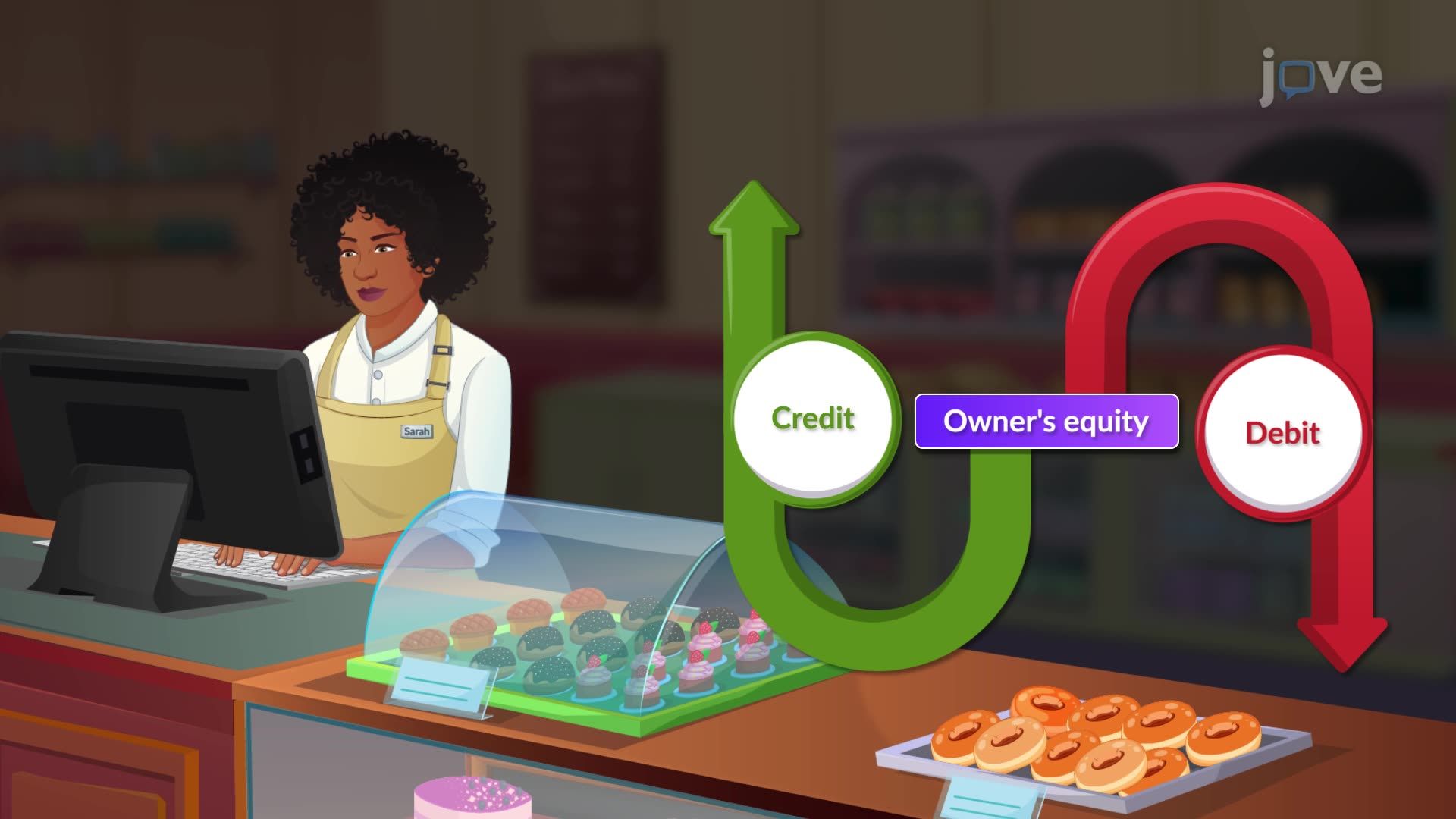
Most managers are taught to focus on outcomes, revenue targets, headcount costs, operating margins. Very few are walked through the mechanics of how those outcomes get recorded. Owner's equity is particularly counterintuitive because it behaves oppositely to assets. A credit increases equity; a debit decreases it. When a capital contribution comes in, equity goes up via a credit. When an owner withdraws funds or operational expenses accumulate, equity falls via debits. Without this mental model, managers misread financial health indicators and make assumptions that don't hold up under scrutiny in leadership reviews.
A practical tool for managers is what finance professionals informally call the Equity Impact Matrix, a simple four-cell mental grid that maps transactions against their equity direction:
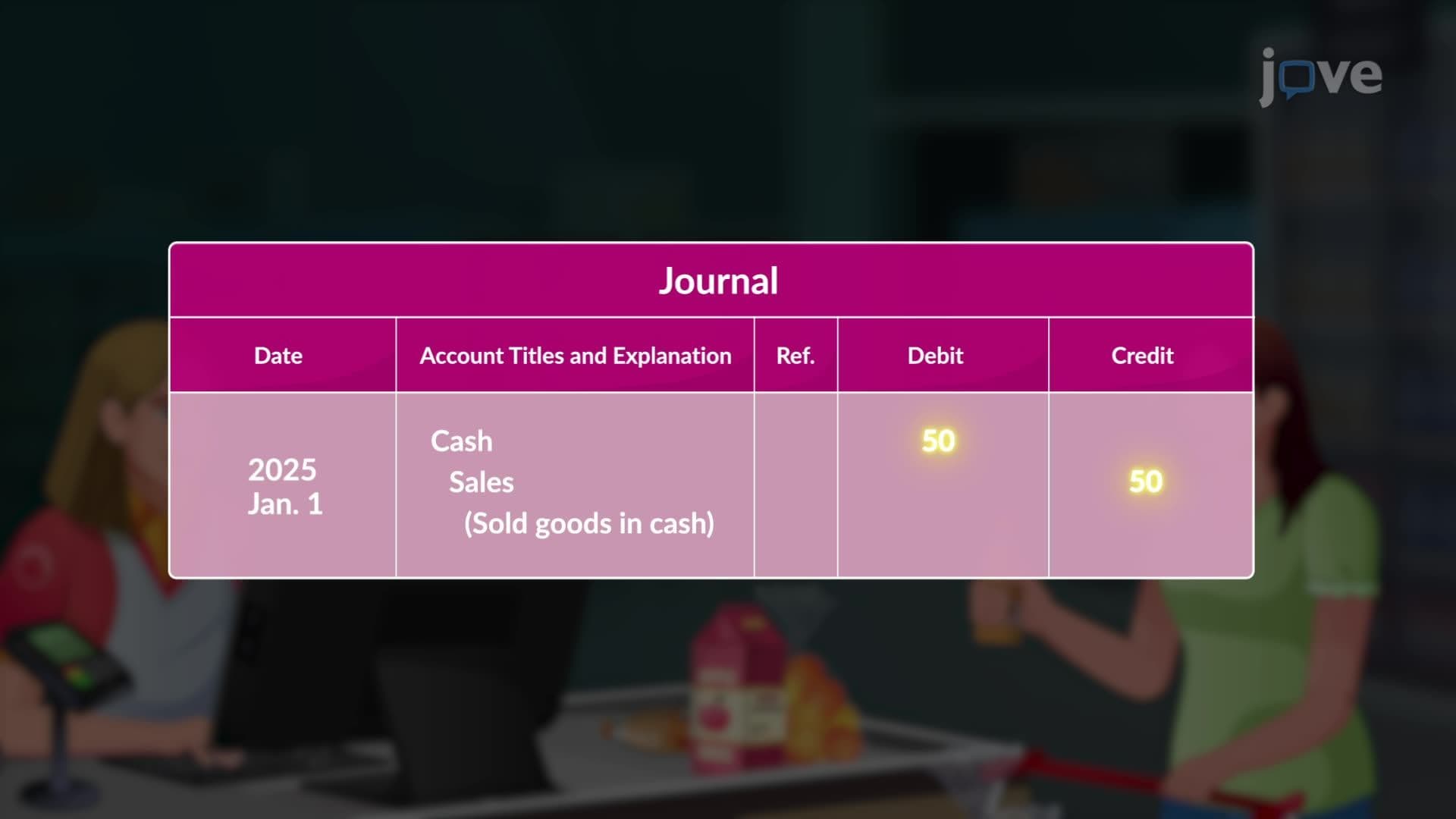
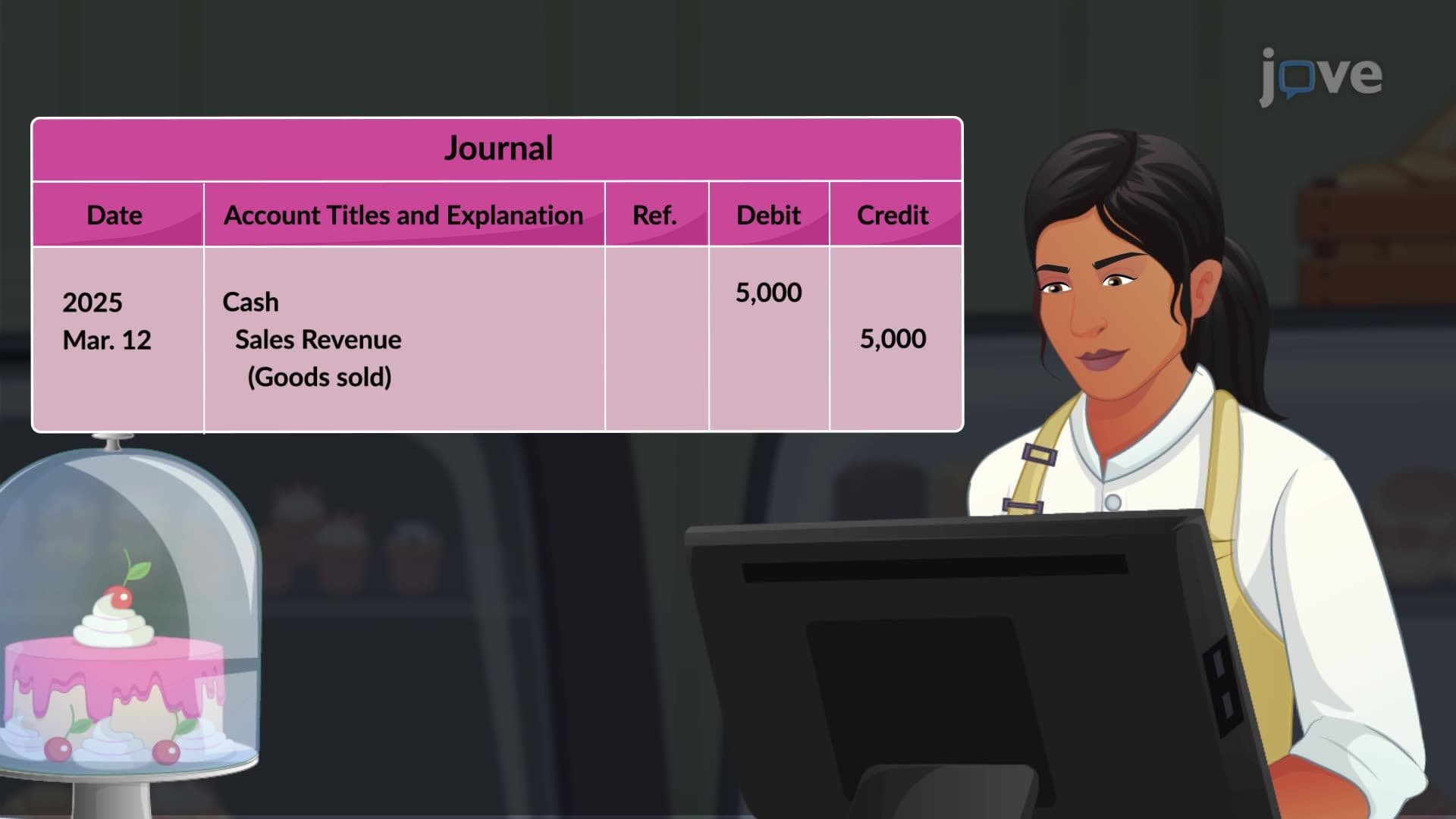
| Transaction Type | Entry Type | Equity Effect | |---|---|---| | Capital contribution | Credit | Increases equity | | Owner withdrawal (drawings) | Debit | Decreases equity | | Revenue earned (e.g., sales) | Credit | Increases equity | | Expense incurred (e.g., rent, payroll) | Debit | Decreases equity |
Running your business unit's monthly transactions through this grid, even informally, sharpens your ability to anticipate how decisions will move the equity needle before your finance team presents the numbers. It also builds credibility in cross-functional conversations when you can speak to financial effects with precision.
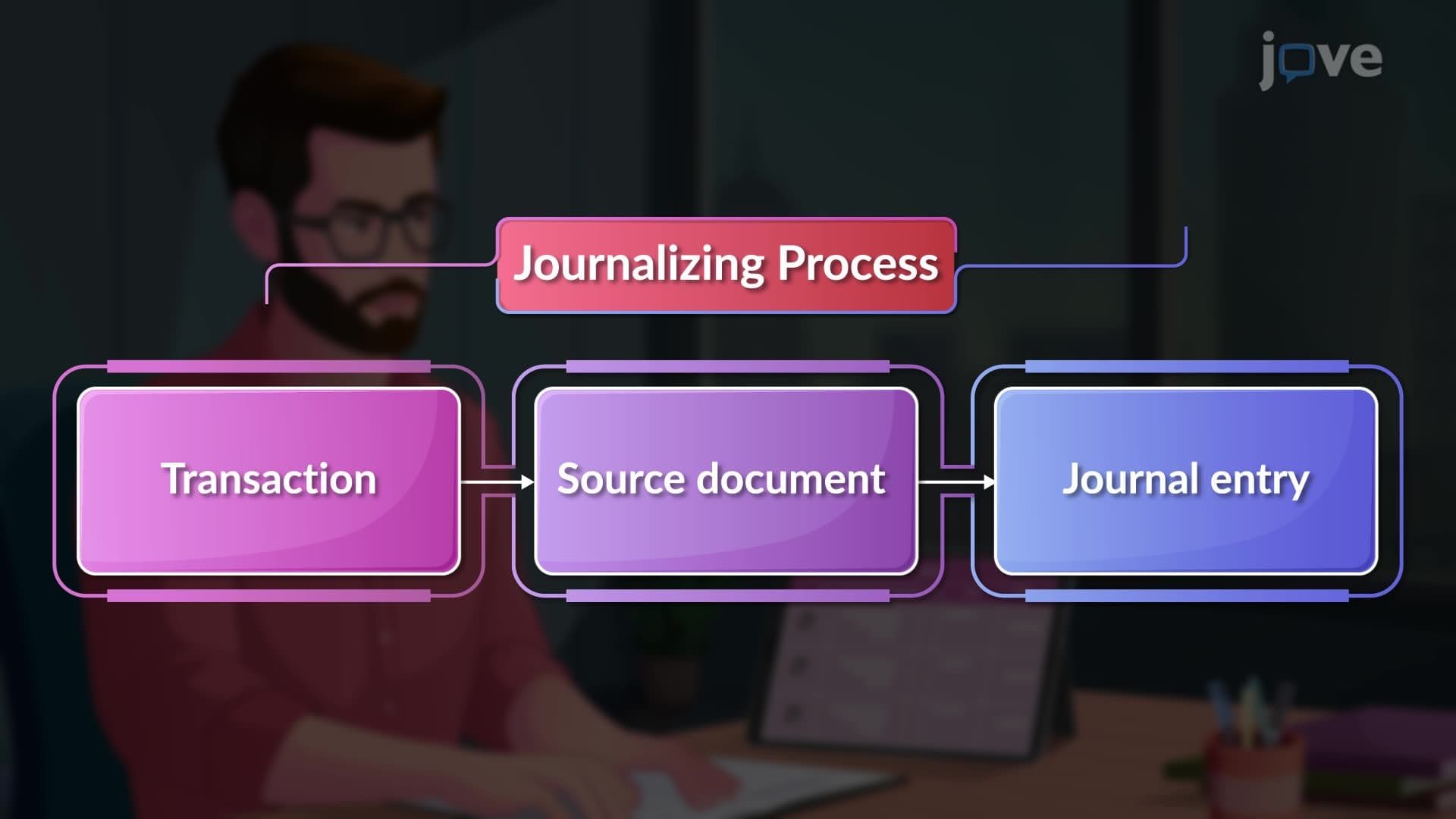
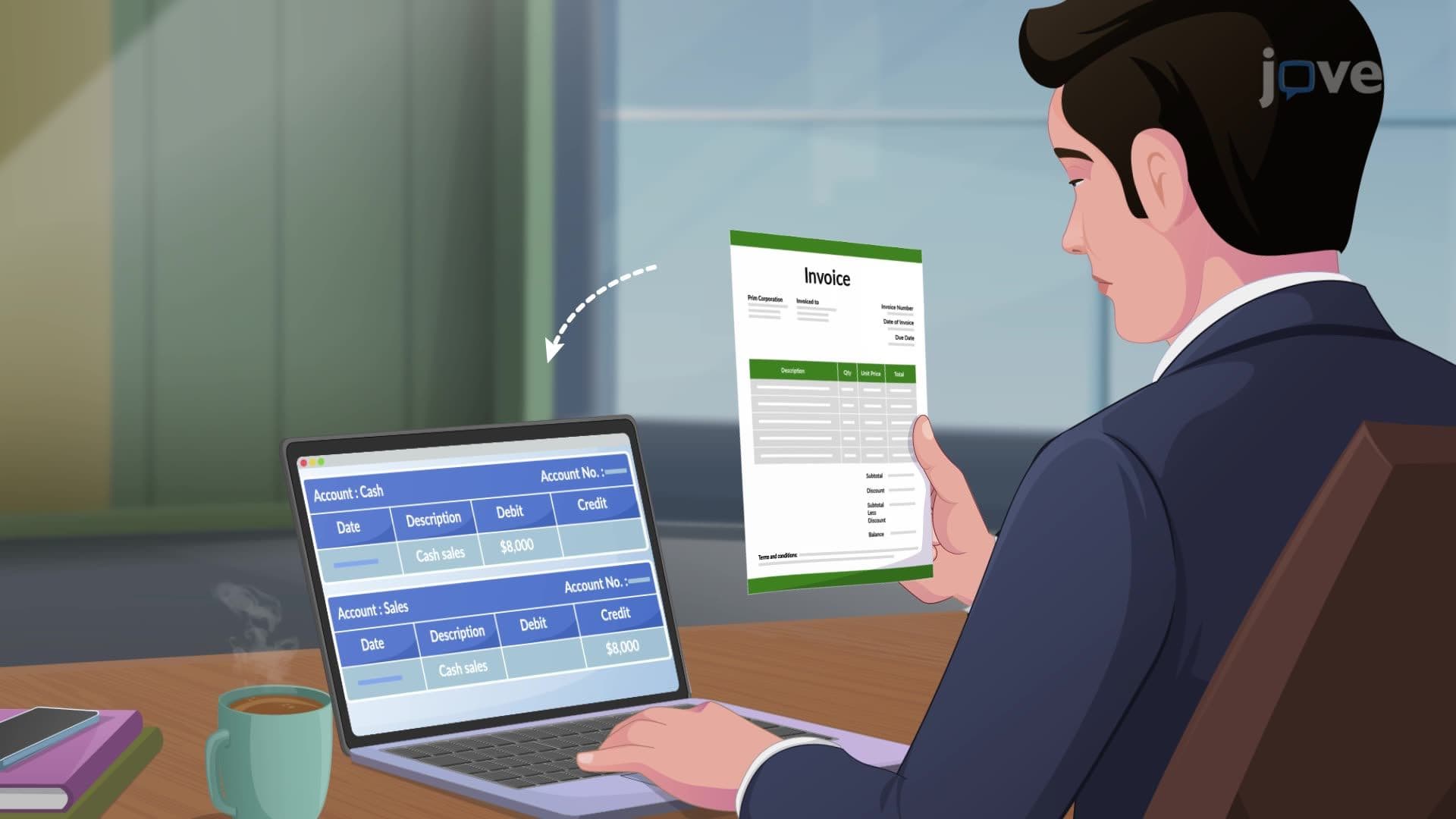
Pair this with a basic understanding of the accounting cycle: source documents trigger journal entries, which feed into the general ledger, which ultimately informs trial balance preparation and financial statements. Each stage is a checkpoint. Managers who understand this flow can identify where a discrepancy originates, whether it's a missed expense entry, an uncategorized revenue line, or an incorrectly coded drawing, rather than simply escalating every anomaly to finance.
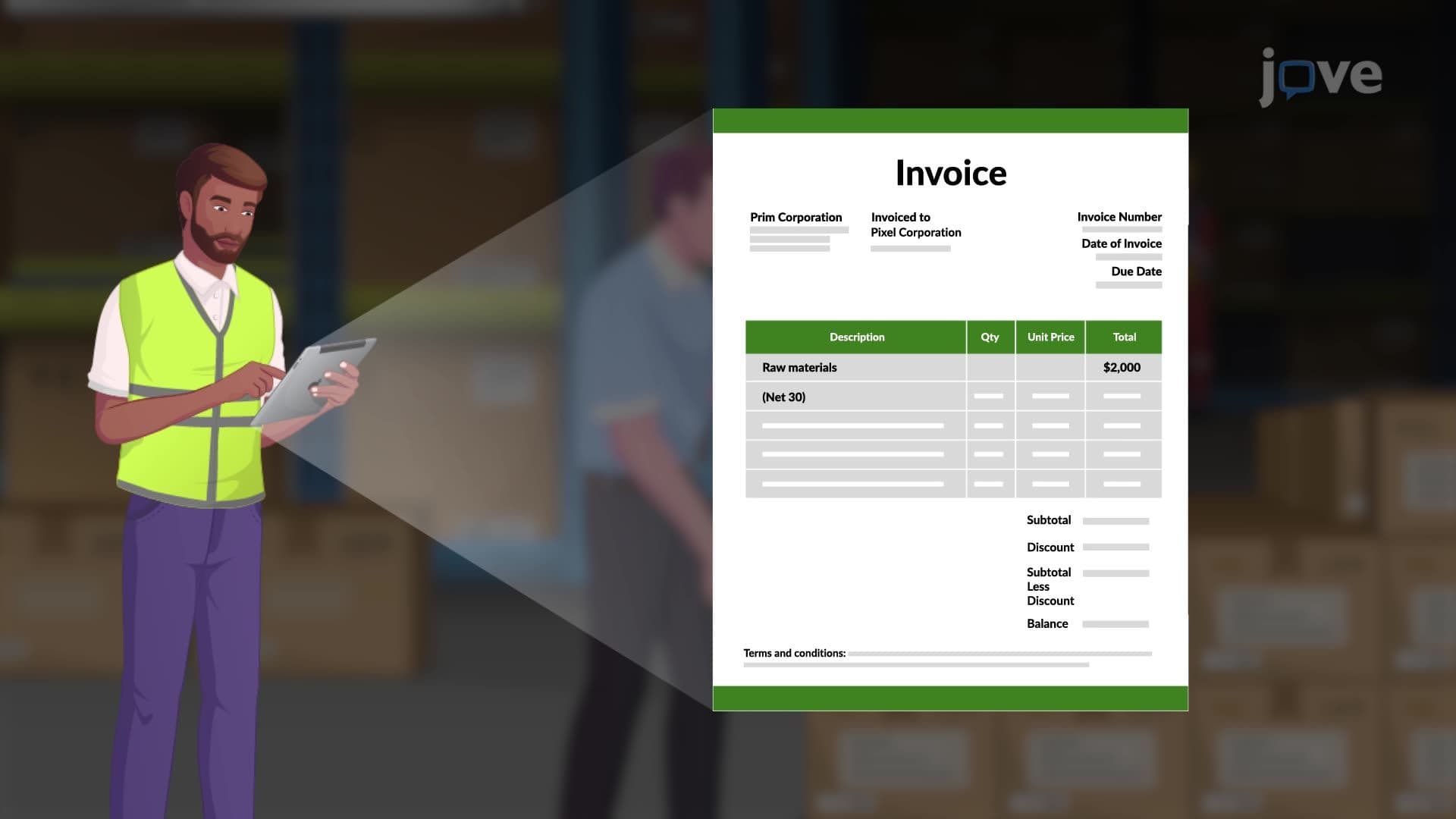
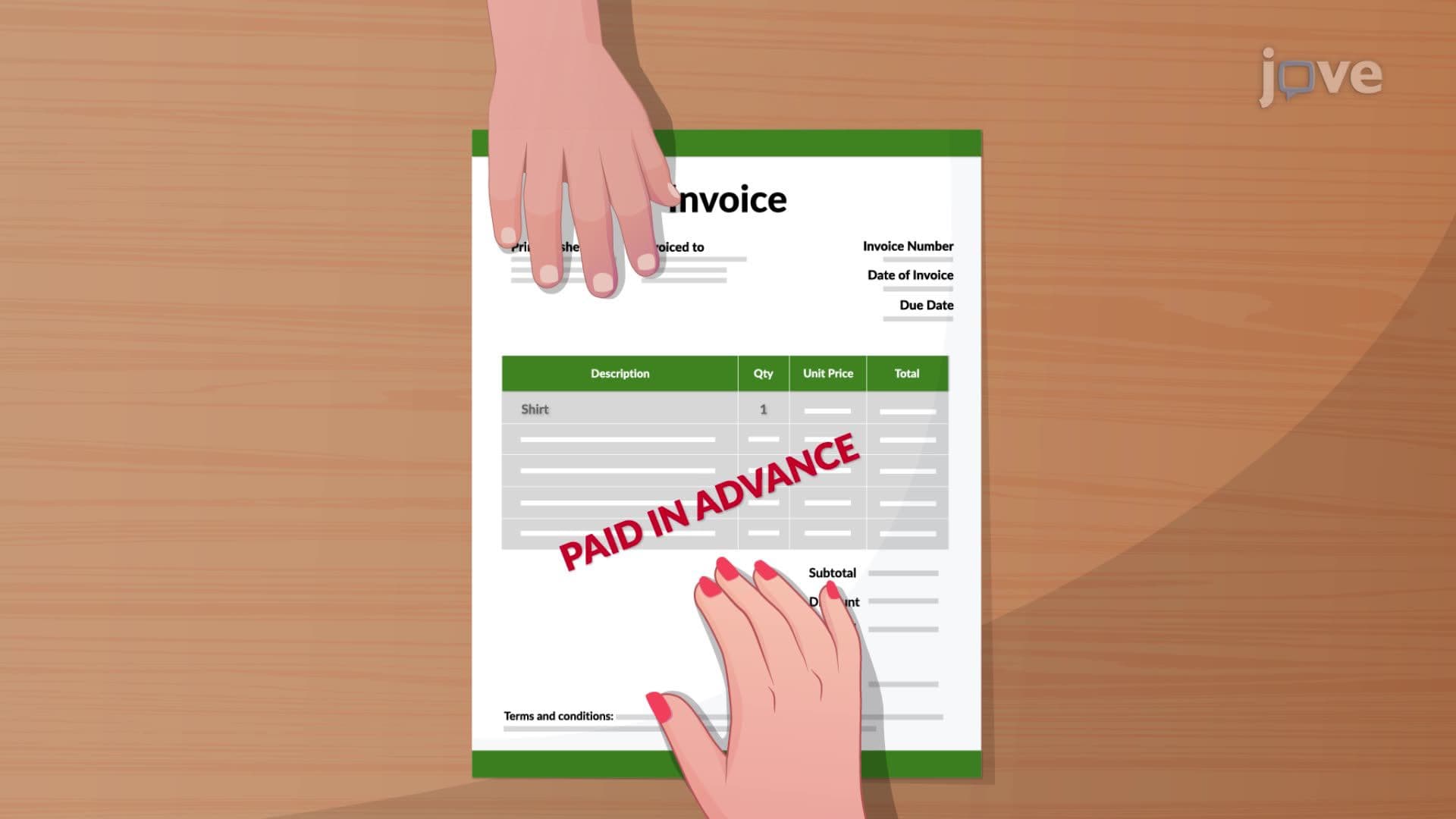
In practice, apply this in three steps. First, before any finance review, pull the equity section of your ledger and identify whether the movement since last period is driven by credits (revenue growth, capital injection) or debits (expenses, withdrawals). Second, cross-check against source documents, invoices, receipts, payment confirmations, to verify that entries are grounded in real transactions. Third, use trial balance preparation as your internal audit moment: if debits and credits don't balance, trace the gap systematically rather than accepting a plug figure.
The most frequent error managers make is treating equity as a static number rather than a dynamic running total. Equity moves with every transaction. A large expense approved this month is a debit that will visibly compress equity, not a problem in itself, but something you should be able to explain in context. Similarly, confusing a drawing account entry with a business expense is a classification mistake that distorts both equity and profitability reporting. Understanding the mechanics of double entry accounting protects you from being caught off guard when the numbers don't tell the story you expected.
Related Micro-courses