Loading video…

 21 Concepts
 7.4K views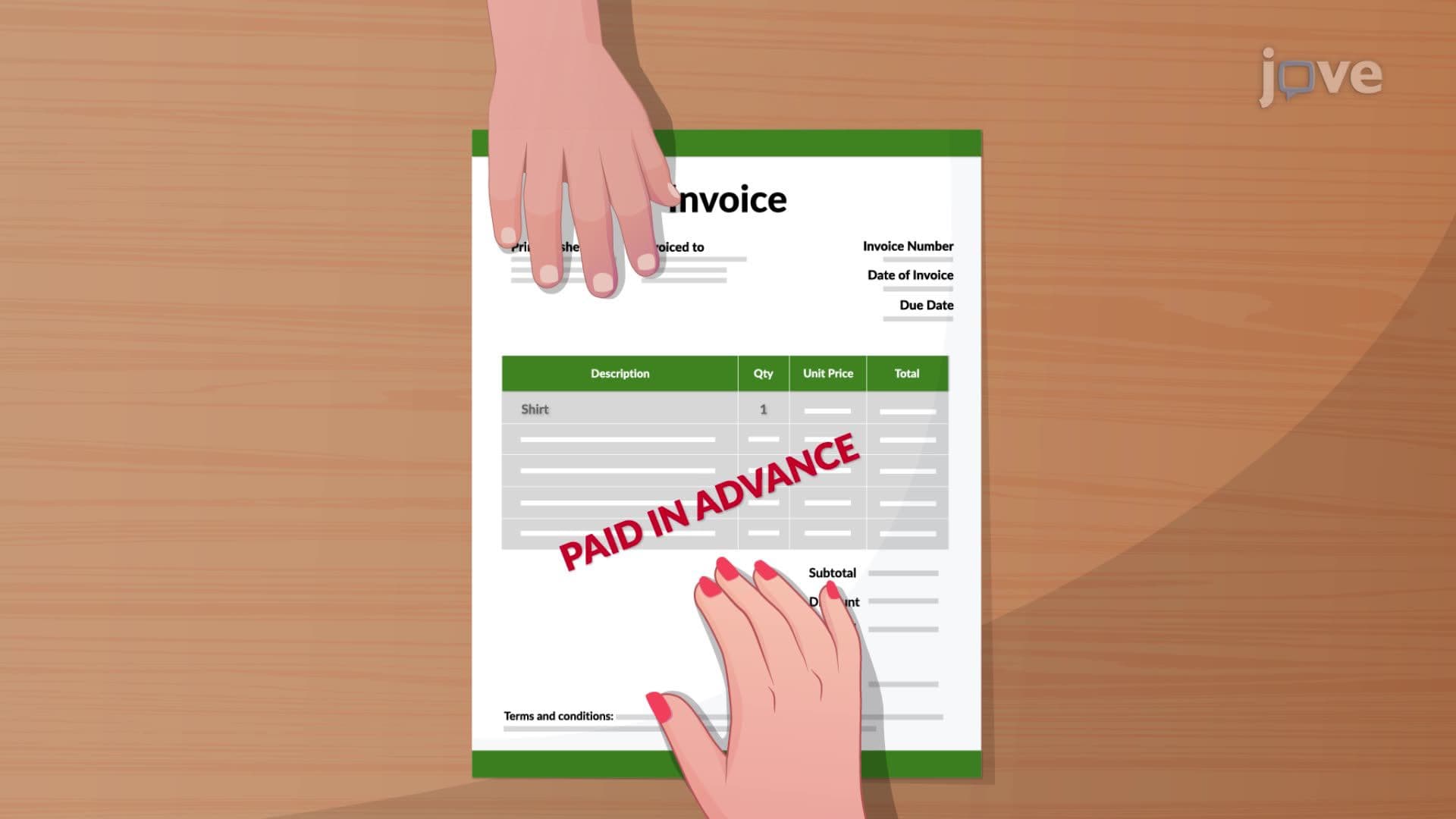

Video Summary: What are Unearned Revenues
Unearned revenues basics can quietly distort how a manager reads financial reports, leading to misinformed decisions about team capacity, budgeting, or project timelines. Understanding what is unearned revenues, and why it appears as a liability, helps you interpret your organization's financials with confidence. This concept directly affects how revenue is reported before services are actually delivered. Watch the full video on JoVE Coach to master this concept with expert-led visuals and step-by-step explanations.
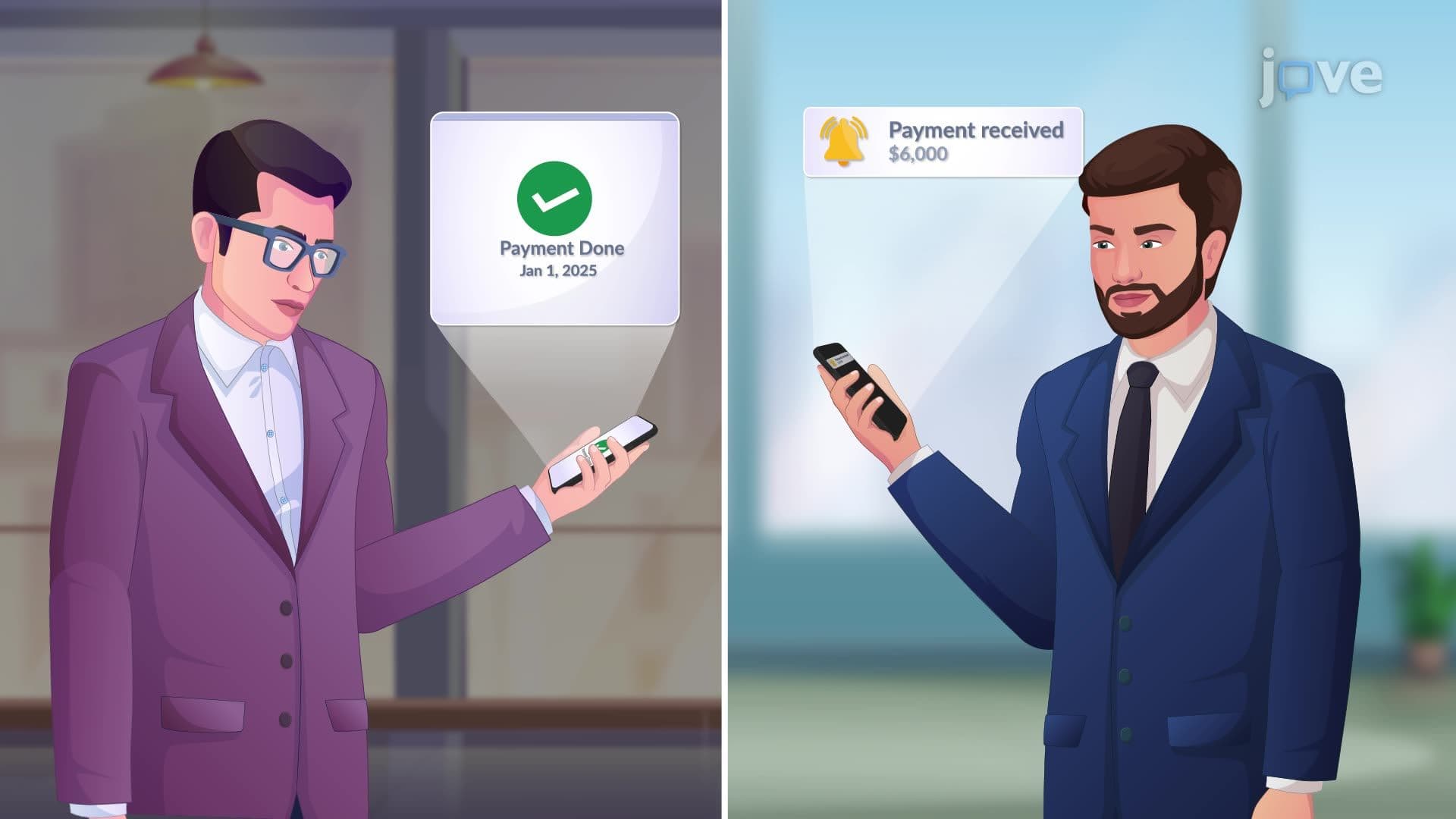
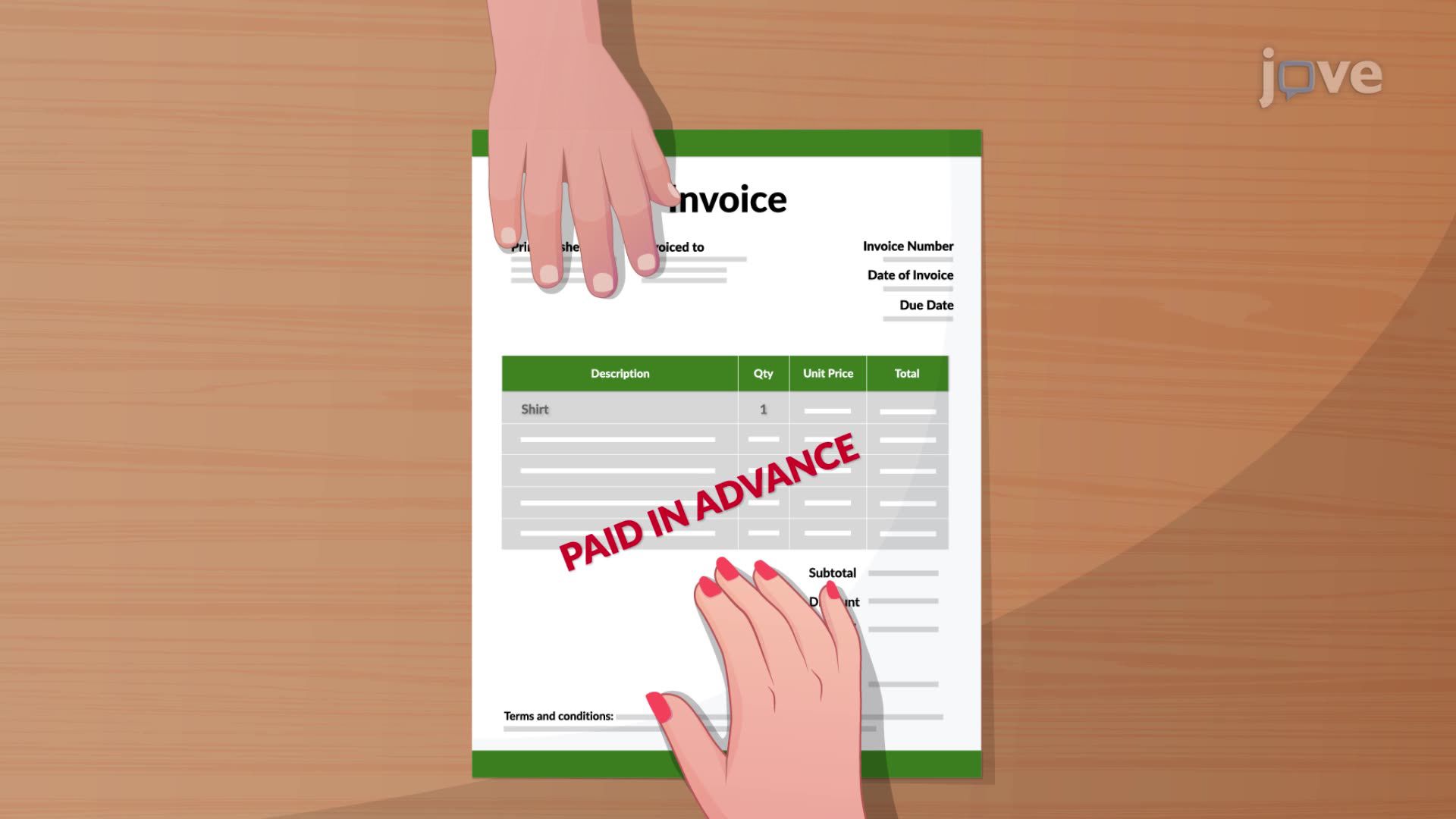
Imagine your team has just secured a large advance payment for a service contract. The cash has hit the account, the leadership team is celebrating, and someone on your team asks, "Are we profitable this quarter?" The honest answer is: not yet, not from that payment. This is precisely where unearned revenues explained properly can change how you lead financial conversations and make decisions. Many managers conflate cash received with revenue earned, and that misreading can lead to premature hiring decisions, overspending, or inaccurate forecasting.
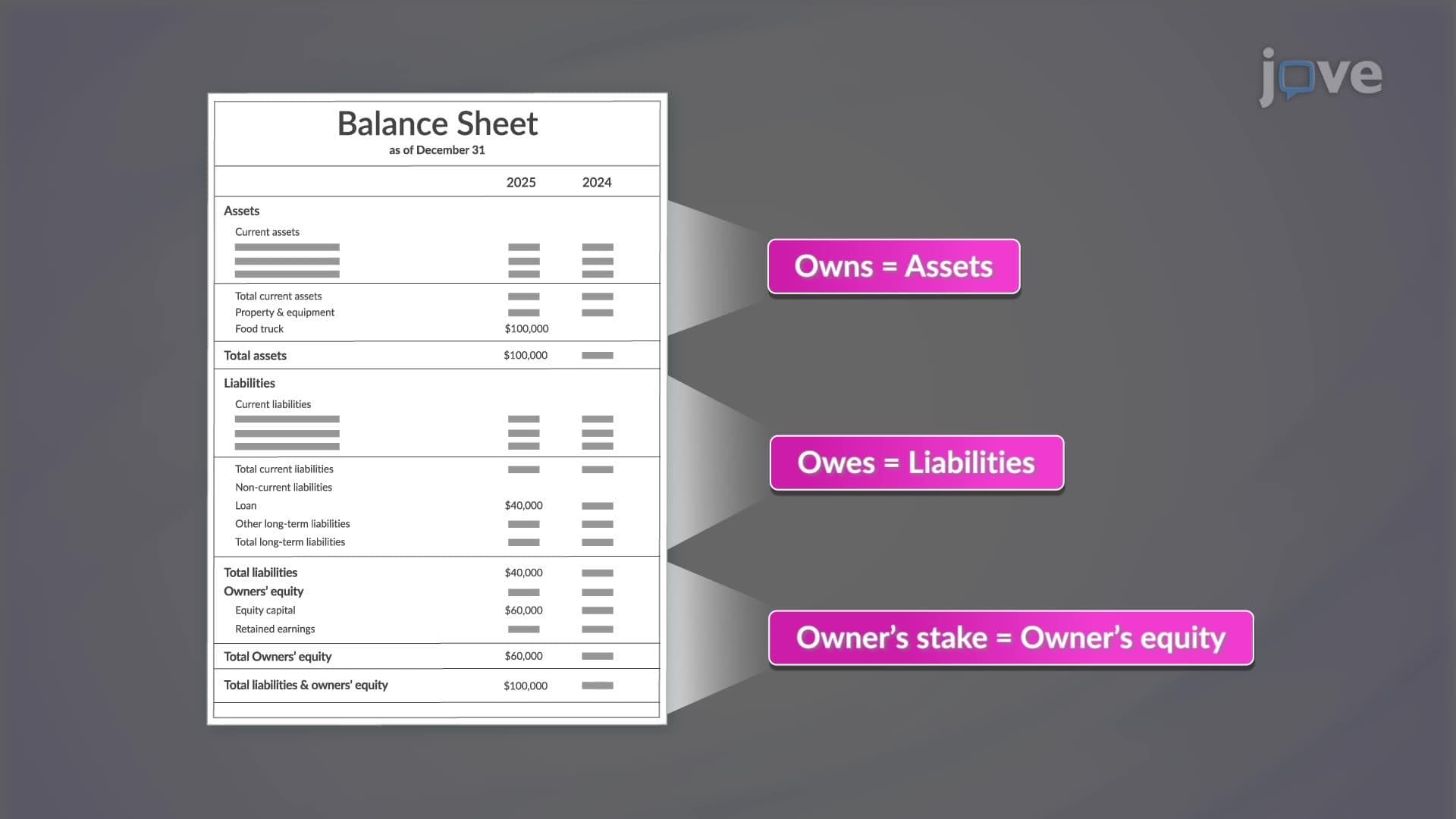
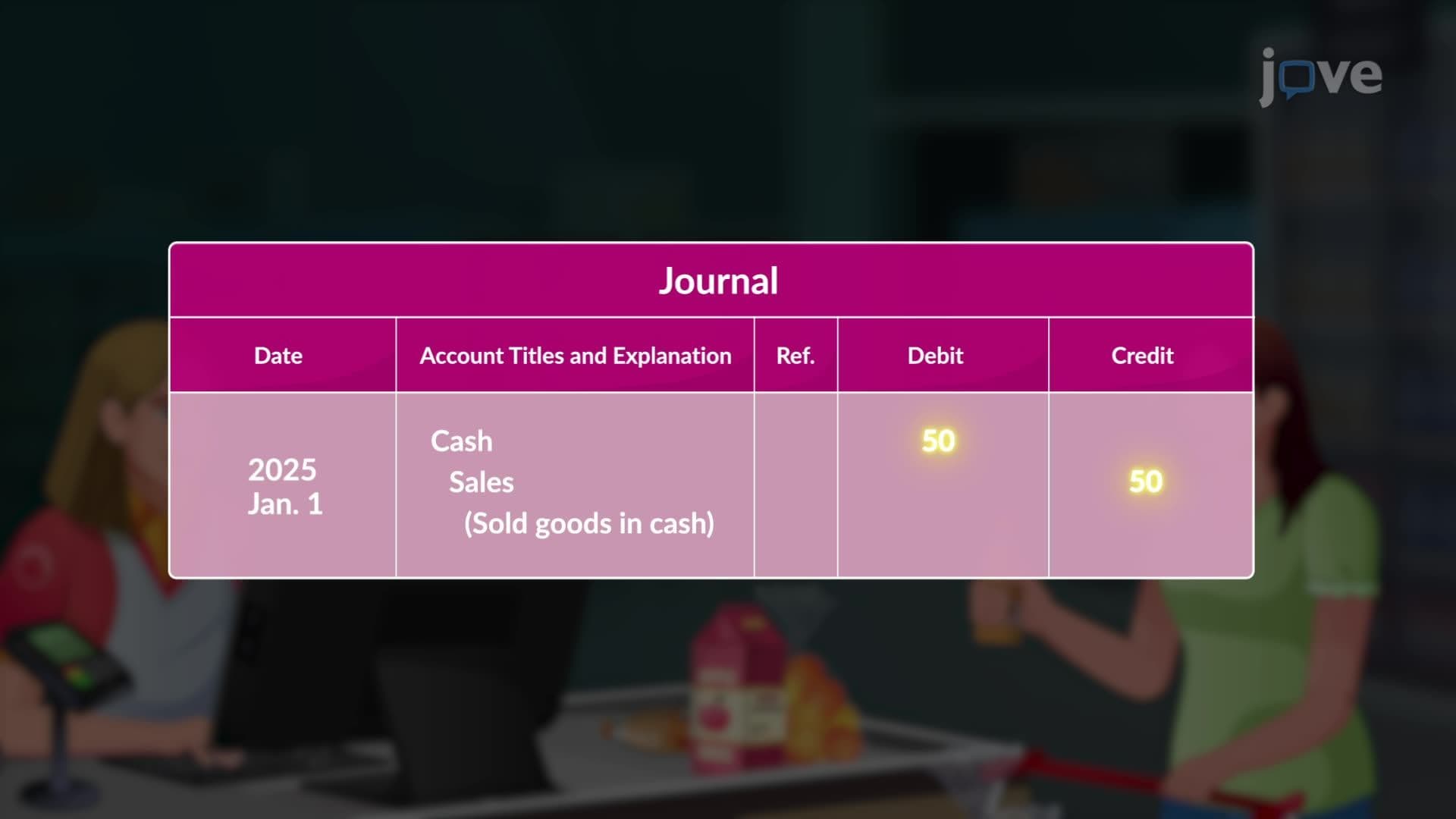
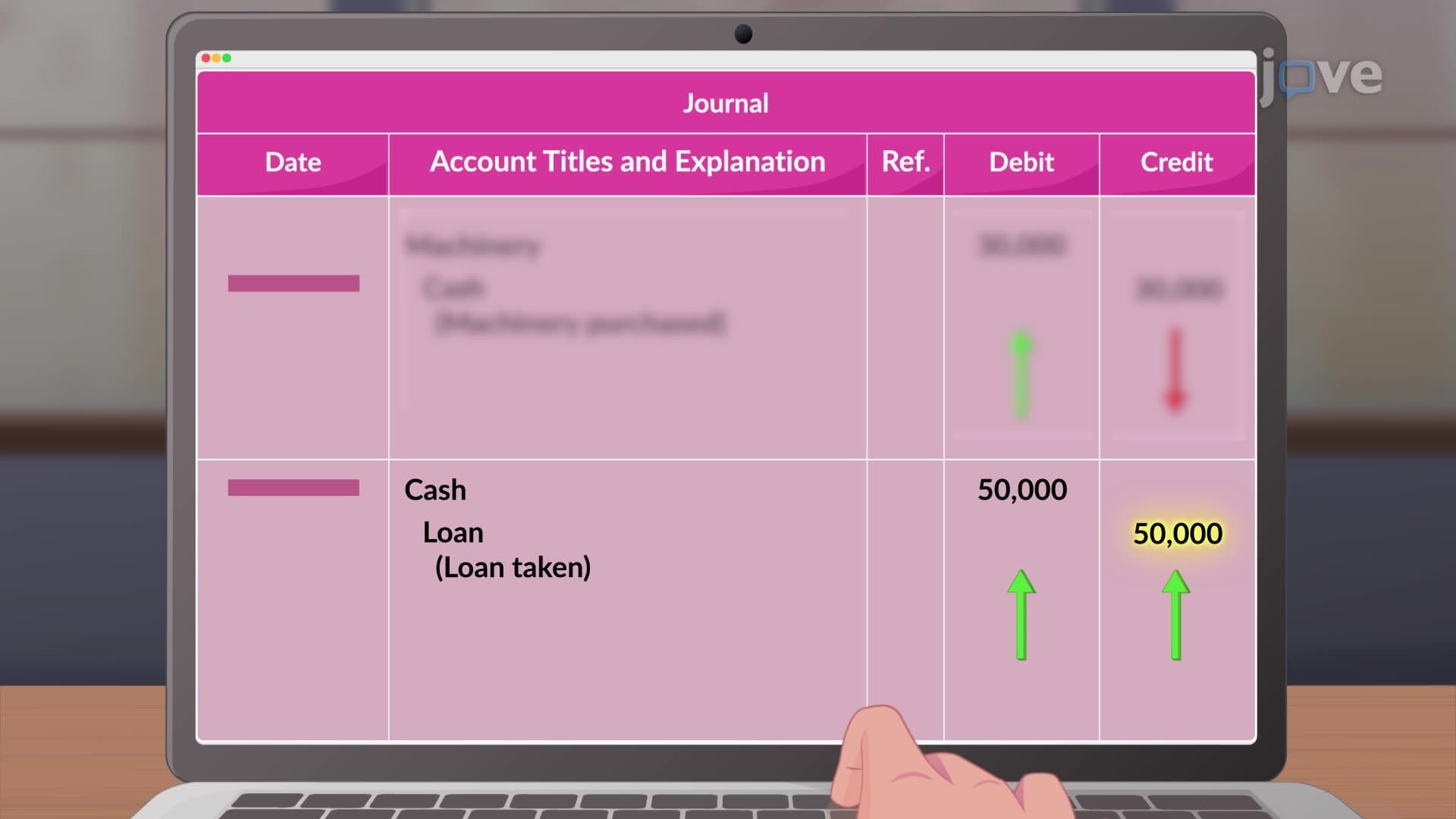
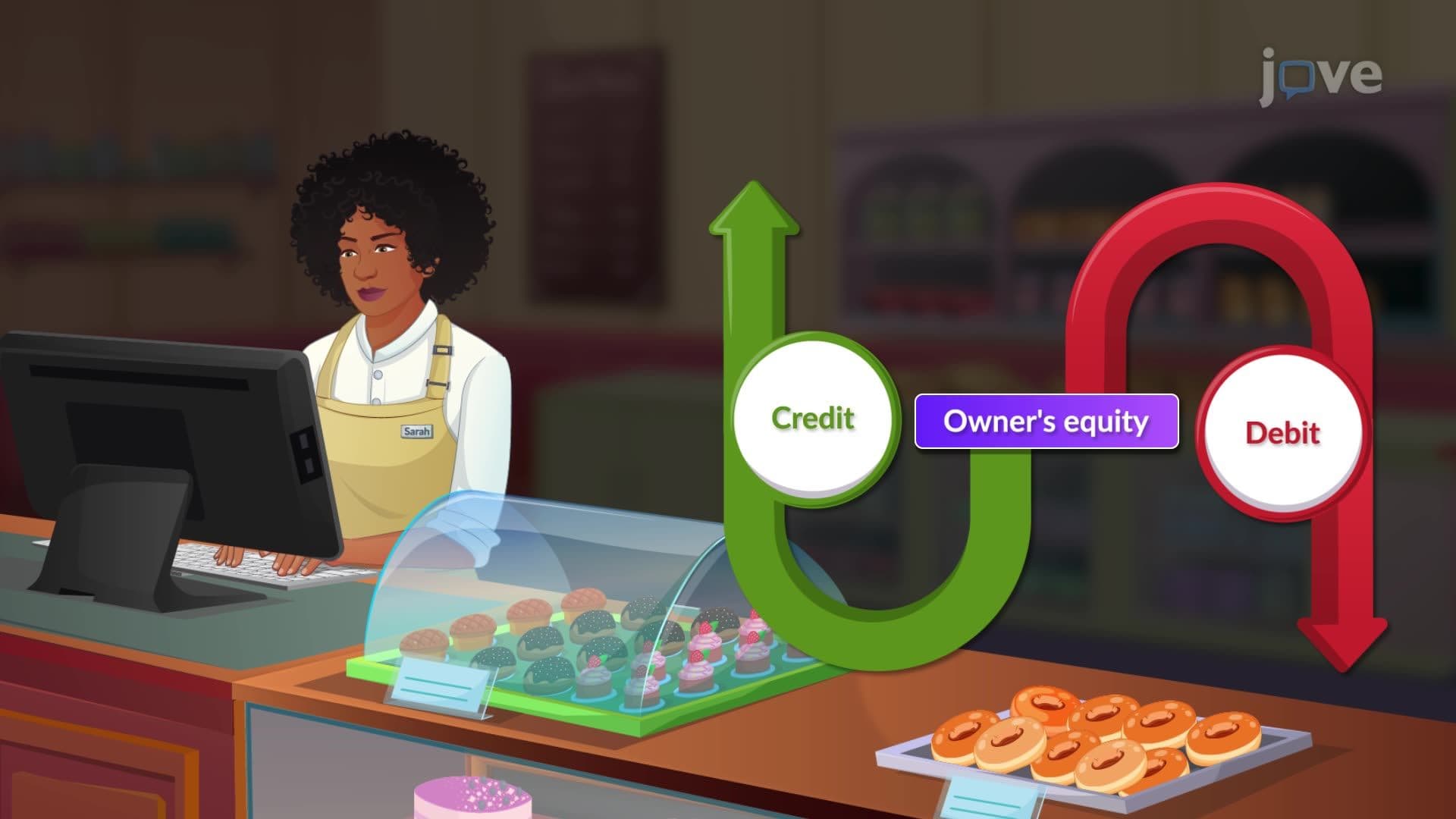
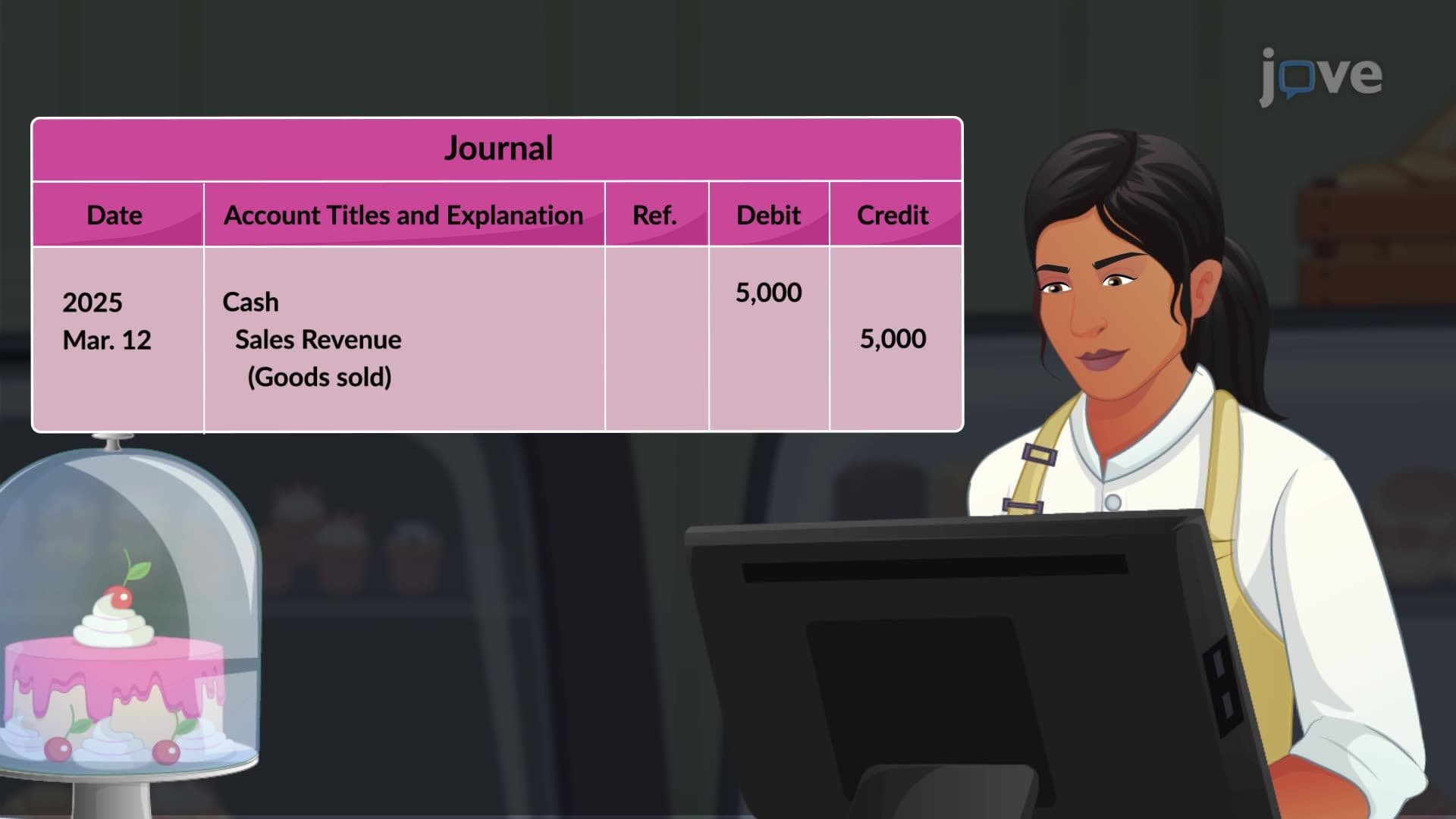
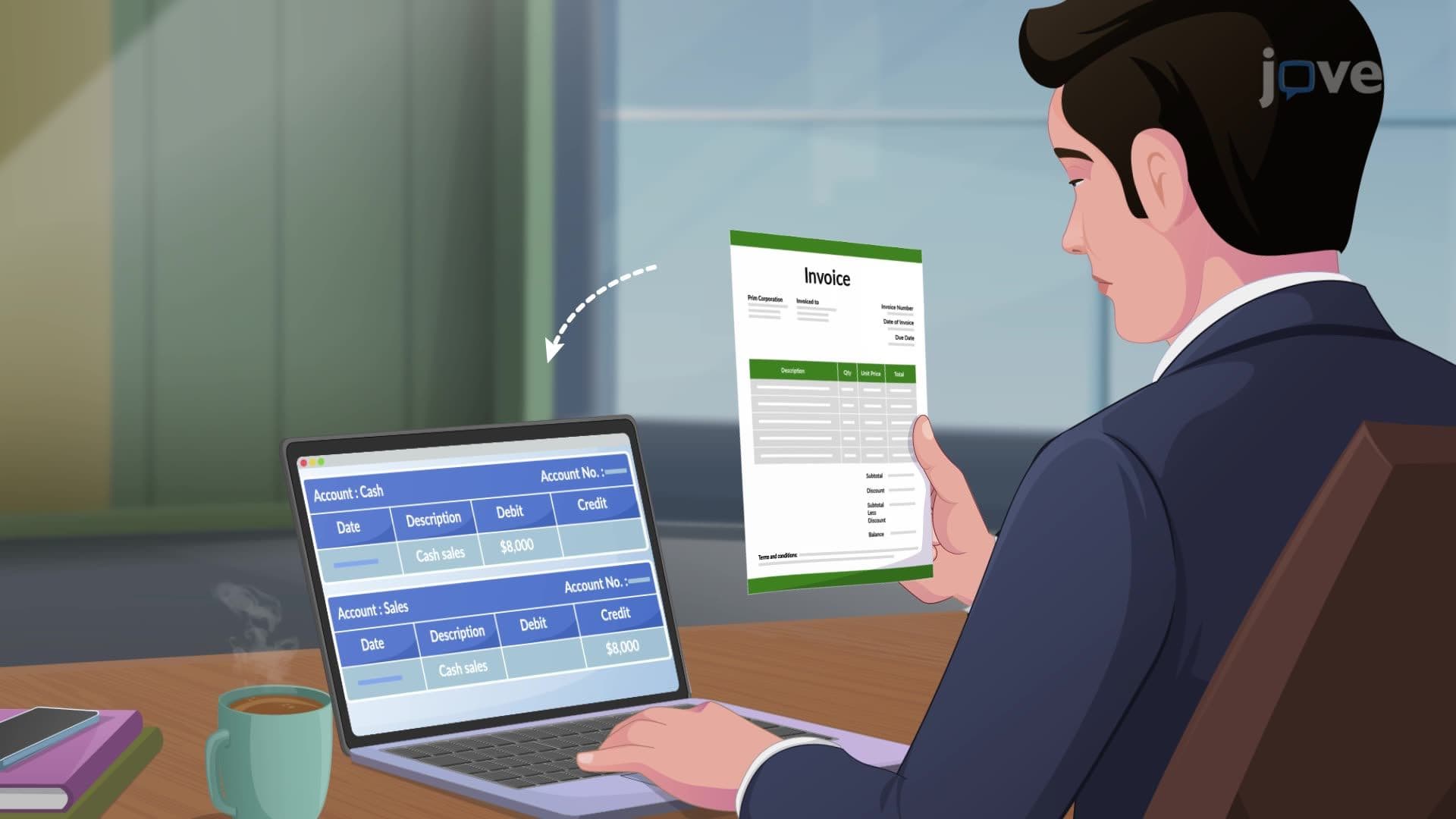
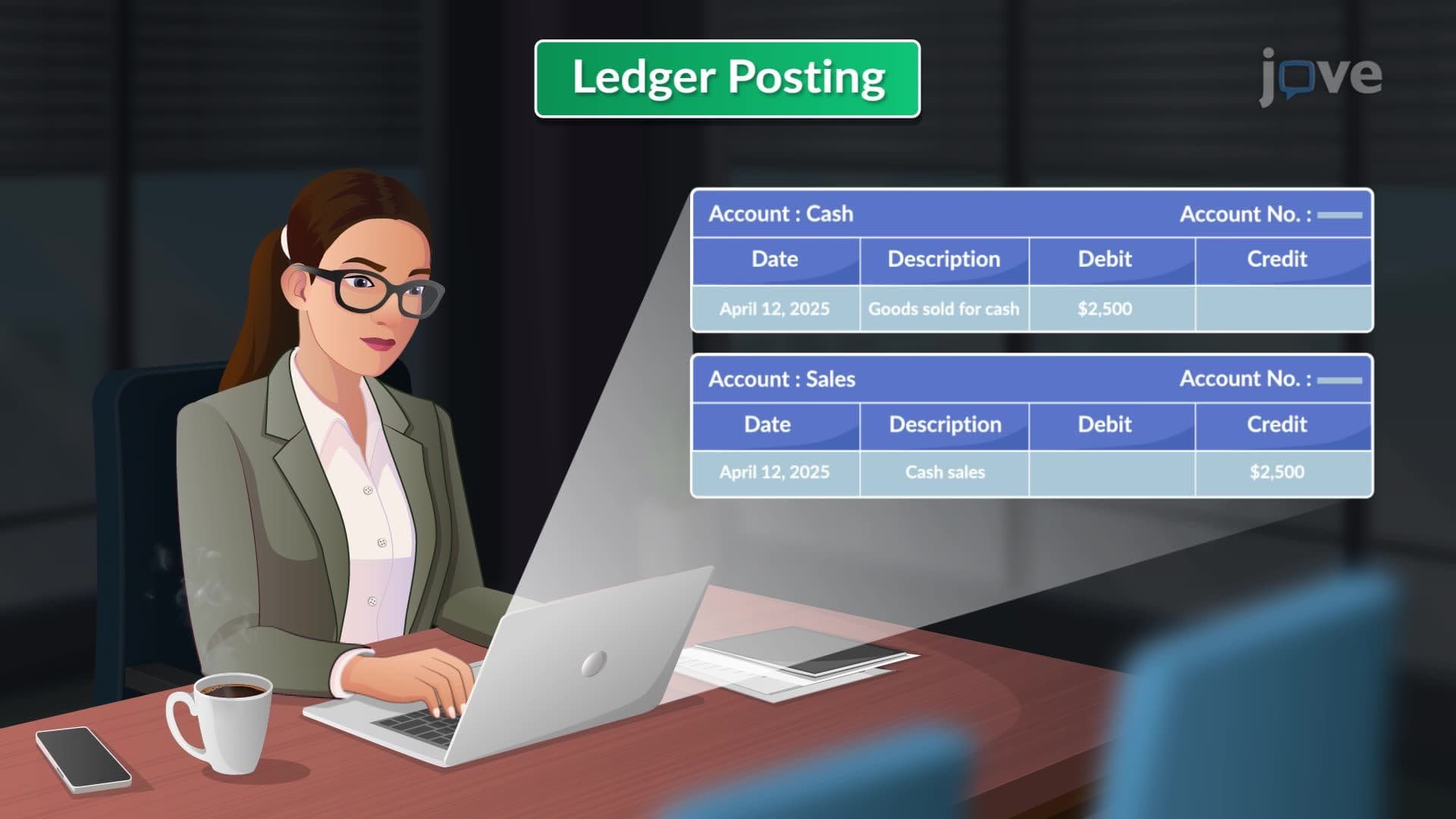
Unearned revenue sits on the balance sheet as a liability, a counterintuitive position for something that feels like a win. In double entry accounting, when a payment is received before the service is rendered, the business records a debit to the cash account and a credit to the unearned revenue account. That credit represents an obligation, not a gain. Until your team delivers the service or product, that liability remains on the general ledger.
Many managers, especially those new to P&L or budget ownership, skip past liability entries assuming they reflect money owed to vendors or lenders. In reality, unearned revenue reflects a promise made to a customer, and promise fulfillment is often directly tied to your team's workload and delivery timelines.
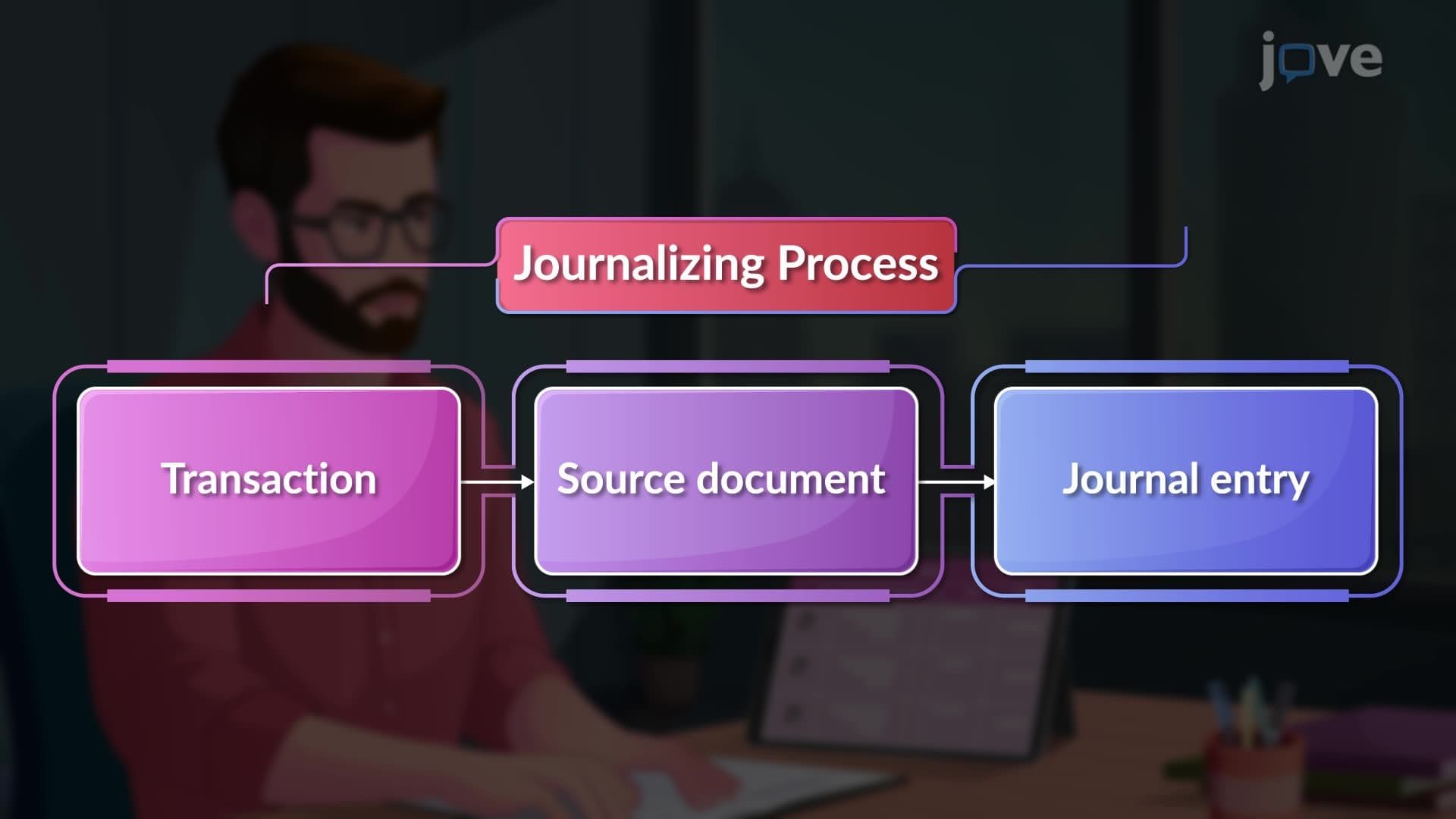
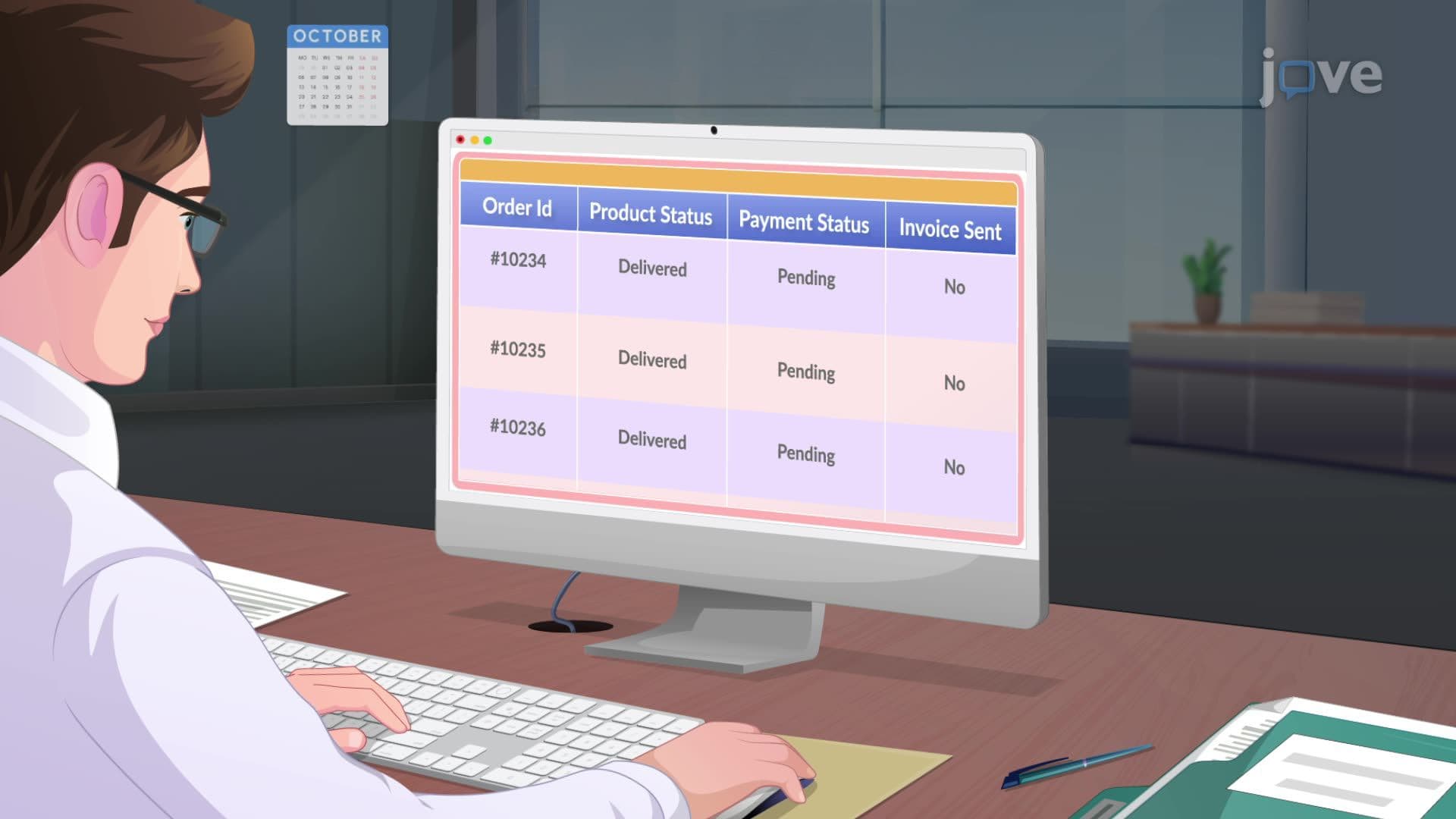
Use a simple accountability framework to connect your team's operational output to the accounting cycle. Map each project milestone or service delivery checkpoint to a corresponding revenue recognition event. This mirrors how journal entries are recorded: once the obligation is fulfilled, the unearned revenue account is debited (reducing the liability) and the revenue account is credited (recognizing earned income).
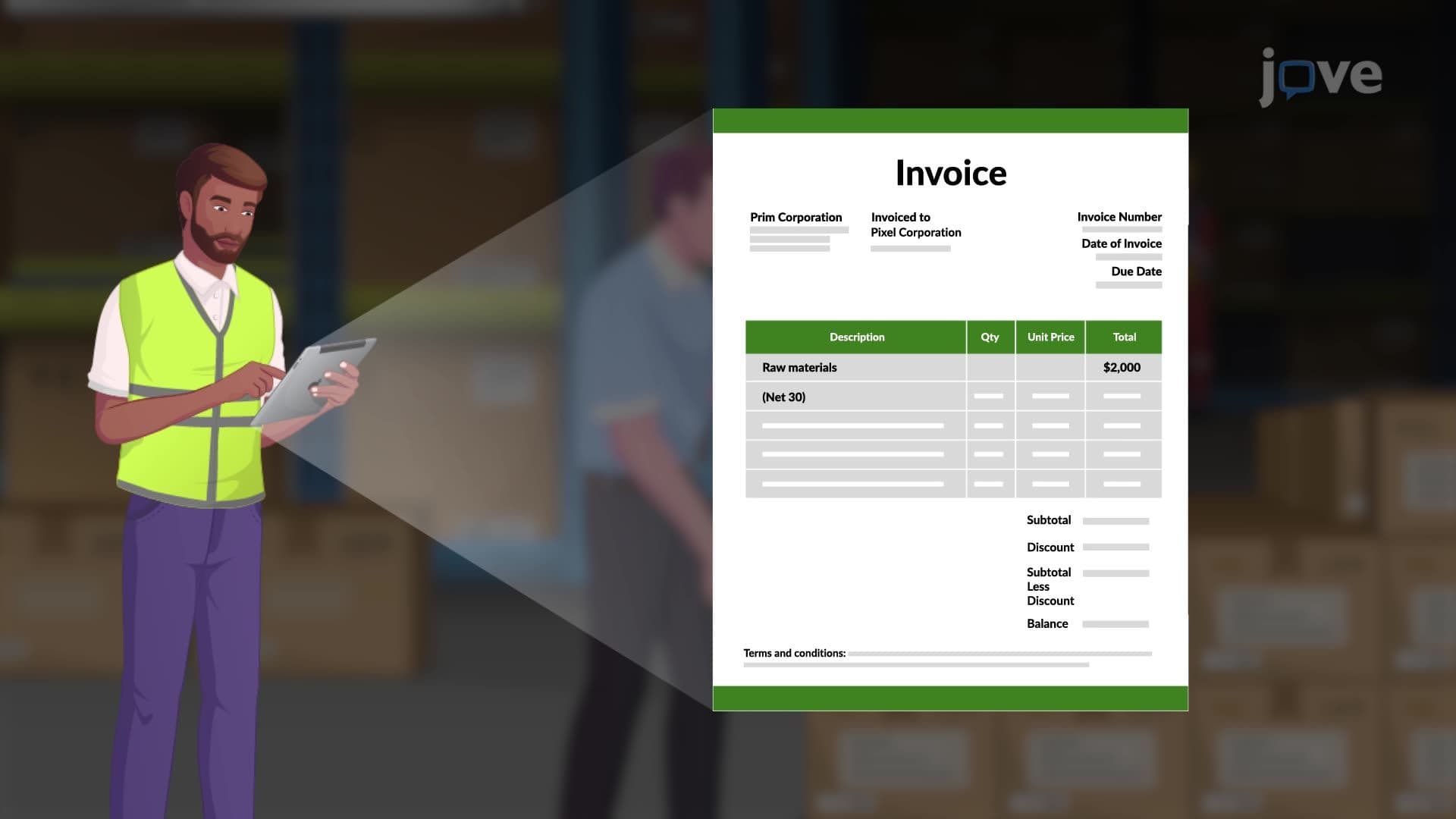
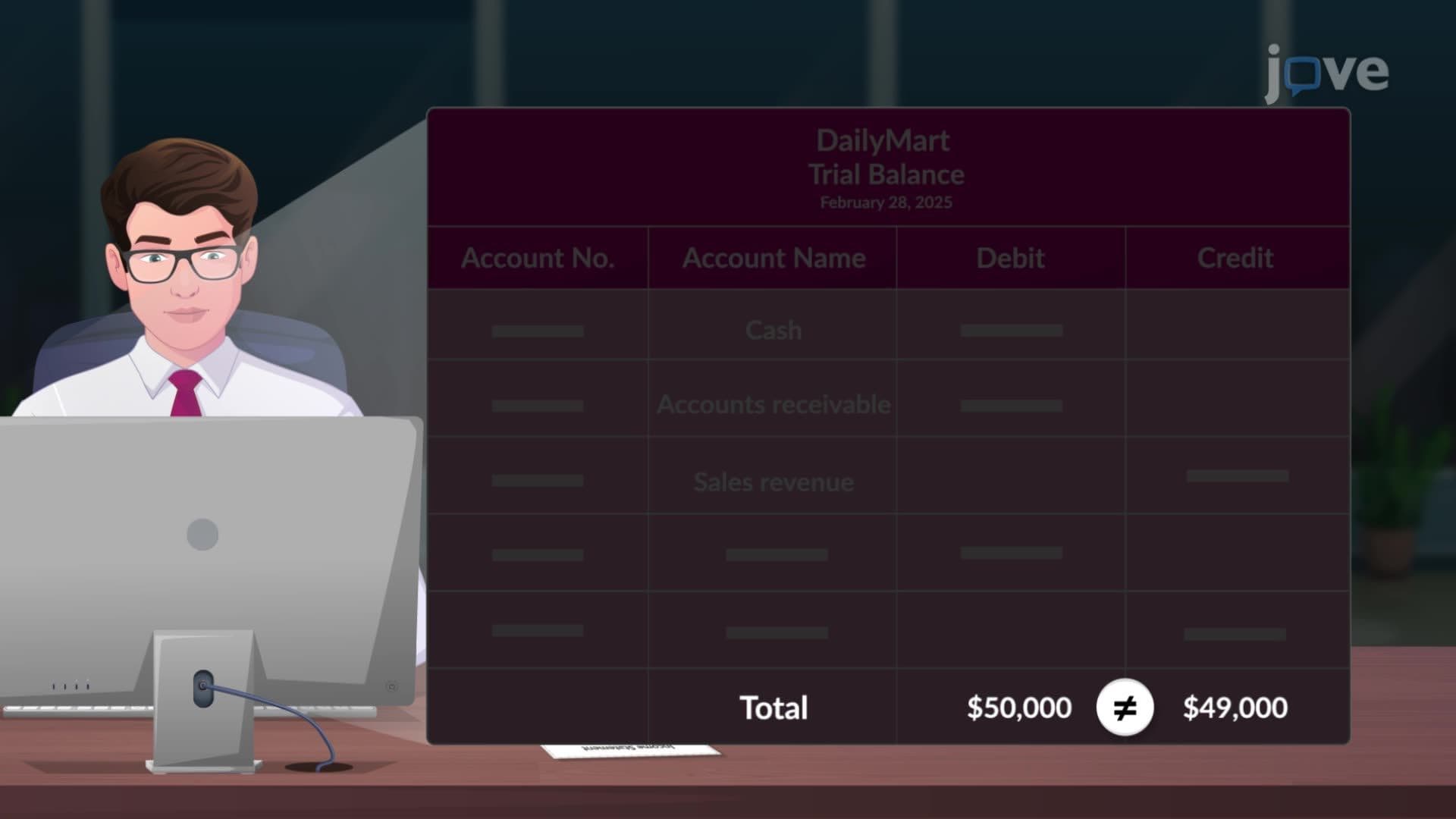
In practice, this means working with your finance partner to identify which of your team's deliverables act as "revenue triggers." Build these into your project tracking, whether you use a RACI matrix to assign delivery ownership or a milestone-based timeline. This gives finance the source documents they need for accurate trial balance preparation, and gives you a defensible position in budget reviews.
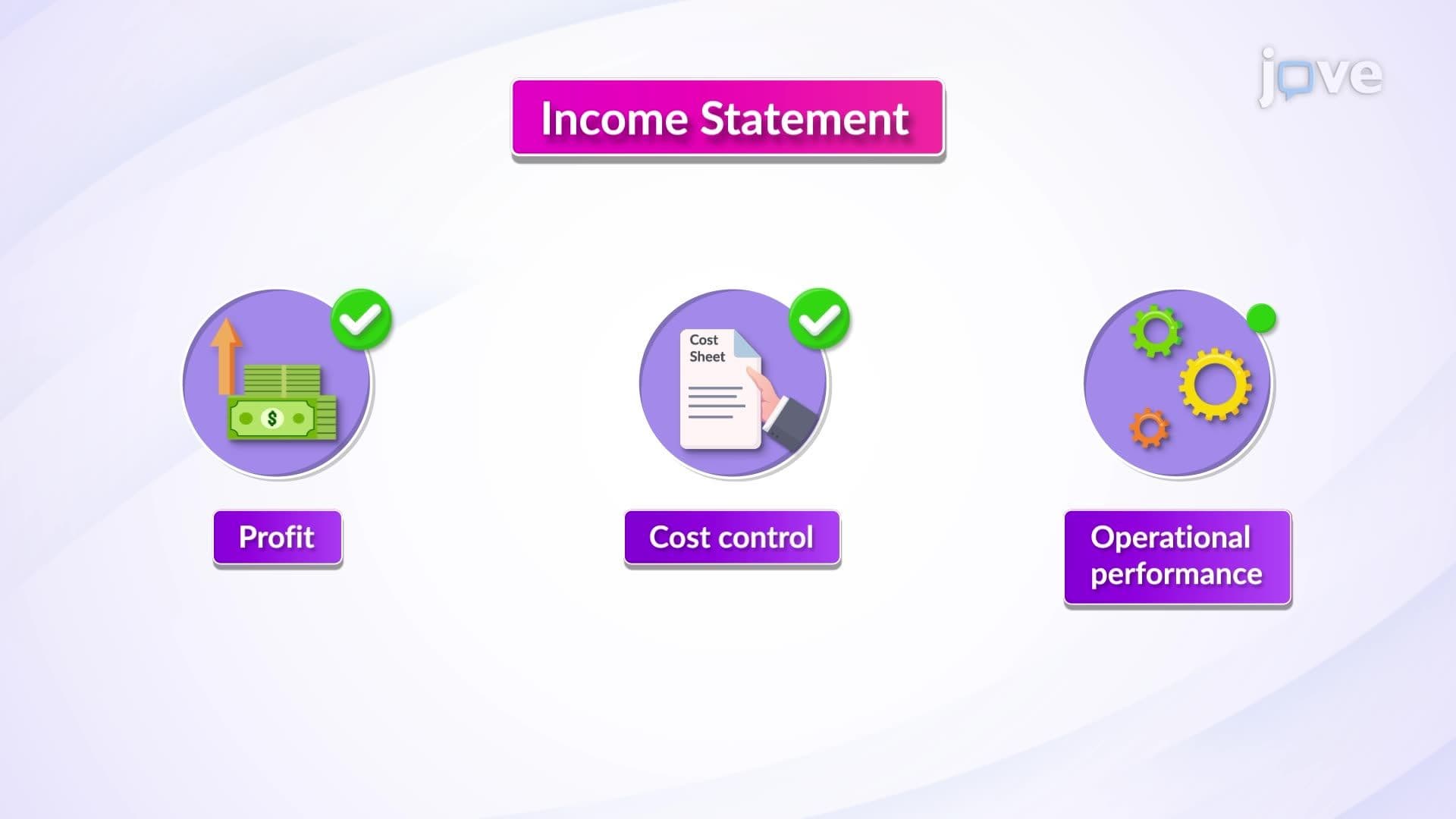
The most frequent leadership error is treating advance payments as a green light for resource expansion. Before approving new headcount, additional tools, or scope increases, confirm with your finance team what portion of received cash is recognized revenue versus unearned. A second common mistake is ignoring the timing mismatch between cash flow reports and income statements, these tell different stories, and both matter. Ask your finance partner to walk you through how unearned revenue balances shift across reporting periods relative to your team's delivery schedule. That single habit will make you a more credible and precise decision-maker at every level of leadership.
Related Micro-courses