Loading video…


 21 Concepts
 7.4K views

Video Summary: Account Explained
Account basics are foundational to every financial conversation a manager will face, from budget reviews to resource justifications. Understanding what an account is and how the five core account types work helps you read financial reports with confidence, not confusion. Account Explained breaks down how transactions are classified, tracked, and balanced across your organization's books. Watch the full video on JoVE Coach to master this concept with expert-led visuals and step-by-step explanations.
Picture this: your finance partner sends over a monthly report and asks you to review your department's cost accounts before Thursday's leadership meeting. You open the spreadsheet and freeze. The columns reference liability line items, equity adjustments, and expense classifications you can't immediately decode. You nod through the meeting, but leave without the clarity you needed. This situation plays out in organizations across industries, at every level of management, and it's entirely preventable.
Most managers develop strong functional expertise, in operations, sales, product, or people, but receive little structured exposure to how financial accounts actually work. The result is a confidence gap that shows up in budget meetings, headcount conversations, and quarterly reviews. The core issue isn't intelligence; it's unfamiliarity with the structure. Financial accounts are not arbitrary, they are a deliberate classification system designed to make every transaction traceable, comparable, and auditable. Once you understand the logic, the language becomes far less intimidating.
The accounting system organizes all financial activity into five account categories. Think of them as five distinct filing systems, each answering a different business question:
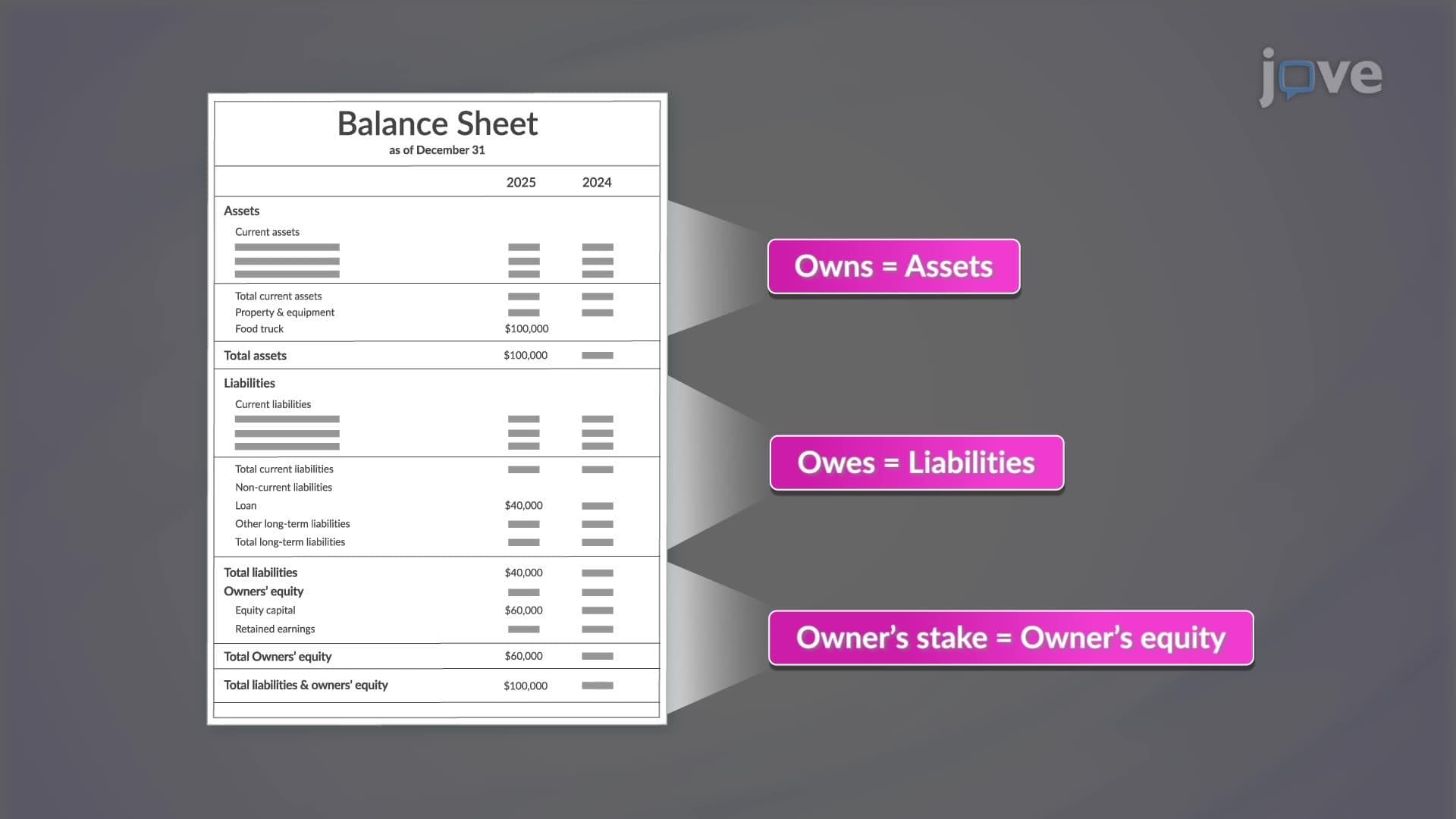
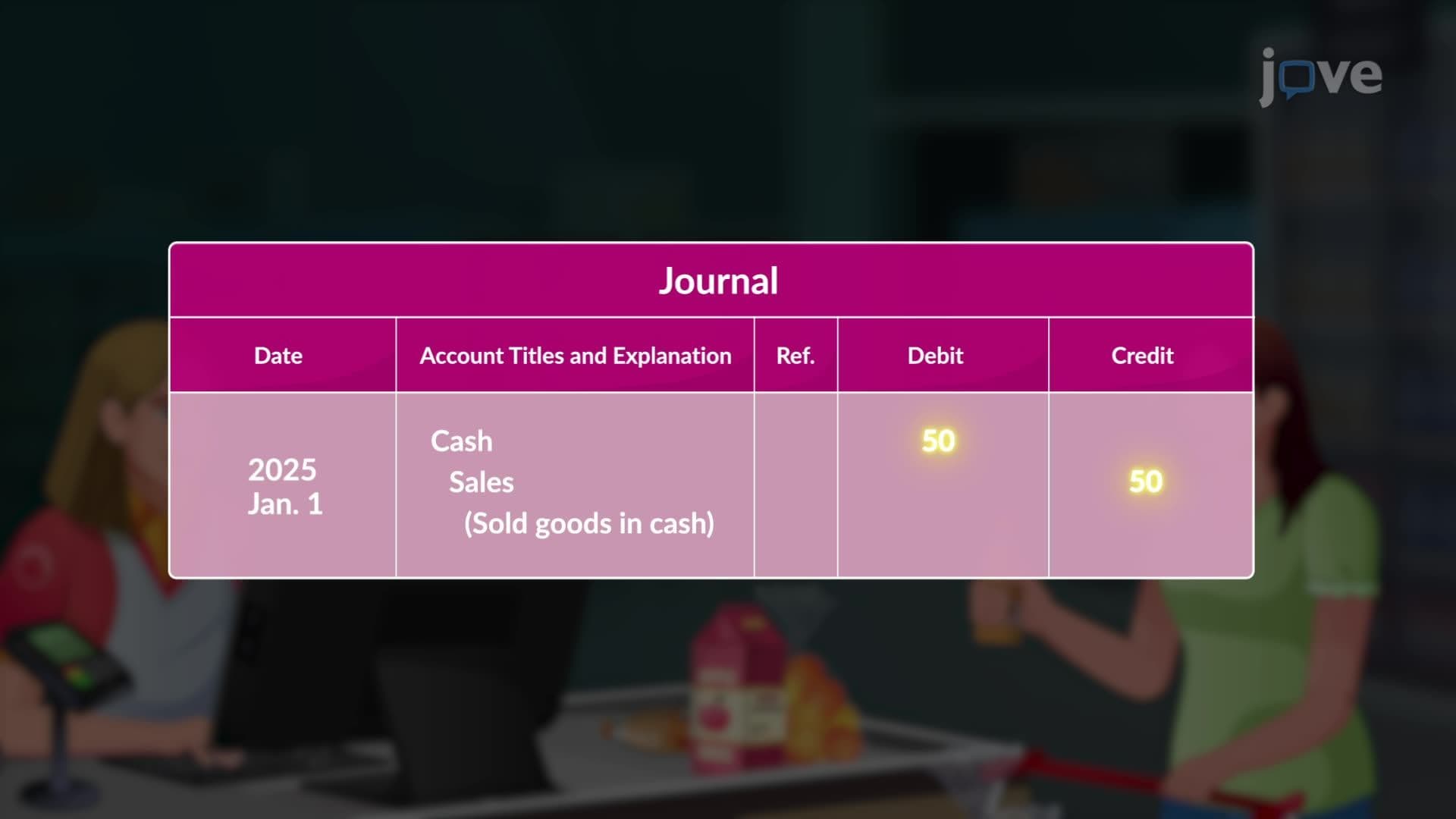
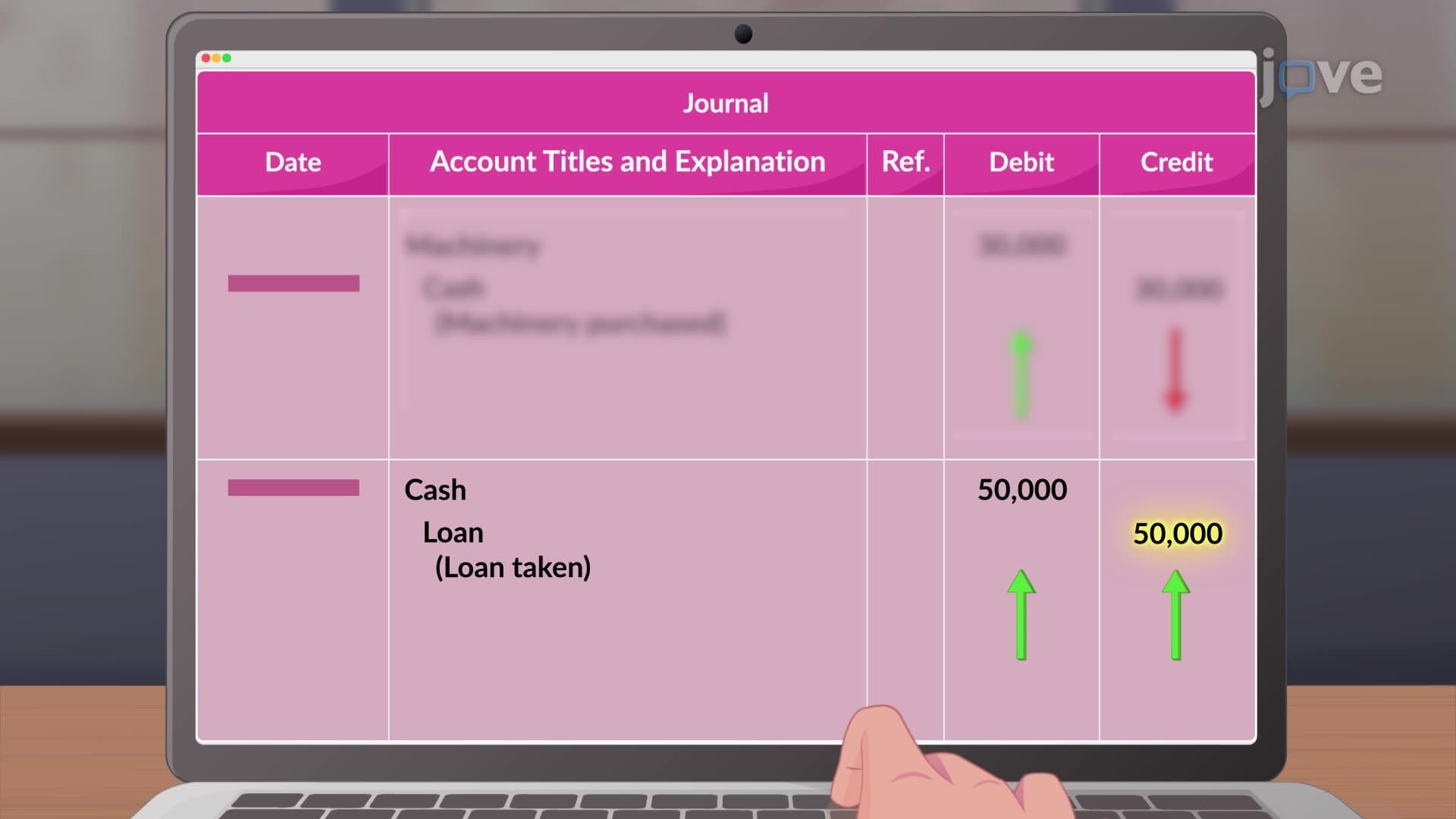
This five-part structure underpins the foundational accounting equation: Assets = Liabilities + Equity. Every transaction in the organization, every purchase order your team approves, every invoice your department generates, affects at least two of these accounts simultaneously. This is the double-entry accounting principle, and it exists precisely to keep the books balanced and auditable.
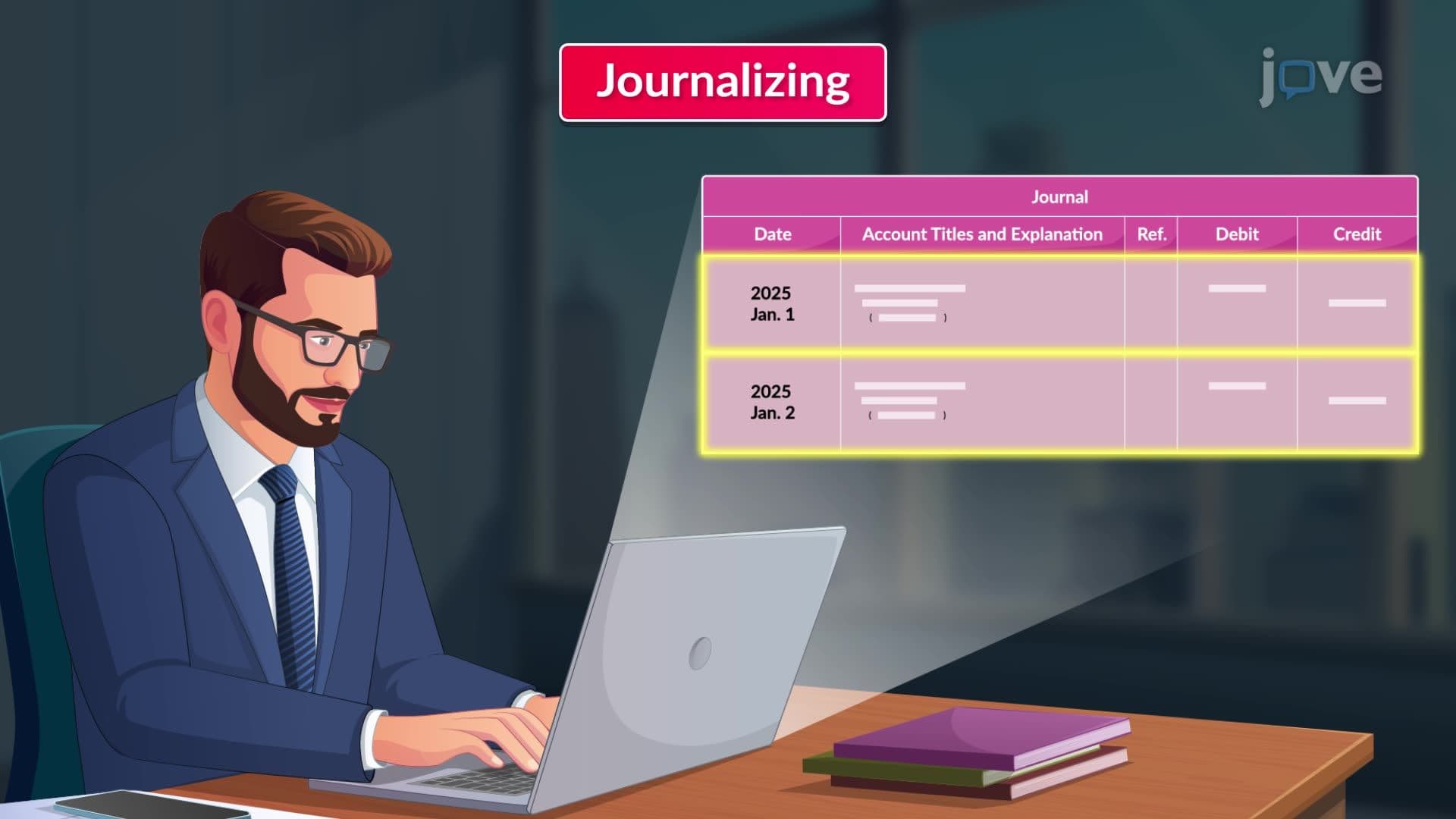
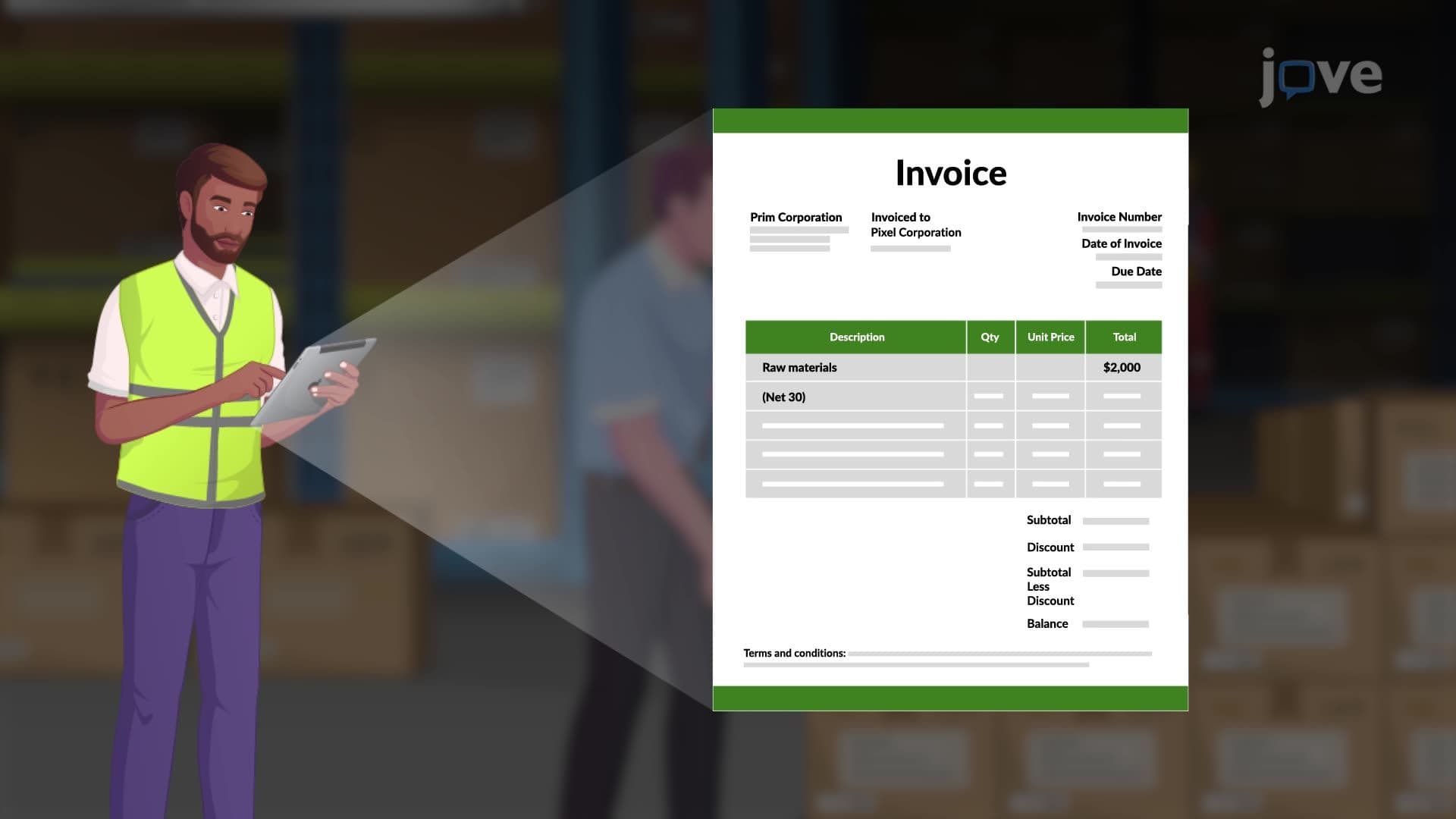
As a manager, you don't need to prepare journal entries or run trial balance reports, but you do need to know which accounts your decisions touch. A practical approach is to map your team's key activities to account categories before any financial review. For example: a new hire affects your expense accounts (salary, benefits) and potentially your asset accounts (equipment, software licenses). A delayed client payment affects revenue recognition. A lease renewal touches liabilities.
Use a simple RACI-style framework to clarify who owns financial accountability across your team: who is Responsible for logging expenses accurately, who is Accountable for staying within budget, and who needs to be Consulted before a spending decision hits the general ledger. This connects daily decisions to their downstream financial impact, and signals to senior leadership that you manage resources with intention.
The most common mistake is treating financial accounts as finance's problem alone. When managers disengage from account-level thinking, they lose visibility into cost trends, miss early warning signs of budget overruns, and struggle to build credible business cases. A second mistake is conflating cash flow with profit, revenue accounts track income earned, not necessarily cash received, which is a distinction that derails many headcount and investment conversations. Understanding account basics closes these gaps and positions you as a manager who leads with financial intelligence, not just functional expertise.
Related Micro-courses