Loading video…

 21 Concepts
 7.4K views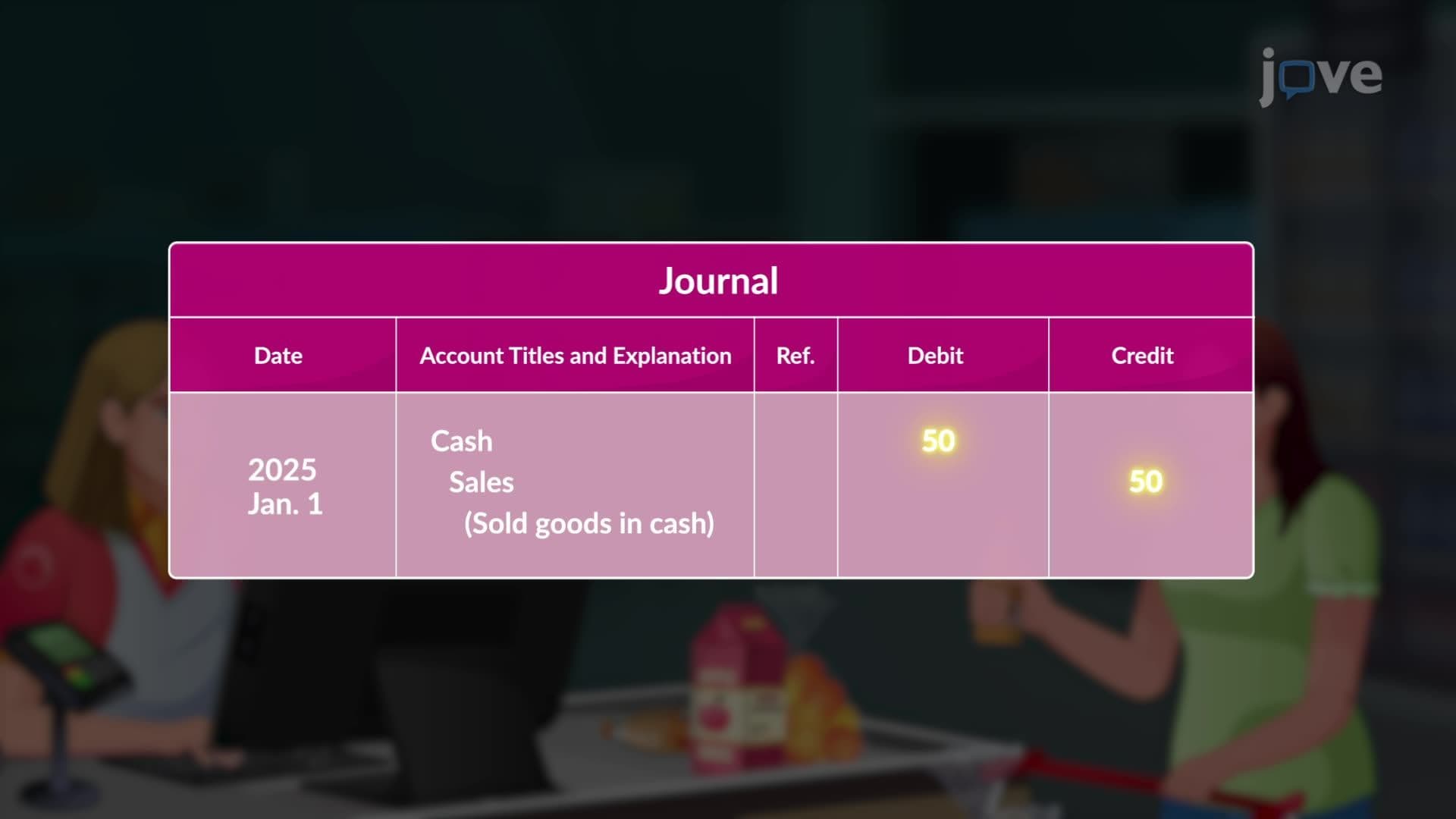

Video Summary: Debit and Credit Explained
Debit and credit basics trip up even experienced managers who suddenly own a budget or must interpret financial reports without an accounting background. Understanding debit and credit, and how every transaction affects your organization's financial position, is a non-negotiable skill when leading teams with cost accountability. Sharper financial literacy means faster, more confident decisions. Watch the full video on JoVE Coach to master this concept with expert-led visuals and step-by-step explanations.
Picture this: you've just been handed ownership of a departmental budget mid-year. Your finance partner sends over a general ledger extract, and you're expected to review it before a leadership meeting. You see columns of debits and credits, and while the numbers are there, the logic behind them isn't immediately clear. This is one of the most common moments where managers lose confidence in financial conversations, not because they lack intelligence, but because no one ever explained the underlying mechanics in a practical context.
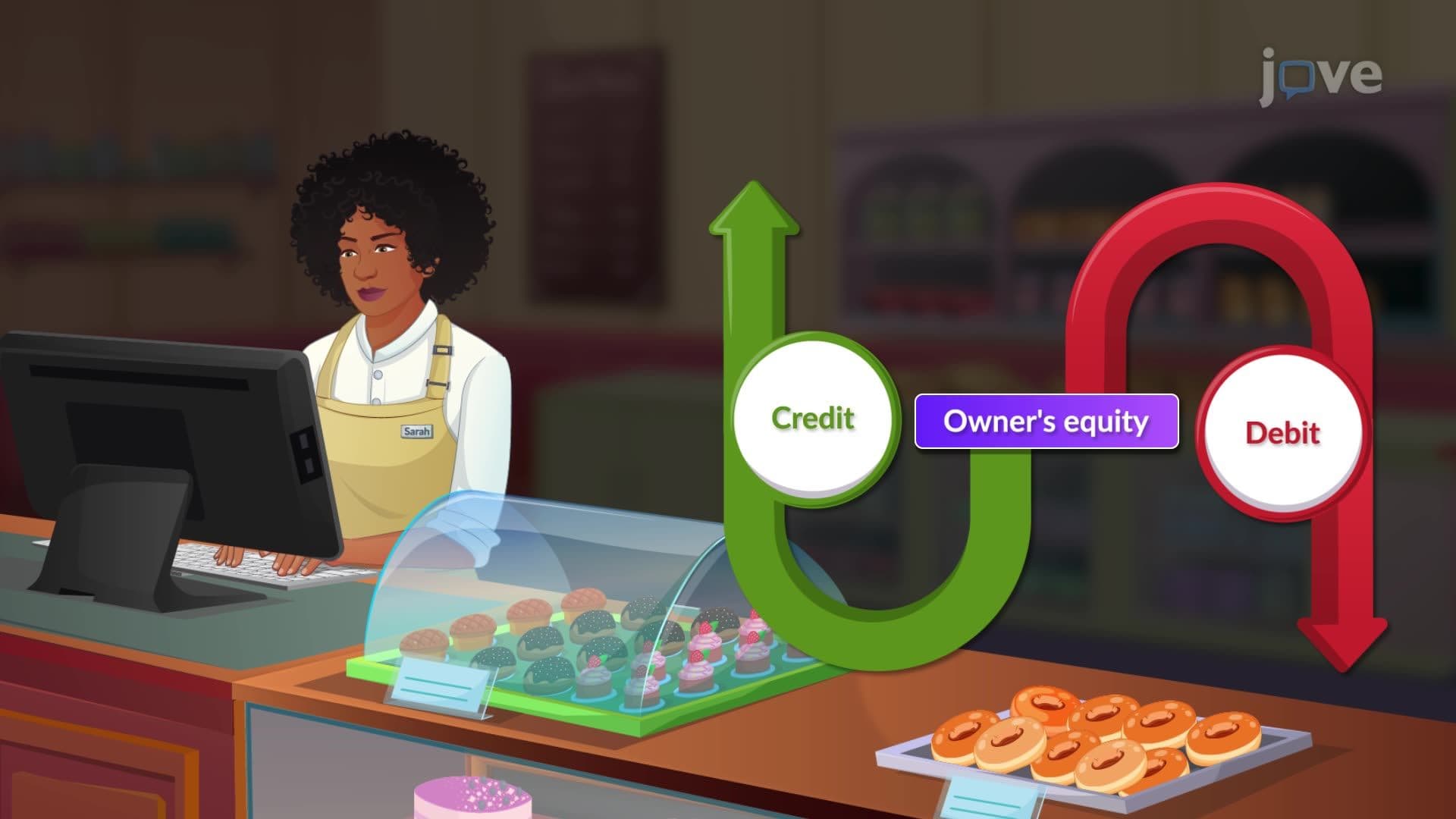
The confusion around debits and credits isn't about math, it's about mental framing. Most people encounter these terms through personal banking, where a "credit" to your account means money coming in. In accounting, the same word behaves differently depending on the account type. Assets and expenses increase with a debit. Liabilities, revenue, and equity increase with a credit. That flip in logic is precisely where managers lose the thread. Without a correct mental model, reading a financial report becomes guesswork.
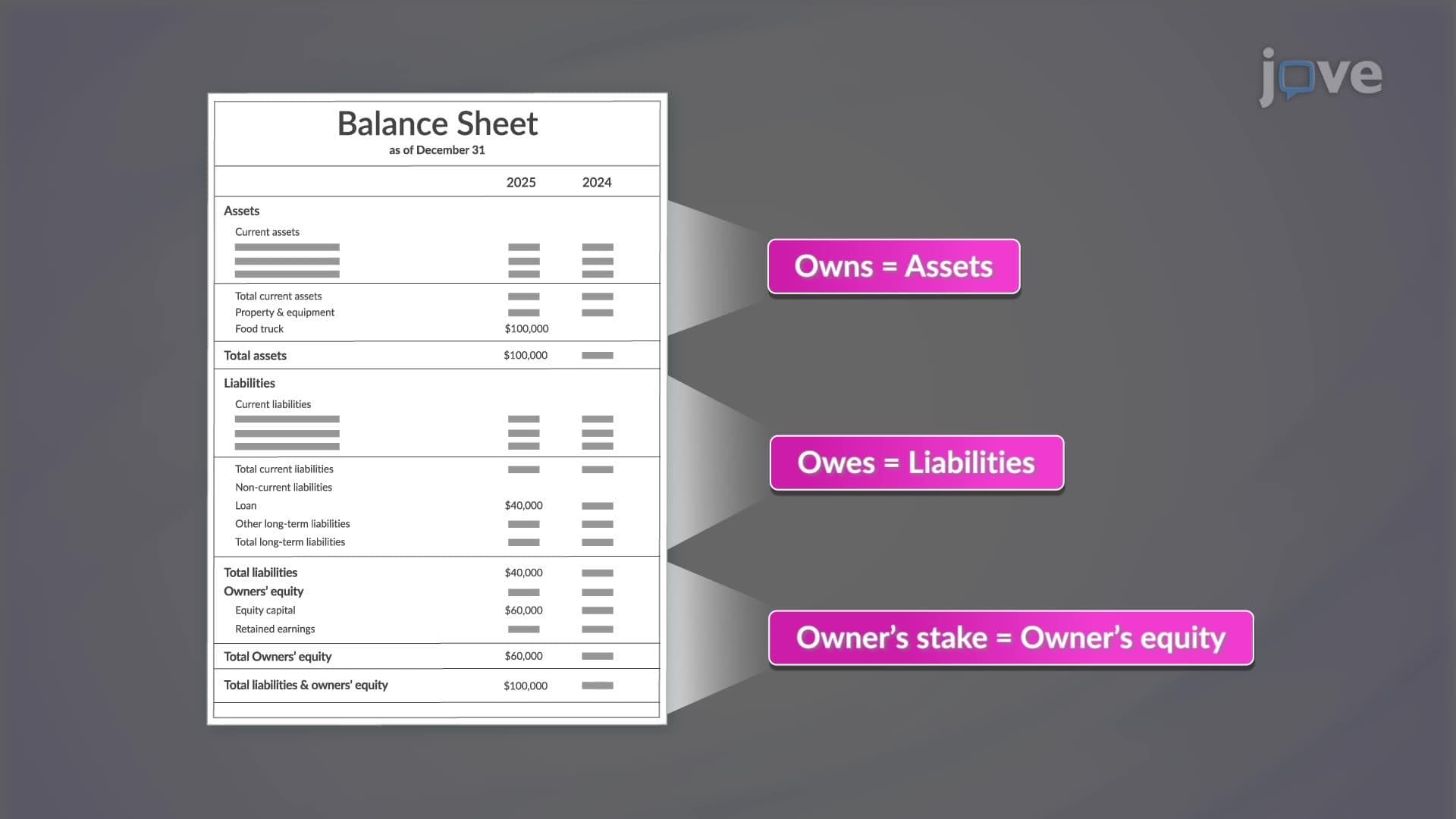
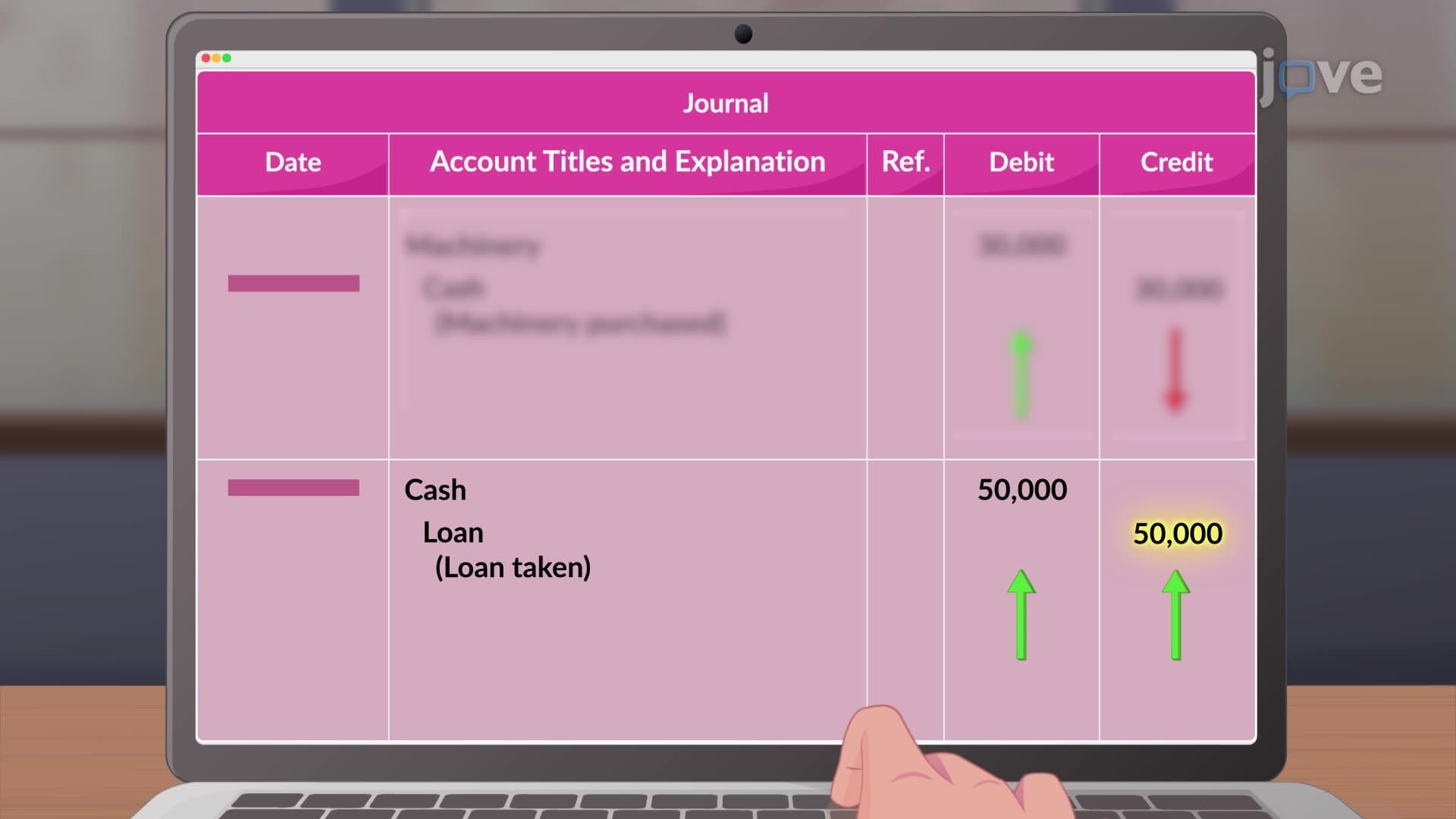
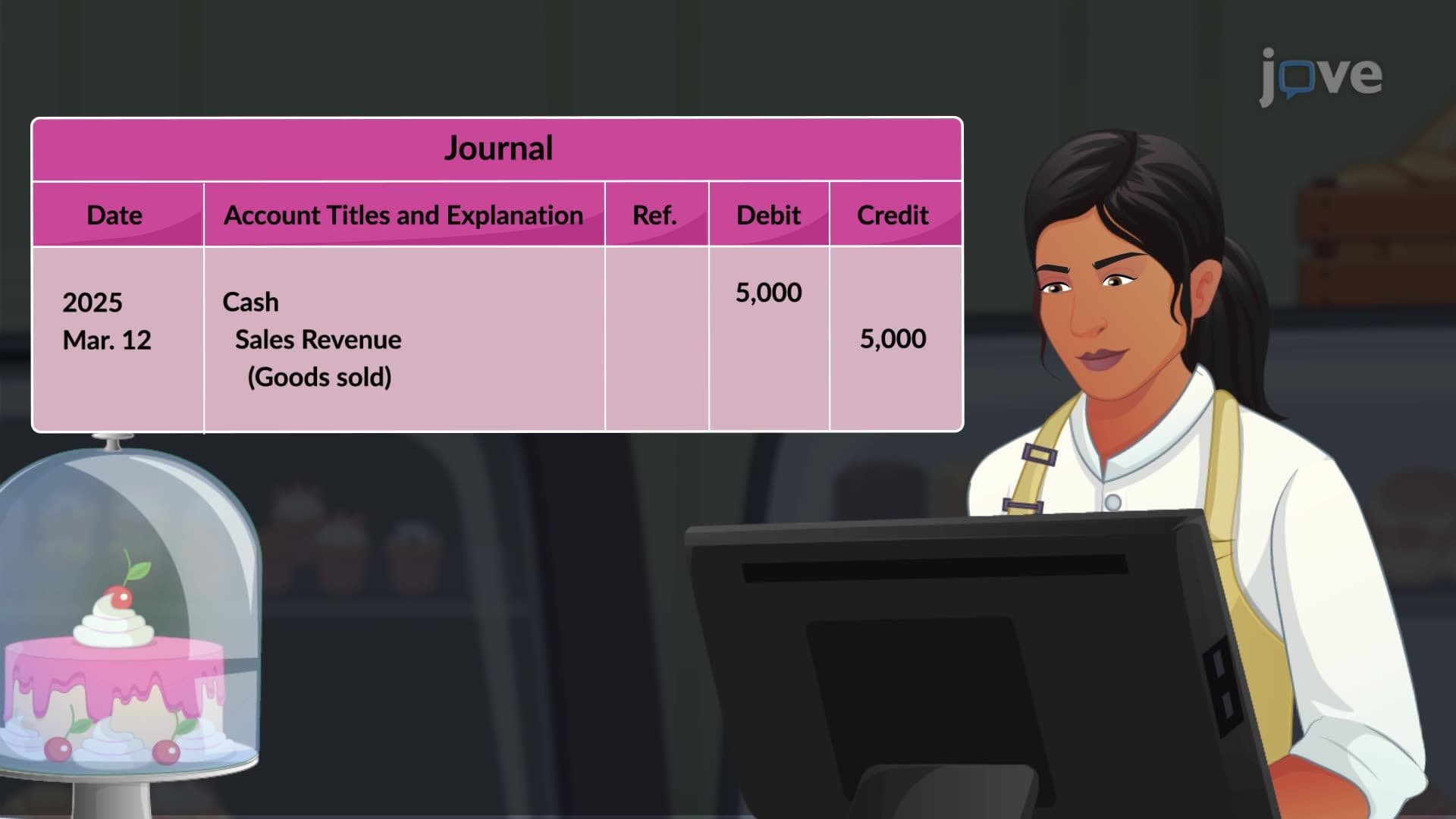
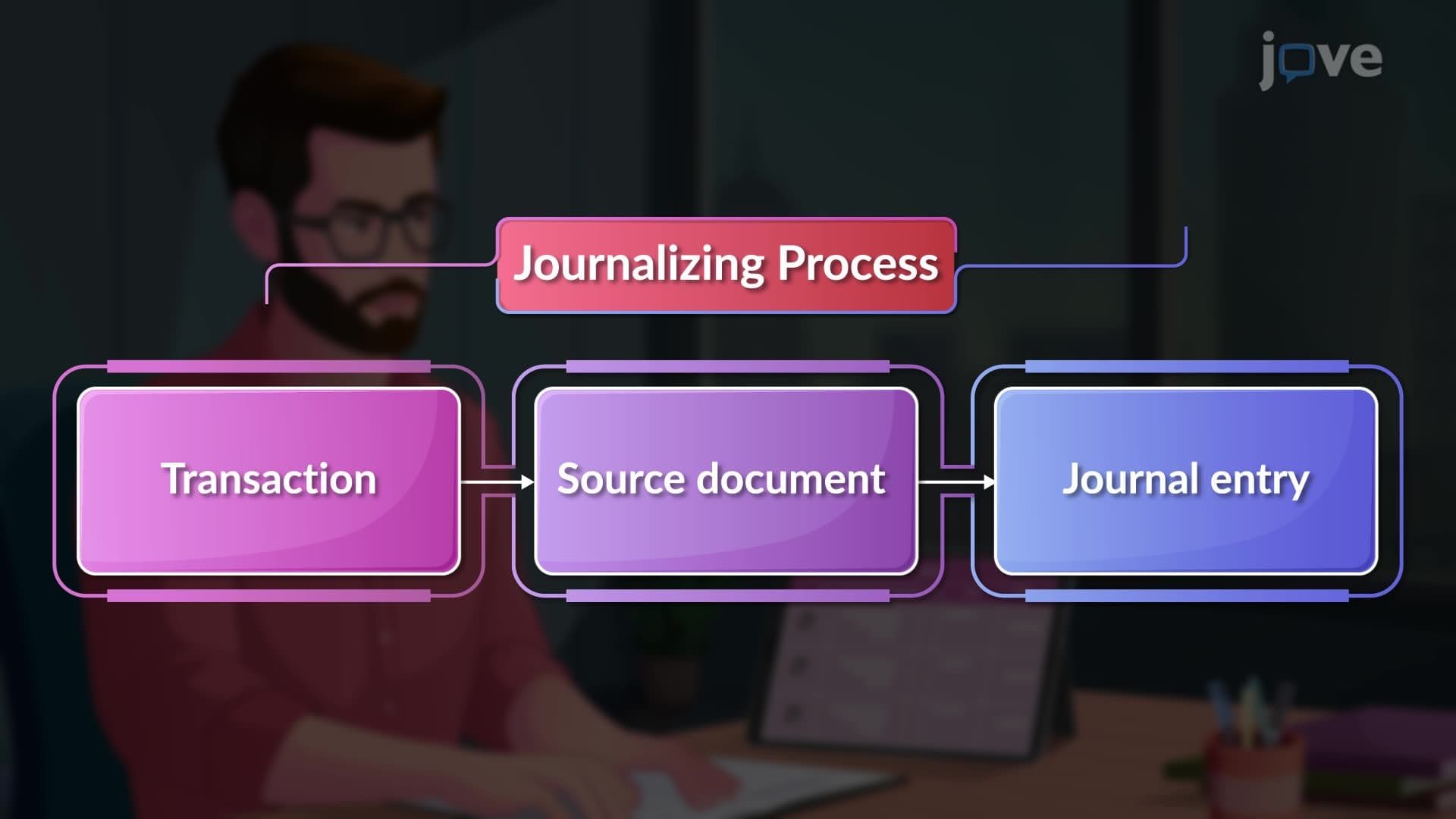
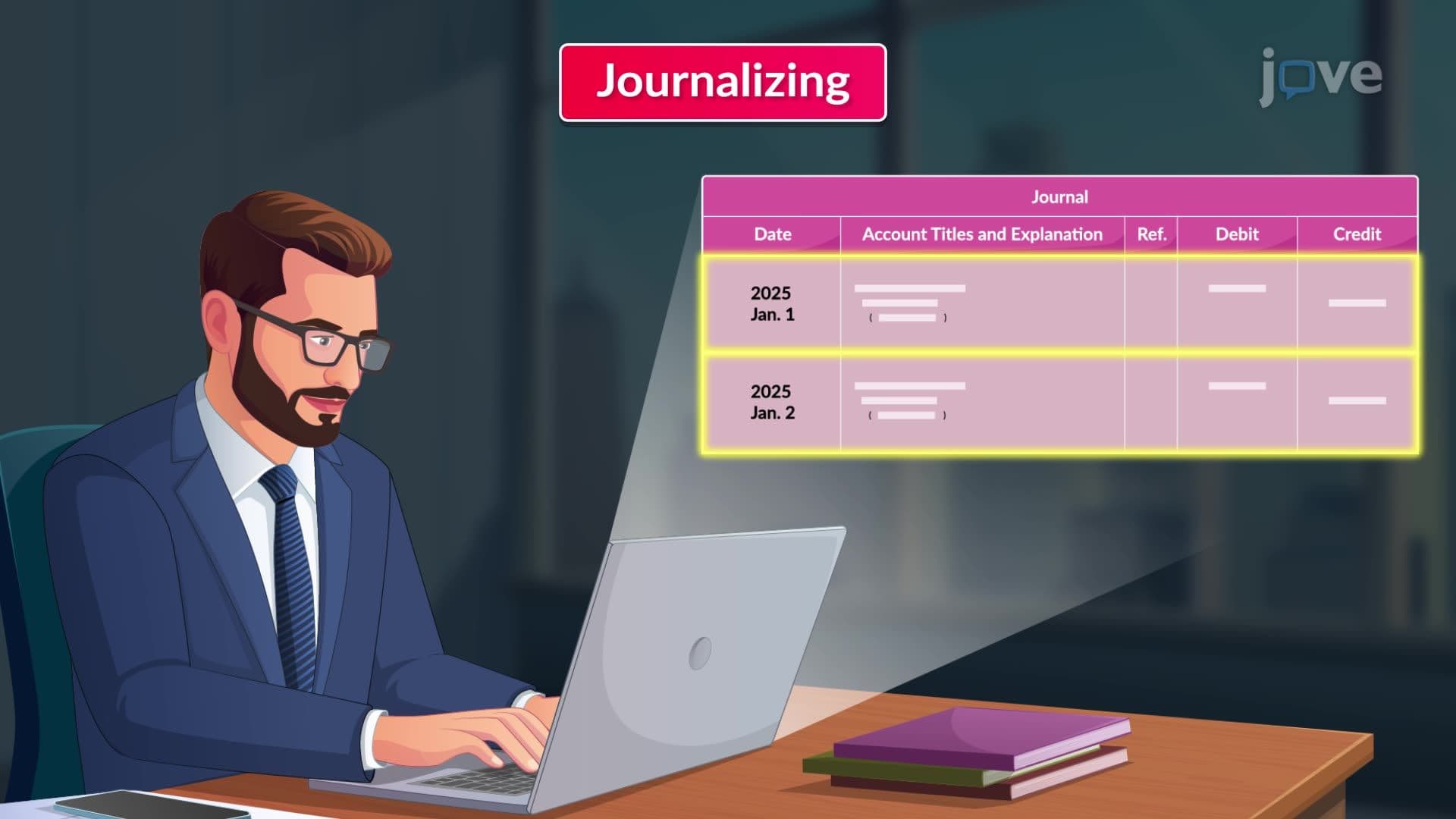
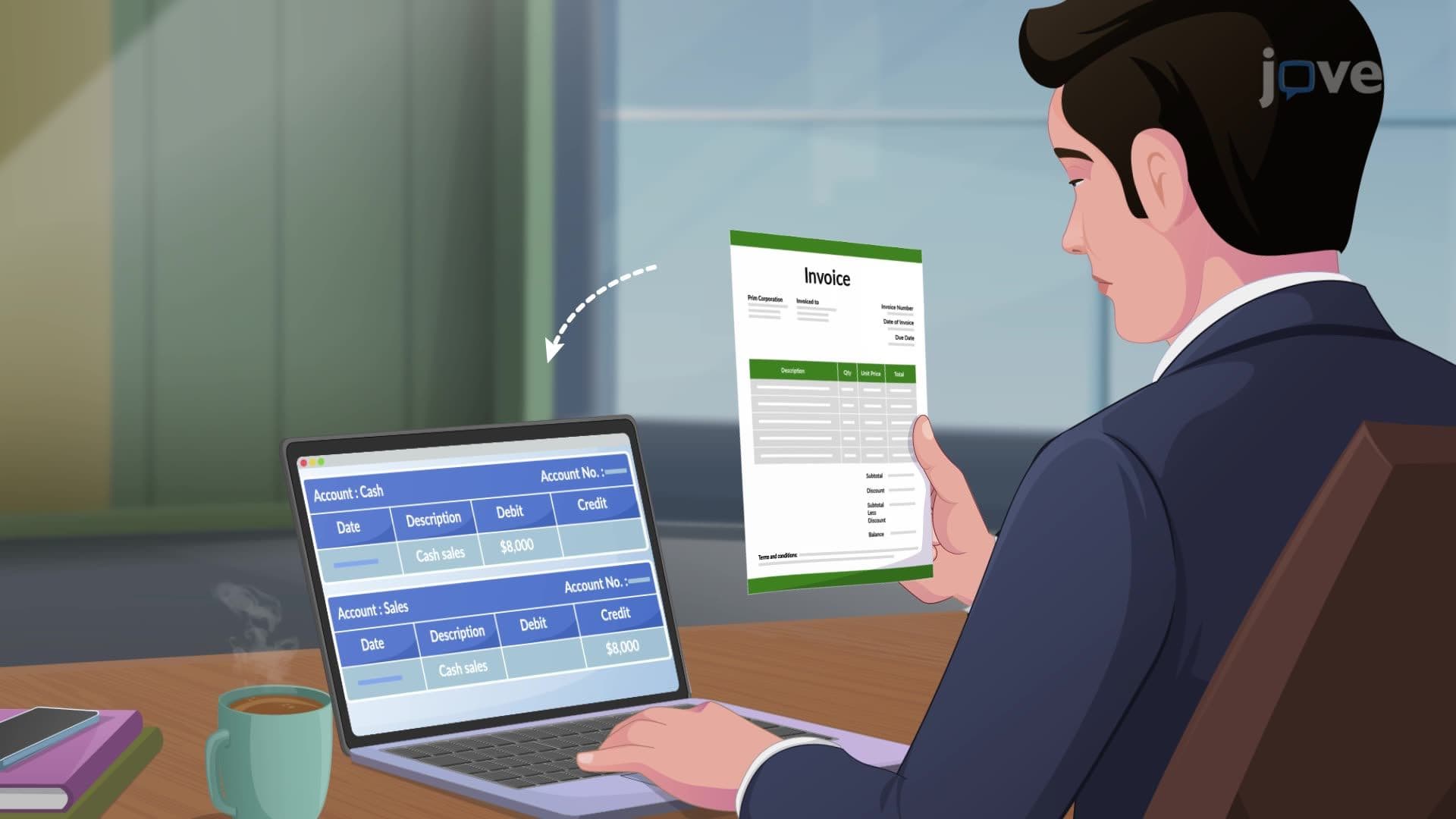
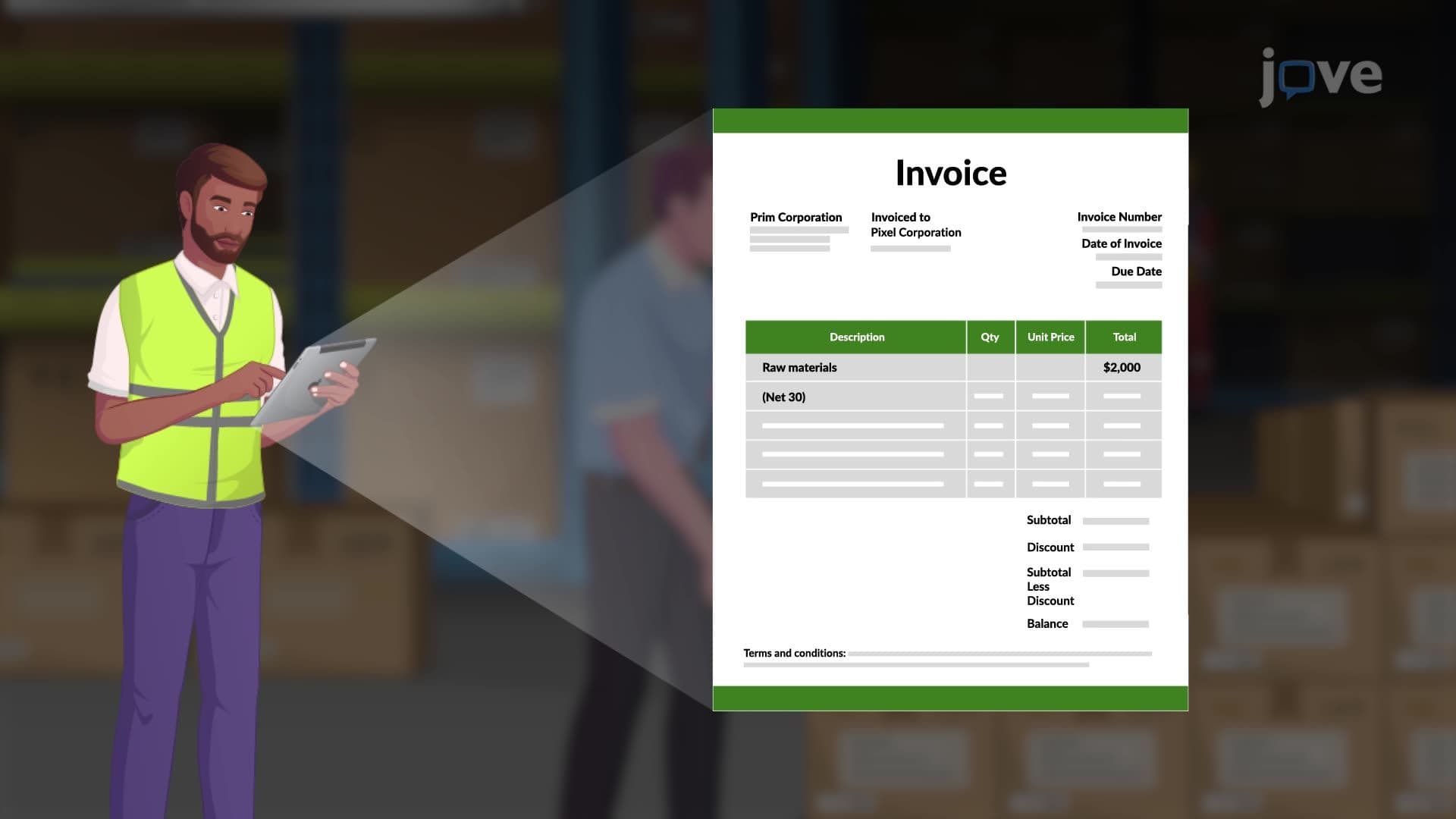
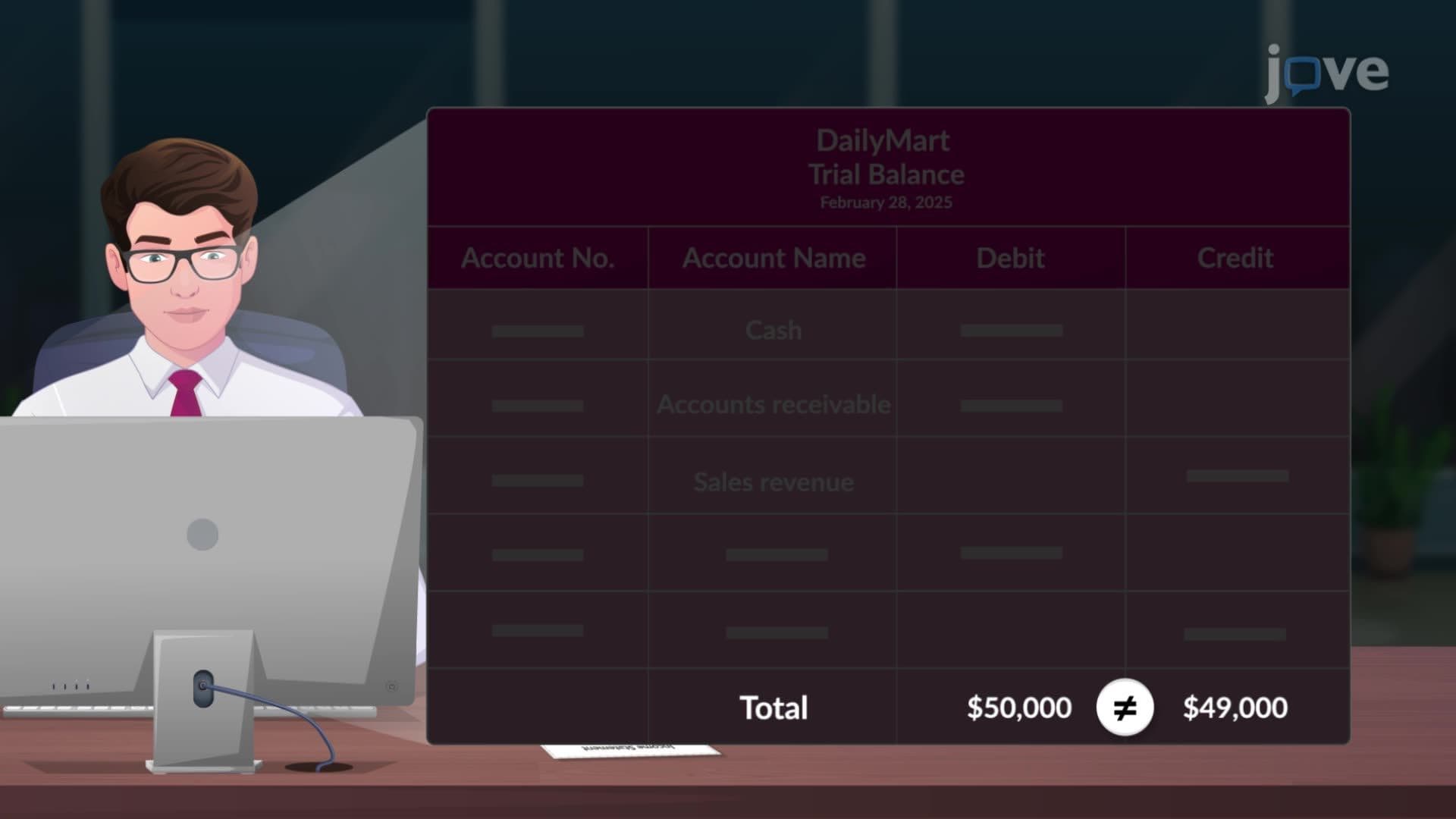
The foundation of double-entry accounting is simple: Assets = Liabilities + Equity. Every transaction you approve, a team purchase, a vendor invoice, a reimbursement, touches at least two accounts simultaneously, always keeping this equation in balance. Think of it as a cause-and-effect structure. When your team buys equipment (an asset increases via debit), the company either spends cash (another asset decreases via credit) or takes on a payable (a liability increases via credit). Neither side of the transaction disappears. This dual recording is what makes the accounting cycle reliable and auditable, from source documents right through to trial balance preparation.
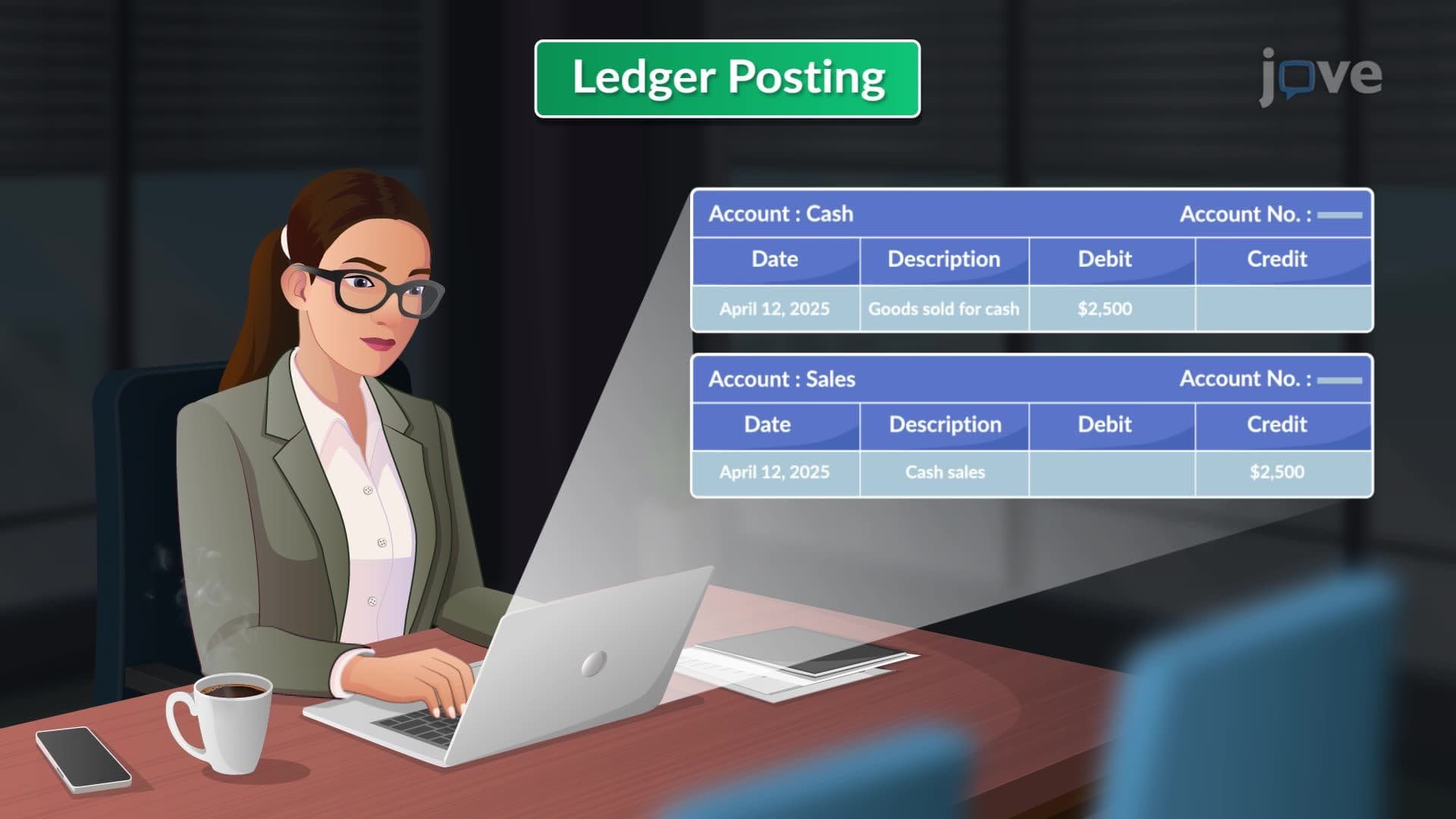
A practical framework to apply here is the T-Account Model: visualize every account as a T-shape with debits on the left and credits on the right. Before approving or reviewing any financial entry, ask: which accounts are affected, and which side do they sit on? This single habit dramatically reduces errors in budget reporting.
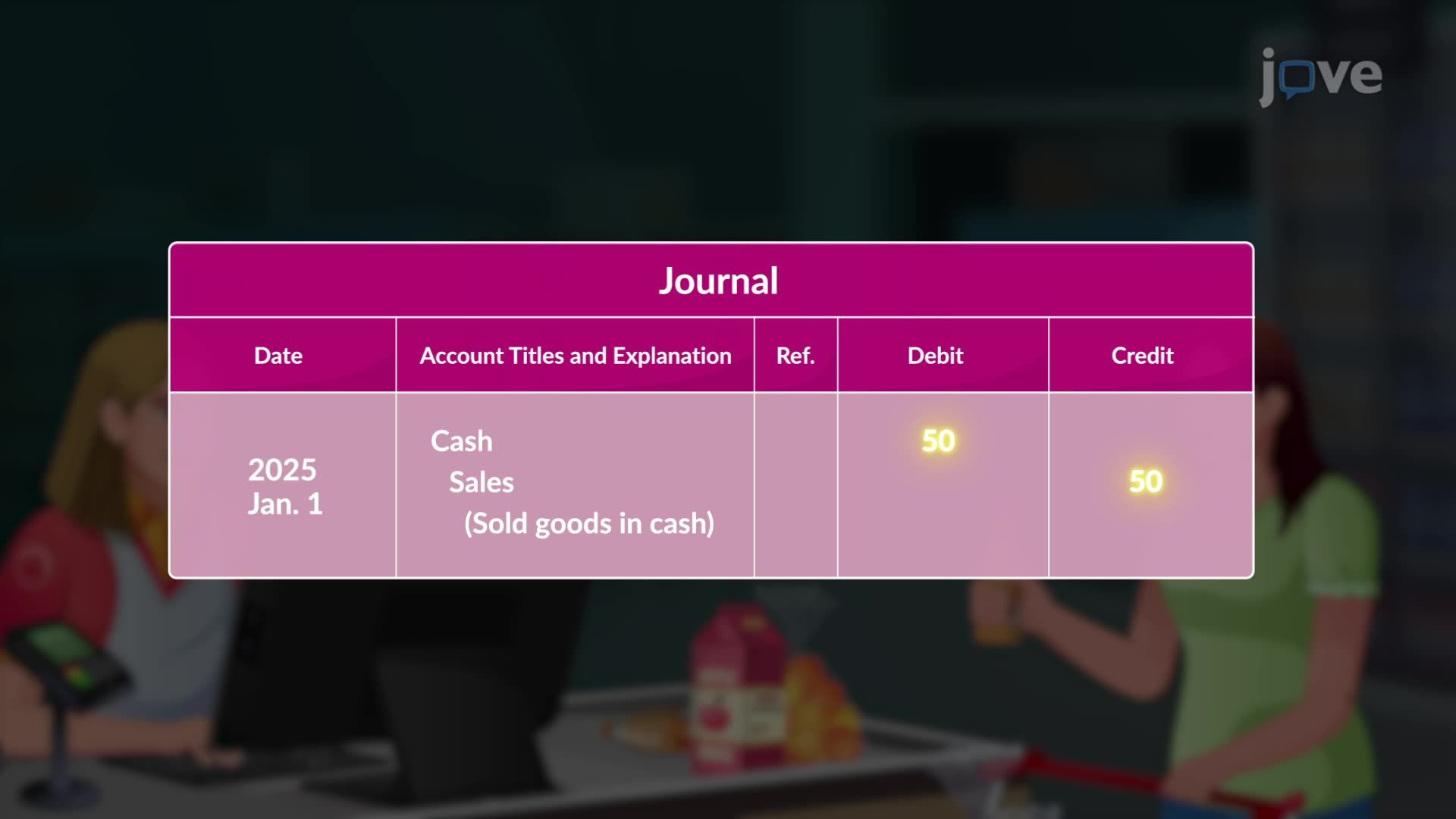
When reviewing expense reports or budget summaries with your finance team, stop treating the numbers as a black box. Ask your finance partner to walk through one sample journal entry with you, ideally one tied to a recent team expense. Identify the debit account, the credit account, and confirm they balance. This isn't micromanaging finance; it's building the financial literacy to ask better questions and catch anomalies early.
When onboarding a new team member with budget responsibility, share this principle upfront: every financial action has two sides. Train them to think in terms of what goes up and what goes down with each transaction, referencing the account type. Teams that understand this basic accounting logic submit cleaner expense documentation, generate fewer correction cycles, and build stronger working relationships with finance departments.
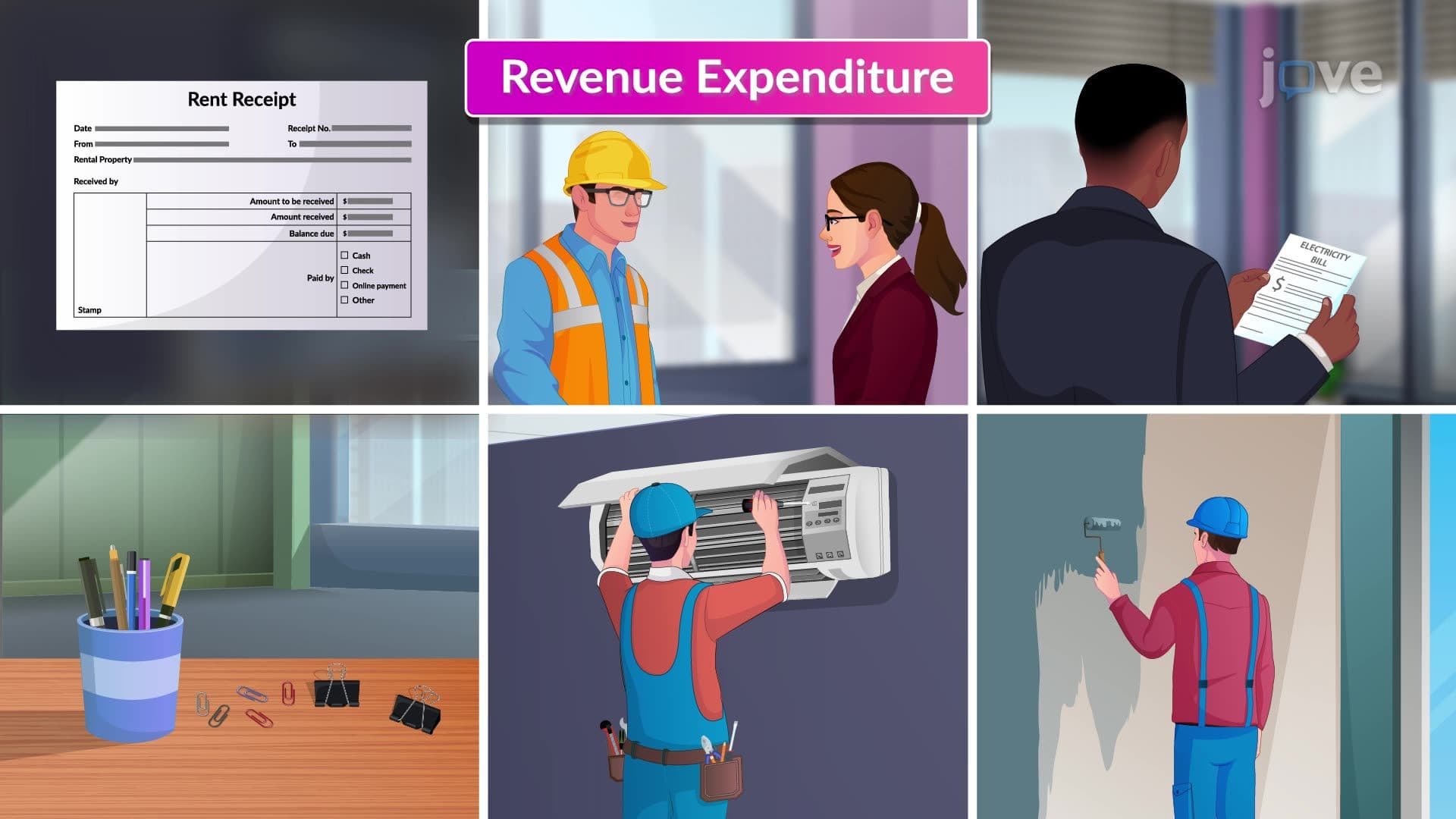
The most frequent managerial mistake is assuming a debit is always "bad" and a credit is always "good", a bias carried over from personal banking. In reality, debiting an expense account is the correct and expected recording for any legitimate business cost. A second common error is treating journal entries as a finance-only concern. In organizations where managers hold budget authority, understanding how their decisions translate into accounting entries is part of responsible leadership. Ignoring this creates gaps in financial oversight and erodes trust with senior stakeholders.
Related Micro-courses