Loading video…

 21 Concepts
 7.4K views

Video Summary: Journalizing Explained
Journalizing basics matter more than most managers realize, especially when financial accountability falls on your desk and your team's records don't hold up under scrutiny. Understanding journalizing, the chronological recording of business transactions, helps you catch errors before they become costly problems. Strong records mean stronger decisions. Watch the full video on JoVE Coach to master this concept with expert-led visuals and step-by-step explanations.
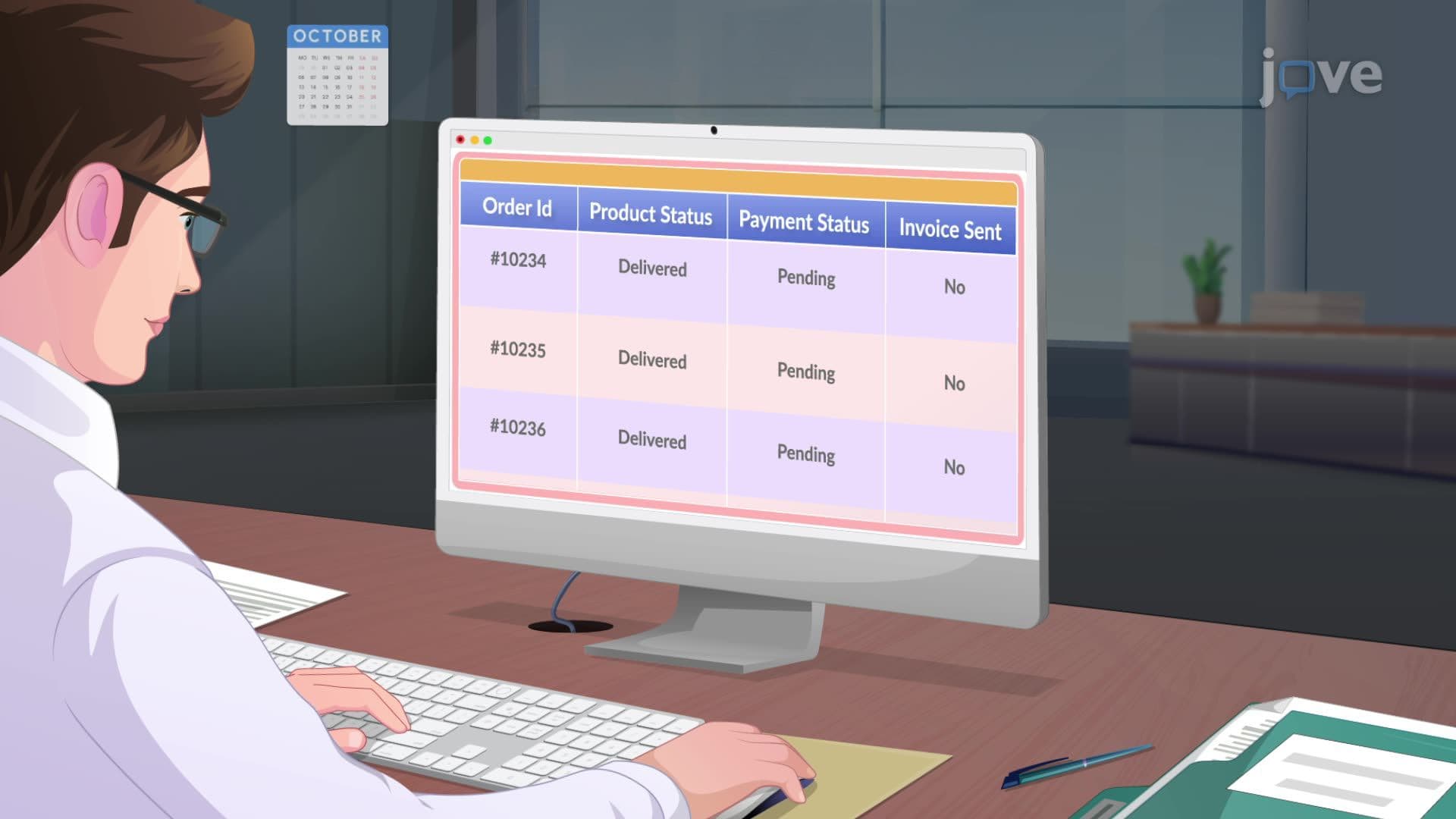
Picture this: a mid-level manager is reviewing monthly financials before a leadership meeting and notices that a five-hundred-dollar equipment purchase looks different across two reports. The discrepancy traces back to a journal entry that was recorded without a corresponding source document, and the debit and credit entries don't balance. It's a small error with significant consequences: delayed reporting, a finance team scrambling for answers, and a manager who loses credibility in the room. This is exactly the kind of problem that solid journalizing practices prevent.
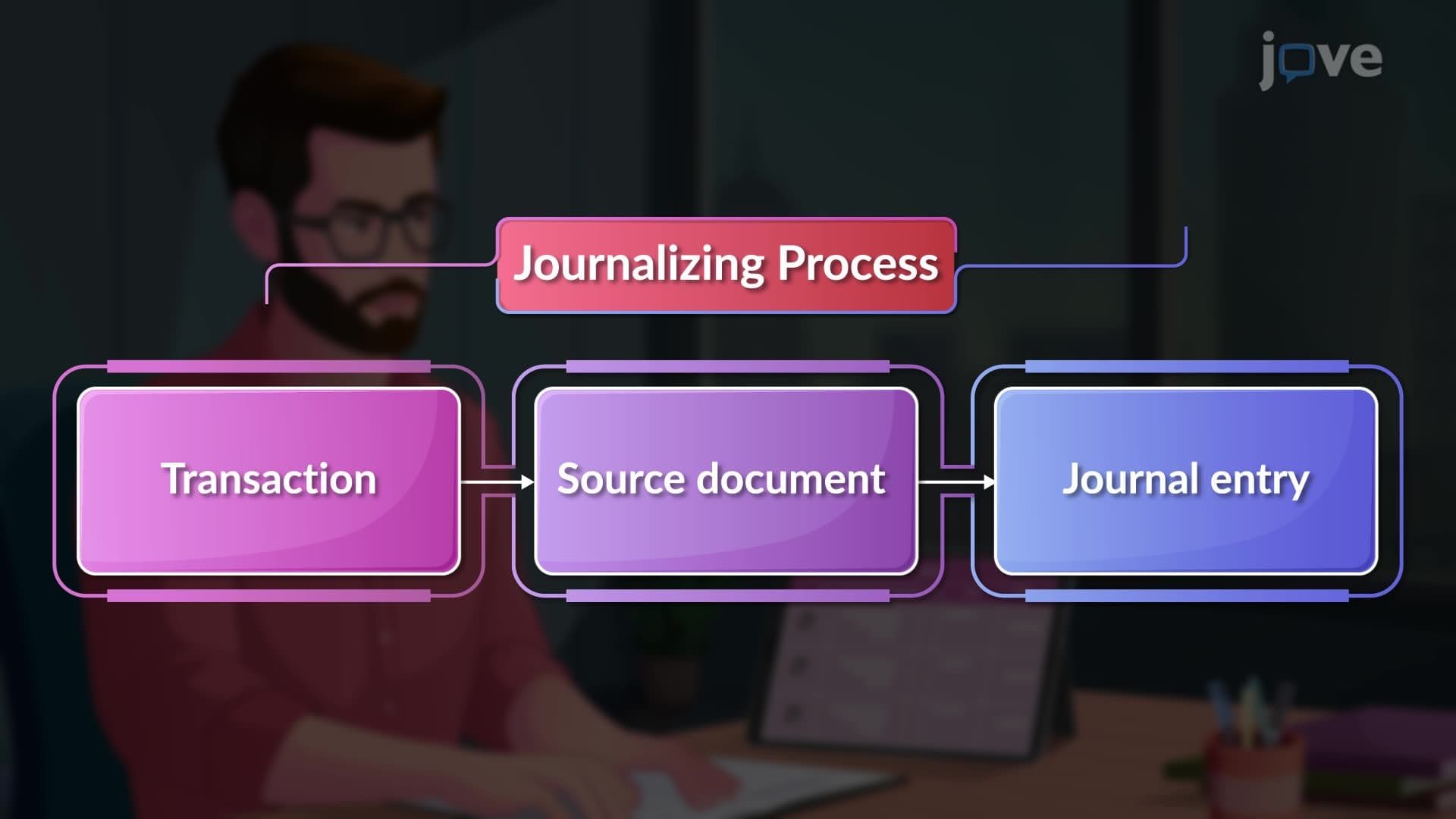
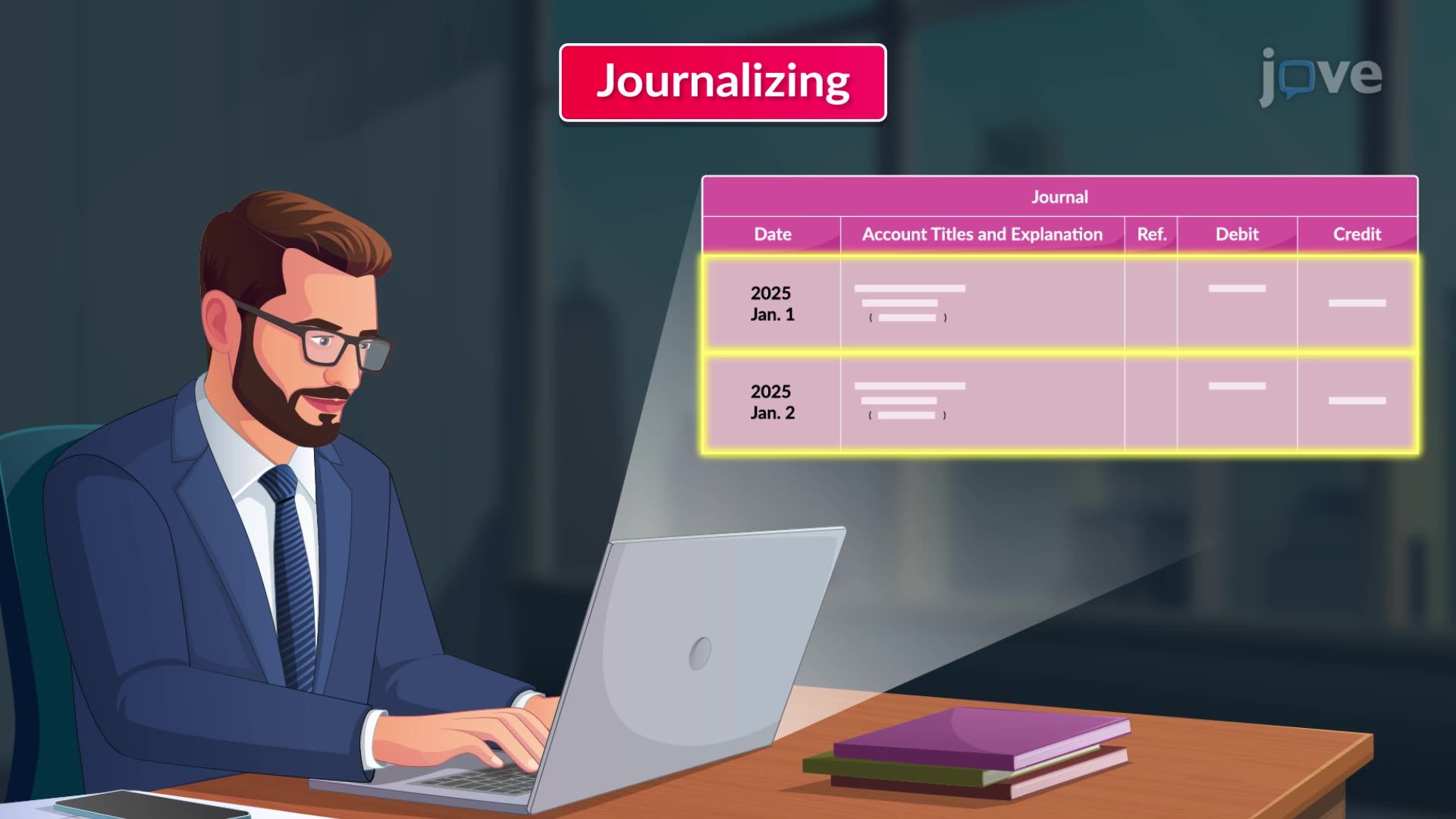
Many managers assume journalizing is purely a finance team concern. It isn't. When you manage a budget, approve expenses, or oversee a team that processes transactions, you are directly responsible for the integrity of those records. Journalizing, the process of recording business transactions in chronological order, is the foundation upon which all financial reporting is built. If your team's entries are inconsistent, incomplete, or unsupported by documentation, the problems compound quickly as data flows into the general ledger and trial balance.
Understanding the basics isn't about becoming an accountant. It's about being a manager who can have an informed conversation with finance, catch irregularities early, and set clear expectations for your team's financial hygiene.
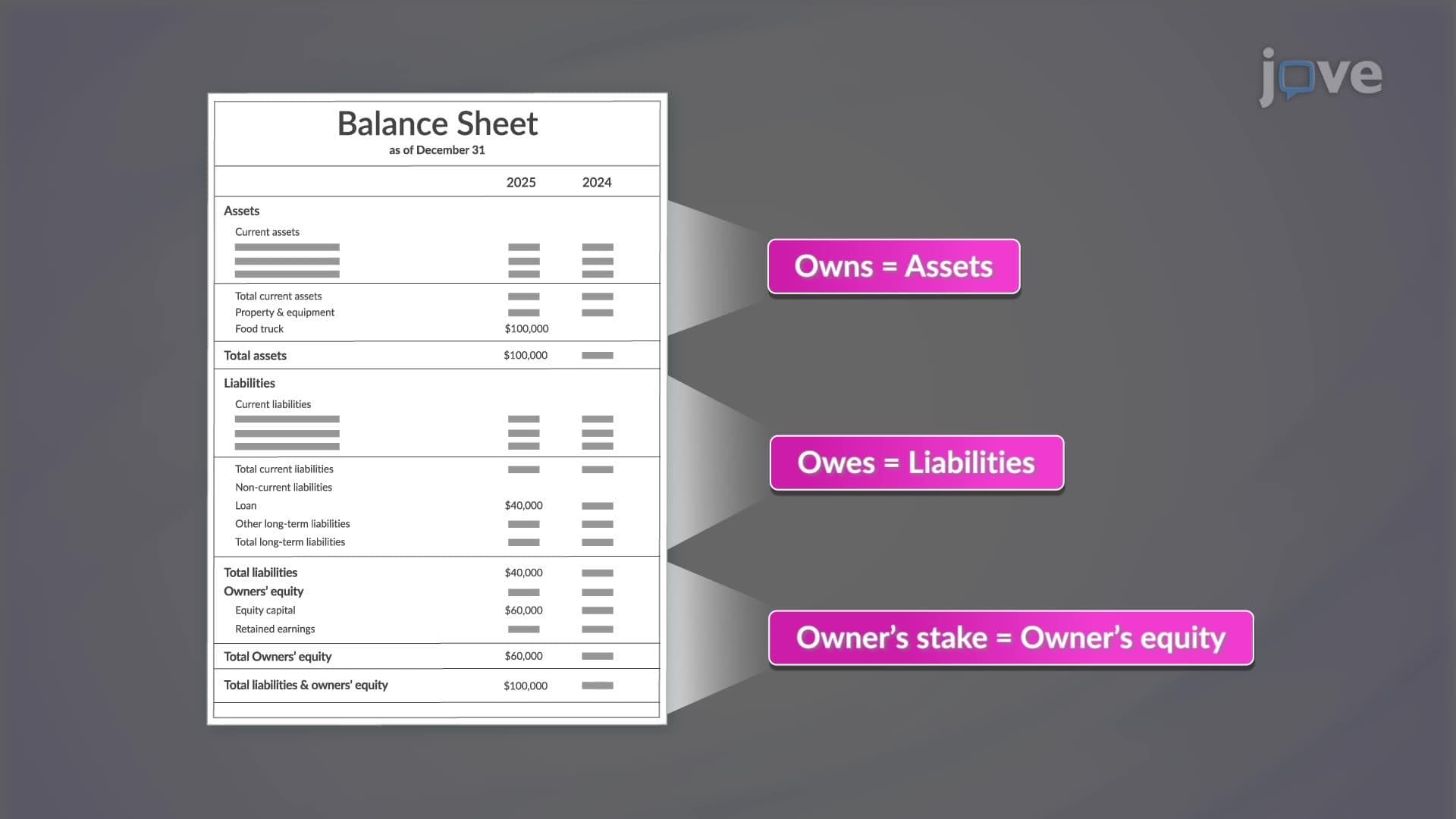
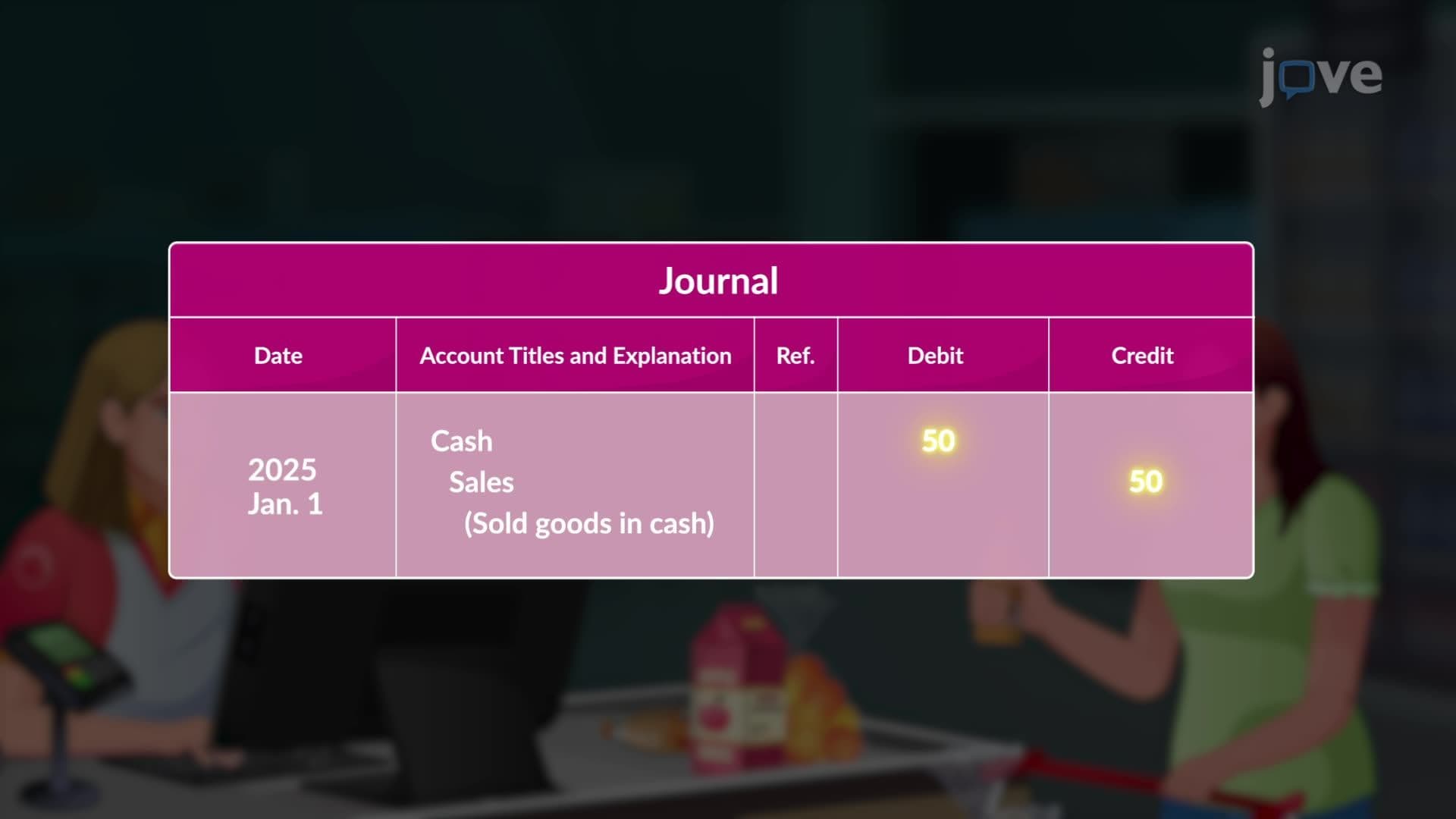
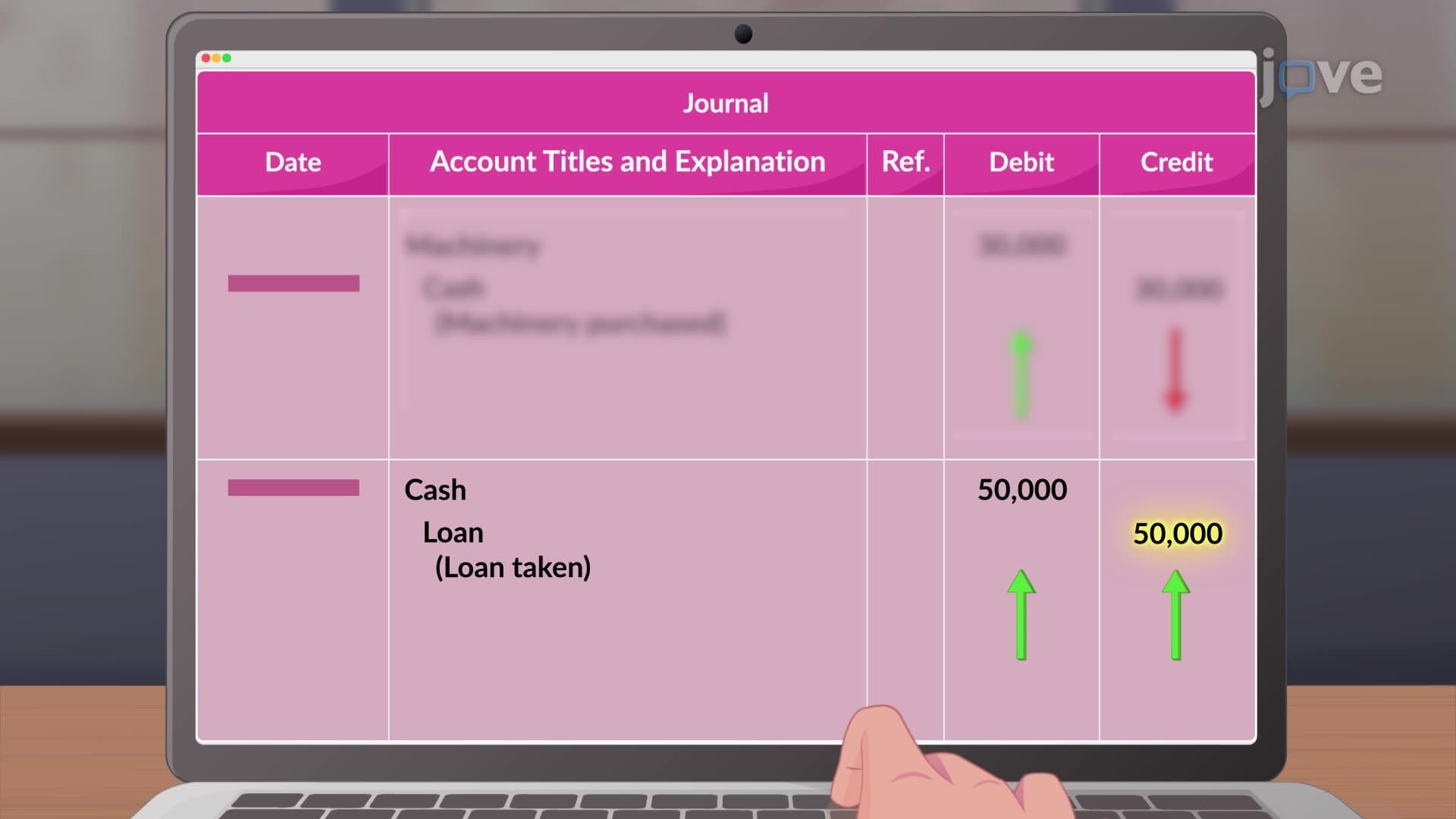
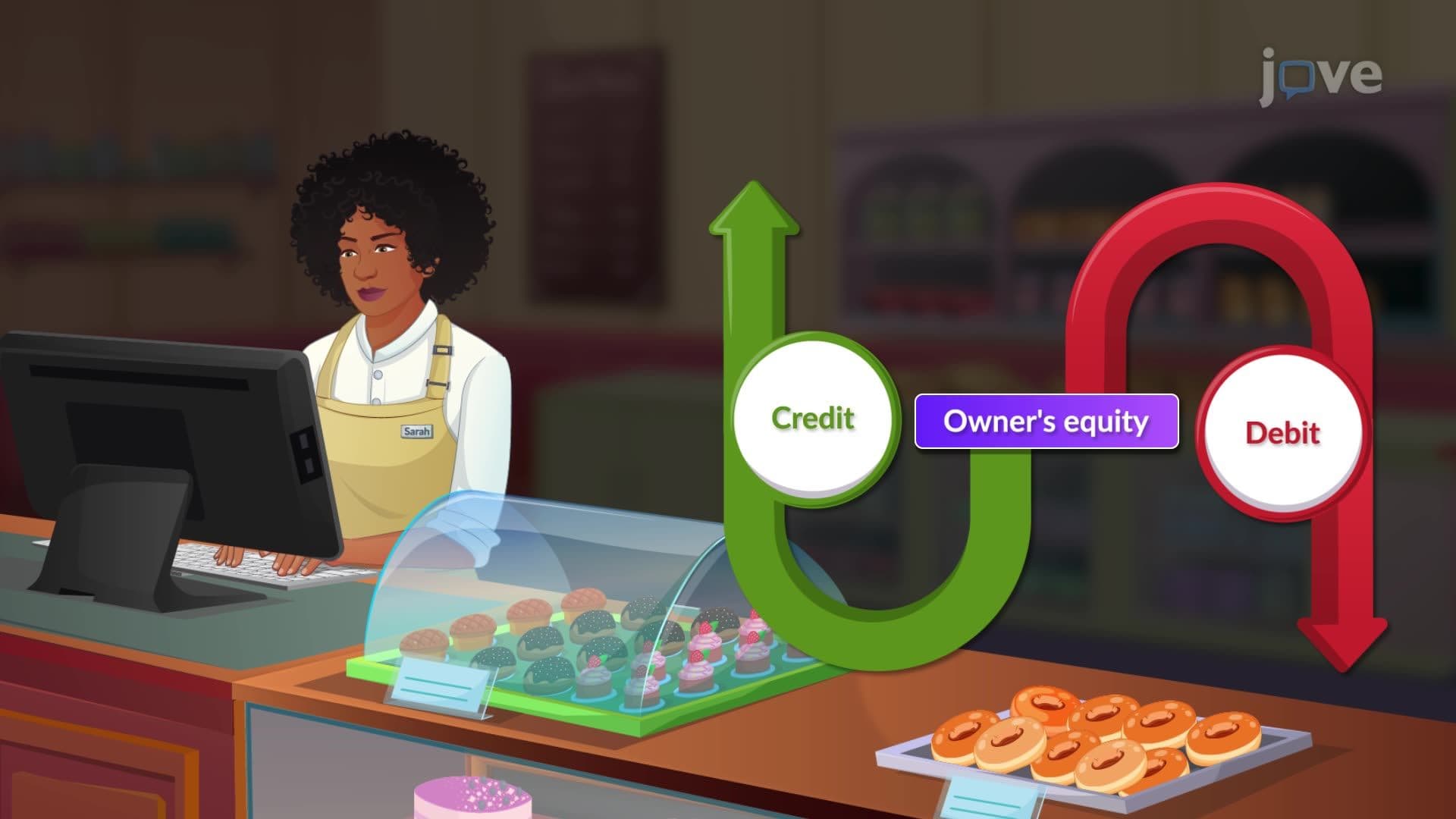
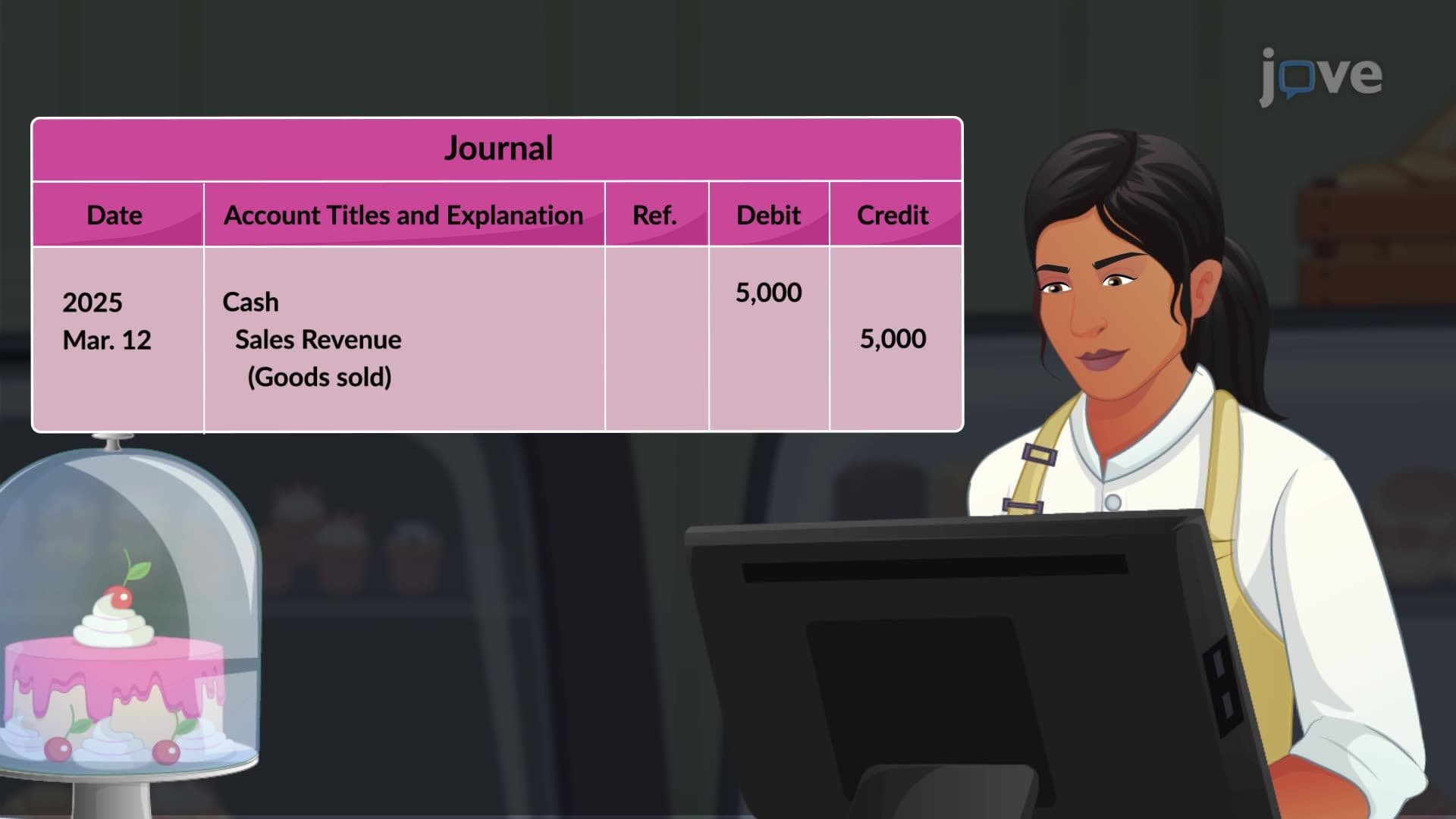
The double-entry system is the operational framework every manager should understand. Every transaction has two sides: a debit and a credit of equal value. This isn't arbitrary, it's a control mechanism. When both sides balance, the accounting equation (assets = liabilities + equity) holds. When they don't, something is wrong.
Apply this as a managerial checkpoint using a simple three-step verification habit:
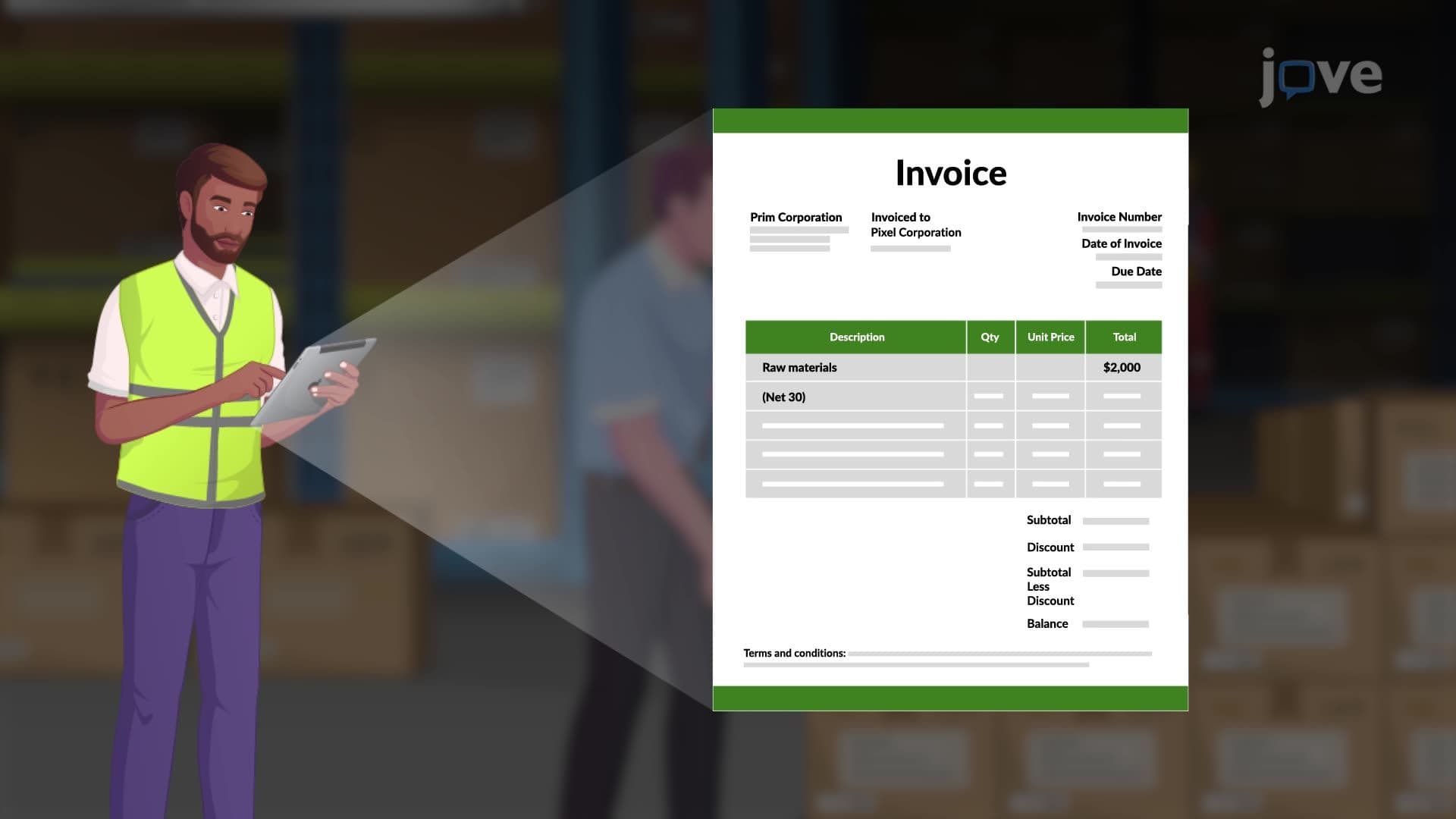
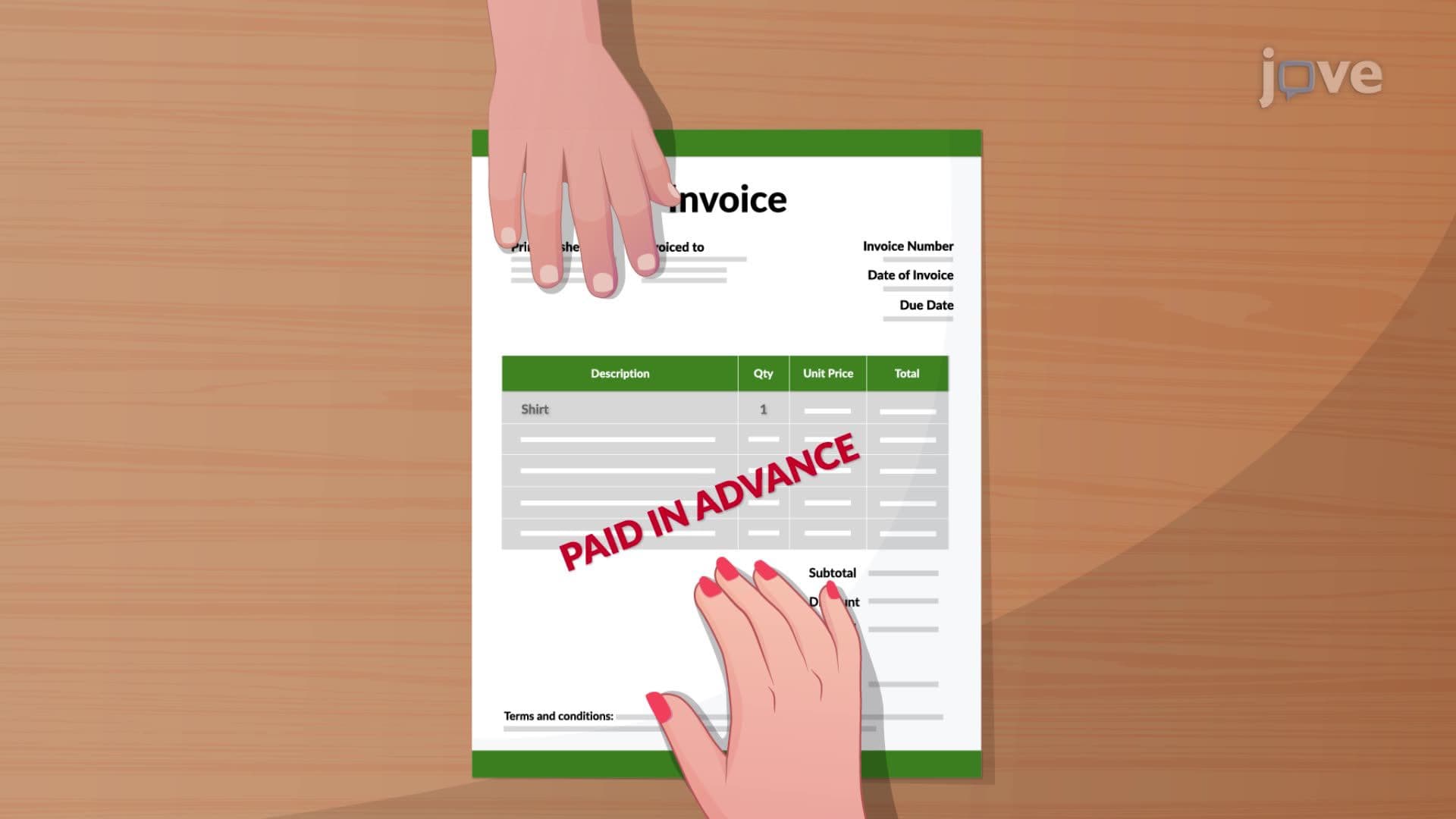
1. Source first, Confirm that every transaction has a corresponding document (invoice, receipt, bank statement) before it's recorded. No document, no entry. 2. Balance check, Verify that the debit and credit amounts match. A mismatch at this stage is far easier to resolve than after the entry reaches the ledger. 3. Sequence review, Ensure entries are recorded in the order they occurred. Chronological accuracy matters for audit trails and financial analysis.
This mirrors the principle behind process control frameworks like PDCA (Plan-Do-Check-Act), build the check into the process, not after the fact.
The most frequent journalizing failure in non-finance teams is skipping source document verification. When teams are under deadline pressure, entries get made from memory or verbal instructions. This creates records that can't be substantiated. Establish a standing rule: no source document, no recorded entry, no exceptions.
A second common mistake is treating journalizing as a one-person task with no review step. Even a simple peer-review process, where one team member checks another's entries before submission, dramatically reduces errors. This is the financial equivalent of a two-person sign-off protocol used in high-stakes operational environments.
Finally, managers often underestimate how journalizing errors cascade. An incorrect journal entry today becomes a ledger discrepancy tomorrow and a flawed financial statement next quarter. Building awareness of this chain reaction helps your team treat accurate recording not as administrative busywork, but as a professional standard with real business consequences.
Related Micro-courses