Loading video…

 16 Concepts
 5.7K views

Video Summary: What Is the Income Statement
The income statement basics are non-negotiable knowledge for any manager responsible for budgets, headcount decisions, or resource allocation. When you can't read what is the income statement telling you, you risk approving costs that erode margins or missing performance signals your leadership team is already acting on. This concept closes that gap fast. Watch the full video on JoVE Coach to master this concept with expert-led visuals and step-by-step explanations.
Picture this: you're sitting in a quarterly business review and the CFO pulls up a slide showing a sharp drop in net margin. Everyone in the room nods. You're not sure whether this is about revenue falling, costs rising, or both, and you don't want to ask a question that signals you've never looked closely at the numbers. This moment is more common than most managers admit, and it's exactly the gap that understanding the income statement fixes.
Most managers in people-facing roles default to operational metrics: headcount, project velocity, team utilization, customer satisfaction scores. These matter, but they sit downstream of the income statement. The income statement, also called the profit and loss statement (P&L), is the scoreboard that your organization's senior leaders, board members, and investors read first. When you don't speak this language fluently, your credibility in resource conversations, headcount requests, and strategic planning sessions is quietly limited.
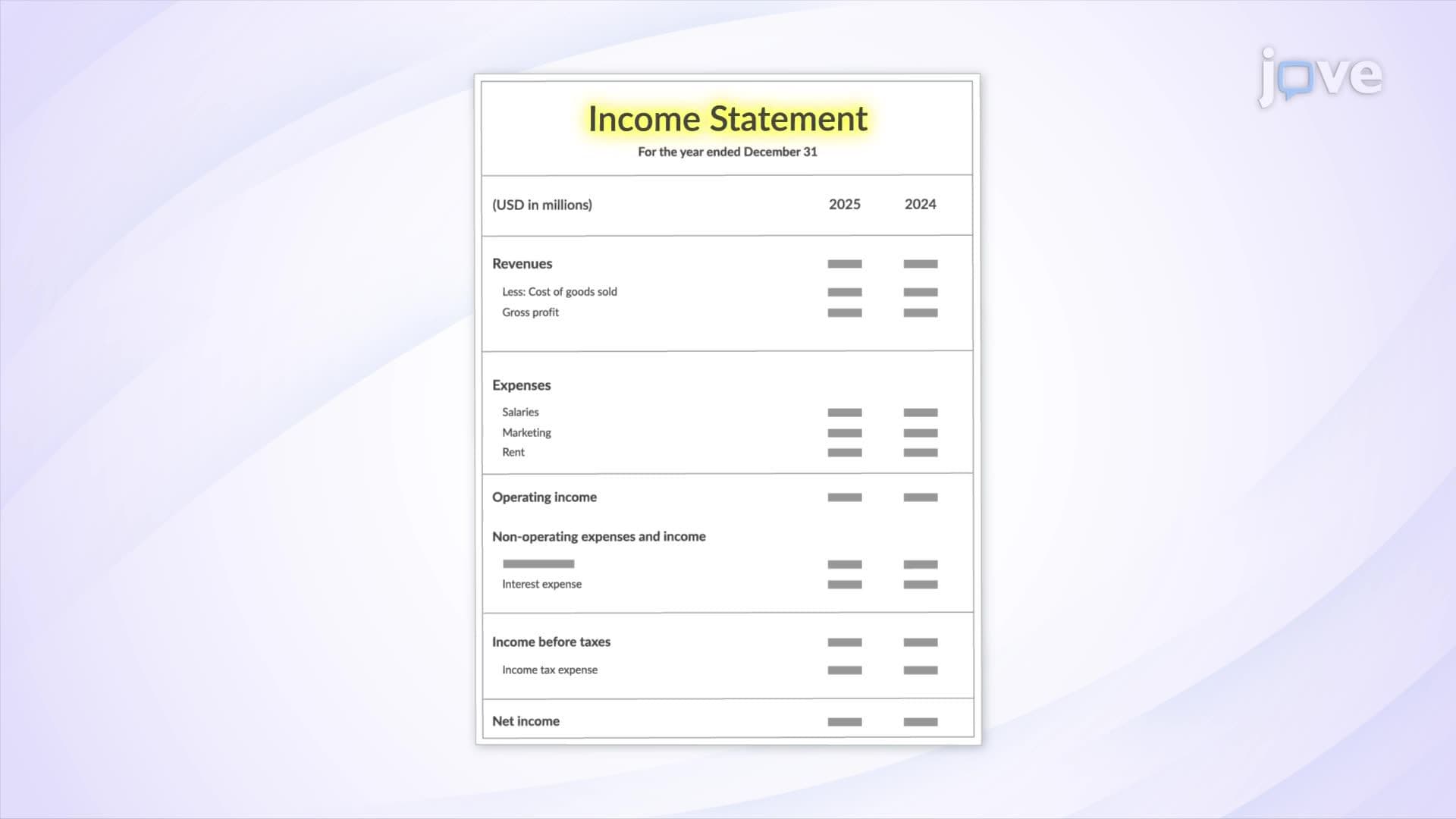
The income statement summarizes three things for a specific time period, a month, a quarter, or a full year: how much revenue was earned, what expenses were incurred, and whether the result was a profit or a loss. That's the entire story, and every other financial nuance lives inside those three categories.
Think of the income statement as a waterfall. Each layer flows down from the one above it:
1. Revenue (Top Line), Total income generated from sales or services before any costs are removed. Revenue recognition matters here: when is income actually recorded? Understanding this prevents misreading a strong-looking top line.
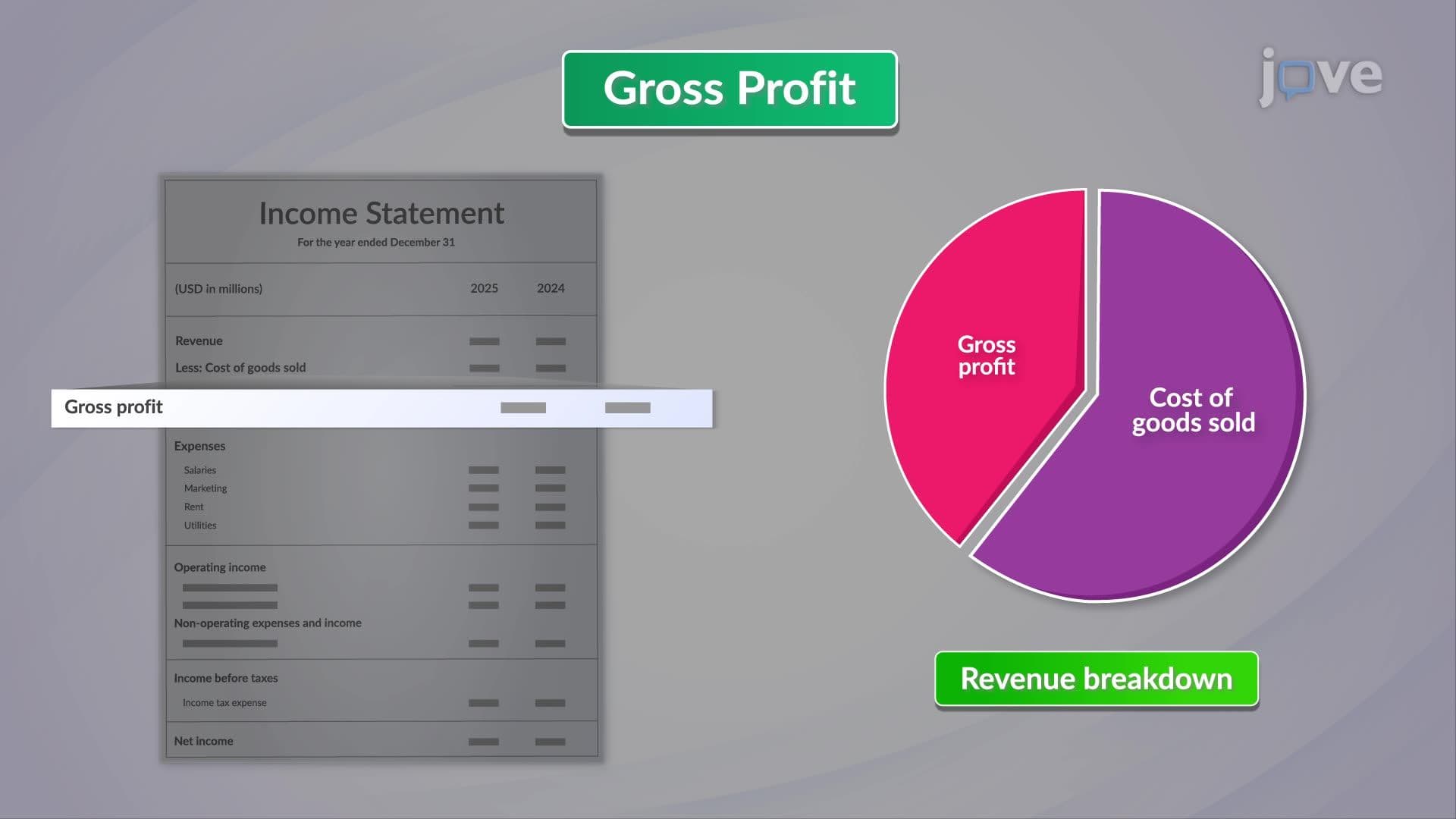
2. Cost of Goods Sold (COGS), The direct costs tied to delivering your product or service. Subtract COGS from revenue and you get gross profit. The gross margin percentage, gross profit divided by revenue, tells you how efficiently the core business model works.
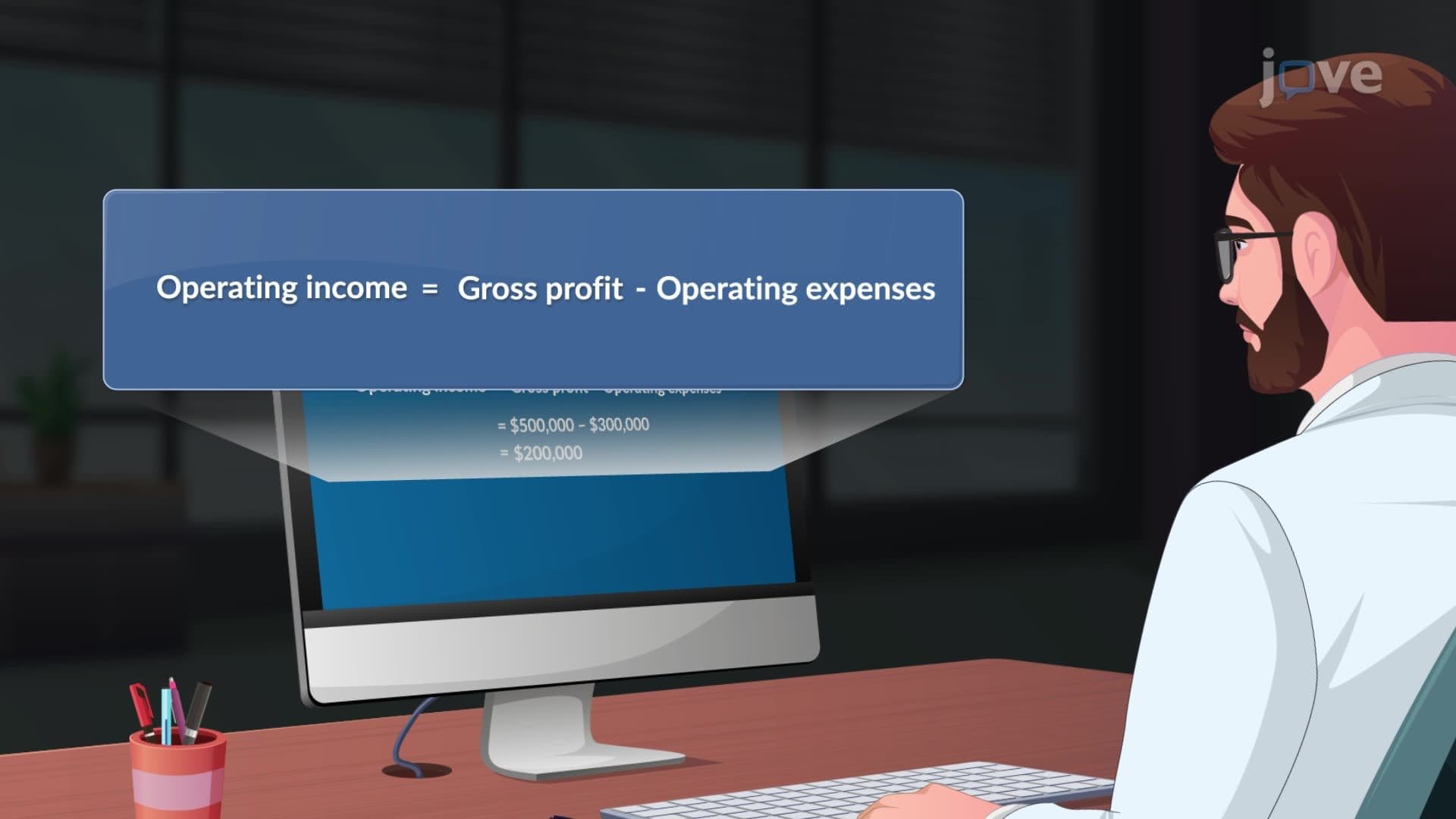
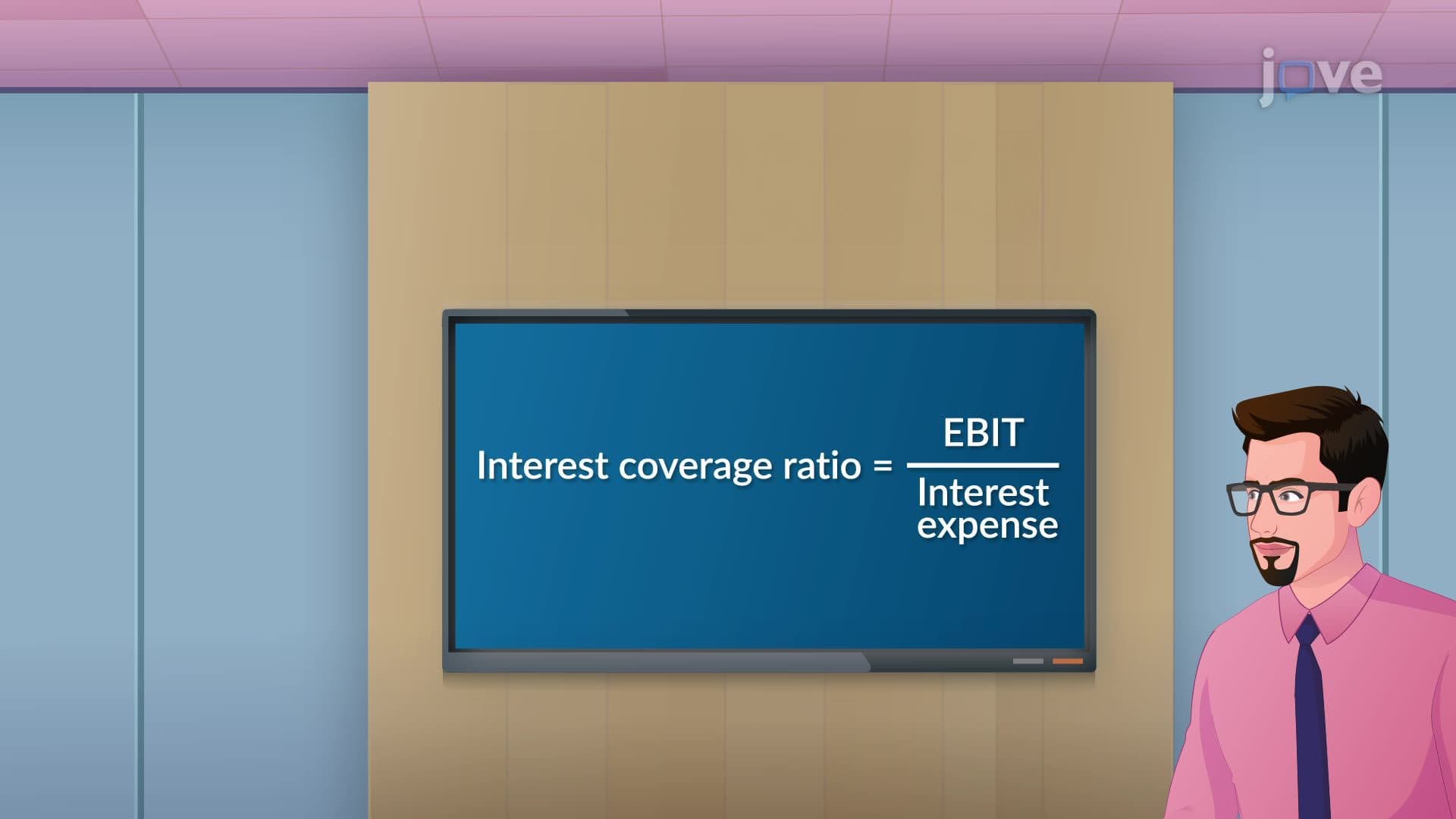
3. Operating Expenses, Salaries, marketing, rent, and other costs of running the business day-to-day. Subtract these from gross profit to arrive at EBIT (Earnings Before Interest and Taxes), sometimes referred to in leadership conversations as EBITDA when depreciation and amortization are added back.
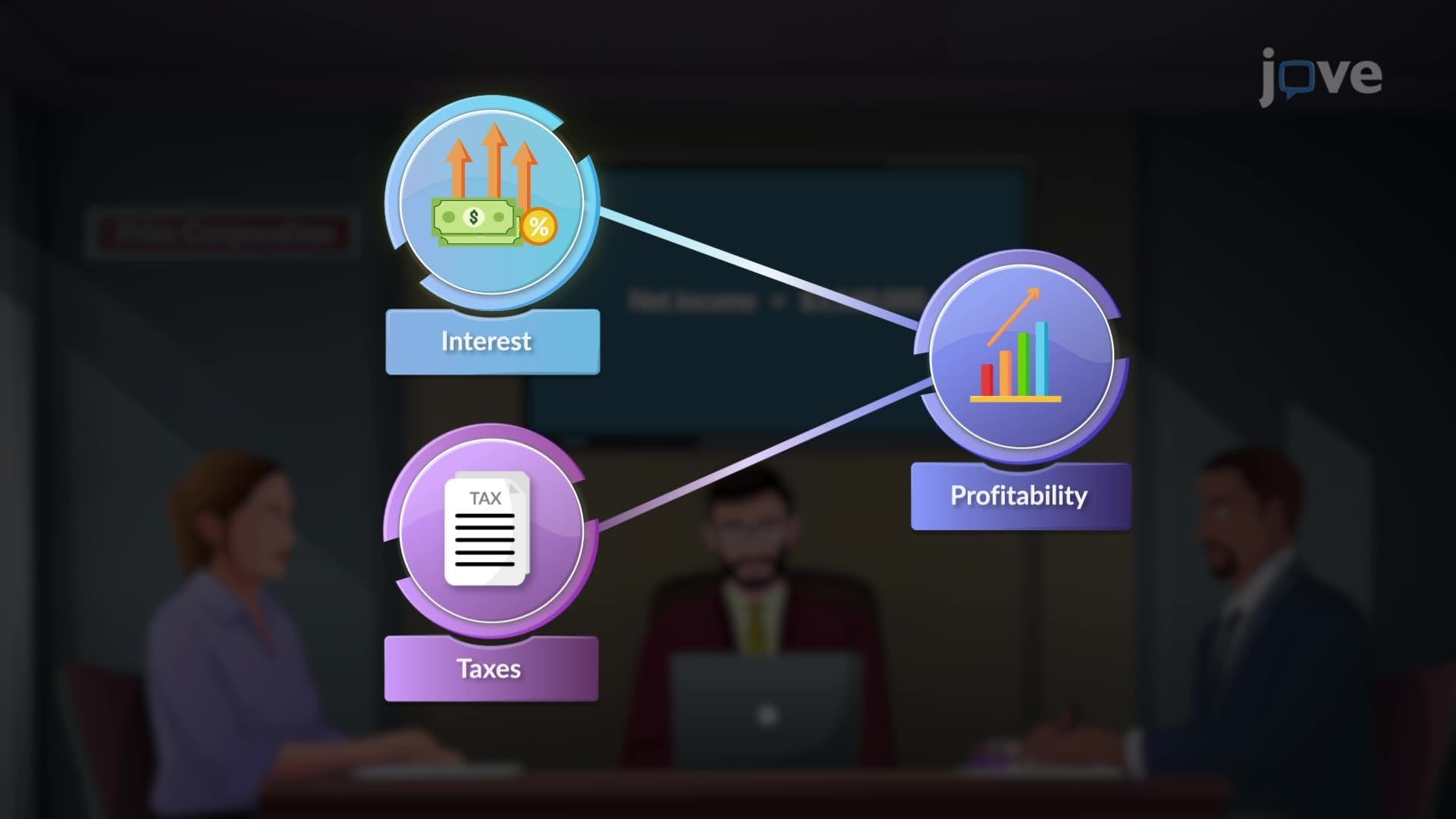
4. Net Income (Bottom Line), What remains after interest and taxes are deducted. This is the number tied to organizational health, future investment capacity, and leadership performance assessments.
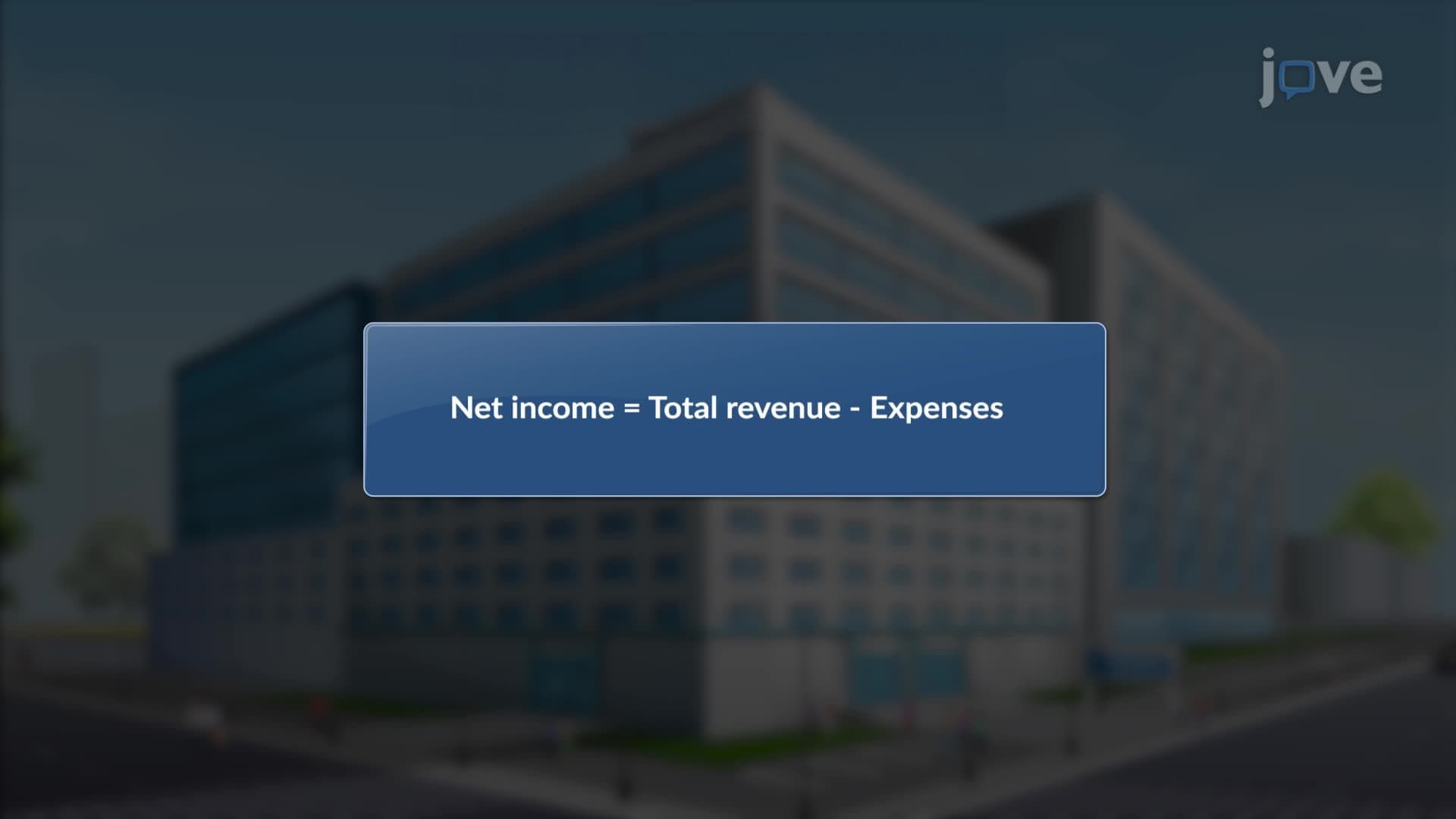
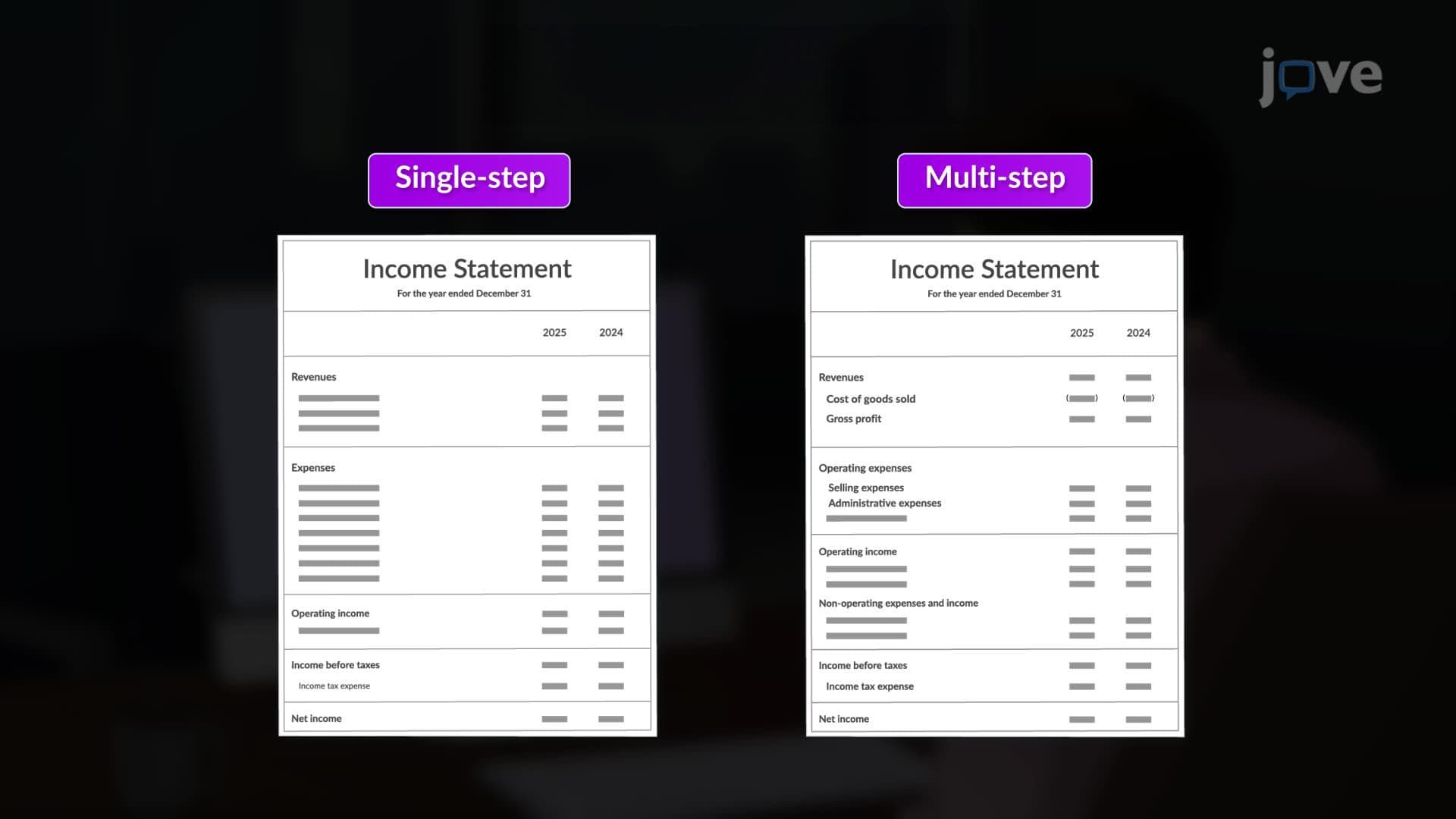
A practical distinction worth knowing: a single-step income statement totals all revenues and subtracts all expenses in one calculation, clean and simple, often used by smaller operations. A multi-step income statement separates gross profit, operating income, and net income into distinct layers, standard in larger organizations and far more useful for diagnosing where performance is strong or weak.
You don't need to build an income statement to benefit from understanding one. Here's where it immediately shows up in your management role:
The most frequent error managers make is confusing revenue with profit, a team hitting its sales targets while operating at a loss is a real and dangerous scenario. The second is ignoring the net margin trend over time; a single quarter means little without the directional pattern. Finally, don't assume a profitable income statement means cash is available, the income statement and cash flow statement tell different stories, and conflating them leads to poor timing on resource requests.
Related Micro-courses