Loading subject page…

5,683 views
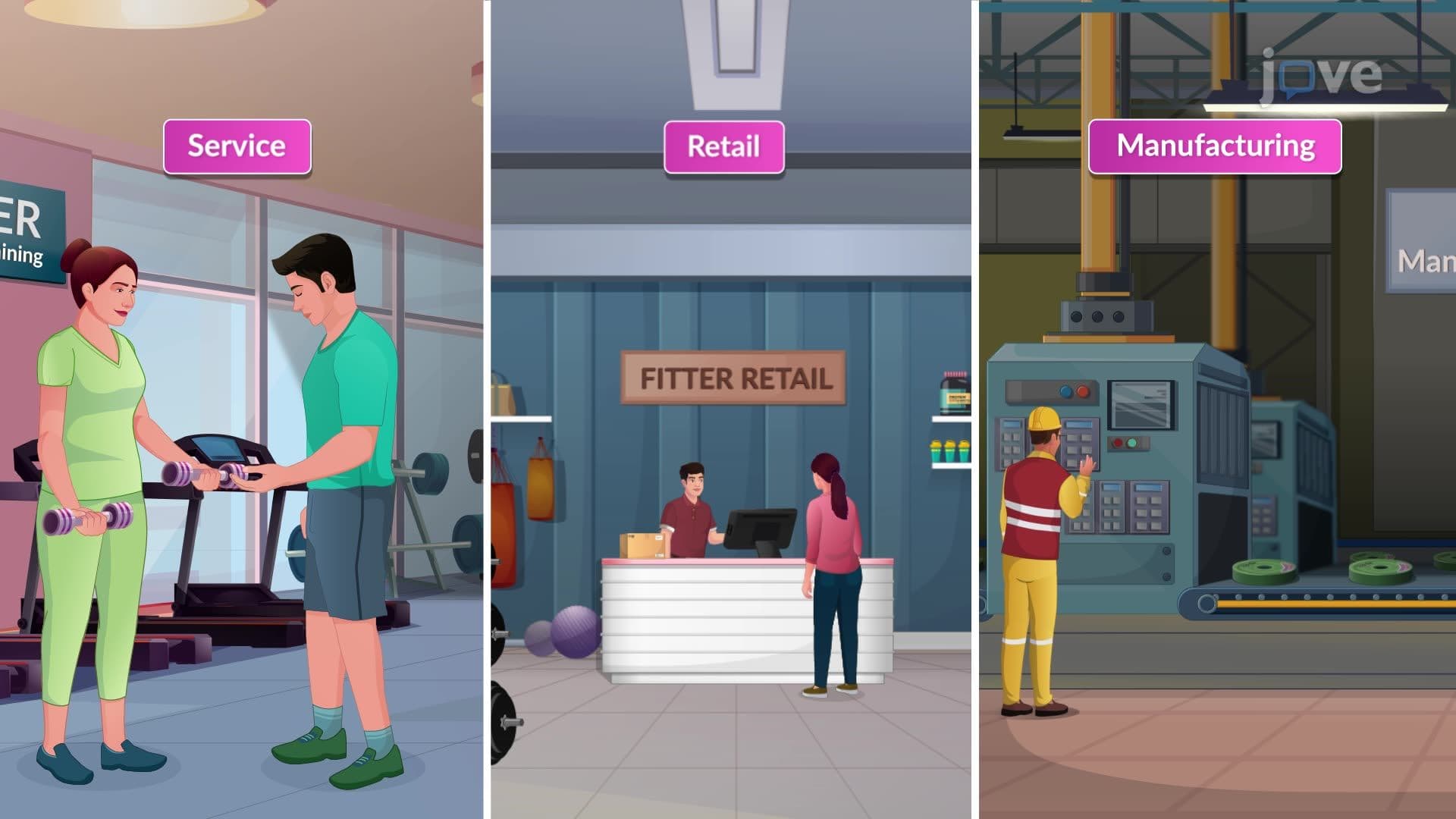

Video Summary: Service Vs Retail Vs Manufacturing in the Income Statement
Service vs. retail vs. manufacturing in the income statement is a concept many managers overlook until budget season exposes a gap in their financial fluency. Understanding service vs. retail vs. manufacturing in the income statement basics sharpens how you interpret revenue, expenses, and net income across different business models. Every business type tells its financial story differently, and reading that story accurately makes you a more credible, decisive leader. Watch the full video on JoVE Coach to master this concept with expert-led visuals and step-by-step explanations.
Picture this: you're a mid-level manager presenting your team's quarterly performance to the leadership team. The finance lead asks why your cost structure looks different from the retail division's. You hesitate, because while you understand your own numbers, you've never clearly mapped *why* income statements look structurally different depending on how a business earns and spends. That gap in financial fluency is more common than most managers admit, and it quietly limits leadership credibility at the table.
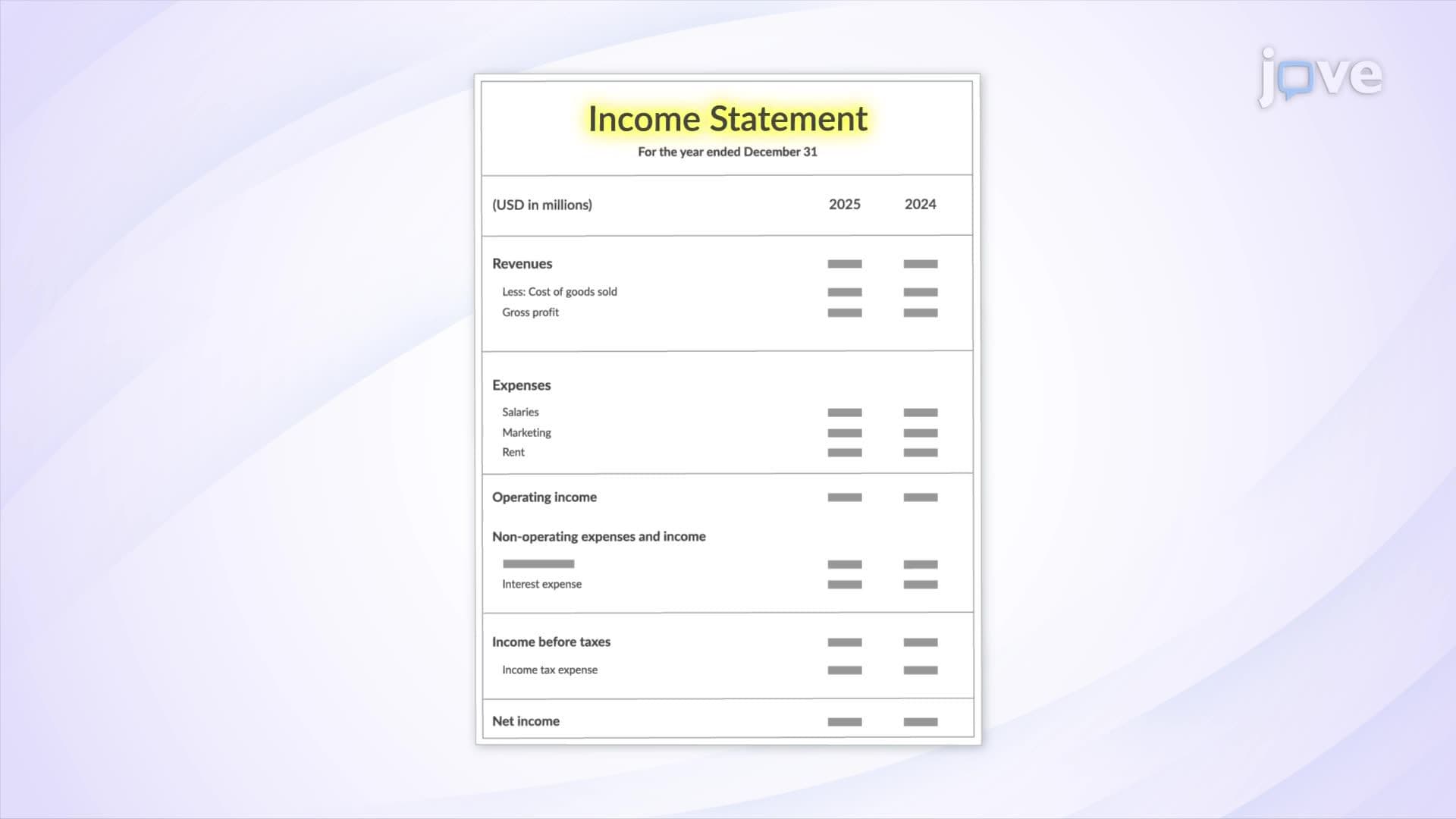
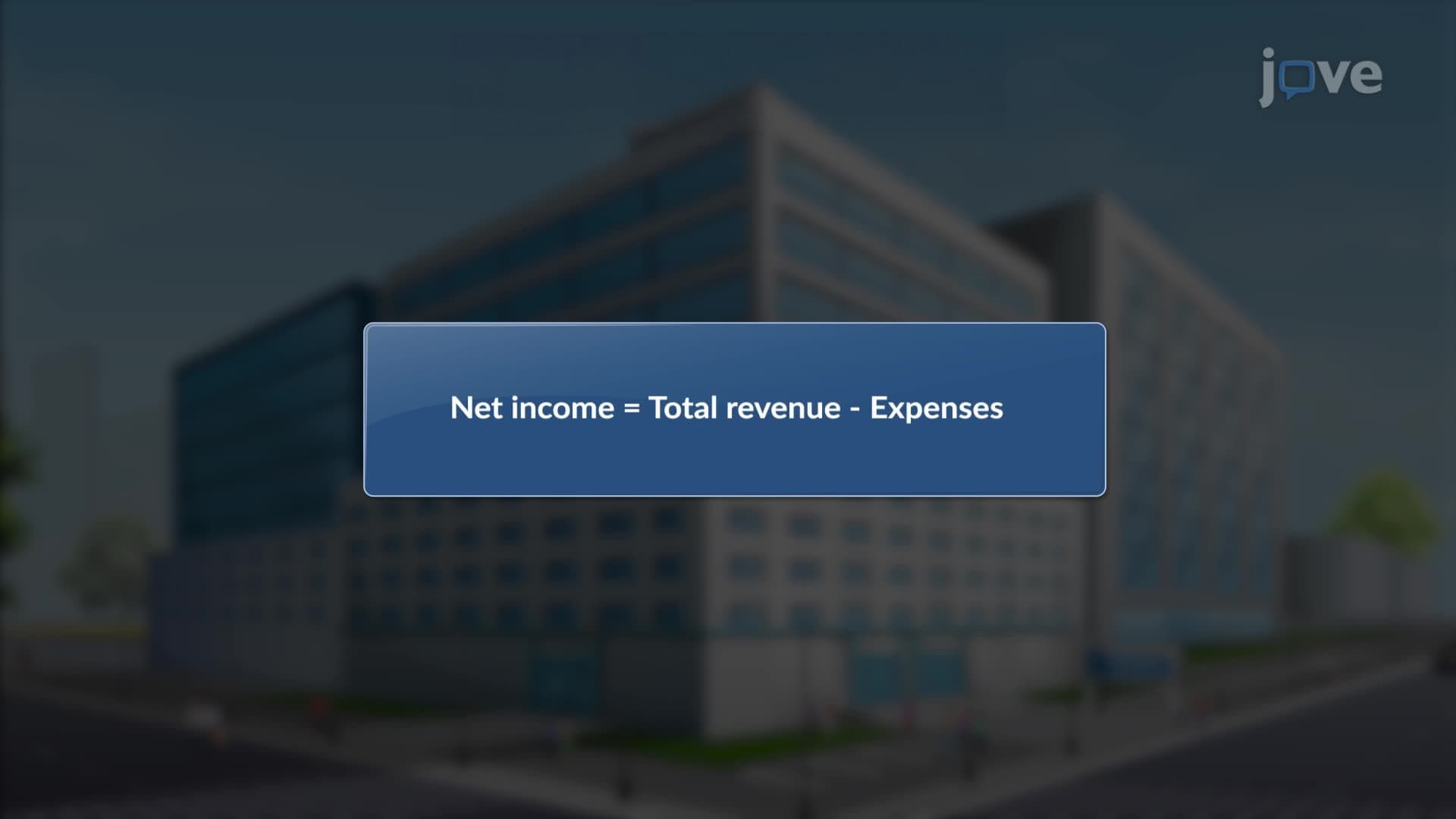
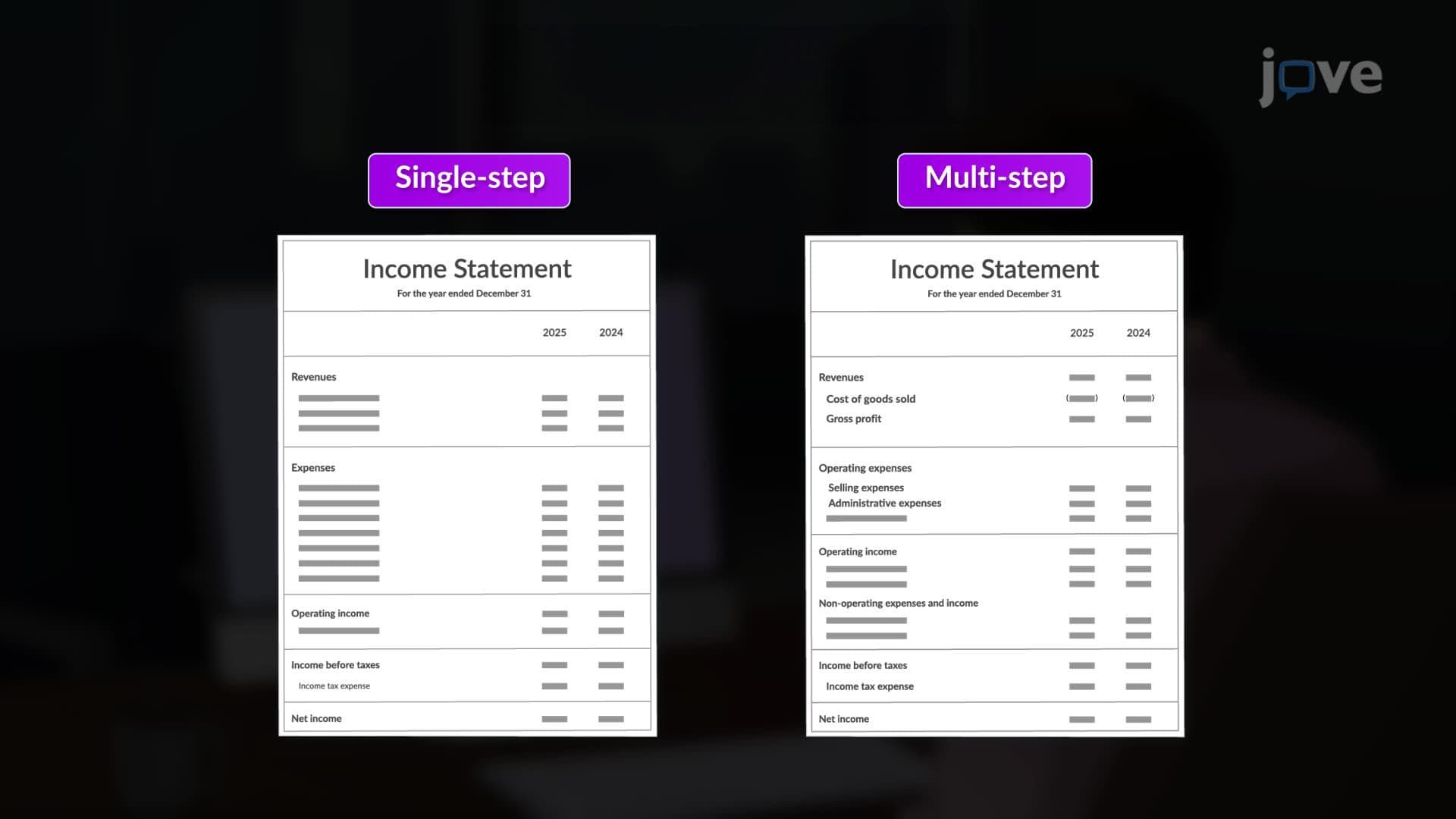
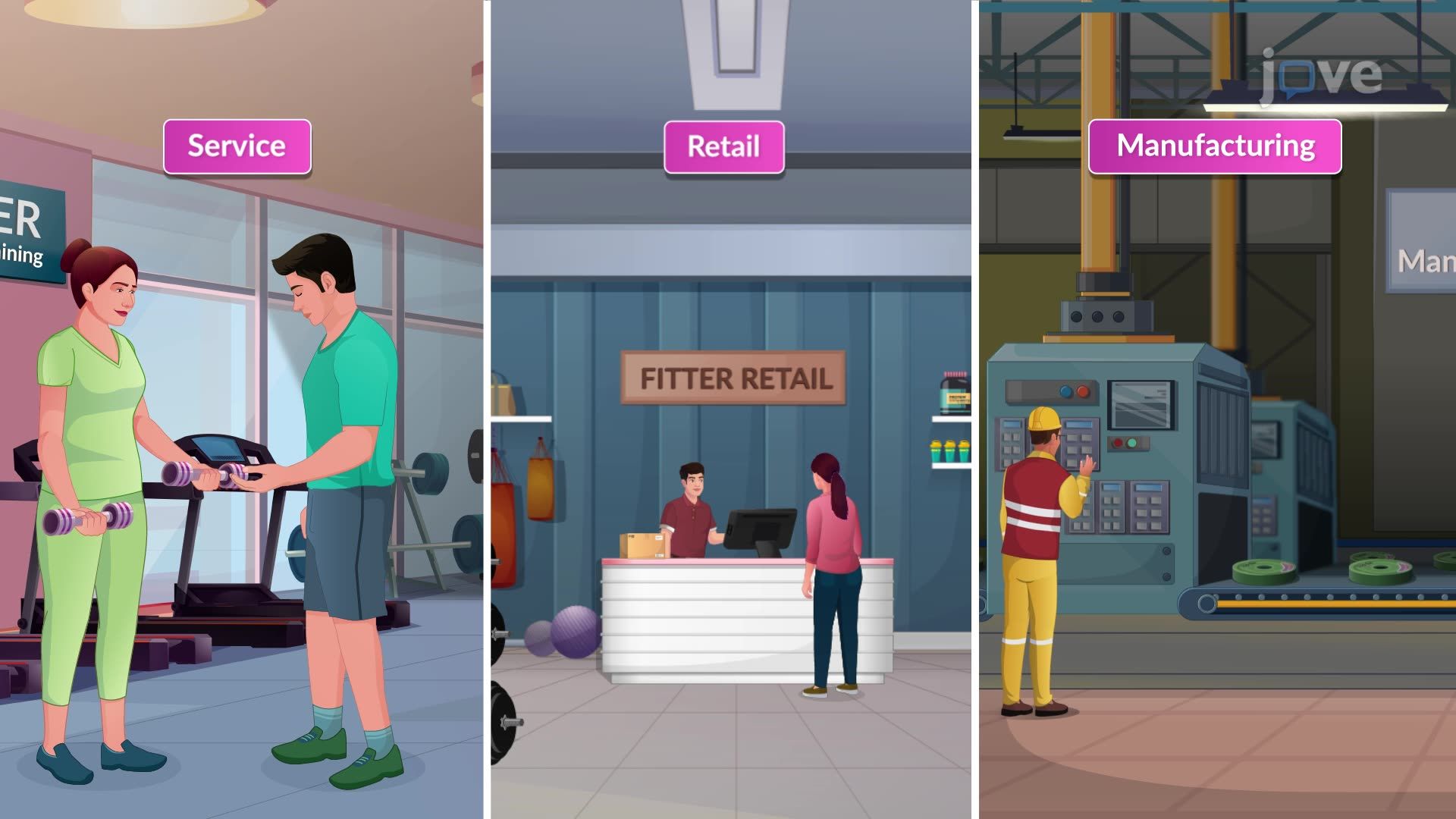
The profit and loss statement always contains the same three core elements, revenues, expenses, and net income. But the *composition* of those elements shifts dramatically depending on whether the business is service-based, retail, or manufacturing.
In a service business, there is no inventory. Revenue comes from delivering expertise, time, or capability. Expenses center on direct labor, wages for the people delivering the service, plus facility costs and overheads. Net margin here is highly sensitive to labor efficiency.
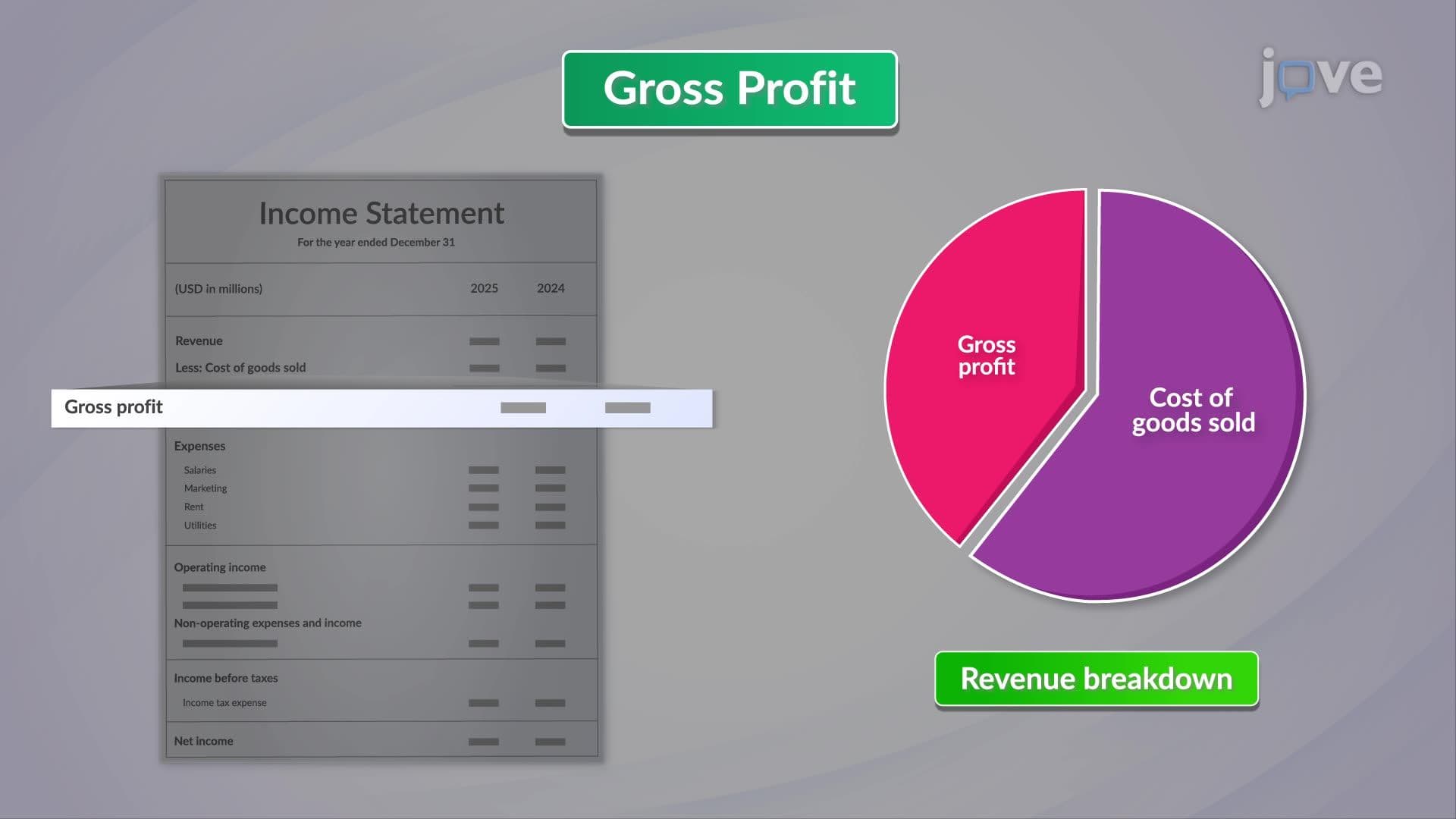
In a retail business, the income statement introduces Cost of Goods Sold (COGS), the cost of the inventory that was sold during the period. Gross margin percentage becomes a critical metric: it tells you how much revenue remains after the cost of purchasing products, before operating expenses are applied.
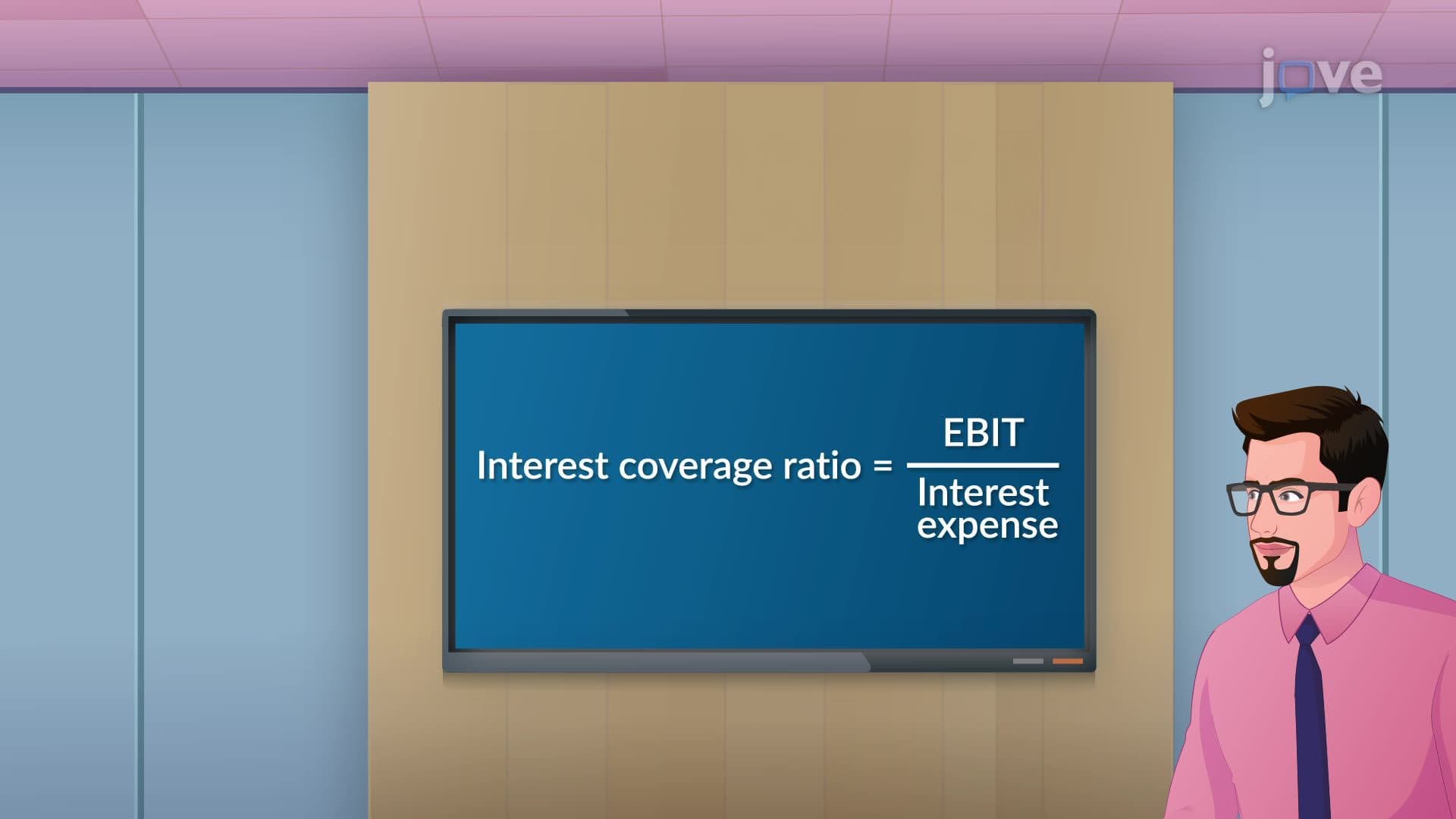
In a manufacturing business, the income statement becomes the most layered. COGS now includes raw materials, direct factory labor, and overhead, such as equipment depreciation and facility costs attributed to production. Understanding EBITDA becomes particularly important here, as depreciation and amortization are meaningful cost drivers that don't reflect cash outflow in the same period.
Think of the income statement as a three-layer model: Revenue Recognition → Gross Profit → Operating Profit.
Using this three-layer mental model in any financial review meeting allows you to immediately locate *where* the numbers you're responsible for sit within the larger story.
The most frequent error is treating all cost lines as equivalent. A manager in a manufacturing division who compares their cost structure to a service team's without accounting for COGS and overhead will draw inaccurate conclusions, and make poor resource decisions as a result.
A second mistake is conflating gross margin with net margin. Gross margin reflects production or procurement efficiency. Net margin reflects the full operational picture after all expenses. Both matter, but they answer different questions.
Finally, many managers avoid the income statement altogether, delegating all financial interpretation to finance partners. While collaboration with finance is essential, a manager who cannot independently read and interrogate a profit and loss statement is perpetually dependent, and less promotable. Build the habit of reviewing the relevant income statement section before every budget conversation, using the three-layer model as your guide.
Related Micro-courses