Loading video…

 16 Concepts
 5.7K views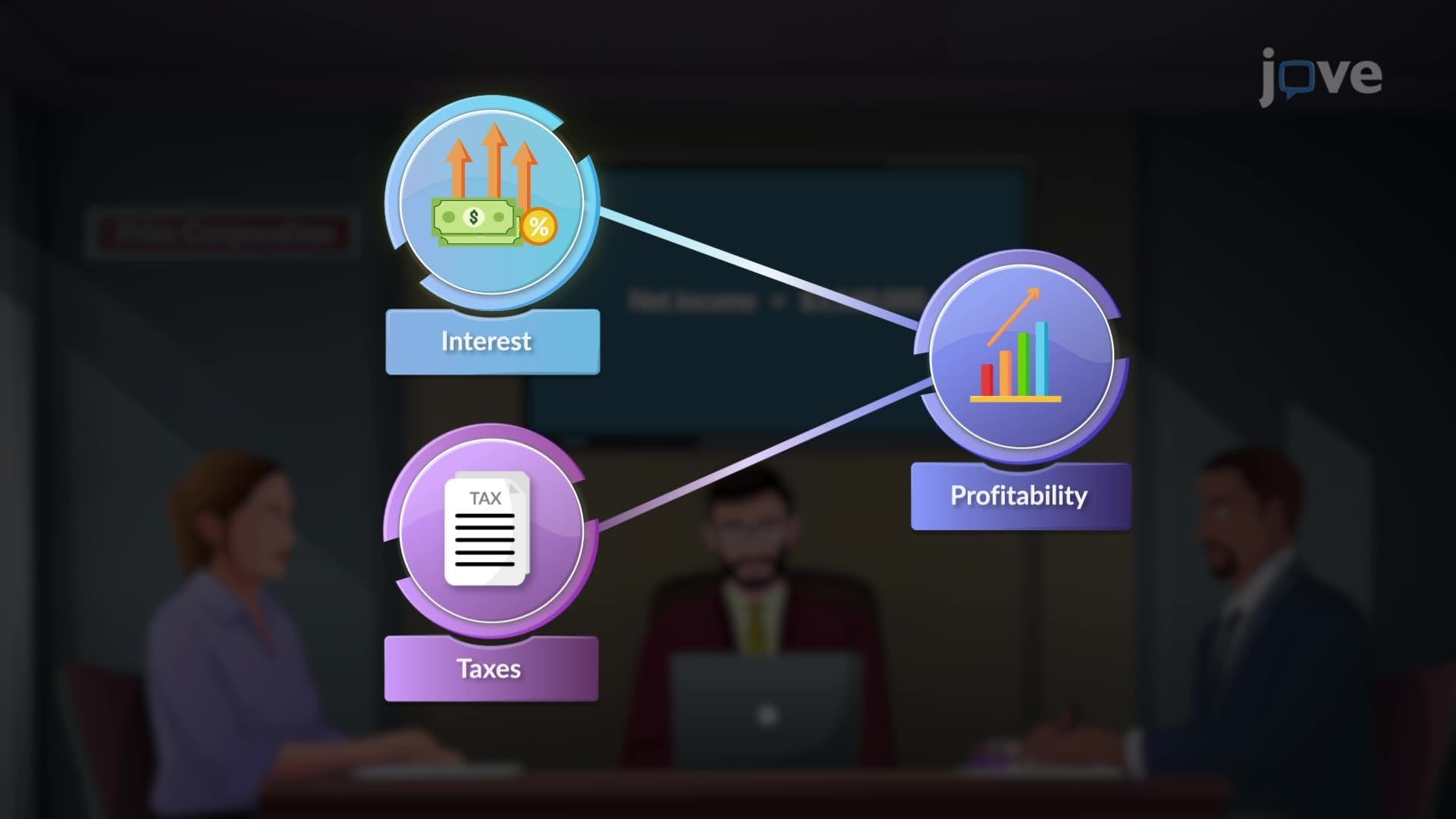

Video Summary: What are Interest and Taxes
Understanding interest and taxes basics is a critical gap for managers who suddenly own a P&L but struggle to explain why strong revenue doesn't translate into profit. Grasping interest and taxes helps you decode why budget decisions get made above your level, and how to advocate more effectively for your team's resources. Watch the full video on JoVE Coach to master this concept with expert-led visuals and step-by-step explanations.
Picture this: your team has just closed its strongest quarter in two years. Revenue is up, the pipeline looks healthy, and you walk into the leadership review expecting recognition and reinvestment. Instead, the finance lead announces a budget freeze. No new headcount. No tool upgrades. The numbers looked great, so what happened?
This is exactly where understanding interest and taxes becomes a practical leadership skill, not just a finance department concern.
Most managers are comfortable talking about revenue or even gross margin. Where things get murky is the stretch between operating profit and what the business actually keeps, net income.
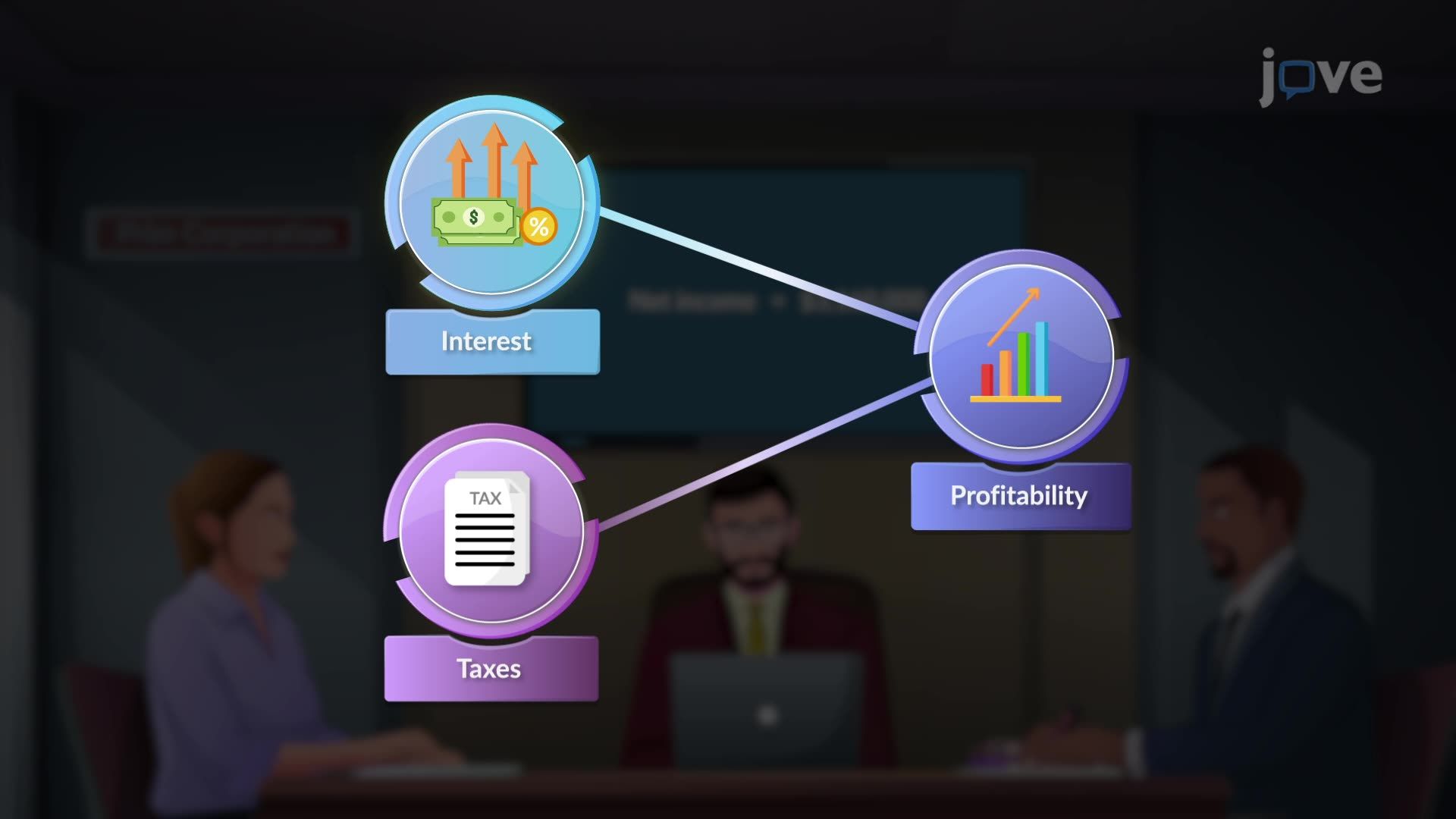
Two key deductions sit in that gap: interest and taxes.
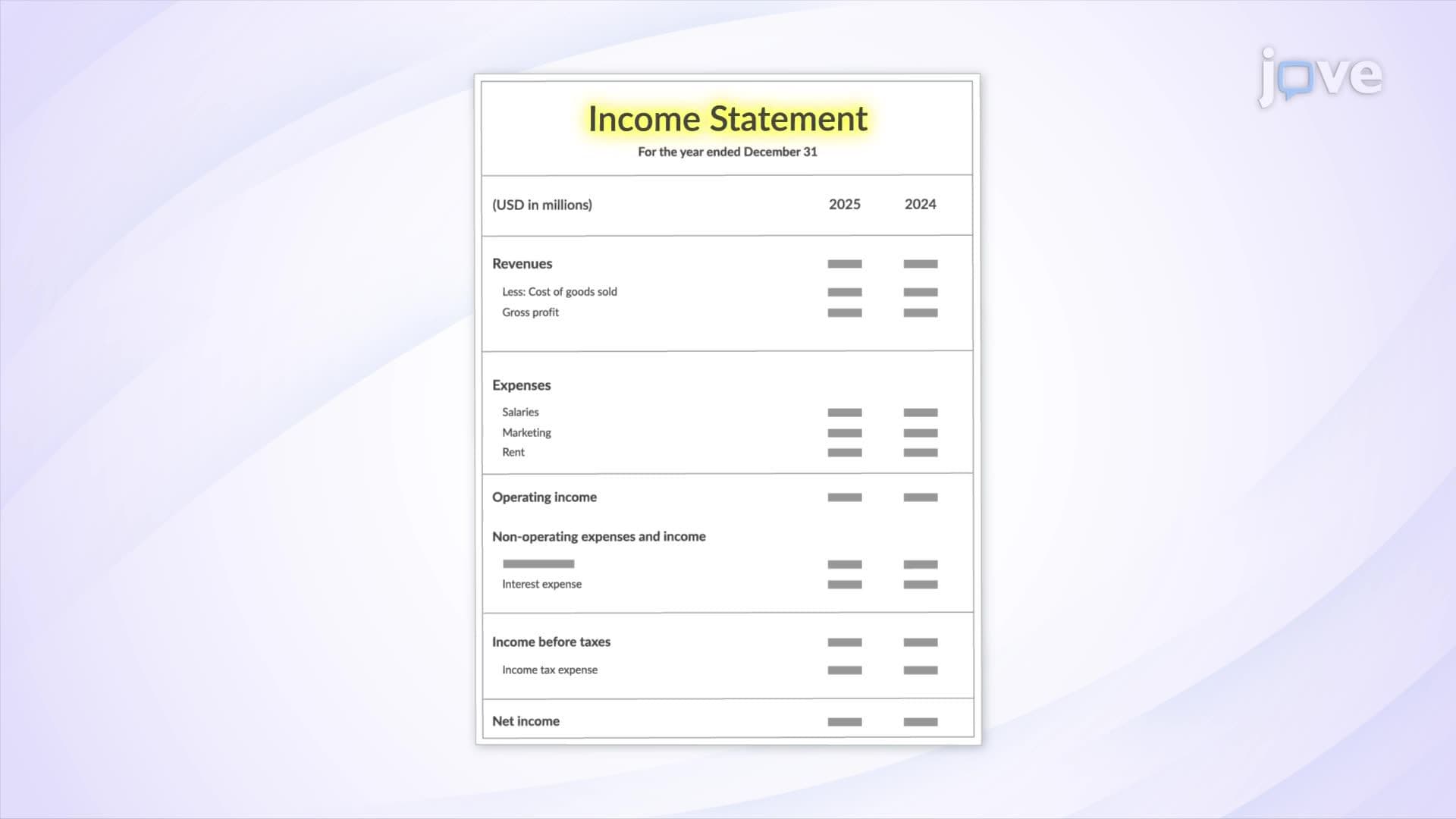
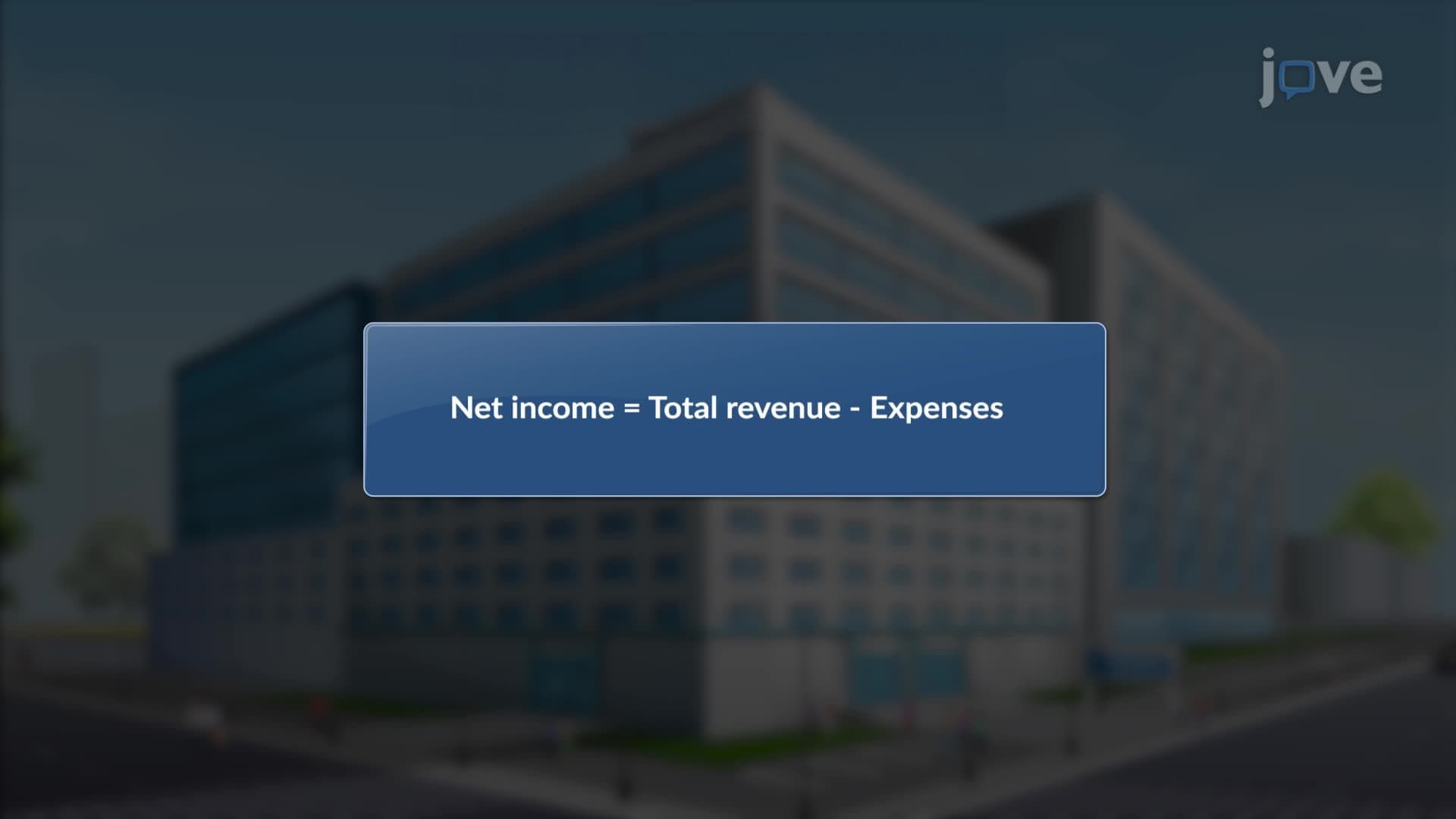
Interest is the cost the business pays for borrowed capital, loans, credit facilities, bonds. This comes directly off operating profit. What's left is profit before tax (PBT). From there, the applicable corporate tax rate is applied, and what remains is net income, the actual earnings available to owners or reinvested into the business.
As a manager, if you don't understand this sequence, you'll misread financial signals and struggle to make the case for your team's resource needs.
Think of the path from revenue to net income as a waterfall, each layer strips away a category of cost:
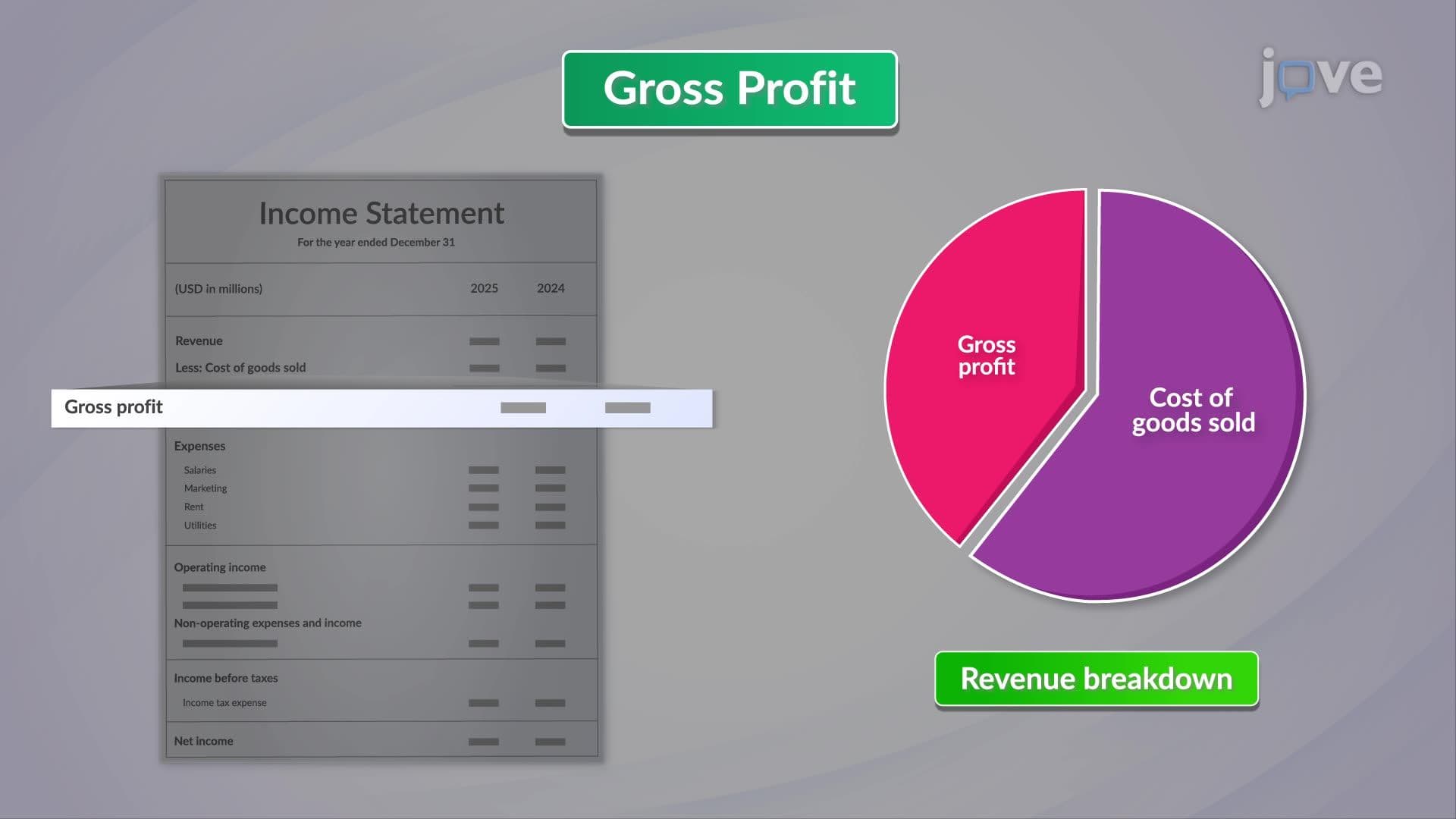
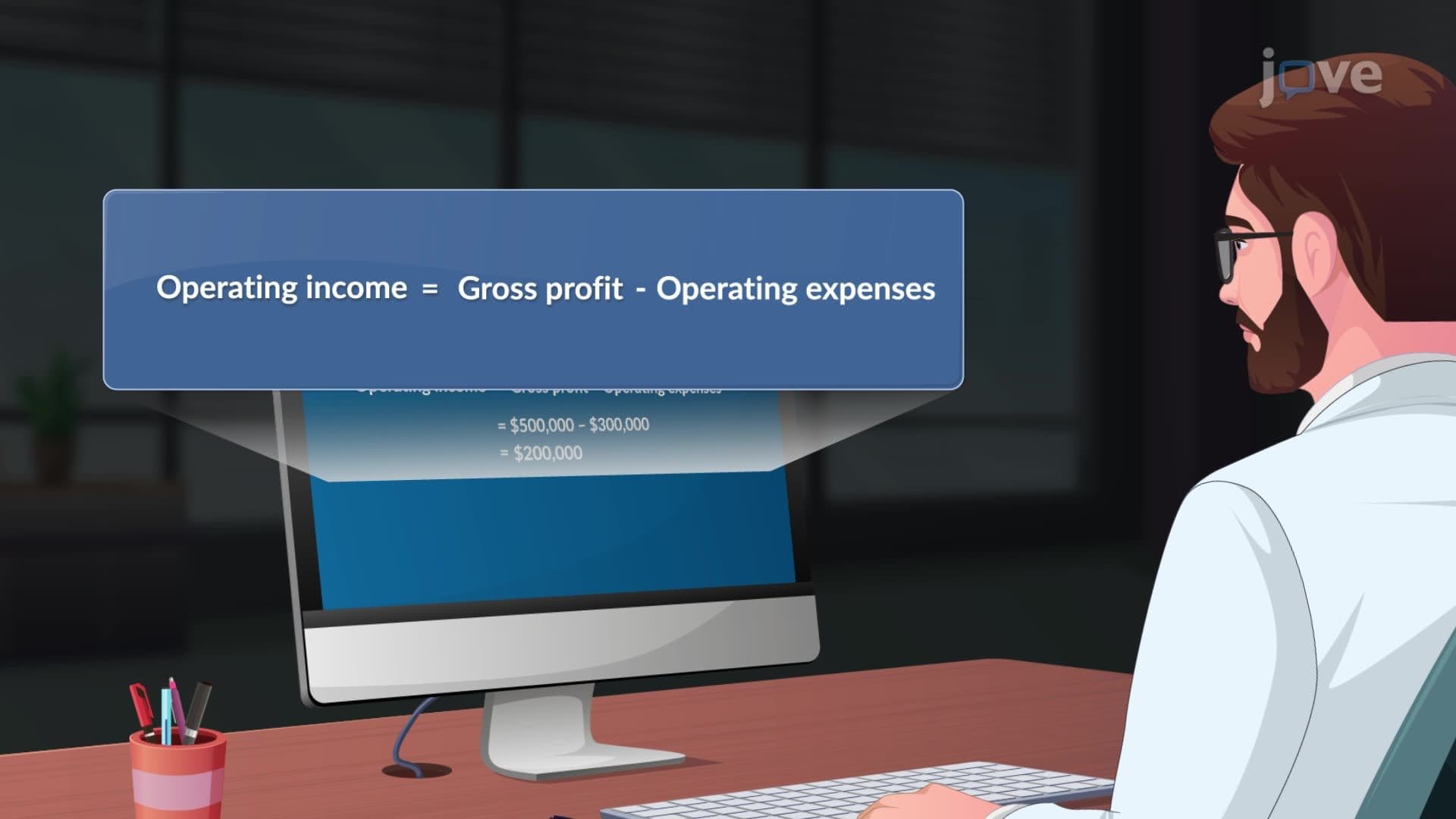
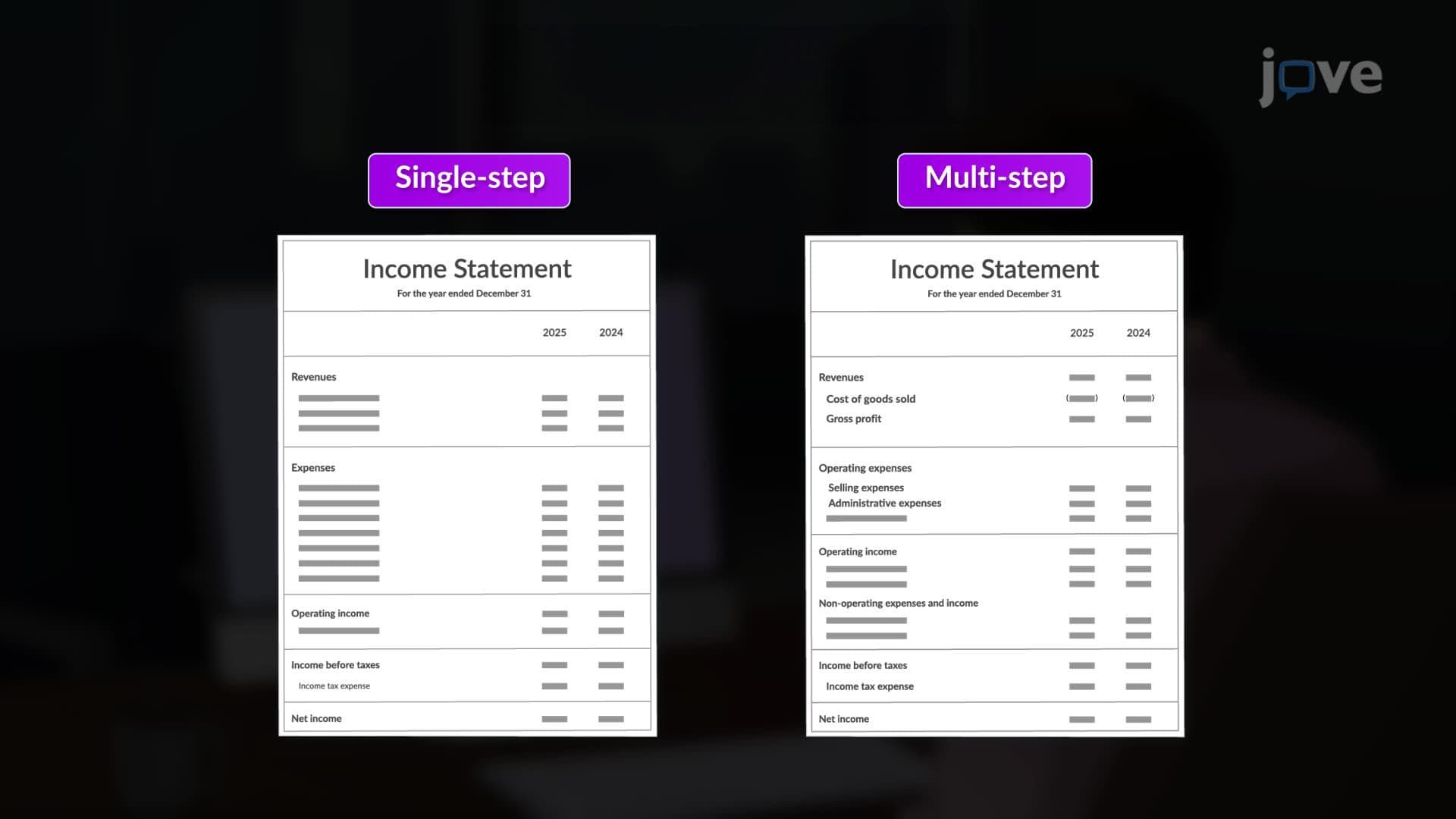
1. Revenue → subtract Cost of Goods Sold (COGS) → Gross Profit 2. Gross Profit → subtract operating expenses → Operating Income (EBIT) 3. Operating Income → subtract interest expense → Profit Before Tax (PBT) 4. Profit Before Tax → subtract taxes → Net Income
This structure, often visible in a multi-step income statement, gives managers a precise diagnostic tool. When net income shrinks despite revenue growth, you can now pinpoint *where* the loss is occurring. Is it operational inefficiency (above the EBIT line) or is it a financing cost issue (between EBIT and PBT)?
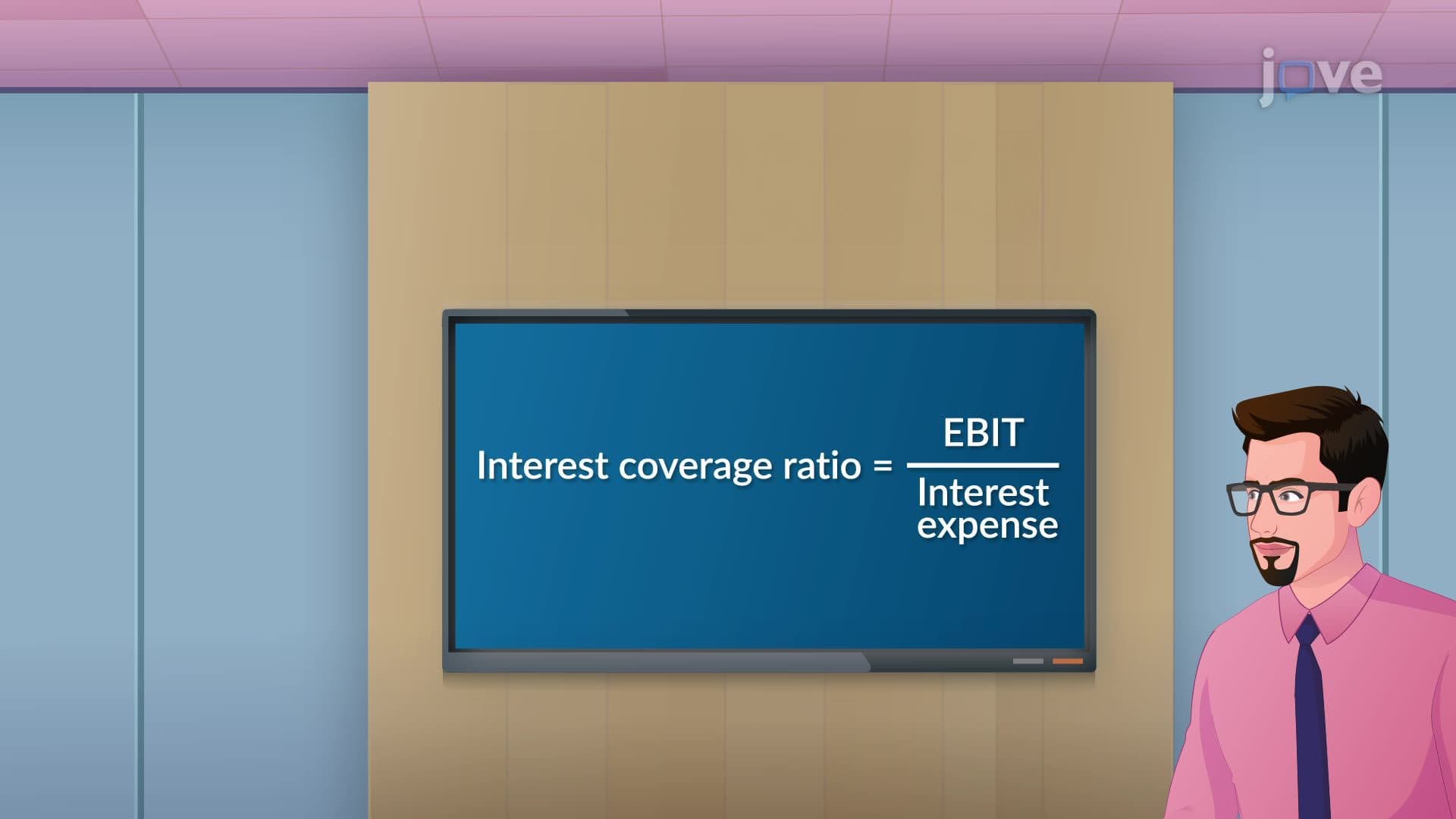
Understanding EBITDA, Earnings Before Interest, Taxes, Depreciation, and Amortization, also becomes relevant here. Leaders often use EBITDA as a proxy for operational performance, stripping out financing and accounting decisions to assess the core business. Knowing this helps you interpret leadership communications with far more precision.
You don't need to build financial models. What you need is the ability to ask the right questions when your organization's financial results are presented.
When reviewing a profit and loss statement with your manager or finance partner, practice asking:
These questions signal financial credibility and elevate your standing in senior conversations. They also help you protect your team, because when you understand where margin is being lost, you can make a far stronger case for investment in the right places.
Conflating revenue with profitability. Revenue is a vanity metric if interest and tax burdens are disproportionately high. Managers who celebrate top-line growth without understanding the bottom line often get blindsided by budget constraints.
Ignoring the interest line. Many managers focus exclusively on operating costs because those are within their control. But interest expenses, set by leadership-level financing decisions, can dramatically reshape the net income figure and, by extension, what's available for your team.
Treating taxes as a fixed, invisible number. Tax liabilities shift with jurisdiction, accounting standards, and business structure. Knowing that taxes are calculated on PBT, not revenue, helps you understand why the same revenue figure produces different net incomes across business units or geographies.
Related Micro-courses