Loading video…

 16 Concepts
 5.7K views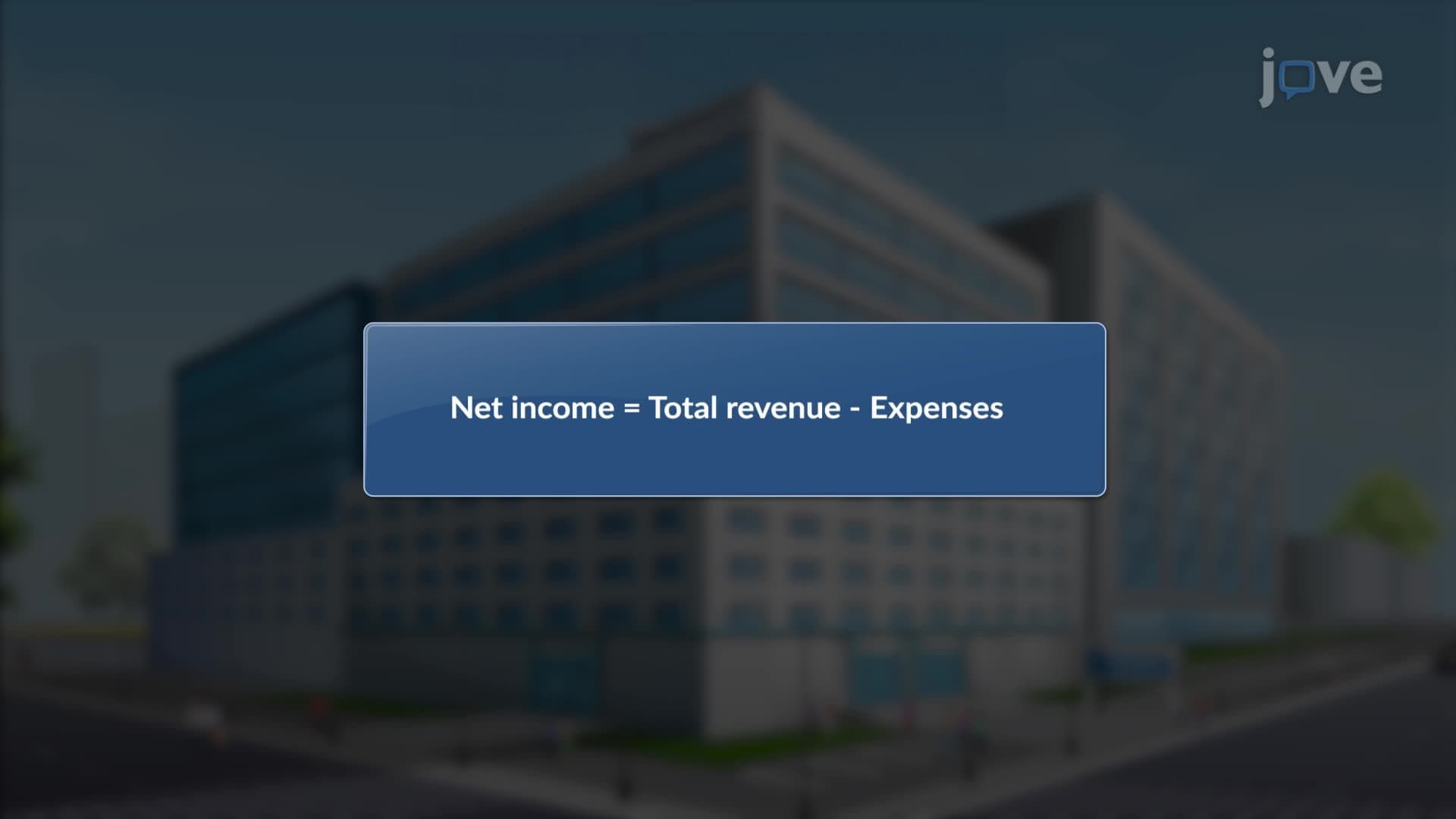

Video Summary: What Is Net Profit
Many managers struggle to evaluate whether their team's hard work is actually translating into business results. Understanding net profit basics is essential for any manager who wants to speak credibly about financial performance. Net profit, what a business truly earns after every expense is accounted for, is the clearest signal of organizational health. Watch the full video on JoVE Coach to master this concept with expert-led visuals and step-by-step explanations.
Picture this: your team has just closed its strongest sales quarter on record. Revenue is up, the mood is high, and leadership is congratulating everyone. Then the quarterly review lands, and the business barely broke even. What happened? Costs climbed just as fast as revenue. This is exactly why understanding net profit is not a finance team problem. It is a management literacy problem, and it sits squarely in your lane as a leader.
Revenue tells you what came in. Net profit tells you what stayed. The gap between those two figures represents every business decision made along the way, procurement choices, staffing levels, operational inefficiencies, debt obligations, and tax exposure. As a manager, you may not control all of those levers, but you almost certainly influence several of them.
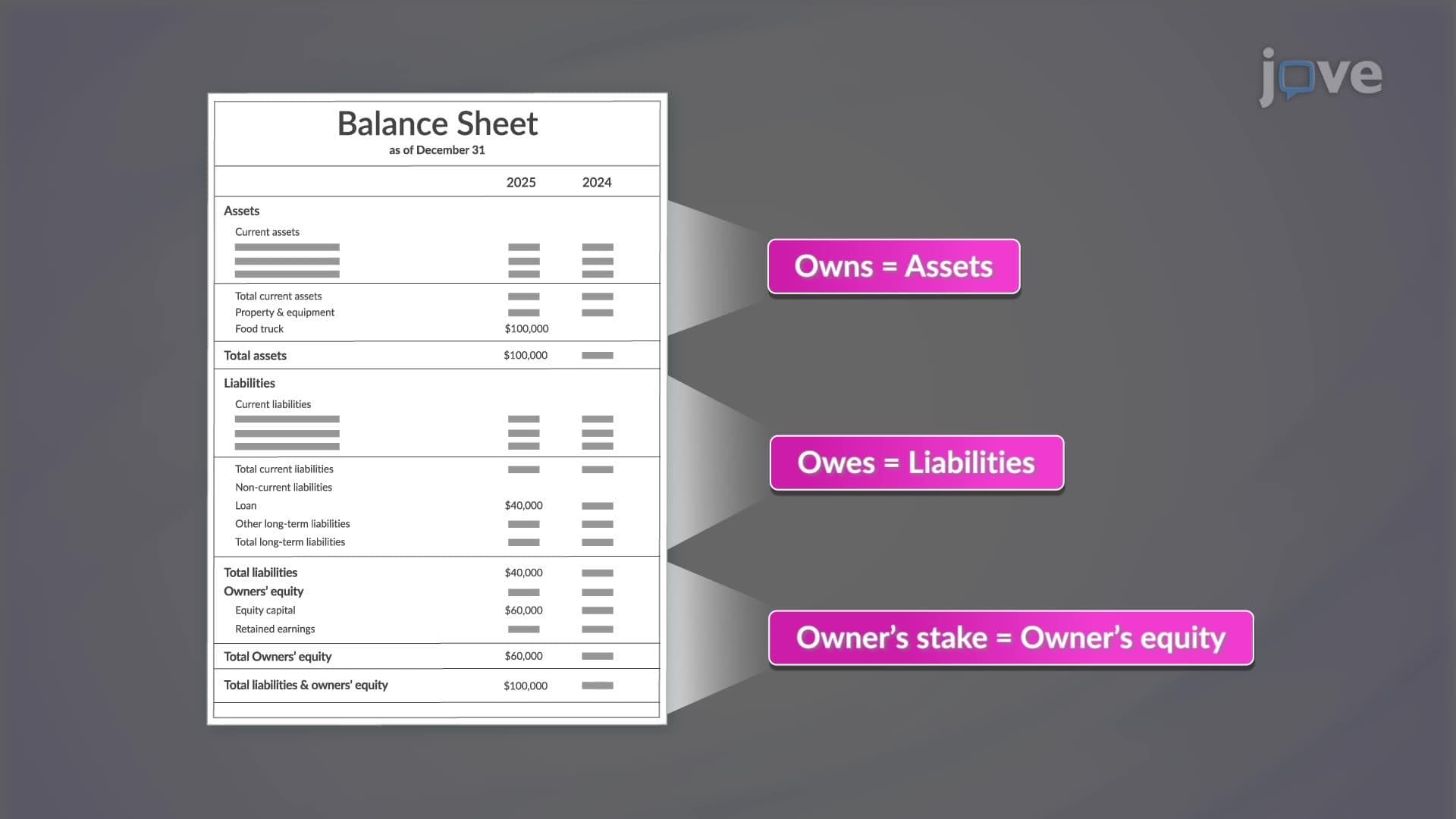
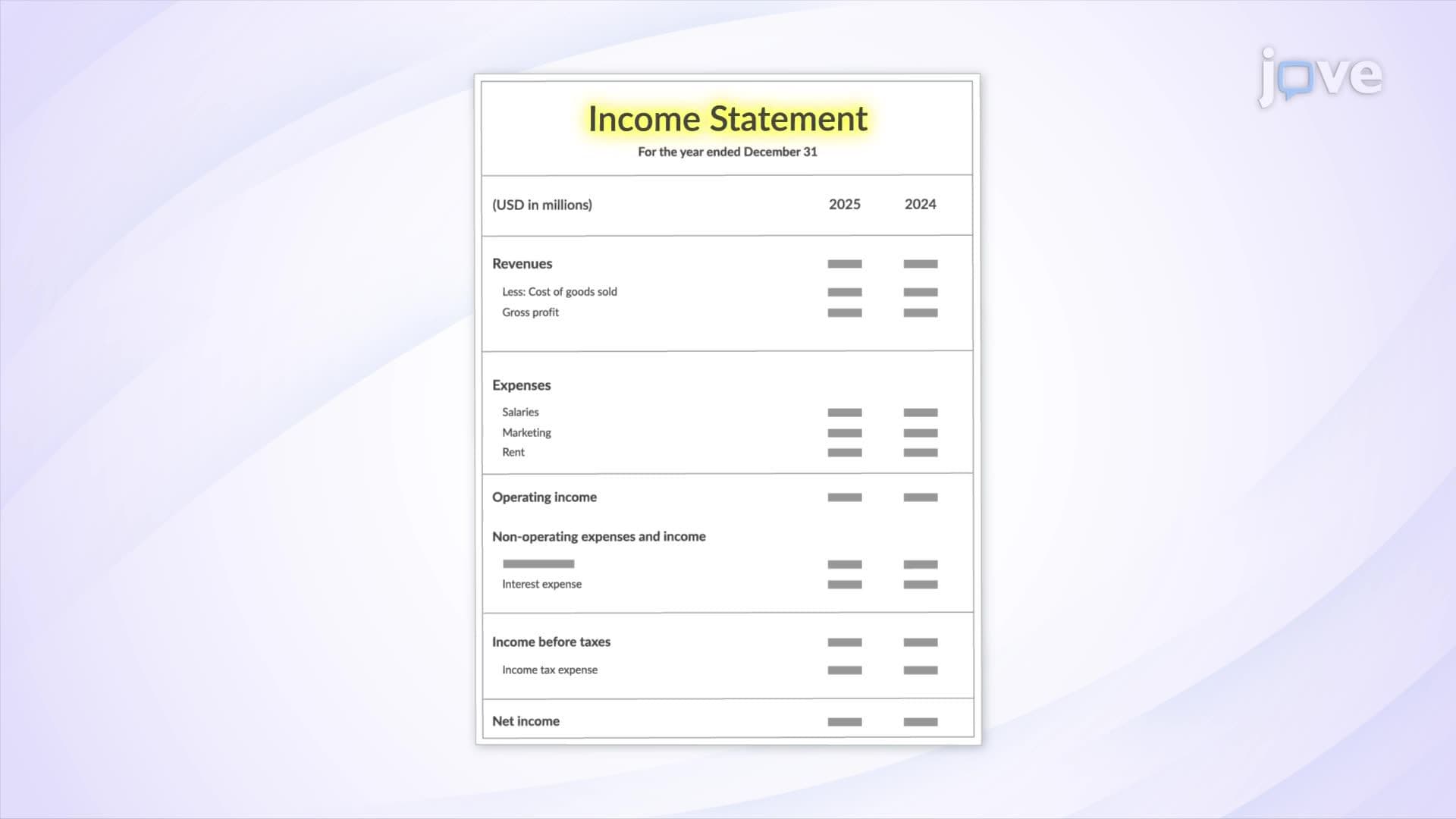
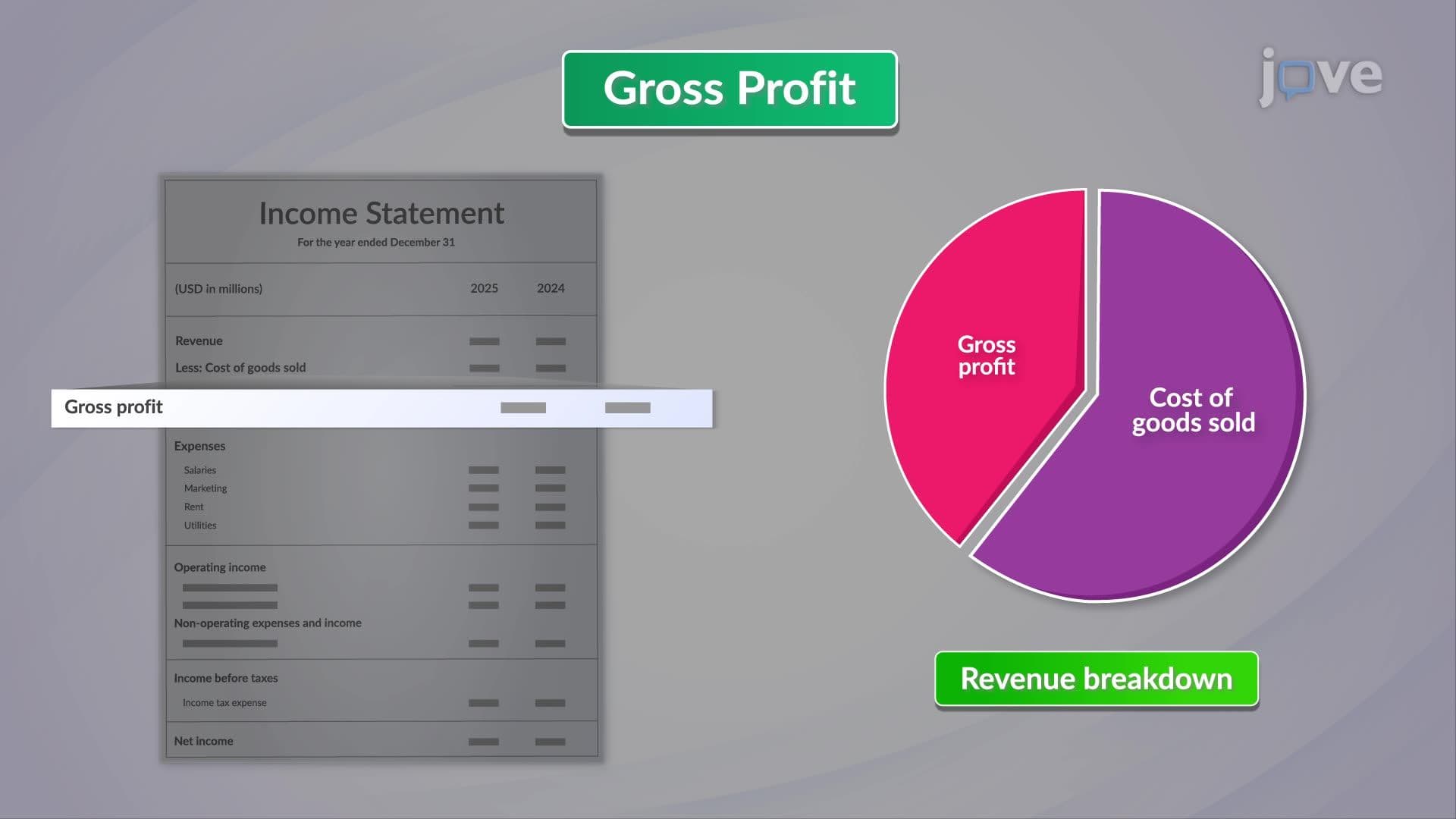
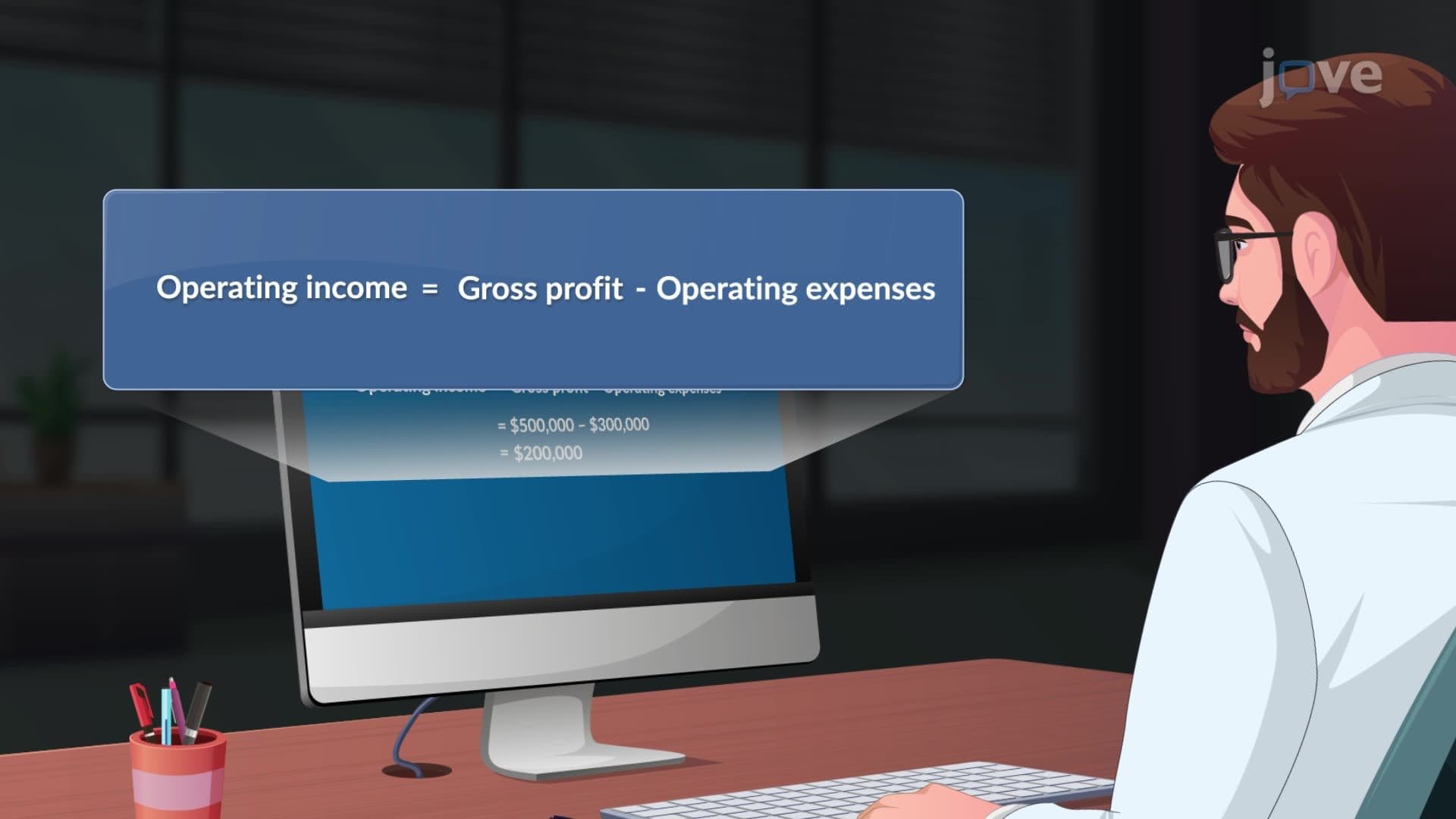
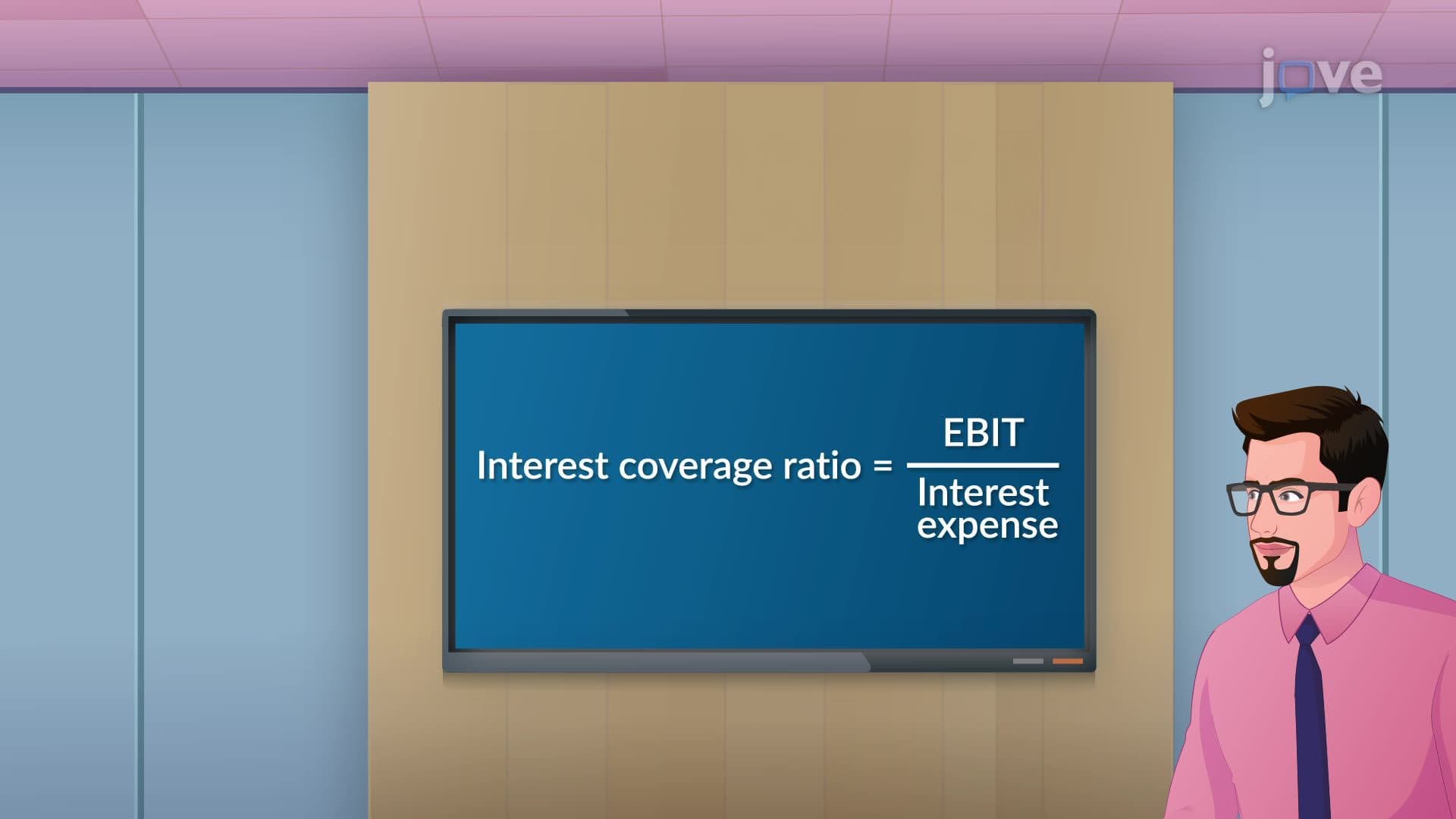
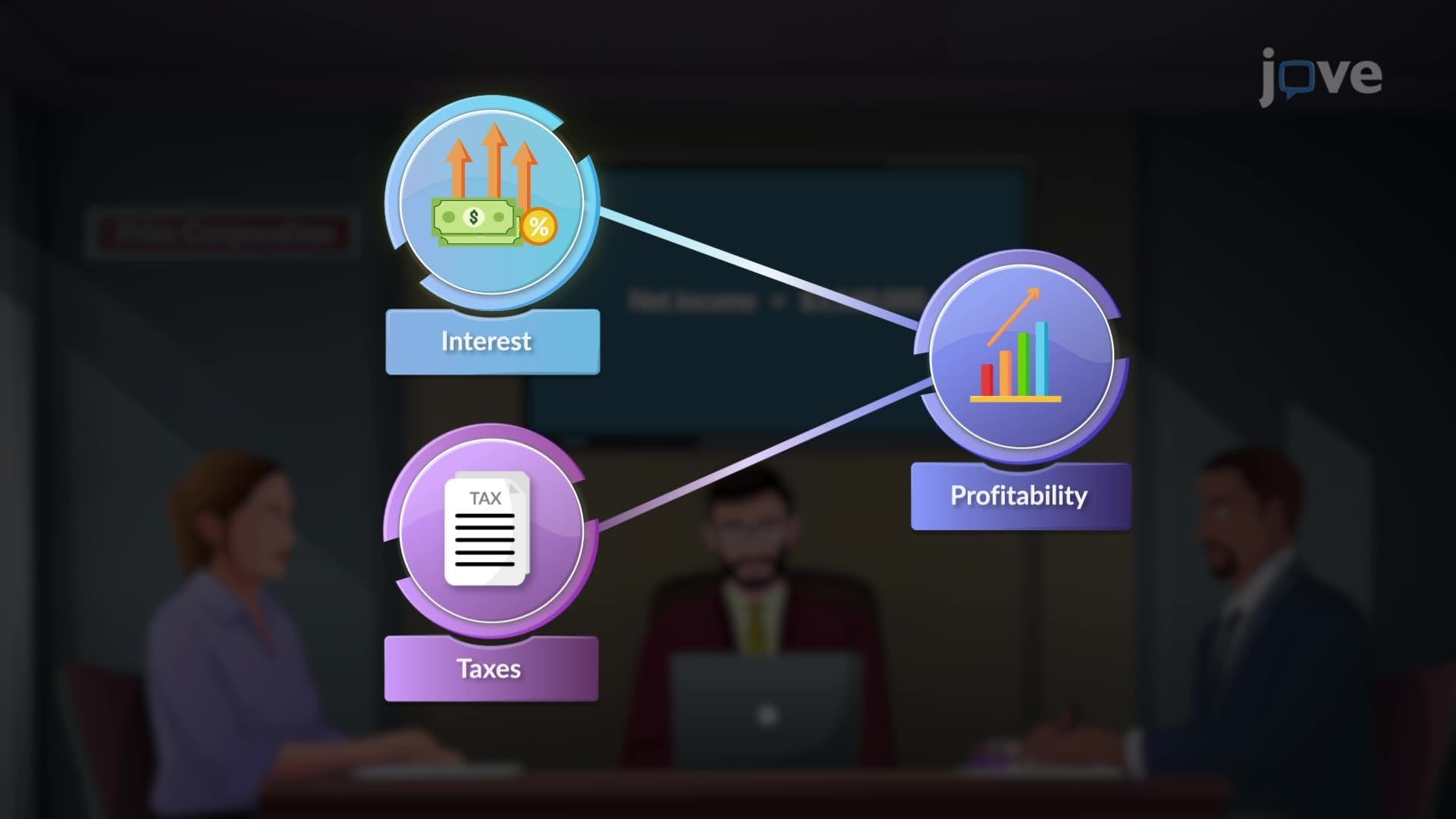
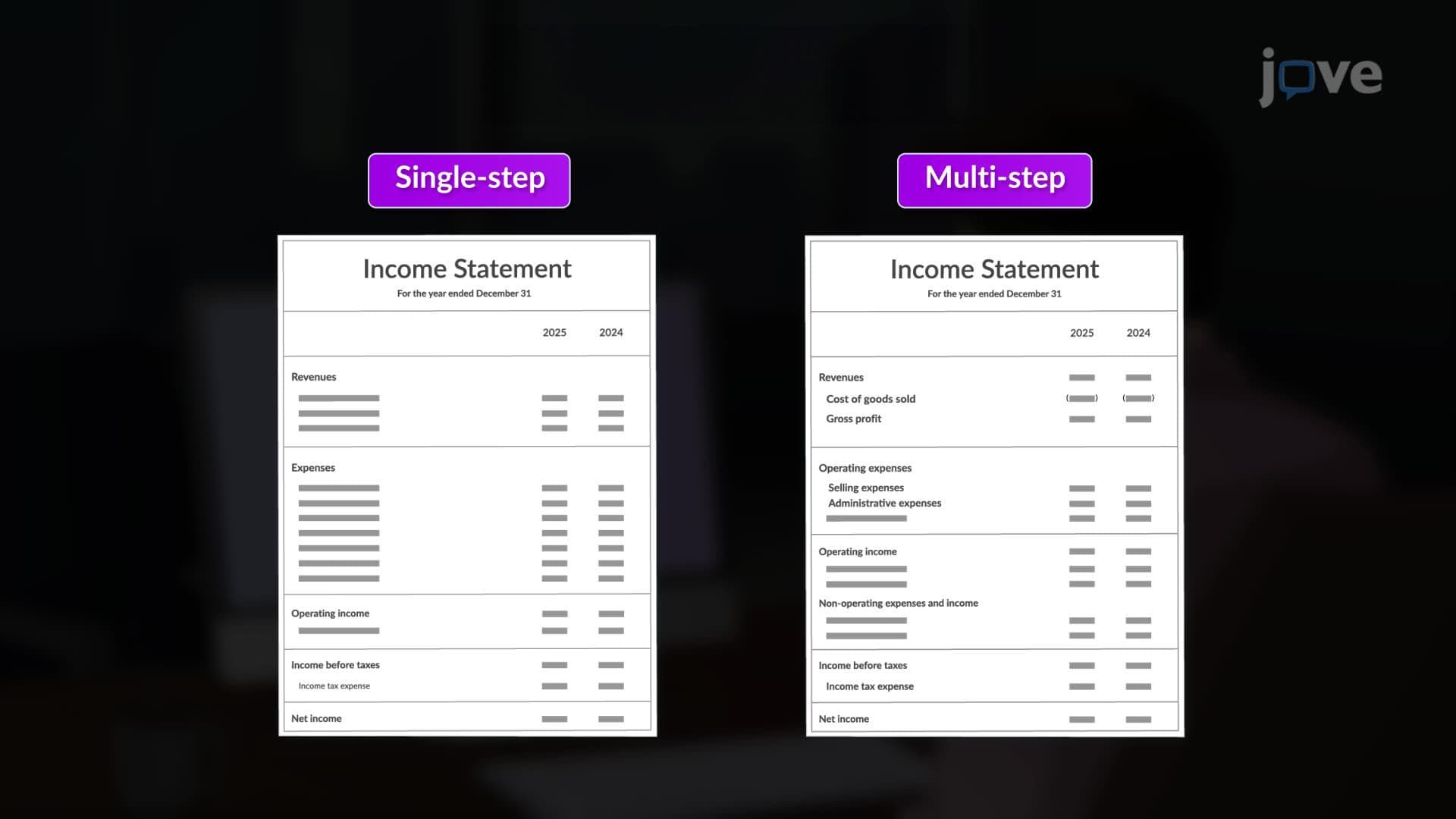
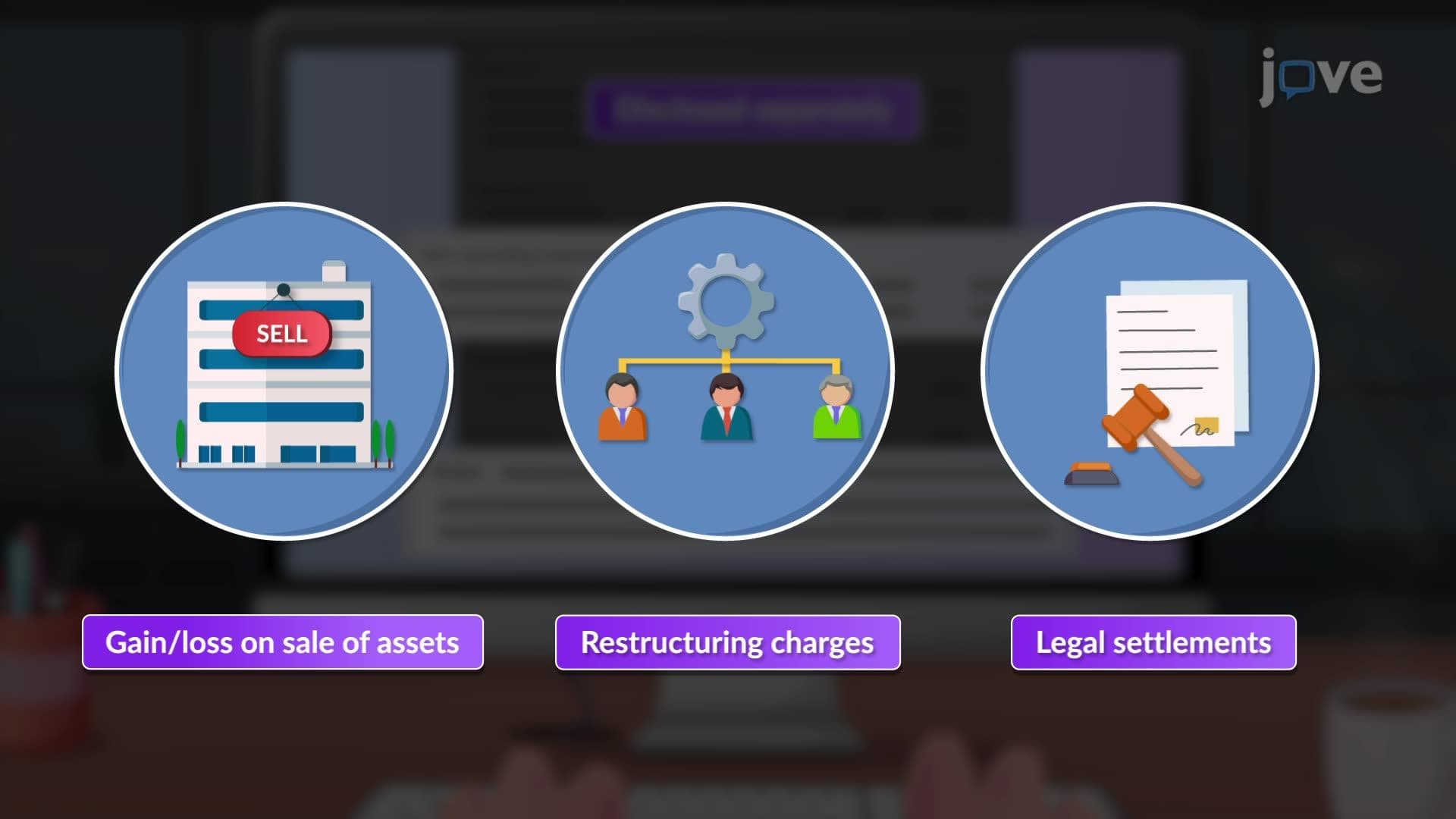
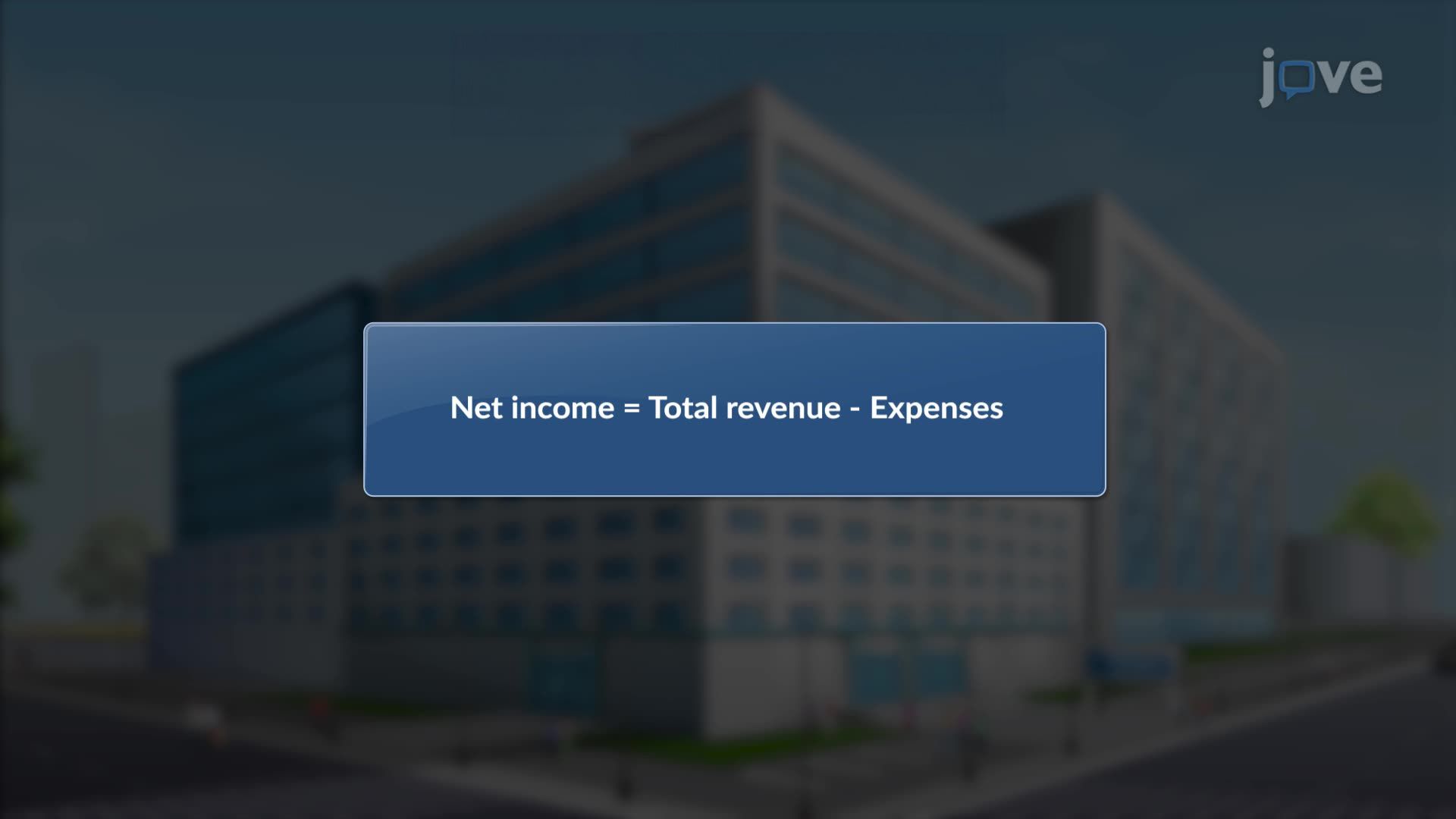
Net profit is calculated by subtracting all expenses from total revenue. Those expenses include the cost of goods sold (COGS), operating expenses, non-operating expenses, interest, and taxes. What remains is the true measure of business performance, the figure that investors scrutinize, creditors rely on, and executives defend in board meetings. When net profit is positive, the business is sustainable. When it turns negative, becoming a net loss, it signals that something in the cost or revenue structure needs urgent attention.
Most managers are promoted for functional excellence, not financial fluency. As a result, they often conflate revenue growth with business health, or they treat financial performance as someone else's responsibility. This creates a dangerous blind spot.
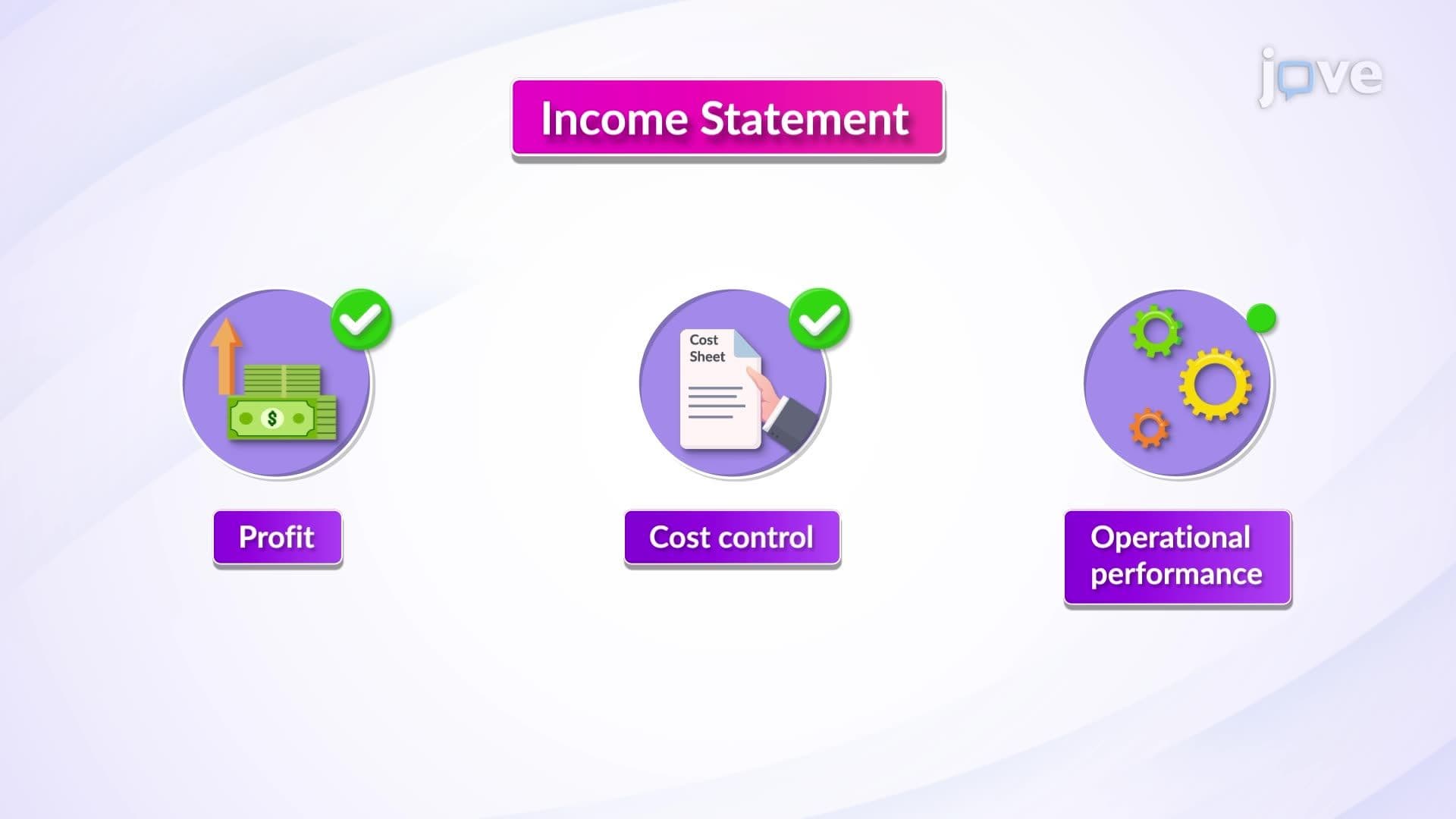
A useful framework here is the P&L Ownership Mindset, the practice of treating your team's budget and cost outputs as your direct responsibility, even when you are not the budget holder. Start by mapping your team's activities to one of three categories: revenue-generating, cost-incurring, or efficiency-improving. Once your team can see how their work connects to the income statement, conversations about prioritization become dramatically clearer.
Another common mistake is focusing exclusively on top-line revenue while ignoring net margin. A team that closes large deals with poor pricing discipline can actively damage net profit, even while celebrating record sales.
You do not need to be a CFO to use net profit thinking effectively. Here is a practical three-step approach for managers:
Step 1, Read the P&L before every review. Even a basic profit and loss statement shows you where costs are growing relative to revenue. Identify the line items your team directly influences.
Step 2, Apply the Revenue-Cost-Efficiency lens. Before proposing any initiative, ask: does this increase revenue, reduce cost, or improve operational efficiency? If it does none of the three, it needs a stronger business case.
Step 3, Use net margin as your scorecard. Net margin (net profit divided by total revenue, expressed as a percentage) is a more honest performance indicator than revenue alone. Tracking it over time tells you whether the business is becoming more or less financially sustainable, and whether your team's decisions are contributing positively.
Managers who frame their team's contributions in these terms build trust with finance partners and senior leadership far more effectively than those who report on activity and output alone.
Related Micro-courses