Loading video…

 16 Concepts
 5.7K views

Video Summary: What Is Other Comprehensive Income
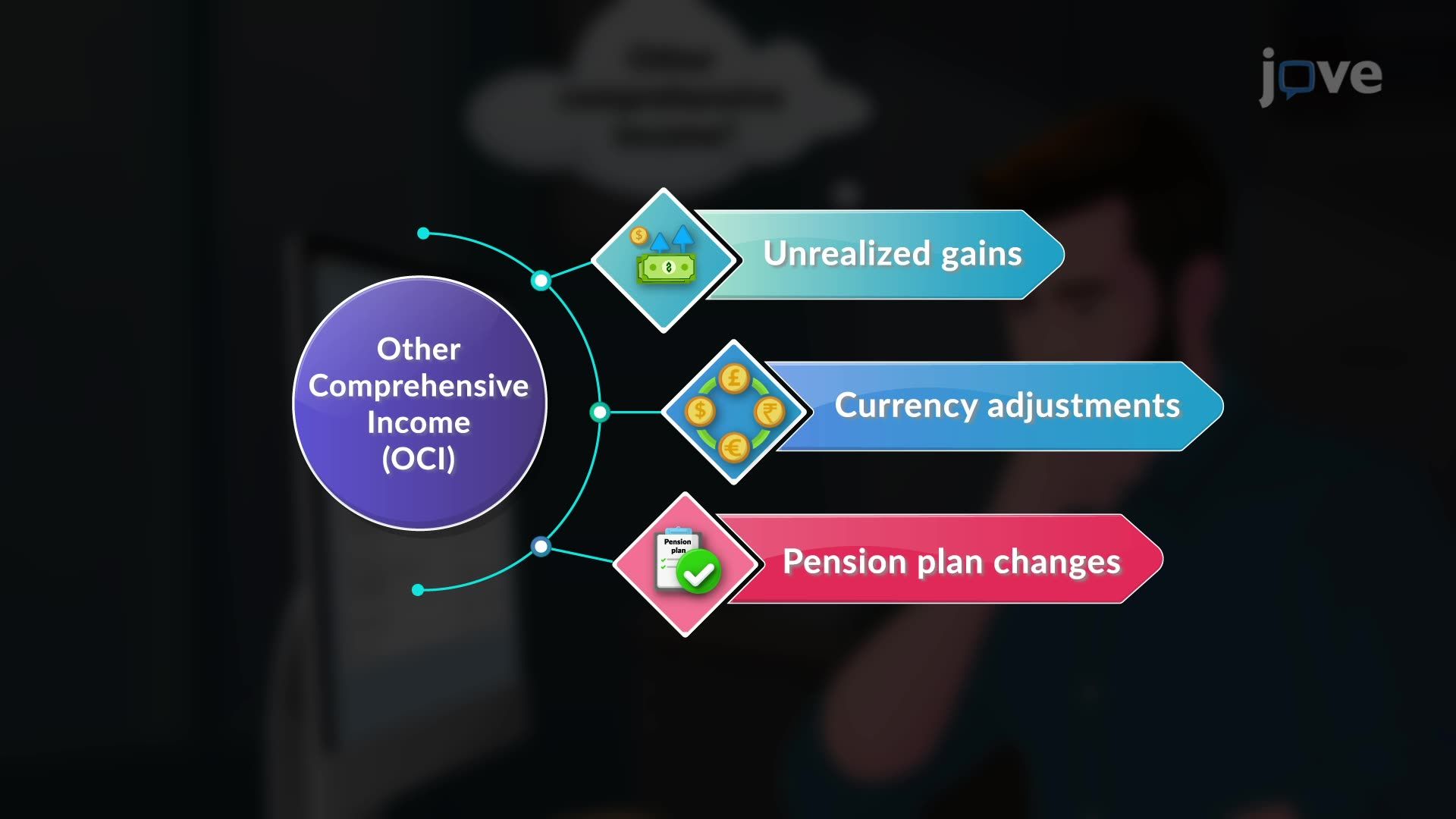
Other comprehensive income basics are essential for managers who need to interpret financial reports accurately, yet many leaders misread a healthy bottom line while missing critical equity shifts happening beneath it. Understanding what is other comprehensive income helps you see beyond net income to unrealized gains, currency adjustments, and pension changes shaping your organization's true financial position. Watch the full video on JoVE Coach to master this concept with expert-led visuals and step-by-step explanations.
Picture this: your organization just closed a strong quarter. Net income looks solid, the profit and loss statement is clean, and leadership is pleased. Then someone in the finance review asks why equity moved significantly, and the answer has nothing to do with revenue or expenses. It involves an investment the company holds, one that hasn't been sold but has risen in market value. This is the moment most managers go quiet. Understanding other comprehensive income, and how it differs from net income, is what separates financially fluent leaders from those who can only read the bottom line.
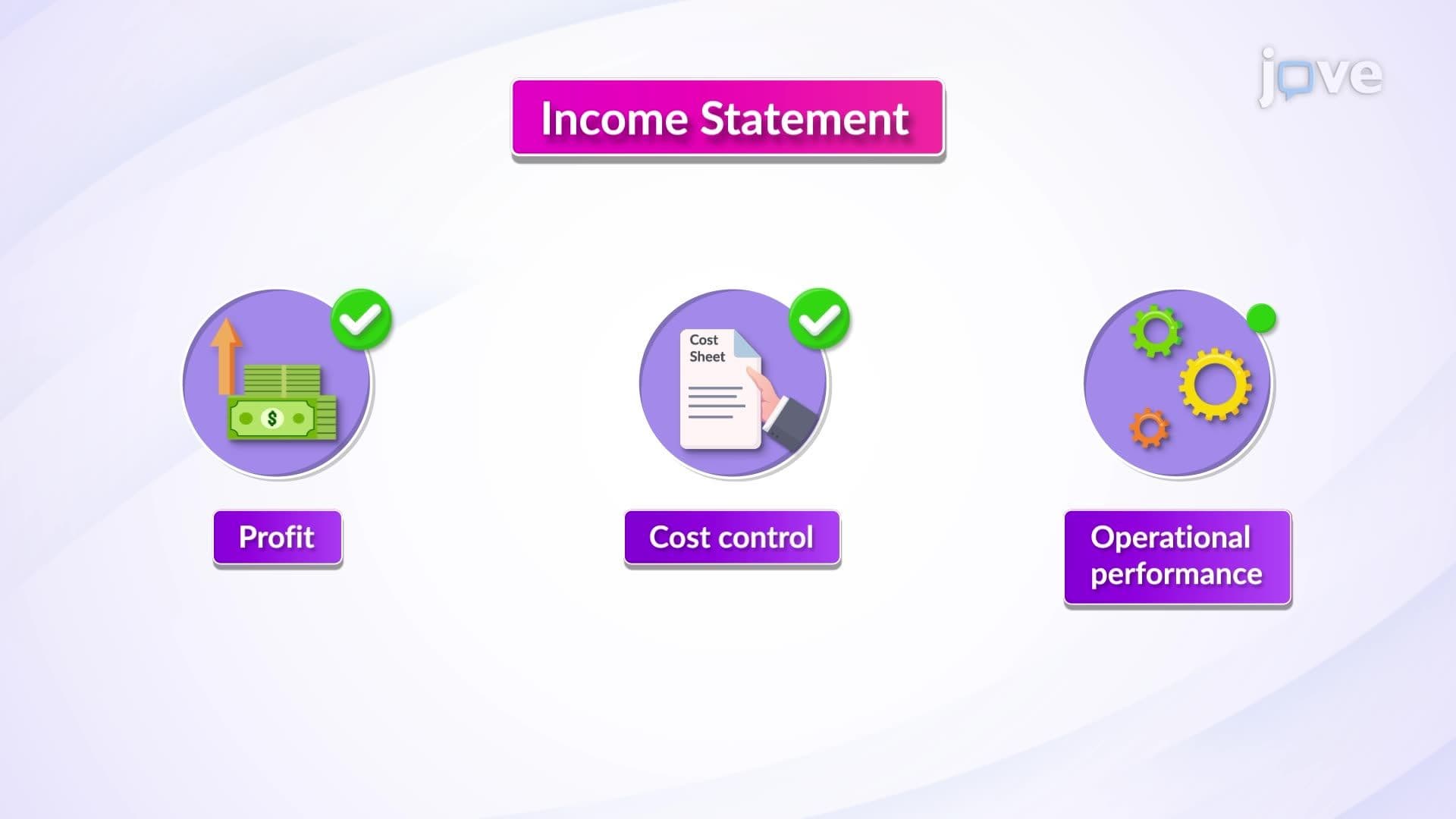
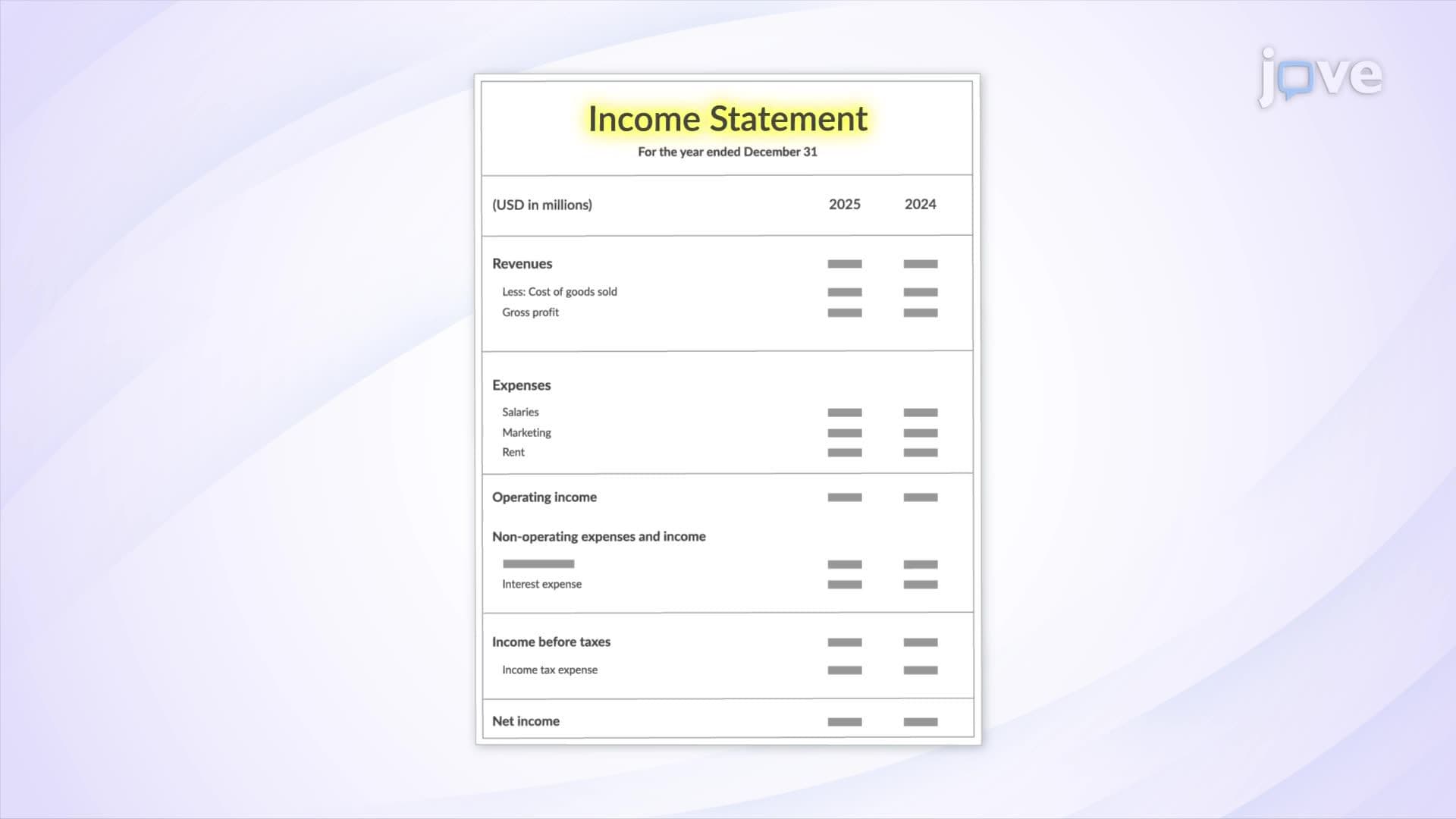
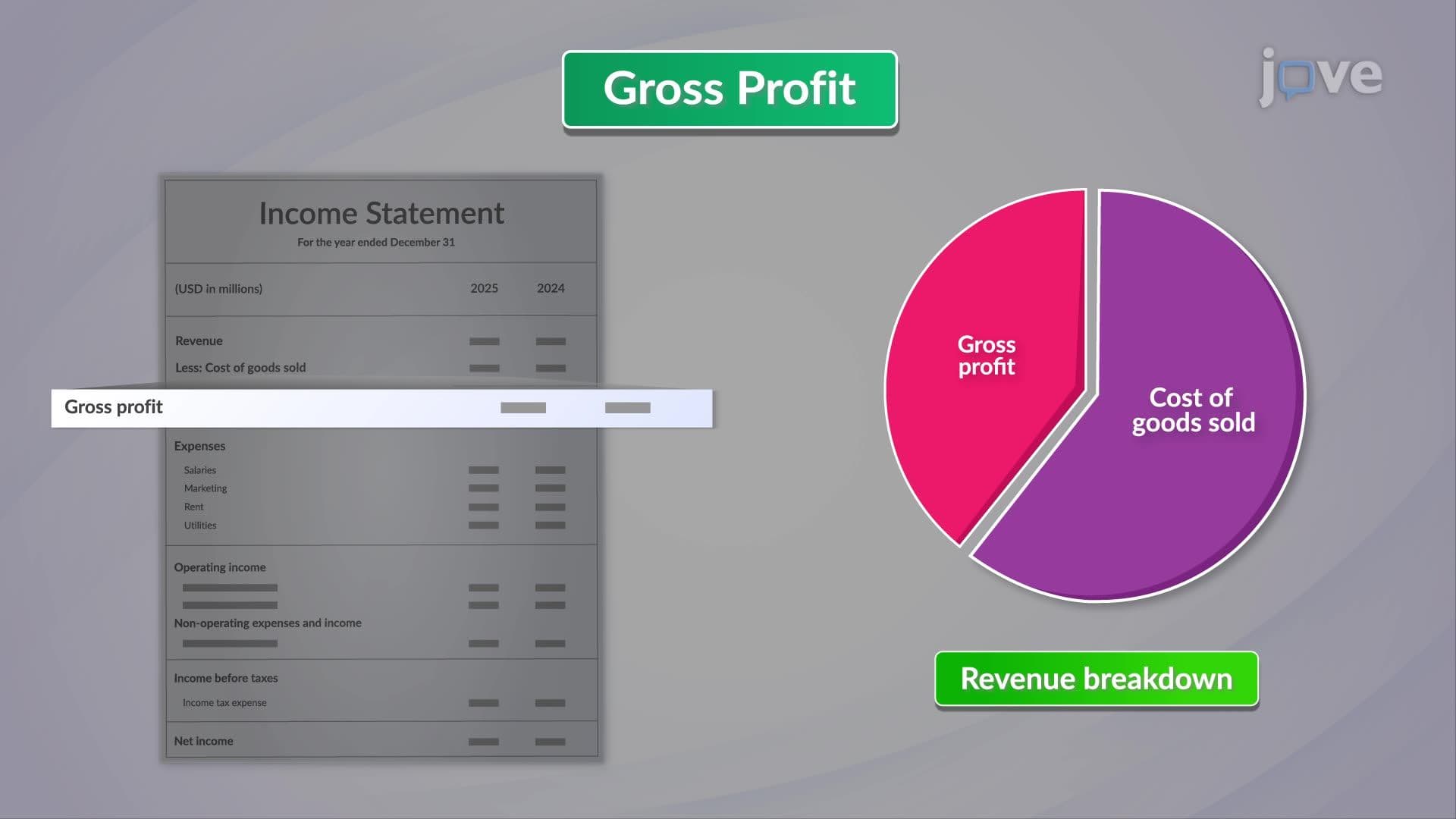
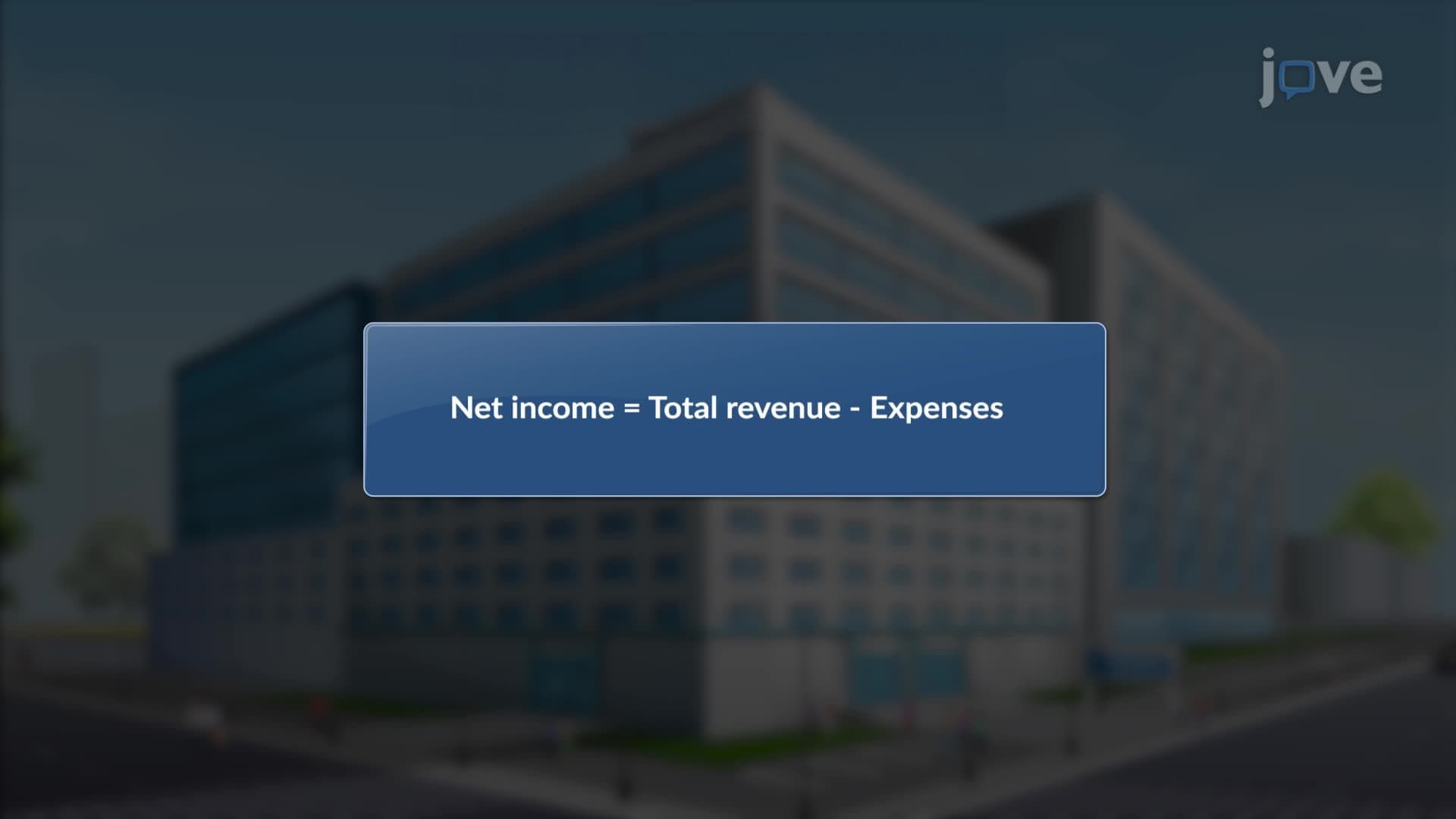
The core challenge is that management training tends to focus on operational metrics: revenue recognition, Cost of Goods Sold (COGS), EBITDA, gross margin percentage, and net margin. These are income statement fundamentals, and they matter. But other comprehensive income lives in a different space, it captures financial changes that are real and material, yet deliberately excluded from net income because they haven't been "realized" through an actual transaction.
Without exposure to this distinction, managers often treat financial statements as a single story told by one number. In reality, there are two parallel narratives: one about operational performance and one about broader financial position. Missing the second narrative leads to blind spots in budget conversations, strategic planning discussions, and performance reviews where financial outcomes are on the table.
Think of financial literacy as a two-layer skill. Layer One covers the income statement fundamentals, revenues minus expenses, gross margin, EBITDA, and net income. This is where day-to-day operational performance lives. Layer Two covers OCI, the adjustments that reflect market conditions, long-term investment positions, currency exposure, and pension obligations.
To apply this framework in practice, use a structured approach when reviewing any financial report:
1. Read the bottom line, What does net income tell you about operational results this period? 2. Check the equity section, Has total equity moved in ways net income doesn't explain? 3. Identify OCI line items, Are there unrealized investment gains or losses, foreign currency translation adjustments, or pension-related changes? 4. Ask the "why" question, Is the movement driven by management decisions or external market forces?
This four-step read takes less than five minutes once it becomes habit, and it immediately elevates the quality of financial conversations you can lead.
When preparing for a budget meeting, performance review, or cross-functional planning session involving financial data, build one additional question into your preparation: *"What is sitting in OCI this period, and does it change how we interpret net income?"*
This is particularly important in organizations with international operations, where foreign currency translation adjustments can make performance look stronger or weaker than underlying operations warrant. Similarly, teams managing long-term capital projects or pension-linked workforces need to understand that equity can shift materially without touching the profit and loss statement.
For managers newer to financial reporting, consider the 70-20-10 model applied to financial learning: spend 70% of your development time reading and discussing real financial reports in context, 20% in peer conversations with finance partners or colleagues, and 10% in structured learning like this video. The goal isn't to become an accountant, it's to be a leader who can ask the right questions, interpret complete financial pictures, and communicate with credibility at every level of the organization.
Related Micro-courses