Loading video…

 16 Concepts
 5.7K views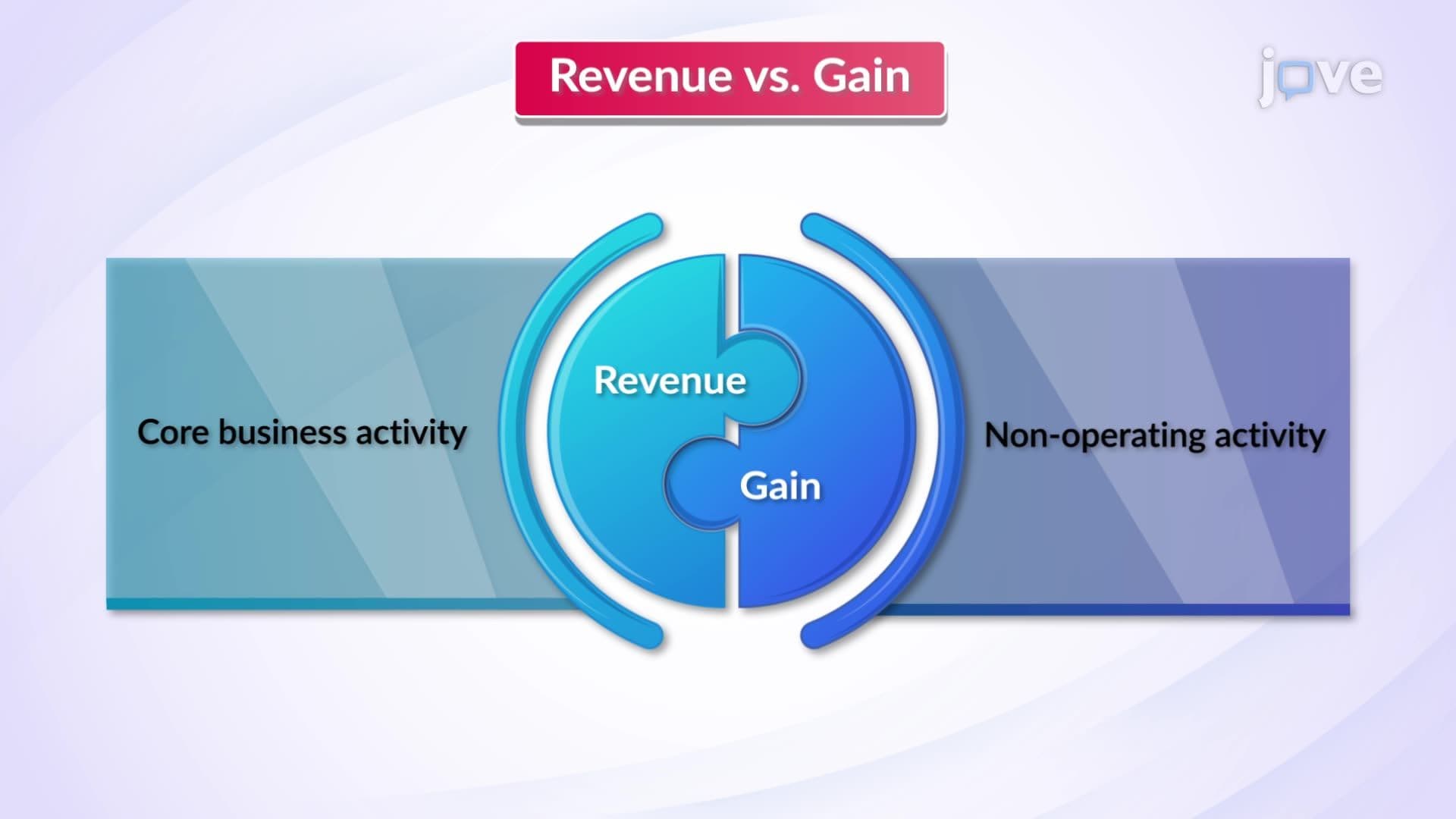

Video Summary: What Is Revenue Vs Gain
Revenue vs. gain basics trip up more managers than most finance teams admit. When you're reading a profit and loss statement and confusing recurring sales income with one-off asset proceeds, your budget decisions and forecasting conversations will be off, sometimes embarrassingly so. Understanding revenue vs. gain sharpens how you interpret financial reports and engage credibly with senior stakeholders. Watch the full video on JoVE Coach to master this concept with expert-led visuals and step-by-step explanations.
Picture this: your team just wrapped a strong quarter. The numbers look great on paper, income is up, leadership is pleased, and you're heading into the review with confidence. Then someone in the room asks, "How much of this is repeatable?" You hesitate. That hesitation often comes from not clearly separating revenue from gain, and in leadership, that distinction carries real weight.
Most managers who didn't come up through finance roles treat all income as a single signal of performance. In reality, revenue and gain are reported differently on the income statement and mean very different things for business health.
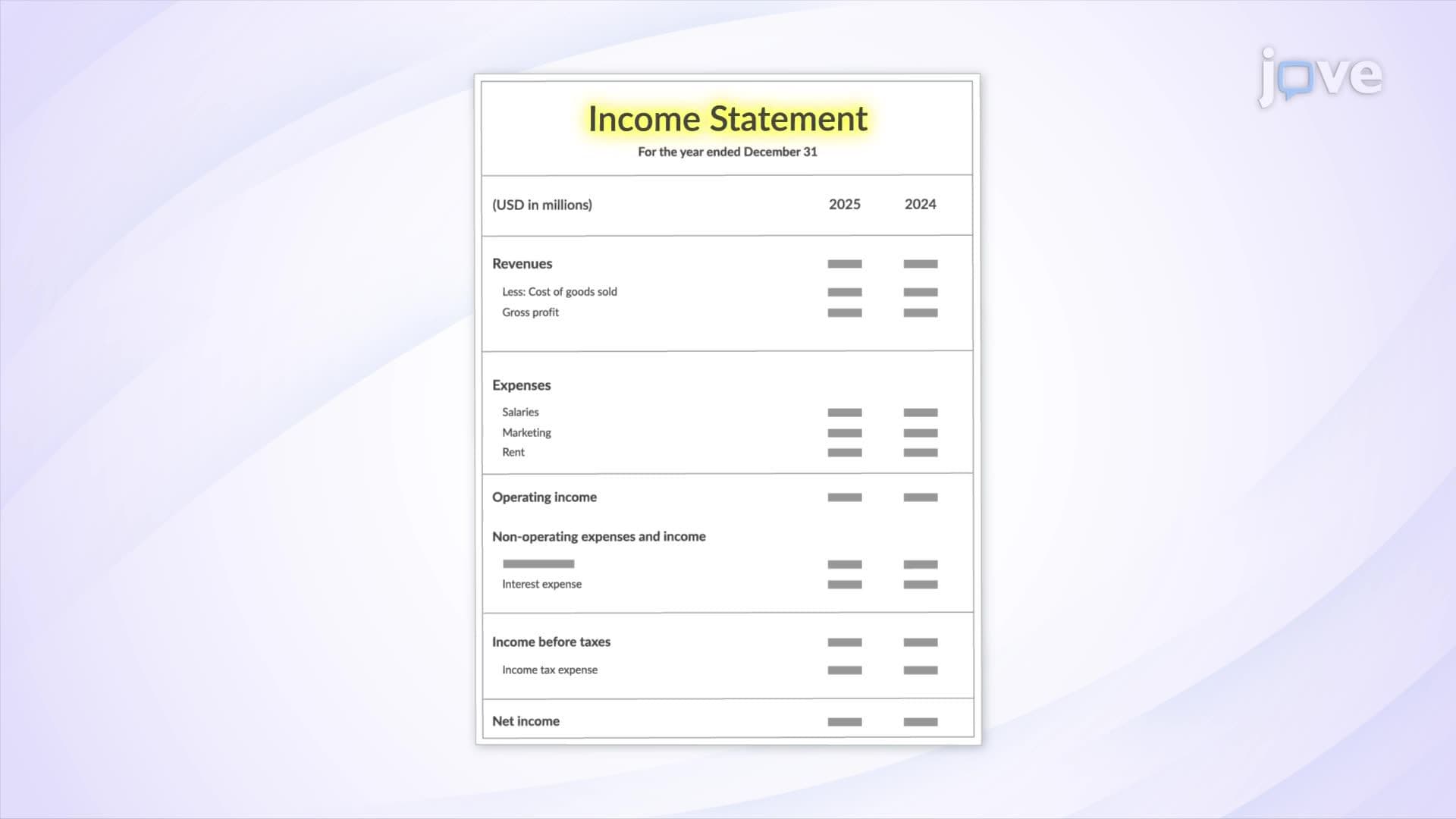
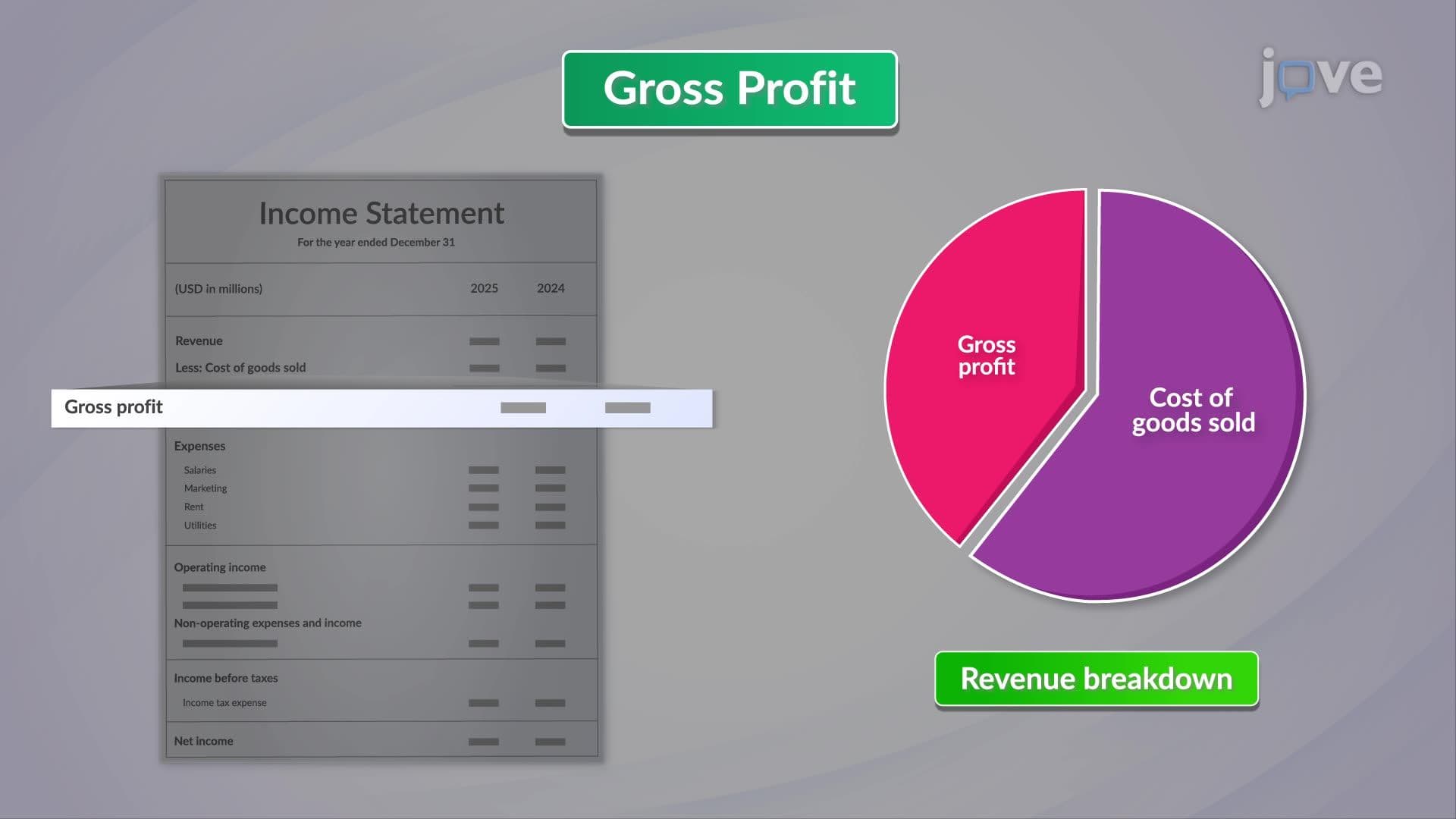
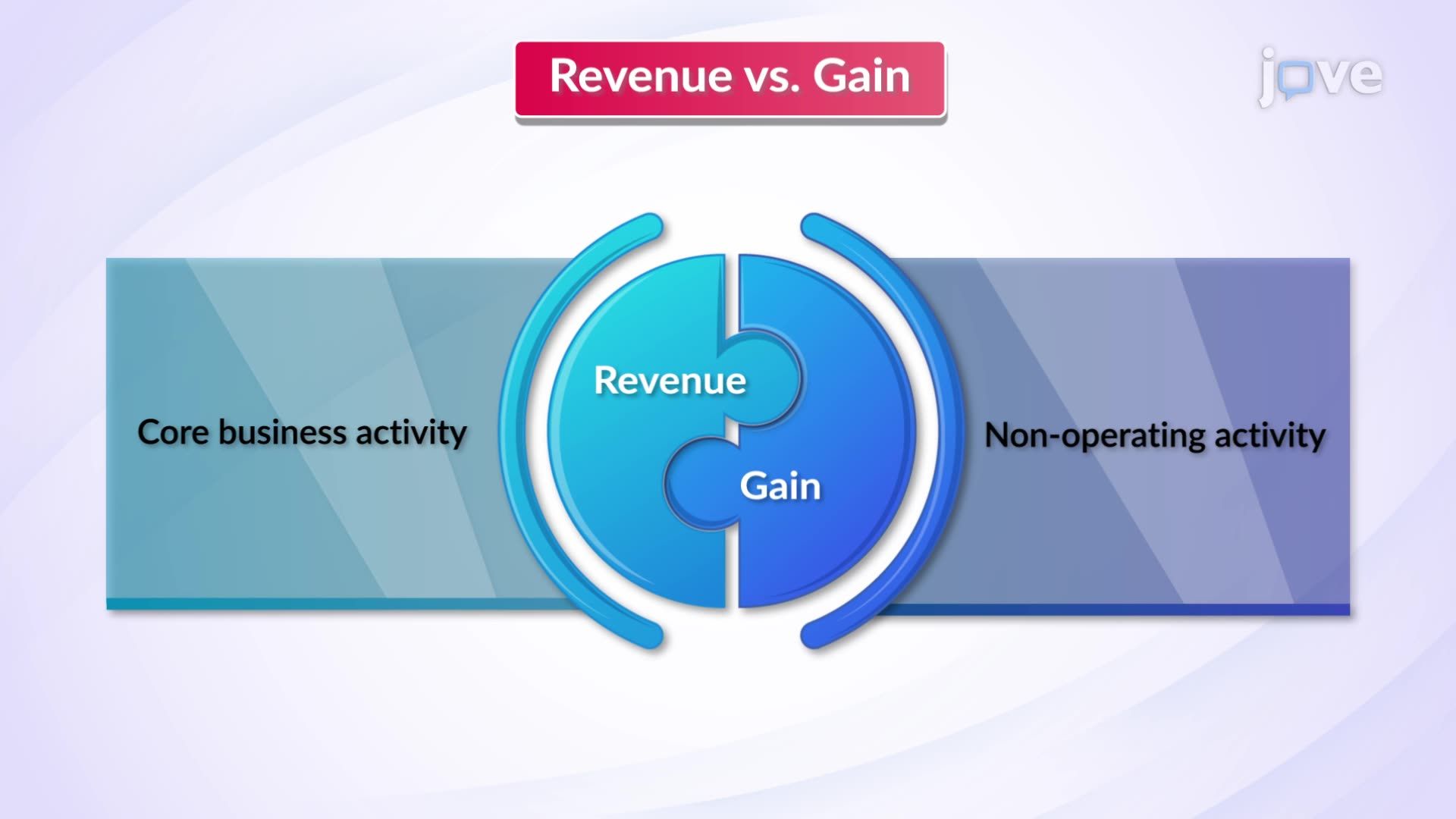
Revenue is the income generated directly from a business's primary, ongoing activities, product sales, service delivery, subscription income. It appears at the top of the income statement and is expected to recur. It feeds directly into calculations like gross margin, COGS (Cost of Goods Sold), and net margin.
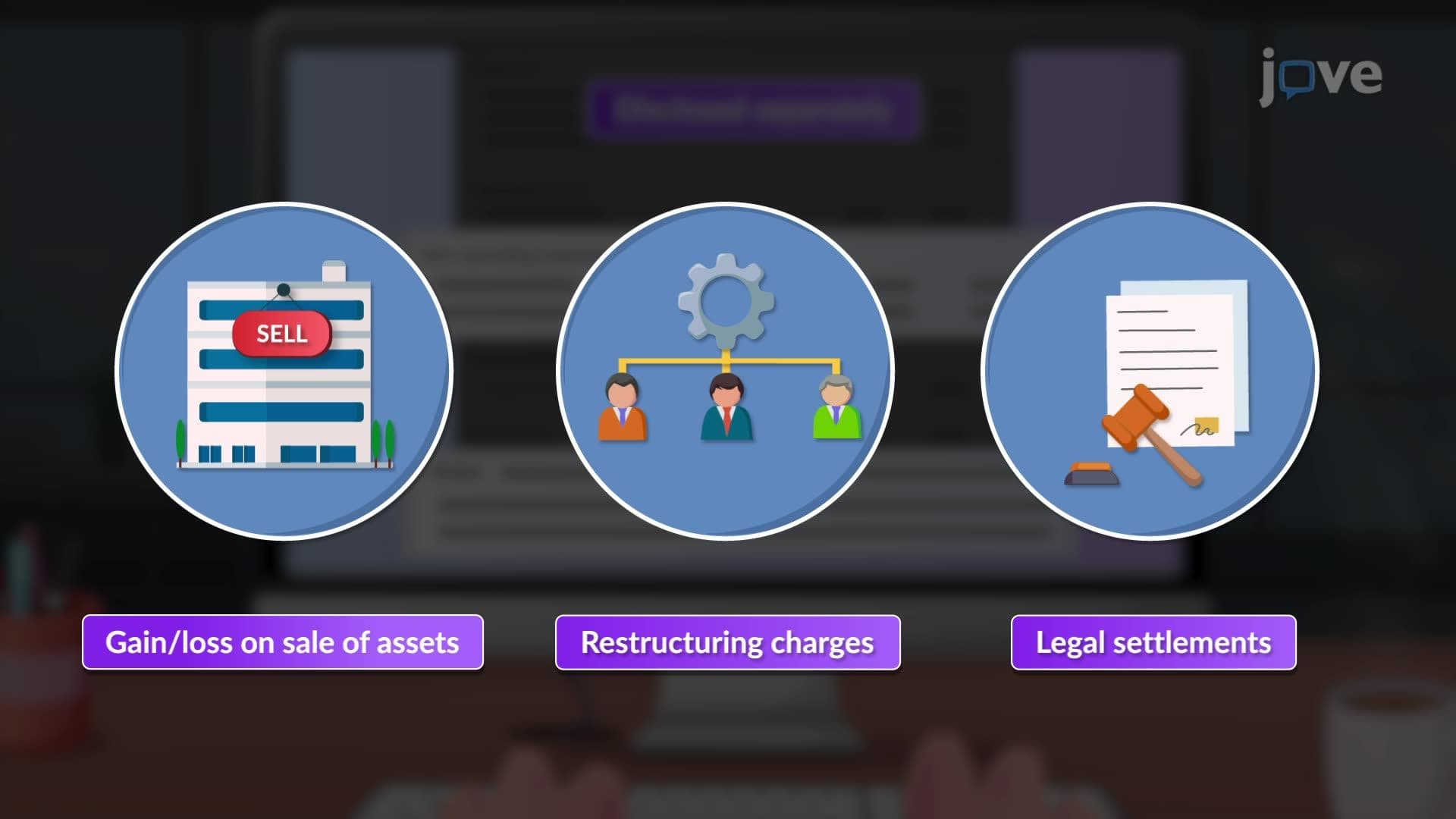
Gain is income from transactions outside normal operations, selling an asset, disposing of unused equipment, or receiving a one-off settlement. It's reported separately under non-operating income and does not reflect the underlying strength of core business activity.
A manager who reads both as equivalent performance signals risks overstating business momentum to their own team and to senior leaders.
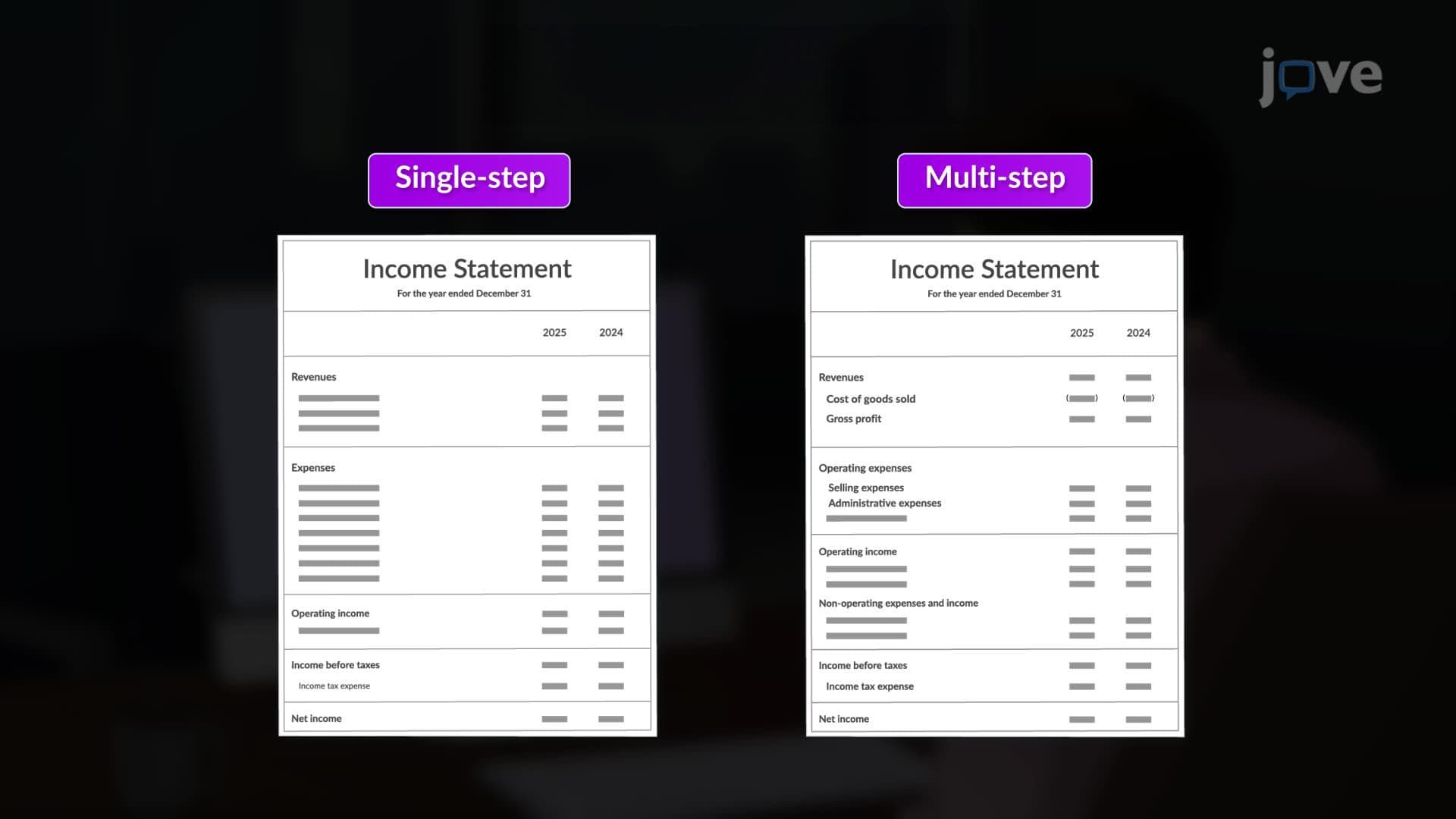
Understanding *where* revenue and gain appear on the income statement gives you an immediate interpretive advantage. Two common formats managers encounter are:
As a manager, always ask: *Is this income from what we actually do, or from something we did once?* Apply this question in every financial review. A useful mental model is to categorise income as either "engine income" (revenue from core operations) or "event income" (gains from one-off transactions). This language translates cleanly into team conversations without requiring accounting fluency from everyone in the room.
When reviewing EBITDA figures, Earnings Before Interest, Taxes, Depreciation, and Amortisation, be aware that gains can inflate this metric if not correctly excluded from operating performance. Strong managers flag this distinction during budget and strategy discussions.
When preparing for a business review, quarterly update, or performance deep-dive with your own manager or finance partner, run through this three-step check:
1. Identify the income source. Is this money coming from core business activity or from a transaction outside normal operations? 2. Classify correctly. Revenue belongs in your operating performance narrative. Gains belong in a separate, contextual note, with a clear caveat that they are non-recurring. 3. Adjust your forward view. When forecasting or setting targets with your team, strip out gains to get a clean picture of repeatable revenue performance.
This approach protects your credibility. Managers who present inflated income figures, without distinguishing gains, tend to set unrealistic targets and lose trust when results normalise in subsequent periods.
Related Micro-courses