Loading video…

 16 Concepts
 5.7K views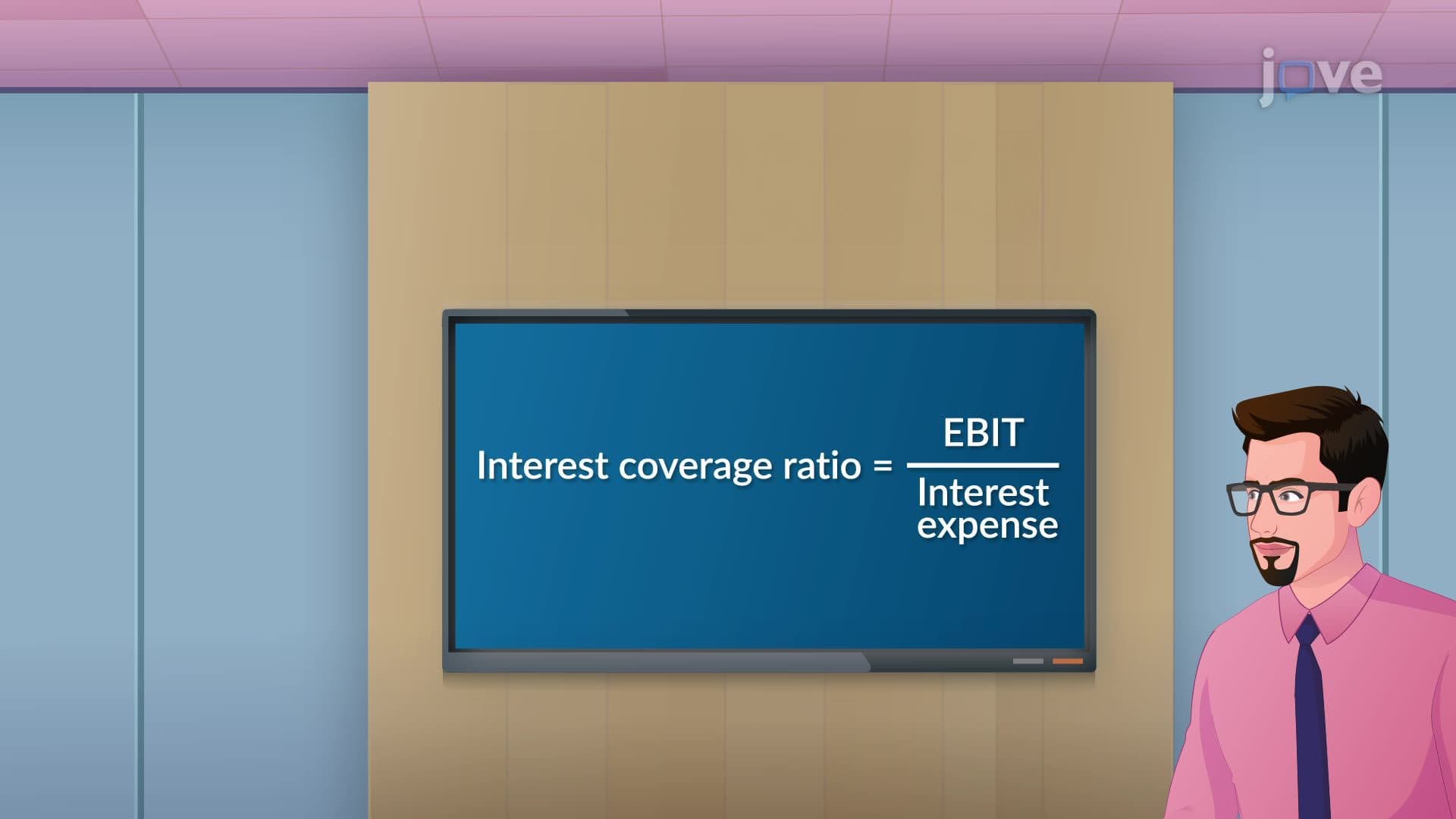

Video Summary: Earnings Before Interest and Taxes Explained
Earnings before interest and taxes basics often trip up managers who need to speak credibly about financial performance but weren't trained in finance. Understanding earnings before interest and taxes, EBIT, helps you cut through accounting noise and focus on what your business actually earns from its core operations. It's the number that reveals whether your team's work is genuinely creating value. Watch the full video on JoVE Coach to master this concept with expert-led visuals and step-by-step explanations.
Picture this: you're sitting in a quarterly business review, and the CFO asks how your division's operating performance compares to a peer unit that carries significantly more debt. If you're only looking at net income, you're comparing two fundamentally different financial structures, and drawing the wrong conclusions. This is exactly where earnings before interest and taxes (EBIT) becomes a manager's most reliable lens for understanding real operational performance.
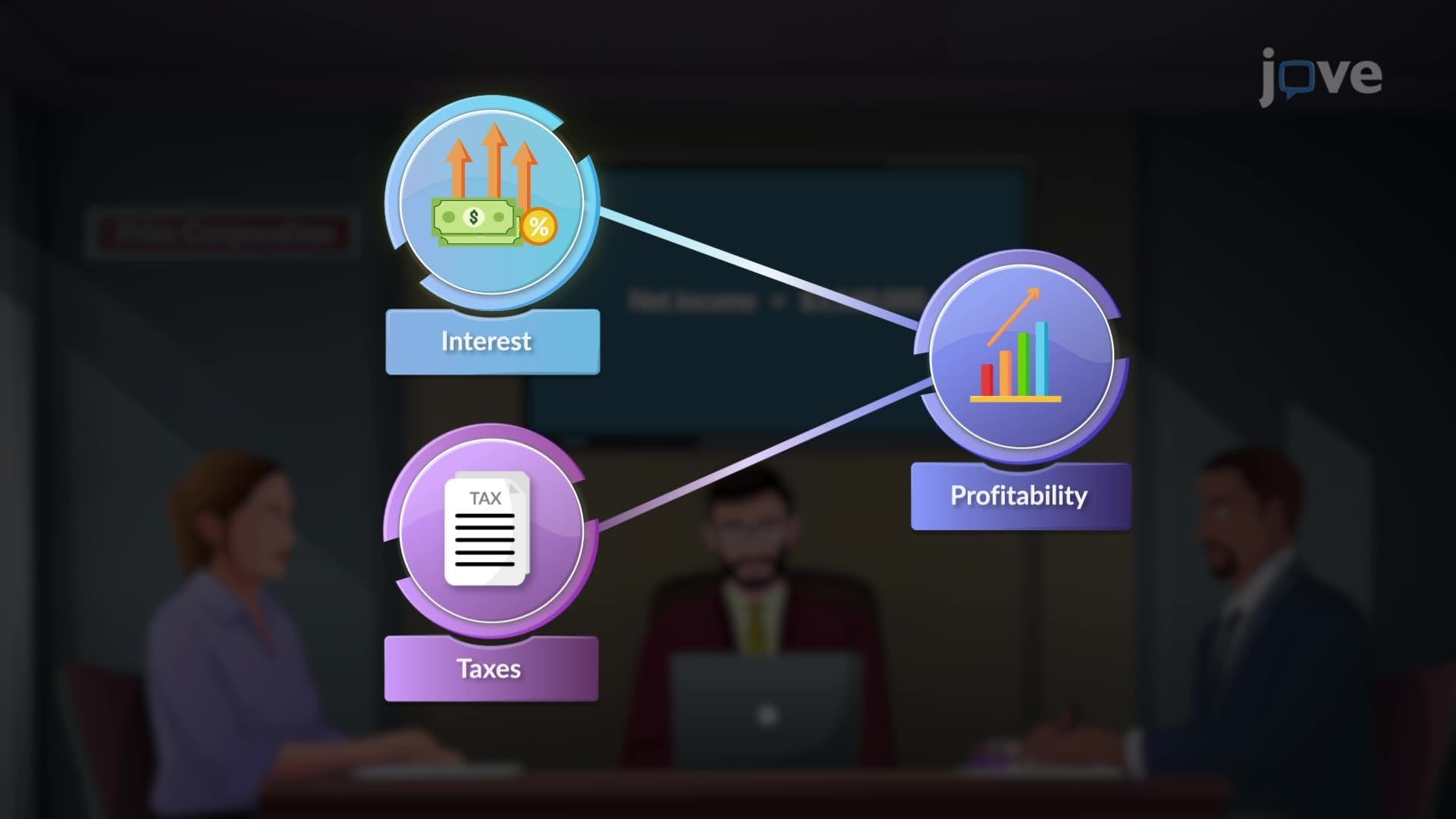
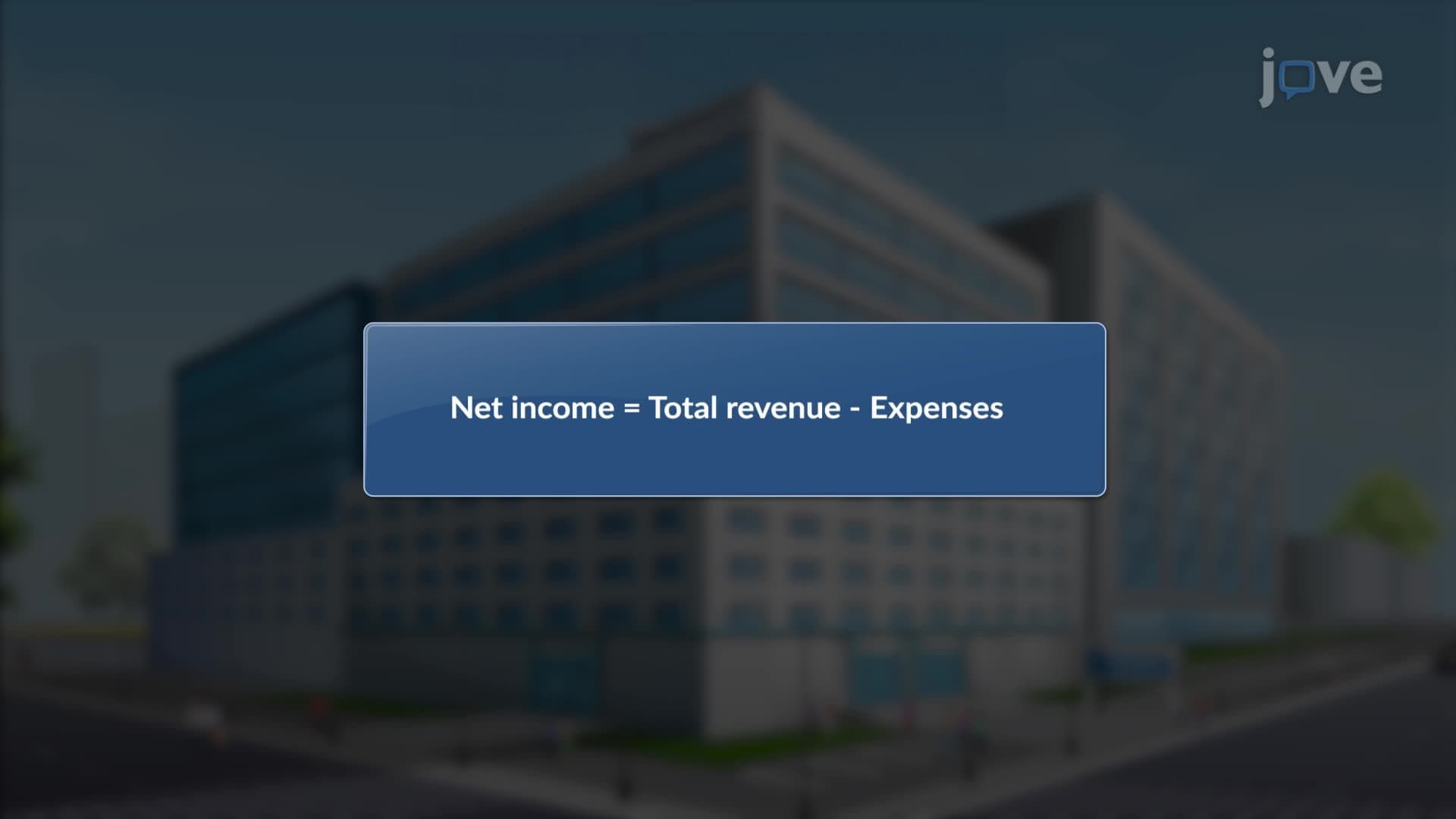
Most managers outside of finance are comfortable tracking revenue and headcount but lose confidence the moment the conversation shifts to profitability. The core problem is conflating the *results of financing decisions* with the *results of operational execution*. Net income includes interest costs and tax obligations, both of which reflect how the business is structured and where it's based, not how efficiently your team is running. EBIT strips those variables away, leaving you with a clean view of what your operations actually produce.
This matters because when you evaluate your team's performance, or make the case for additional resources, you need a number that reflects effort and execution, not treasury policy.
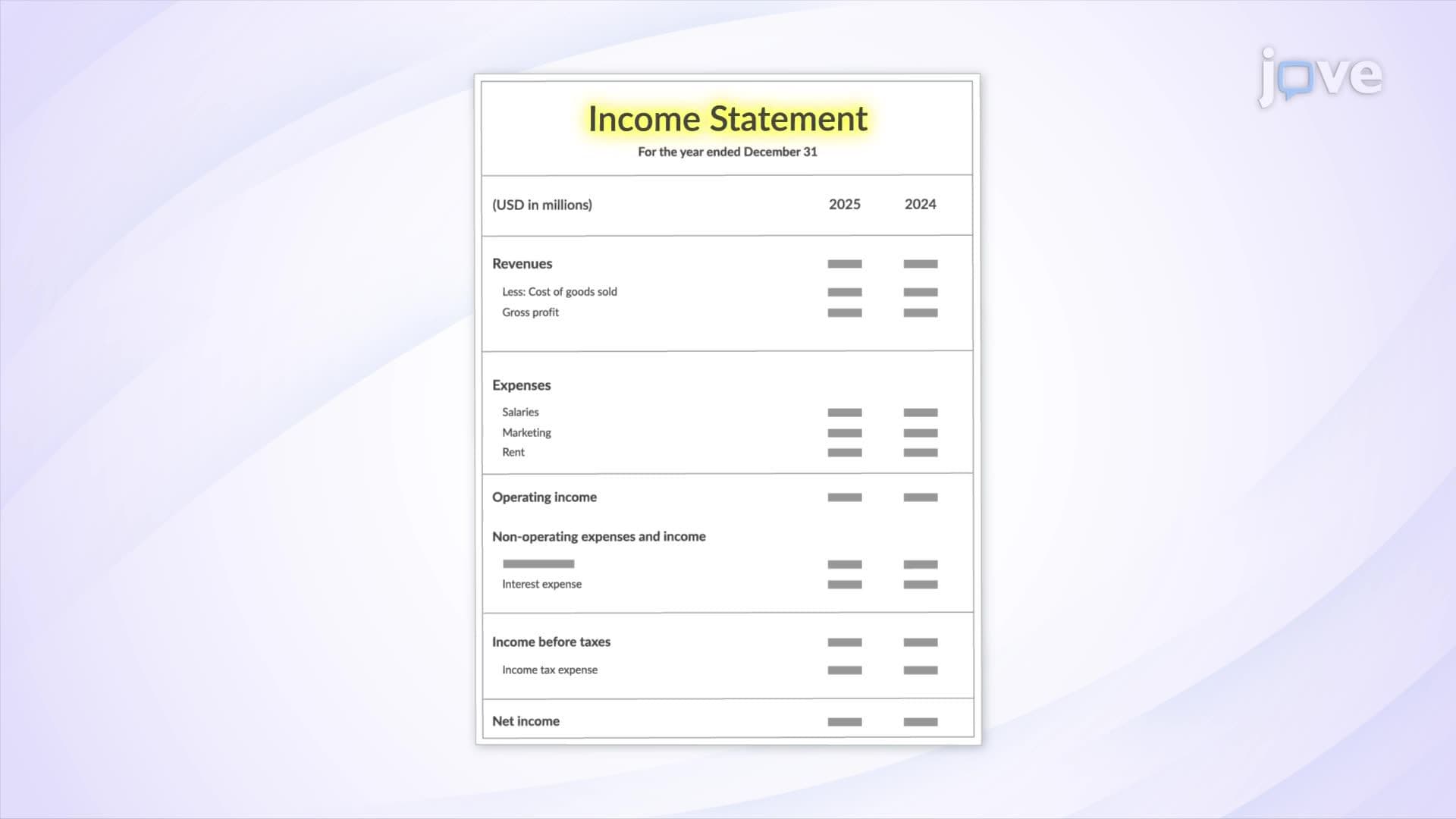
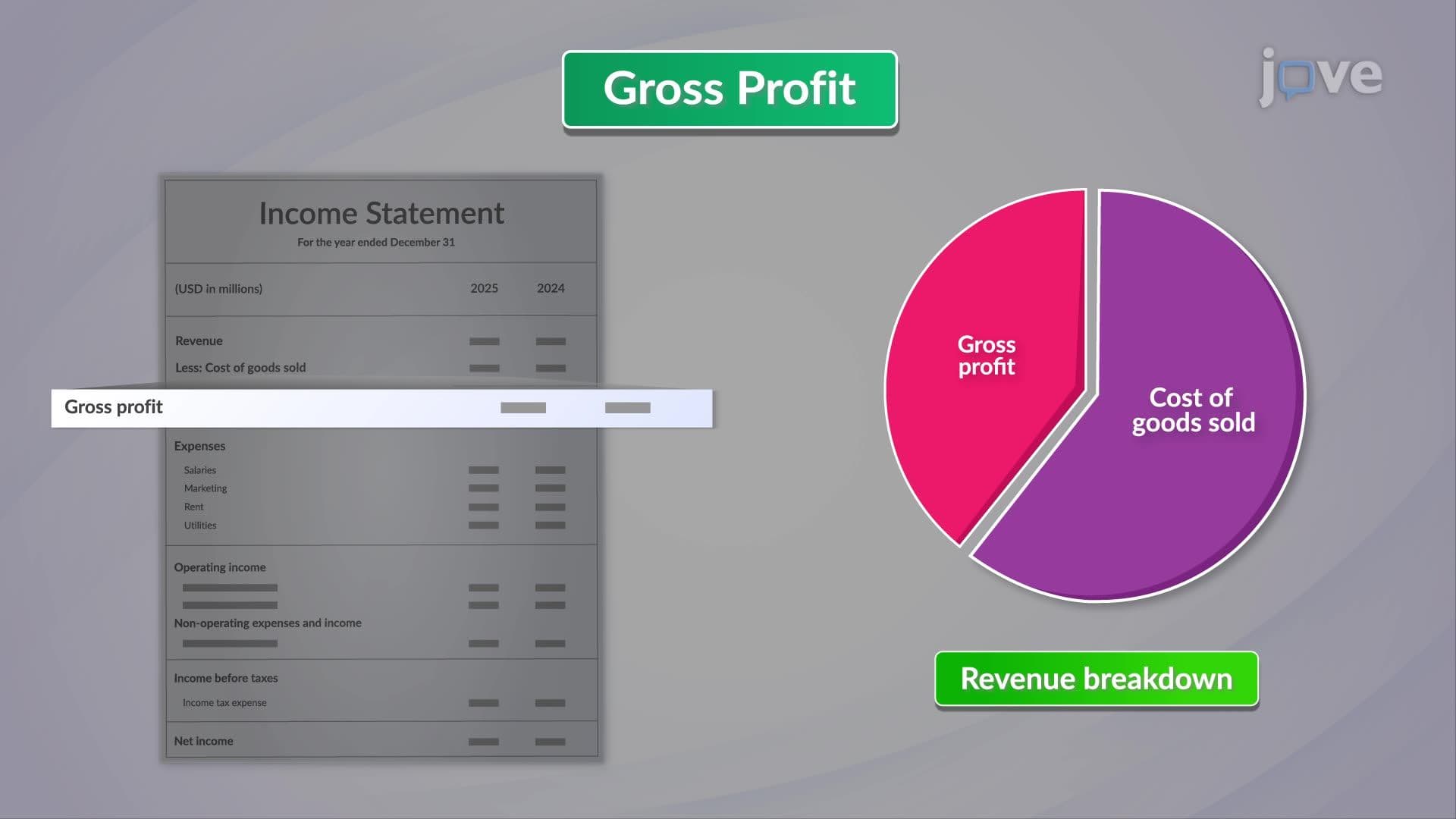
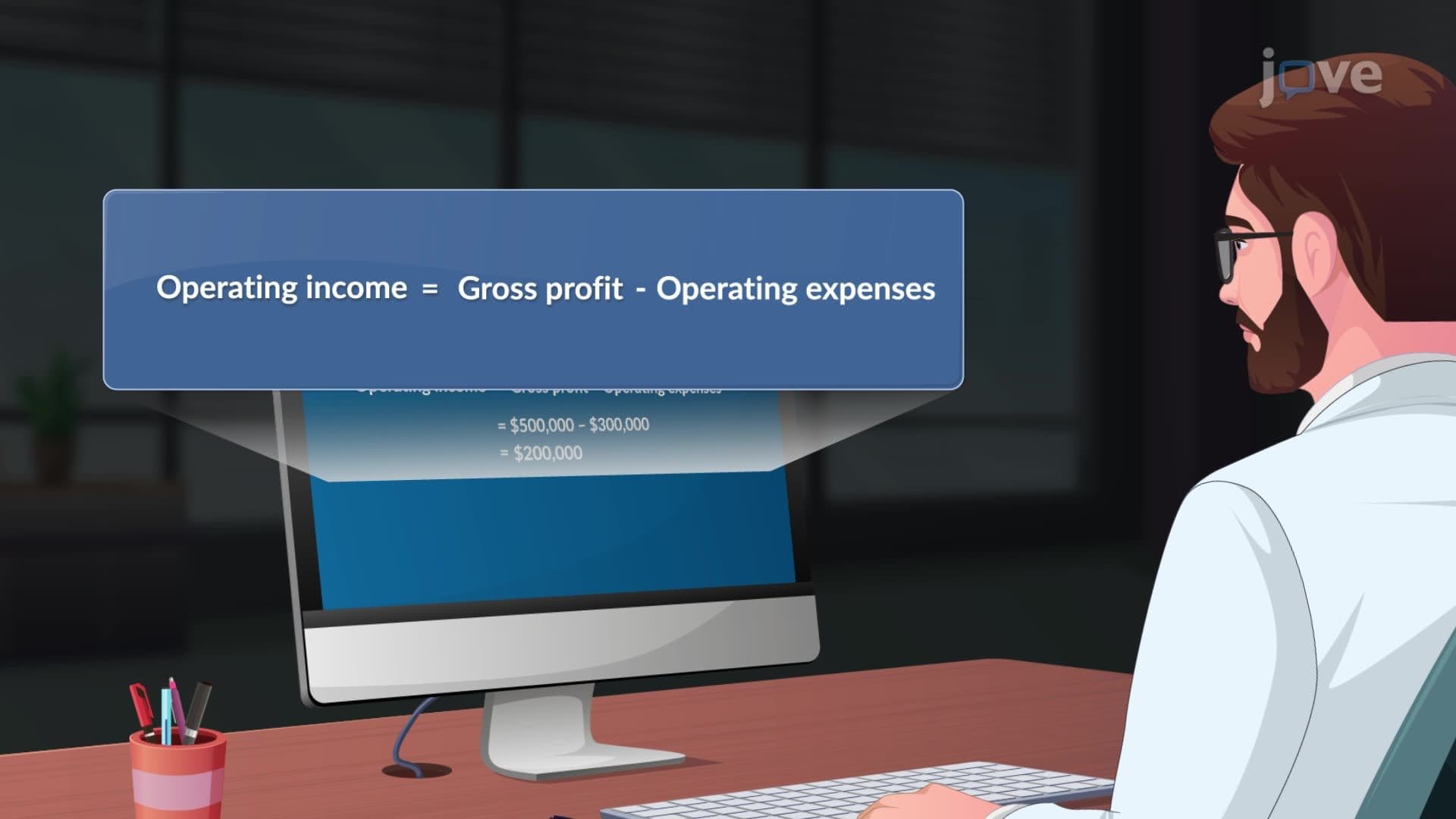
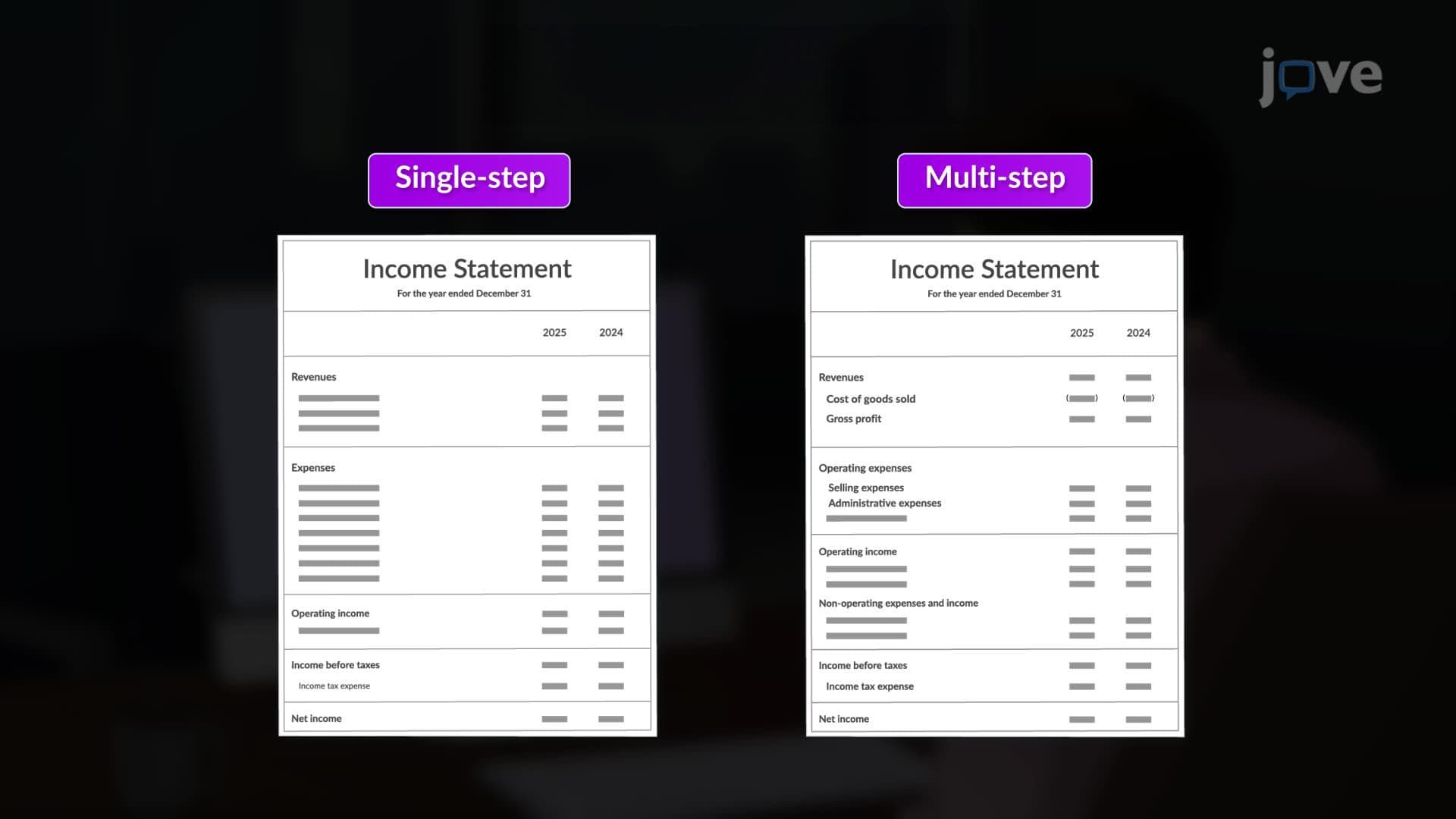
EBIT follows a straightforward logic: start with total revenue, subtract the cost of goods sold (COGS) to get gross profit, then subtract operating expenses such as salaries, rent, utilities, and depreciation. What remains is your operating profit, your EBIT.
Applying a contribution margin mindset alongside EBIT is useful here. Ask: which activities in your team's work directly generate revenue, and which are overhead? This maps cleanly onto the EBIT structure. Fixed operating costs (rent, salaried headcount) reduce EBIT regardless of output. Variable costs tied to production or service delivery reduce EBIT proportionally. When you review a profit and loss statement with this lens, you immediately spot where margin is being compressed, and where your team has genuine influence.
For managers overseeing multiple product lines or service areas, the RACI model can be applied to financial accountability: clarify who is *responsible* for controlling specific cost categories, who is *accountable* for the EBIT outcome, and who needs to be *consulted* when spend decisions are made. This turns an abstract financial metric into a living operational tool.
EBIT's most practical management application is benchmarking, comparing performance across teams, time periods, or competitors without distortion from different capital structures or tax jurisdictions. A business unit carrying heavy debt will show a suppressed net income even if its operations are highly efficient. EBIT normalizes for this, making comparisons fair and actionable.
In your next business review or strategic planning cycle, use EBIT as an anchor when presenting your team's contribution. Frame it this way: *"Our operating performance, before financing costs, improved by X% this quarter, driven by a reduction in operating expenses while revenue held steady."* This signals financial sophistication and ties your team's work directly to value creation.
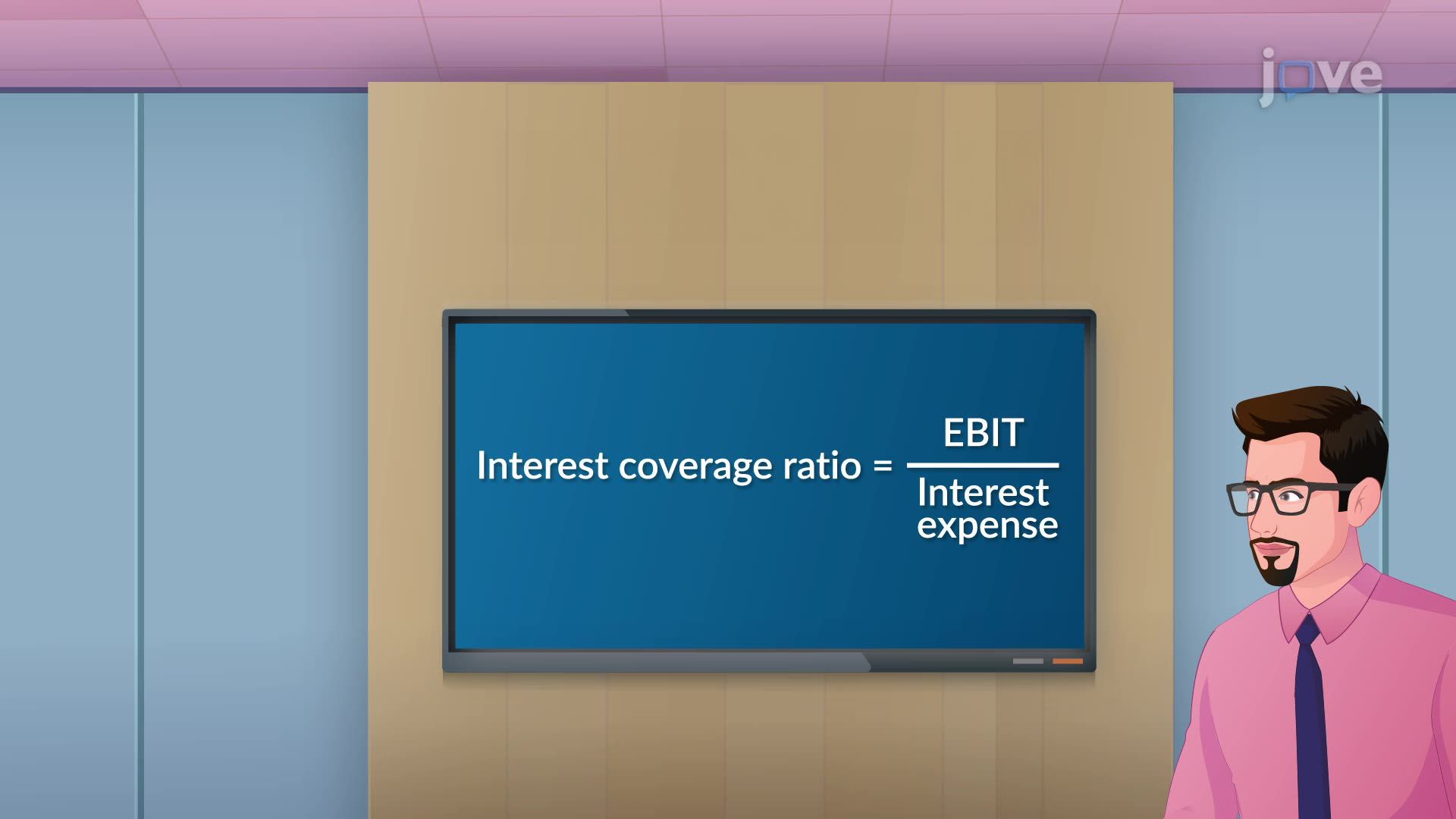
The interest coverage ratio, calculated as EBIT divided by interest expense, is another metric worth understanding. Even if your team doesn't carry debt directly, your organization's leadership uses this ratio to evaluate financial health and investment capacity. Knowing this ratio helps you understand why certain capital requests get approved or deferred.
The most frequent error is treating EBIT and EBITDA as interchangeable. EBITDA adds back depreciation and amortization on top of EBIT, making it a looser, more favorable representation of cash-generating ability. For asset-heavy operations, the difference is material. Use EBIT when you want a conservative, operations-focused view; use EBITDA when discussing capital investment capacity with a finance partner.
A second mistake is ignoring *revenue recognition timing*. EBIT looks healthy on paper only if revenue is recorded in the right period. If your team's contracts or deliverables create recognition lags, the EBIT figure may misrepresent actual performance in a given quarter. Understanding how your finance team applies revenue recognition standards ensures you're drawing accurate conclusions from the numbers you're given.
Related Micro-courses