Loading video…


 16 Concepts
 5.7K views

Video Summary: What Is Depreciation and Amortization Effect
The depreciation and amortization effect basics often trip up managers who must defend budget decisions or interpret financial reports without an accounting background. Understanding the depreciation and amortization effect helps you read profit figures accurately, explain non-cash cost allocations to your team, and align operational decisions with long-term financial health, not just short-term numbers. Watch the full video on JoVE Coach to master this concept with expert-led visuals and step-by-step explanations.
Imagine you're in a quarterly business review and your department's reported profit has dropped noticeably compared to last quarter. Your instinct is to defend the team's performance, but the finance lead quickly points out that the decline is driven largely by depreciation on recently acquired equipment, not by any drop in productivity or revenue. If you don't understand the depreciation and amortization effect, you're left nodding along rather than actively contributing to the conversation. For managers across functions, operations, marketing, product, or people, this concept is not a finance luxury. It's a leadership necessity.
The most common mistake managers make is treating reported profit as a direct proxy for financial strength. When a company acquires a major asset, say, a fleet of vehicles, manufacturing equipment, or a software license, the full cost is not expensed immediately. Instead, it is spread across the asset's useful life through depreciation (for tangible assets) or amortization (for intangible assets like patents, trademarks, or licensing agreements).
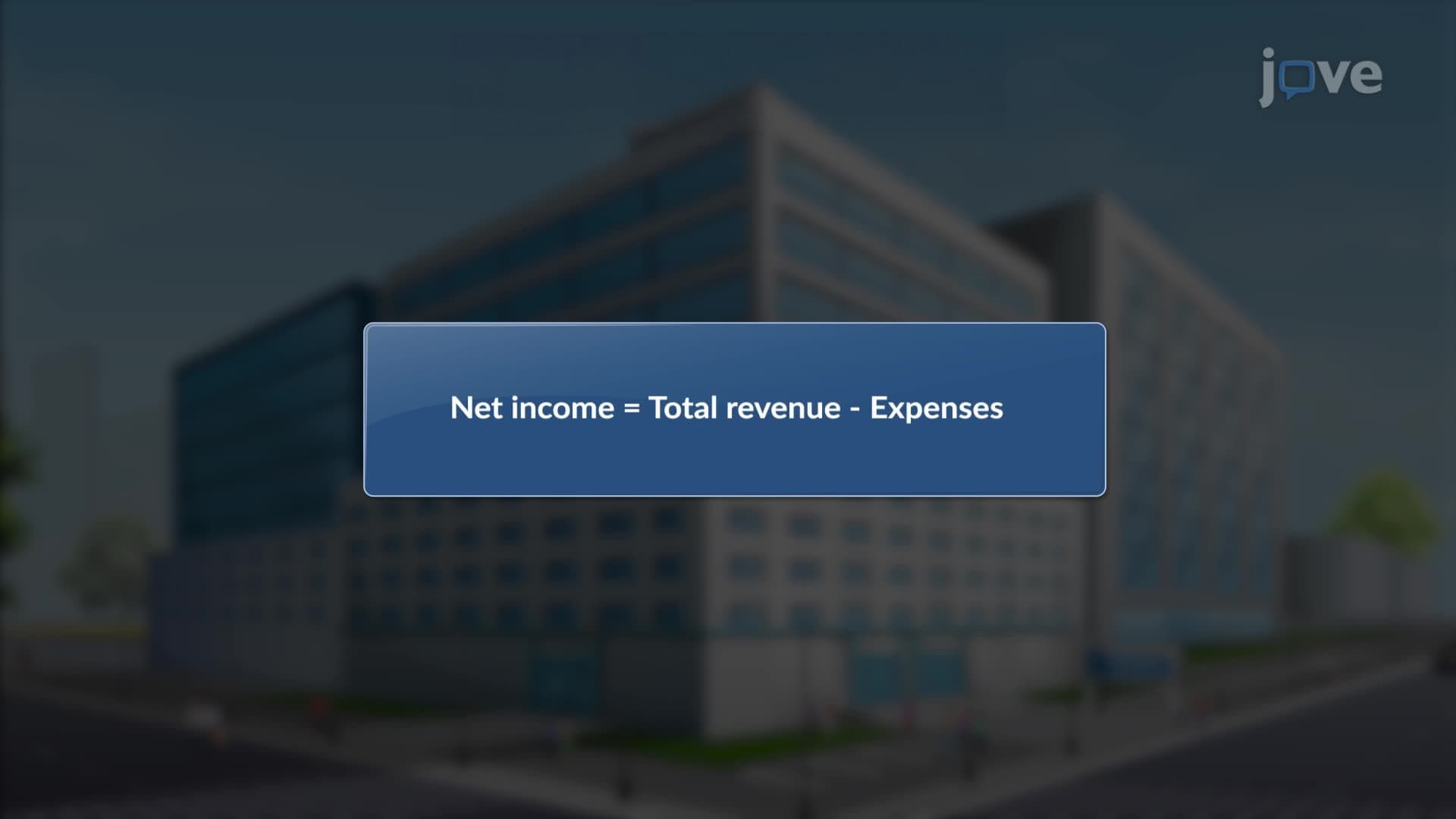
The practical result: your profit and loss statement will show lower net income even during periods of strong cash generation. A team lead reviewing P&L data without this context might incorrectly conclude the business is underperforming, triggering unnecessary cost-cutting conversations or defensive posturing in leadership meetings.
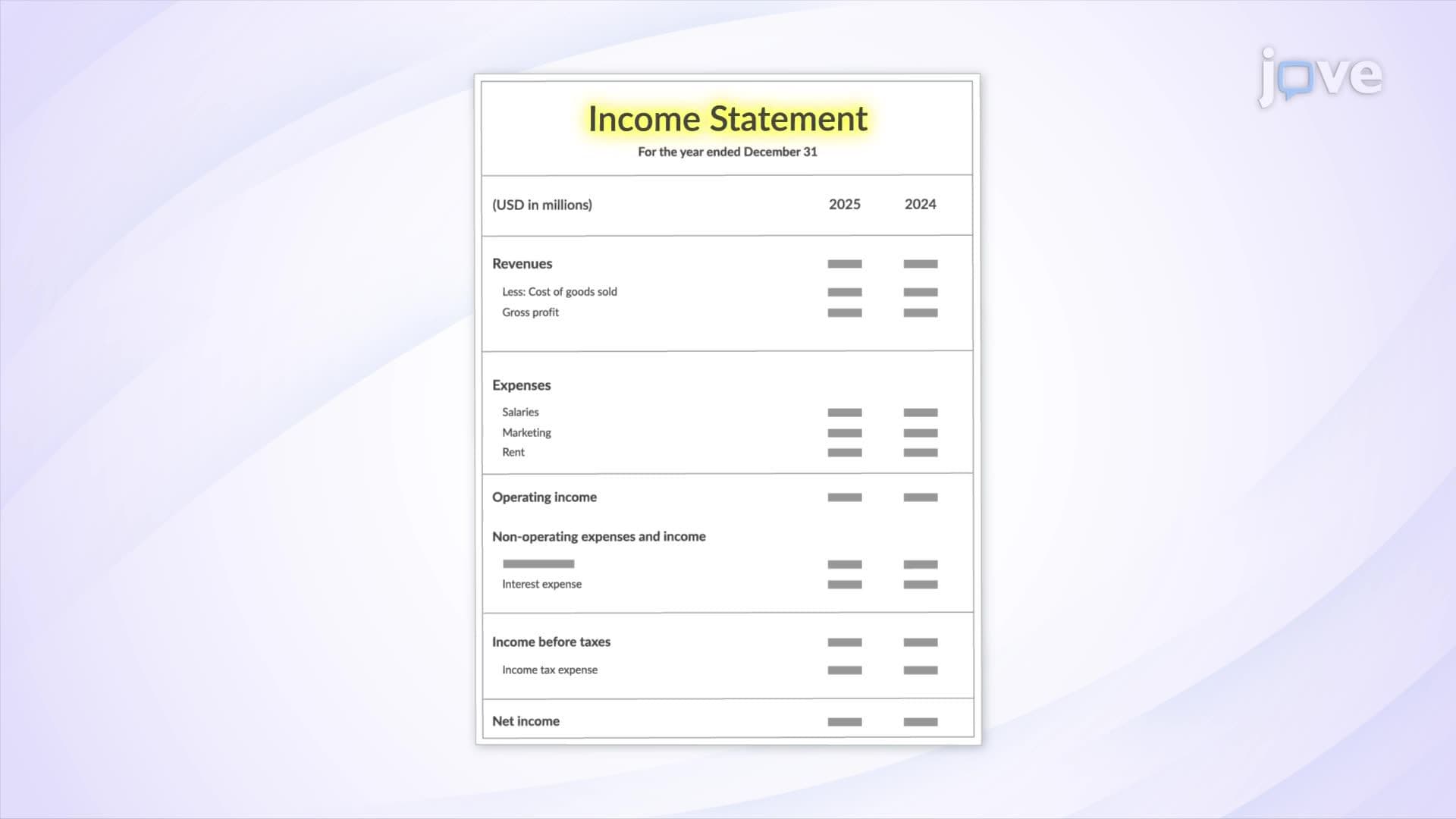
The fix is straightforward, learn to read the P&L at multiple levels, not just the bottom line. Specifically, look at performance both before and after depreciation and amortization are applied. This gives you two distinct views: operational cash-generating strength versus accounting-reported profit.
Apply a layered reading model when reviewing any financial report:
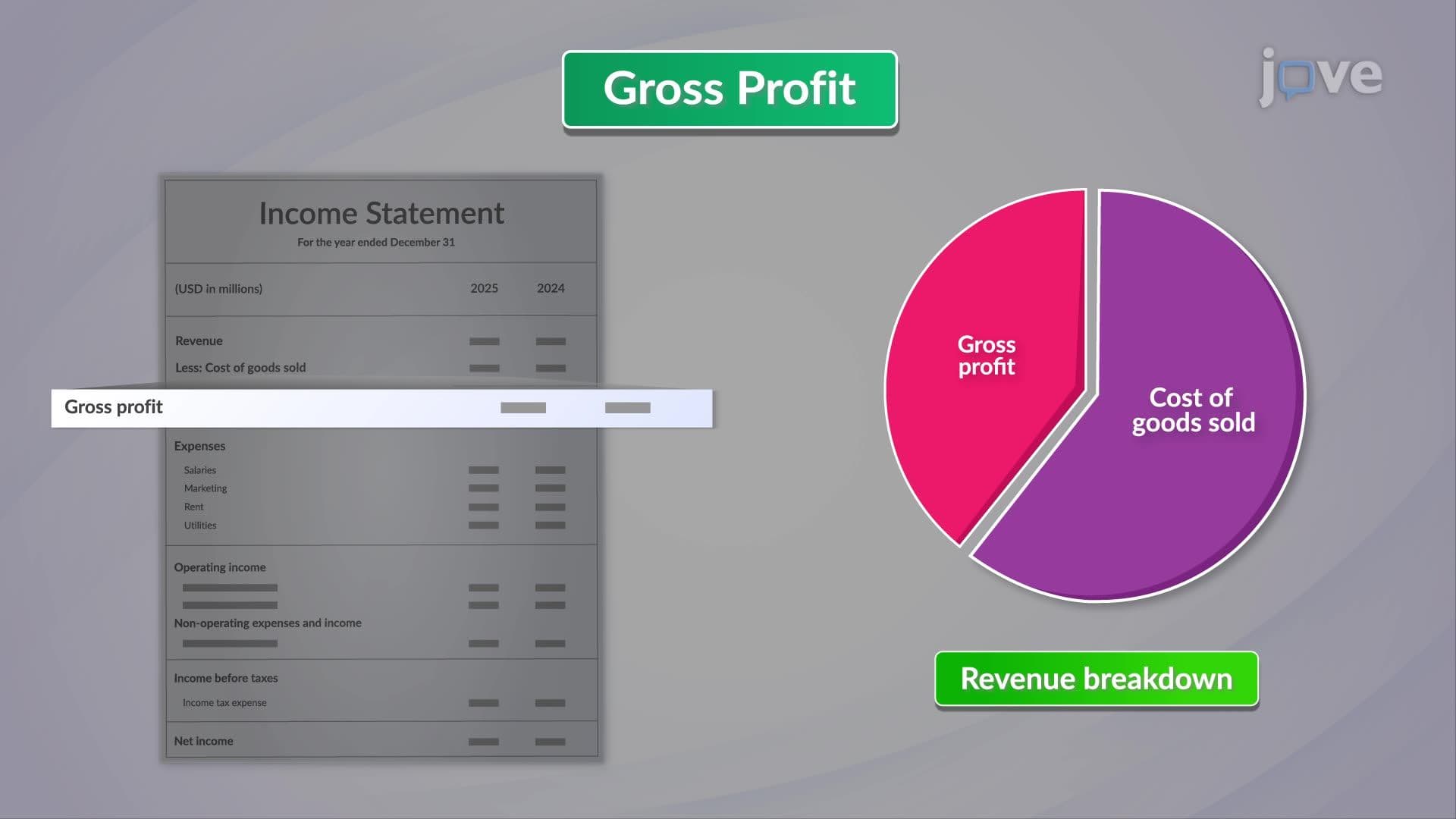
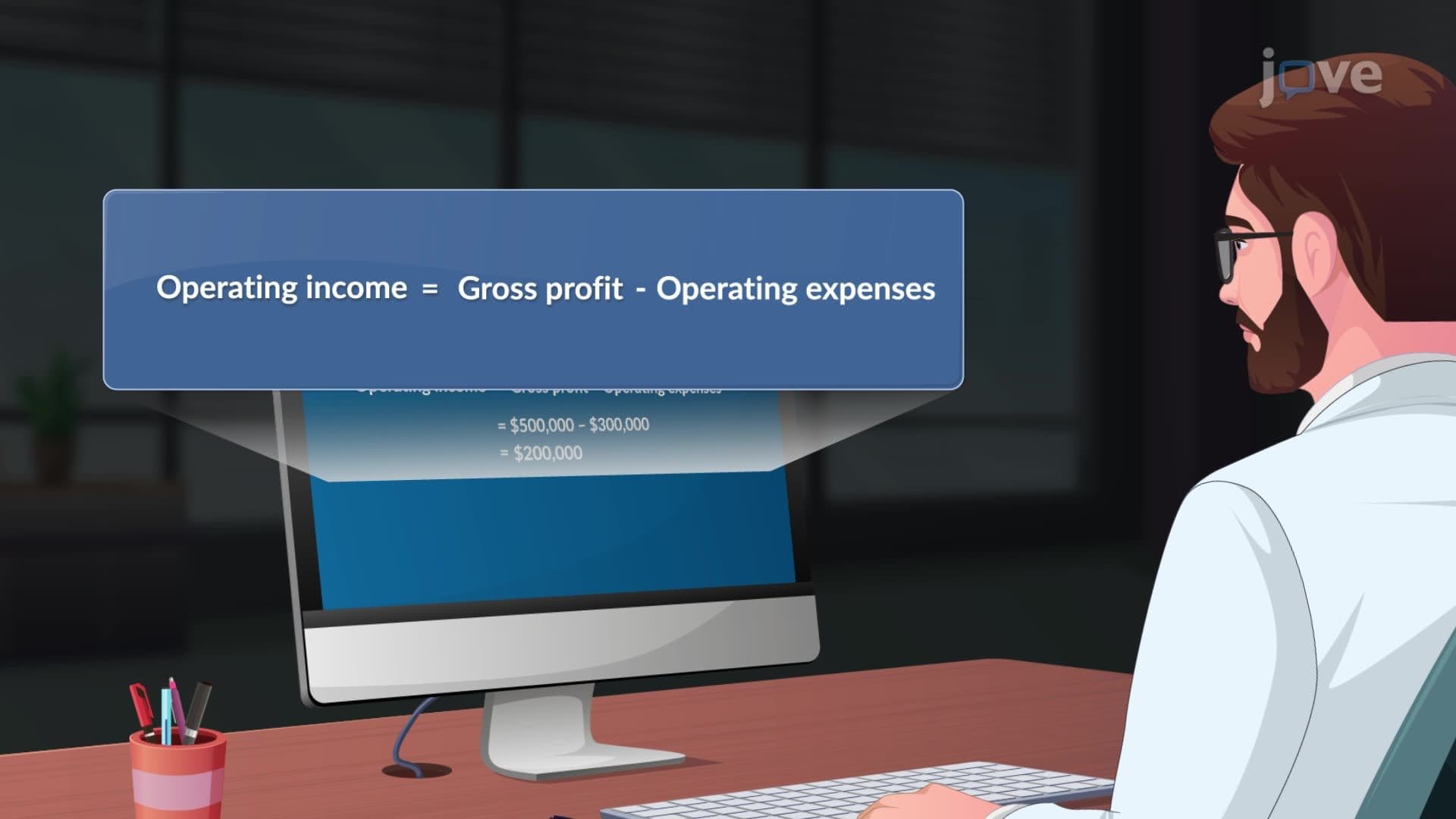
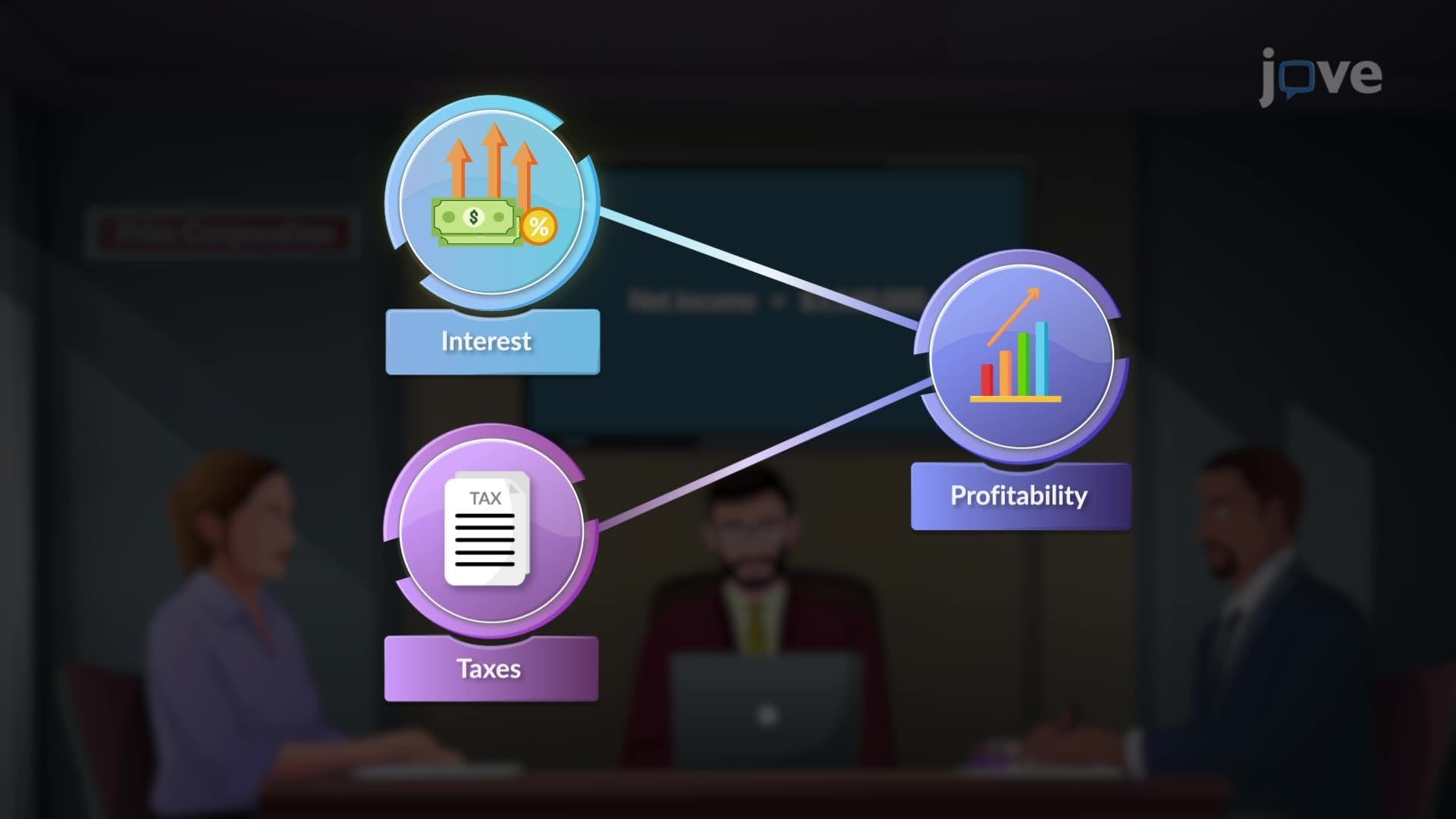
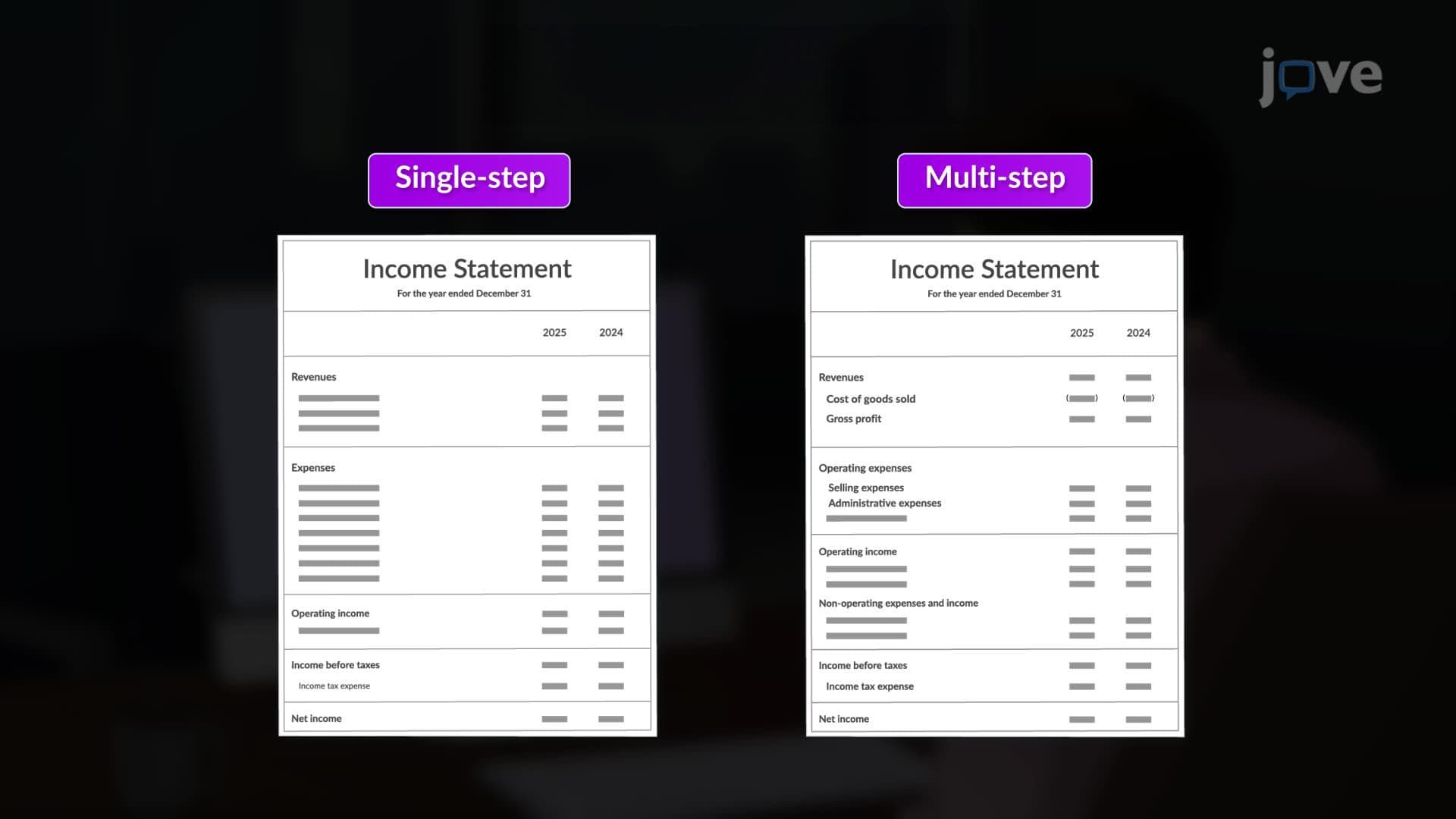
1. Start with Revenue, What was actually earned in the period? 2. Subtract Cost of Goods Sold (COGS), What did it cost to deliver that revenue? 3. Calculate Gross Margin, This reveals core business efficiency before overhead. 4. Identify Operating Expenses, Including depreciation and amortization as line items. 5. Compare EBITDA vs. Net Income, EBITDA (Earnings Before Interest, Taxes, Depreciation, and Amortization) strips out non-cash charges to show operational cash performance. Net income reflects the accounting impact after those charges.
This layered approach mirrors how seasoned CFOs and senior operators evaluate business performance. As a manager, using this framework in your next budget conversation signals financial maturity and earns credibility with finance partners.
A useful mental model: depreciation and amortization are like installment payments on past investments, real costs, but not cash leaving the business today. They reduce taxable profit (which is intentional and tax-authority approved), but they do not reduce the organization's ability to pay its people, reinvest in growth, or distribute returns to stakeholders.
When preparing for a performance review or presenting departmental results, do not simply report net income or net margin in isolation. Provide context:
Managers who consistently bring this level of analytical clarity to financial discussions don't just survive budget season, they lead it.
Related Micro-courses