Loading video…

 16 Concepts
 5.7K views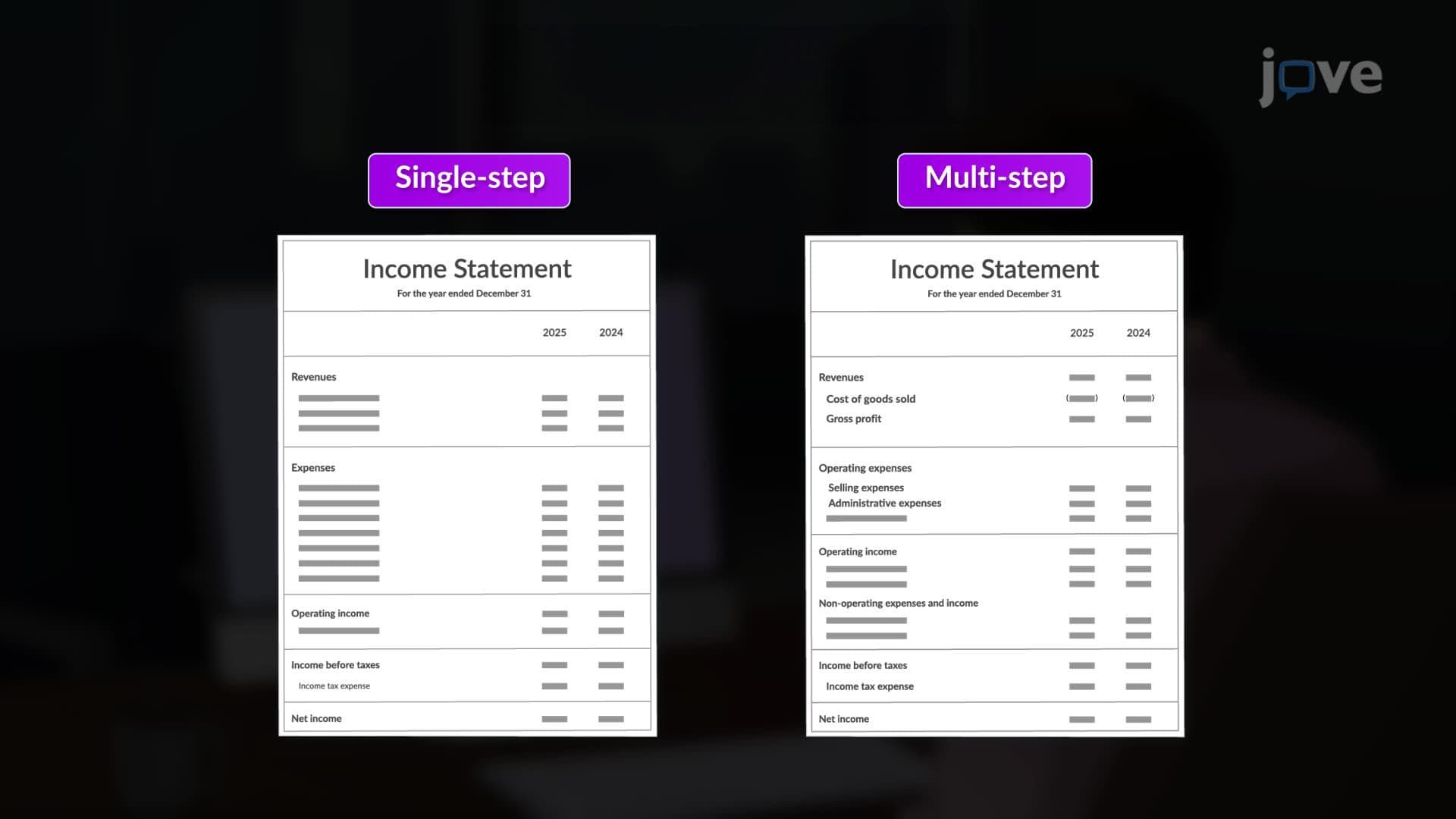

Video Summary: Single Step Vs Multi Step Income Statement Explained
Single-step vs. multi-step income statement basics trip up many managers when they're asked to interpret financial reports or justify budget decisions to leadership. Understanding single-step vs. multi-step income statement formats helps you read profit and loss data with confidence, and ask sharper questions in financial reviews. The format your organization uses shapes how clearly you see where money is made or lost. Watch the full video on JoVE Coach to master this concept with expert-led visuals and step-by-step explanations.
Picture this: you're sitting in a quarterly business review and your finance partner pulls up the income statement. Leadership is discussing whether to approve headcount for your team. You nod along, but you're not entirely sure whether the numbers being debated reflect gross profit or net income, or why that difference matters for your request. This is exactly the kind of moment where understanding the single-step vs. multi-step income statement stops being a finance topic and becomes a leadership competency.
Most managers in non-finance roles were never formally taught to distinguish between income statement formats. They know revenue is good and expenses are bad, but the structure beneath that is often opaque. The result is that many managers either defer entirely to finance or misread what the numbers are actually saying.
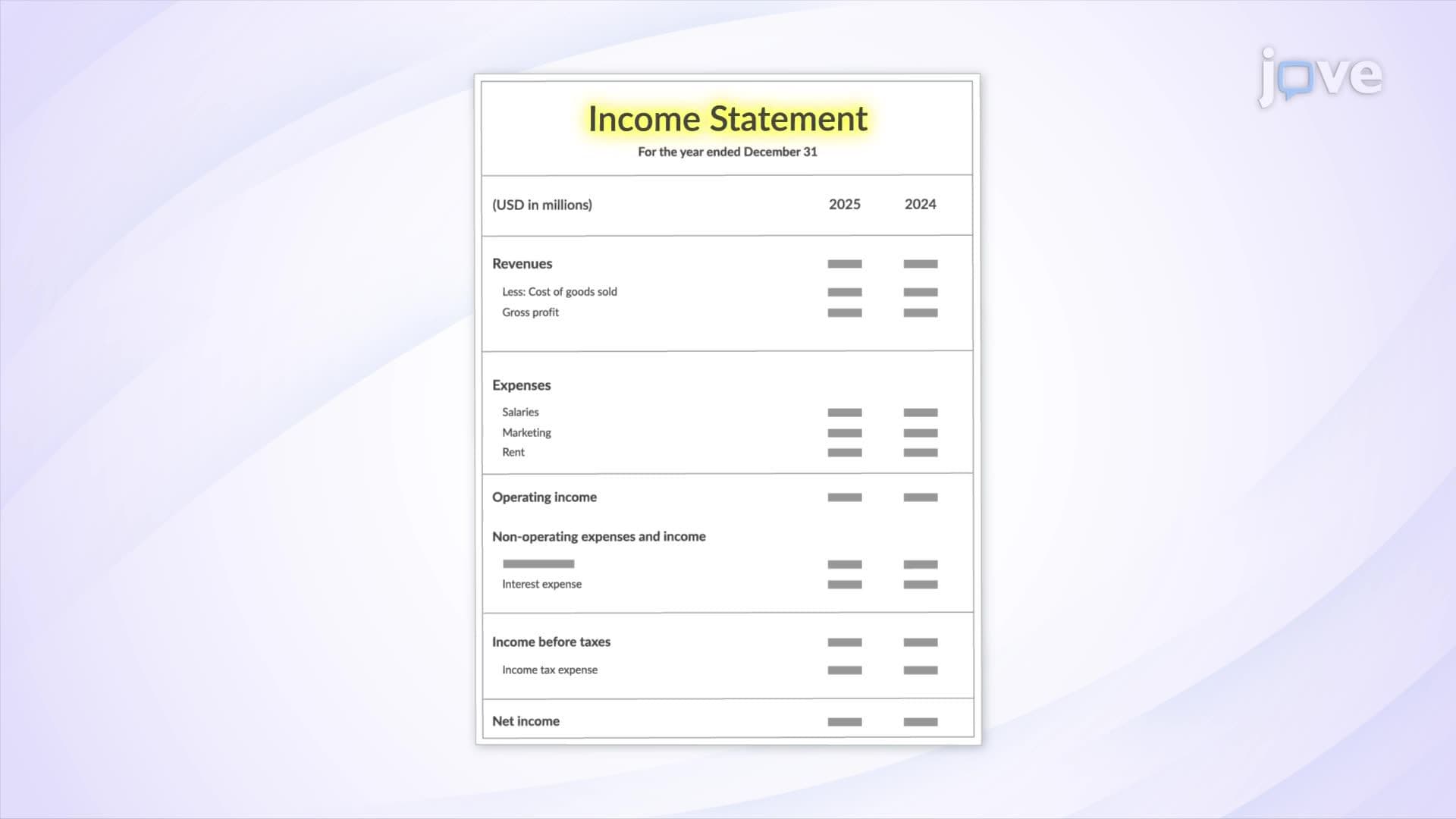
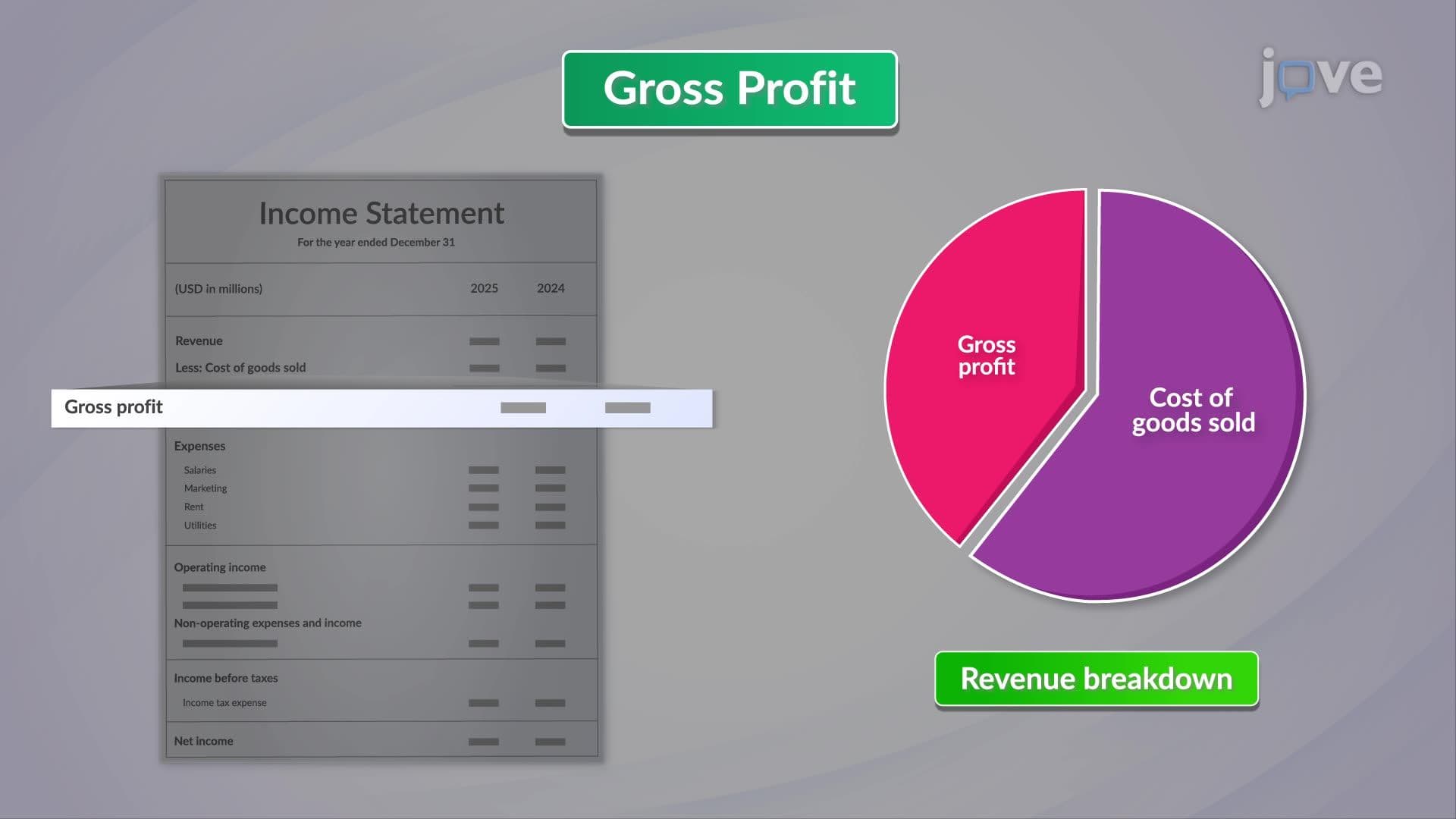
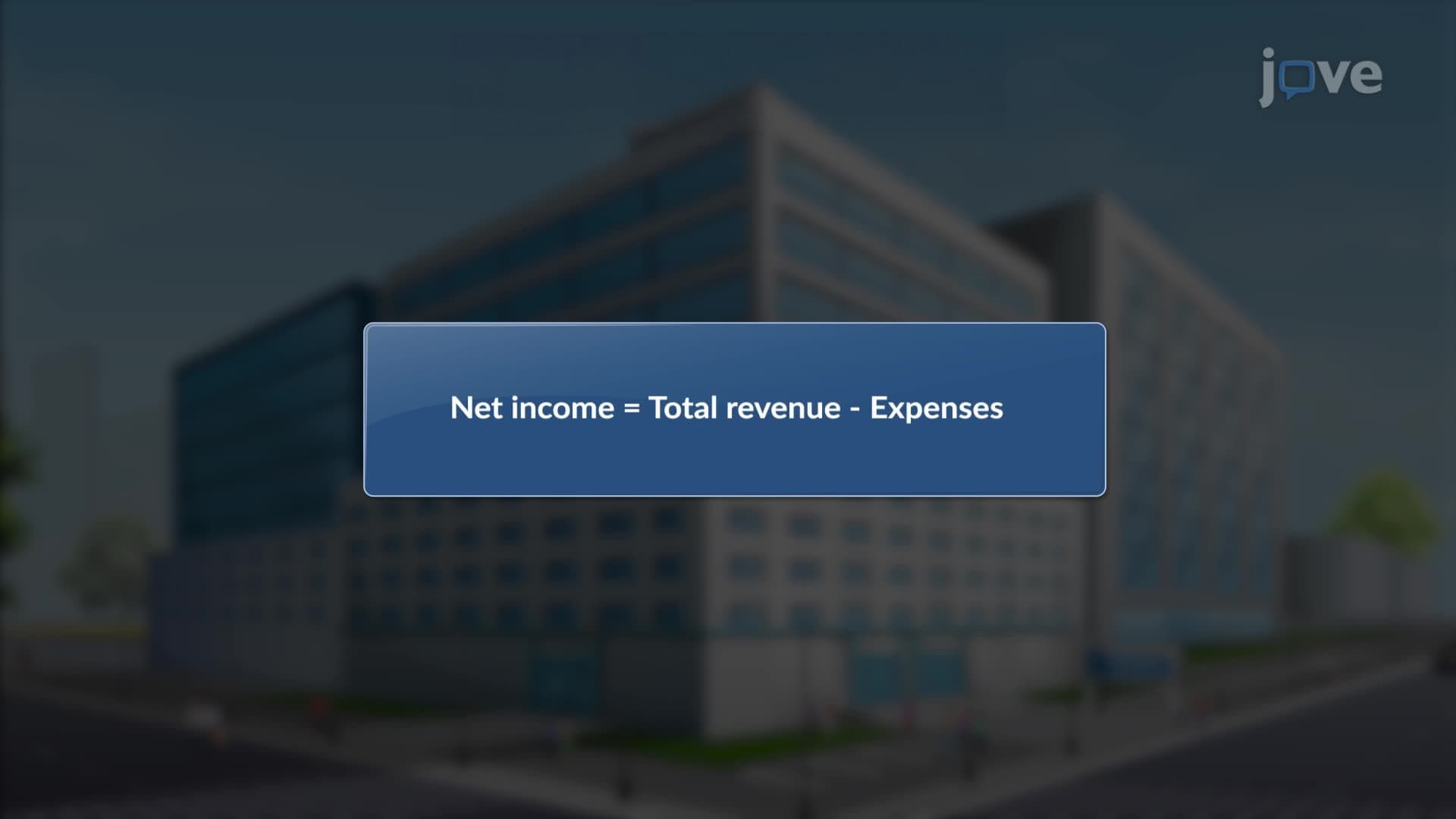
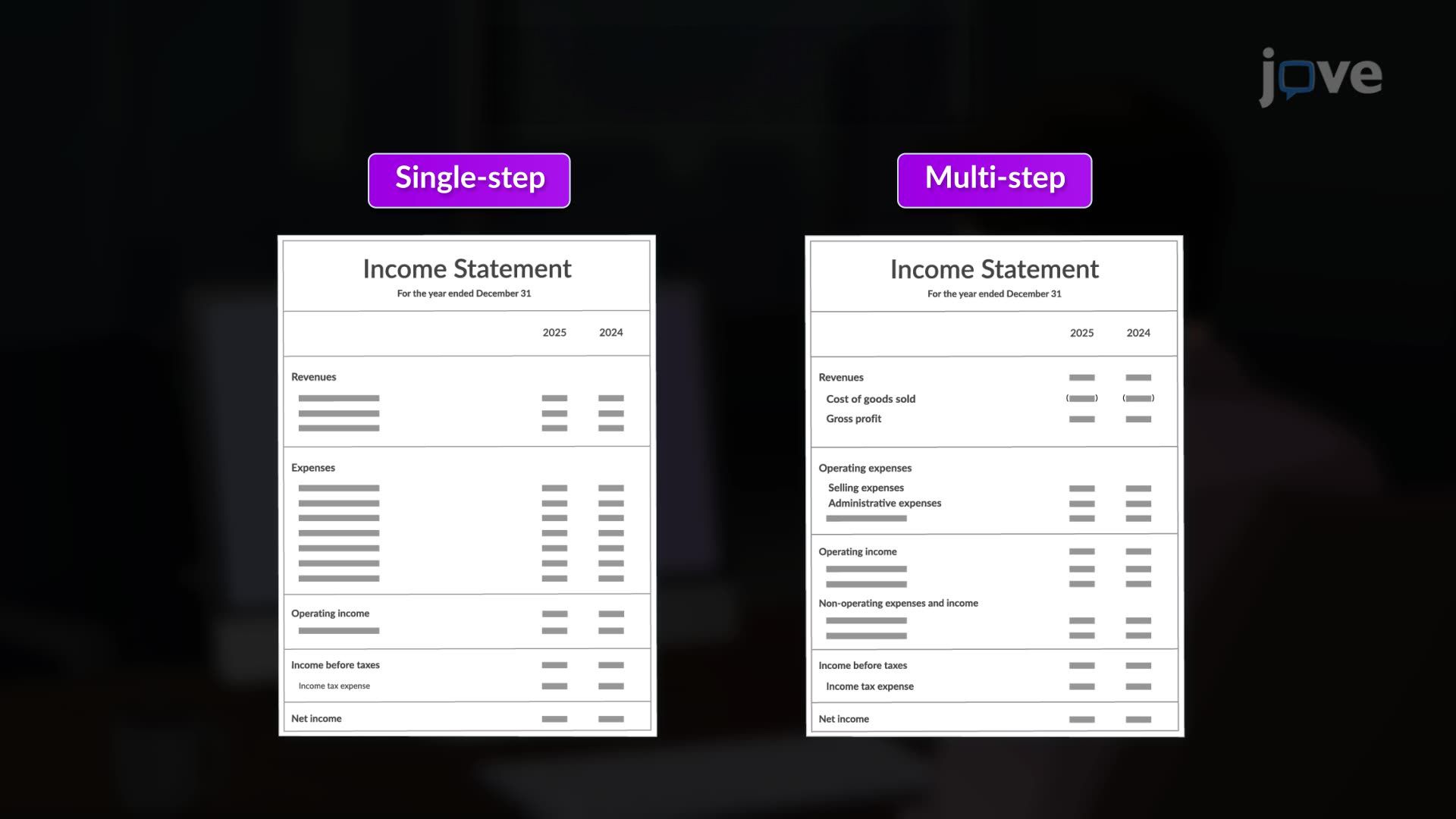
The core issue is that the two formats answer different questions. A single-step income statement totals all revenues, subtracts all expenses, and arrives at net income, clean, fast, and easy to read. But it doesn't show *where* profitability breaks down. A multi-step income statement separates operating from non-operating income, and breaks out selling, general, and administrative expenses from the Cost of Goods Sold (COGS). That layered structure reveals the *gross margin*, a critical number for any manager overseeing a team that produces, sells, or delivers a product or service.
If you manage in a business unit with a complex cost structure, multiple revenue streams, distinct selling and production costs, the single-step format may actually obscure the information you need to make sound operational decisions.
Think of income statement formats through the lens of a simple diagnostic:
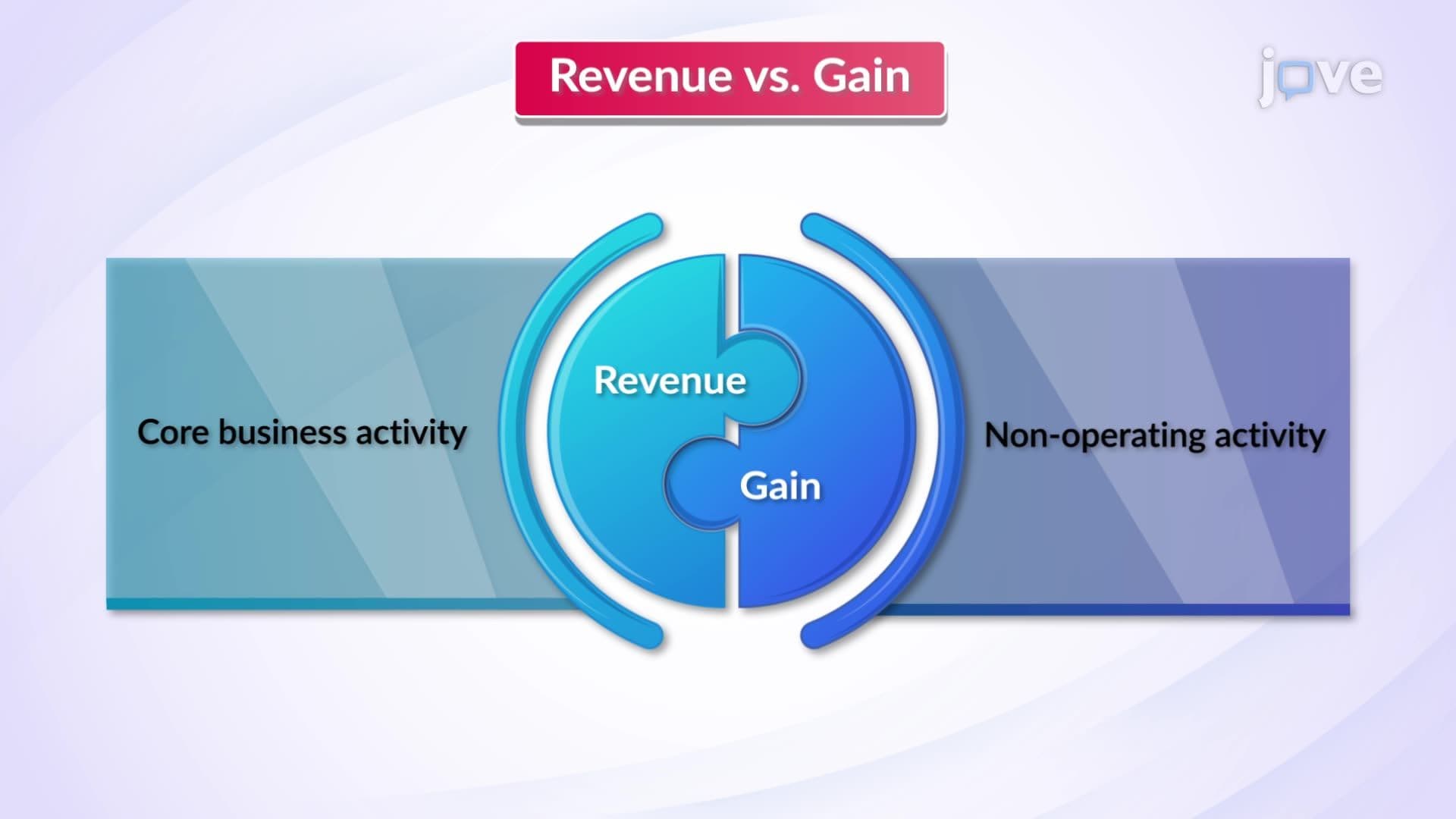
As a manager, the practical takeaway is this: when your organization uses a multi-step format, pay close attention to gross margin (revenue minus COGS) *before* you look at net income. Gross margin tells you how efficiently your core operations are running. Net income reflects everything, including items outside your control, like interest income from asset sales or non-recurring expenses.
Apply the MECE principle (Mutually Exclusive, Collectively Exhaustive) here: treat each section of a multi-step statement as a distinct diagnostic zone. Operating performance is separate from non-operating performance. Selling costs are separate from administrative overhead. This prevents conflation, and prevents misguided decisions like cutting headcount to fix a margin problem that actually originated in procurement.
In your next budget discussion or team planning cycle, use these three questions to anchor your financial fluency:
1. What does the gross margin tell us? If your team contributes to revenue or COGS, your operational decisions directly affect this number. 2. Are the numbers we're discussing operating figures or total net income? This distinction matters when evaluating team performance versus business-wide factors. 3. Which costs are fixed and which are variable in this statement? This is where resource planning decisions, including hiring, tools, and vendor spend, need to be grounded.
You don't need to be a finance expert to lead effectively. But you do need to be a fluent reader of the financial language your organization uses. Understanding whether your business reports on a single-step or multi-step basis is the foundation of that fluency.
Equating net income with operational health. Net income includes non-operating items that have nothing to do with your team's performance. A strong net income quarter can mask poor gross margin, and vice versa.
Assuming one format is superior. Neither format is universally better. The right format depends on complexity, industry norms, and what decisions the business needs to make. Pushing for more detail than the business model requires adds noise, not clarity.
Ignoring the profit and loss statement until year-end. Managers who engage with financial statements only during annual reviews miss early signals. Build a habit of reviewing the P&L monthly, even at a summary level, so trends become visible before they become problems.
Related Micro-courses