Loading video…

 16 Concepts
 5.7K views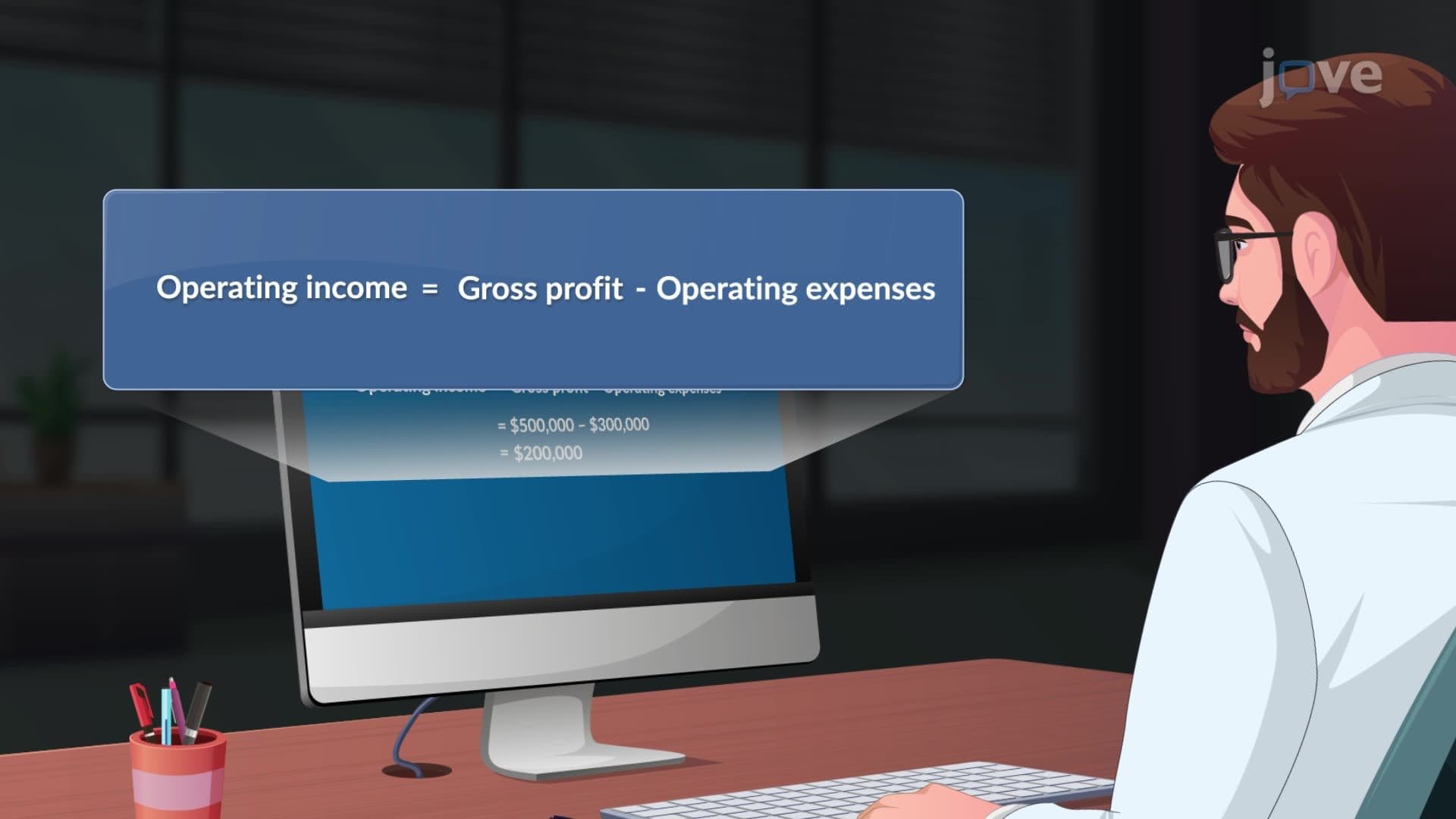

Video Summary: What are Operating Expenses
Operating expenses basics catch many managers off guard when budgets tighten and leadership asks why team profitability is slipping. Understanding operating expenses, the recurring costs that sustain daily business operations, helps you make smarter resource decisions and defend your budget with confidence. Learn how controlling these costs directly improves your organization's bottom line. Watch the full video on JoVE Coach to master this concept with expert-led visuals and step-by-step explanations.
Picture this: your organization just posted solid revenue, yet leadership is concerned about profitability. You're asked to defend your department's spending in a budget review, and the CFO wants to know how your team's costs are affecting operating income. If you're not clear on what operating expenses are and how they flow through a profit and loss statement, that conversation becomes uncomfortable fast.
This is the reality for managers at every level. Financial literacy isn't just for finance teams, it's a core leadership skill.
Most managers understand that expenses cost money. Fewer understand *where* those costs land on the income statement and how they affect the metrics leadership actually watches.
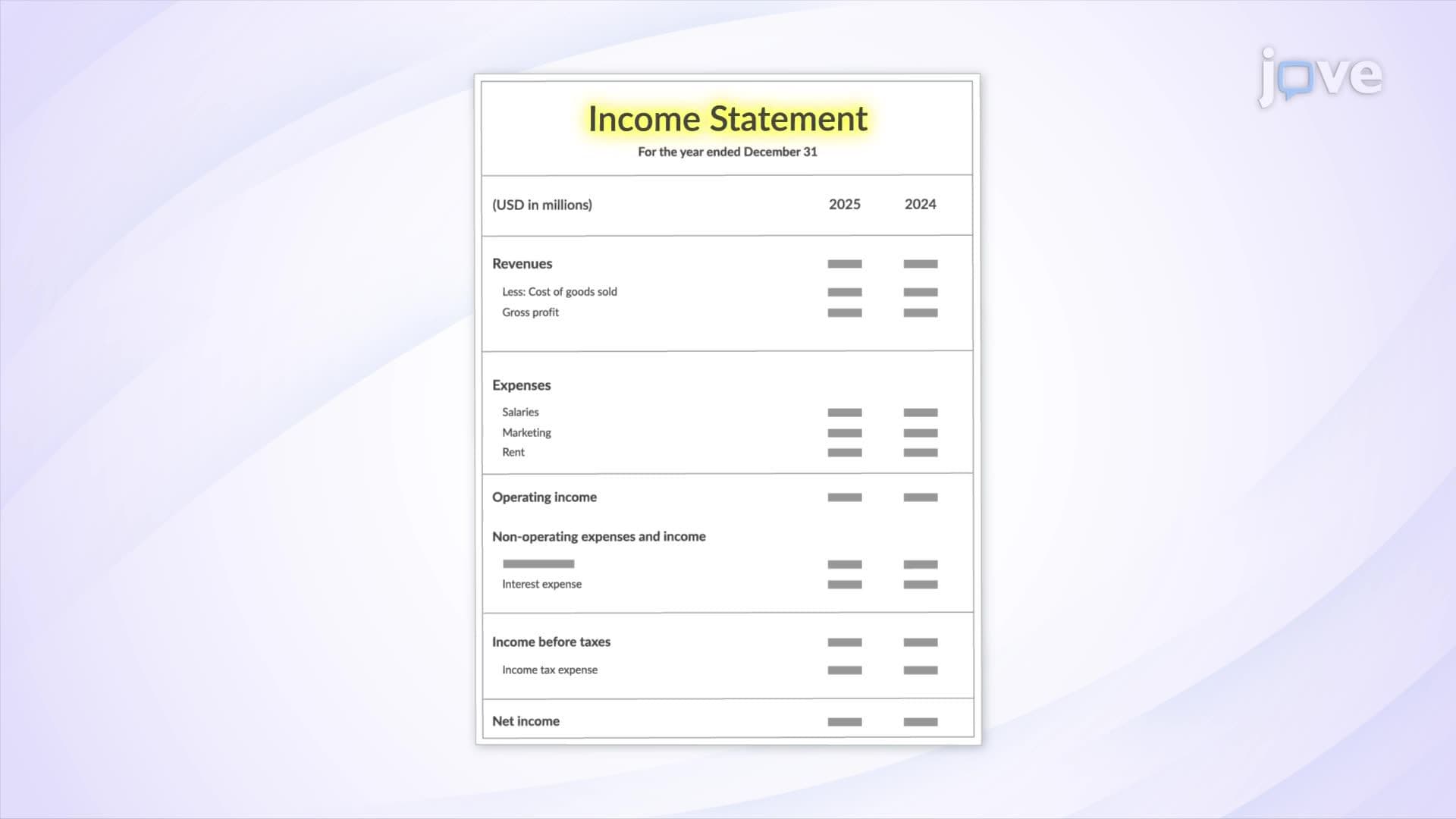
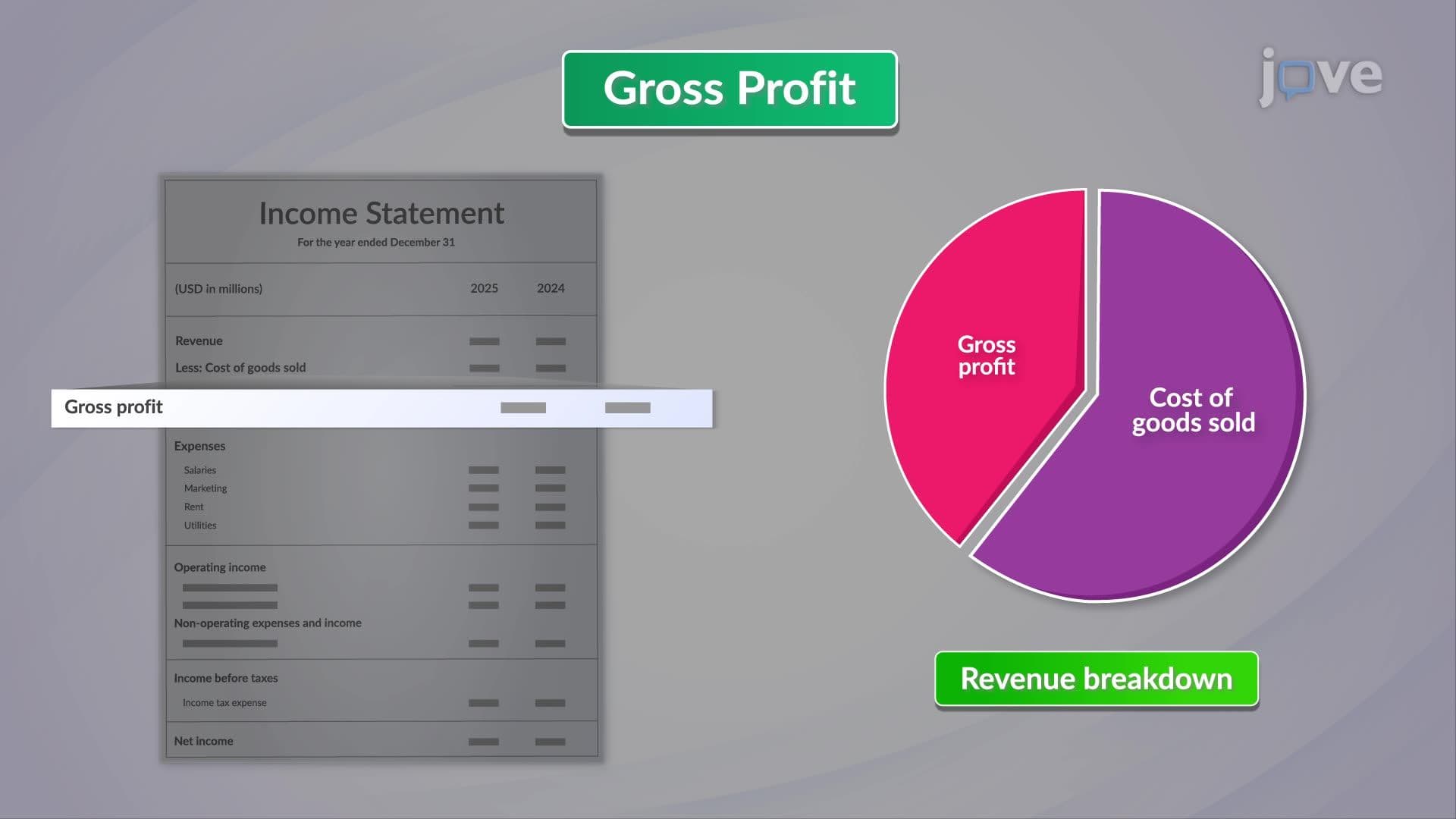
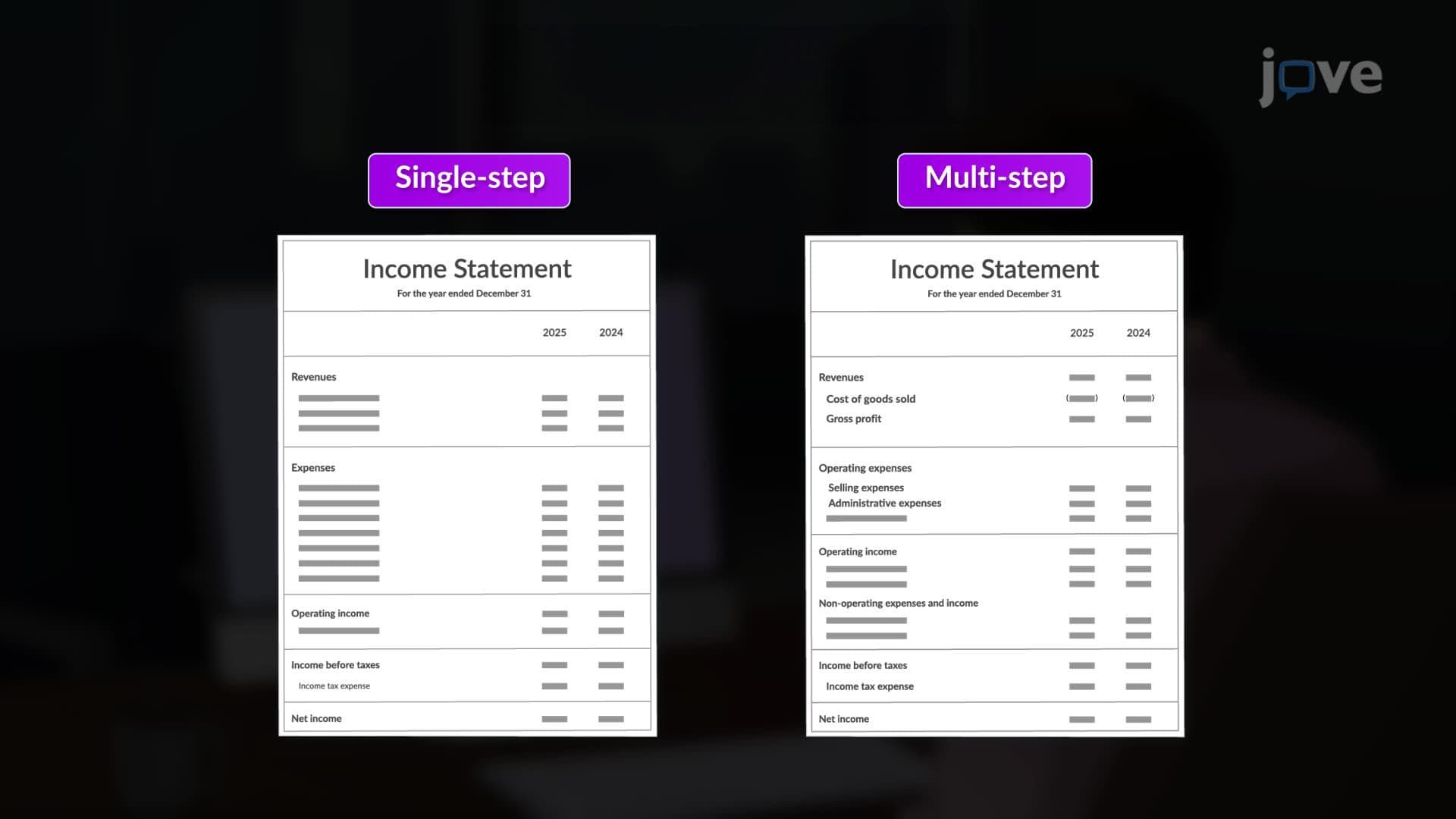
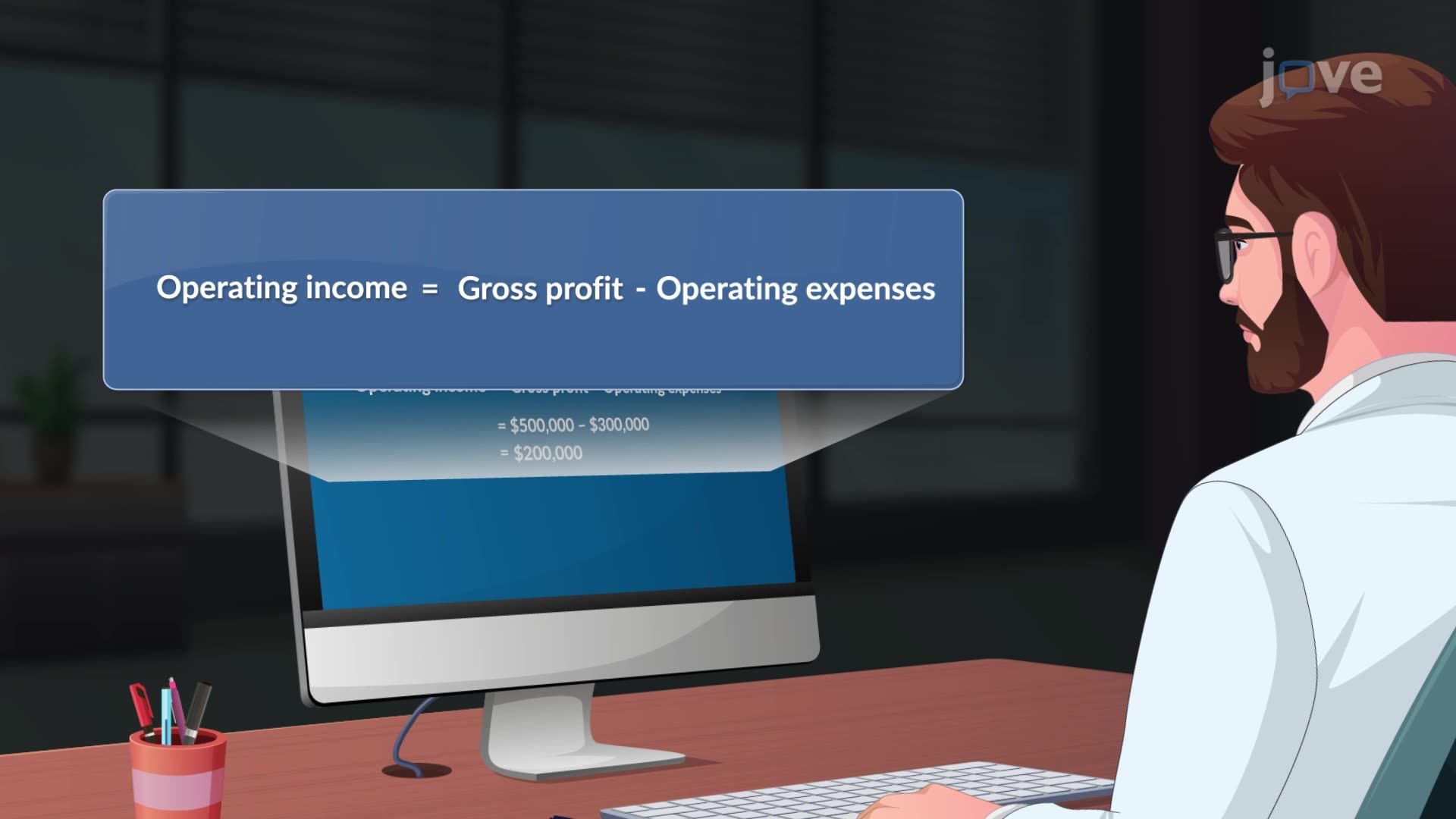
Operating expenses are the recurring costs required to keep a business running, think administrative salaries, office rent, software subscriptions, and utilities. Critically, these are not the same as Cost of Goods Sold (COGS), which covers direct production costs. Operating expenses come after gross profit on the income statement, and subtracting them from gross profit gives you operating income.
The confusion matters because misclassifying costs, or failing to distinguish between COGS and operating expenses, leads to flawed budget assumptions, poor pricing decisions, and misleading profitability reports.
Think of the profit and loss statement as a cascade, not a list. Revenue flows down, with each layer of costs reducing what remains:
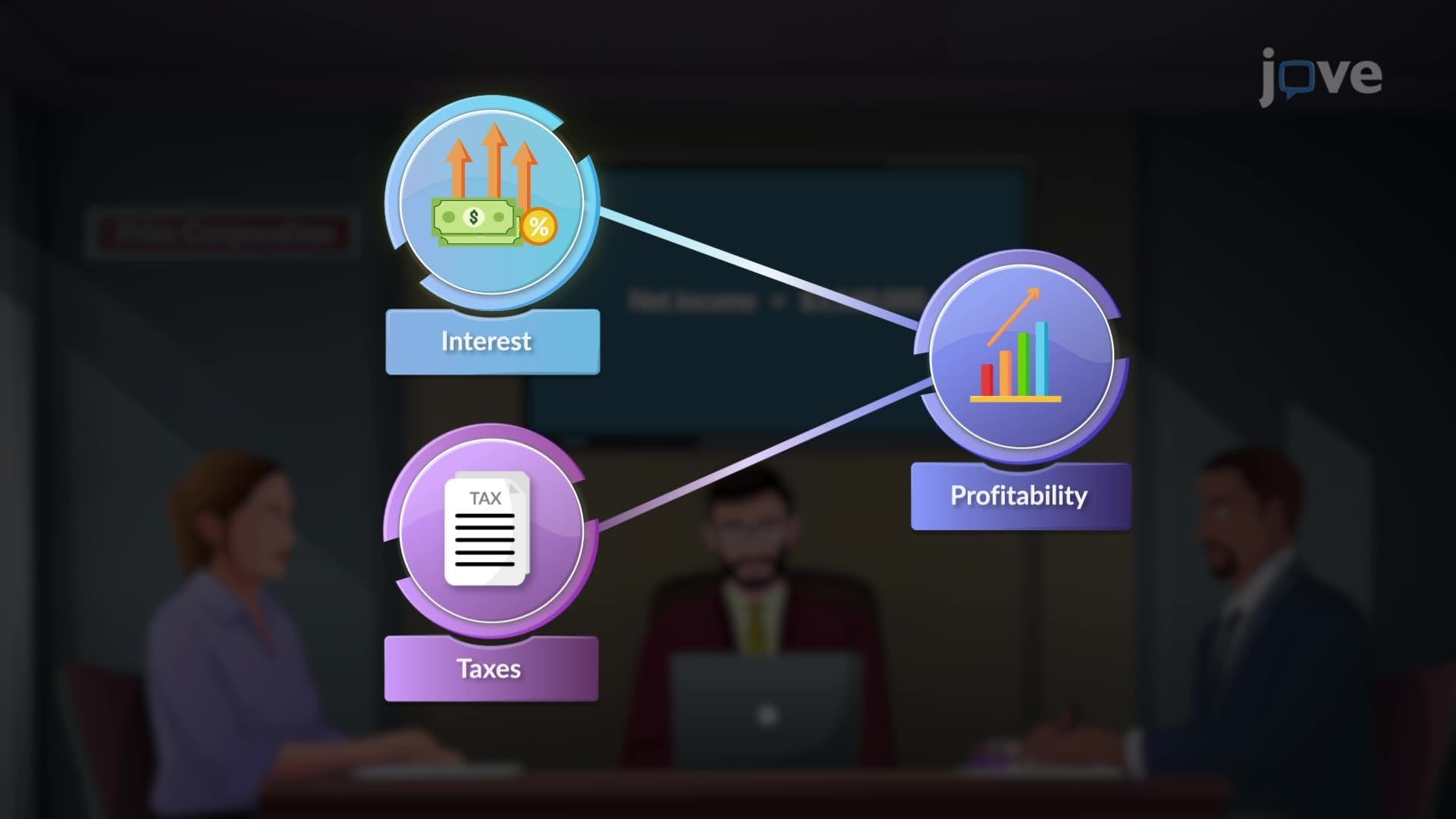
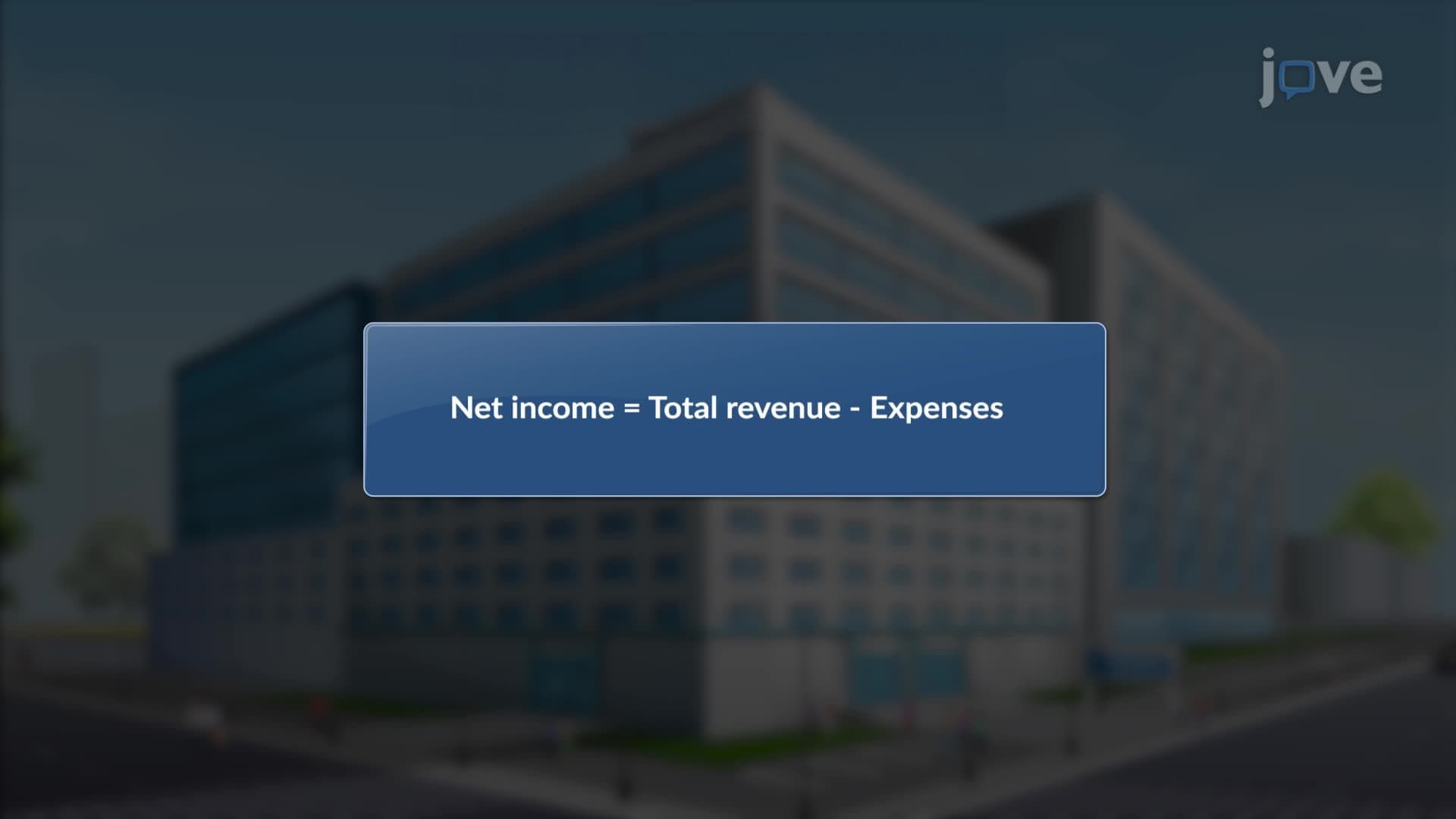
1. Revenue → subtract COGS → Gross Profit 2. Gross Profit → subtract Operating Expenses → Operating Income 3. Operating Income → adjust for interest, taxes → Net Income
As a manager, your direct influence typically sits at level two: operating expenses. Every staffing decision, vendor contract, and tool subscription you approve affects operating income. When operating expenses are high relative to gross profit, net margin shrinks, and that's when leadership scrutinizes headcount and discretionary spending.
Use this cascade framework during quarterly planning to show your team how their resource requests connect to business outcomes. It reframes budget conversations from "we need this" to "here's the trade-off."
The most practical move any manager can make is to regularly review their department's contribution to operating expenses using three questions:
This mirrors the logic behind cost-control initiatives that appear in mature organizations, where a deliberate reduction in operating expenses (even 10-15%) can meaningfully shift operating income and net margin without touching revenue at all.
Bring this lens to your next one-on-one with your finance business partner. Ask how your department's operating expenses appear on the internal P&L, and whether there are benchmark ratios leadership uses to evaluate cost efficiency. That question alone signals financial maturity, and positions you as a manager who thinks beyond task execution.
Related Micro-courses