Loading video…

 16 Concepts
 5.7K views

Video Summary: What Is Gross Profit
Gross profit basics often get overlooked by managers who only focus on top-line revenue, missing critical signals about cost efficiency and pricing health. Understanding what is gross profit helps you interpret financial reports, ask sharper questions in budget reviews, and make decisions that protect your team's resources. This concept separates revenue from what it actually costs to deliver your product or service. Watch the full video on JoVE Coach to master this concept with expert-led visuals and step-by-step explanations.
Imagine you're sitting in a quarterly business review. Revenue is up 12% year-over-year, the room feels optimistic. But then someone flags that margins are shrinking. Suddenly the conversation shifts: *Where are costs going?* If you can't answer that question with confidence, you're on the back foot. Understanding gross profit gives you the analytical foundation to stay ahead of that conversation, not just react to it.
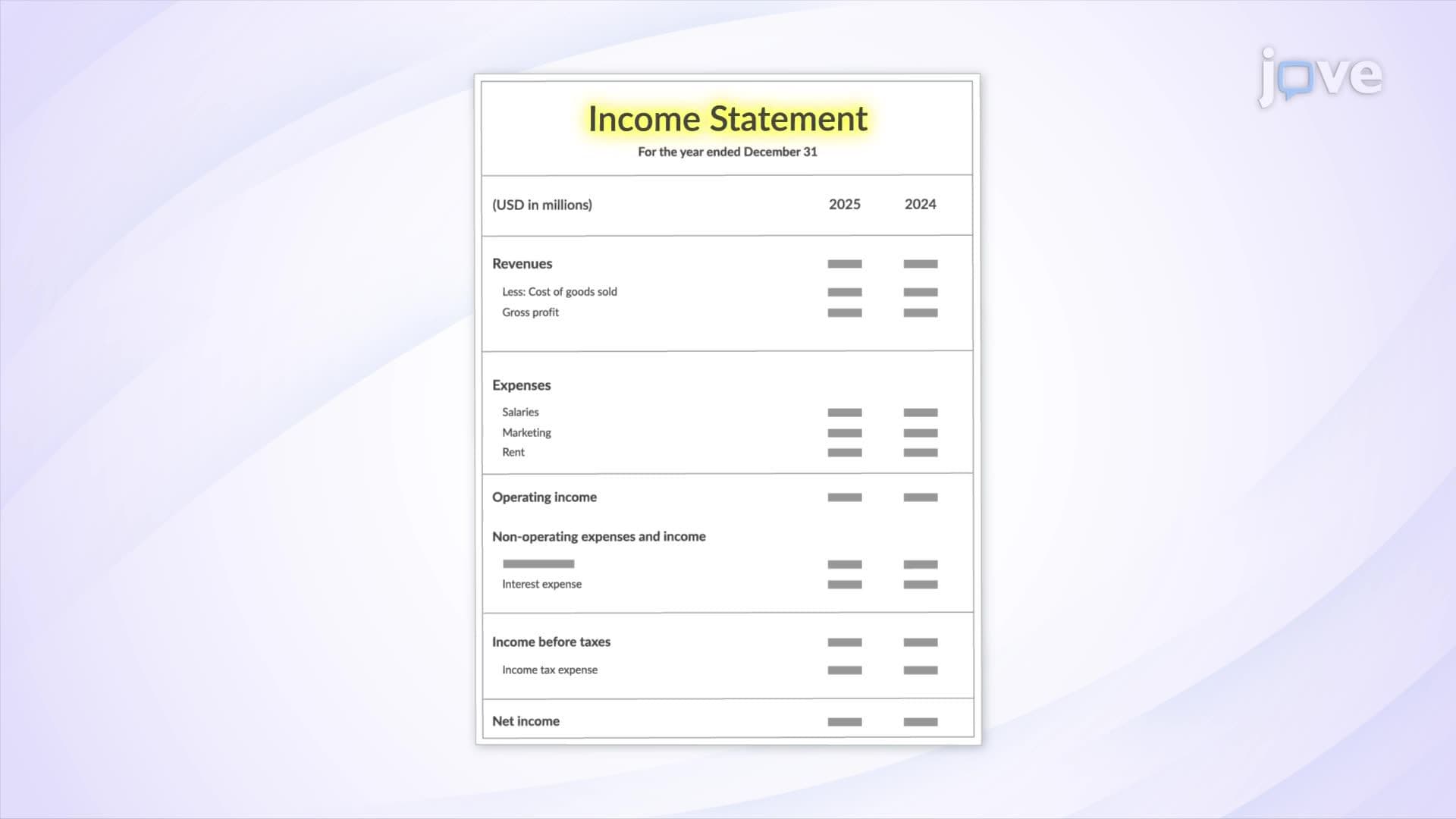
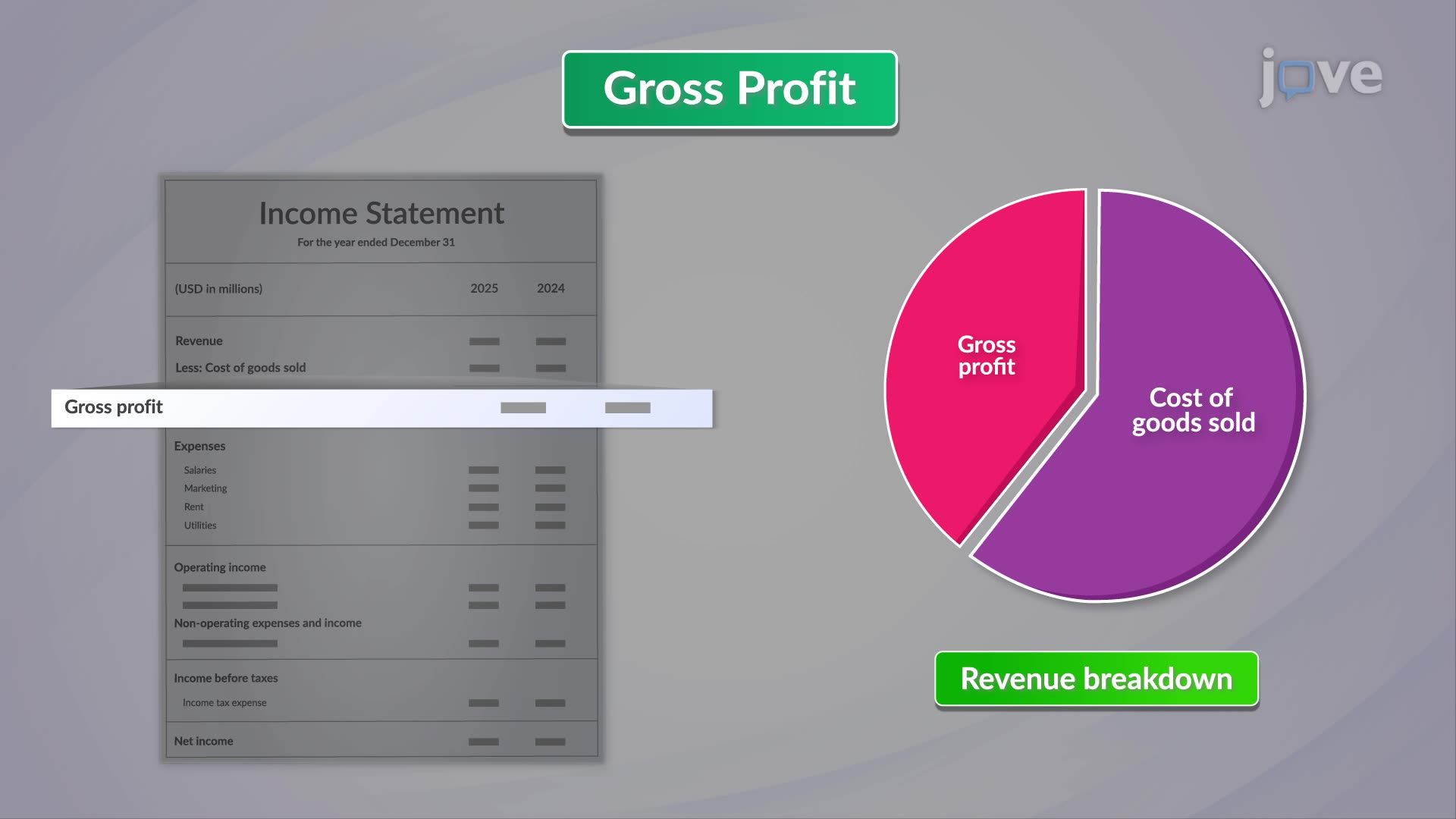
Many managers conflate revenue growth with financial health. A team that ships more product or closes more deals can still generate less value if the cost of delivering that output rises faster than revenue. Gross profit, calculated as Revenue minus Cost of Goods Sold (COGS), strips away the noise and isolates production efficiency. It tells you not just *how much* you earned, but *how well* you earned it.
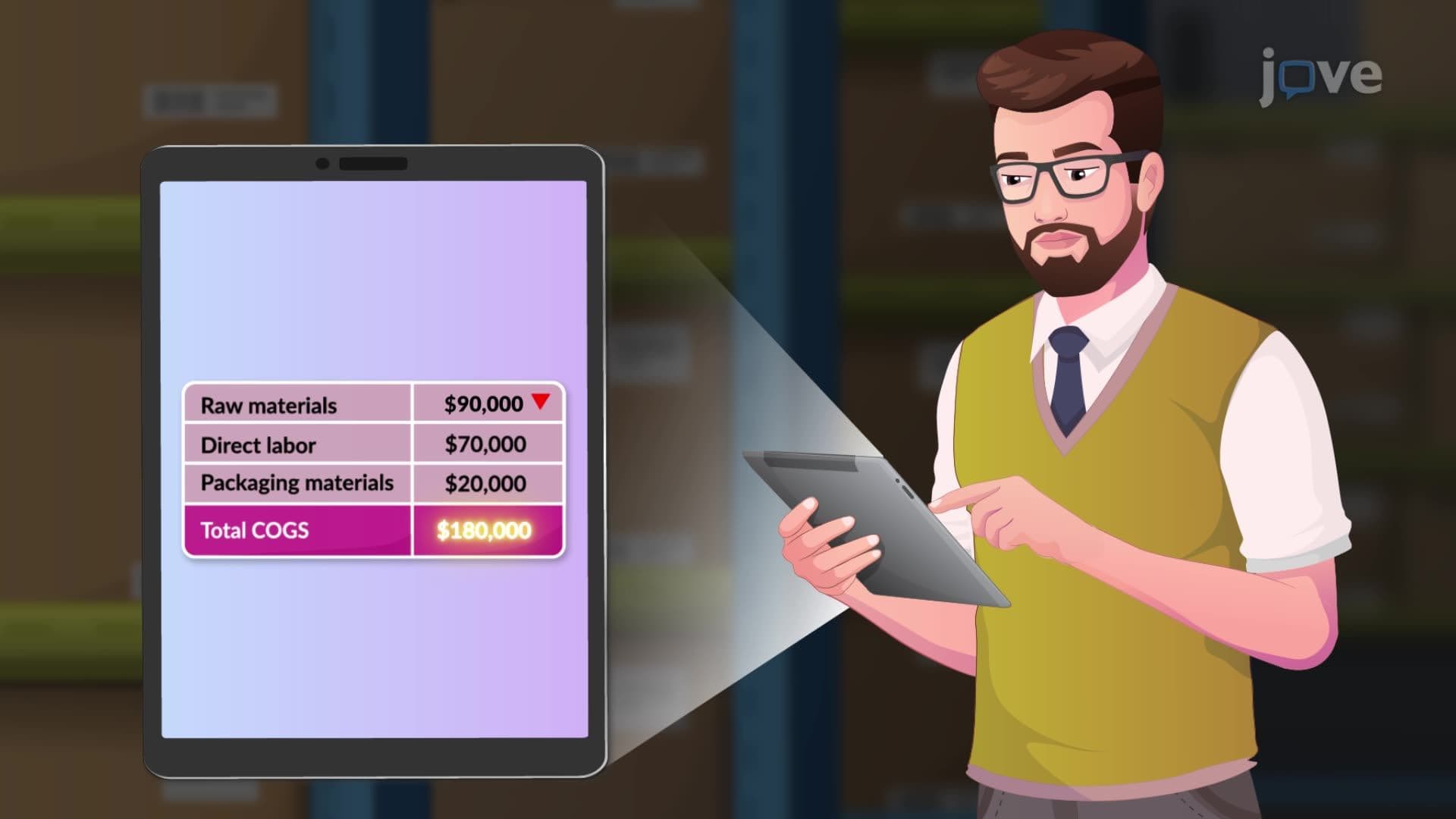
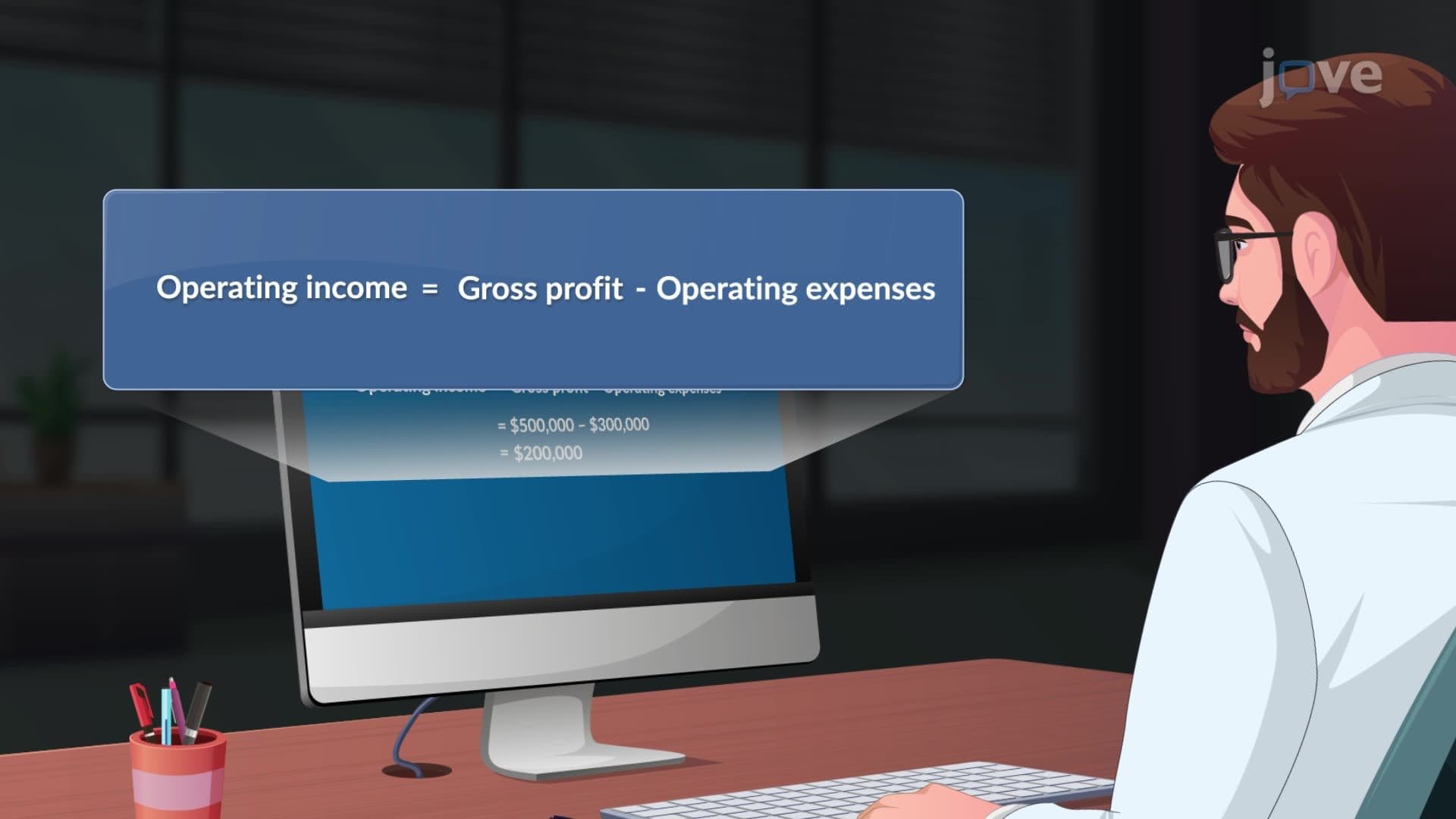
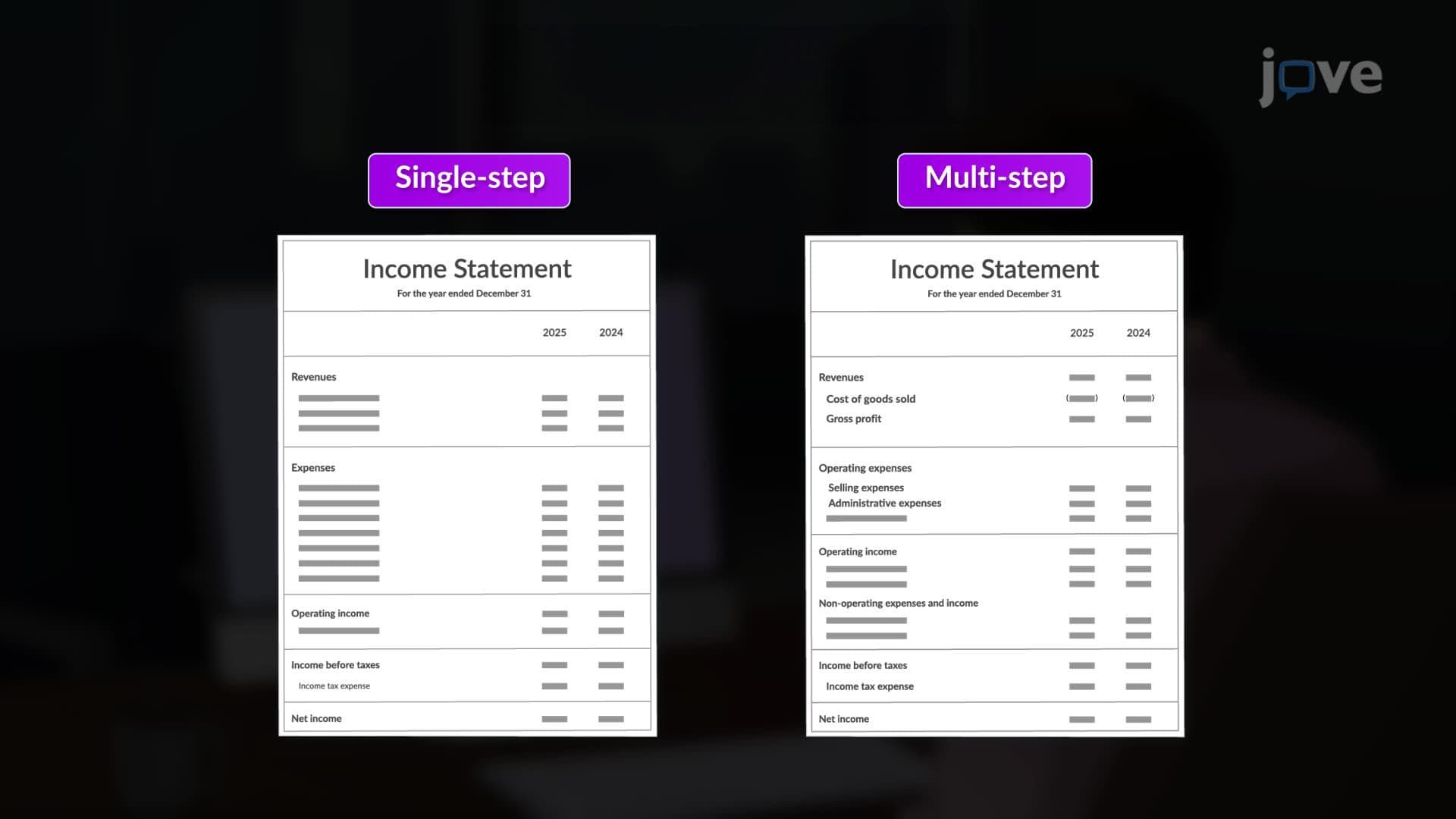
COGS includes only direct costs: raw materials, direct labor, and manufacturing overhead tied specifically to production. It excludes operating expenses like office rent, software subscriptions, or your HR team's salaries. This distinction is critical. When you review a profit and loss statement, gross profit sits at the top of the profitability stack, above EBITDA, operating income, and net margin, and it's the first signal of whether the core business model is working.
Even if you're not in finance, you can apply a three-lens framework to use gross profit data effectively:
1. Cost Lens, Ask: What are the direct costs my team or function controls? Can any be reduced without compromising quality or delivery? This is where procurement decisions, vendor negotiations, or process improvements show up first in the numbers.
2. Pricing Lens, Ask: Are we pricing our products or services to reflect actual production costs plus a healthy margin? If gross profit is declining but revenue is flat, pricing may be the lever. Gross profit data surfaces this signal early, before it hits net income.
3. Efficiency Lens, Ask: Are there workflow or output changes that reduce COGS without reducing revenue? For example, streamlining a production step or renegotiating a materials contract can lift gross profit even when sales volume stays constant.
This mirrors the input-process-output model used in operations management: you control inputs (costs), optimize the process (efficiency), and protect the output (margin).
Mistaking gross profit for net income. Gross profit does not account for marketing spend, salaries of non-production staff, or administrative costs. A healthy gross profit can still yield a net loss if operating expenses are high. Always know where you are on the income statement before drawing conclusions.
Ignoring gross profit trends over time. A single quarter's gross profit figure means little without context. A declining gross profit percentage, even with rising revenue, signals a structural cost problem that will eventually surface as a crisis. Train yourself to track the *direction* of gross profit, not just the absolute number.
Treating financial metrics as finance's problem. As a manager, your decisions, on staffing models, vendor choices, output volumes, and team structure, all have direct or indirect effects on COGS and gross profit. Owning that connection makes you a more credible, commercially aware leader.
Related Micro-courses