Loading subject page…

5,683 views

Video Summary: What Is Cost of Goods Sold
Cost of goods sold is a financial metric every manager overseeing production, procurement, or operations must understand, yet many misread it as a simple accounting figure rather than a lever for profitability. Grasping cost of goods sold basics helps you make smarter sourcing, pricing, and resource decisions. Reduce COGS, and you directly improve margins without touching revenue. Watch the full video on JoVE Coach to master this concept with expert-led visuals and step-by-step explanations.
Picture this: your team has just delivered a strong quarter in units shipped, but the P&L review reveals that margins are thinner than expected. Leadership wants answers. You dig into the numbers and realize no one on the team has been actively tracking the direct costs tied to production. Materials crept up. A packaging contract wasn't renegotiated. Labor hours were logged inconsistently. This is the operational reality that makes cost of goods sold, commonly called COGS, one of the most important concepts a manager in production, operations, supply chain, or product management needs to own.
Most managers treat COGS as a finance team problem. It shows up on the income statement, an accountant reconciles it, and the conversation moves on. That's a costly mistake.
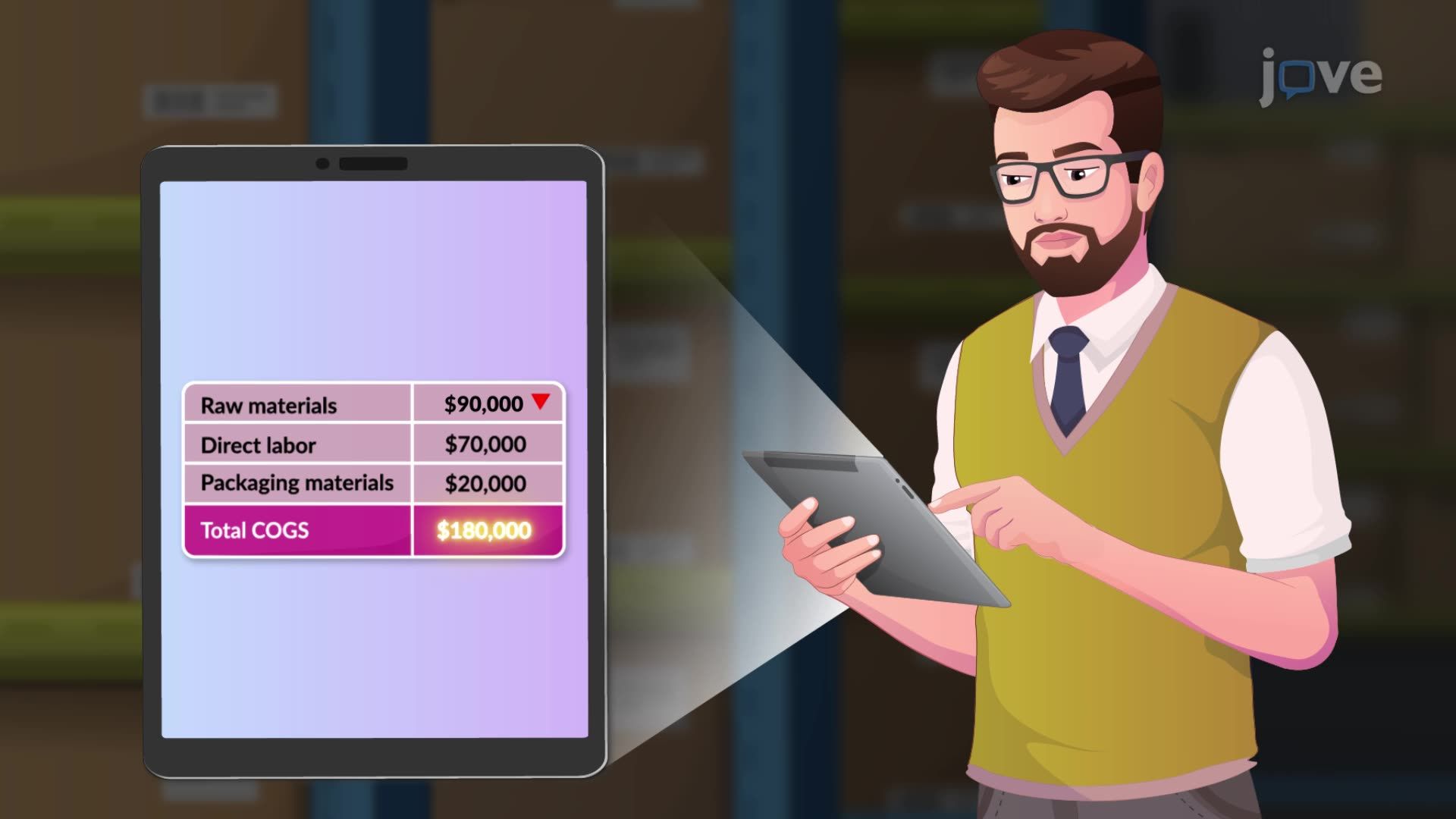
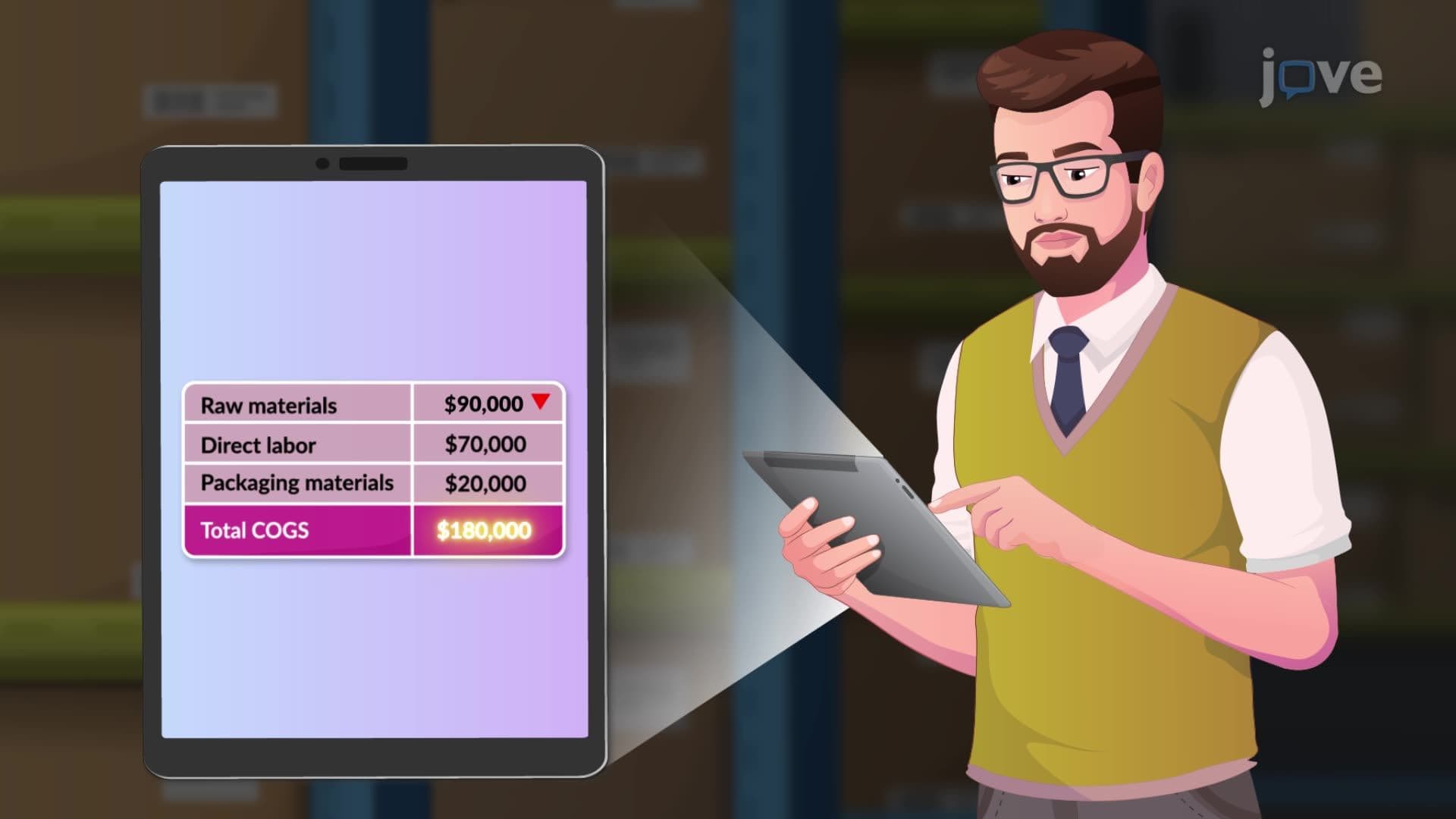
COGS captures all direct costs tied to producing what your business sells, raw materials, direct labor, and manufacturing overhead attributable to output. Critically, it does *not* include operating expenses like office rent, marketing spend, or administrative salaries. Understanding that boundary helps you have cleaner conversations about where cost pressure is actually coming from.
The practical risk of ignoring COGS is this: you may be hitting revenue targets while quietly destroying margin. A team that produces more units but at rising direct costs is not becoming more efficient, it's becoming more expensive.
Rather than treating COGS as a single number, break it into its three core levers and assign ownership to each:
1. Materials cost, What are you paying per unit of input? Who owns supplier relationships and contract renewals? 2. Direct labor cost, Are labor hours allocated correctly to production output? Is overtime being tracked and justified? 3. Production overhead, Which facility or equipment costs are being absorbed into COGS, and are those allocations accurate?
This decomposition mirrors the logic behind activity-based costing (ABC), a widely used management accounting framework that assigns costs to specific activities rather than treating overhead as a single lump sum. Even if you're not running formal ABC, the discipline of attributing cost to its source helps your team pinpoint waste and prioritize action.
In practice, set a monthly review cadence where each cost lever is checked against a baseline. When COGS rises, you'll know immediately whether it's a materials issue, a labor issue, or an overhead issue, and you'll have the right conversation with the right person.
Lower COGS creates two immediate advantages: it reduces cost per unit, and it expands pricing flexibility. If your direct production costs fall, you can choose to hold prices and improve margin, or pass savings to customers and gain competitive ground. That's a strategic decision, and it belongs in management conversations, not just finance spreadsheets.
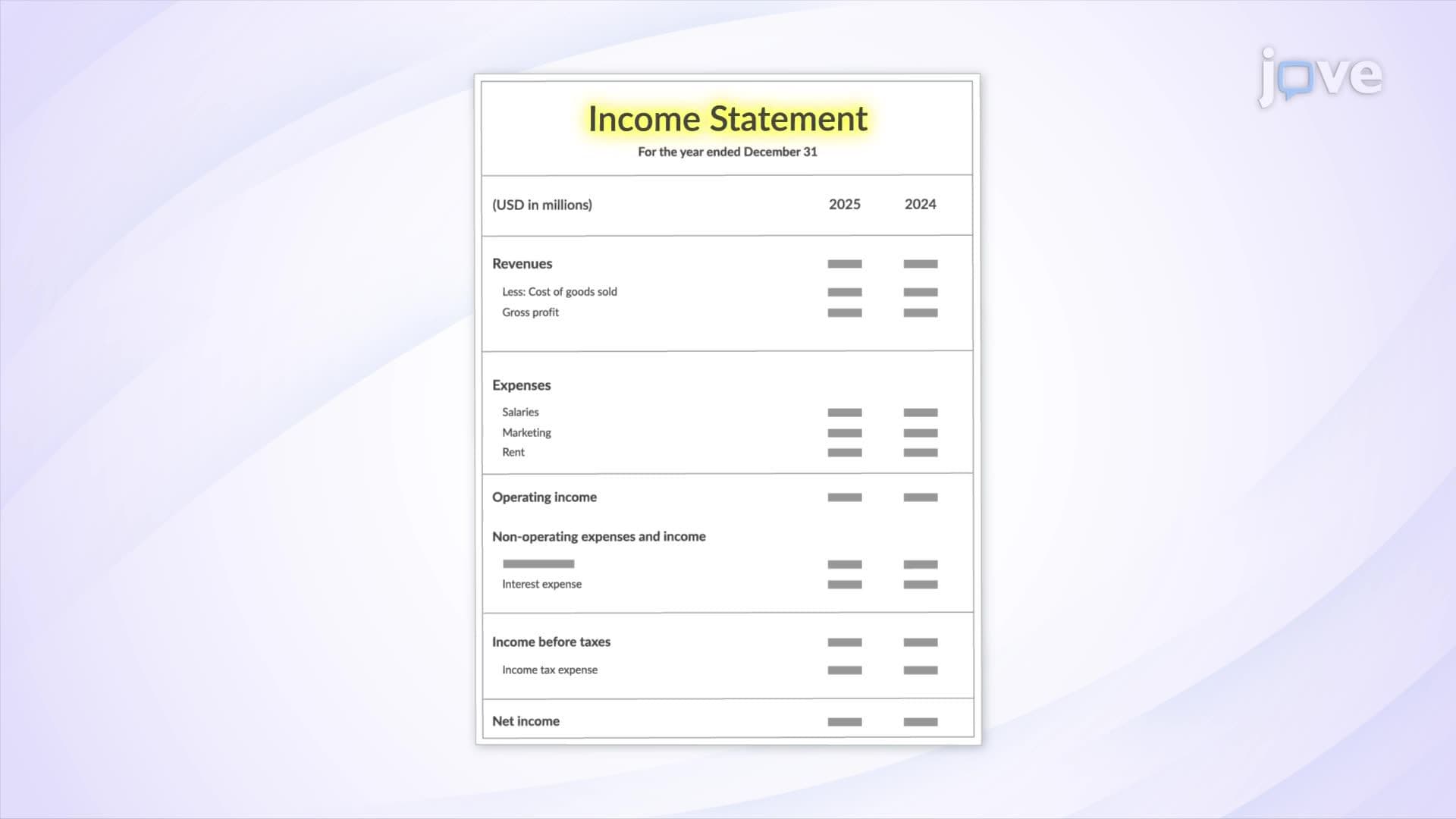
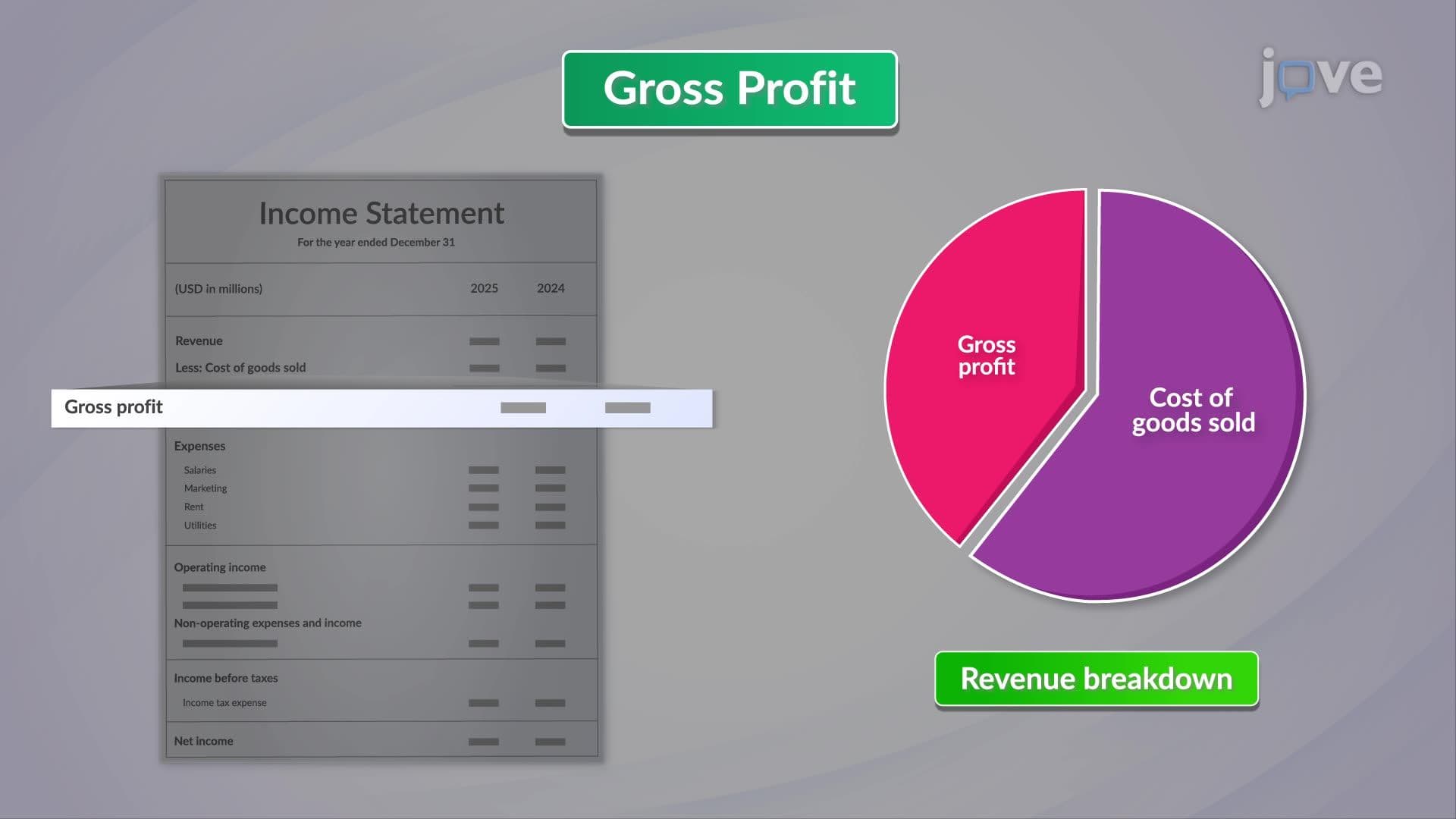
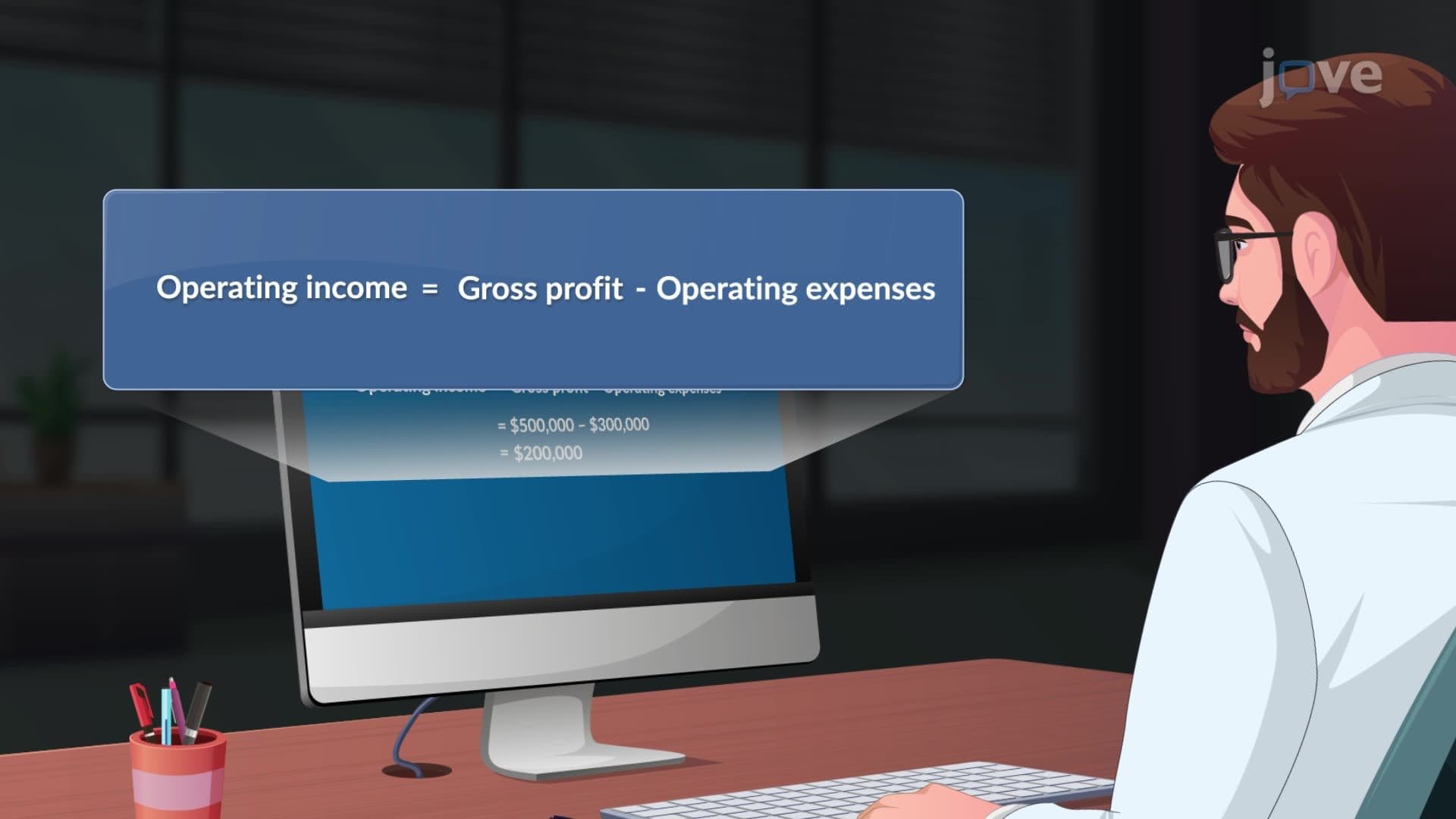
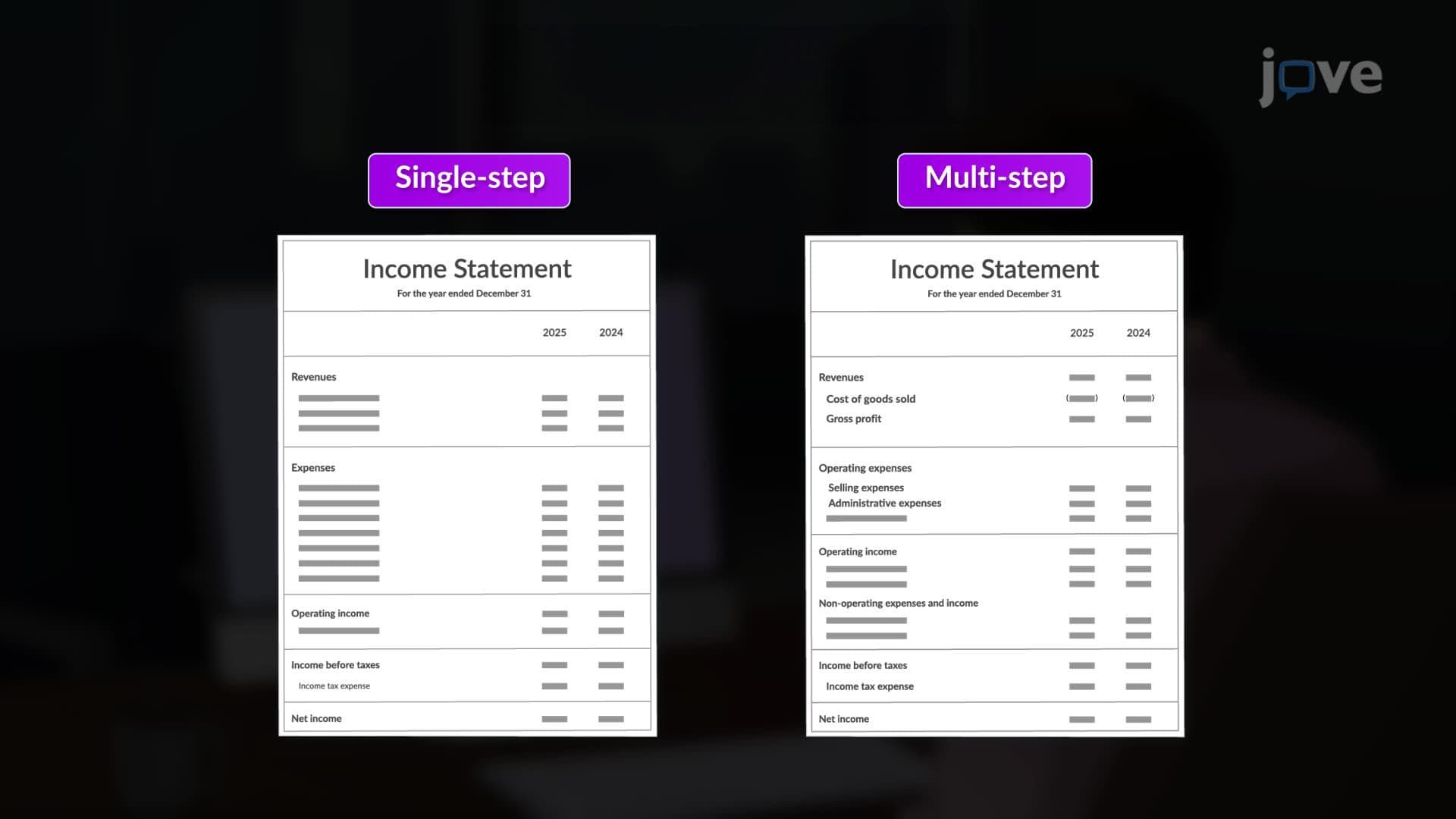
On the profit and loss statement, COGS sits directly below revenue. Gross profit, revenue minus COGS, is the headline number that signals whether the core business model is working. Gross margin percentage (gross profit divided by revenue, expressed as a percentage) is the KPI most leadership teams use to track operational efficiency over time.
When you're preparing for a business review, a budget conversation, or a supplier negotiation, knowing your COGS by component, and knowing what moves it, makes you a sharper, more credible leader.
Related Micro-courses