Loading video…

 20 Concepts
 7.1K views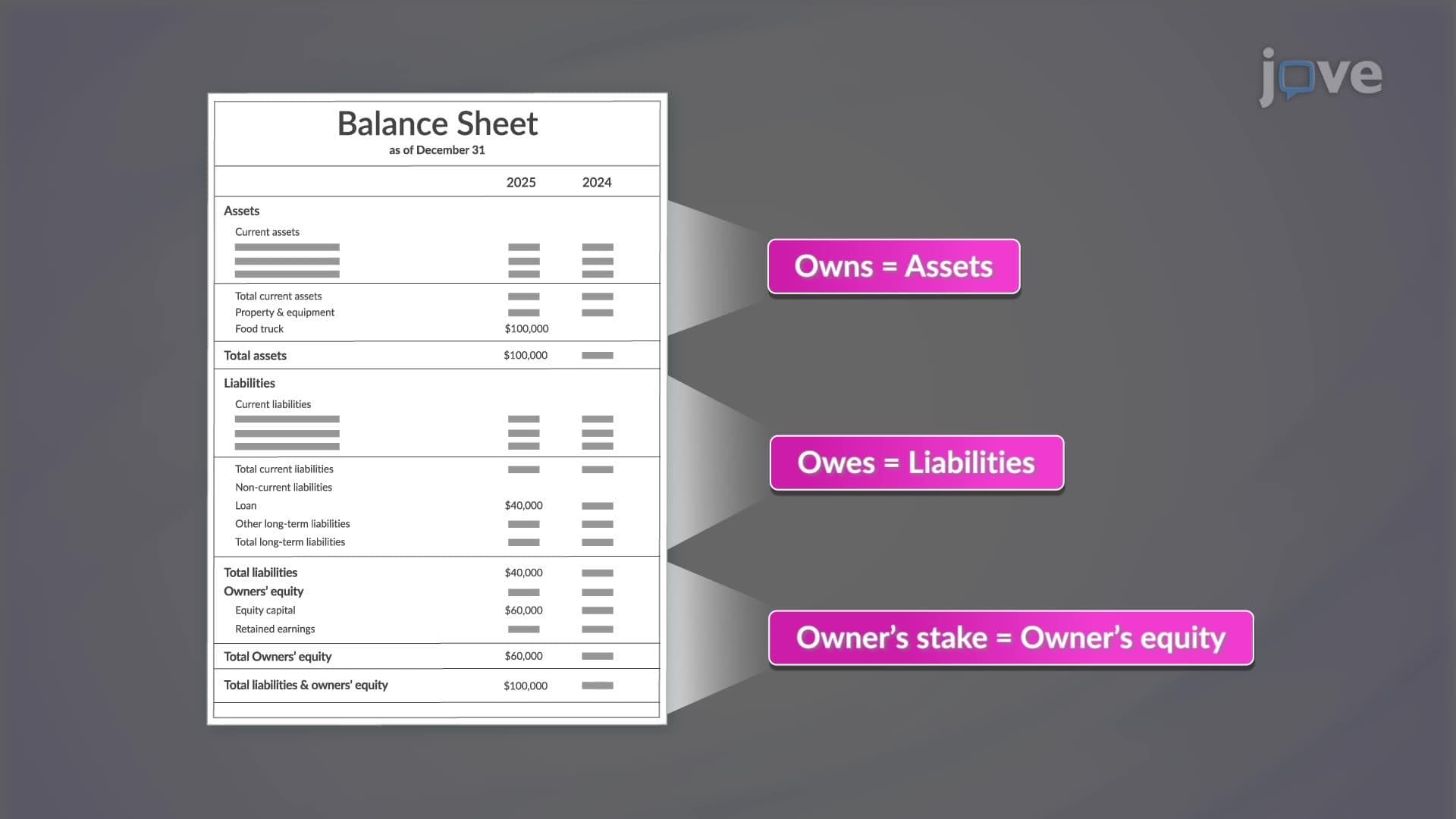

Video Summary: What Is the Balance Sheet
The balance sheet basics can feel abstract until a financial review lands on your desk and your numbers don't add up. Understanding the balance sheet gives managers the clarity to interpret their team's resource usage, justify budget decisions, and hold informed conversations with finance stakeholders. This foundational skill separates reactive managers from strategically confident leaders. Watch the full video on JoVE Coach to master this concept with expert-led visuals and step-by-step explanations.
Picture this: you've just been asked to present your department's financial standing in an operations review. The CFO wants to know what resources your team controls, what obligations are outstanding, and what the net position looks like. If you're reaching for jargon or guessing at what "equity" means in your context, the balance sheet basics aren't yet part of your leadership toolkit, and that gap is visible to everyone in the room.
Most managers come up through functional roles, engineering, marketing, operations, sales, where financial statements were someone else's responsibility. When leadership demands financial fluency, the balance sheet often triggers one of two failure modes: over-reliance on the finance team for interpretation, or surface-level engagement that misses critical signals. The result is that managers approve headcount or equipment requests without truly understanding whether the financial position supports those decisions. The balance sheet is not an accounting artifact, it is a snapshot of organizational reality at a specific moment in time.
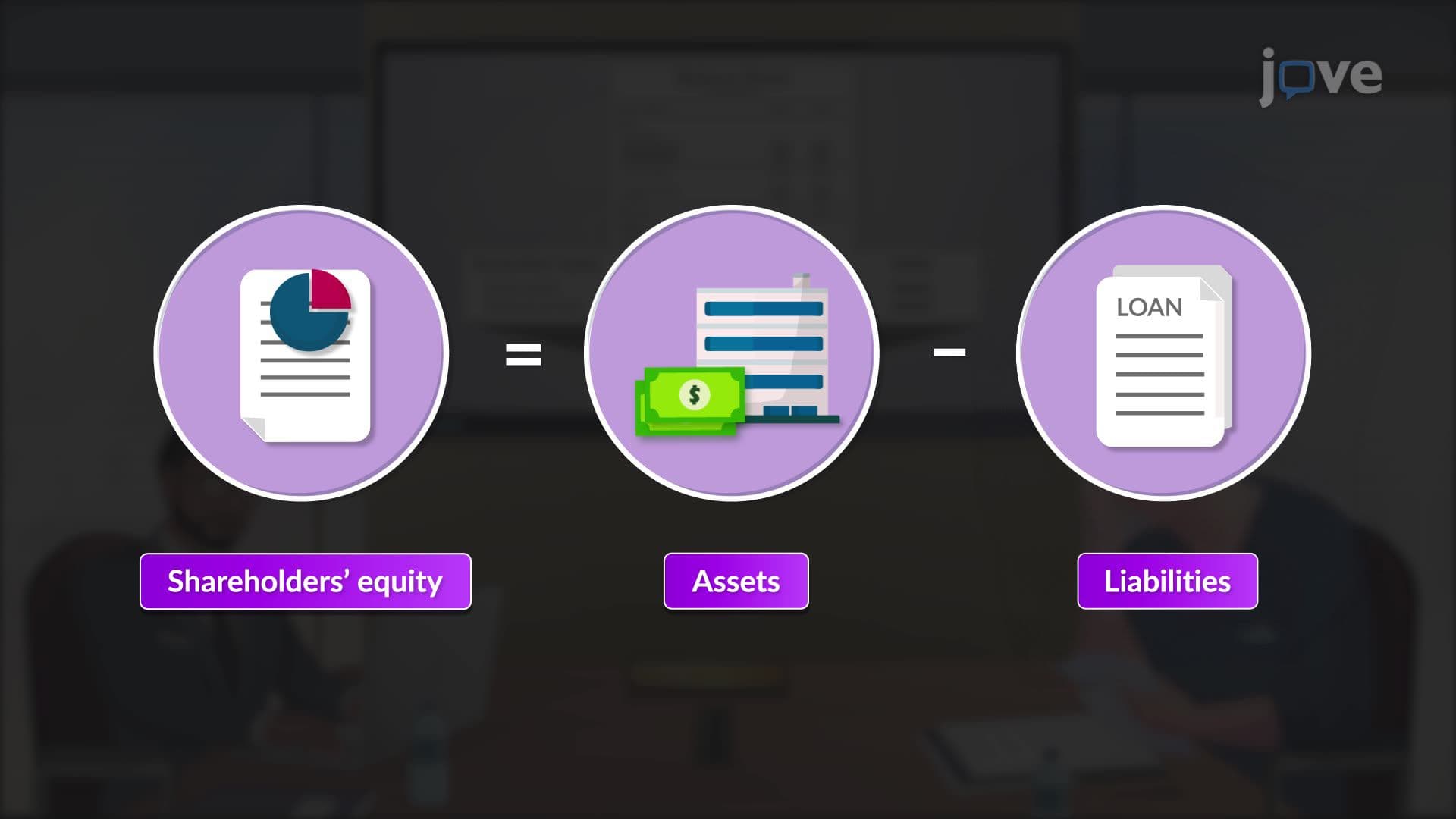
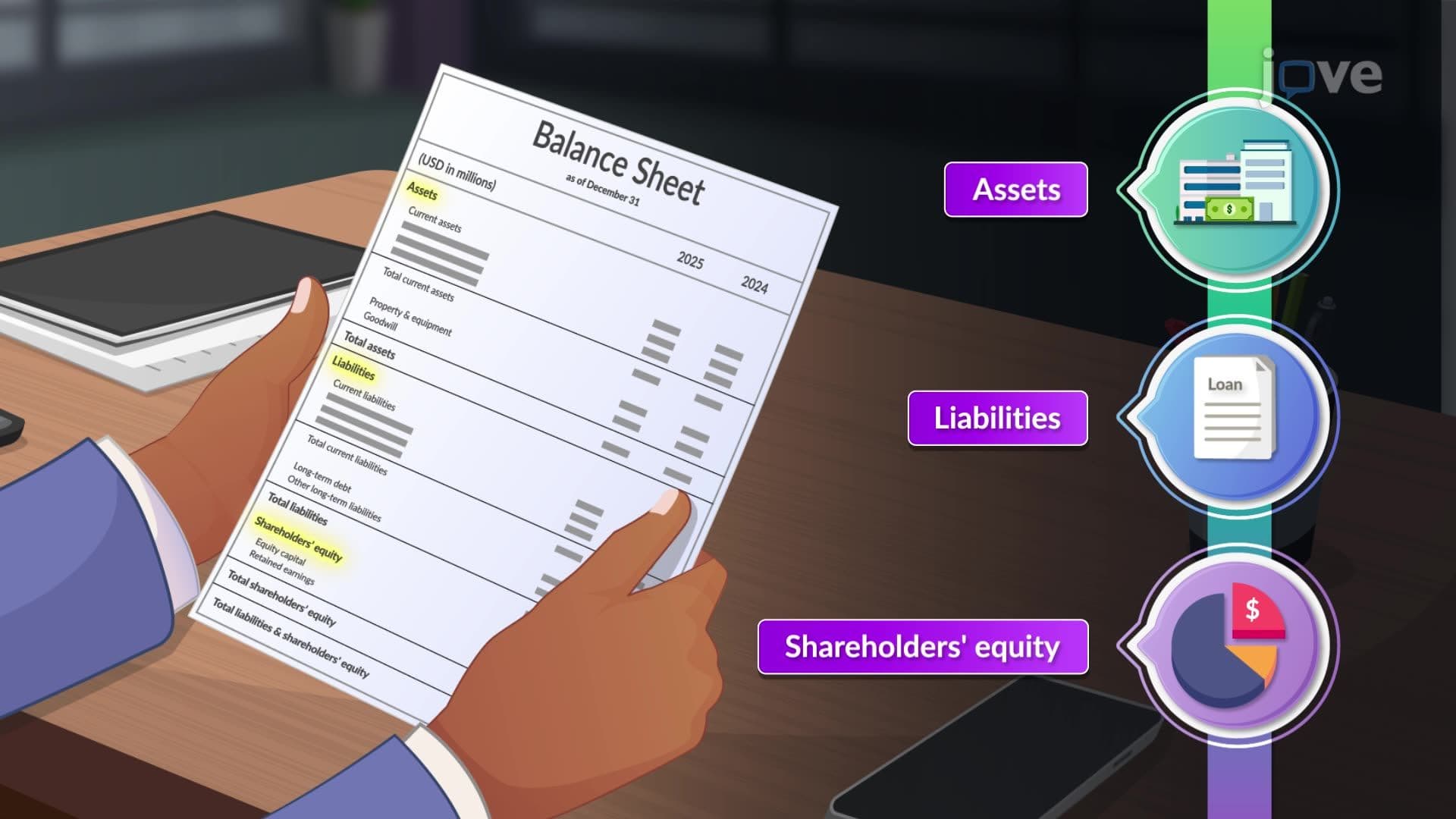
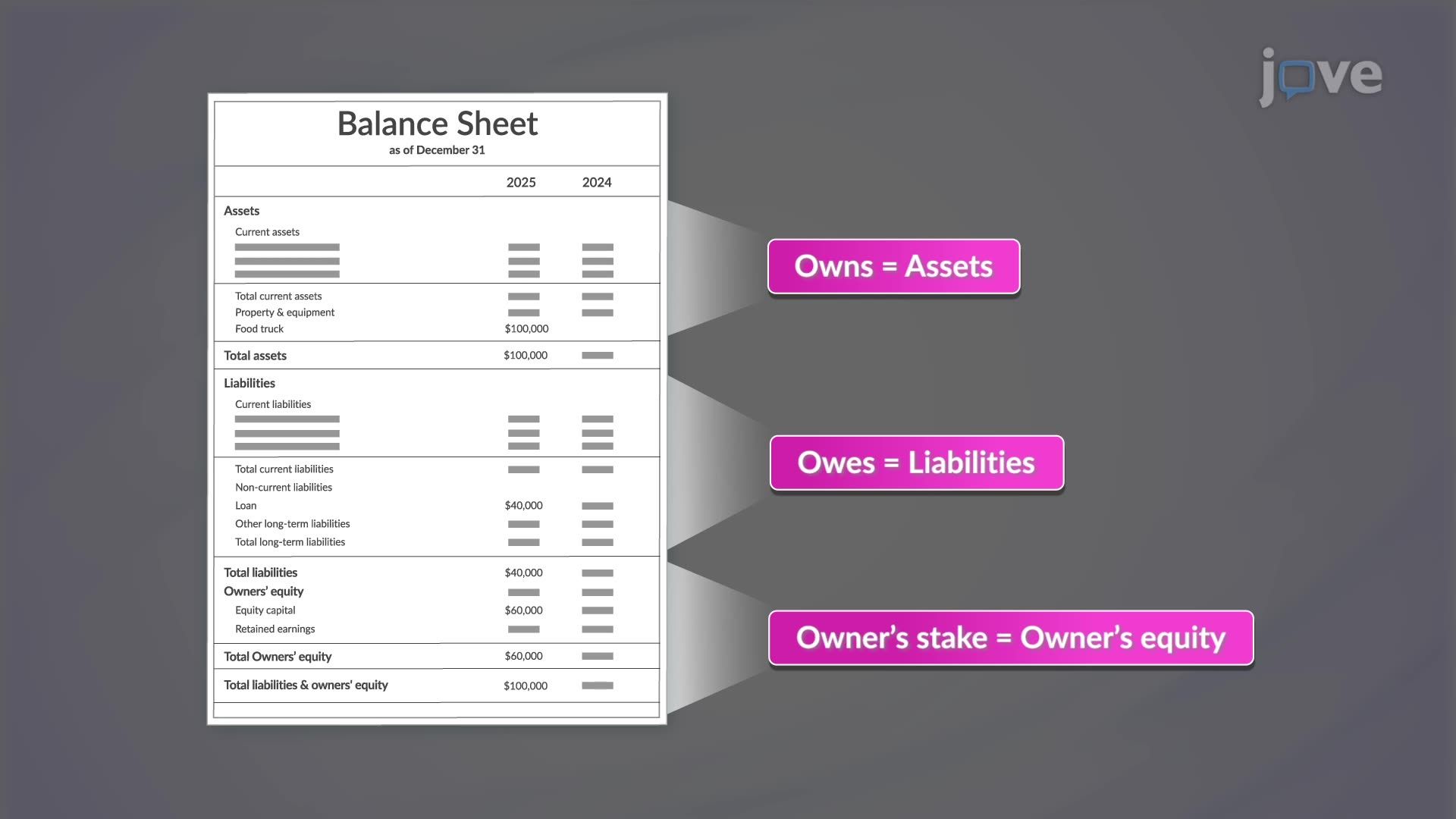
The balance sheet is governed by one non-negotiable rule: Assets = Liabilities + Owner's Equity. Think of this as the financial equivalent of a RACI matrix, everything must be accounted for, and if something doesn't balance, there's a gap in ownership or transparency. As a manager, apply this equation directionally to departmental thinking:
When reviewing a balance sheet in a leadership context, look at the liquidity ratios, specifically the current ratio (current assets divided by current liabilities). A ratio above 1 generally signals the business can meet short-term obligations. A ratio below 1 warrants a direct conversation with your finance business partner before committing resources.
Use the trial balance as a pre-check before your budget or resource requests are submitted. A trial balance confirms that debits and credits are aligned across the accounting period, meaning the numbers you're presenting haven't drifted from actuals. Before a quarterly business review, ask your finance partner: "Can you walk me through the trial balance for our cost center?" This question alone signals financial seriousness and builds your credibility as an operationally grounded leader.
In team planning sessions, introduce the language of assets, liabilities, and equity when discussing initiatives. Ask: "What are we committing to that becomes an obligation?" and "What do we control that creates future value?" This reframes resource conversations from tactical to strategic, and it's a skill that accelerates promotion readiness faster than almost any other leadership behavior.
The most frequent error managers make is treating the balance sheet as a static historical document rather than a live diagnostic tool. A balance sheet reflects position at a specific point in time, it tells you where you stood, not where you're headed. Pair it with a cash flow statement for forward-looking visibility. Additionally, avoid conflating profitability with financial health: a team or business unit can show strong revenue figures while carrying unsustainable liabilities. If your balance sheet doesn't balance, treat it as a red flag requiring immediate reconciliation, not an administrative error to clean up later.
Related Micro-courses