Loading video…

 20 Concepts
 7.1K views

Video Summary: Key Components of the Balance Sheet Explained
Key components of the balance sheet basics become essential knowledge the moment you're asked to defend a budget, justify a headcount request, or explain a missed target to senior leadership. Understanding what your organization owns, owes, and holds in equity helps you lead financially informed conversations with confidence. Watch the full video on JoVE Coach to master this concept with expert-led visuals and step-by-step explanations.
Picture this: you've just been invited to a quarterly business review, and the CFO puts a balance sheet on screen. The room is full of nodding heads. You're reading numbers but not yet meaning. You know your team delivered results, but you can't connect what you see on that sheet to the work your people did. That disconnect is common among managers moving into broader leadership roles, and it's entirely fixable.
The balance sheet isn't taught as a leadership tool, it's typically treated as a finance team deliverable. As a result, most managers engage with it reactively: they see it during audits, budget cycles, or board presentations, but rarely use it proactively. The core challenge is that the balance sheet captures a single moment in time, a snapshot at the close of an accounting period, rather than a story of performance. That makes it feel abstract. The fix is learning to read it as a resource map: what does the organization have available, what is it obligated to pay, and what's left over for growth?
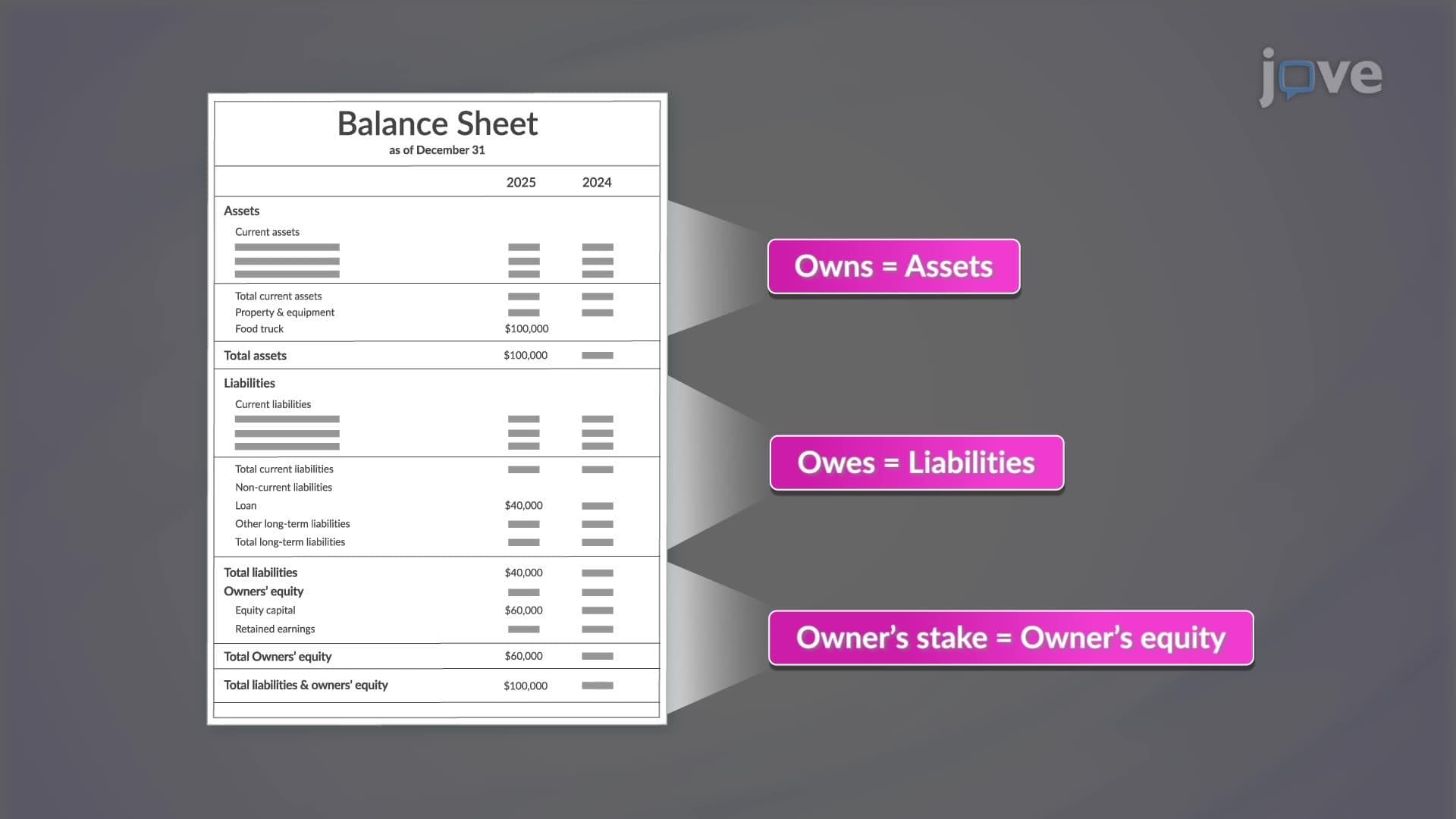
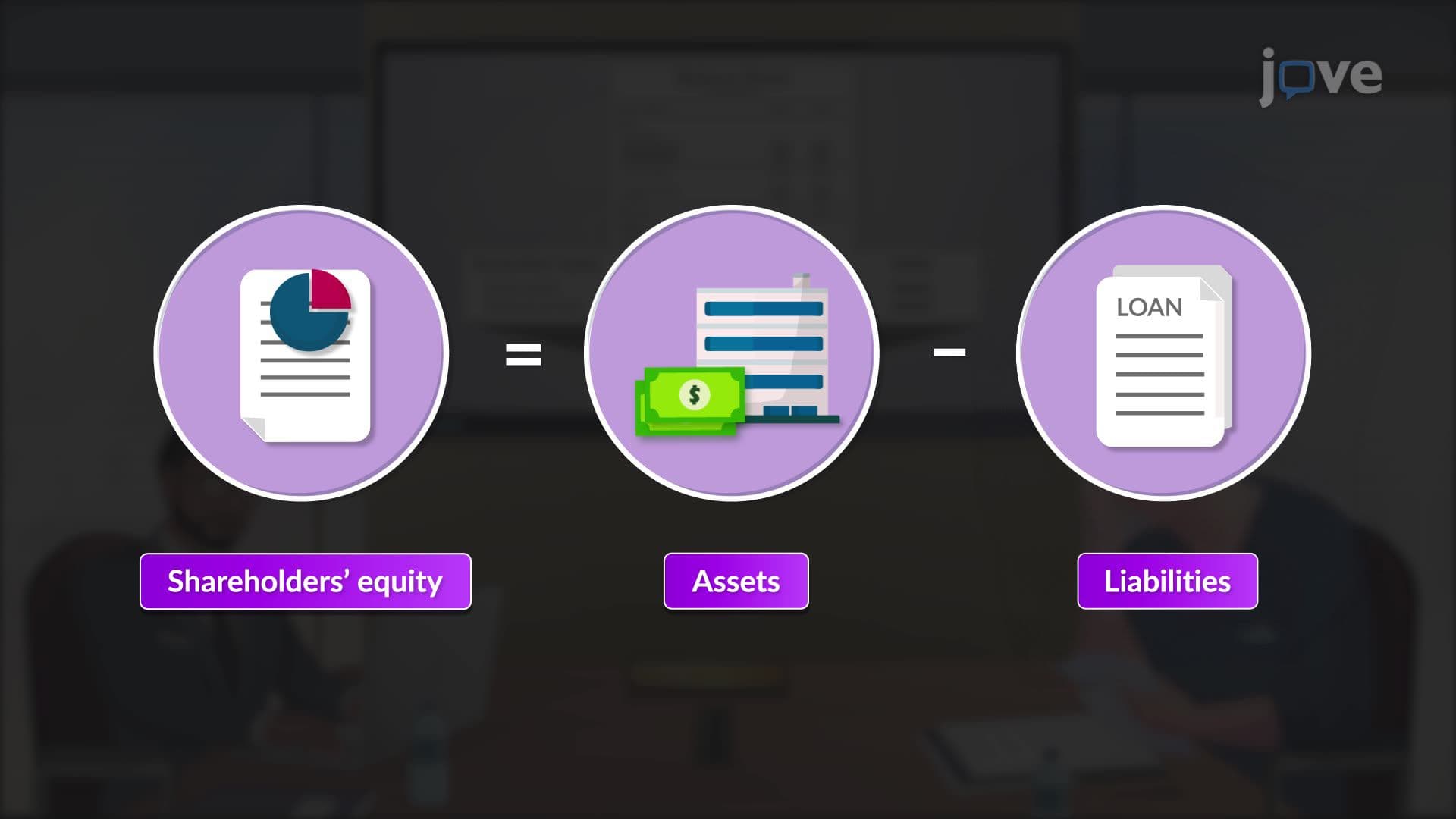
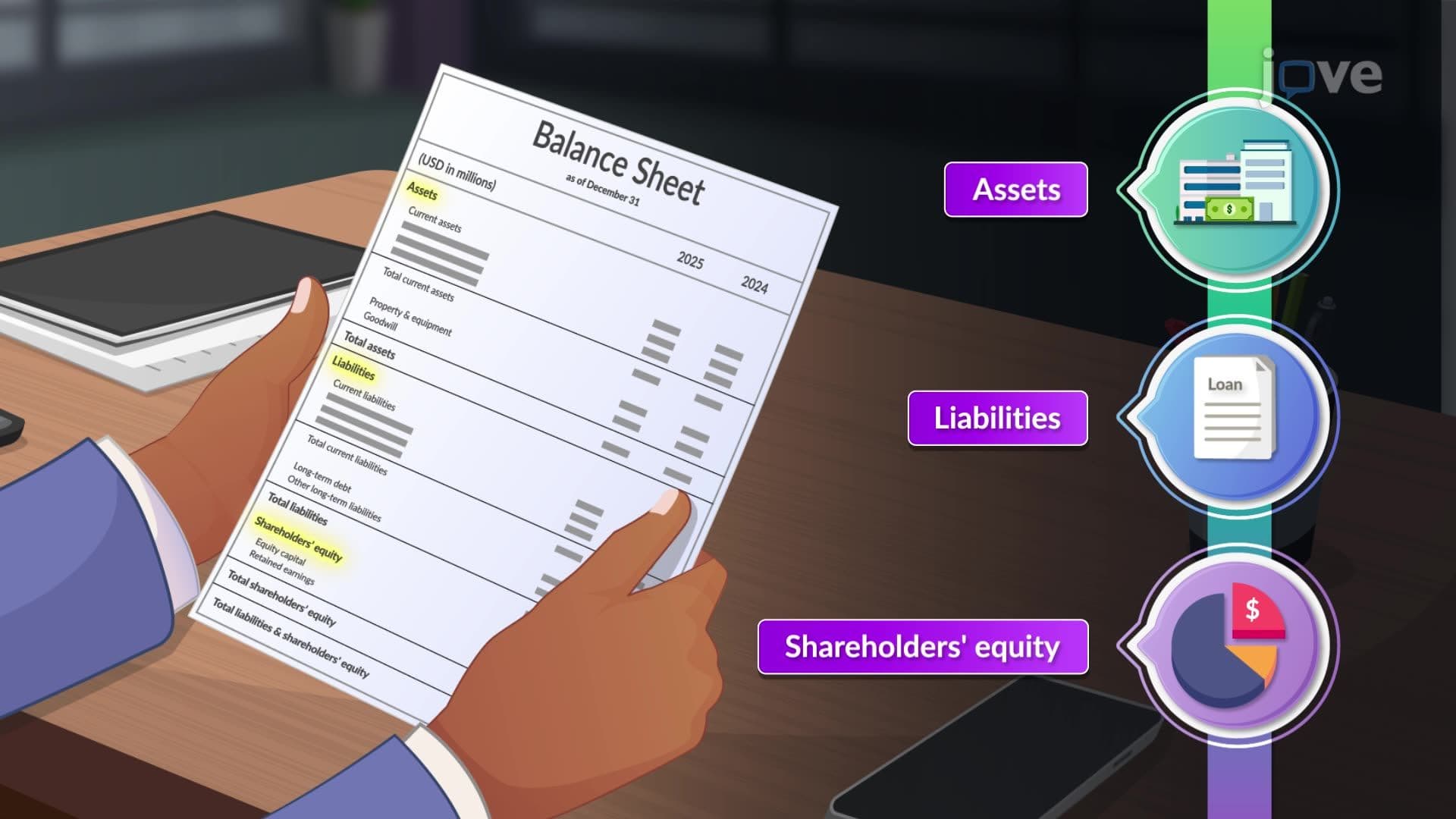
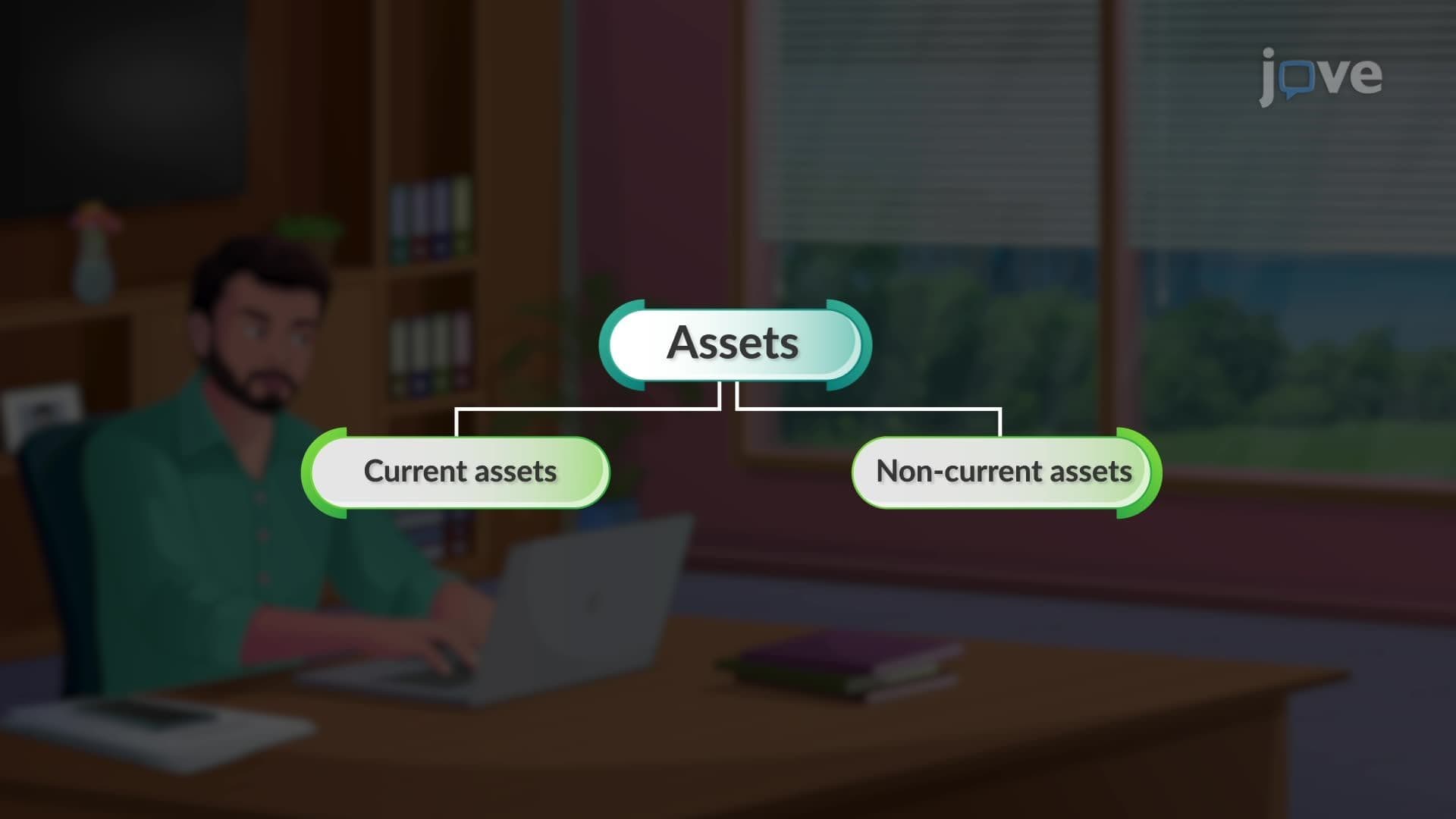
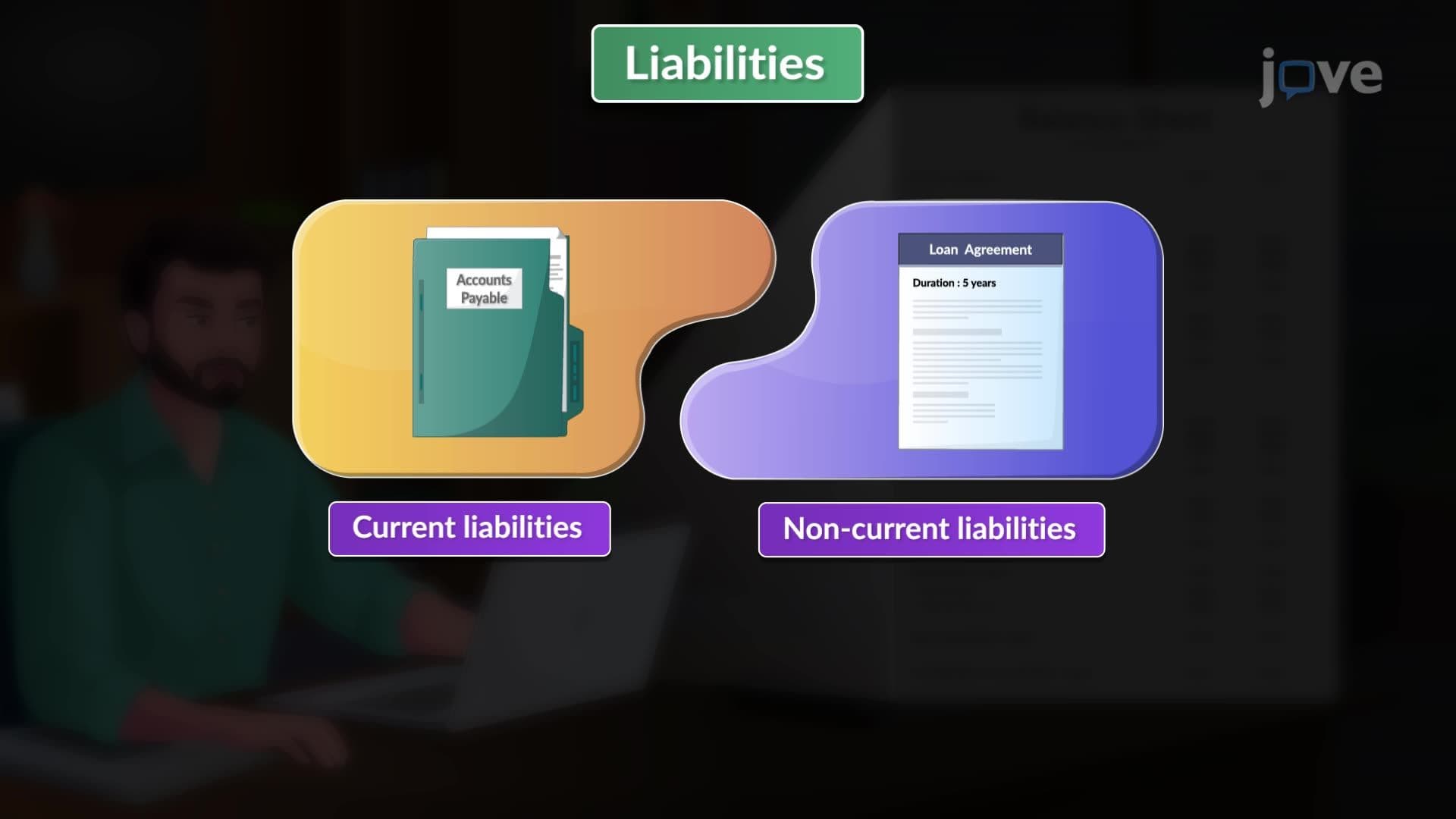
The foundational structure is straightforward: Assets = Liabilities + Shareholders' Equity. This equation must always balance, hence the name. Think of it as a managerial lens:
A useful management application: use the current ratio (current assets ÷ current liabilities) as a quick liquidity health check before making a case for new resources or team investment. A ratio above 1 generally indicates the organization can meet short-term obligations comfortably.
You don't need to prepare the balance sheet, you need to read it with intent. Before your next budget conversation or resource request, pull up the most recent balance sheet and ask three questions:
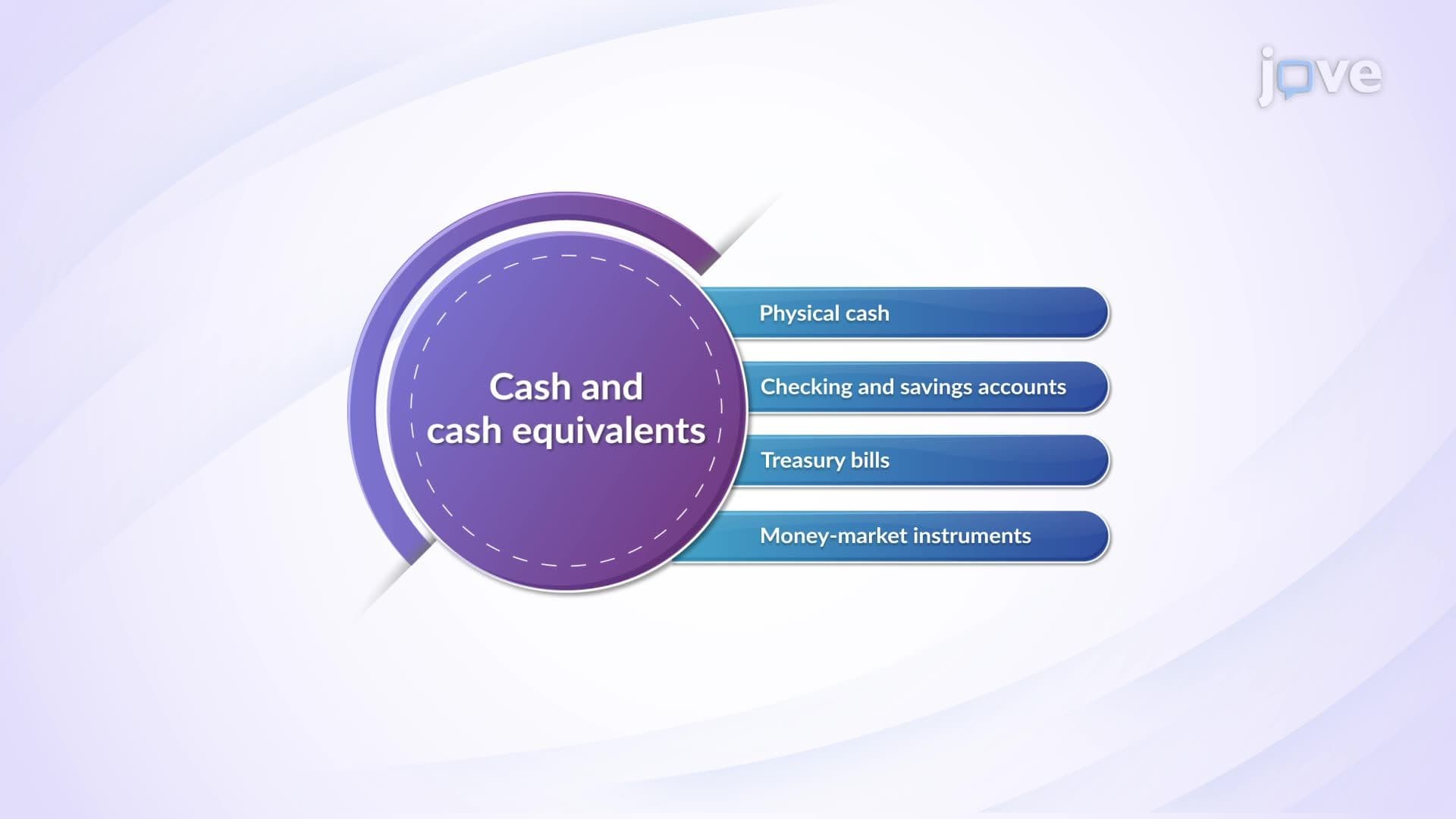
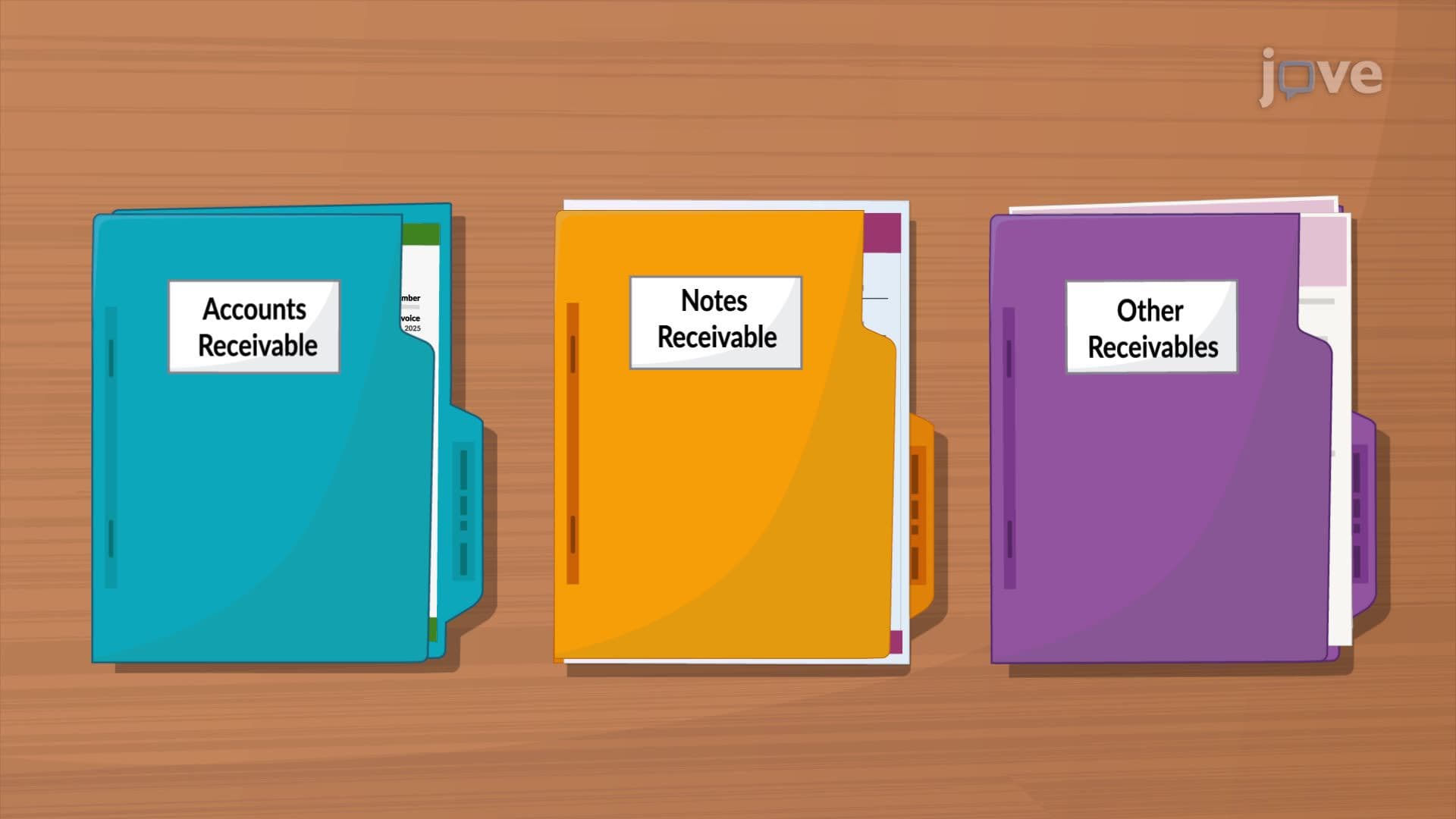
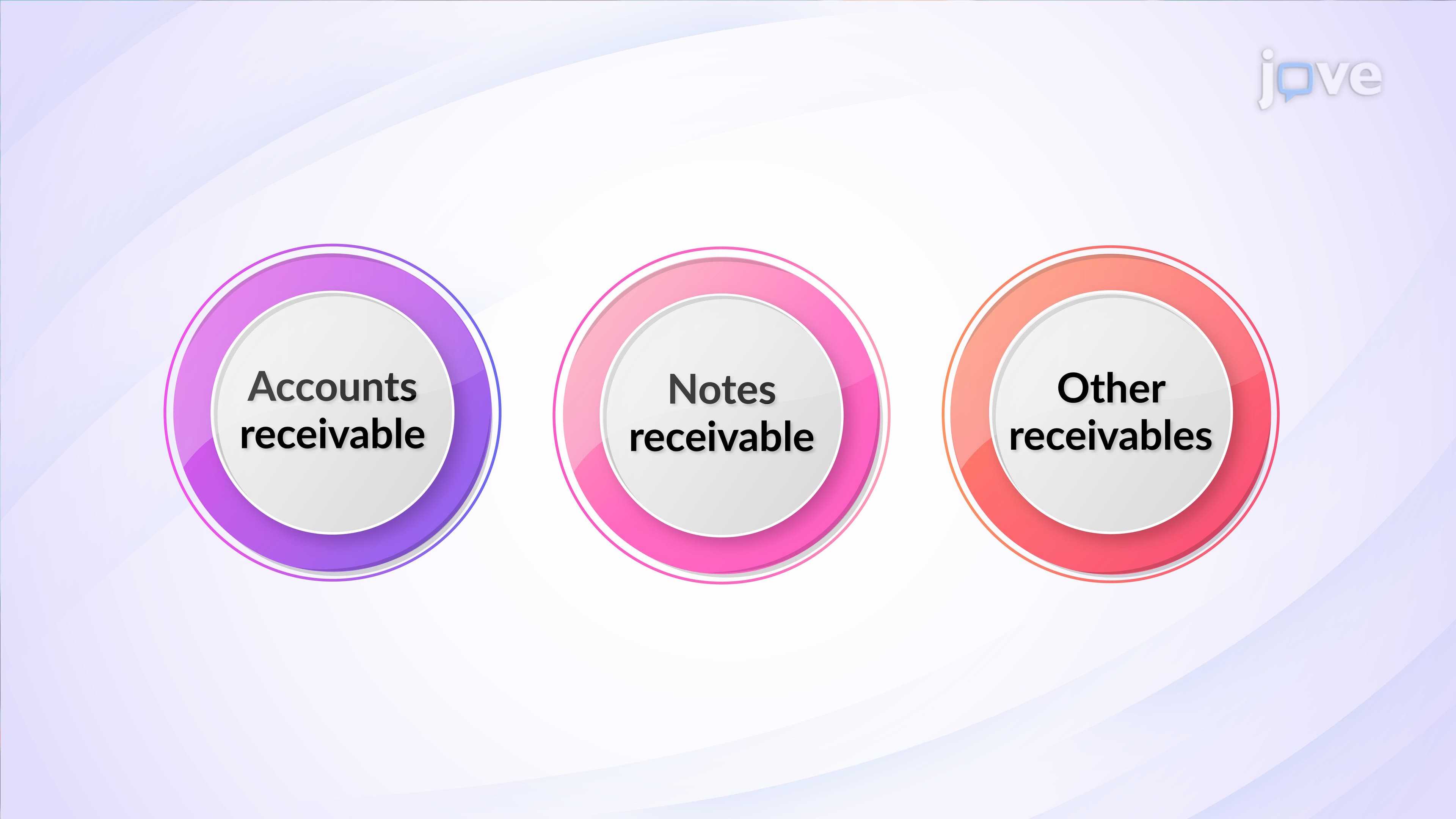
1. What does the current asset position tell me about flexibility? A strong cash or receivables position signals capacity to invest. 2. What current liabilities are already committed? If accounts payable and accrued expenses are high relative to assets, the appetite for new spend may be limited. 3. What does equity tell me about long-term confidence? Growing retained earnings signal a business reinvesting in itself, a green light for ambitious proposals.
This three-question framework positions you as a manager who speaks the language of the business, not just the language of your function.
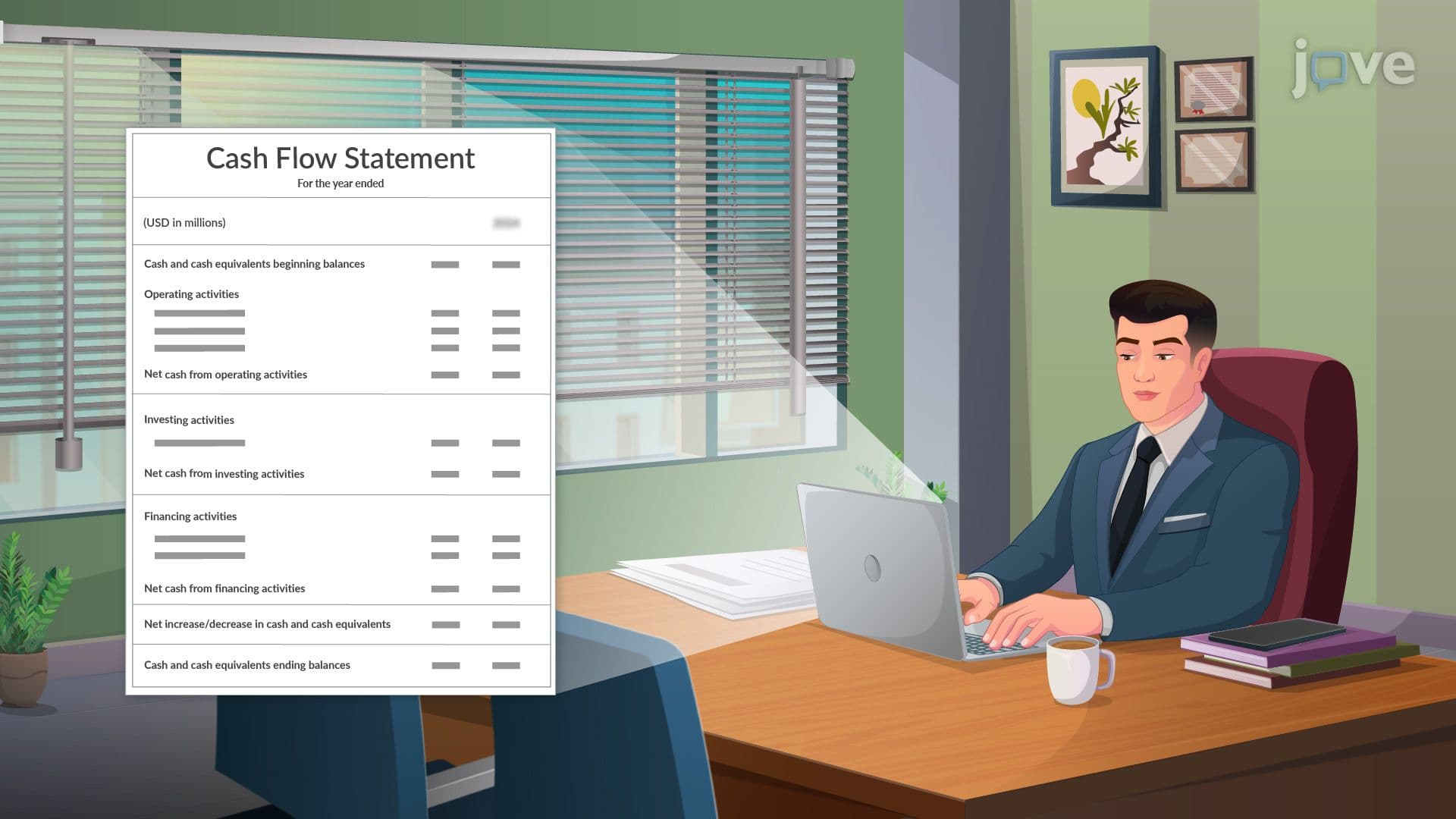
The most frequent error managers make is confusing profitability with liquidity. A team or business unit can be generating revenue and still face cash pressure if receivables are slow to convert or liabilities are front-loaded. Relying solely on an income statement gives you performance, the balance sheet gives you sustainability. Use both together. A second mistake is treating the balance sheet as static. Reading it across multiple accounting periods reveals trends: is inventory building up? Are long-term debts increasing faster than equity? Pattern recognition across periods is where managerial insight lives.
Related Micro-courses