Loading video…

 20 Concepts
 7.1K views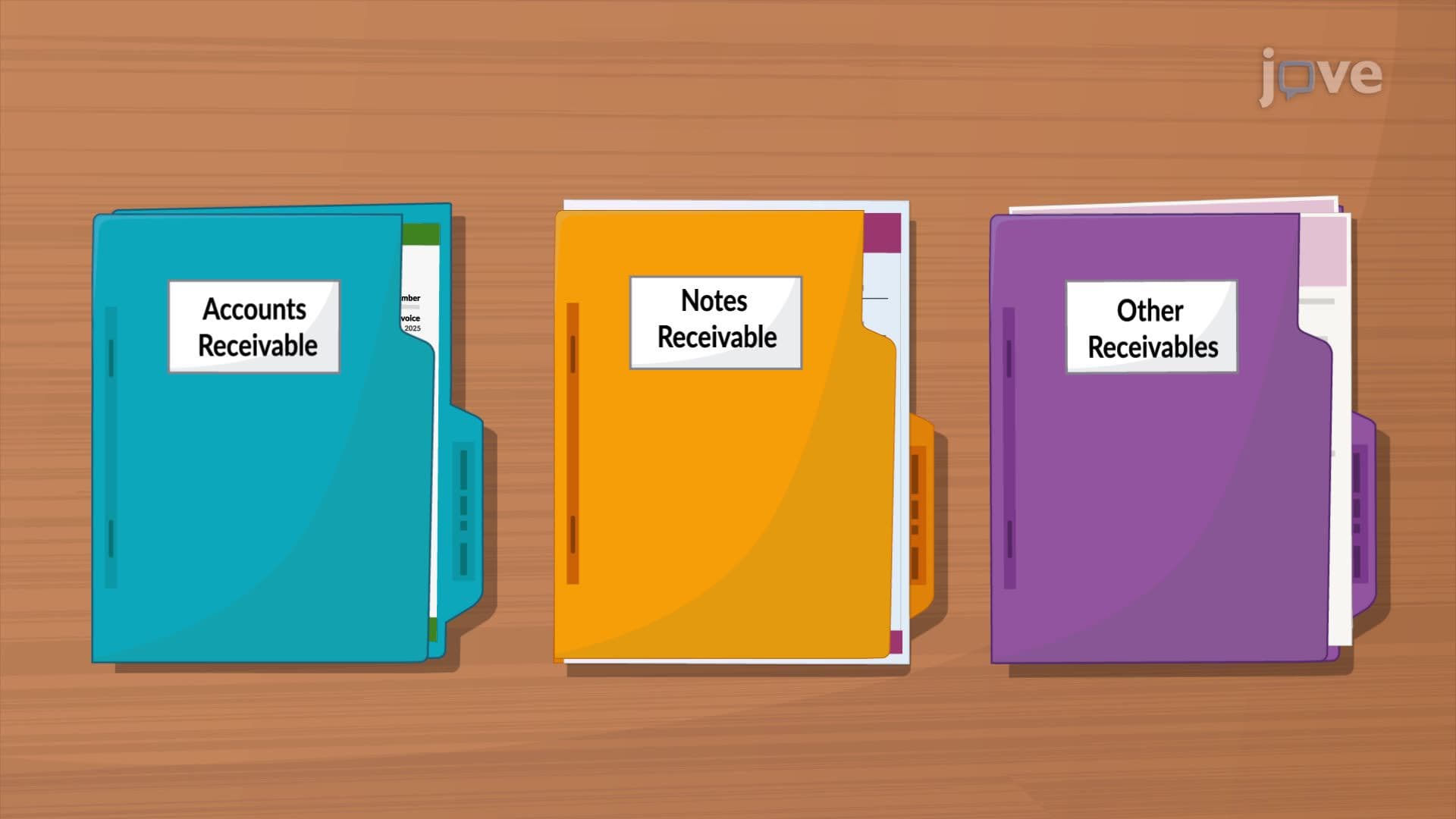

Video Summary: What are Receivables
Receivables basics often trip up new managers who suddenly own budget conversations, client billing cycles, or cross-functional financial reporting. Understanding what are receivables, and how accounts receivable, notes receivable, and other receivables function as business assets, helps you make sharper decisions about cash flow and team priorities. Watch the full video on JoVE Coach to master this concept with expert-led visuals and step-by-step explanations.
Picture this: your team delivers a major project to an internal client or external partner. The work is complete, the value has been transferred, but no payment has come through yet. Meanwhile, your finance lead is asking about outstanding balances, and your skip-level wants to know why cash flow projections look uneven. This is precisely where understanding receivables moves from an accounting detail to a genuine leadership skill.
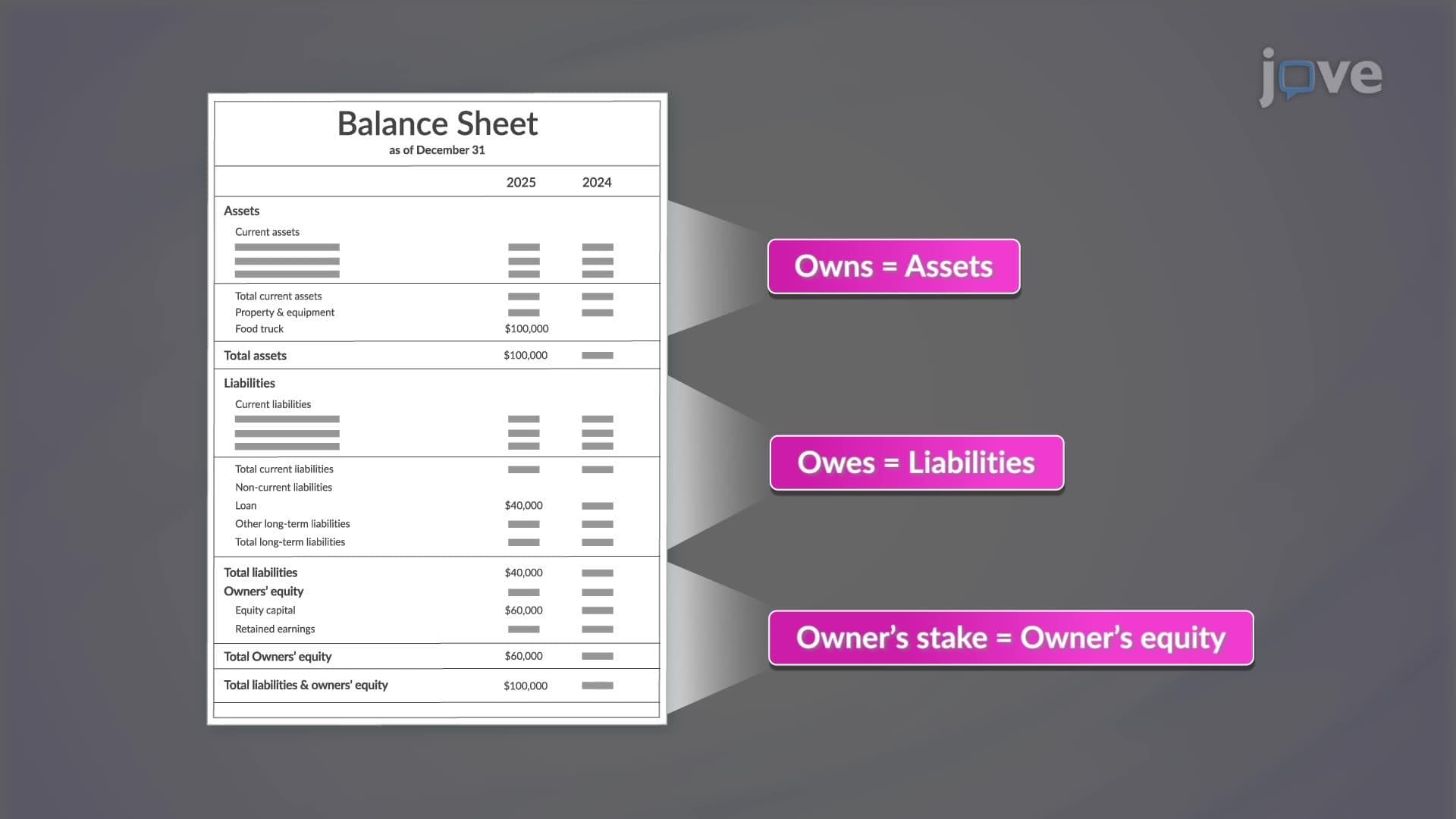
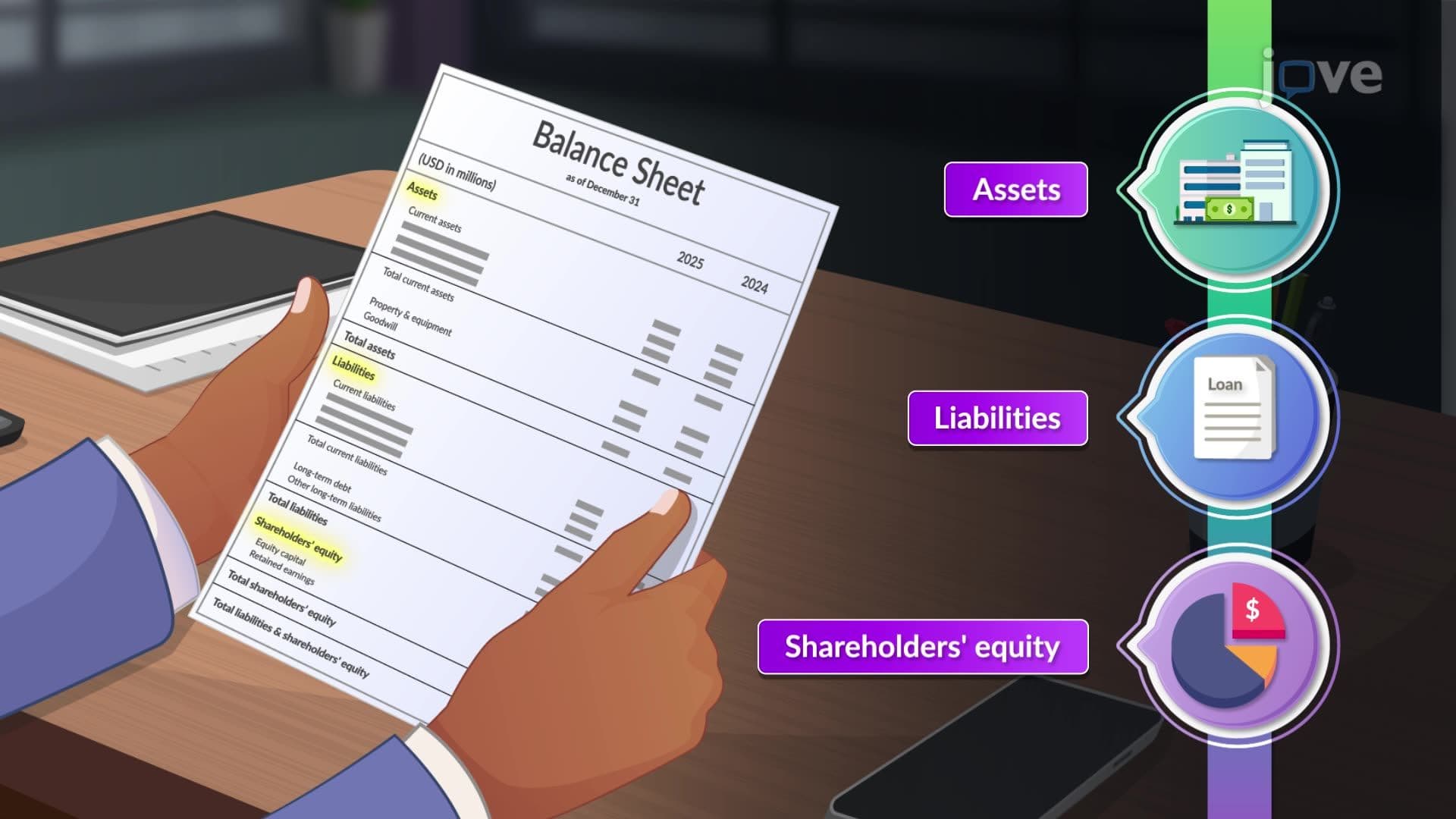
Receivables are amounts a business is owed, money expected from customers or other parties for goods or services already delivered. They sit on the balance sheet as assets, not because cash is in hand, but because there is a credible, documented expectation of future payment. For managers, this distinction is critical: receivables represent real value and real risk simultaneously. A high receivables balance looks strong on paper but signals potential cash flow pressure if collections are slow. Understanding this dynamic helps you contextualize your organization's liquidity ratios and ask better questions during financial reviews.
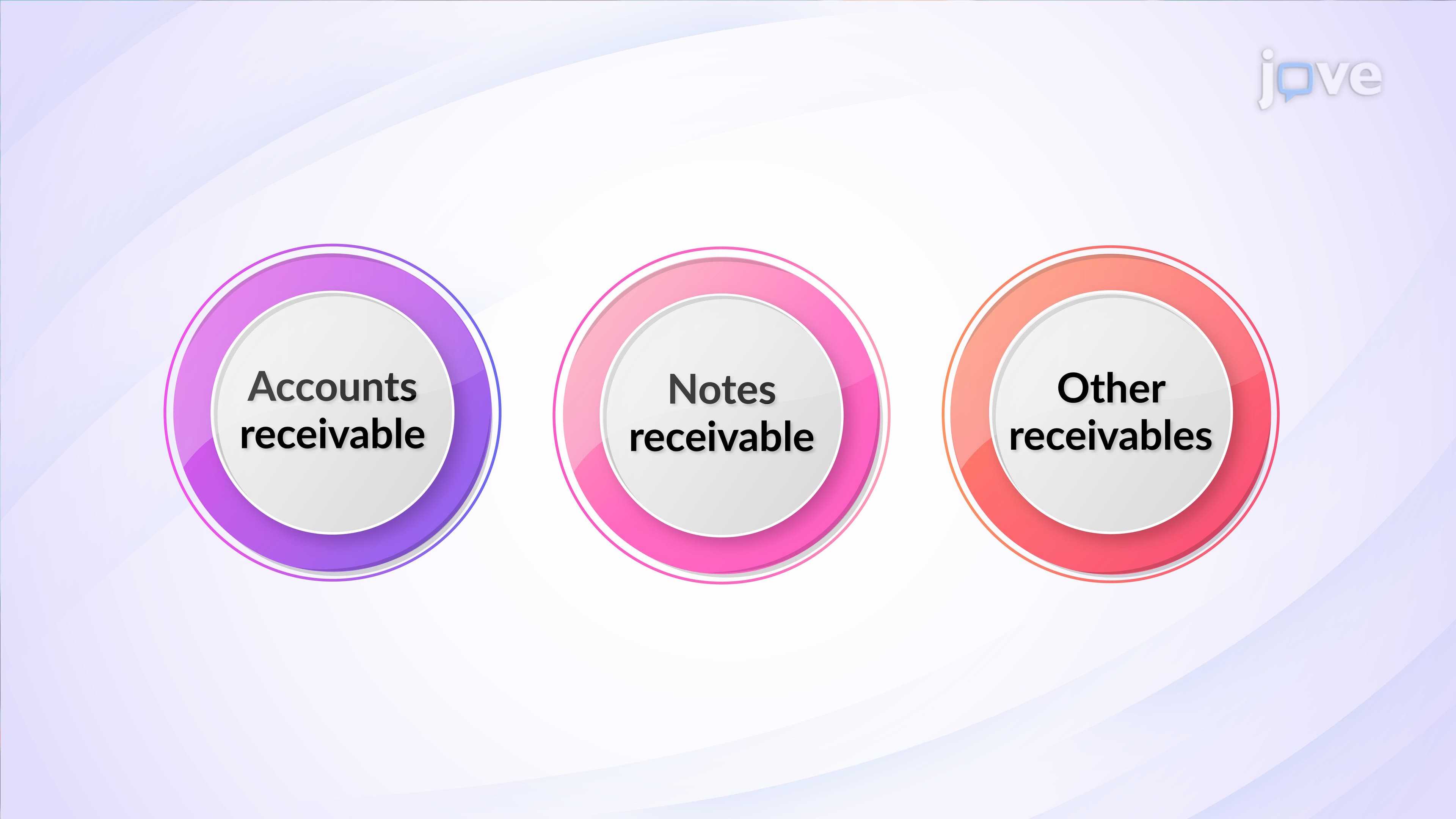
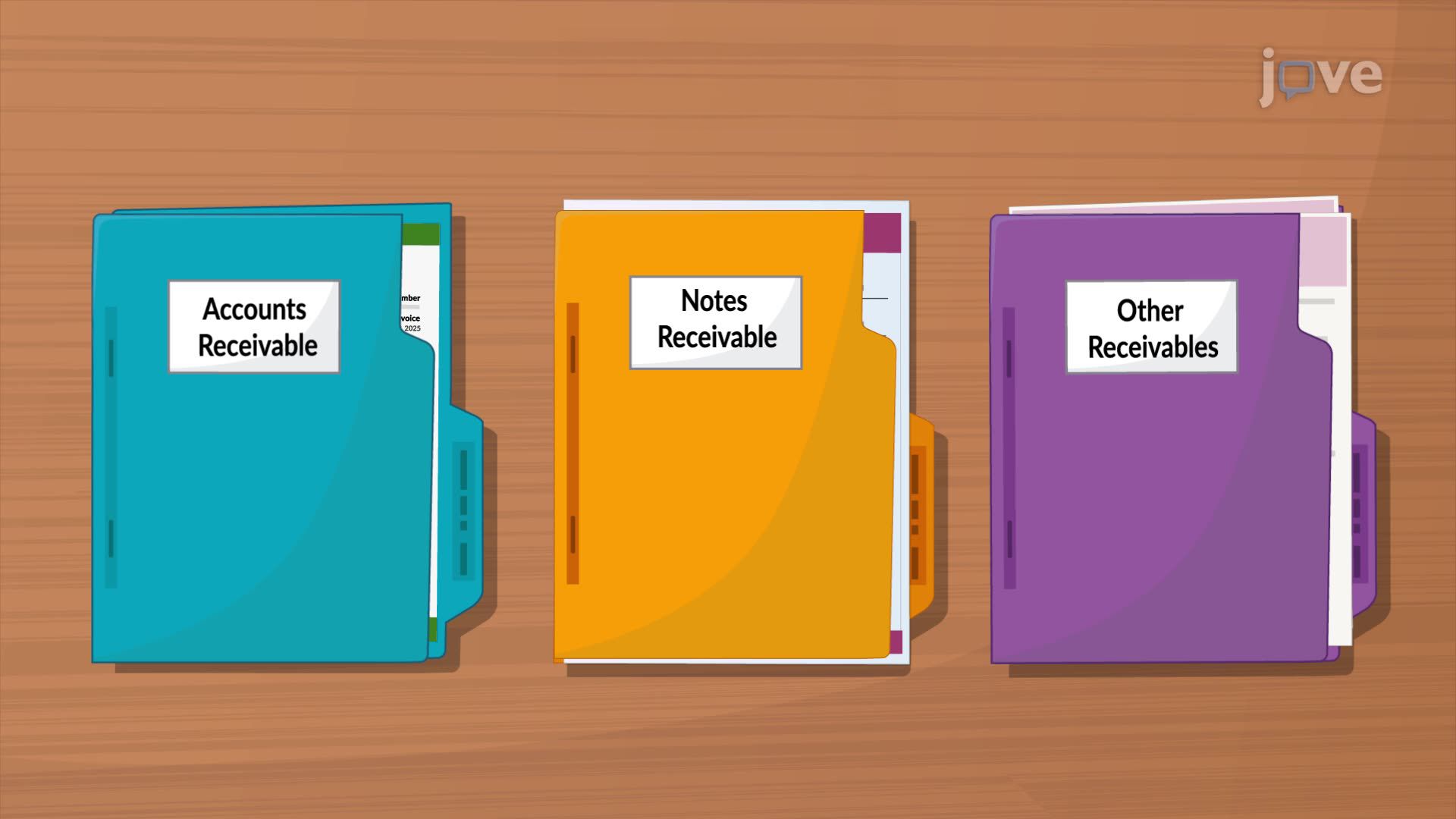
Accounts receivable are the most common type and arise directly from credit-based transactions, a service rendered, a product delivered, with payment due at a later date. As a manager, you encounter these whenever your team invoices clients or internal departments and awaits settlement within a defined accounting period. Notes receivable are more formal: written agreements specifying repayment of a set amount, typically with interest, over a defined timeline. These appear in longer-term commercial arrangements and occasionally in intercompany lending. Other receivables, such as interest income owed or tax refunds pending, sit outside core business activity but still appear on the balance sheet and affect overall financial positioning.
A practical framework here is the Aging of Receivables Model, which categorizes outstanding amounts by how long they've been unpaid: current (under 30 days), 31-60 days, 61-90 days, and over 90 days. Managers who understand this model can hold more informed conversations with finance partners, flag collection risks early, and make smarter decisions about resource allocation.
The most frequent error is treating receivables as equivalent to cash, assuming that because a balance sheet shows strong assets, the team has operational flexibility. It does not. Liquidity ratios like the current ratio and quick ratio exist precisely to separate liquid assets from those still pending collection. A second mistake is ignoring the aging profile of receivables. A large receivables balance dominated by overdue accounts is a warning sign, not a strength. Managers who track both the volume and the age of outstanding receivables are significantly better positioned to anticipate shortfalls and communicate proactively with leadership.
Before your next budget conversation or team performance review, ask your finance partner for a simple receivables summary, broken down by type and age. Use the RACI framework to clarify who on your team is responsible (R), accountable (A), consulted (C), and informed (I) when it comes to billing, follow-up, and escalation. This turns receivables management from a back-office function into a team accountability structure with clear ownership. When you can walk into a leadership meeting and speak confidently about outstanding balances, collection timelines, and their impact on cash flow, you signal financial maturity, one of the clearest markers of a manager ready for greater responsibility.
Related Micro-courses