Loading video…

 20 Concepts
 7.1K views

Video Summary: What are Contingent Liabilities
Contingent liabilities basics catch many managers off guard during budget reviews or board-level conversations about financial risk. Understanding what are contingent liabilities, and when they demand attention, helps you ask sharper questions, flag hidden risks early, and earn credibility with finance stakeholders. Watch the full video on JoVE Coach to master this concept with expert-led visuals and step-by-step explanations.
Picture this: your organization is six weeks into a budget planning cycle, and the CFO references a footnote in the financial statements about a pending legal dispute. Your finance business partner asks whether the team has accounted for potential downside exposure. The room goes quiet. For managers who don't regularly interact with financial statements, contingent liabilities can feel abstract, until they suddenly aren't. Understanding this concept transforms you from a passive observer in financial conversations into an active, credible contributor.
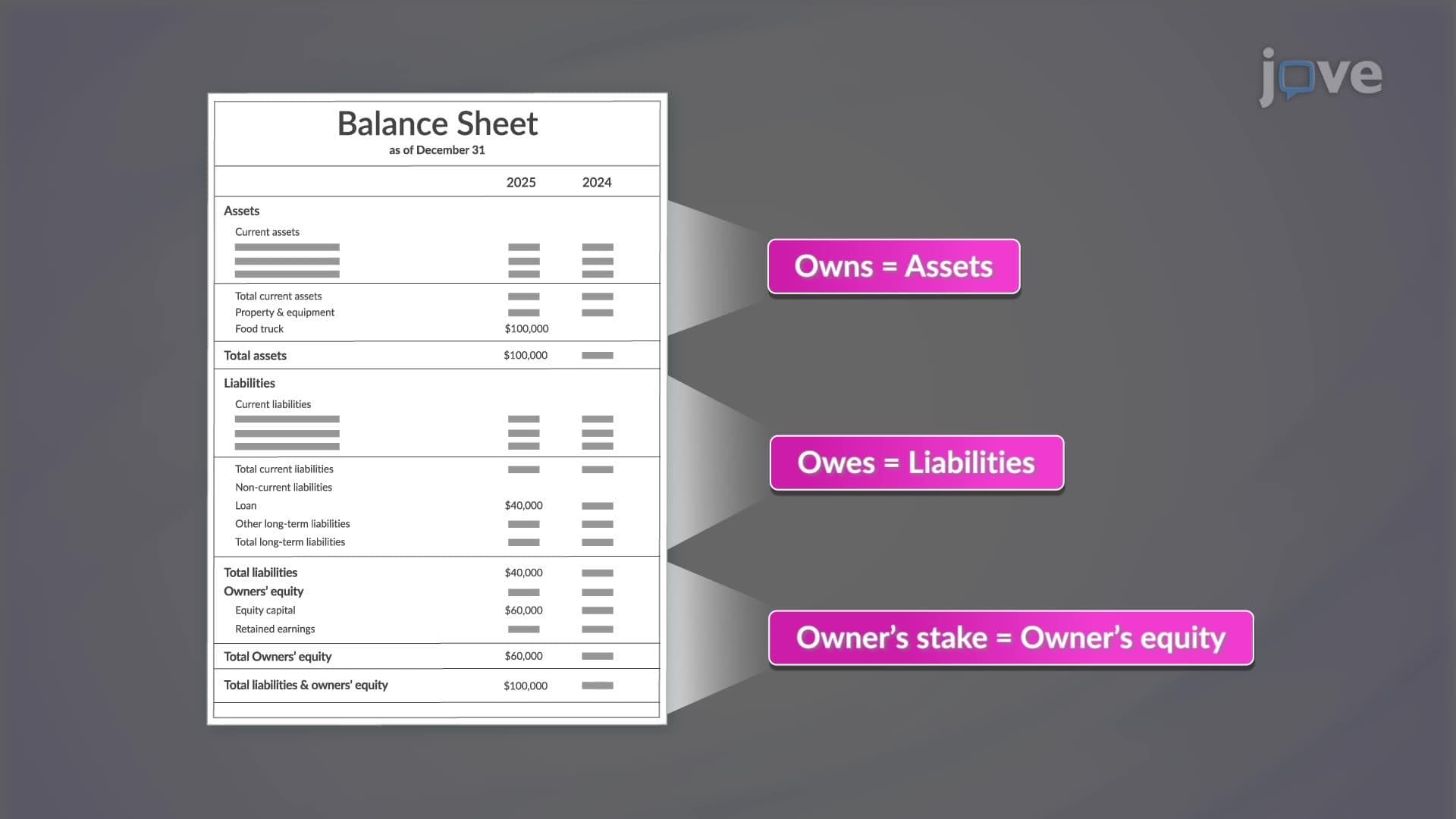
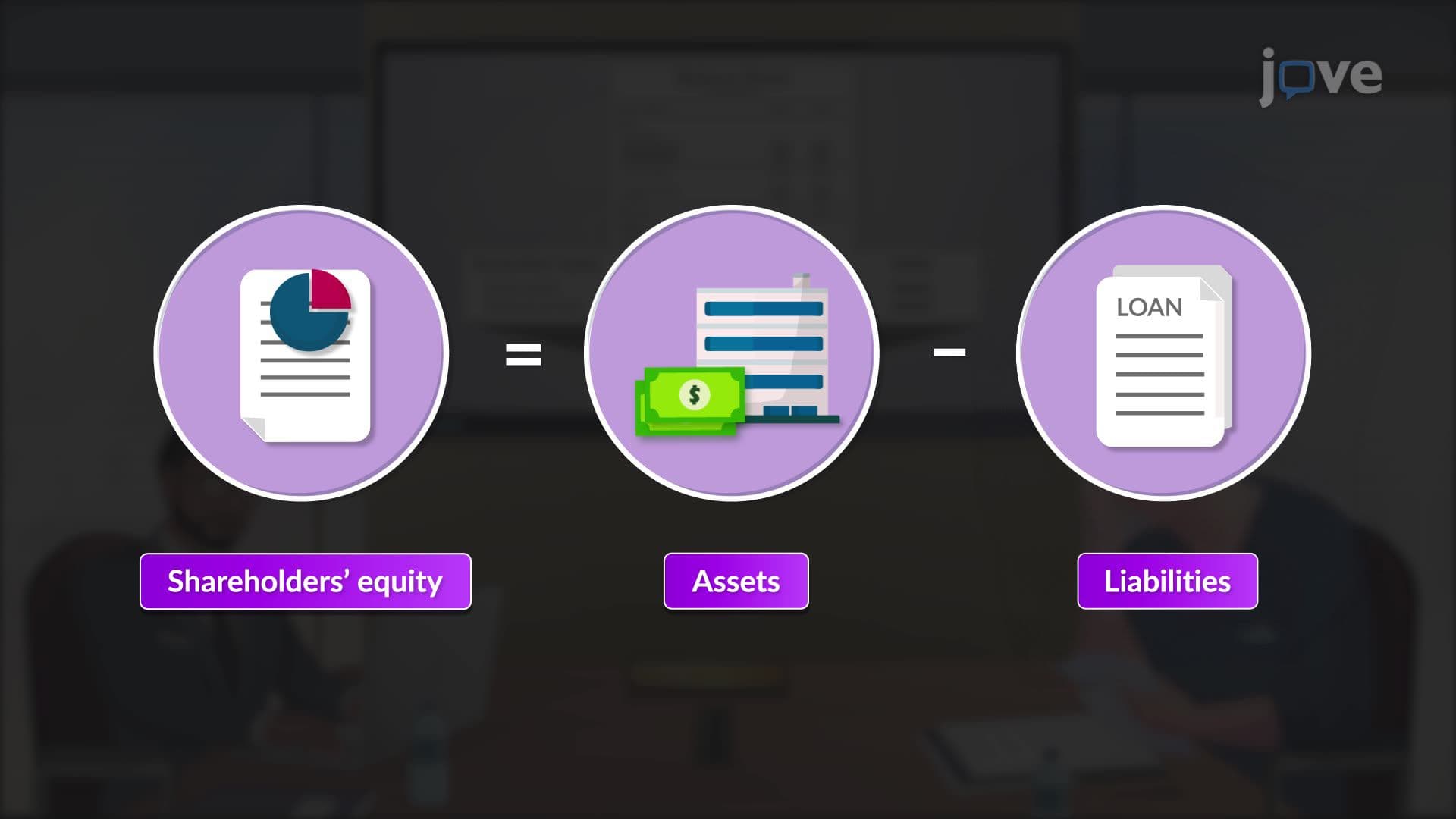
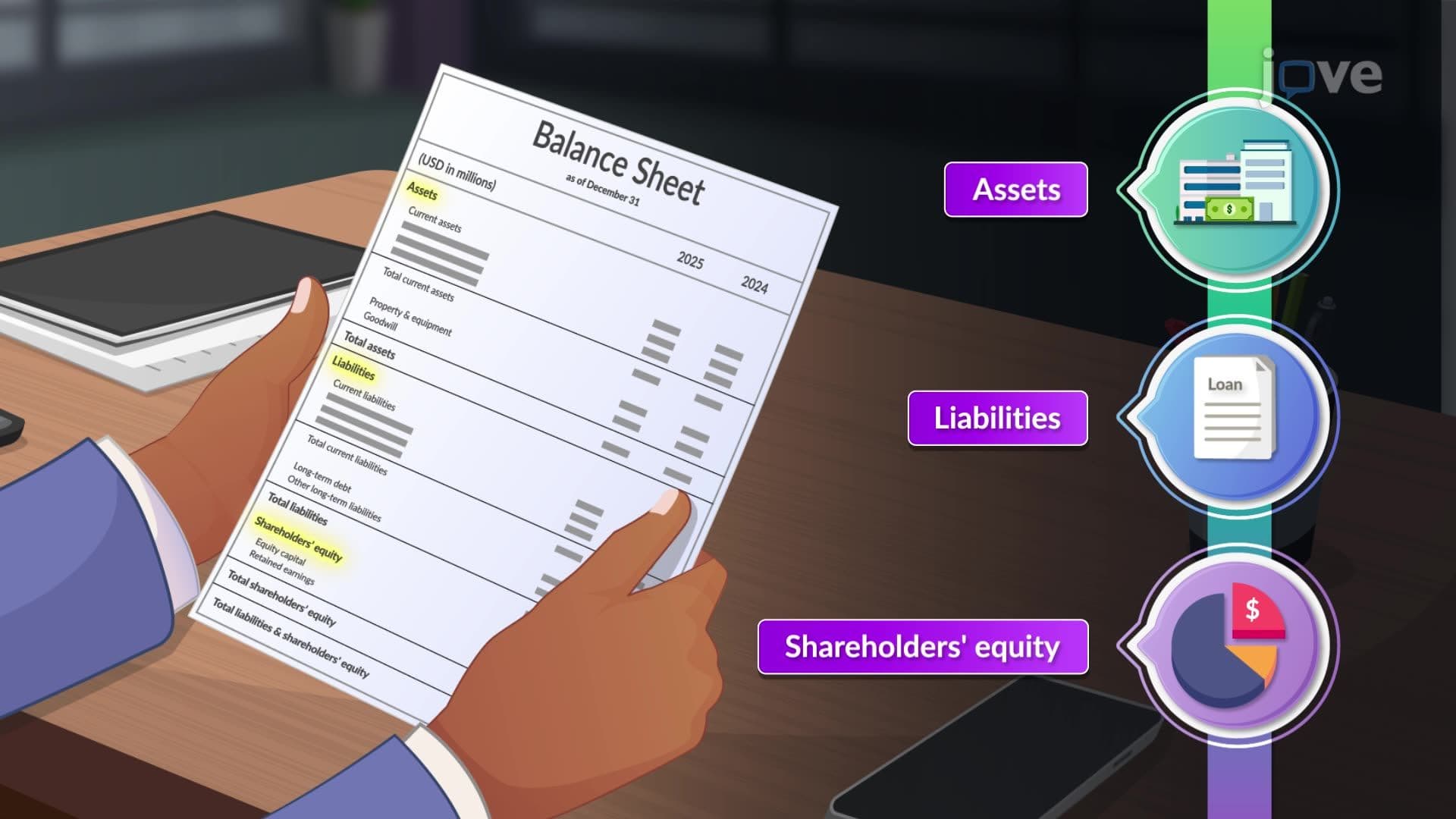
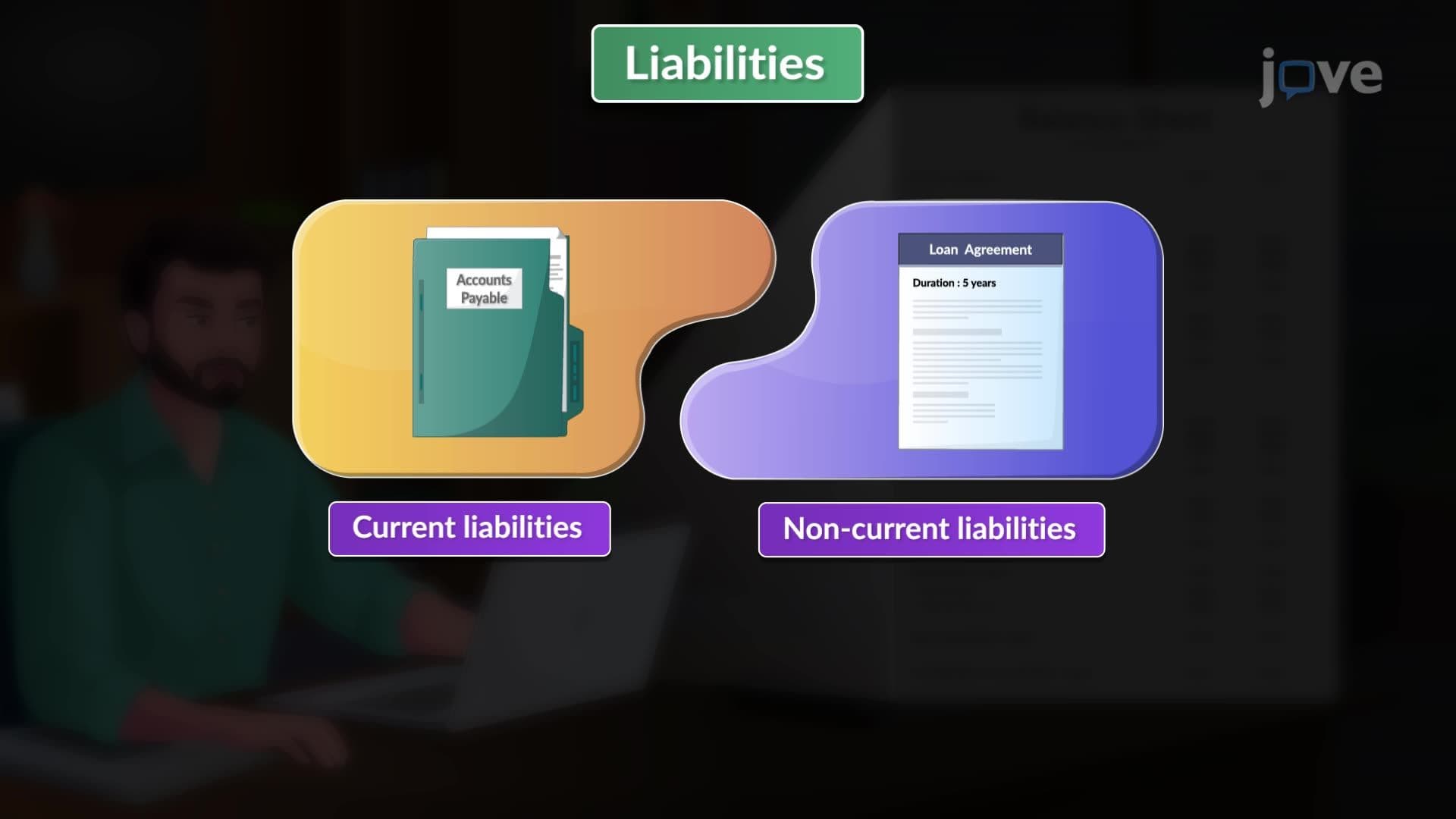
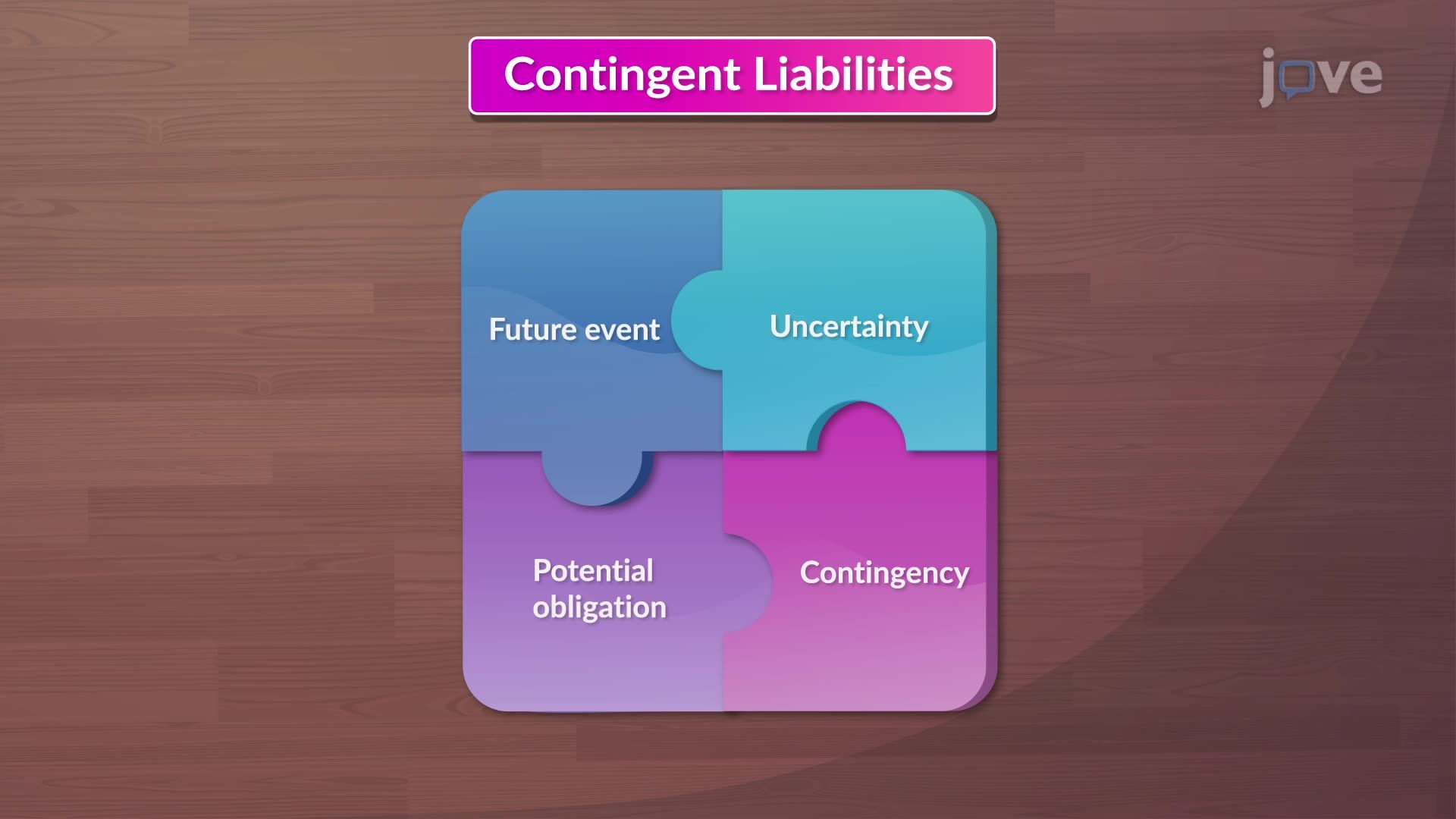
The confusion usually starts with the balance sheet itself. Most managers are familiar with balance sheet components, assets, liabilities, and equity, but contingent liabilities occupy an uncomfortable middle ground: they are potential obligations, not confirmed ones. They don't always appear as line items on the balance sheet. Instead, they live in the notes to financial statements, disclosed but not recorded, unless two specific conditions are met: the outcome is probable, and the amount can be reasonably estimated.
This creates a practical gap. Managers reviewing financial reports may overlook footnote disclosures entirely, missing material risks that could affect liquidity ratios, budget forecasts, or operational decisions. The fix isn't becoming an accountant, it's developing enough financial literacy to know what questions to ask and where to look.
Think of contingent liabilities through a simple two-axis framework: likelihood and quantifiability.
This mirrors how risk is assessed in operational management. Consider how you might evaluate a potential vendor dispute: you don't budget for every theoretical worst case, but if legal counsel tells you a claim is likely and can be quantified, you plan accordingly. The same logic applies here.
Pending lawsuits, product warranty claims, loan guarantees, and unresolved tax authority disputes are the most common triggers. Each requires a judgment call about probability and measurability, typically made by finance and legal teams, but communicated to operational managers like you through financial disclosures.
When you're next reviewing a departmental budget, a quarterly business review deck, or financial statements as part of a leadership team discussion, apply these three practical steps:
1. Read the notes. Don't stop at the balance sheet summary. Financial statement notes are where contingent liabilities live. If your organization is facing unresolved legal claims, regulatory investigations, or warranty obligations at scale, they should appear there.
2. Ask the probability question. When a contingent liability is disclosed, ask your finance or legal counterpart: "What's the current probability assessment, and has this crossed the threshold for formal recording?" This signals financial acumen and ensures you're not blindsided.
3. Connect it to operational decisions. A large contingent liability can affect cash flow planning, risk appetite, and strategic investment decisions within your team's scope. If a liability becomes probable during an accounting period, it can shift the trial balance and alter the financial picture materially.
The goal isn't to second-guess your finance team, it's to be the kind of manager who reads the full picture, asks the right questions, and factors hidden risk into real decisions.
Related Micro-courses