Loading video…


 20 Concepts
 7.1K views

Video Summary: What are Current Liabilities
Current liabilities basics often catch new managers off guard when they're asked to defend a budget decision or explain why the team's project funding looks tight. Understanding what are current liabilities helps you read balance sheet components with confidence and speak credibly in financial reviews. Watch the full video on JoVE Coach to master this concept with expert-led visuals and step-by-step explanations.
Picture this: you're in a quarterly business review and the CFO flags that the company is tightening discretionary spending for the next 90 days. You nod along, but you're not entirely sure what's driving that call. Later, a peer explains it quietly, the organization's current liabilities are high relative to its liquid assets, and finance is managing the gap. If you'd understood that context from the start, you could have made a stronger case for protecting your team's budget, or planned around it more intelligently.
That's exactly why current liabilities matter to managers, not just accountants.
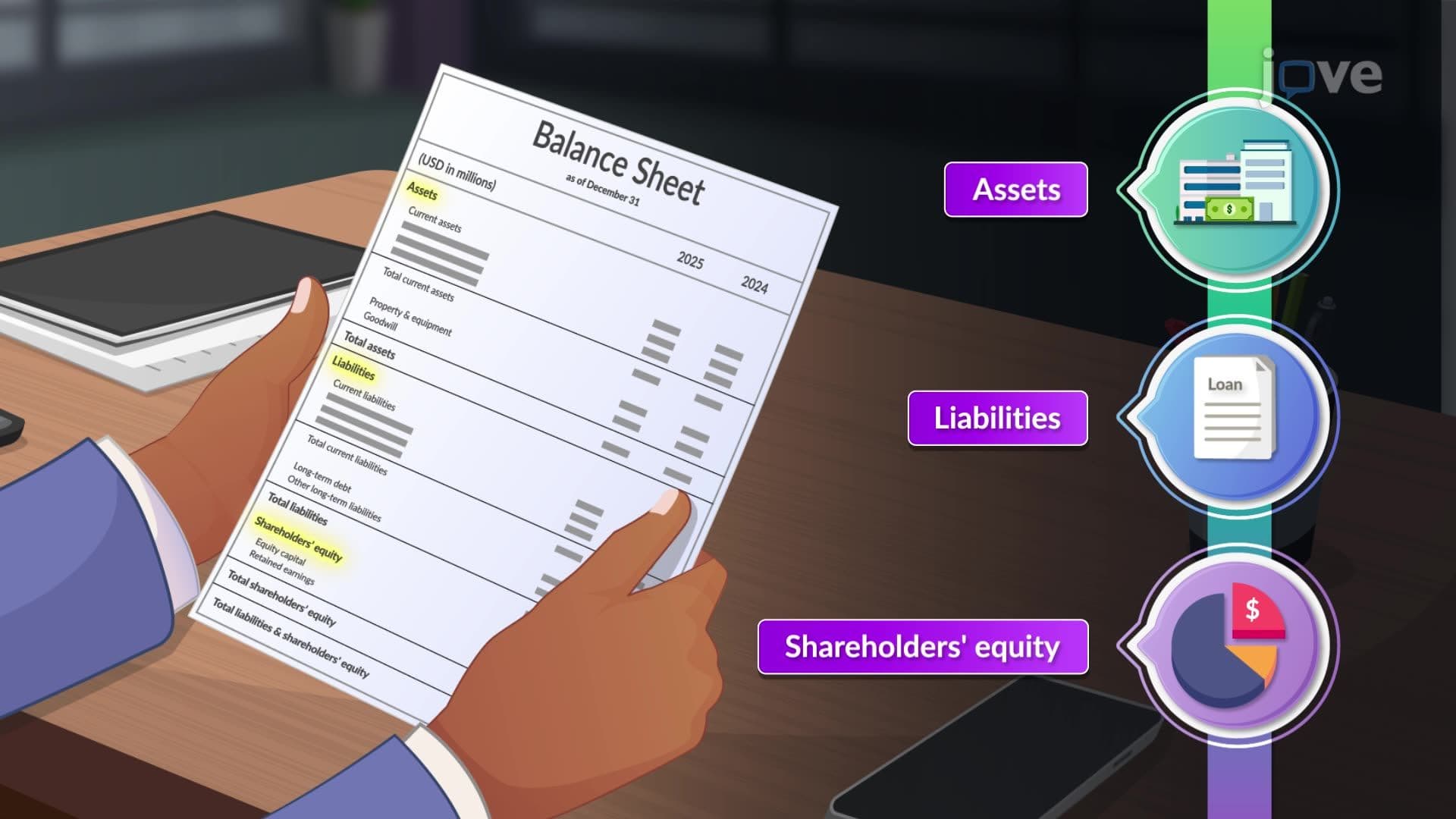
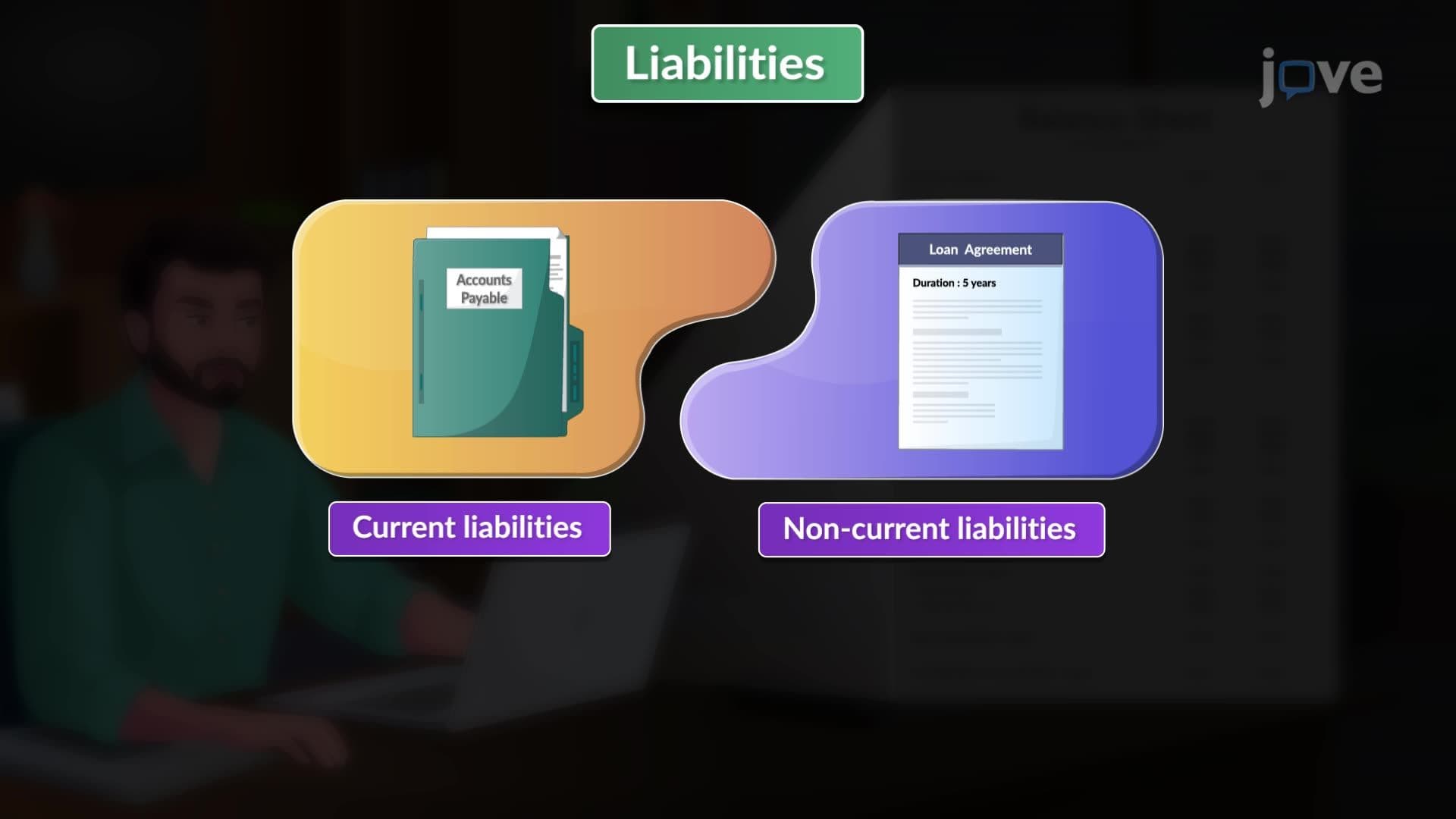
Current liabilities are the financial obligations a business must settle within one year. They appear on the balance sheet and typically include accounts payable to suppliers, short-term bank loans, employee salaries owed, interest due, and tax liabilities. These aren't abstract numbers, they directly influence hiring decisions, vendor approvals, and operational spending authority that flows down to your level.
When current liabilities are high and current assets are thin, organizations enter a liquidity squeeze. That's when travel budgets get frozen, procurement approvals slow down, and headcount requests stall. Managers who understand this dynamic stop taking those decisions personally and start planning around them strategically.
One of the most practical tools for interpreting current liabilities is the Current Ratio, a core liquidity ratio calculated by dividing current assets by current liabilities. A ratio above 1.0 generally signals the organization can cover its short-term obligations. A ratio below 1.0 is a warning sign.
You don't need to run these calculations yourself, but you should know how to read them. When your finance business partner shares a dashboard or P&L summary, ask: *"What does our current ratio look like this quarter?"* That single question signals financial acumen and earns you a different quality of conversation. Pair this with an understanding of the accounting period, knowing when your organization closes its books helps you time budget requests, headcount approvals, and vendor negotiations more effectively.
The most immediate application for a manager is context-setting for resource decisions. Here's a practical three-step approach:
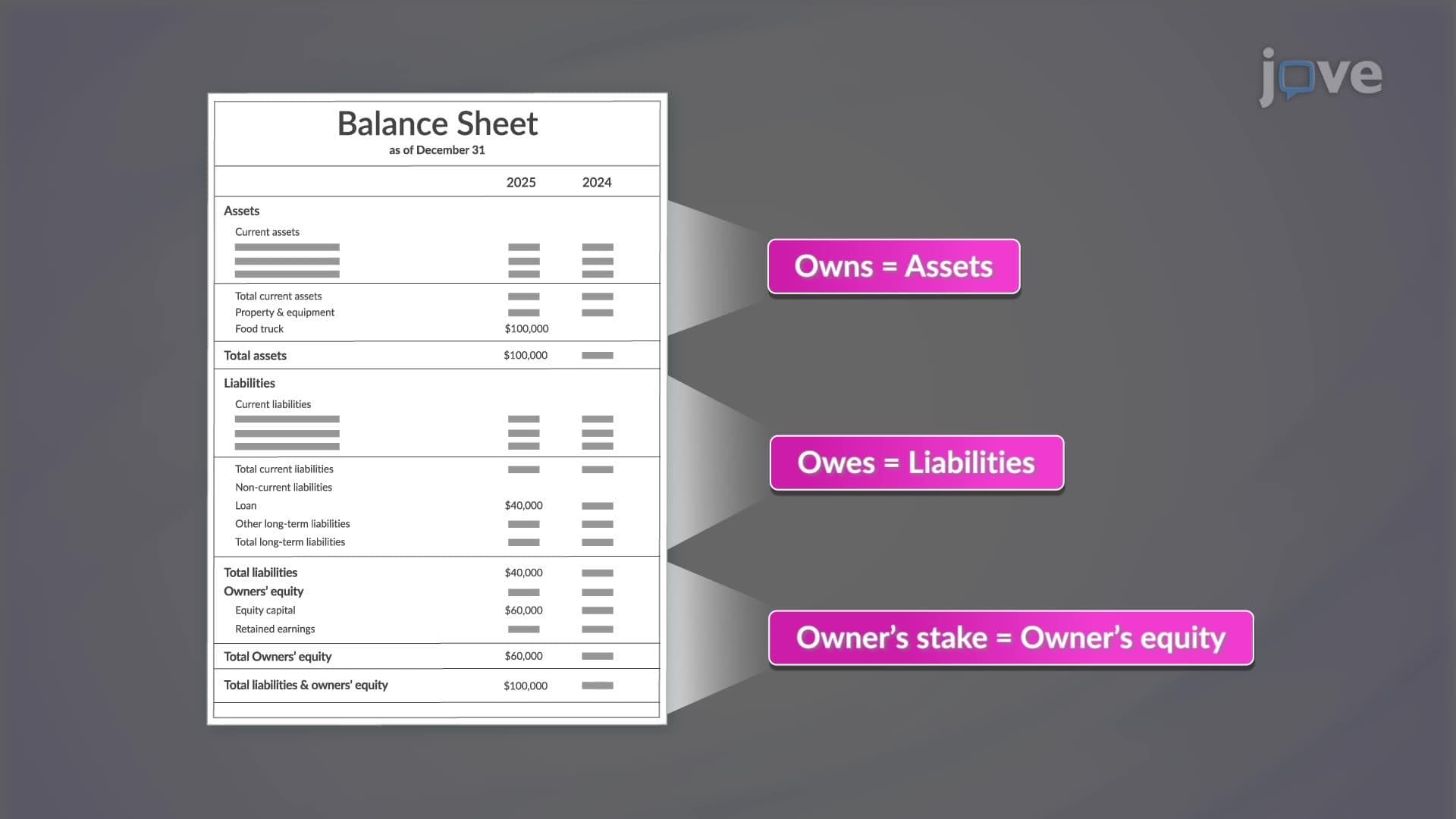
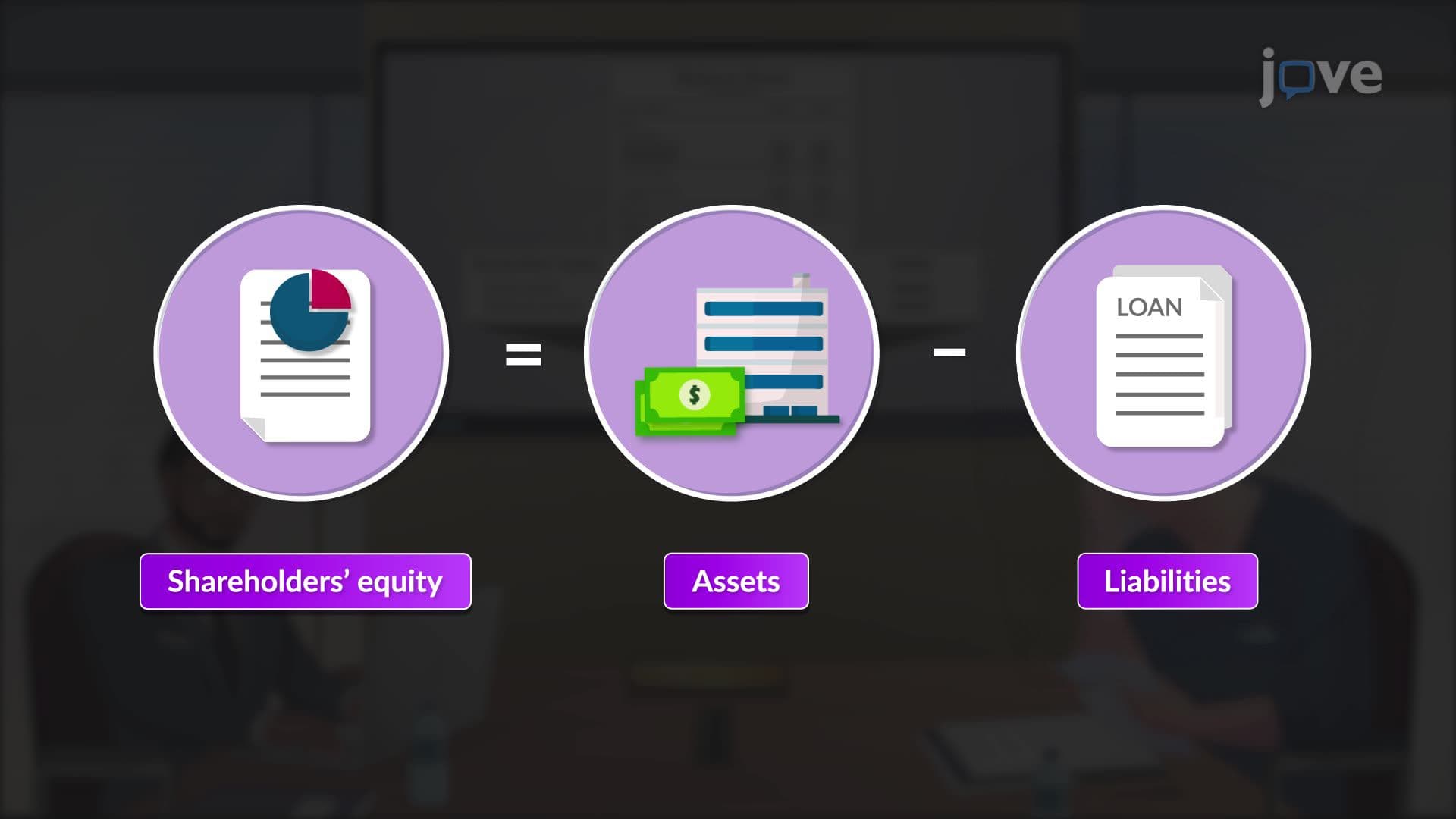
1. Map the timing. Before submitting a budget request, understand where you are in the accounting period and whether the organization is approaching a high-liability moment, such as payroll cycles, tax deadlines, or supplier payment windows. 2. Speak the language. When escalating a resource need, frame it in terms of operational impact and timing: *"If we delay this vendor payment, it affects delivery in Q3, here's what that costs us downstream."* Finance leaders respond to this framing. 3. Connect assets to obligations. Use the logic of the balance sheet, assets, liabilities, equity, to position your team's work as contributing to financial stability, not competing with it.
Managers who operate with this awareness consistently make better decisions, communicate more credibly upward, and absorb organizational constraints with less friction. Financial literacy at this level isn't about becoming an accountant, it's about leading without blind spots.
Related Micro-courses