Loading subject page…

7,147 views
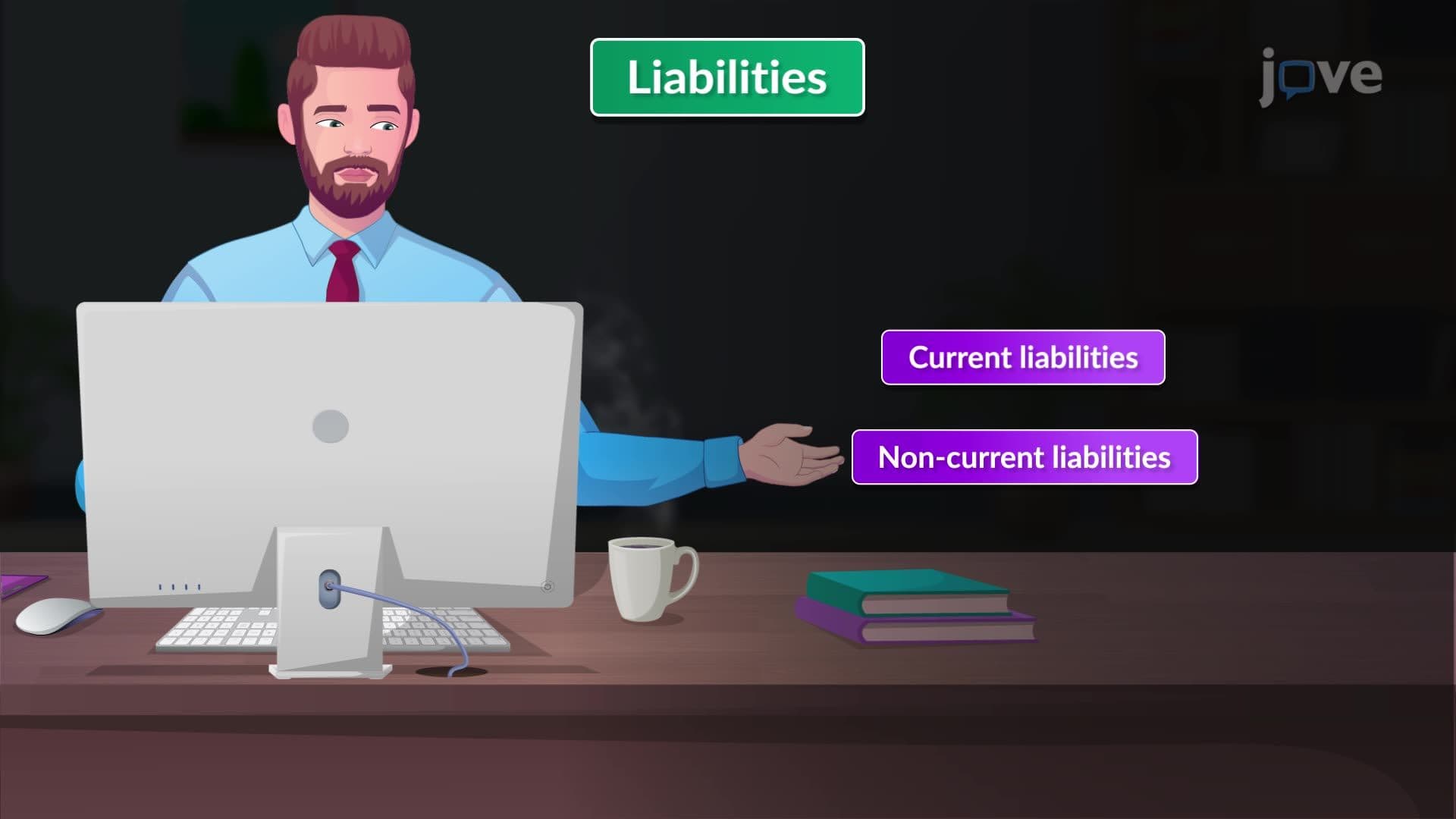

Video Summary: Liabilities in the Balance Sheet Explained
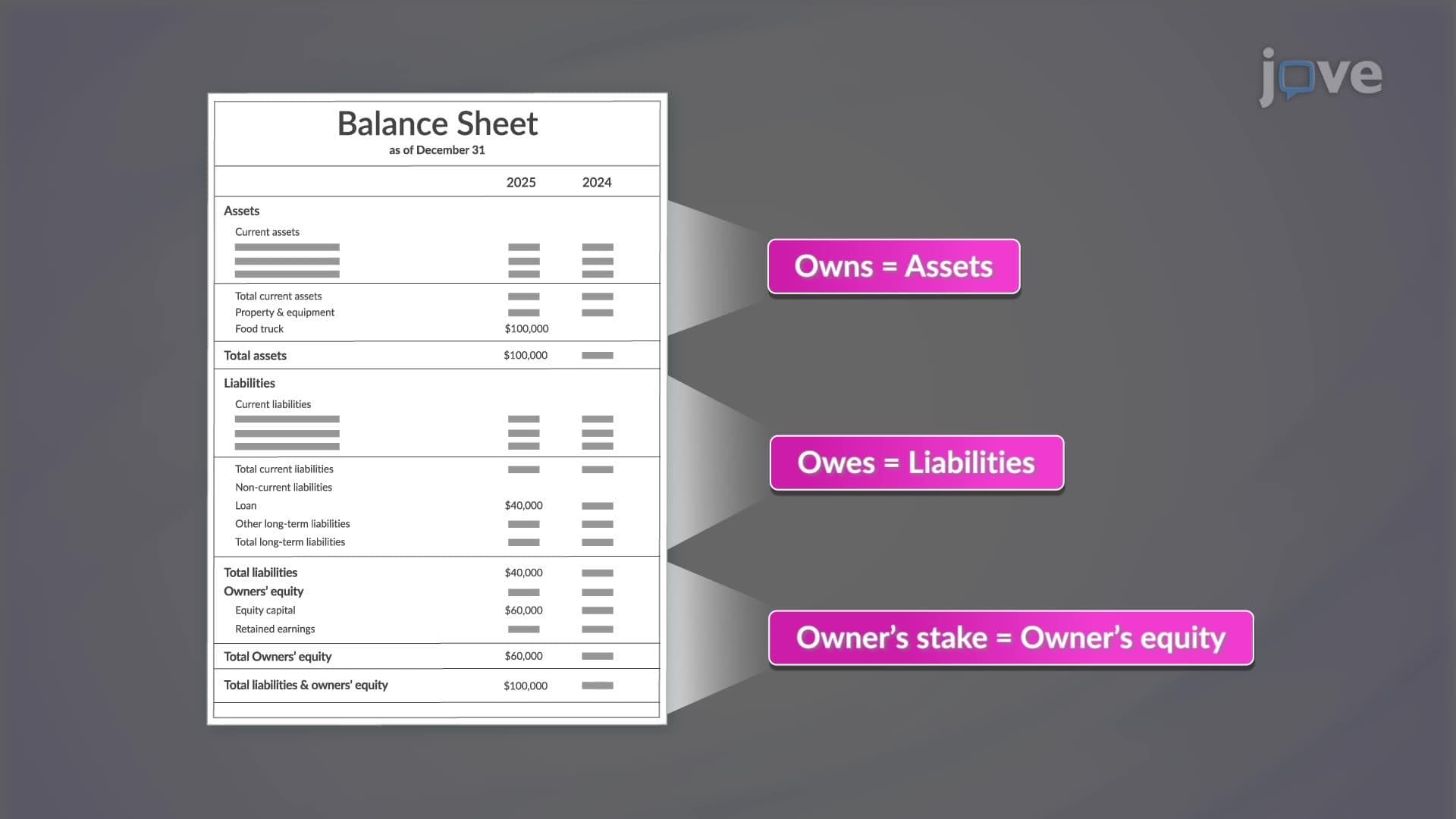
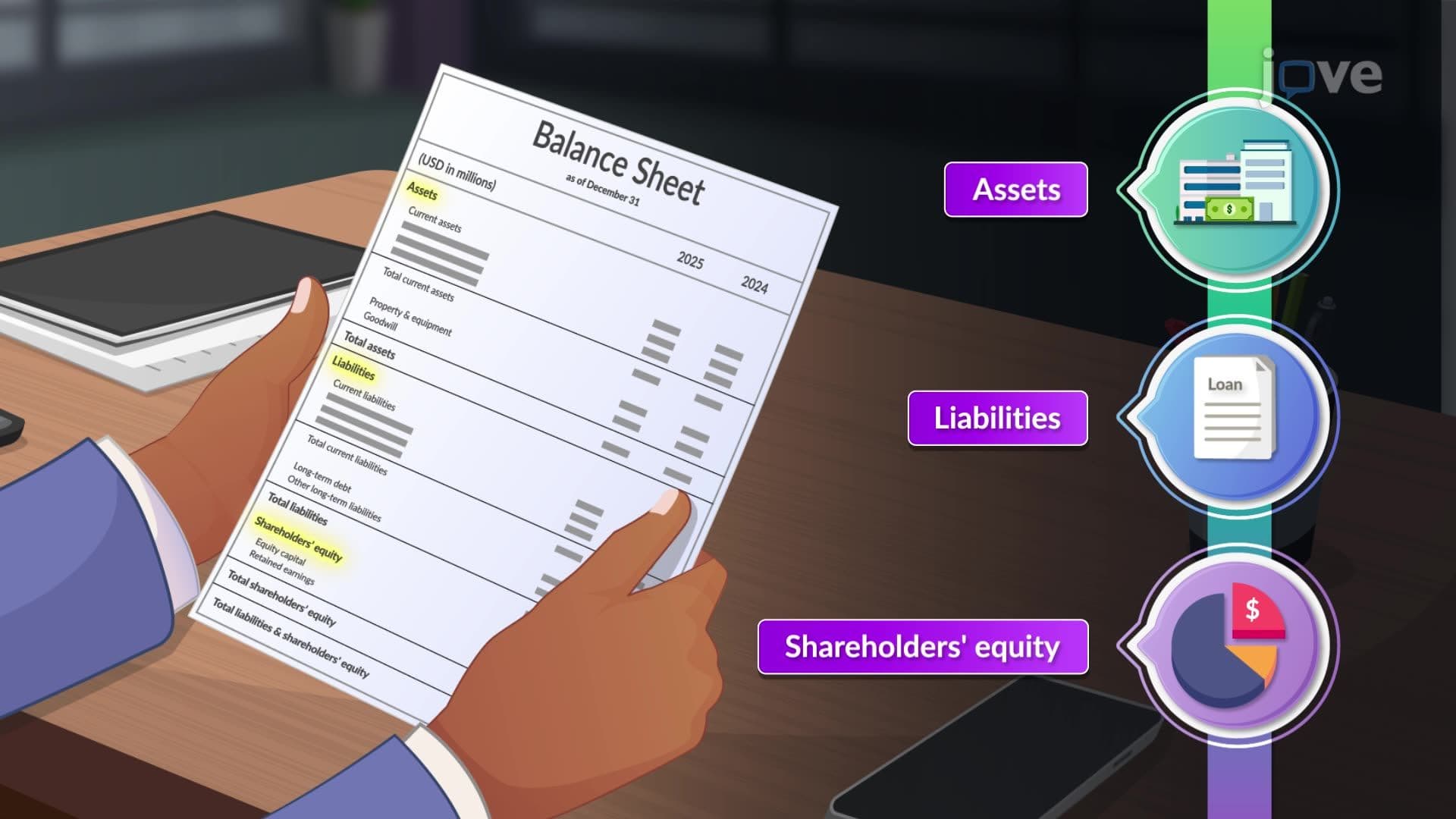
Liabilities in the balance sheet basics are essential knowledge for any manager responsible for budgets, resource planning, or financial conversations with leadership. When you can't distinguish between what your organization owes now versus later, you risk misreading financial health and making poor operational decisions. Understanding liabilities in the balance sheet helps you interpret financial reports with confidence and credibility. Watch the full video on JoVE Coach to master this concept with expert-led visuals and step-by-step explanations.
Picture this: you're sitting in a quarterly business review, and the CFO references a spike in current liabilities. Half the room nods. You're unsure whether this signals a cash crisis or a normal operational pattern. This is a moment that separates financially fluent managers from those who simply attend financial meetings. Understanding liabilities in the balance sheet isn't an accounting exercise, it's a leadership skill that directly affects how credibly you operate at the table.
Most managers focus on revenue and headcount, treating the balance sheet as the finance team's domain. The result is a blind spot. When liabilities rise, it could mean the business is investing aggressively in long-term growth, or it could signal a cash flow problem that will affect hiring, project approvals, and procurement timelines. Without knowing the difference between a current liability (due within one year) and a non-current liability (due beyond one year), you can't make that distinction. Misreading the balance sheet doesn't just hurt your decisions, it reduces your influence in conversations where financial context drives outcomes.
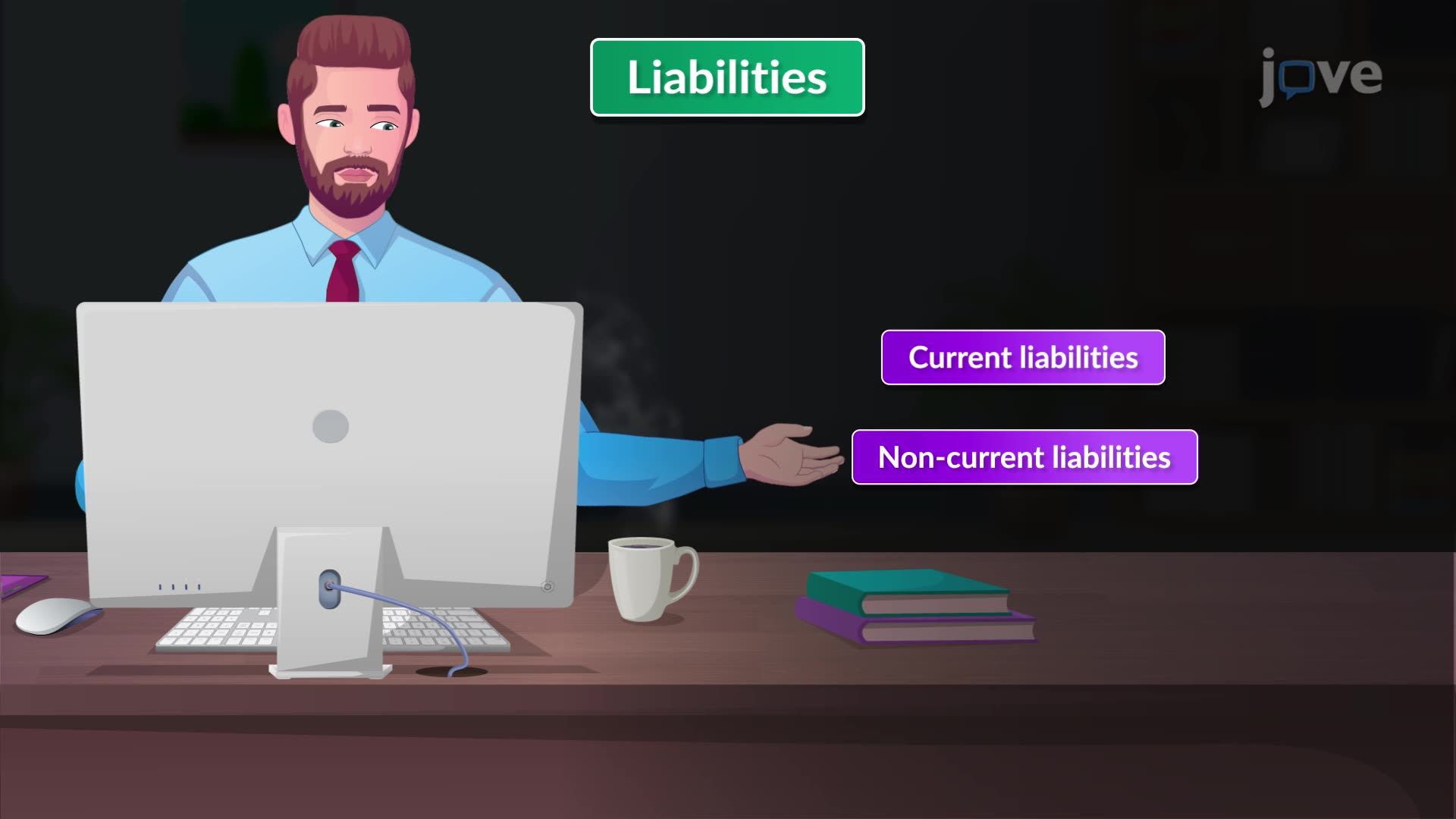
Think of liabilities in two buckets using a simple Now vs. Later framework:
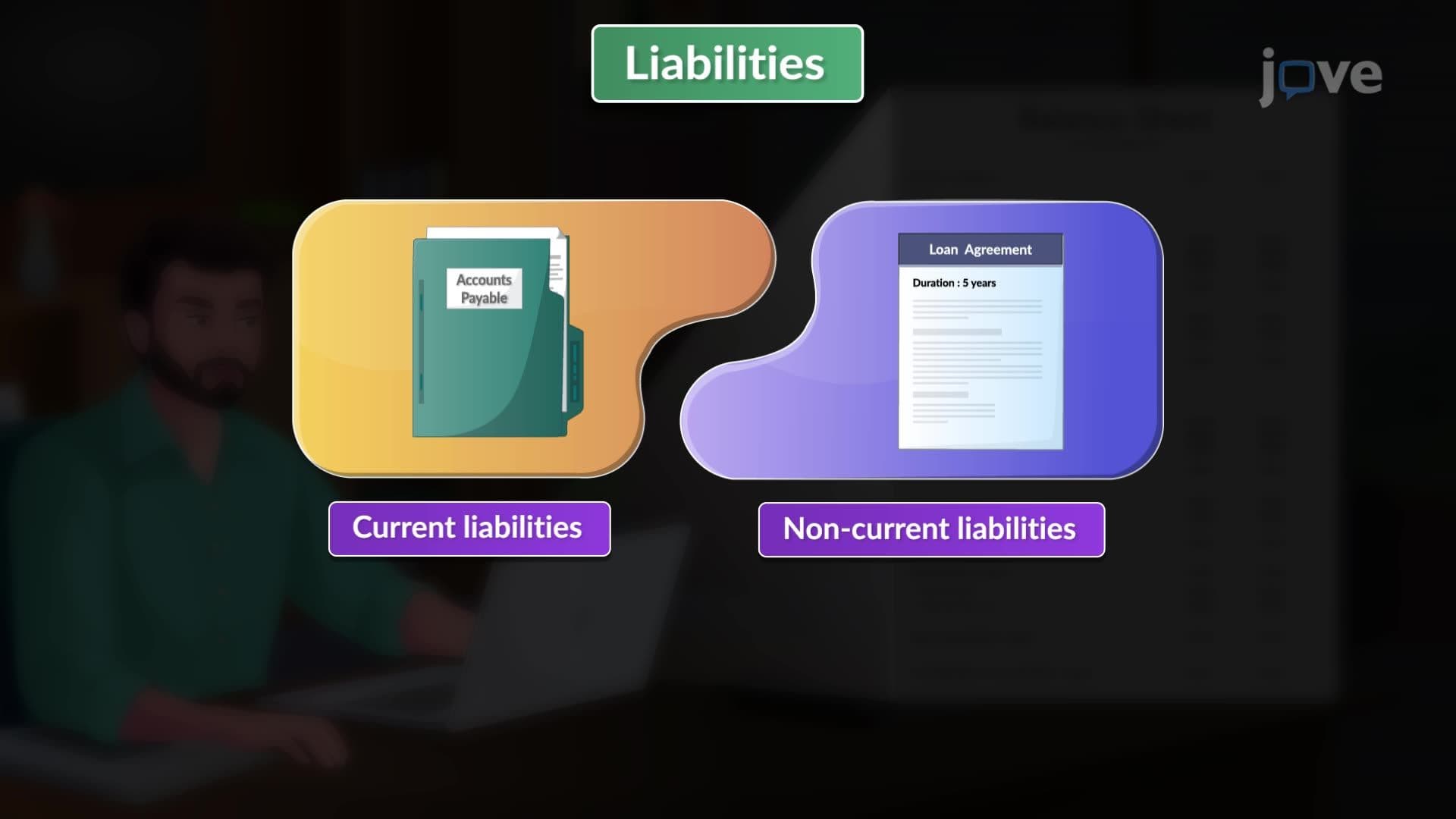
Now (Current Liabilities): These are obligations the organization must settle within 12 months, accounts payable to suppliers, short-term loans, accrued wages, and taxes owed. These items are directly tied to day-to-day operations. In financial analysis, current liabilities are compared against current assets to calculate the current ratio (Current Assets ÷ Current Liabilities), one of the most widely used liquidity ratios. A ratio below 1.0 means the organization may struggle to meet near-term obligations, which often translates to tighter budget controls, delayed approvals, and constrained hiring.
Later (Non-Current Liabilities): These are long-term obligations, multi-year bank loans, bonds payable, lease liabilities on facilities or equipment. These typically fund strategic investments: expanding infrastructure, acquiring technology, or scaling operations. Non-current liabilities reflect the organization's long-term financial strategy, not its day-to-day cash position.
Applying the DuPont Analysis lens, liabilities also play directly into financial leverage, understanding how much of the business is funded by debt versus equity gives managers strategic context for capital allocation conversations.
When your finance partner shares a balance sheet snapshot, ask two targeted questions: *"What's driving the current liabilities this quarter?"* and *"How does our long-term debt position align with the capital plan?"* These questions signal financial acumen and position you as a manager who thinks beyond your immediate team.
In budget planning cycles, map your department's upcoming expenditures against the organization's current liability position. If accounts payable is under pressure, expect delayed payment terms with vendors, plan procurement timelines accordingly. If the organization carries significant long-term debt, understand that leadership may prioritize debt service over discretionary investment, which shapes what projects get funded.
The most common mistake managers make is treating all liabilities as negative signals. Debt that funds growth, a new facility, an enterprise system, a strategic acquisition, is structurally different from debt that covers operating losses. The second mistake is conflating the trial balance (an internal accounting check) with the balance sheet itself. The trial balance ensures debits equal credits at the end of an accounting period; the balance sheet tells the story of financial position at a specific point in time. Knowing the difference prevents you from misinterpreting financial data shared in leadership reviews, and protects your credibility when it matters most.
Related Micro-courses