Loading subject page…

7,147 views

Video Summary: What Is Shareholders Equity
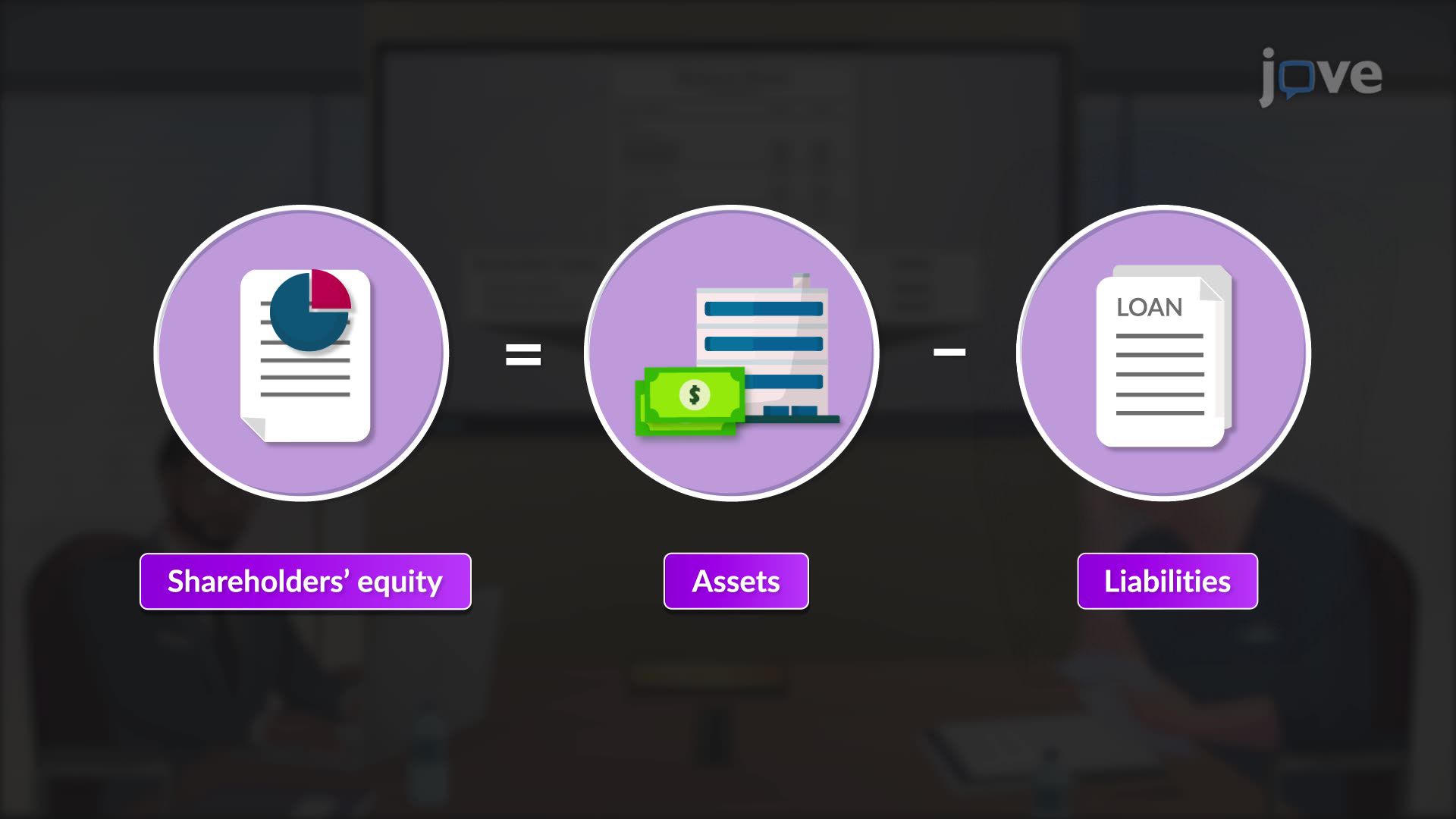
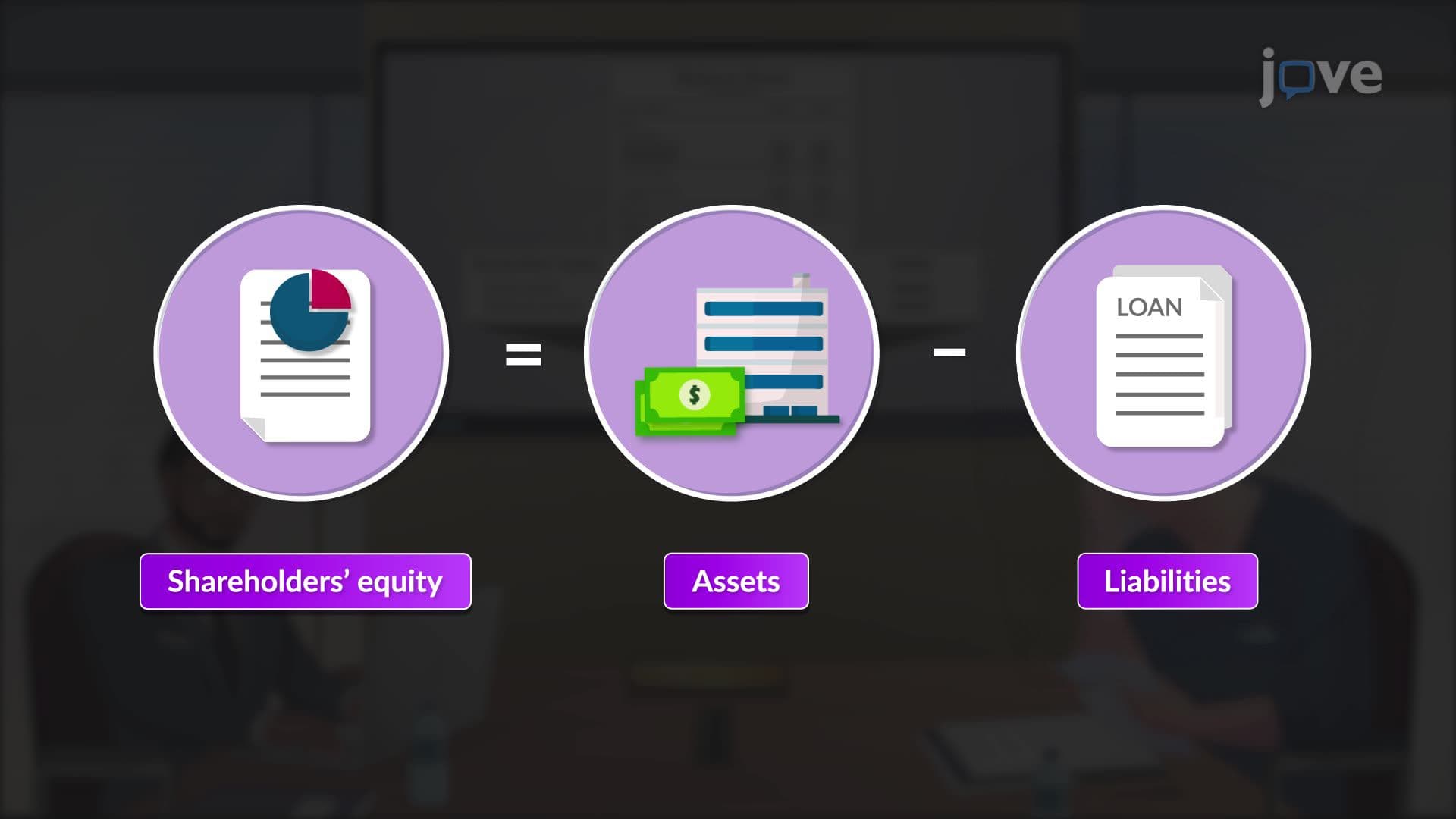
Shareholders' equity basics become essential knowledge the moment you step into a leadership role that touches budgeting, headcount approvals, or business case sign-offs. Understanding what is shareholders' equity, the net value remaining after liabilities are subtracted from total assets, helps managers speak credibly in financial conversations and make better resource decisions. Watch the full video on JoVE Coach to master this concept with expert-led visuals and step-by-step explanations.
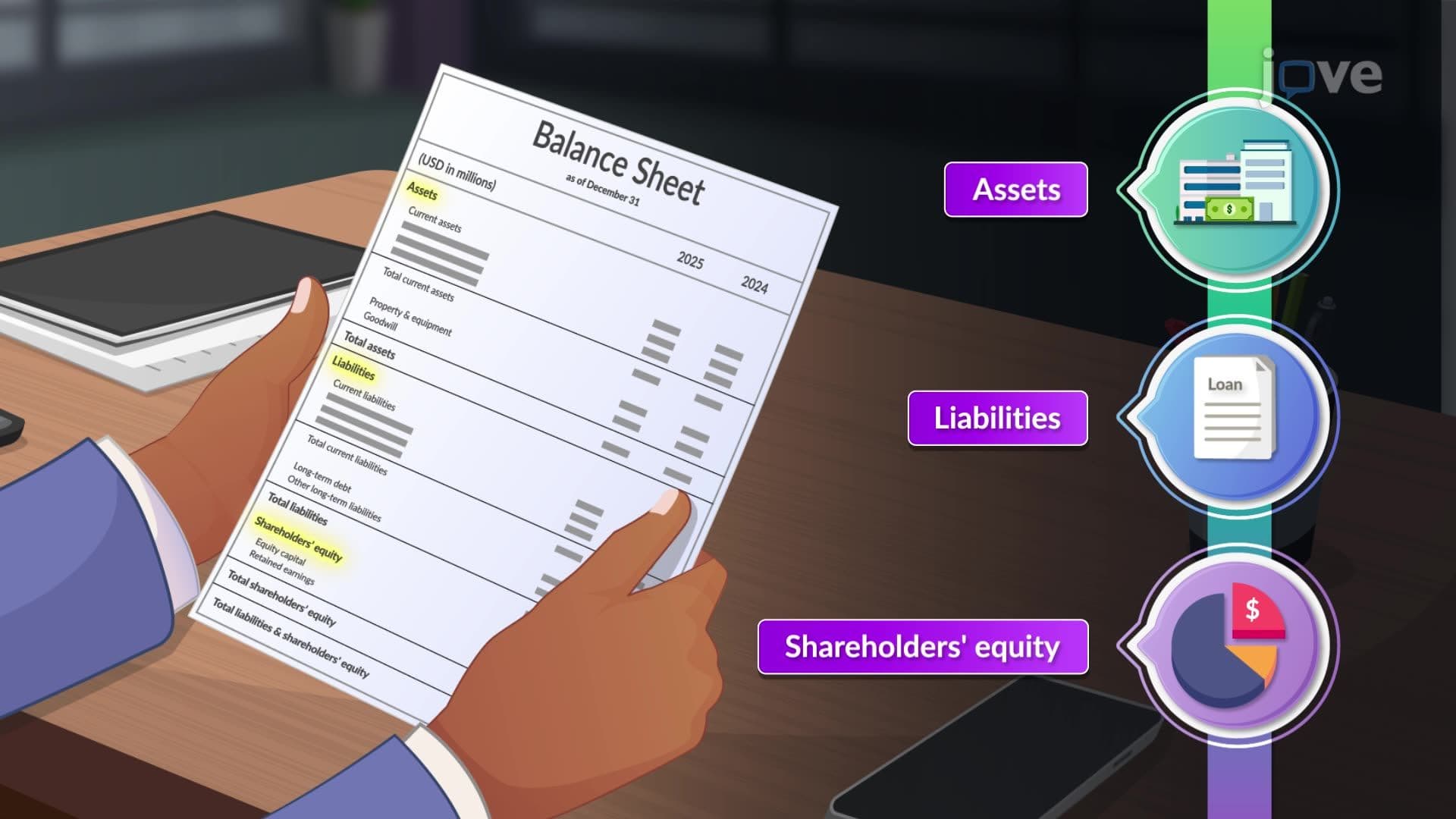
Picture this: you're sitting in a quarterly business review, and the CFO flips to the balance sheet. Everyone around the table nods. You're scanning the numbers, total assets, liabilities, equity, and you realize you can follow the logic clearly. That confidence doesn't come from working in finance. It comes from understanding one foundational concept: shareholders' equity, the net worth of a business that belongs to its owners after every obligation is settled.
For managers outside finance, this isn't abstract accounting. It's the scoreboard that tells you whether the business you're operating inside is growing stronger or quietly eroding.
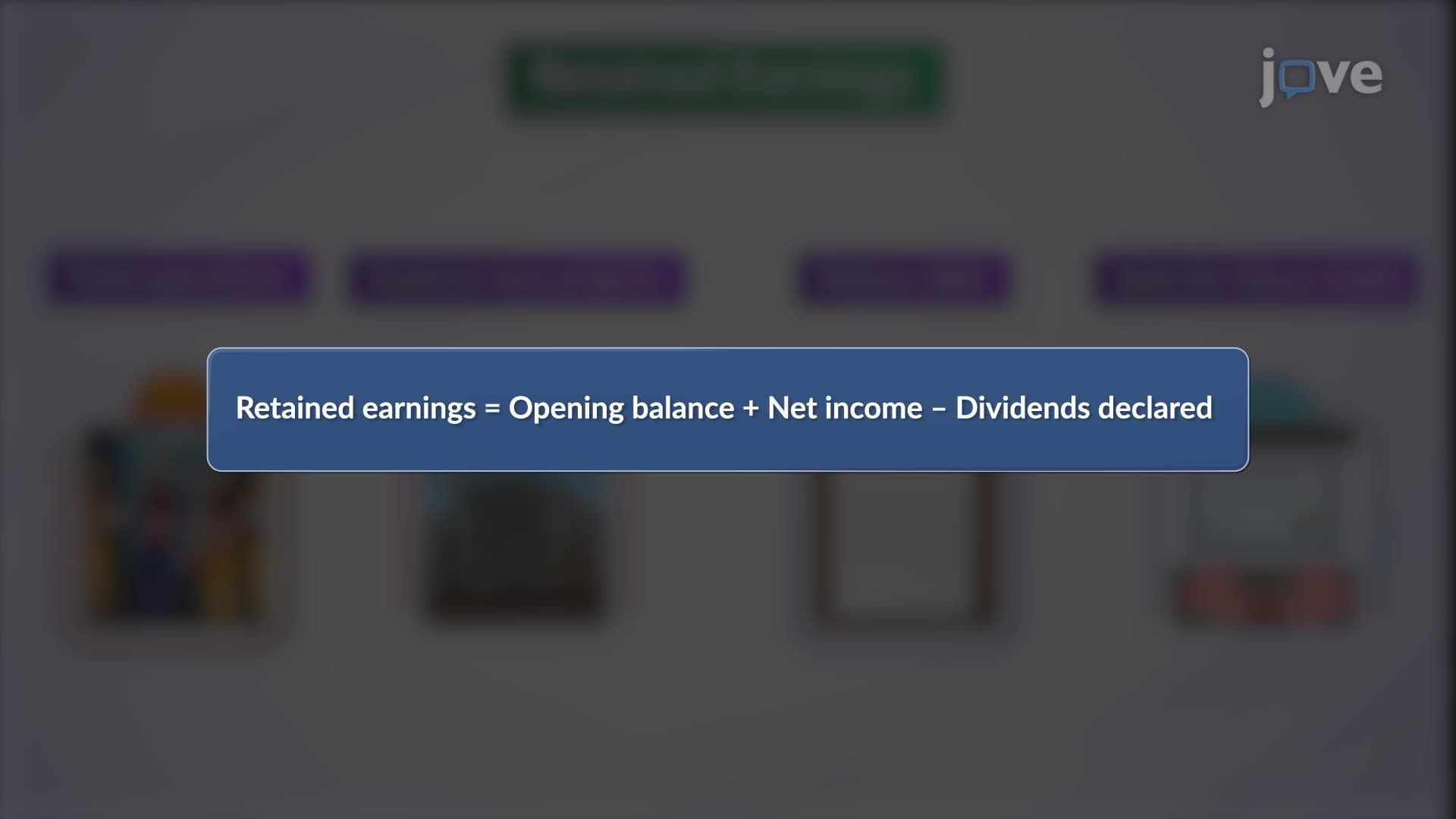
Most managers outside of finance roles treat the balance sheet as someone else's problem. That's a costly blind spot. When you understand shareholders' equity, you understand the difference between a company that *looks* profitable and one that is genuinely building value. Retained earnings, the accumulated profits kept in the business rather than paid out, reveal whether leadership is reinvesting in growth. Contributed capital shows how the business was originally funded by investors. Together, these two components tell a story that directly affects your team's resources, hiring capacity, and long-term security.
Managers who lack this fluency often struggle to make compelling cases for headcount, tools, or strategic initiatives because they can't frame requests in the financial language leadership uses to make decisions.
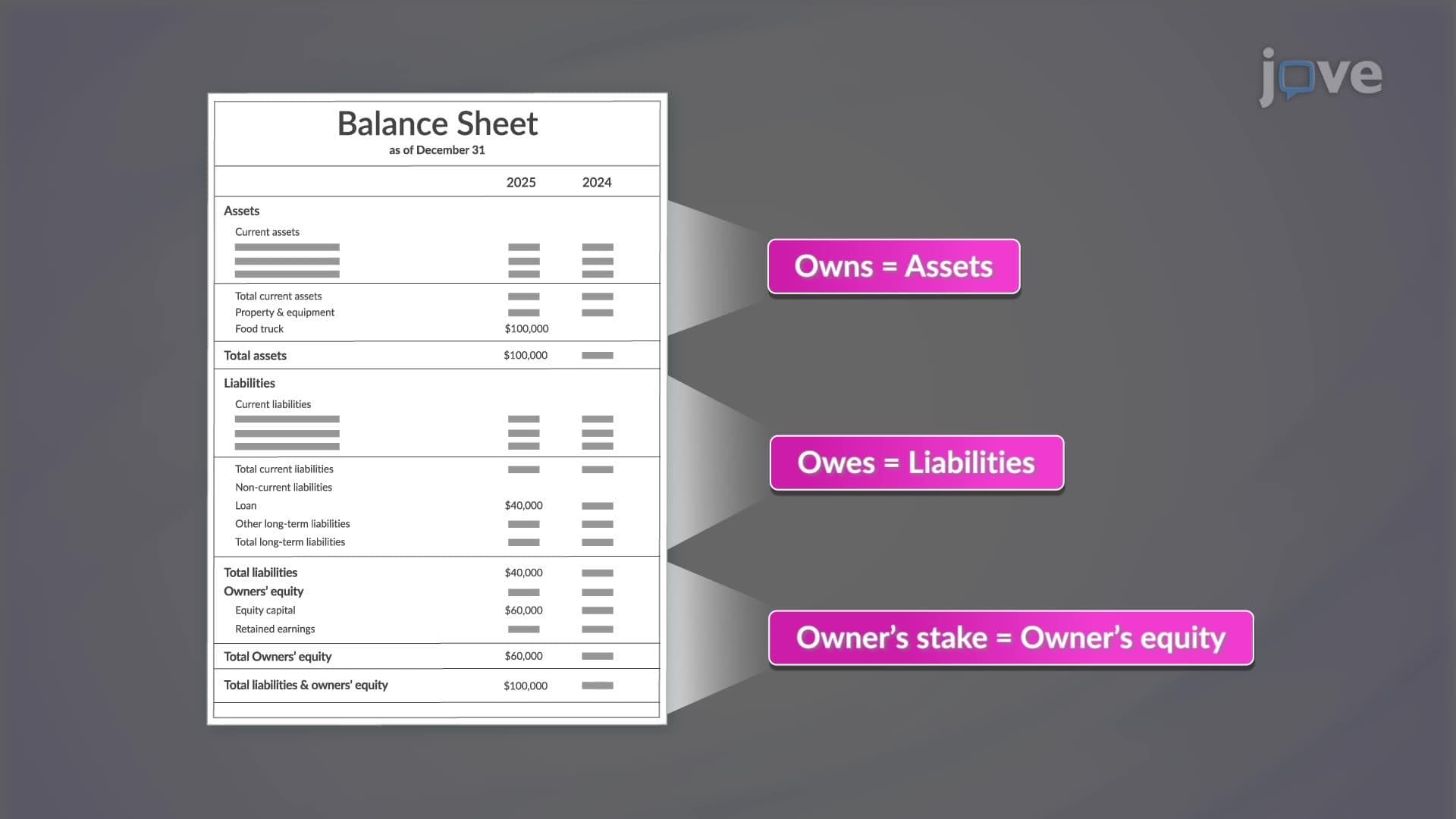
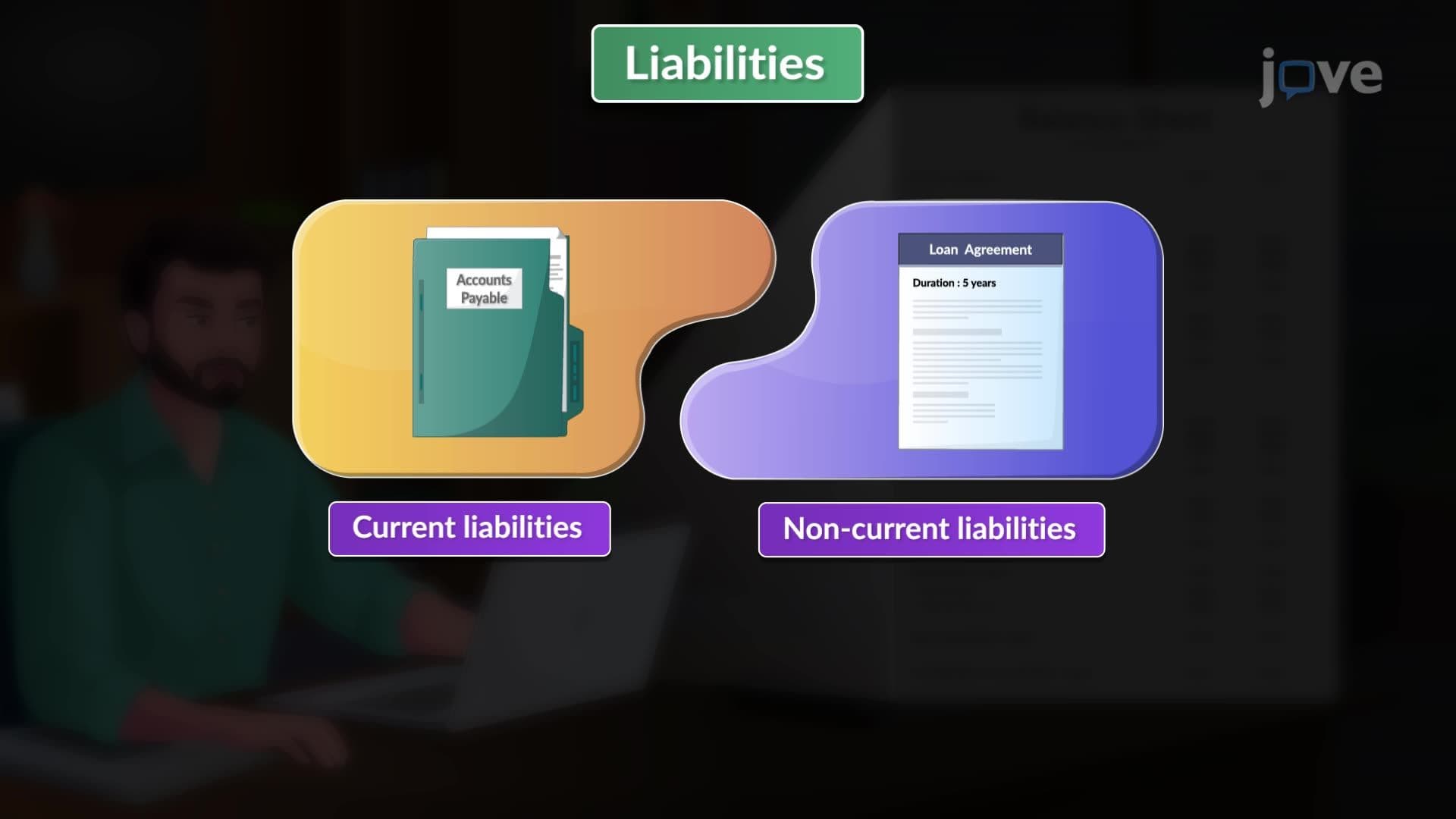
The accounting equation, Assets = Liabilities + Shareholders' Equity, is one of the most durable mental models in business. Think of it as a balance of claims: assets are what the organization owns or controls, liabilities are what it owes to external parties, and equity is what remains for the owners.
For working managers, this framework translates into a practical lens:
When reviewing financial updates, ask yourself: Is equity growing year-over-year? Is that growth driven by strong retained earnings (healthy operations) or primarily by new capital injections (which may signal cash flow challenges)? These are questions that sharpen your strategic thinking and signal to senior leaders that you understand the business, not just your function.
You don't need to be a financial analyst to use this knowledge effectively. Here are three immediate applications:
1. In budget conversations: When proposing a new initiative, reference whether the organization's equity position supports investment. Framing requests in terms of long-term value creation, rather than just cost, resonates with financially literate decision-makers.
2. When onboarding new team members: Helping a new hire understand the company's balance sheet position builds business acumen from day one. Leaders who connect their team's work to financial outcomes create more commercially aware, motivated contributors.
3. During performance or strategy reviews: Use the retained earnings concept to illustrate why profitability matters beyond revenue. Teams that understand how profit translates into reinvestable equity tend to treat cost discipline and efficiency as shared responsibilities, not just a finance department concern.
Financial literacy isn't a specialist skill anymore. For managers navigating growth, change, or resource constraints, understanding shareholders' equity basics is a genuine competitive advantage.
Related Micro-courses