Loading video…

 20 Concepts
 7.1K views

Video Summary: Property Plant and Equipment Accounting Explained
Property, plant, and equipment accounting basics become critical when managers approve capital expenditures, justify asset purchases to leadership, or interpret balance sheet reports during planning cycles. Understanding property, plant, and equipment accounting helps you ask sharper questions in financial reviews and make better resourcing decisions. Depreciation schedules directly affect your team's budget headroom. Watch the full video on JoVE Coach to master this concept with expert-led visuals and step-by-step explanations.
Picture this: you're sitting in a quarterly business review and the CFO references the net book value of a production asset your team has used for three years. Everyone around the table nods. You're not entirely sure whether the number on the slide reflects what the equipment is actually worth today, or what it cost when it was purchased. This is not a rare situation. Most managers who didn't come up through finance encounter it regularly. Understanding property, plant, and equipment accounting isn't about becoming an accountant. It's about having enough fluency to lead confidently, challenge assumptions, and make informed decisions about the physical resources your team relies on.
The confusion usually starts with the gap between *cost* and *value*. A piece of machinery purchased three years ago for a significant sum still sits on the balance sheet, but at a reduced figure. That reduction is depreciation, and most managers either ignore it or misread it as a sign that the asset is broken or underperforming. In reality, depreciation is a systematic accounting method that spreads the cost of an asset across its useful life. When you understand this, you stop treating balance sheet figures as a mystery and start using them as a diagnostic tool.
A second stumbling point is land. Unlike every other long-term asset, land is *not* depreciated. It doesn't wear out, and its utility doesn't diminish over time the way a machine does. This exception trips up even experienced managers who assume all physical assets follow the same accounting treatment.
When reviewing balance sheet components that include property, plant, and equipment, apply a simple three-part lens:
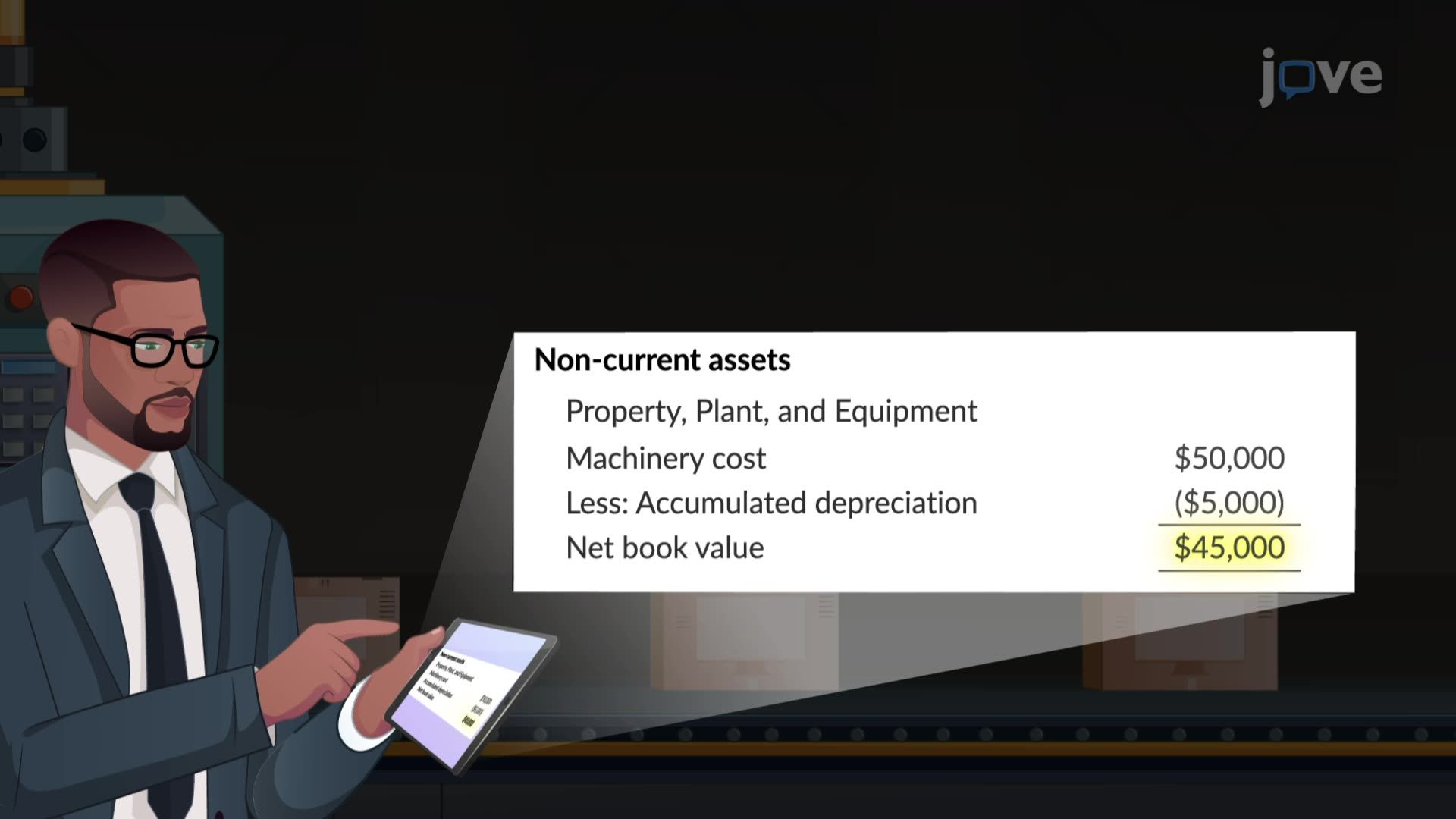
1. Original cost, what was paid at the time of purchase, recorded on the balance sheet at acquisition 2. Accumulated depreciation, the total value already expensed over the asset's life to date 3. Net book value, original cost minus accumulated depreciation; this is the number that matters most in operational planning
For example, if your organization acquires equipment with a ten-year useful life and applies straight-line depreciation, ten percent of the original cost is expensed each year. After three years, the net book value reflects seventy percent of the original purchase price. This figure directly influences how finance teams calculate asset-related ratios, assess replacement timelines, and allocate capital in the next budget cycle.
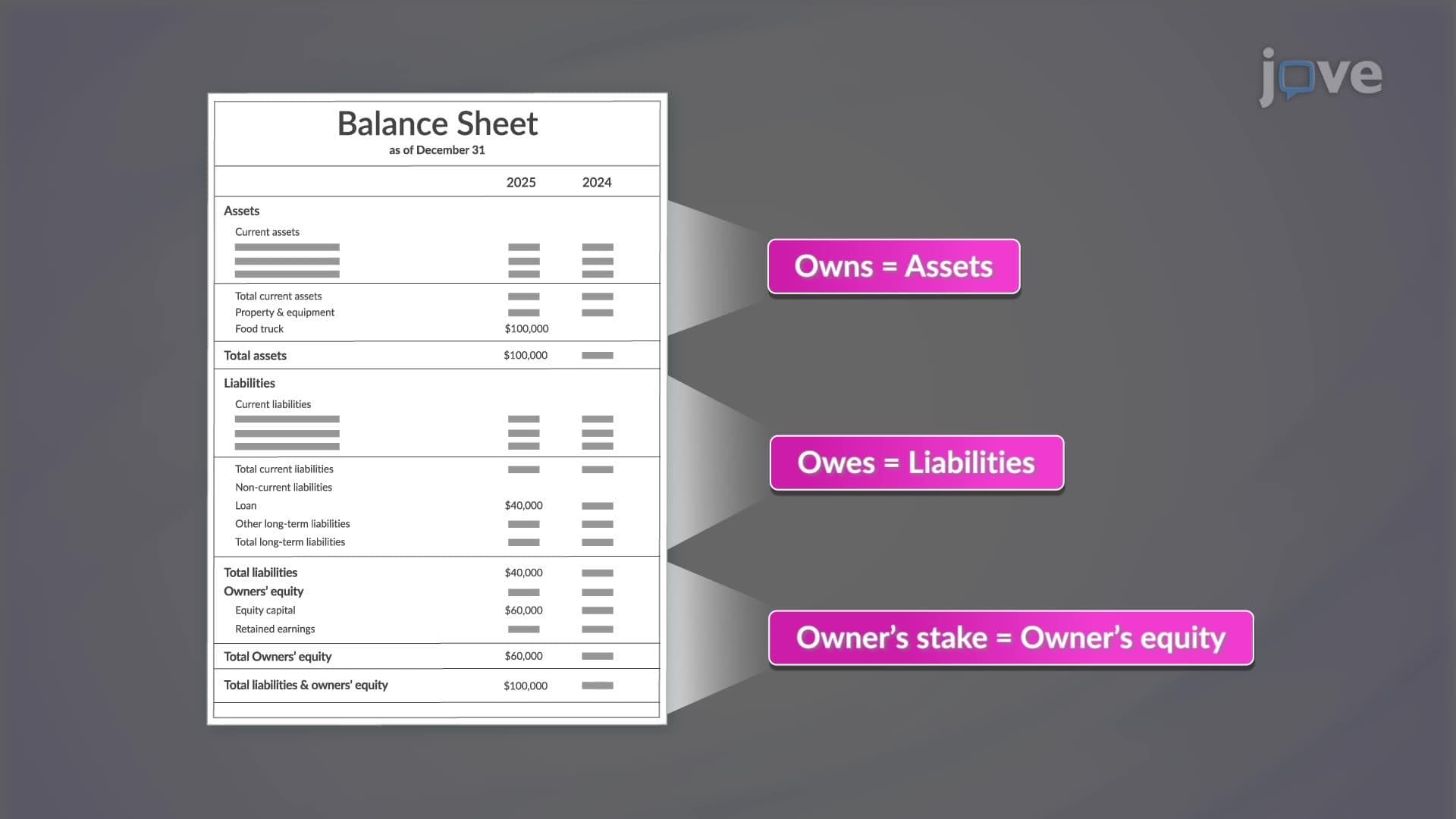
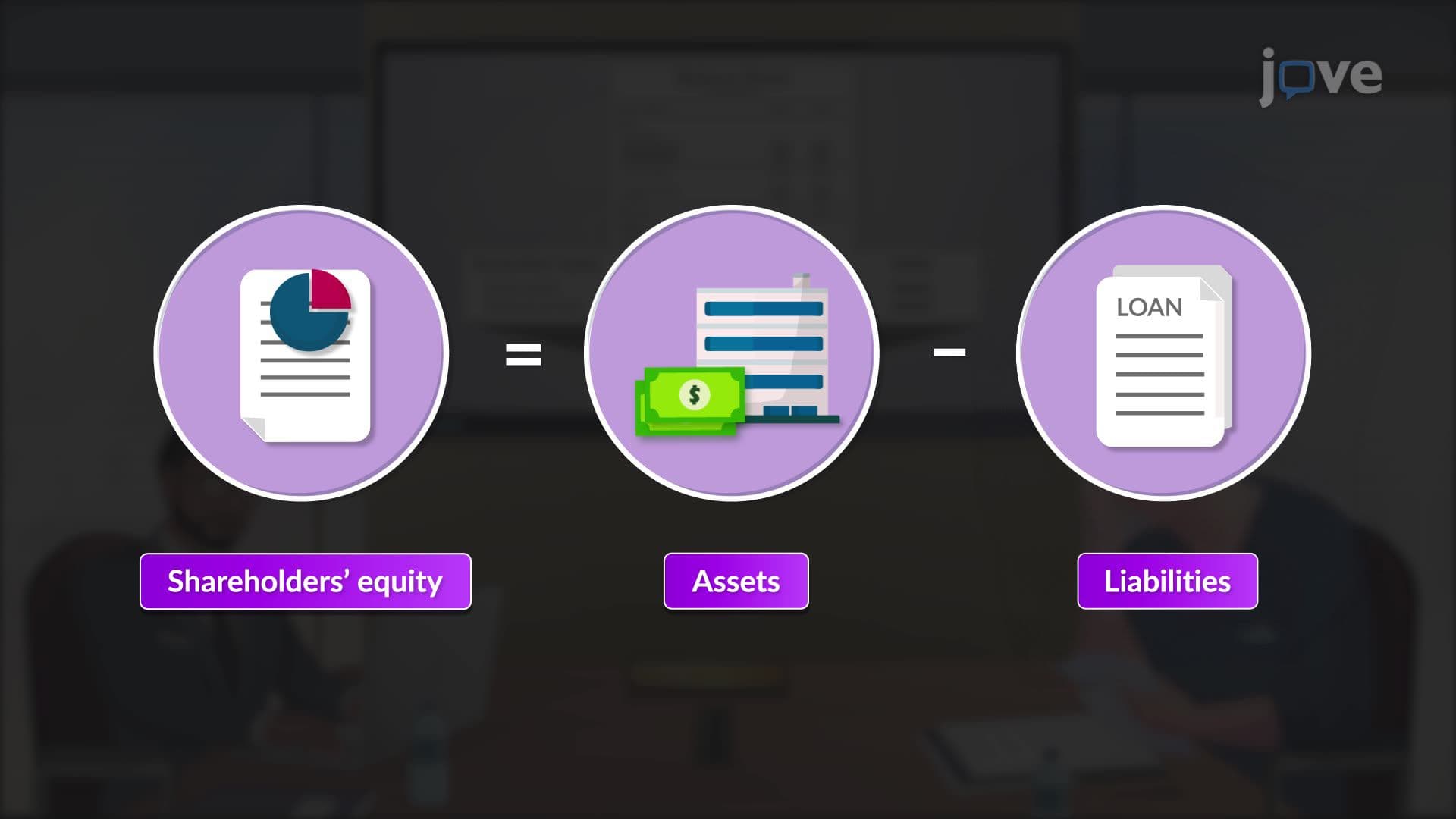
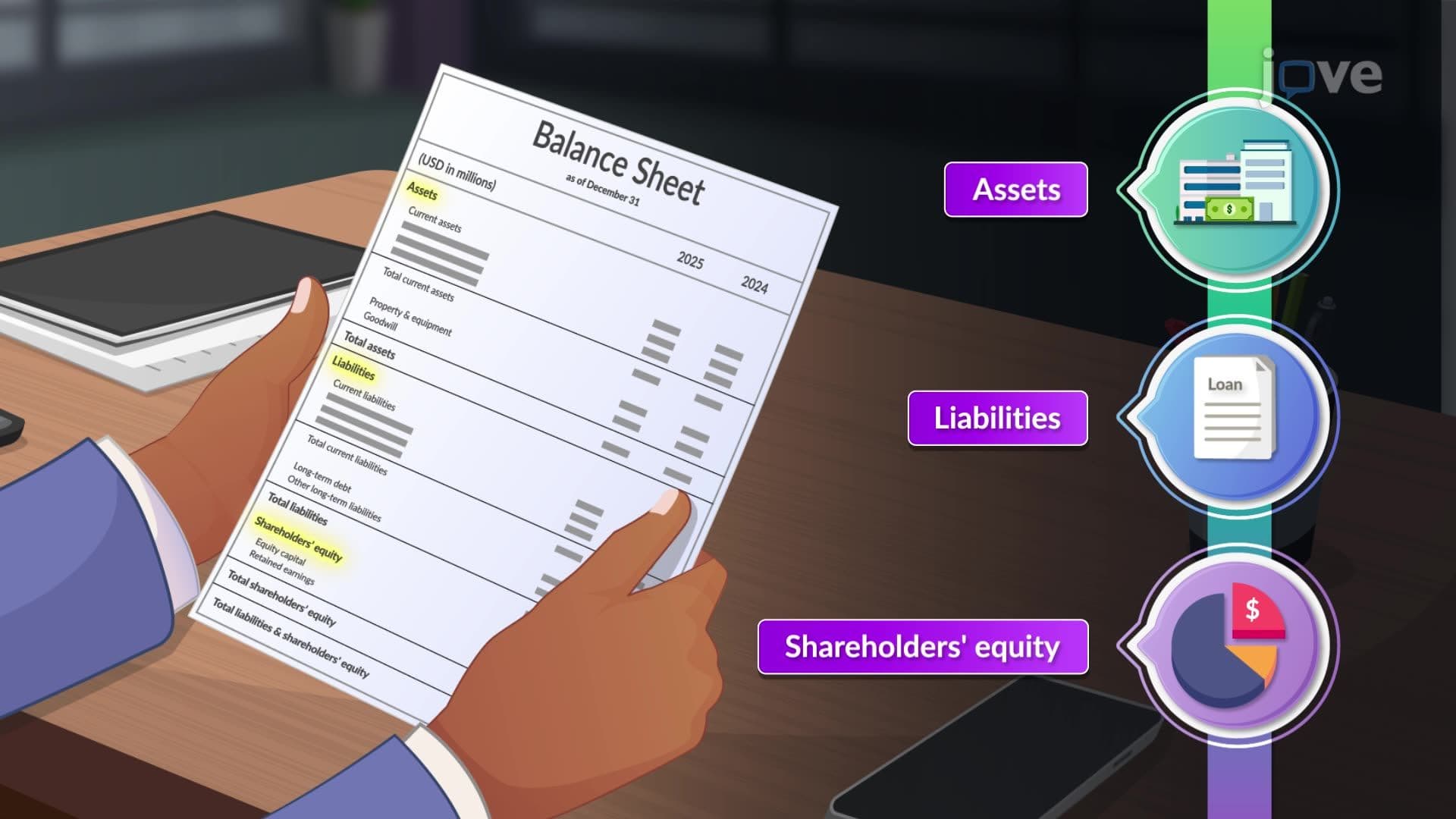
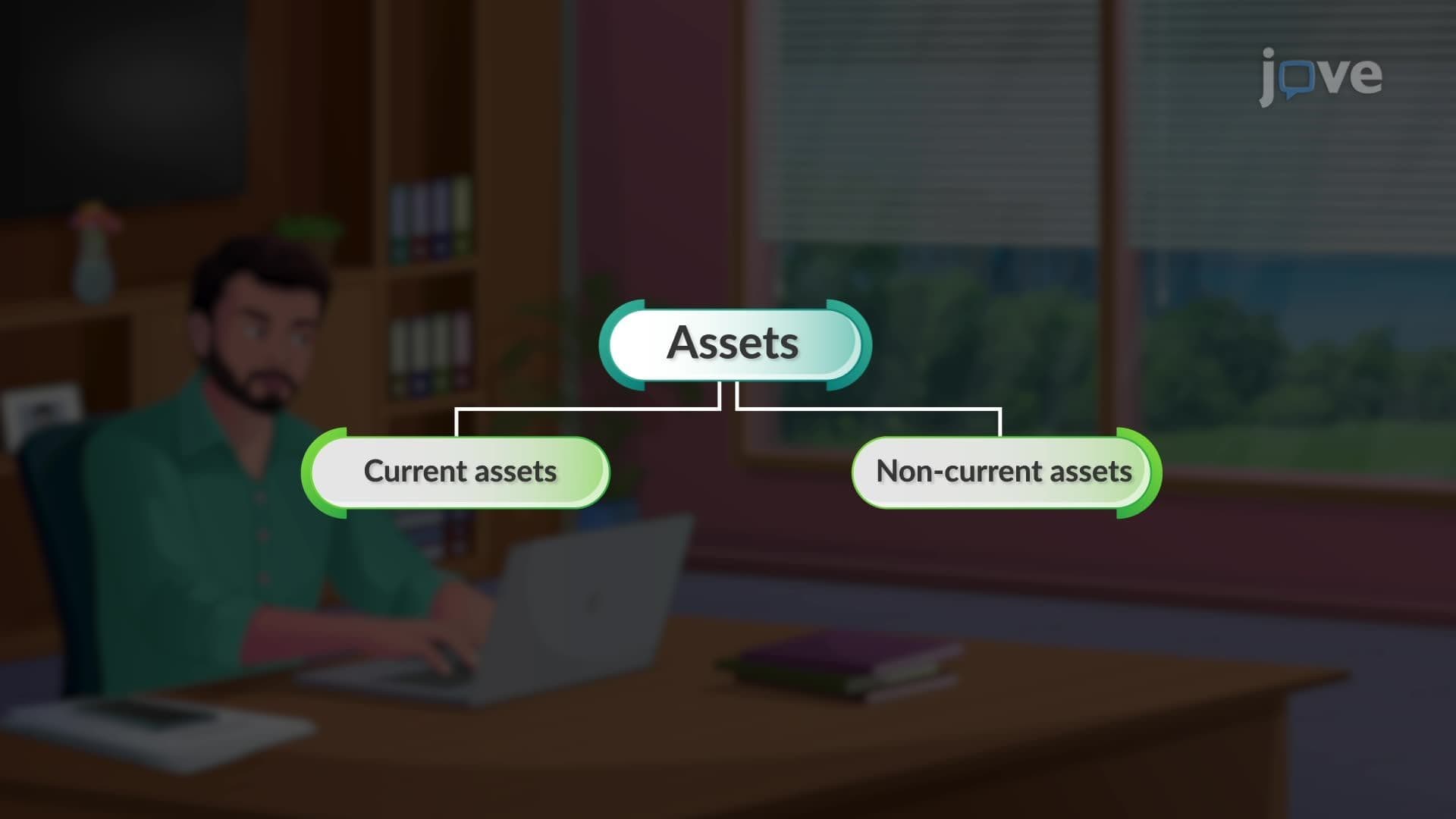
This framework maps directly onto the balance sheet structure, specifically the non-current assets section, where these figures live alongside other long-term investments. When you understand how assets, liabilities, and equity interact across that document, your ability to contribute to strategic financial conversations sharpens considerably.
When your team is making a case for new equipment, don't just present the purchase price. Build the business case around useful life and annual depreciation. Show what the net book value will look like at the midpoint of its useful life. This signals financial maturity to senior stakeholders and makes approvals far more likely.
In operational reviews, ask your finance partner to walk you through the current net book value of key assets your team depends on. Compare that against the original cost. A large gap signals aging infrastructure, a useful trigger for a proactive replacement or maintenance conversation, rather than a reactive one after the equipment fails.
If you manage a team that touches procurement, facilities, or capital planning, build a habit of reviewing asset schedules annually as part of your planning cycle. This is where financial fluency translates directly into better resource management and fewer surprises.
The most frequent error managers make is treating balance sheet figures as static facts rather than dynamic signals. Net book value changes every accounting period. An asset that looked adequately valued eighteen months ago may now be approaching full depreciation, meaning its book value is near zero but it's still in active use. That's a risk flag worth surfacing in your next planning conversation.
A second mistake is conflating book value with market value or replacement cost. What an asset is *worth* on the balance sheet after depreciation is not necessarily what it would cost to replace it today. Keeping that distinction clear prevents costly assumptions in budgeting and strategic planning.
Related Micro-courses