Loading video…

 14 Concepts
 3.5K views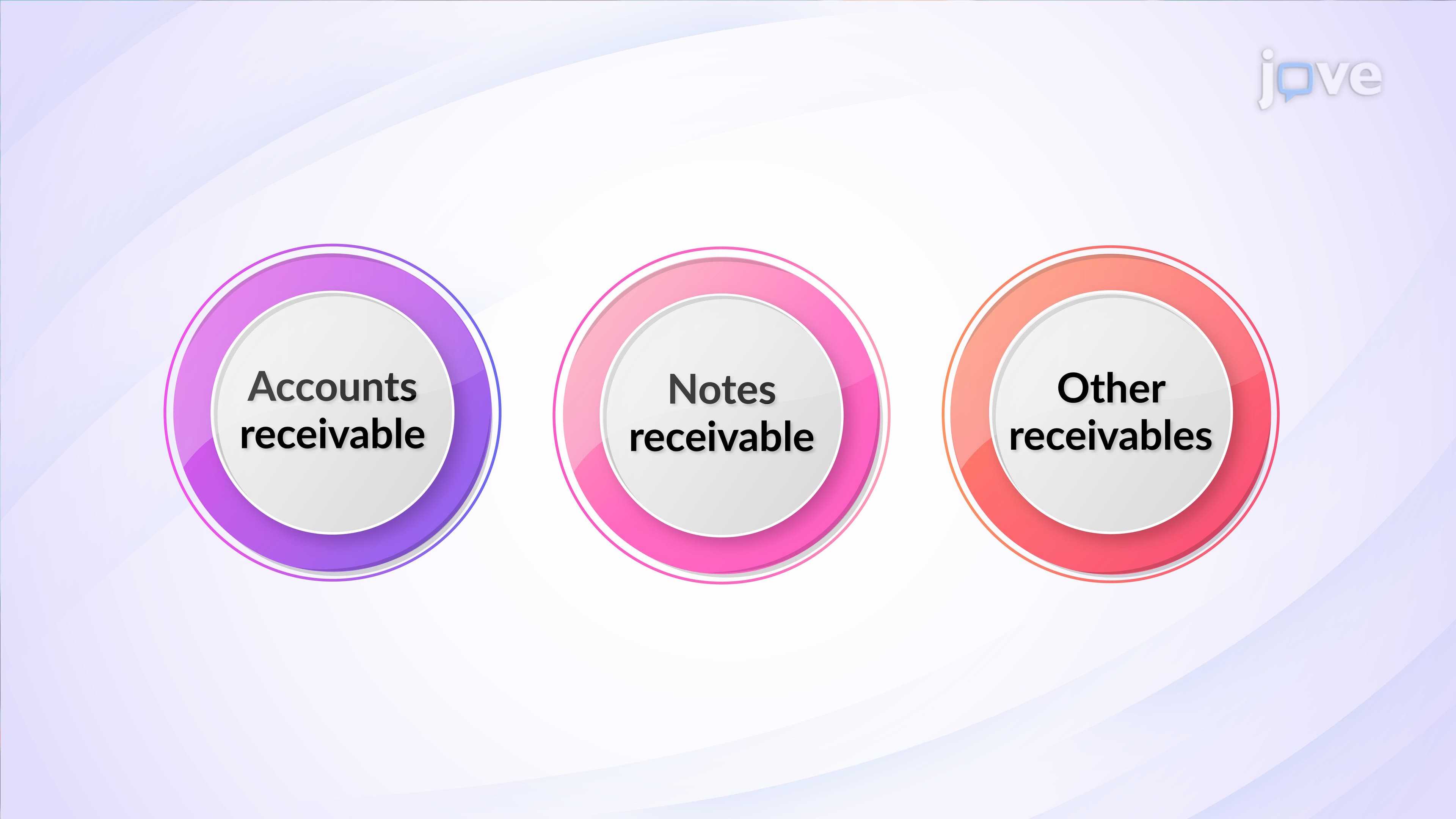

Video Summary: What are Types of Receivables
Understanding the types of receivables basics is critical when you're managing budgets, approving credit terms for clients, or interpreting financial reports that land on your desk. Misreading receivable categories leads to poor cash flow decisions that ripple across your team's priorities. Types of receivables, accounts, notes, and other receivables, directly shape working capital management. Watch the full video on JoVE Coach to master this concept with expert-led visuals and step-by-step explanations.
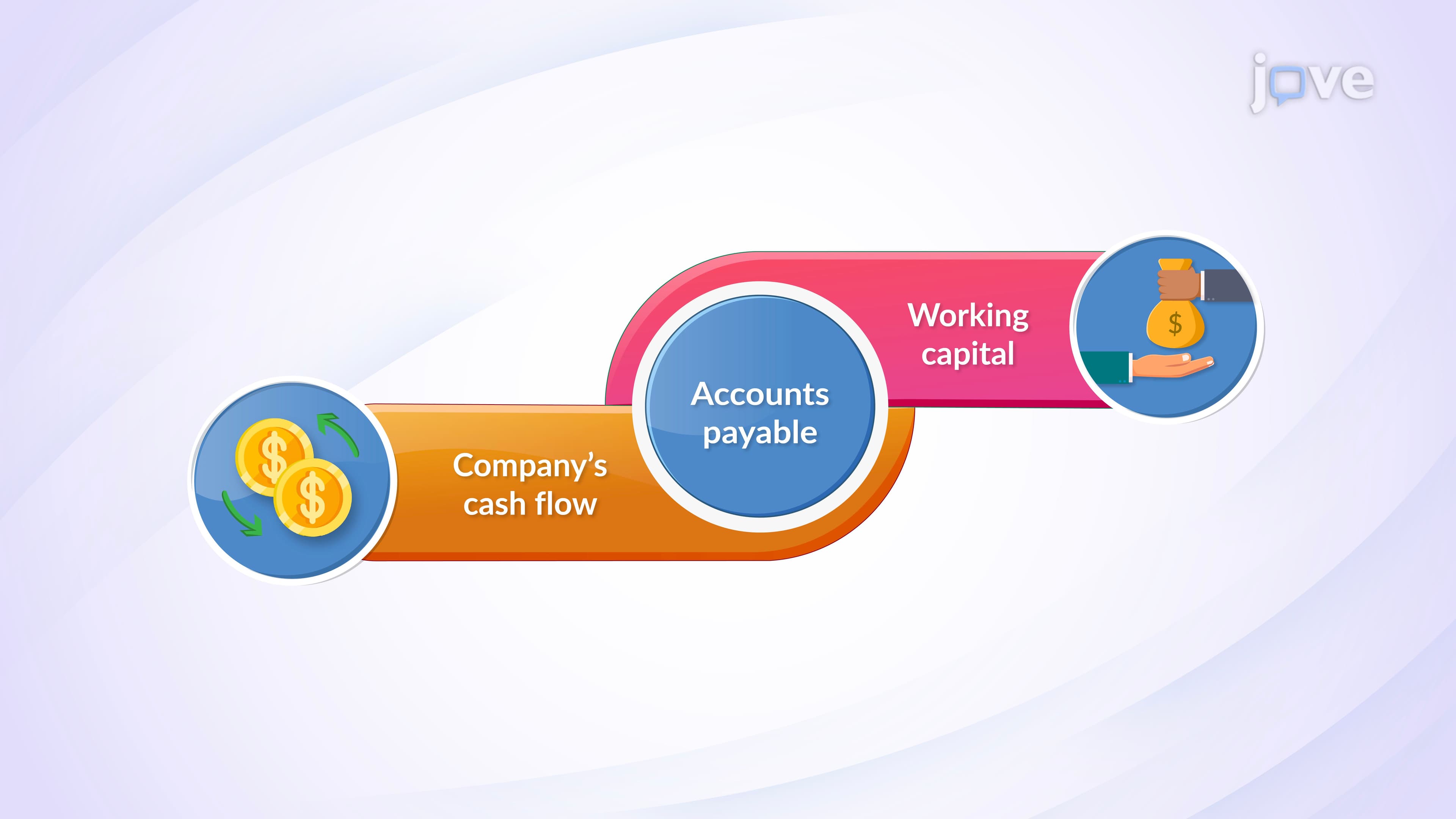
Picture this: your team just closed a significant client deal. Revenue is booked, the finance team is pleased, and leadership celebrates the win. Three months later, cash hasn't arrived, the accounts payable process on the client's side is stalled, and your operational budget is tighter than expected. The disconnect? No one on the management team clearly tracked *what kind* of receivable that deal created, or built a process around collecting it. This is where understanding the types of receivables moves from accounting theory to practical leadership competency.
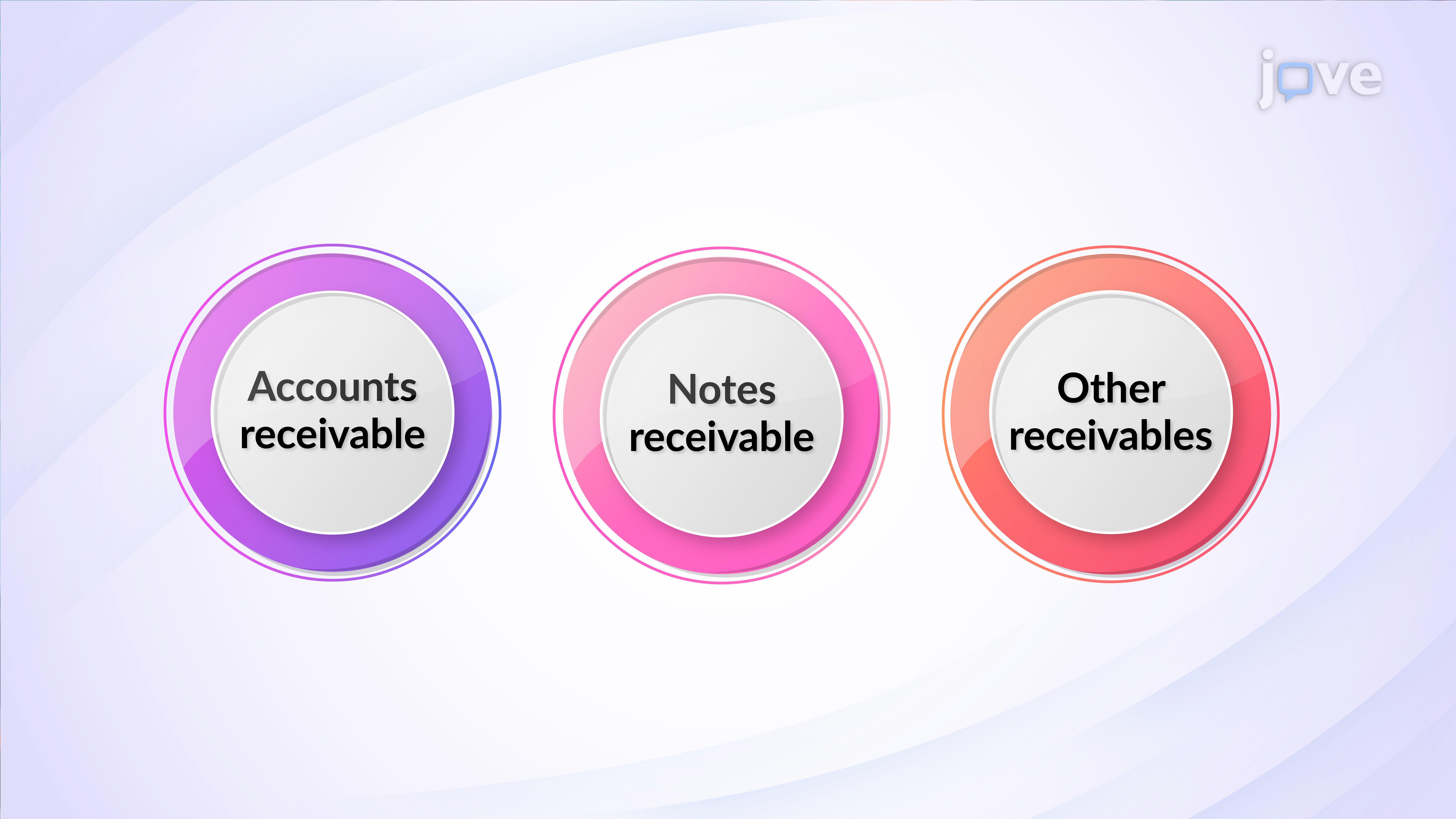
Most managers outside of finance treat receivables as a single bucket: money owed to us. In reality, receivables fall into three distinct categories, each with different risk profiles and management implications.
Accounts receivable represent the most common type, revenue earned from goods or services delivered on credit, typically due within 30 to 60 days. This is your everyday trade credit territory. Notes receivable are formalized written commitments from clients or counterparties to pay by a specific date, often carrying interest. They typically arise when standard payment terms aren't being met or when the transaction value is significant enough to warrant legal documentation. Other receivables cover everything else: interest owed, rent from a subtenant, or employee advances, items that don't fit the standard sales cycle but still represent real future cash inflows.
Failing to distinguish these categories distorts your read on working capital management. A manager who sees a healthy accounts receivable balance but doesn't notice that 40% of it is overdue, or should have been converted to notes receivable weeks ago, is operating on incomplete information.
Apply a simple three-lens review to any receivable-heavy process your team owns:
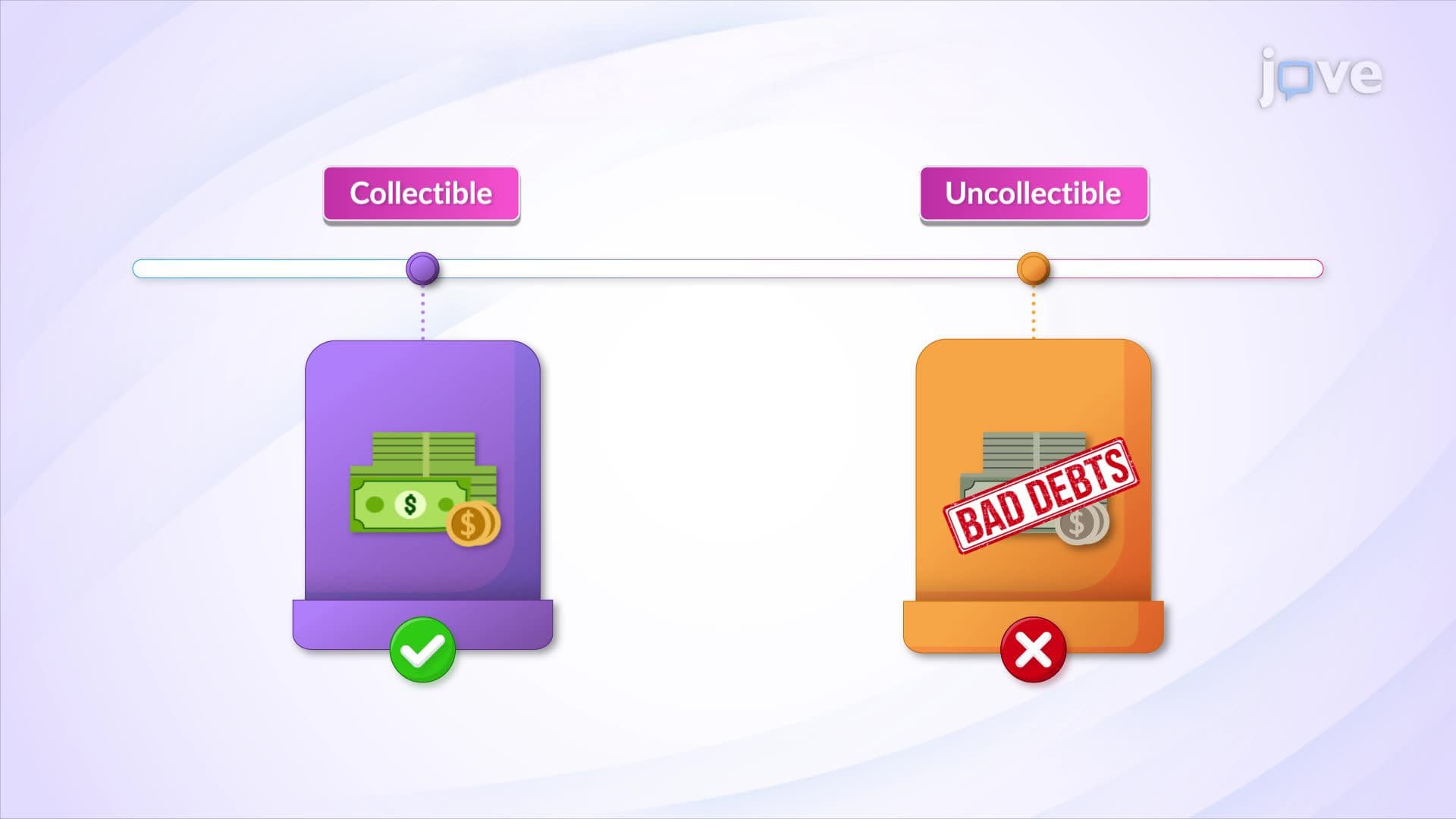
1. Classification, Is this receivable correctly categorized? Is informal credit exposure being tracked as accounts receivable when it should be escalated to a notes receivable agreement? 2. Aging, Use a DSO (Days Sales Outstanding) lens. Industry benchmarks vary, but a rising DSO trend is a red flag that accounts receivable collection processes are breaking down. If DSO climbs beyond your standard payment terms, it's time to act, not wait for the quarterly review. 3. Recovery Options, When collection is delayed and cash flow is under pressure, factoring receivables (selling receivable balances to a third party at a discount) is a legitimate lever. Understanding it means you can participate meaningfully in that decision rather than being surprised by it.
This three-lens approach mirrors elements of the PDCA (Plan-Do-Check-Act) cycle, it's not a one-time audit but a rhythm you build into how your team manages client accounts and internal financial reporting.
When you're next in a budget review, cash flow meeting, or client escalation conversation, ask three targeted questions: *What category does this receivable fall into? What's its age relative to payment terms? And what's our collection or escalation plan?* These questions signal financial literacy to senior stakeholders, surface risk before it becomes a crisis, and demonstrate that you're managing outcomes, not just tracking activity. Managers who can bridge operational decisions with financial reporting language move faster in cross-functional environments and earn broader organizational trust.
Related Micro-courses