Loading video…


 14 Concepts
 3.5K views


Video Summary: What are Credit Card Sales
Credit card sales basics matter more than most managers realize, poor visibility into how sales convert to usable cash creates forecasting blind spots that ripple across team operations and supplier commitments. Understanding what is credit card sales means understanding how processing fees, settlement timelines, and receivables cycles directly shape your working capital position. Master this now. Watch the full video on JoVE Coach to master this concept with expert-led visuals and step-by-step explanations.
Picture this: your team has had a strong sales week. Revenue numbers look excellent on the board. But three days later, your finance contact flags a shortfall, supplier invoices are due, and the cash simply isn't in the account yet. No one mapped the gap between when sales were recorded and when funds actually arrived. This is one of the most common, and avoidable, operational blind spots managers face when they don't fully understand credit card sales and their impact on working capital.
Credit card sales are often treated as straightforwardly equivalent to cash sales. They are not. When a customer pays by card, the business doesn't receive the full sale amount immediately. A processing fee, typically ranging from one to three percent, is deducted by the card processor, and the net funds settle into the business account within one to three business days. For a manager overseeing operations, this means two things demand attention simultaneously: fee impact on margin and timing impact on liquidity. Ignoring either creates avoidable friction in your accounts payable process and supplier relationships.
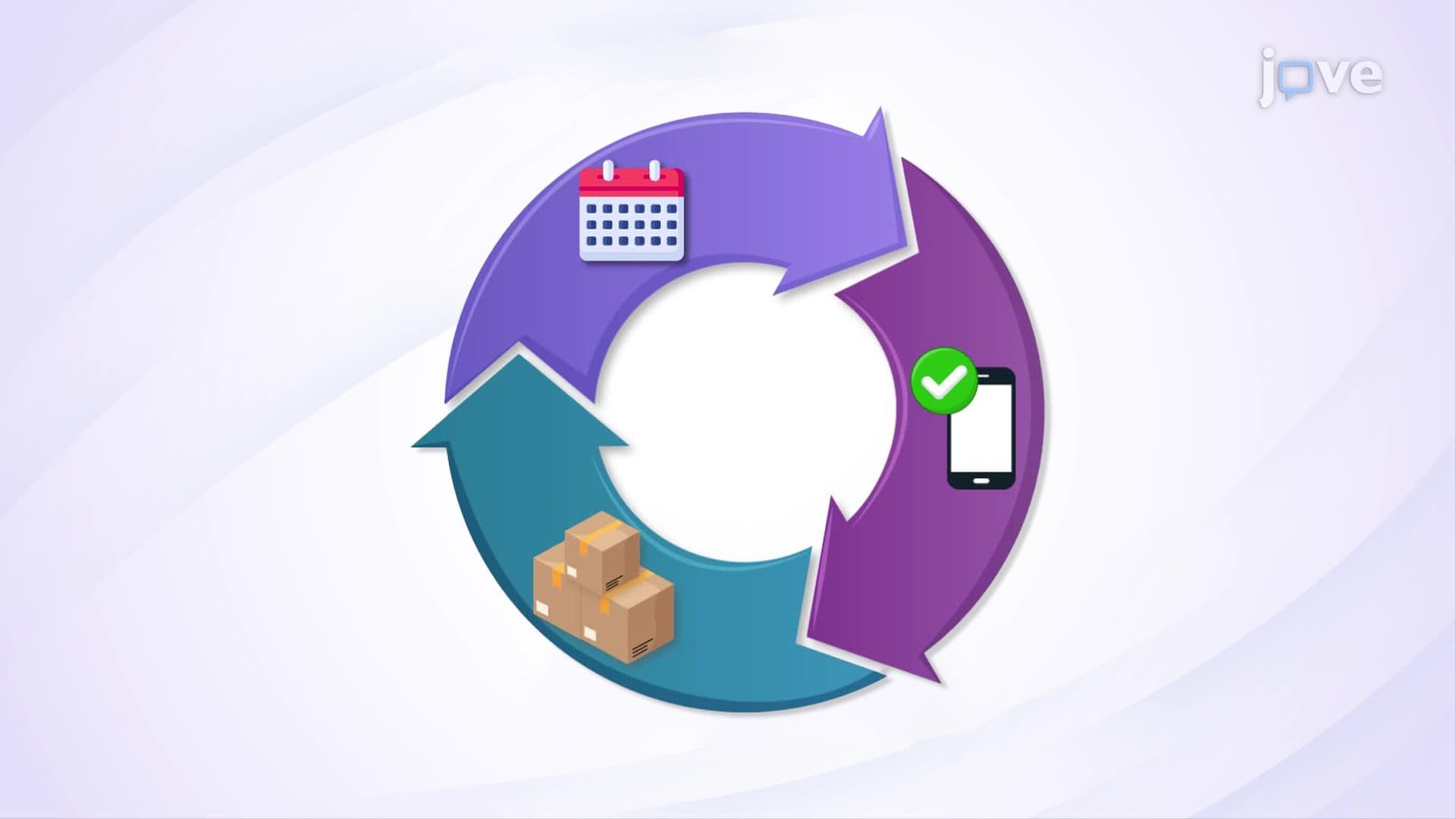
Apply a simple Cash Conversion Lens to how your team tracks credit card sales. Break it into three questions:
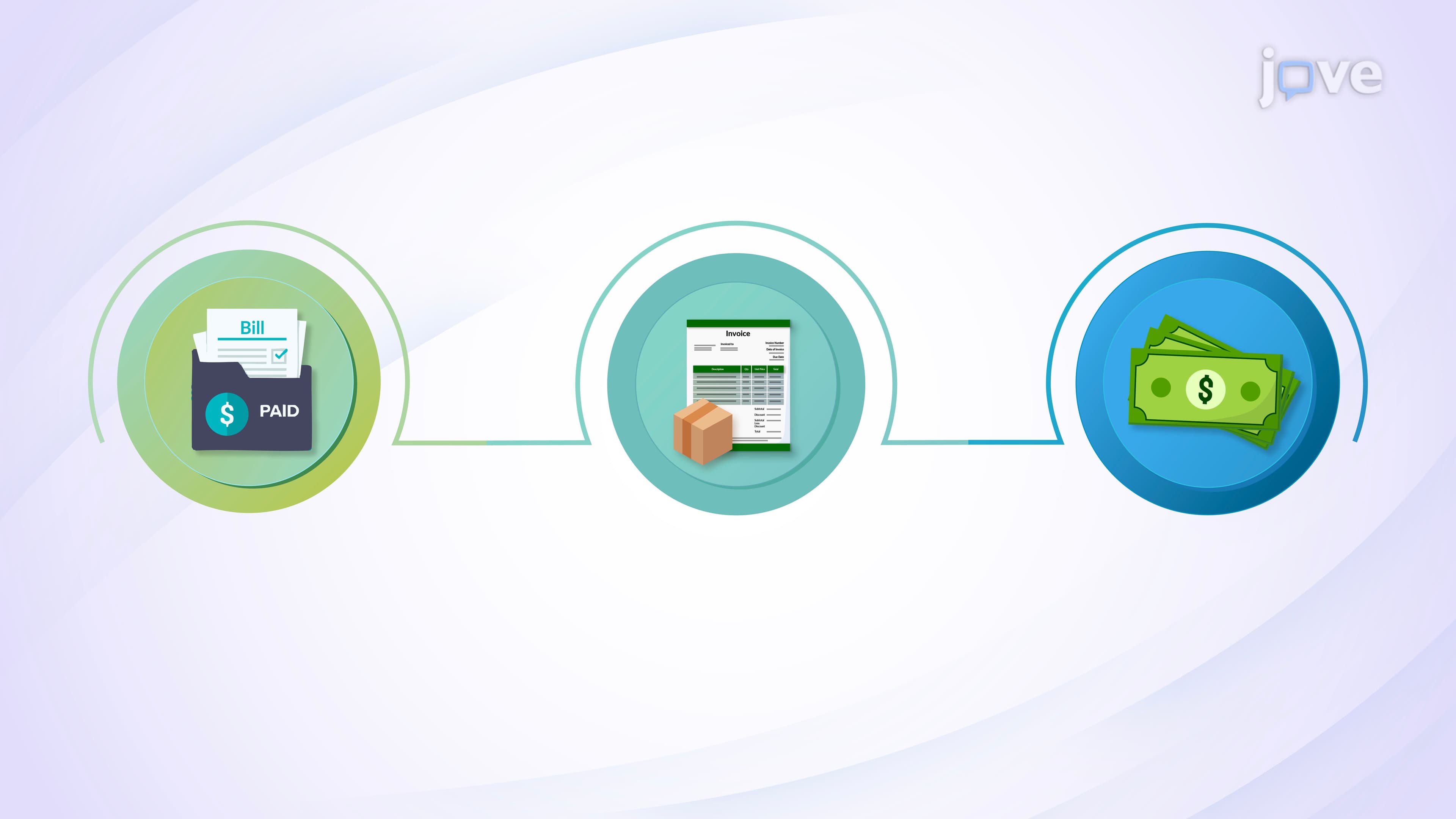
1. When does the sale occur? (Revenue recognition point) 2. When does cash actually arrive? (Settlement window, typically 1-3 business days) 3. What is the net amount? (Gross sale minus processing fee)
This three-step discipline maps directly to your working capital management approach. It prevents over-commitment in accounts payable before funds have cleared, and it gives you a cleaner picture of true operating cash available at any point in the week. When managing teams responsible for revenue operations or customer-facing sales, building this habit into weekly reporting dramatically improves financial decision-making.
In your next operational or budget review, reframe credit card sales data in net-and-timing terms, not just gross revenue. Ask your team: "What do we expect to clear this week versus what do we expect to receive?" That distinction, between sales recorded and cash available, is the foundation of practical accounts receivable collection management. If your organization processes significant volume through card payments, map your supplier payment schedule against settlement cycles. Align payment runs to occur after typical settlement windows close, reducing the risk of a liquidity crunch. This is how experienced managers use credit card sales data not just as a revenue metric, but as a cash flow planning tool.
The most frequent error is treating processing fees as invisible or negligible. At scale, a two-percent fee on significant monthly card volume represents a material line item that needs to appear explicitly in expense planning and income statement review. A second mistake is failing to account for settlement timing when scheduling payments to suppliers or planning short-term obligations. Managers who build the habit of connecting sales-to-cash timelines with outgoing payment schedules operate with far greater financial resilience, and earn significantly more credibility with both their finance partners and their own leadership.
Related Micro-courses