Loading subject page…

3,481 views

Video Summary: Relationship Between Accounts Payable and Working Capital Management Explained
The relationship between accounts payable and working capital management is a concept many new managers overlook, until a cash shortfall exposes the gap. Understanding how delaying supplier payments temporarily boosts available funds helps managers make smarter short-term financial decisions without jeopardizing supplier trust. Mismanaging this balance can quietly drain operational capacity before anyone notices. Watch the full video on JoVE Coach to master this concept with expert-led visuals and step-by-step explanations.
Picture this: your operations team just flagged that critical equipment needs servicing, your marketing lead is pushing to launch a campaign next week, and your finance partner has just told you cash reserves are tighter than expected this quarter. You haven't missed any supplier payments, but no one flagged that accelerating those payments ahead of schedule quietly eroded the working capital buffer you needed right now. This is the moment most managers realize that accounts payable isn't just an administrative function, it's a lever.
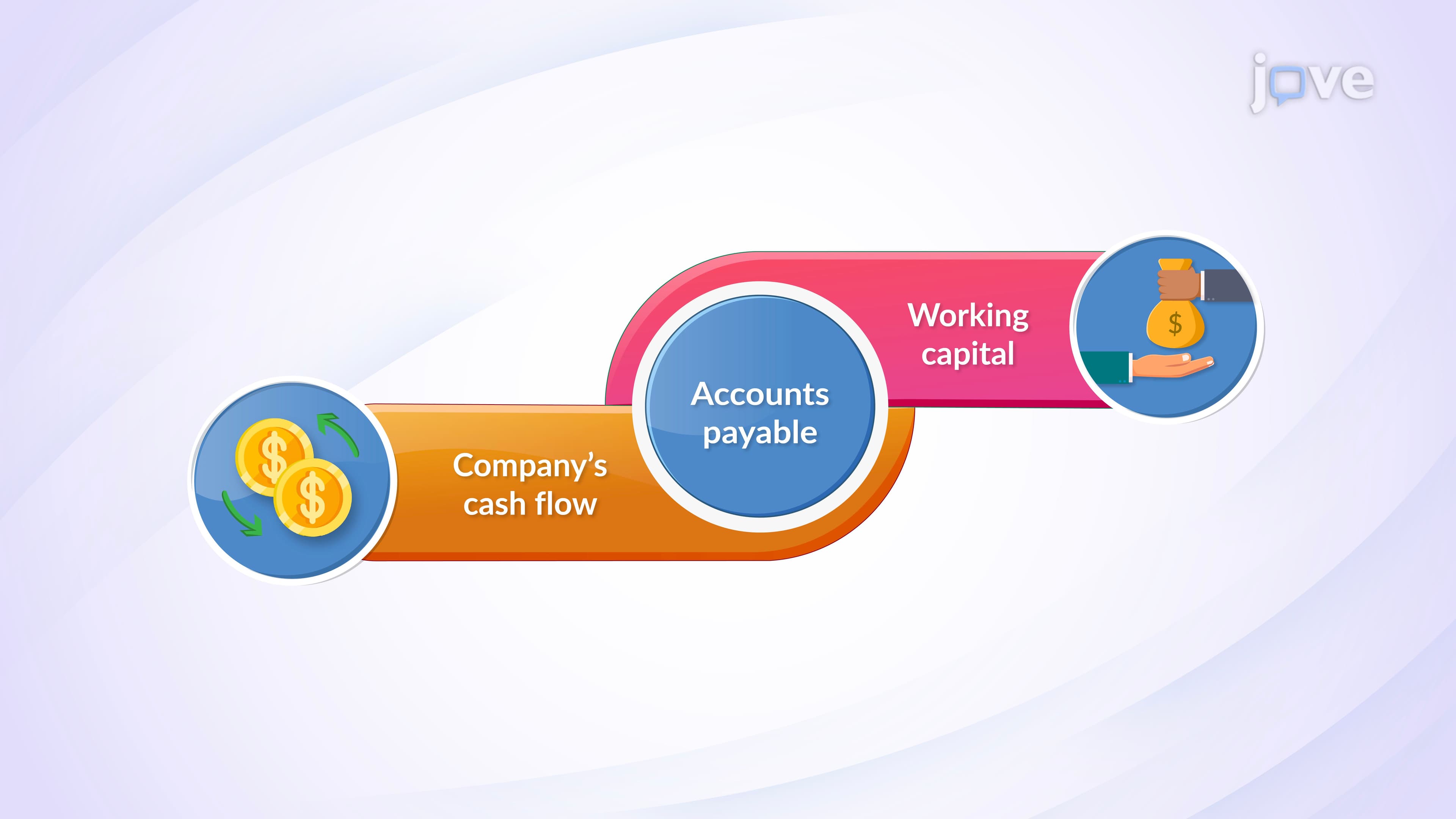
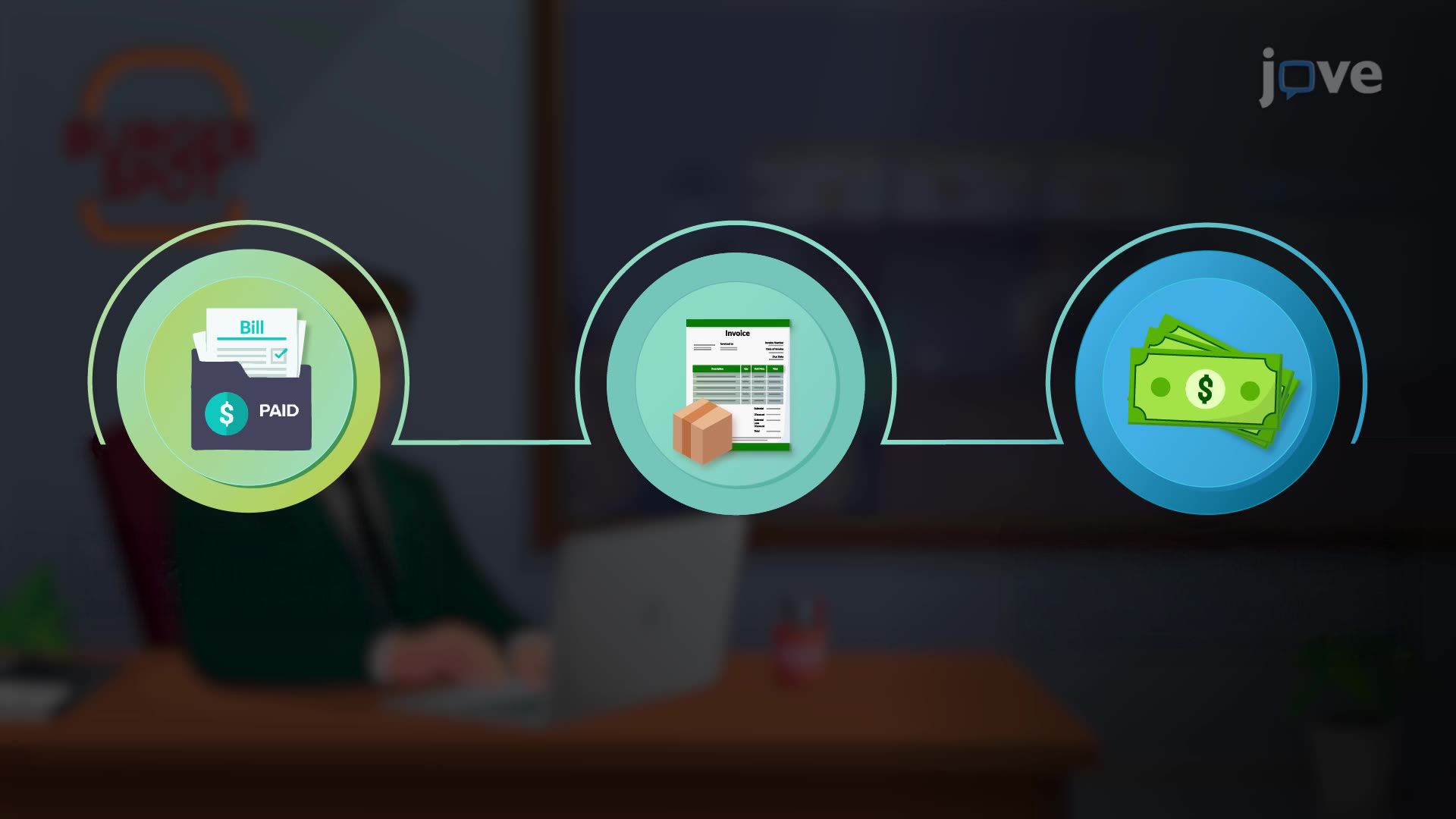
Working capital, the difference between current assets and current liabilities, sounds like a finance team problem. But every time your business unit receives goods or services and chooses when to pay for them, you are directly influencing that equation. Accounts payable sits on the current liabilities side. When payables increase, meaning payment is deferred within agreed terms, current liabilities rise and working capital decreases. Counterintuitively, this is often a deliberate, healthy strategy: the cash stays in the business longer, available for immediate operational needs.
The problem is when managers treat supplier payments as purely transactional rather than as a working capital tool. Over-paying early erodes liquidity. Under-paying, or paying late, damages trade credit relationships and can trigger tighter terms or supply disruptions. Neither extreme serves the business.
A practical way to think about this is through three operational zones:
Zone 1, Tight liquidity periods: Maximize payment terms within agreed supplier windows. Retain cash for operational priorities. This is not delay, this is strategic use of trade credit.
Zone 2, Stable cash positions: Pay on schedule, and where early payment discounts exist (e.g., 2/10 net 30 terms), evaluate whether the discount outweighs the liquidity cost.
Zone 3, Surplus cash: Consider early payment to strengthen supplier goodwill, potentially unlocking better terms, priority allocation, or greater flexibility in future negotiations.
This three-zone approach mirrors elements of the Cash Conversion Cycle (CCC) framework, which tracks how efficiently a business converts investments in inventory and receivables into cash. Accounts payable is one of three components, alongside inventory days and days sales outstanding (DSO). Improving any one of these without understanding the others creates blind spots.
As a manager, you likely don't control accounts payable directly, but you influence it through procurement decisions, project timelines, and operational spend. Here's how to apply this in practice:
In budget reviews: Ask your finance partner how current payables terms are affecting working capital. Understand which supplier contracts have flexibility and which are fixed.
In operations planning: Before approving large supply orders, factor in payment timing. A delivery that arrives in Week 1 but isn't due for payment until Week 5 gives you a four-week liquidity window to deploy elsewhere.
In supplier negotiations: Advocate for net-30 or net-45 terms where possible, not to delay indefinitely, but to create breathing room aligned with your revenue cycles. Pair this with a strong track record of on-time payment to maintain leverage.
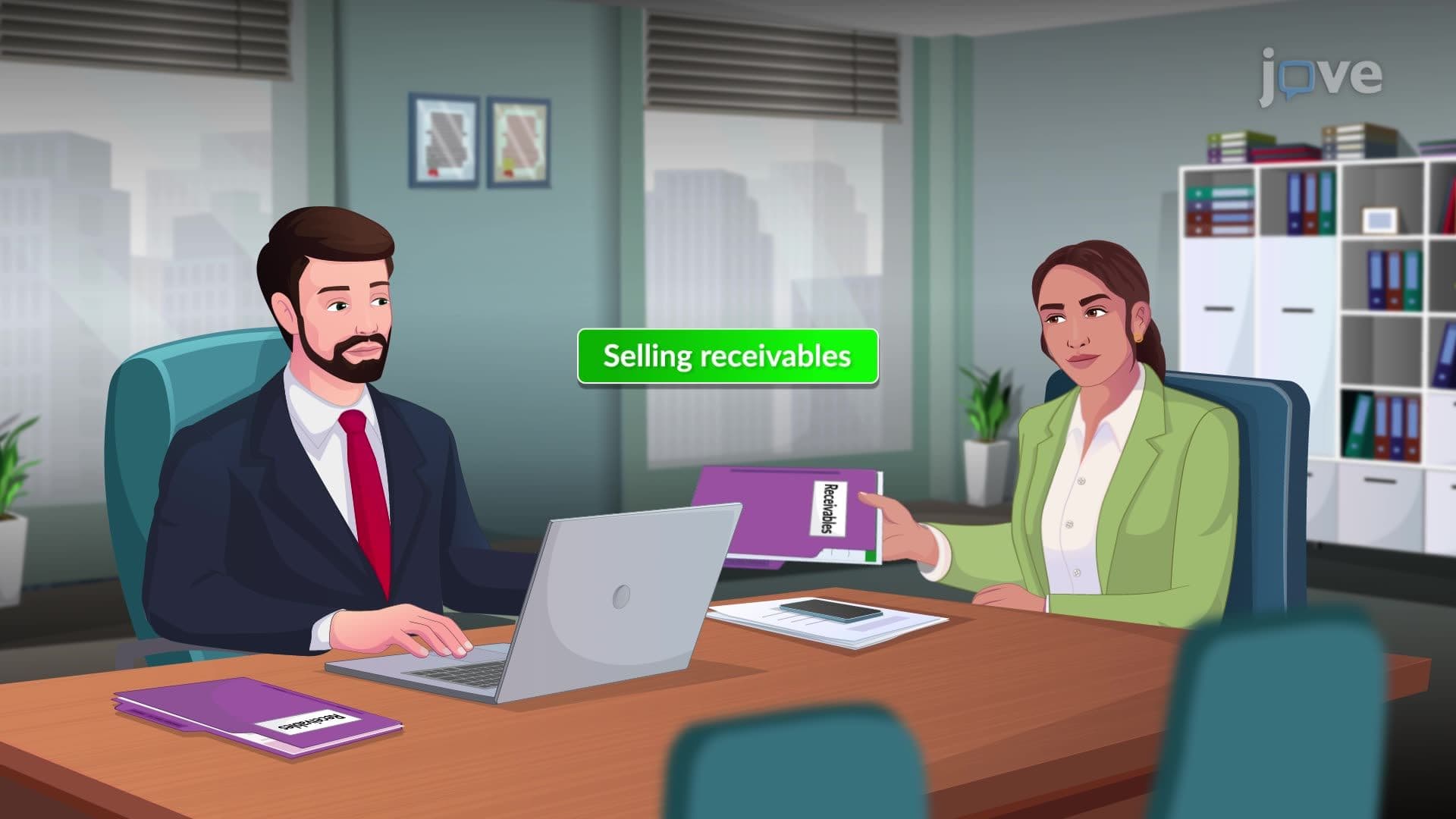
In factoring receivables conversations: If your business is also managing slow-paying customers, explore how factoring receivables or tightening accounts receivable collection can offset the pressure on working capital from the payables side.
The most common mistake is treating accounts payable optimization as a one-time fix rather than an ongoing discipline. Working capital is dynamic, it shifts with every sale, every delivery, and every payment run. Managers who check in on it only during financial reviews are always reacting. Build a rhythm, even a monthly 15-minute conversation with your finance partner around payables aging, DSO trends, and upcoming cash demands will sharpen your financial decision-making significantly.
A second mistake is conflating "holding cash" with "being financially disciplined." Retaining liquidity is only valuable if it's deployed purposefully. If delayed payments are funding activities that don't generate returns, or simply sitting idle, the trade-off loses its justification.
Related Micro-courses