Loading subject page…

3,481 views

Video Summary: What Is Accounts Payable
Accounts payable basics trip up more managers than most will admit, especially when budget approvals, vendor relationships, and cash flow conversations land on your desk without warning. Understanding accounts payable means knowing exactly what your organization owes, to whom, and when, and how those obligations shape operational decisions. Miss this, and supplier trust erodes fast. Watch the full video on JoVE Coach to master this concept with expert-led visuals and step-by-step explanations.
Picture this: a mid-level operations manager is blindsided in a leadership meeting when the CFO flags that three vendor invoices have gone past due. The procurement team thought finance was handling approvals. Finance assumed procurement had signed off. Nobody tracked the thirty-day window. The result? A strained supplier relationship, a dip in available credit, and an uncomfortable conversation about internal process gaps. This is exactly where a solid understanding of accounts payable, and how to manage it operationally, becomes a genuine leadership skill.
Accounts payable is often treated as a back-office accounting function, something the finance team handles invisibly. But for any manager overseeing procurement, vendor contracts, or operational budgets, accounts payable is a live signal of organizational health. It represents every outstanding obligation your business carries for goods and services already received on credit. When that number grows unchecked or payments slip past due dates, the ripple effects are immediate: suppliers tighten terms, credit ratings soften, and your team's ability to move quickly on future purchases shrinks.
The core issue isn't awareness, it's ownership. Many managers know invoices exist. Few build the internal habit of treating payment timelines as a leadership responsibility equal to any other operational metric.
A practical way to stay ahead of accounts payable risks is to apply a simple three-lens review, a framework you can run in any weekly operations huddle or budget review:
1. Aging Analysis, Categorize outstanding invoices by time bracket: 0-30 days, 31-60 days, 61-90 days, and beyond. Any invoice crossing the 60-day mark without a clear resolution plan is a flag requiring immediate escalation.
2. Cash Flow Impact Assessment, Map when payments are due against your team's or department's available working capital. Use this to make deliberate decisions: Is delaying payment within agreed terms strategically useful right now, or does it carry relationship risk with a critical supplier?
3. Early Payment Opportunity Scan, Identify vendors offering early payment discounts (commonly structured as "2/10 net 30," meaning a 2% discount if paid within 10 days rather than 30). For high-volume vendors, these discounts compound into significant savings over a fiscal year.
This three-lens approach mirrors the discipline behind working capital management frameworks used in finance-forward leadership environments, and it translates directly into smarter budget conversations with your peers and senior stakeholders.
Siloed accountability is the most common failure. When accounts payable sits entirely with one person or one team, errors and delays become invisible until they become crises. Build a RACI model for your invoice approval process: Who is Responsible for submitting invoices? Who is Accountable for approving them? Who needs to be Consulted on disputed amounts? Who stays Informed of payment status? Even a lightweight RACI prevents the dropped-handoff scenario that leads to late payments.
Reactive payment behavior is the second pitfall. Paying only when a supplier follows up signals weak internal controls. Instead, set a consistent payment cadence, weekly or bi-weekly payment runs, and communicate it proactively to vendors. This single habit dramatically improves supplier relationships and positions your organization as a reliable trading partner.
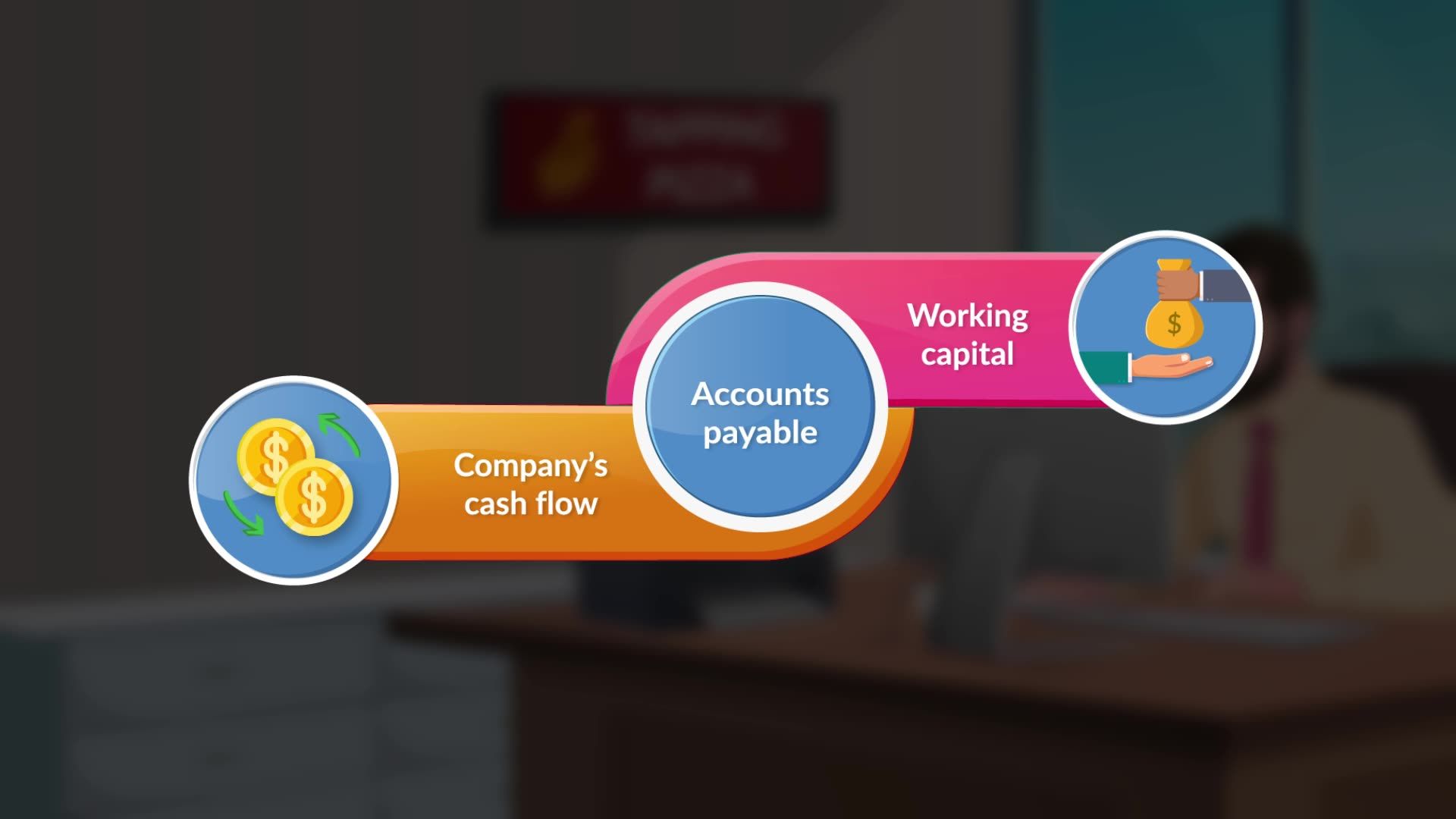
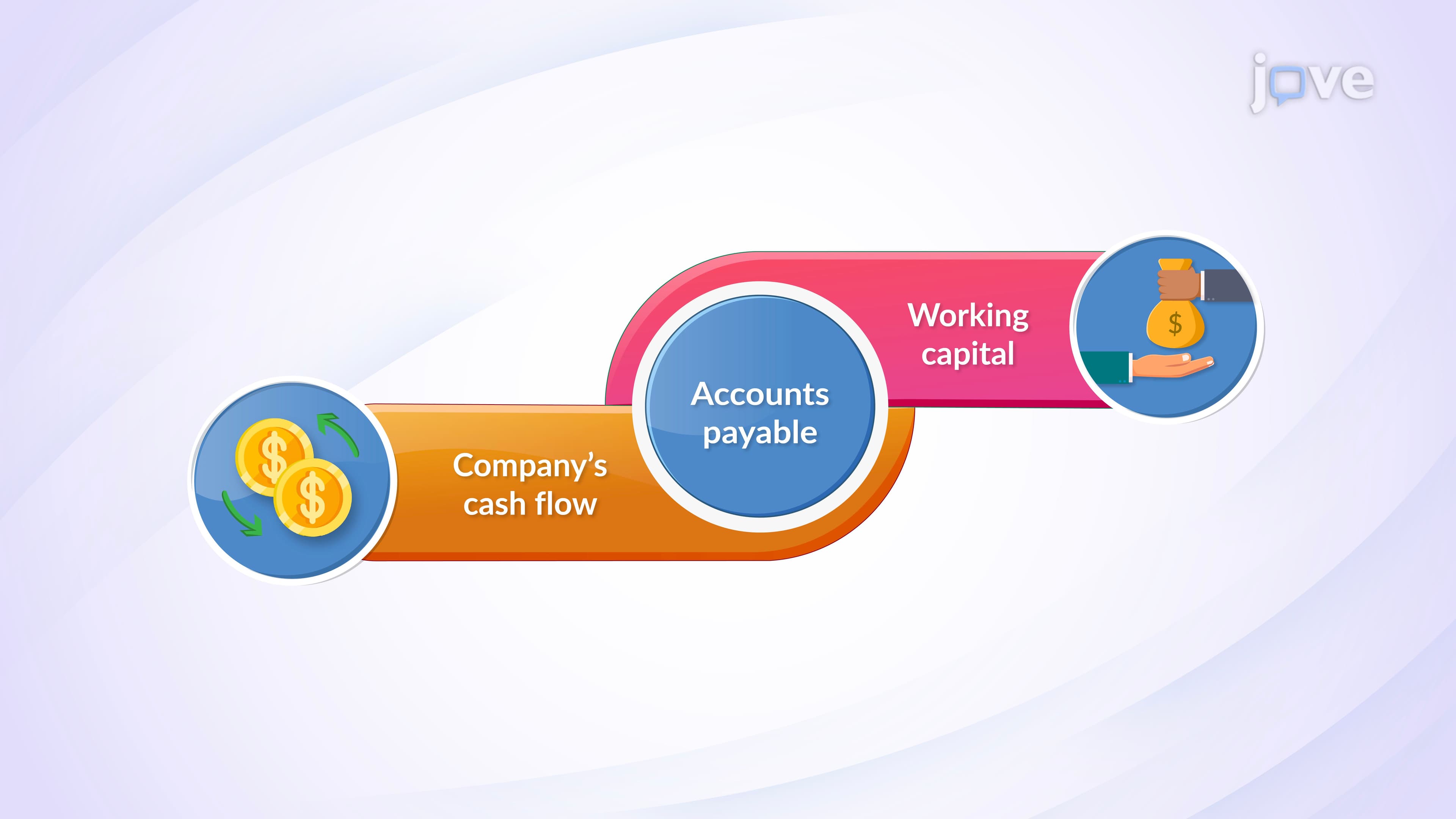
Ignoring the cash flow relationship is the third mistake. Accounts payable is not just a liability to clear, it is a working capital lever. Paying too early depletes operational cash unnecessarily. Paying too late damages trade credit. The manager's job is to hold that balance deliberately, not accidentally.
Related Micro-courses