Loading subject page…

3,481 views

Video Summary: Payment Terms and Vendor Management Explained
Payment terms and vendor management basics trip up even experienced managers when supplier relationships start affecting cash flow and operational timelines. Understanding payment terms and vendor management gives you sharper control over vendor negotiations, invoice cycles, and budget predictability. Miss these fundamentals and your team absorbs the fallout, delayed materials, strained supplier relationships, and working capital gaps. Watch the full video on JoVE Coach to master this concept with expert-led visuals and step-by-step explanations.
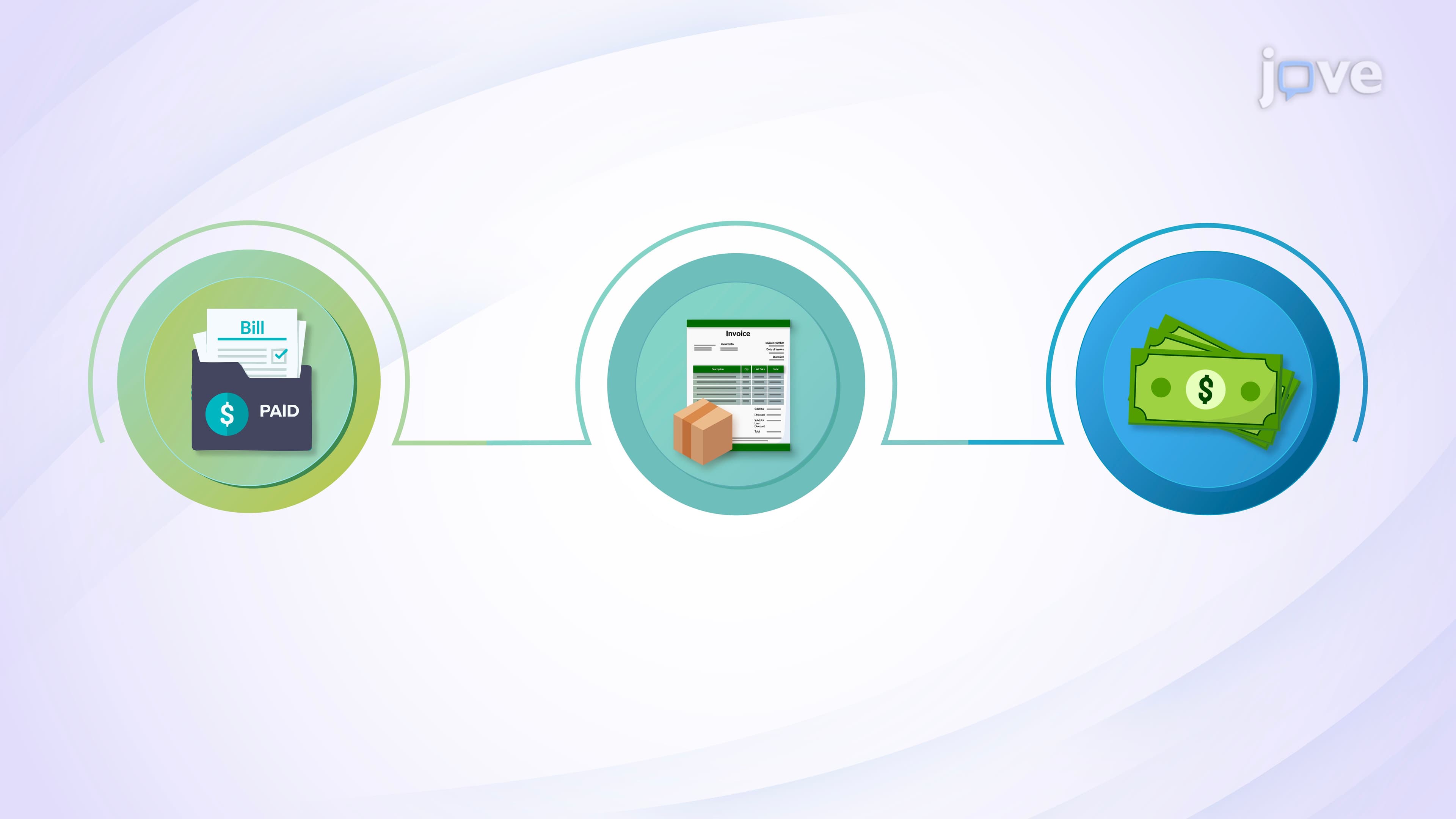
You've just approved a significant materials purchase. The invoice arrives, gets filed, and three weeks later your finance lead flags that you missed a two percent early-payment discount, money left on the table because no one on your team knew the terms mattered that urgently. This is not a finance team failure. It's a vendor management gap that sits squarely in a manager's lane.
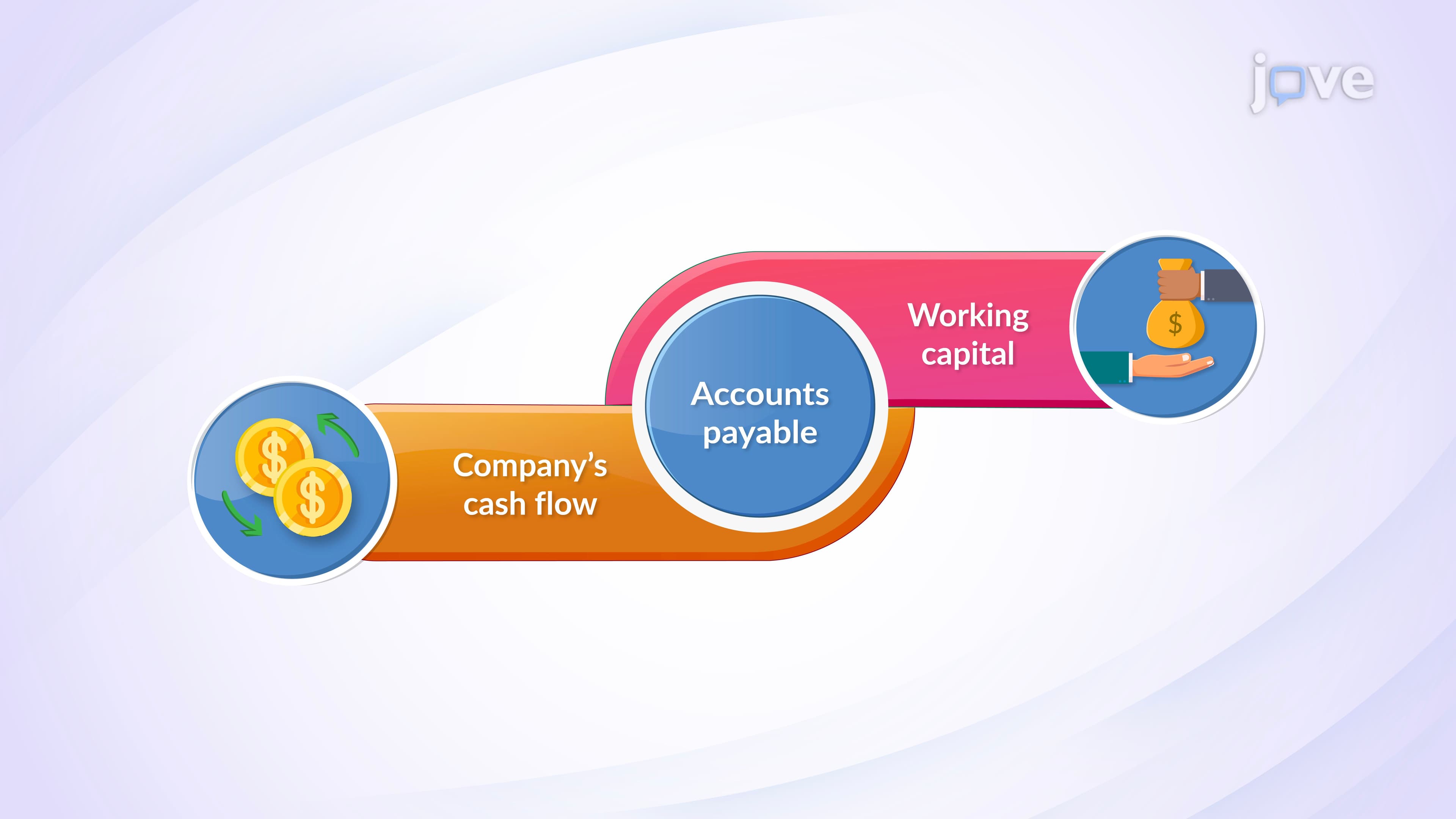
Most managers treat payment terms as administrative fine print, something procurement or accounts payable handles automatically. That assumption is costly. Payment terms define when money moves, which directly shapes your working capital position. A term structure like "2/10 net 30" means a vendor is offering a two percent discount if payment is made within ten days of invoicing, with the full amount due within thirty days otherwise. At scale, across multiple vendors, the difference between capturing or missing those discounts can represent meaningful budget variance. As a manager overseeing vendor relationships, understanding these mechanics gives you genuine leverage in supplier conversations, and credibility with your finance partners.
Apply a simple three-layer review to every significant vendor relationship:
1. Terms Clarity, Before any purchase order is confirmed, document the full payment terms in writing: due dates, discount windows, late payment penalties, and dispute resolution timelines. Use a RACI model to assign ownership, who is *Responsible* for invoice receipt, who is *Accountable* for approval, who needs to be *Consulted* (finance), and who must be *Informed* (operations).
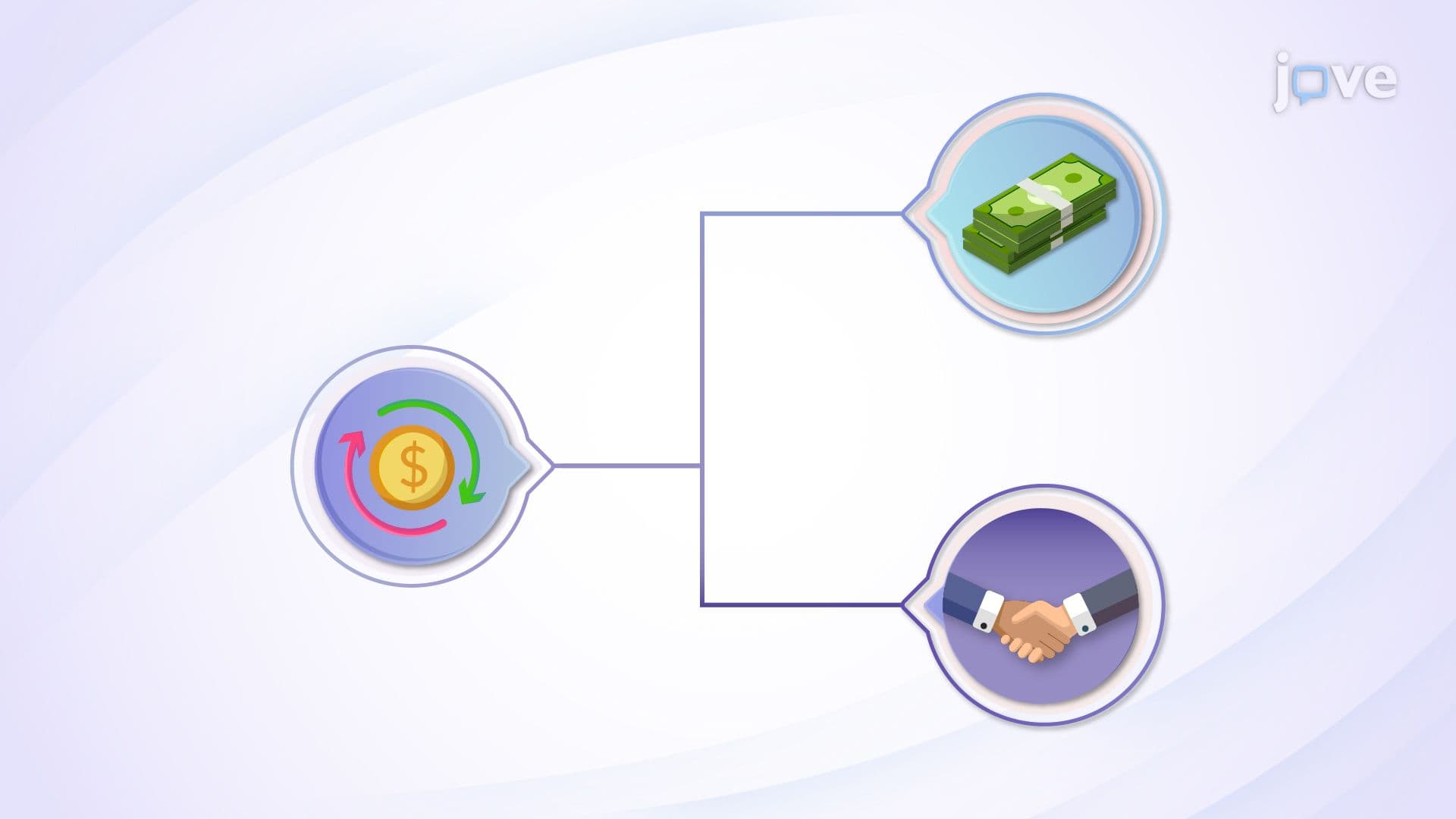
2. Cash Flow Alignment, Map your vendor payment schedule against your organization's accounts receivable collection cycle. If customers typically pay in 45 days but your key vendor requires payment in 30, you're carrying a 15-day cash gap. Recognizing this lets you either negotiate extended terms or build a buffer into your working capital management plan.
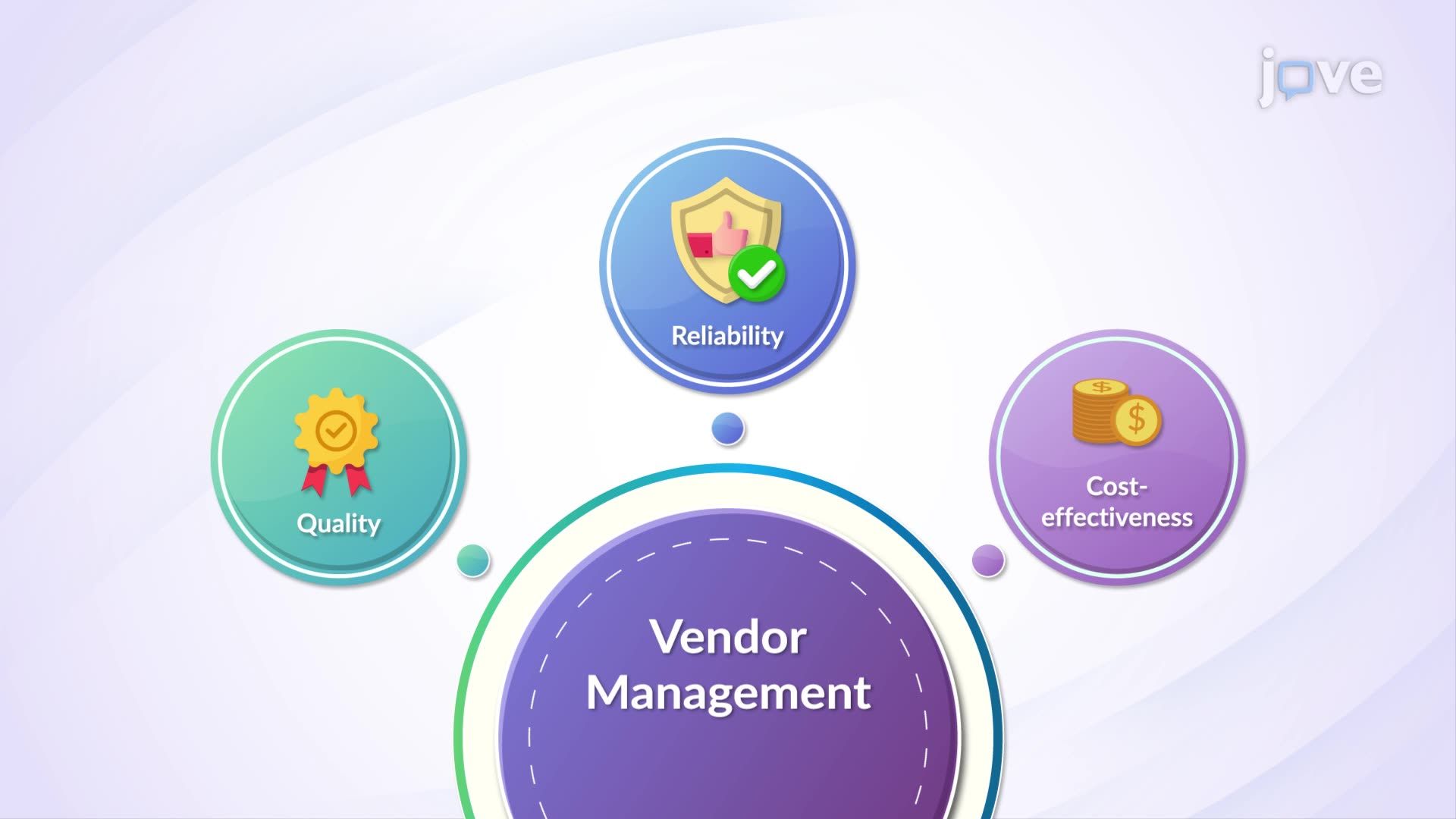
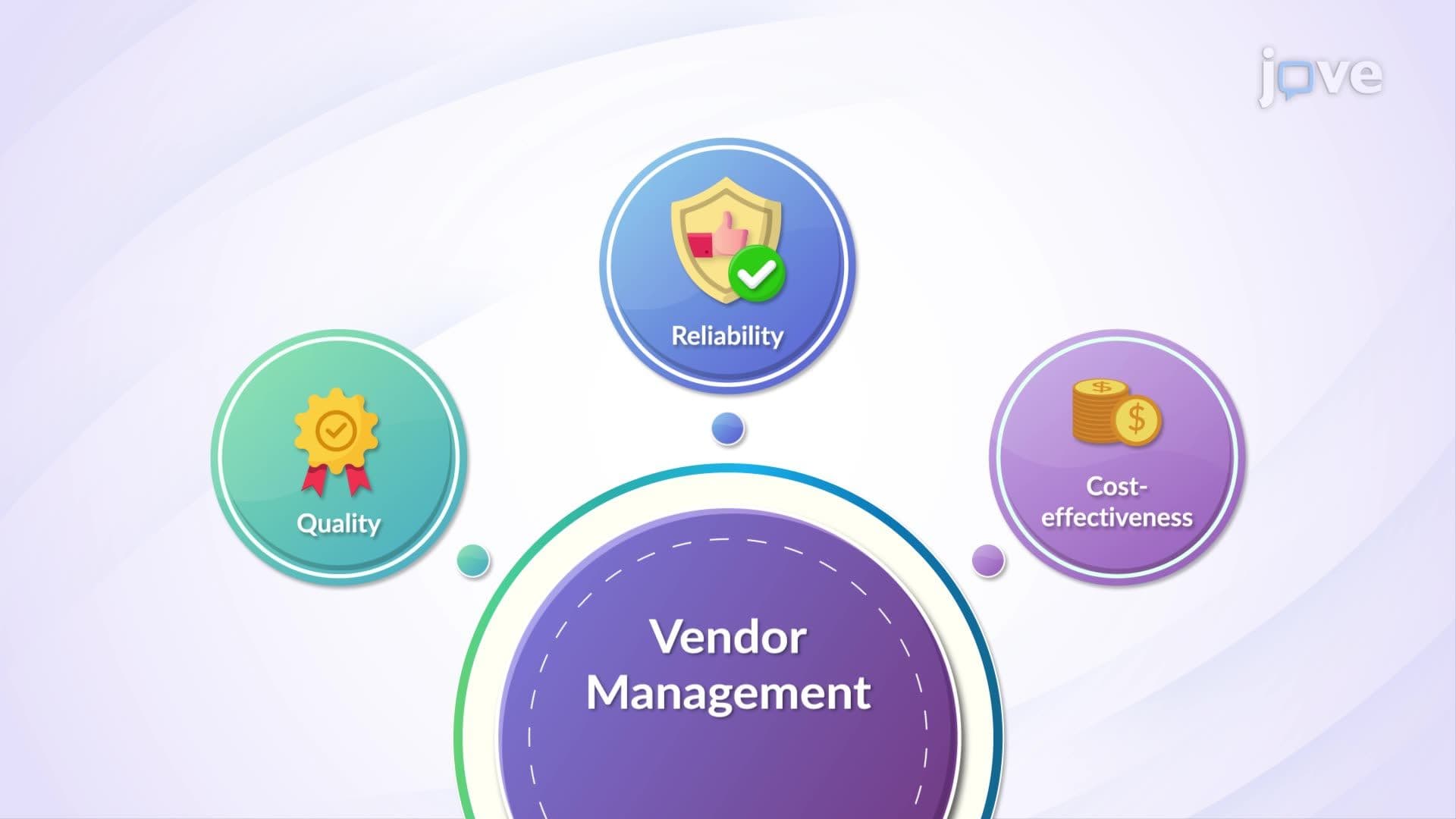
3. Performance and Relationship Review, Payment terms don't exist in isolation. Conduct quarterly vendor reviews that score delivery reliability, quality consistency, and invoice accuracy alongside payment compliance. Vendors who consistently perform well earn goodwill for flexible term negotiations. Those who don't lose that leverage.
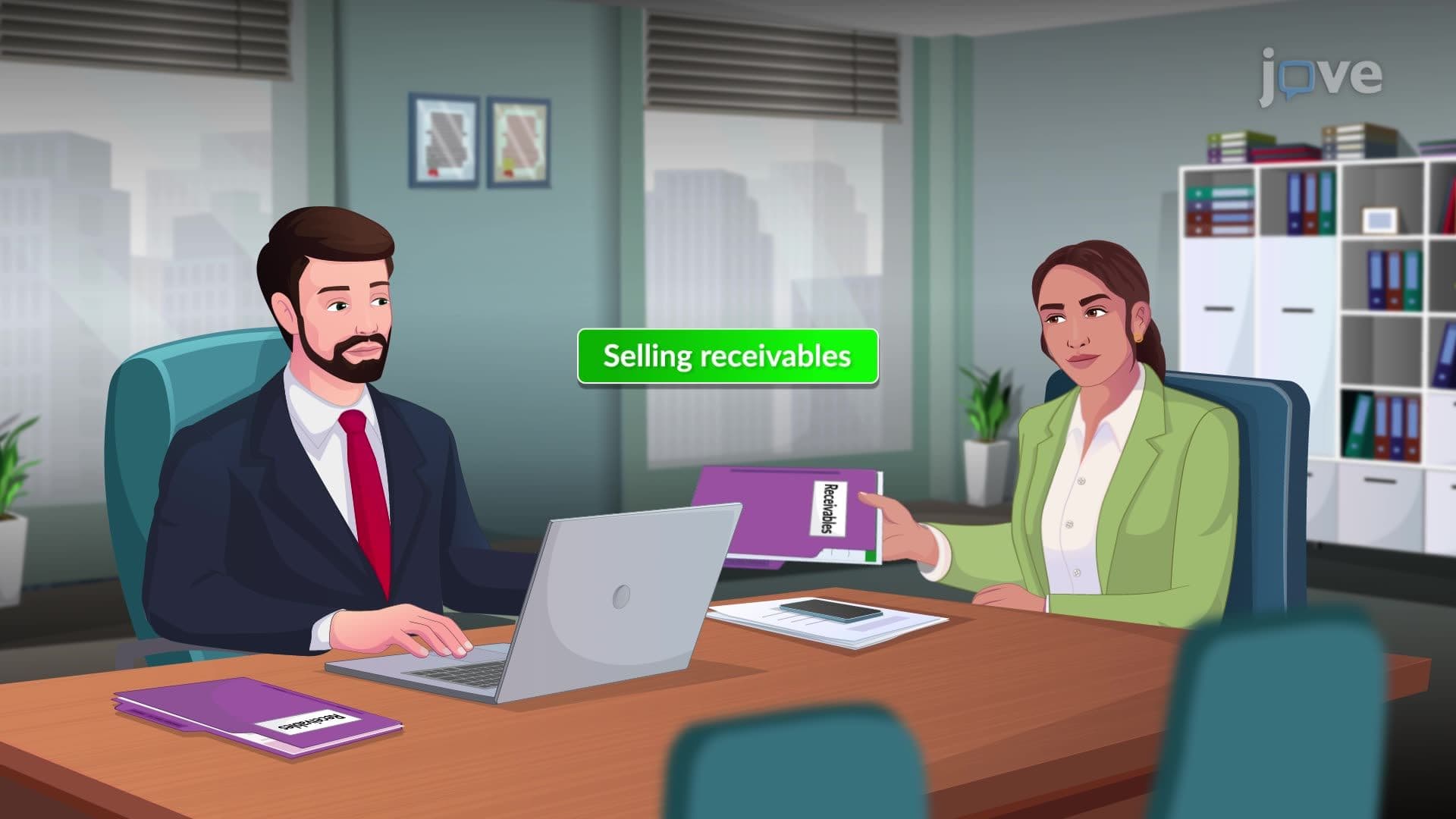
The most damaging mistakes aren't dramatic, they're structural. Teams that lack a documented accounts payable process frequently pay late not from cash shortage, but from internal process breakdown: invoices lost in approval chains, unclear ownership, or no one tracking discount windows. A second common error is treating all vendors identically. Strategic vendors, those supplying mission-critical inputs, warrant different payment priority and relationship investment than commodity suppliers. A third mistake is ignoring factoring receivables as an option when cash timing is tight; many organizations can accelerate cash inflows through receivables financing rather than defaulting on vendor terms and damaging supplier trust.
Before your next supplier review or contract renewal, enter the conversation with three prepared positions: your preferred payment timeline, your walk-away terms, and the specific discount threshold that makes early payment worthwhile for your team. Know your DSO (days sales outstanding) so you can articulate how your cash cycle works. Vendors respect managers who understand the financial mechanics, and those managers consistently negotiate better terms, build more resilient supply chains, and deliver more predictable operational results to their own leadership.
Related Micro-courses