Loading video…

 14 Concepts
 3.5K views

Video Summary: What Is Notes Payable
Notes payable basics matter more than most managers realize, especially when you're fielding questions from your team about why cash feels tight despite strong sales. Understanding what is notes payable helps you interpret balance sheet conversations with finance, ask sharper questions in budget reviews, and make better short-term resource decisions. Watch the full video on JoVE Coach to master this concept with expert-led visuals and step-by-step explanations.
You're three months into a major initiative. Budget approvals are slower than expected, your finance partner keeps referencing "short-term debt obligations," and a planned headcount addition gets quietly deferred. Sound familiar? Behind many of these friction points is a mechanism most managers never fully understand: notes payable. It's not just an accounting term, it's a direct signal of how your organization is managing its cash position and financing decisions in real time.
Most managers outside of finance treat notes payable as someone else's concern. But if your organization is carrying short-term debt, a formal written promise to repay borrowed funds, typically with interest, within 12 months, that liability is shaping decisions at every level. Budget freezes, delayed vendor payments, and slower procurement approvals often trace back directly to the organization's current liability position. Managers who understand this connect the dots faster, communicate more credibly upward, and protect their teams from being blindsided by sudden resource constraints.
The core concept is straightforward: when an organization borrows money and signs a formal agreement to repay it with interest by a specific date, that obligation is recorded as notes payable on the balance sheet. Unlike informal trade credit between companies, a note payable is a legal instrument with defined terms, principal amount, interest rate, and maturity date. Any note due within 12 months of the balance sheet date is classified as a current liability, directly impacting the organization's short-term financial health indicators.
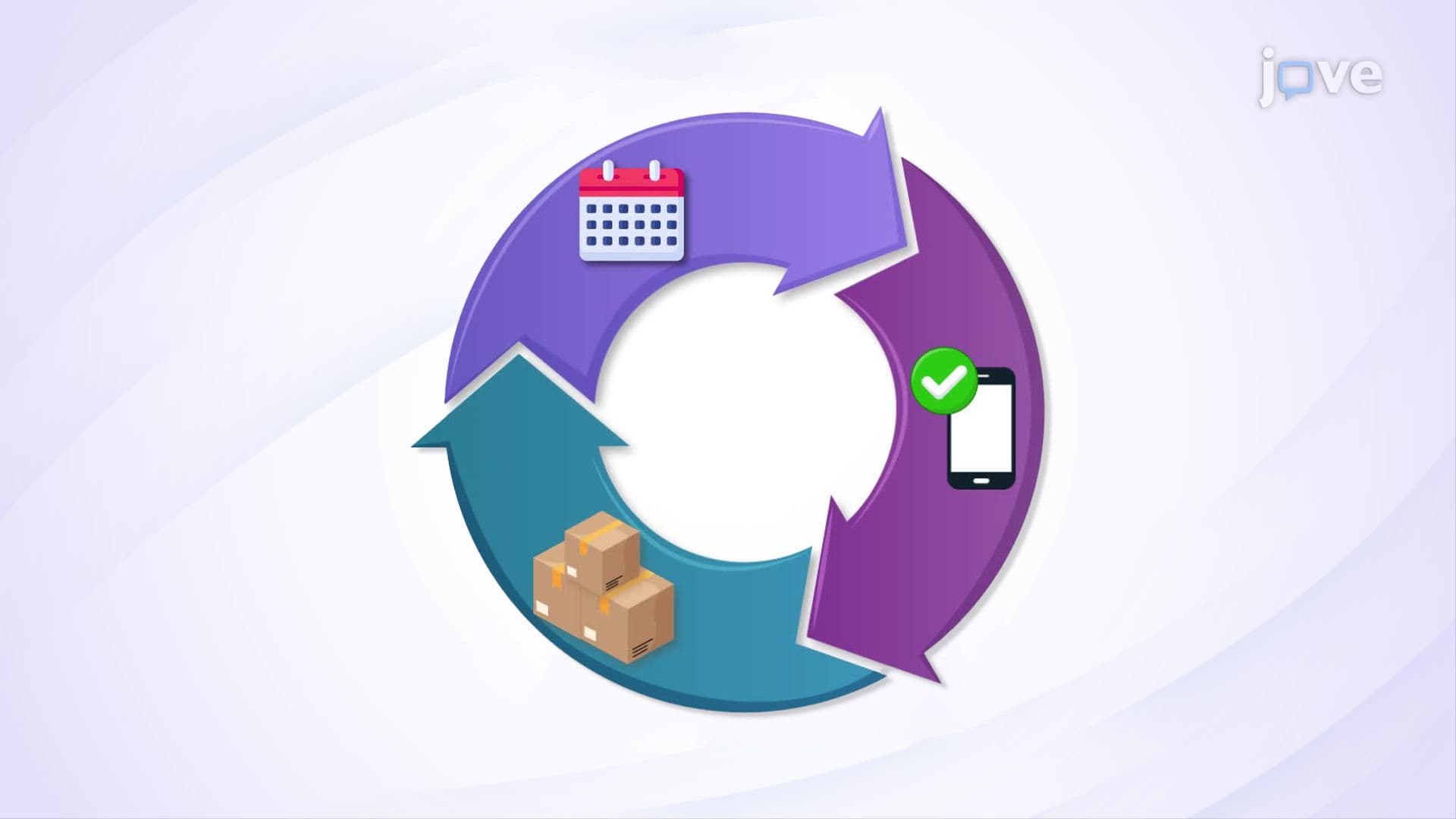
Think of notes payable through the lens of the Cash Conversion Cycle, a practical framework that traces how cash moves through your organization. Notes payable often appear when there's a gap: accounts receivable collection is slow (high days sales outstanding, or DSO), but operational expenses keep running. Borrowing via a note fills that gap. As a manager, this means:
1. When receivables are slow, your organization may borrow short-term, tightening discretionary budgets 2. When the note matures, repayment, principal plus accrued interest, creates a concentrated cash outflow 3. After repayment, available cash typically loosens again, often triggering the approval of pending requests
For example, if a four-month note was signed in May at 12% annual interest, the total repayment in September includes both the original principal and the proportional interest cost (four months of a 12-month rate). That September cash outflow is visible to finance weeks in advance, and smart managers time large resource requests around it.
You don't need to run the journal entries yourself. What you need is the right question. In your next budget review or cross-functional meeting with finance, try:
These questions signal financial awareness, build credibility with senior stakeholders, and often surface information that directly affects your team's planning. The RACI framework applies here too: even if you're not *Responsible* or *Accountable* for financial decisions, being *Consulted* or *Informed* means you need enough literacy to act on the information you receive.
The most frequent mistake is treating finance conversations as one-directional, waiting to be told what the budget situation means rather than actively engaging with the underlying data. A second mistake is timing major requests at exactly the wrong moment: submitting headcount additions or capital requests immediately before a major repayment milestone, when cash is at its tightest. Understanding notes payable, even at a conceptual level, gives you the timing intelligence to be a more effective advocate for your team.
Related Micro-courses