Loading video…


 14 Concepts
 3.5K views

Video Summary: Recognition of Accounts Receivable
Recognition of accounts receivable basics is a critical financial concept every manager overseeing billing, collections, or client accounts must understand clearly. When revenue gets recorded incorrectly or too late, cash flow forecasts break down and working capital decisions suffer. Mastering recognition of accounts receivable helps you align your team around accurate financial reporting and smarter credit decisions. Watch the full video on JoVE Coach to master this concept with expert-led visuals and step-by-step explanations.
Picture this: your sales team closes a significant deal, delivers the product on schedule, and issues an invoice, but your financial reports show no revenue yet because payment hasn't arrived. Your operations lead is confused, your finance partner is flagging a gap, and your leadership team is asking why the quarter looks weak on paper. This disconnect is one of the most common and costly misunderstandings managers face when they step into roles with financial accountability. It stems directly from a gap in understanding recognition of accounts receivable.
The instinct most managers carry is straightforward: money in the door equals revenue earned. That logic works at a market stall. It fails inside any organization operating on trade credit. Under the accrual basis of accounting, the standard framework used by virtually every professional organization, revenue is recognized when it is *earned*, not when payment is received. Earned means the product has been delivered or the service has been rendered, and an invoice has been issued. The moment those two conditions are met, accounts receivable should be recorded. Managers who don't internalize this create misaligned forecasts, inaccurate pipeline reports, and poor working capital decisions.
Apply a simple two-condition test before your team records any receivable:
1. Delivery confirmed, Has the product shipped or has the service been fully rendered to the client's satisfaction? 2. Invoice issued, Has a formal invoice been sent with clearly stated payment terms?
If both conditions are true, the receivable is recognized immediately. This aligns directly with the revenue recognition principle embedded in globally accepted accounting standards (IFRS 15 and ASC 606 both center on the concept of "performance obligation fulfilled"). As a manager, you don't need to be an accountant, but you do need to ensure your team has a shared, documented trigger point for when invoices go out and when finance is notified to record the entry.
Start with your receivables aging report, a standard output from any finance system that segments outstanding invoices by age: 0-30 days, 31-60 days, 61-90 days, and 90+ days. In your next team meeting, walk through this report with your billing or finance lead and ask two questions: *Where are we creating delays between delivery and invoicing?* and *Which aged accounts need an escalation decision today?*
Tie this review to your days sales outstanding (DSO) metric, a calculation that measures the average number of days it takes to collect payment after a sale. A rising DSO is an early warning signal. It tells you that your accounts receivable collection process is slowing down, whether due to slow invoicing, weak follow-up, unclear payment terms, or client disputes. Managers who review DSO monthly alongside their sales numbers catch cash flow problems weeks before they become crises.
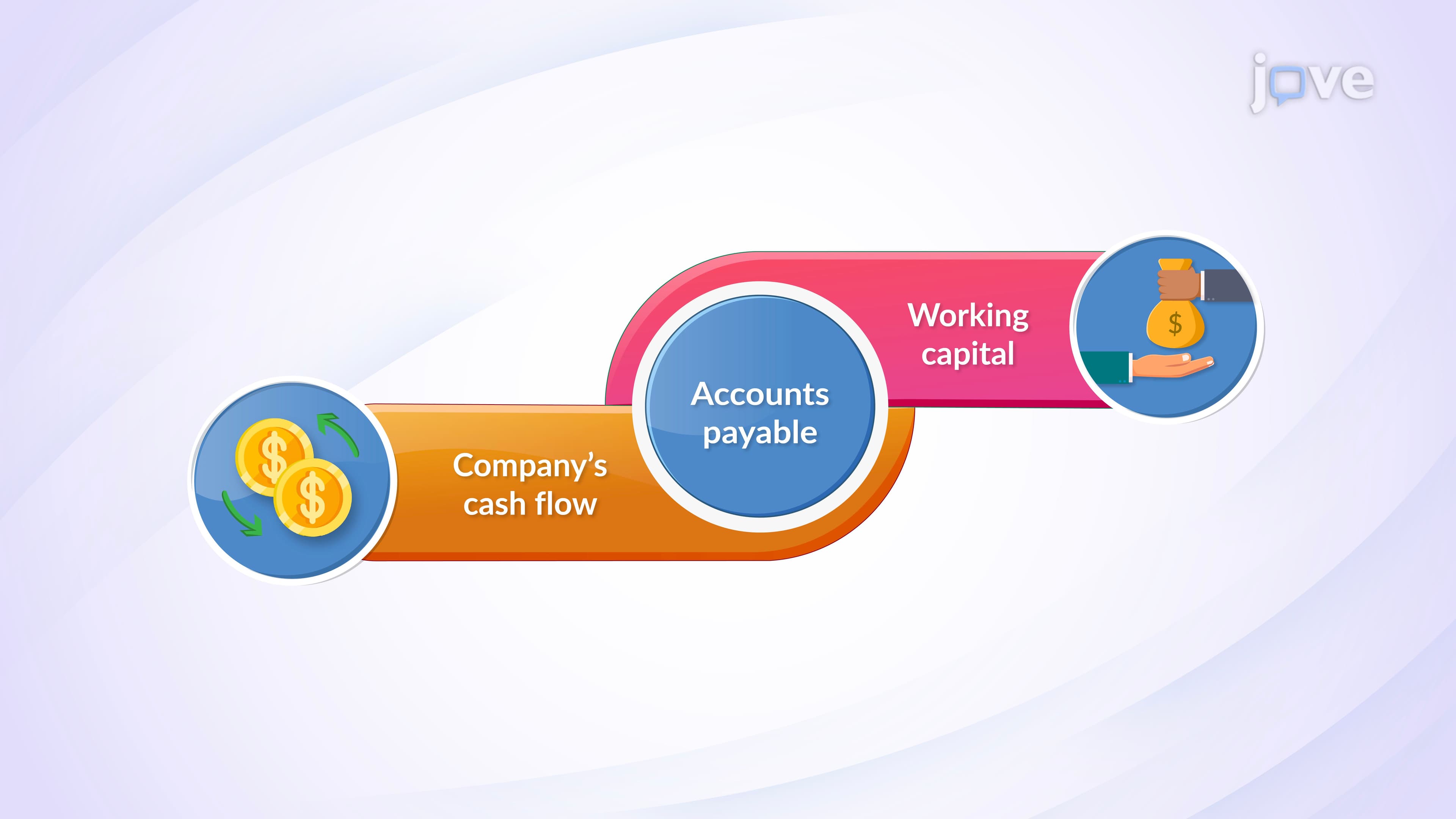
Delaying invoice issuance is the single most damaging habit on high-performing sales teams, and it almost always happens because no one owns the handoff between delivery confirmation and billing. Build a RACI (Responsible, Accountable, Consulted, Informed) model around your invoicing process so the trigger is automatic, not dependent on memory. Confusing cash receipt with revenue earned creates phantom gaps in your monthly reporting and erodes trust with your finance partners. And ignoring the accounts payable process on the other side means you're managing receivables in isolation, your net working capital position depends on both what you're owed and what you owe. The most effective managers hold both views simultaneously.
Related Micro-courses