Loading video…

 14 Concepts
 3.5K views

Video Summary: What Is Notes Receivable
Notes receivable basics become critical knowledge the moment a manager approves extended payment terms, negotiates vendor credit, or reviews a balance sheet for the first time. Understanding what is notes receivable, and how it differs from standard accounts receivable, sharpens your ability to assess financial risk and protect your team's operating budget. Watch the full video on JoVE Coach to master this concept with expert-led visuals and step-by-step explanations.
Picture this: your sales team has just closed a significant deal, but the client cannot pay the full invoice immediately. Someone in leadership suggests accepting a formal written agreement, a note, with an agreed repayment date and an interest rate attached. It sounds straightforward. But if you don't understand the mechanics of notes receivable, you risk approving terms that create more financial exposure than the deal is worth.
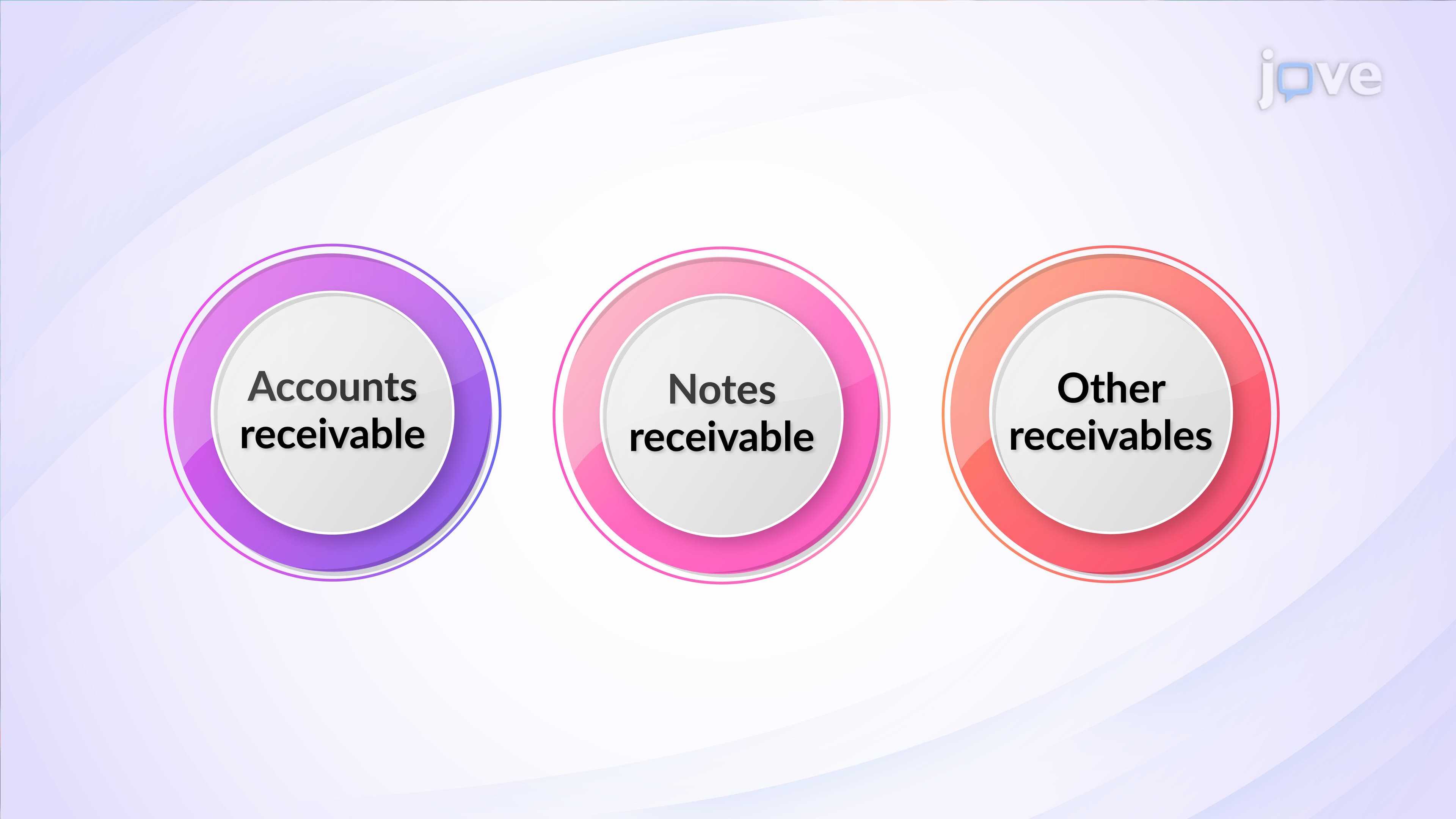
Most managers outside of finance encounter notes receivable only in peripheral contexts, a line on a balance sheet, a reference in a quarterly review, or a phrase in a credit policy document. The confusion typically stems from conflating notes receivable with standard accounts receivable. The key difference is formality and enforceability. Accounts receivable represent informal credit, an invoice sent, payment expected. Notes receivable are legally binding, written instruments that specify the amount, the repayment date, and often an interest rate. That distinction carries real operational weight when collections go wrong.
Apply a simple risk-reward lens when any note receivable arrangement is proposed to your team or function. Consider four factors:
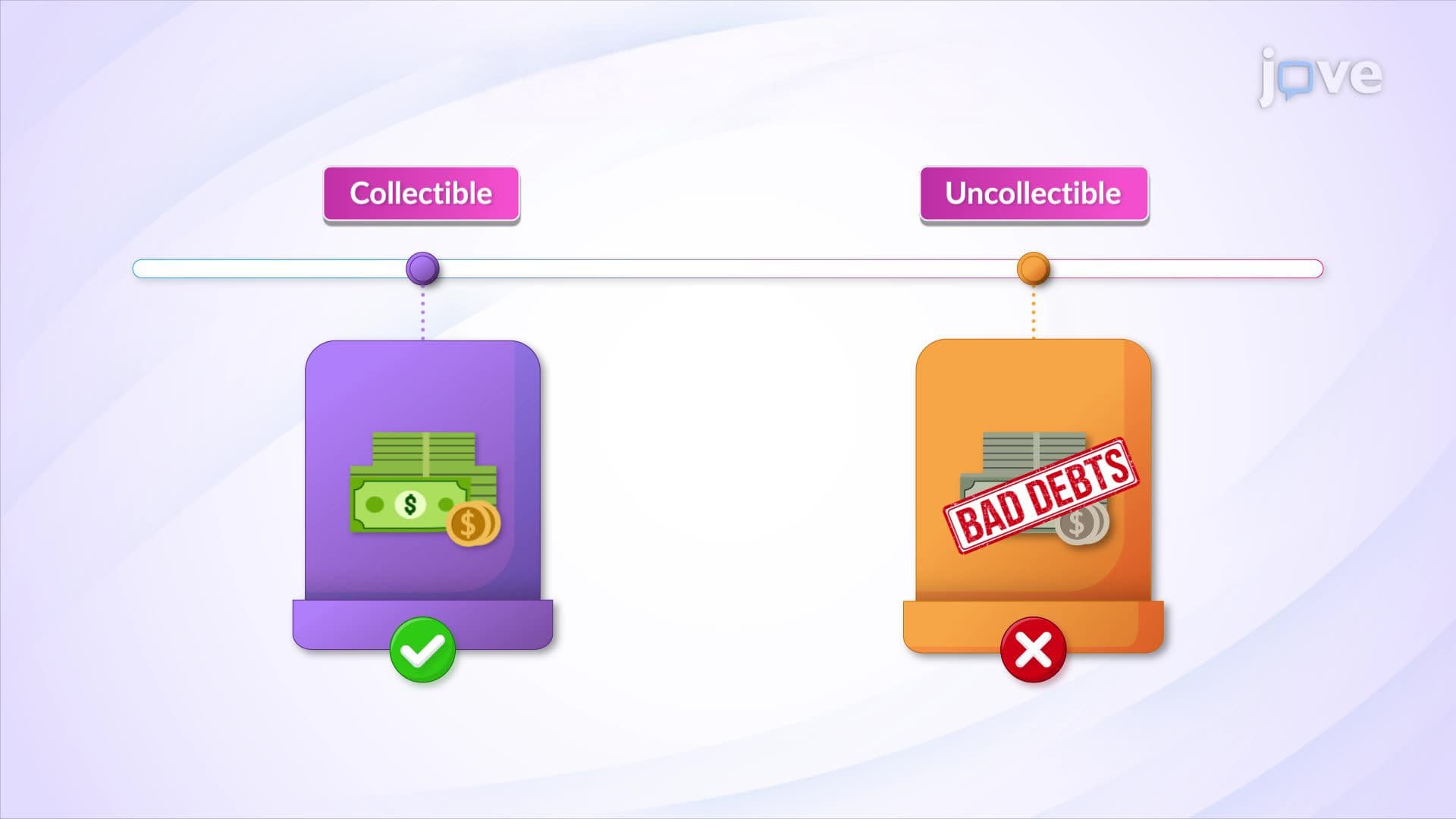
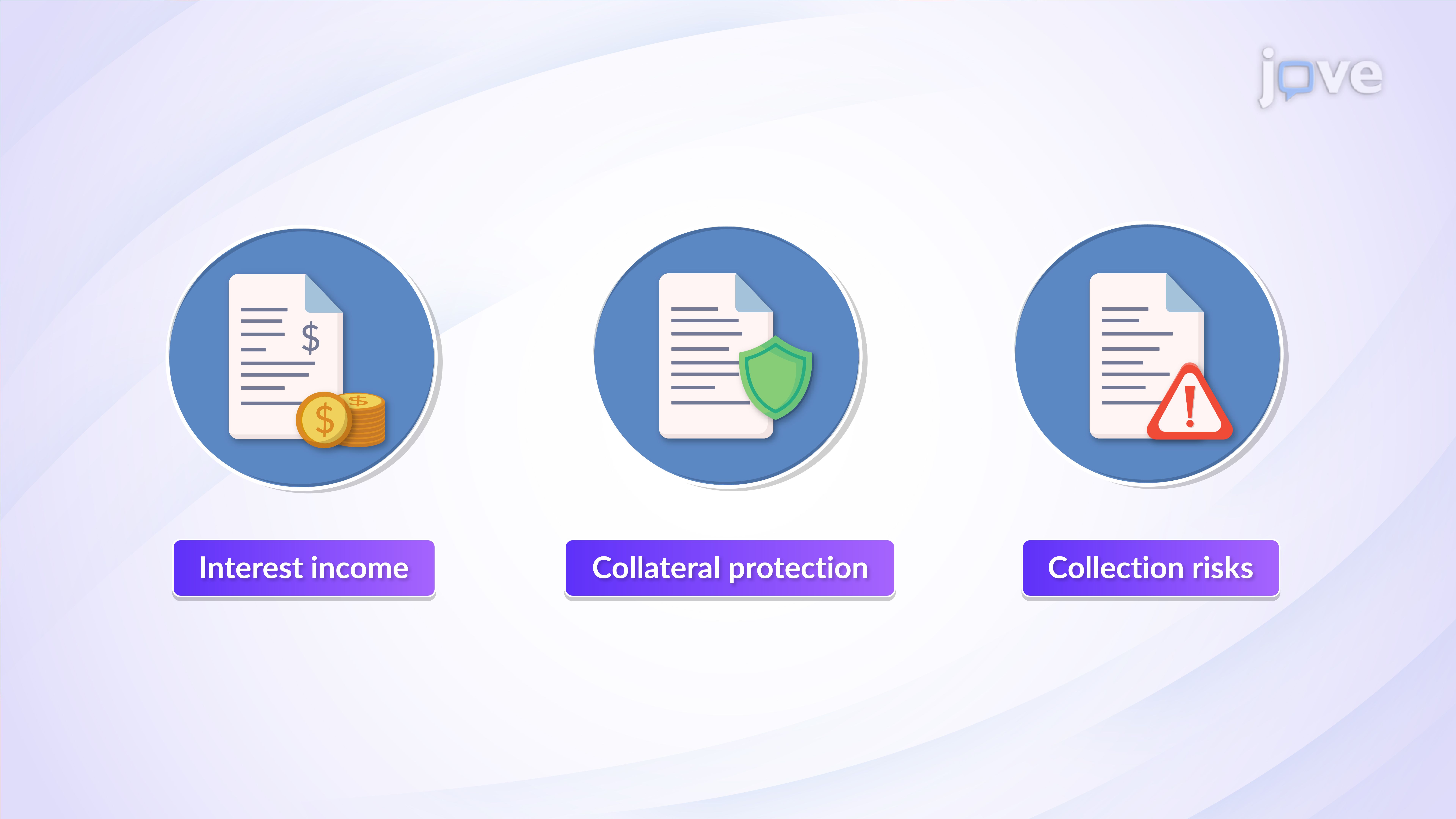
1. Collateral coverage, Is the note secured against a specific asset? A secured note reduces your exposure if the borrower defaults. Unsecured notes carry higher risk and should reflect that in the interest rate or credit approval threshold. 2. Days Sales Outstanding (DSO) impact, Every note receivable extends your collection cycle. Use DSO benchmarks relevant to your industry to assess whether the arrangement is sustainable for your working capital position. 3. Interest income vs. collection cost, Interest earned on a note improves revenue on paper, but potential legal costs from a default can quickly erode that gain. Factor in your organization's capacity to pursue collections before approving extended terms. 4. Customer creditworthiness, Before agreeing to a note structure, require a credit review. Apply a tiered trade credit model: low-risk clients may qualify for unsecured notes; higher-risk relationships should require collateral or a shorter maturity window.
This framework mirrors the risk-assessment logic embedded in enterprise credit policies and aligns with working capital management best practices used by finance leaders globally.
When your finance business partner presents a report showing a rise in notes receivable, don't just note the number, probe it. Ask: What is the maturity profile? Are any notes approaching default? What's the interest rate attached? Are these secured? These questions signal financial fluency and position you as a manager who understands operational risk, not just activity metrics.
If your team manages client relationships or vendor agreements, advocate for formal note structures over informal credit whenever payment timelines extend beyond 30 days. Factoring receivables, selling outstanding notes to a third party for immediate cash, is another lever worth understanding, particularly in cash-constrained periods. Knowing when to recommend this option to your finance team demonstrates strategic awareness that goes well beyond day-to-day management.
Related Micro-courses