Loading video…


 14 Concepts
 3.5K views

Video Summary: Sale of Receivables to a Factor Explained
Managing cash flow gaps is one of the most disruptive operational challenges a finance-adjacent manager faces. The sale of receivables to a factor, a core concept in sale of receivables to a factor basics, gives leaders a practical lens for understanding how businesses convert unpaid invoices into immediate working capital. Mastering this helps you make smarter decisions around liquidity, vendor timelines, and resource planning. Watch the full video on JoVE Coach to master this concept with expert-led visuals and step-by-step explanations.
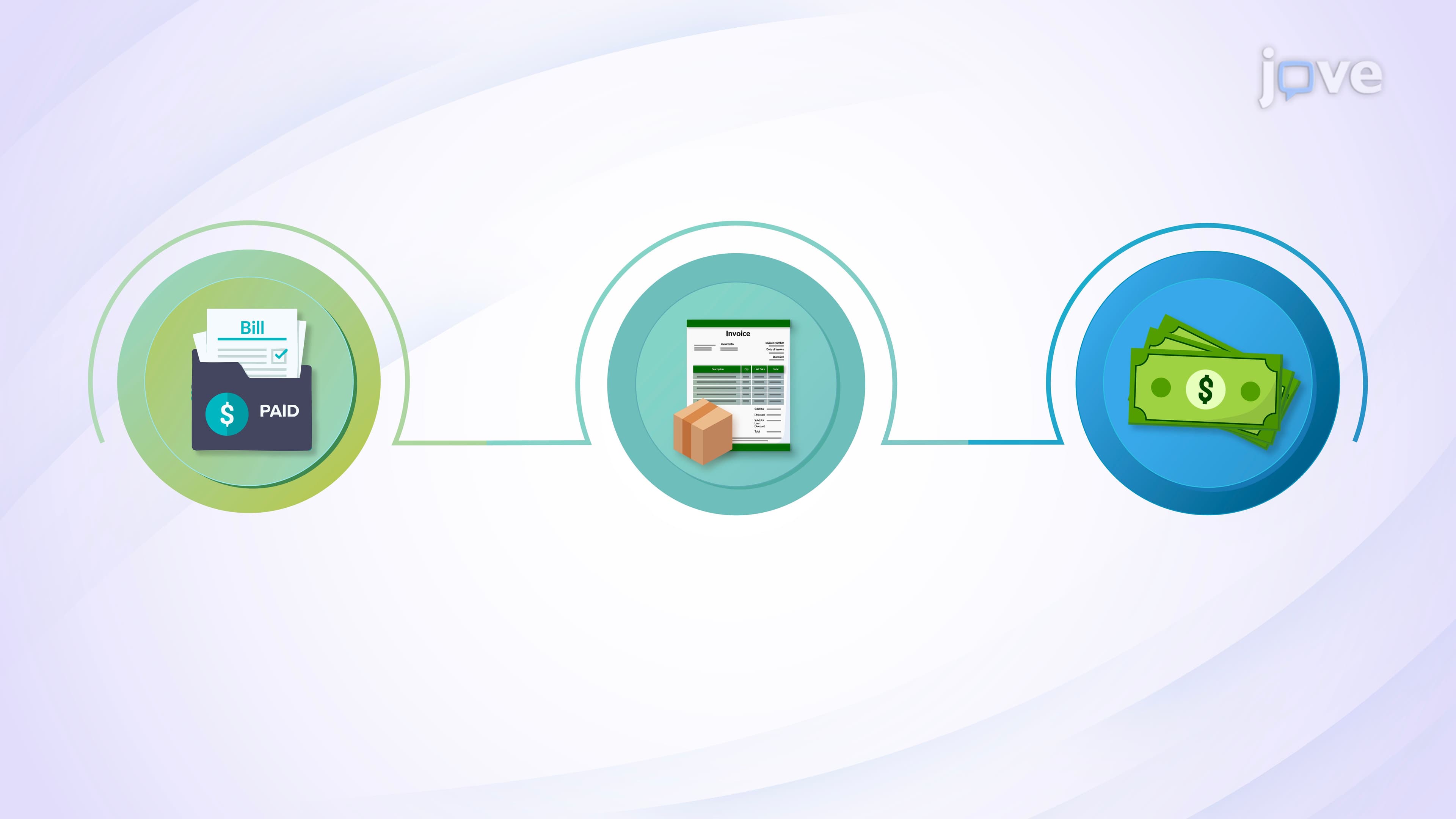
Picture this: your operations team is ready to launch a project. Materials need to be ordered, contractors need to be paid, and timelines are firm. But finance flags a problem, a significant portion of this quarter's revenue is tied up in unpaid customer invoices, with payment terms stretching 30 to 60 days out. The budget exists on paper, but the cash doesn't exist yet in the account. This is the precise gap that the sale of receivables to a factor is designed to close.
Most managers treat accounts receivable as a finance department problem, something that lives in a spreadsheet far removed from their day-to-day decisions. That's a costly blind spot. When customers are slow to pay, the ripple effects hit resource availability, procurement timelines, hiring decisions, and even team morale. Understanding factoring, the practice of selling outstanding invoices to a third-party factoring company at a negotiated discount in exchange for immediate cash, puts managers in a far stronger position to anticipate operational constraints before they become crises.
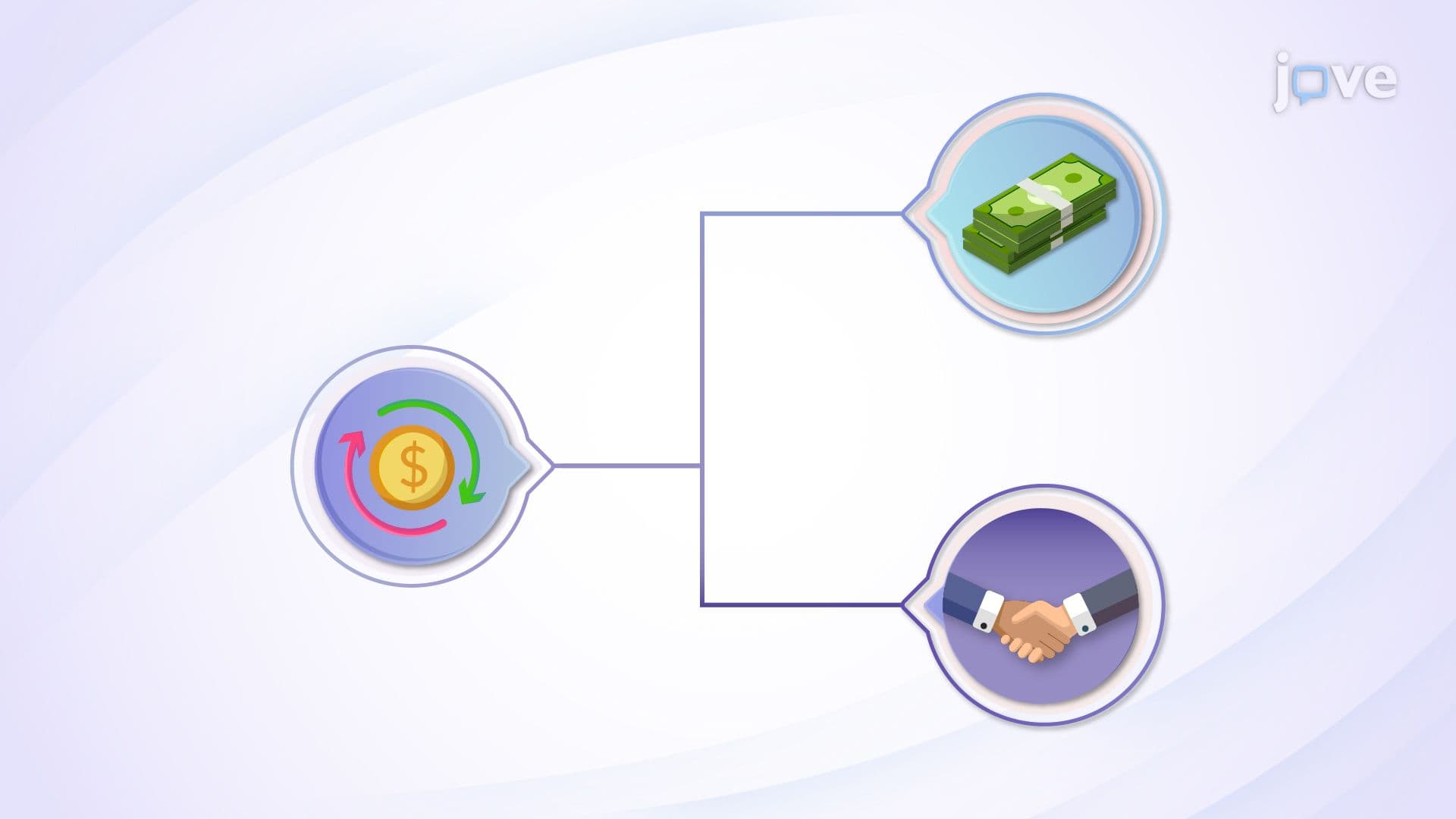
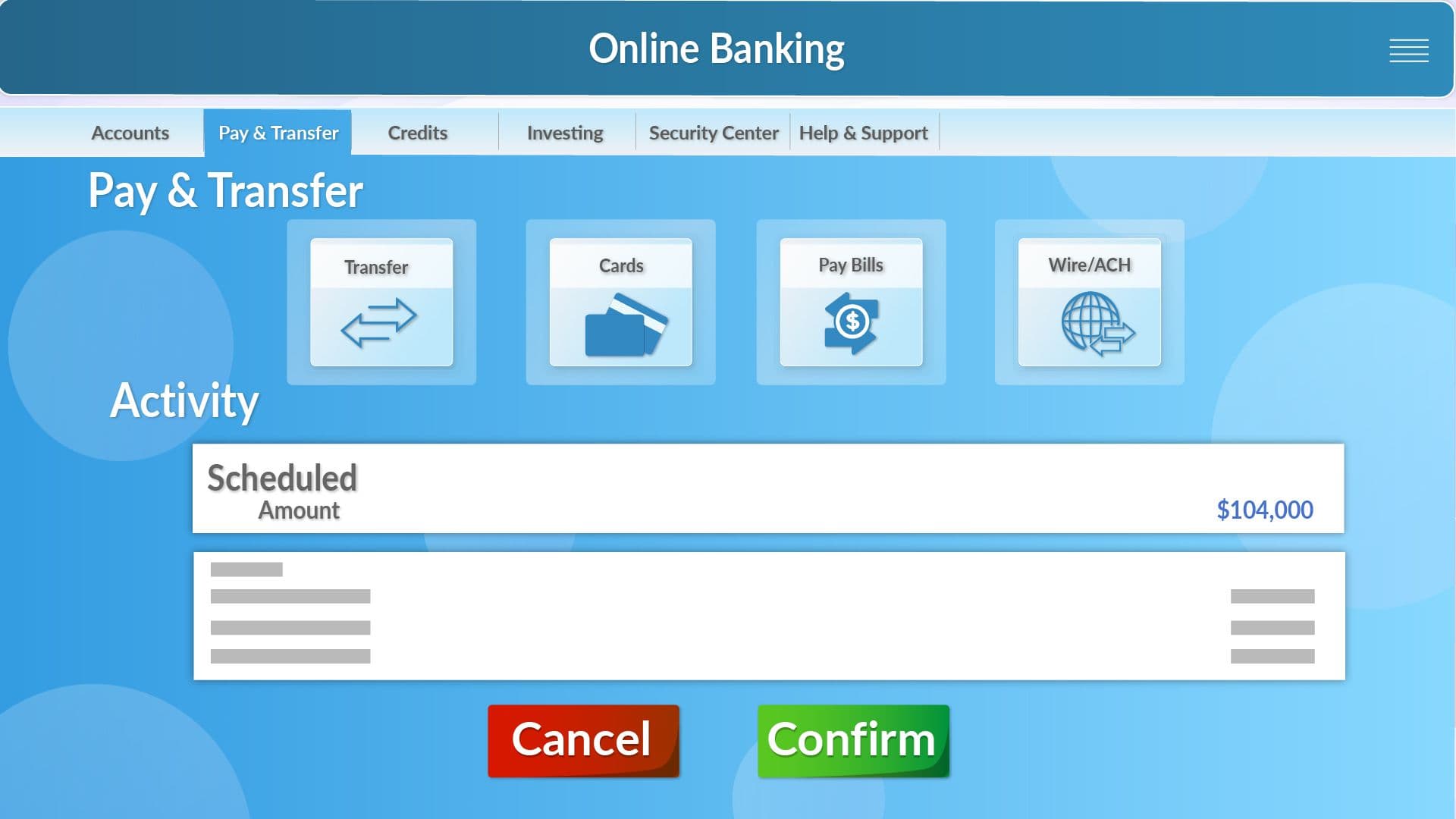
The factor essentially purchases the right to collect on those invoices. The business receives a large percentage of the invoice value upfront, often in the 80 to 95 percent range, and the factor earns its fee through the spread between what it paid and what it collects from customers. The cost is real, but so is the operational breathing room it creates.
A useful way to evaluate whether factoring makes sense in a given situation is through the Cash Conversion Cycle (CCC) framework, which measures how long it takes for a business to convert its investments in inventory and operations into actual cash flow. Three components drive it: days inventory outstanding, days sales outstanding (DSO), and days payable outstanding.
When DSO is high, meaning customers are taking a long time to pay, the CCC stretches, and operational pressure builds. Factoring directly compresses DSO by removing the waiting period. For managers overseeing revenue-generating teams, tracking DSO as a leading indicator of cash availability is a practical habit that sharpens financial fluency and strengthens your credibility with finance leadership.
Apply this in your next budget review by asking: *What is our current DSO, and how is it affecting our ability to act on operational priorities?* That single question reframes receivables from a back-office metric into a strategic leadership variable.
Factoring is most relevant to managers operating in manufacturing, distribution, staffing, logistics, or any environment where significant revenue is locked in extended payment terms. If you manage a team that interfaces with clients on invoicing, service delivery, or collections, understanding the mechanics of factoring helps you contribute meaningfully to decisions about when and whether to accelerate cash through a factor.
In practice, a useful model here is the cost-benefit decision matrix, weighing the factoring fee (the discount surrendered) against the operational value of having immediate funds. If immediate cash enables you to negotiate better supplier terms, avoid project delays, or retain key contractors, the net benefit often justifies the cost.
The most frequent mistake managers make is treating factoring as a sign of financial distress rather than as a deliberate working capital strategy. In high-growth environments, factoring is often a smart, proactive tool, not a last resort. A second mistake is ignoring the customer relationship dimension: the factoring company will be contacting your clients to collect payment. Ensuring that process is handled professionally protects both the client relationship and your team's reputation in the market.
Related Micro-courses